Education
Countries with the most stressful education systems
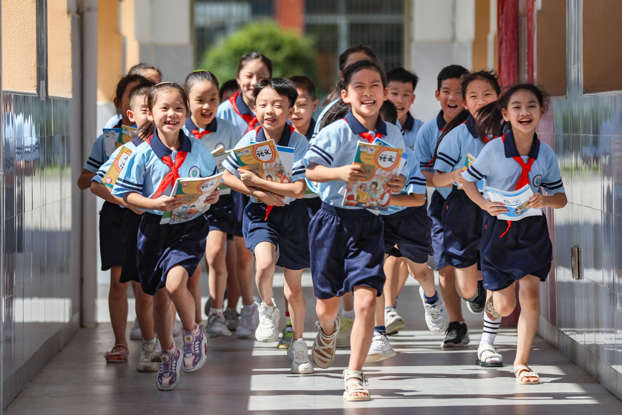
Education systems vary in different parts of the world, but one thing is common across the board. Education is seen as a way to achieve success and a better quality of life, especially in emerging economies. Unfortunately, it has become a source of immense pressure for students of all ages.
Be it high expectations, the constant stress of exams, or high-stakes entrance tests that determine their admission to prestigious universities, academic excellence comes at a steep cost for many.
In this gallery, we take a look at the education systems of countries around the world, as well as their most difficult exams and their effect on students’ lives. Curious? Click to know more.
South Korea
Schooling in South Korea consists of four important stages. It includes six years of elementary school, three years of middle school, three years of high school, and two years of junior college or four years of general college education.
The big gatekeeper
South Korea has one of the toughest exams in the world, the Suneung, or College Scholastic Ability Test (CSAT). It is an important milestone in a student’s life as it decides which universities they are eligible for in the future.
Endurance test
Students spend a grueling eight hours attempting the exam, which tests their knowledge and understanding of various subjects. On average, South Korean students spend more than 12 hours per day in their high school years preparing for the exam.
Mental toll
A 2022 survey found that nearly 35% of students experience stress during their schooling years. College students reported higher stress when compared to students of elementary, middle, and high school
Finland
The Finnish school system is lauded for its anti-exam model. Students here consistently outperform peers in the Programme for International Student Assessment (PISA).
Structured path
The education system employs a 9-3-3 structure. Students have to go through a compulsory nine-year mandatory schooling, a three-year upper secondary education, and a three-year university education phase.
Low stress, high stakes
The hardest exam students have to face is the Matriculation Examination, or the Ylioppilastutkinto. This is a nationwide test taken at the end of secondary schooling, and based on the scores, students qualify for university education.
Quiet struggles
University students experience the highest amount of stress. Some reports suggest that about 40% of female students and 28% of male students experience stress and anxiety.
Singapore
In Singapore, education consists of six years of compulsory primary schooling, followed by four to six years of secondary schooling, and one to three years of post-secondary education. At the end of primary education, students have to take the Primary School Leaving Examination (PSLE) to progress to secondary school.
A difficult challenge
One of the toughest exams in the country is the Singapore-Cambridge GCE A-Level.
High achievers
In 2024, the standard pre-university examination was taken by 10,889 students. Out of these, 10,255, or 94.2% of the students, achieved a passing grade in at least three H2-level subjects that cover a wide variety of topics.
Race for grades
The desire to excel and achieve good grades is one of the most common reasons for stress among students. A 2022 study reported that 90% of secondary school students experienced stress at some point in their education.
India
The Indian school system is one of the most stressful in the world. There are state-specific education systems, a nationwide Central Board of Secondary Education (CBSE), and international education systems.
A stepping stone
Students have to appear for the matriculation exam after completing 10 years of primary and secondary education. The grades allow them to choose a career path in science
Make it or break it
The toughest exam is the Joint Entrance Exam, which prepares students for a university education in STEM subjects. Nearly 1.3 million students attempted the 2025 exam, but only 54,378, or 24% of the applicants, qualified.
China
Schooling starts at the age of six, with the elementary schooling lasting until the age of 12. This is followed by three years of middle school and another three years of high school.
Under pressure
The Gaokao, or the Nationwide Unified Examination for Admissions to General Universities and Colleges, is one of the most important exams in the country. It is a crucial step for students who want to pursue undergraduate programs in some of the nation’s elite institutions.
Millions compete
In 2025, nearly 13.35 million students attempted the Gaokao. It spans for two to four days, depending on the province, and tests students’ academic knowledge and intelligence on several subjects.
Affects on mental health
There’s a high expectation from students to perform in the test, which leads to high levels of stress. A 2022 study suggests up to 64% of college students suffer from stress and anxiety, indicating the prevalence of academic pressure beyond the Gaokao.
United States
The United States follows the K-12 education that refers to 12 years of school after a year of kindergarten. This is followed by an optional four years of university or college education.
College entry
The Scholastic Assessment Test, or the SAT, assesses students based on their reading, writing, and math skills. It is a key determinant for undergraduate admissions in the country.
The competition
The exam is administered by the College Board and offered eight times a year. In 2024, 1.97 million students sat for the exam at least once.
Taiwan
The education system consists of a mandatory six years of elementary school and three years of junior high school. This is followed by another three years of senior high school and a four-year college or university education.
Tested on all fronts
Taiwan’s GSAT, or the General Scholastic Ability Test, is a crucial college entrance exam for students. They are assessed on their performance in five core subjects: Chinese, English, Mathematics, Social Studies, and Science.
Heavy workload
The test comes in various formats depending on the subject. Students have to attempt multiple-choice questions and essay writing, which determines analytical and reasoning abilities.
Conclusion
One may argue that a highly competitive education system produces talented and resilient students and professionals. However, its toll on mental and physical well-being is often overlooked.
Source:StarInsider

Books
King Fahad National Library Selects Face to Face with ISIS as “Book of the Day”
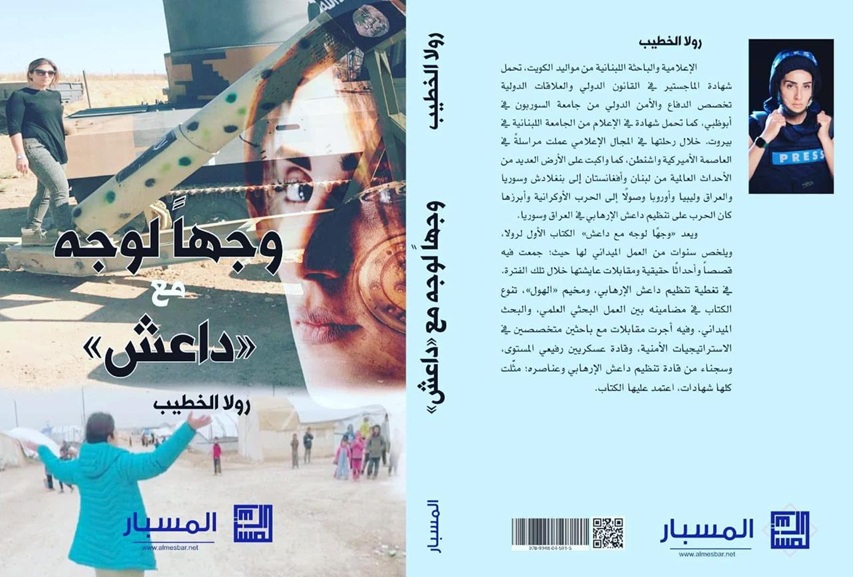
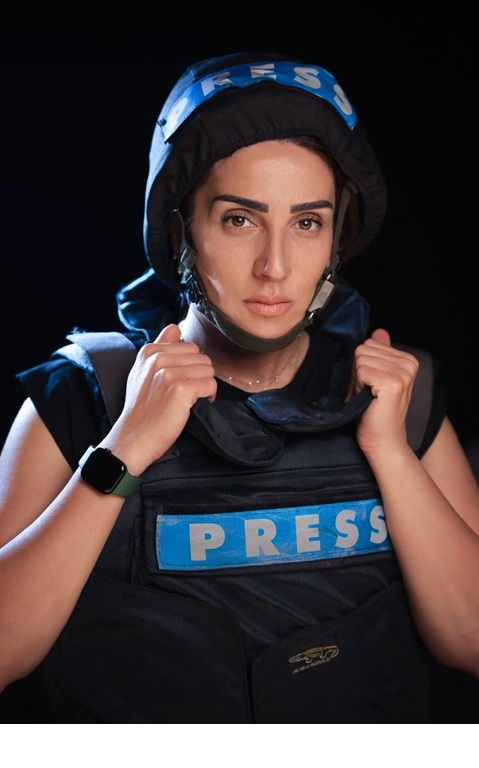
The King Fahad National Library in the Kingdom of Saudi Arabia has selected Face to Face with ISIS, authored by Lebanese journalist and researcher Rola Al Khatib, as its “Book of the Day”—a recognition highlighting works that contribute to knowledge and public awareness on issues of strategic importance.

The book draws on Al Khatib’s years of firsthand field reporting from the frontlines of the war against ISIS in Iraq and Syria, combined with extensive academic research examining the international campaign against the terrorist organization.
One of the book’s central arguments is that military action, while necessary, is not sufficient on its own to defeat terrorism. Rather, it should serve as the first step in a broader strategy that must be followed by intellectual, educational, social, economic, and security measures aimed at addressing the root causes of extremism and preventing its resurgence.
The selection by King Fahad National Library reflects the growing recognition of research that bridges field experience and academic analysis, contributing to a deeper understanding of terrorism and more comprehensive approaches to countering violent extremism.
Medica contact
Rola Al Khatib
Education
UAE schools, universities to resume in-person classes Monday
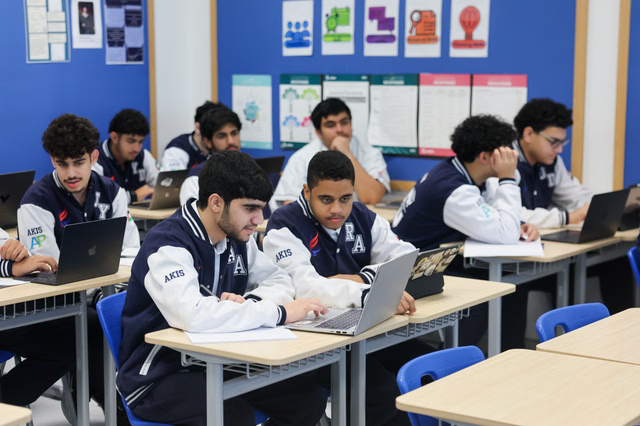
The Ministry of Education has announced the resumption of in-person learning for all students, teachers and administrative staff in public and private schools, as well as nurseries across the UAE, effective Monday, May 11.
In a statement, the ministry said the decision followed continuous monitoring of developments and coordination with relevant authorities to ensure the continuity of the educational process and academic assessments.
Safety protocols to remain in place
The ministry affirmed that educational institutions would continue implementing approved safety and security protocols and procedures to support the smooth continuation of classes.
Authorities said schools and nurseries would also remain prepared to activate alternative learning models if required, depending on ongoing developments and continuous assessments.
The Ministry of Education said coordination with educational institutions nationwide would continue to ensure a smooth return to classroom learning.
Any further updates, the ministry added, would be announced through official channels.
UAE universities to resume in-person learning
The Ministry of Higher Education and Scientific Research also has announced that all public and private universities and higher education institutions across the UAE will resume in-person learning from Monday.
The decision applies to students, academic staff and administrative employees nationwide following a temporary period of remote learning introduced as a precautionary measure amid heightened regional tensions.
Authorities said the move follows continuous monitoring of developments and coordination with relevant entities to ensure the continuity of education and academic assessments.
The ministry confirmed that universities will continue implementing approved safety and security protocols while remaining prepared to activate alternative learning models if required.
Officials also said coordination with higher education institutions across the country would continue to ensure a smooth return to on-campus learning, with any further updates to be announced through official channels.
Remote learning measures
The announcement comes after schools, universities and nurseries across the UAE temporarily shifted to remote learning from May 5 to 8 as a precautionary measure amid heightened regional tensions and emergency alerts linked to missile and drone interceptions by UAE air defence systems.
GN
Education
Students Return to In-Person Classes with Safety Measures
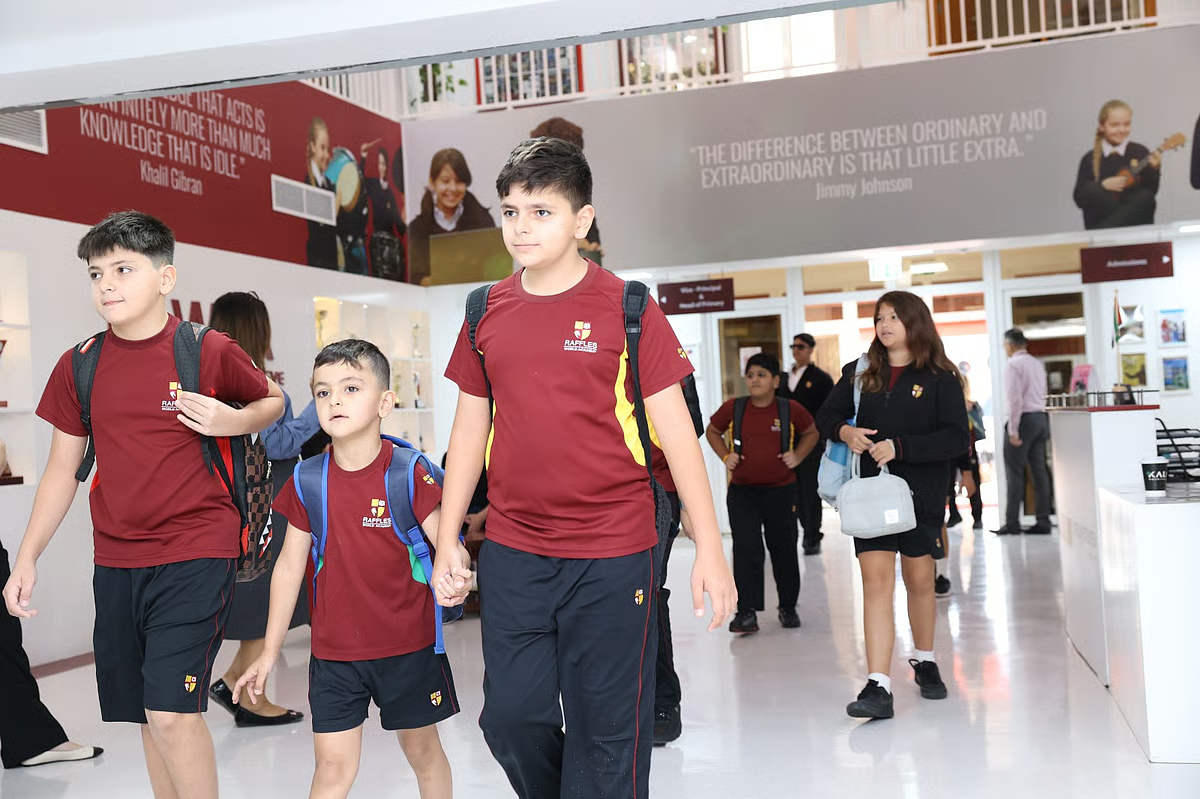
More than a million students have been allowed to return to all educational institutions in the UAE from today after weeks of distance learning due to geopolitical tensions that ensued the US-Israel-Iran war. Most of the school students are returning to campuses after a pause of around 50 days since March 2. The yellow buses ferrying the students have hit the roads again after a brief uncertainty over their operations over the past few days. Meanwhile, several students across nurseries, schools and universities are still continuing to follow remote learning till there is a permanent solution to the war. Gulf News reporters and photographers are out on the field to provide you with all the updates live.
10:37 AM, 20 April 2026
Joy returns to classrooms as students and teachers reunite
“You can really see the joy on the children’s faces, how happy and excited they are to be back in the classroom with their friends and teachers. It’s clearly visible in the way they’re laughing and interacting again,” said Andrew Hyland, Media Studies teacher at GEMS Metropole School.
“It’s the same for us as teachers too. We’re happier having the students back, and it feels good to return to our routines and the rhythm of school life.
At GEMS Metropole School, a parent survey conducted ahead of reopening showed that around 80 per cent of families were eager for students to return to campus.
According to Nav Iqbal – Principal, CEO, Brand Ambassador at Gems Metropole School, early indications suggest attendance may be higher than initially expected, with most students back in school.
“It’s a little too early to give final numbers, as we only confirm attendance at the end of the school day,” the principal said.
“We had anticipated around 80 per cent on campus and 20 per cent on distance learning, but it feels higher than that. We will publish the official figures later today on our social media channels, but it was great to see more students back across the school than before.
Parents who are unable to attend, whether due to travel or other reasons – have been informed that learning support will be provided. That group is generally less than 10 per cent.”
10:22 AM, 20 April 2026
‘Excited to bring the kids back,’ says parent
Reem Odeh, a mother of a FS2 student at GEMS Metropole School, said that while it was good to have the children at home, being back in school with friends and teachers is far more beneficial for them.
“We were very excited to bring the kids back. We prepared everything, and they woke up early this morning, really looking forward to returning to school.”
10:15 AM, 20 April 2026
‘Overjoyed to have children back in school,’ says parent
Karen Fathallah, a parent of two children in FS1 and Year 2 at Gems Metropole School said she is overjoyed to have them back in school and to see teachers and staff again.
~ Zainab Husain reporting from GEMS Metropole School, Dubai
Karen Fathallah, a parent of two children in FS1 and Year 2 at Gems Metropole School said she is overjoyed to have them back in school and to see teachers and staff again.
10:13 AM, 20 April 2026
Excitement as students reunite with friends and teachers
“School online is definitely not the same. I’m excited to be back in a proper routine, to have structure again, and to see my friends and teachers in person,” Neeti, Grade 11 student and prefect and Gems Metropole School.
10:07 AM, 20 April 2026
Some schools extend distance learning for one week
“As per the direction from APEA, the school has been granted approval to continue with distance learning for one week. During this time, we will be conducting comprehensive training for teachers, leaders, administrative staff, as well as transport teams including bus drivers and conductors. This initiative is aimed at ensuring that all safety protocols and operational measures are thoroughly understood and implemented. We remain committed to prioritising the well-being and safety of our entire school community, and we look forward to being fully prepared to resume on-site classes from Monday, April 27,” Shiny Davison, Principal, Woodlem Park school, Ajman, told Gulf News.
10:05 AM, 20 April 2026
Teachers focus on reflection and readjustment
Erin Nelson, Deputy Headteacher of Primary at GEMS Metropole School, said the focus on the first day back is to recognise students’ progress during online learning, give them space to reflect on the past seven weeks, and support a gradual return to normal school routines.
09:57 AM, 20 April 2026
Hallways come alive as students head to classes
Students at GEMS Metropole School in Motor City are seen moving through the hallways between classes as the school day gets underway.
09:55 AM, 20 April 2026
Safe zones and tighter protocols as Dubai schools reopen
Schools across Dubai are a little different as campuses reopen with enhanced safety measures in place, including designated safe zones and updated emergency procedures in line with guidance from the KHDA.
At GEMS Metropole School, staff say preparations have focused on both classroom safety and wider campus operations from emergency readiness to traffic flow and student movement.
Overseeing these measures is Nizar Mahmoud Mourad, Manager of School Operations at the school.
“Student safety remains our top priority, and we are fully aligned with the instructions issued by the relevant authorities. We have also introduced additional internal procedures to strengthen preparedness across the campus.
“This includes designated safe zones and shelter areas, along with comprehensive training for staff so students know exactly what to do before, during and after any emergency.”
– Zainab Husain reporting from GEMS Metropole School, Dubai
GN


Emirates Specialty Hospital Expands Cancer Care Services in Dubai with Opening of Dedicated Chemotherapy Unit

When Rheumatoid Arthritis Threatened Her Independence: How the Right Diagnosis Helped Her Get Her Life Back

Saudi German Hospital Dubai Launches Mental Health and Wellness Center for Children and Adolescents

Araghchi, Oman Sultan discuss transit, stability in Muscat

UAE’s café culture keeps growing despite price pressure

Netflix to Livestream BTS Comeback Concert
-
 politics6 months ago
Araghchi, Oman Sultan discuss transit, stability in Muscat
-
 UAE10 months ago
UAE’s café culture keeps growing despite price pressure
-
 Entertainment9 months ago
Netflix to Livestream BTS Comeback Concert
-
 Discover9 months ago
Is February 2026 really a once-in -283-years MiracleIn?
-

 Football10 months ago
Algeria, Burkina Faso, Côte d’Ivoire win AFCON 2025 openers
-
 Health10 months ago
NMC Royal Hospital, Khalifa City, performs rare wrist salvage, restoring function for young patient
-
 Health10 months ago
Bascom Palmer Eye Institute Abu Dhabi and Emirates Society of Ophthalmology Sign Strategic Partnership Agreement
-

 Health11 months ago
Emirates Society of Colorectal Surgery Concludes the 3rd International Congress Under the Leadership of Dr. Sara Al Bastaki