
Health
How to stay healthier in your 70s by starting in your 30s
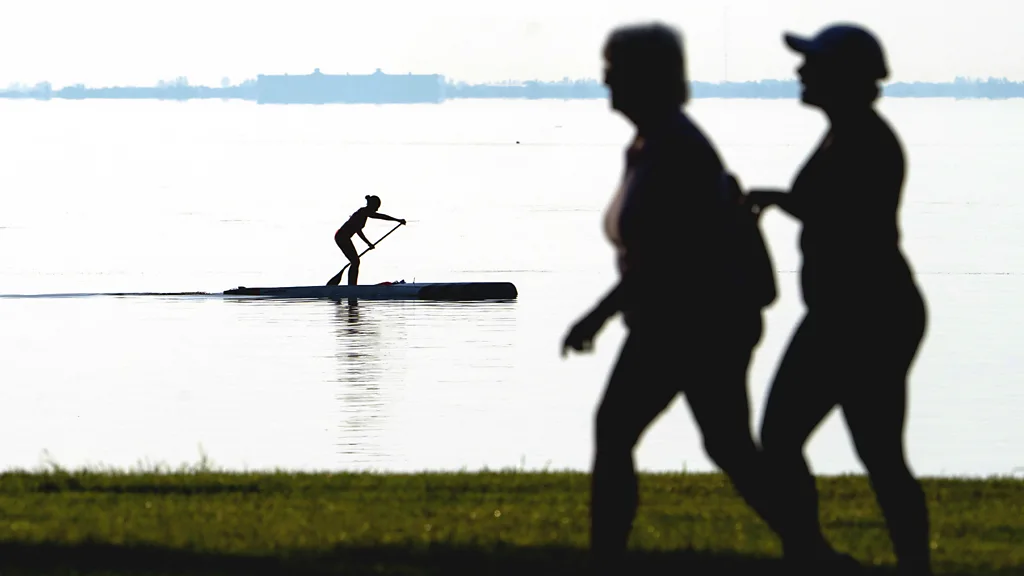
By the time you reach your eighth decade of life, the chances are that you’ll probably be feeling weaker, stiffer, and perhaps a little less cognitively sharp than in your younger years. Your sleep patterns might have changed so that you feel drowsier in the evenings and then wake earlier. Most concerningly, going by population averages, it’s likely that you will be dealing with at least one chronic health condition.
Yet researchers, now more than ever, are convinced that this is not an inevitability. “Based on what we now know, most people could expect to live to 90 or even 95 in good health if they were to optimise their lifestyle,” says Eric Verdin, president and chief executive of the Buck Institute for Research on Ageing in California. “And that’s very far from where we are, where most people live to 65 or 70 in good health, and then become ill and suffer all the indignities of old age.”
While Verdin says that it’s never too late to improve your health at any age through making positive lifestyle adjustments, whether that’s exercising more, eating better or cutting back on alcohol, you will likely fare best if you start sooner. In particular, researchers have highlighted your 30s as a key decade when a number of physiological systems, whether that’s muscle mass and strength, bone density or metabolic regulation, begin to show the first subtle age-related changes.
“It does highlight this period as an important opportunity to reinforce behaviours that build long-term resilience,” says João Passos, a professor of physiology at the Mayo Clinic’s Kogod Center on Ageing, based in Minnesota.
To understand what might be possible, researchers studying the ageing process like to focus on groups of people who buck the ordinary trends. One example is masters athletes, individuals aged over 35 who still compete regularly in sporting competitions, whether that’s running, cycling or other sports, often continuing into their 60s and beyond.
Paul Morgan, a senior lecturer in nutrition and metabolism at Manchester Metropolitan University, notes that many of these athletes display a very different ageing trajectory to the rest of us, characterised by a higher peak in cardiovascular function and muscle strength and function, followed by a delayed decline. As a result, he says that many of them manage to avoid loss of mobility and independence for much longer in later life. “They have this additional reserve which acts as a protective barrier through the middle stages of life,” says Morgan.
We can all learn from this. To give us the best chance of ageing well, Morgan says that we should aim to hit the highest peak that we can in our 30s, particularly when it comes to aerobic capacity (the maximum amount of oxygen your body can use during exercise), flexibility, and muscle strength.
One of the biggest risks for anyone over the age of 70 is tripping and falling, which is linked to a loss of agility and a decreased range of motion in the joints. “I always see the muscle groups in the lower limbs that are responsible for locomotion as having the biggest role to play in maintaining independence, and with that, good health in later life,” says Morgan. “So that’s especially important to focus on.”
Playing sport is an excellent way to achieve this. Research has shown that taking part in racquet sports such as tennis or badminton has a consistent association with extended lifespan, while a 2025 Japanese study highlighted the benefits of cycling, with older adults who cycle regularly being less likely to need long-term care or die prematurely.
Running for more than 75 minutes per week has also been found to slow certain aspects of the ageing process, but you might want to think again when it comes to running marathons. There is some evidence that pushing your body to extremes can actually accelerate some aspects of biological ageing, although this remains less well understood.
On the other hand, one study found that as little as five minutes of moderate to vigorous physical activity per day can help slow brain ageing, and according to Aditi Gurkar, an assistant professor of medicine at the University of Pittsburgh in the US, we can all get some of the healthy ageing benefits through following relatively simple steps. “Even a brisk 15-minute walk after a meal can make a meaningful difference,” she says.
Building your brain’s reserve
Just as we can protect and strengthen our muscles and cardiovascular system in our 30s, we can also do the same for our brain. Maintaining good dental health through regular checkups, a good brushing routine, not smoking, and limiting intake of sugary foods can make a surprising difference.
This is based on numerous studies which have repeatedly linked the development of periodontal disease, a gum condition characterised by elevated inflammation, with a heightened risk of cognitive decline in later life. This is thought to be due to the chronic impacts of systemic inflammation on the brain.
Your 30s could also be the decade to begin reducing your alcohol consumption. Drinking alcohol is linked to changes in gene expression in the body which accelerate ageing. Alcohol is also a key disruptor of sleep, and Verdin highlights consistent sleeping patterns as being key for avoiding age-related brain shrinkage and lowering dementia risk in decades to come. This includes making sure you go to sleep and wake up at the same time every day, known as sleep regularity. Not only does sleep allow the body to focus on repairing cells, it also gives people the energy and motivation to pursue a healthy lifestyle.
“Even if you’re lacking sleep for one night, your metabolism changes, and your willpower to do all the things that are keeping you healthy goes away,” he says.
Because of the importance of maintaining a regular sleeping pattern, Verdin says he now uses an alarm clock each night – not to wake himself up, but to remind him to go to bed. “The reason for this is we’re circadian beings,” he says. “Our whole biology, from gene expression to metabolism is in synchrony with the 24-hour cycle, and so I tell people, going to bed at the same time each day helps your body to stay really well synchronised to all of this.” A good night’s sleep may not always be possible, however, as anyone raising young children in their 30s will know.
Finally, your 30s is probably a good time to begin taking nutrition a little more seriously. Verdin says that one of the best things we can do is to give our bodies more time during the day when we’re not actually eating, for example through intermittent fasting.
While many proponents of intermittent fasting recommend a so-called 16:8 split, where you fast for 16 hours of the day and compress your eating into an eight-hour window, Verdin says that we can achieve plenty of benefits through a more manageable 12:12 split. “Essentially when you’re fasting, that allows your body to focus not on digesting but on repairing,” he says. “I tell people, when you are eating, you are building. When you’re fasting, you are repairing.”
Consuming more fruit and vegetables at the expense of ultra-processed foods could also make a difference. Gurkar points to work that she and others have carried out showing that people who ingest higher amounts of dietary carotenoids – plant chemicals found in vegetables such as sweet potatoes and carrots, and fruits like mango and apricots – age more slowly, possibly because these chemicals can play a role in protecting our cells from a form of damage called oxidative stress.
Overall, Passos is convinced that the choices we make in early adulthood can have a lasting impact on how we age. He points to large studies which have tracked tens of thousands of people in the US for decades, such as the Framingham Heart Study and the Nurses’ Health Study, which reveal that people who maintain healthier lifestyles in midlife have lower risks of cardiovascular disease, cognitive decline and frailty – even decades later.
“By maintaining healthier behaviours in our 30s, we may prevent or delay subtle molecular and cellular changes that, if left unchecked, accumulate over time and contribute to functional decline in our 70s,” says Passos. “While I don’t believe that by doing this we can stop ageing, we can certainly shape its trajectory.”
While you may still feel somewhat invincible in your 30s, the steady tick of the ageing clock ultimately impacts us all. But if you cut out excessive alcohol, find a sport which you can keep playing into your latter years, set a regular sleeping pattern and give your body more breaks from constant eating, your heart, muscles, joints, and brain will all thank you in years to come.
BBC
Health
Emirates Specialty Hospital Expands Cancer Care Services in Dubai with Opening of Dedicated Chemotherapy Unit
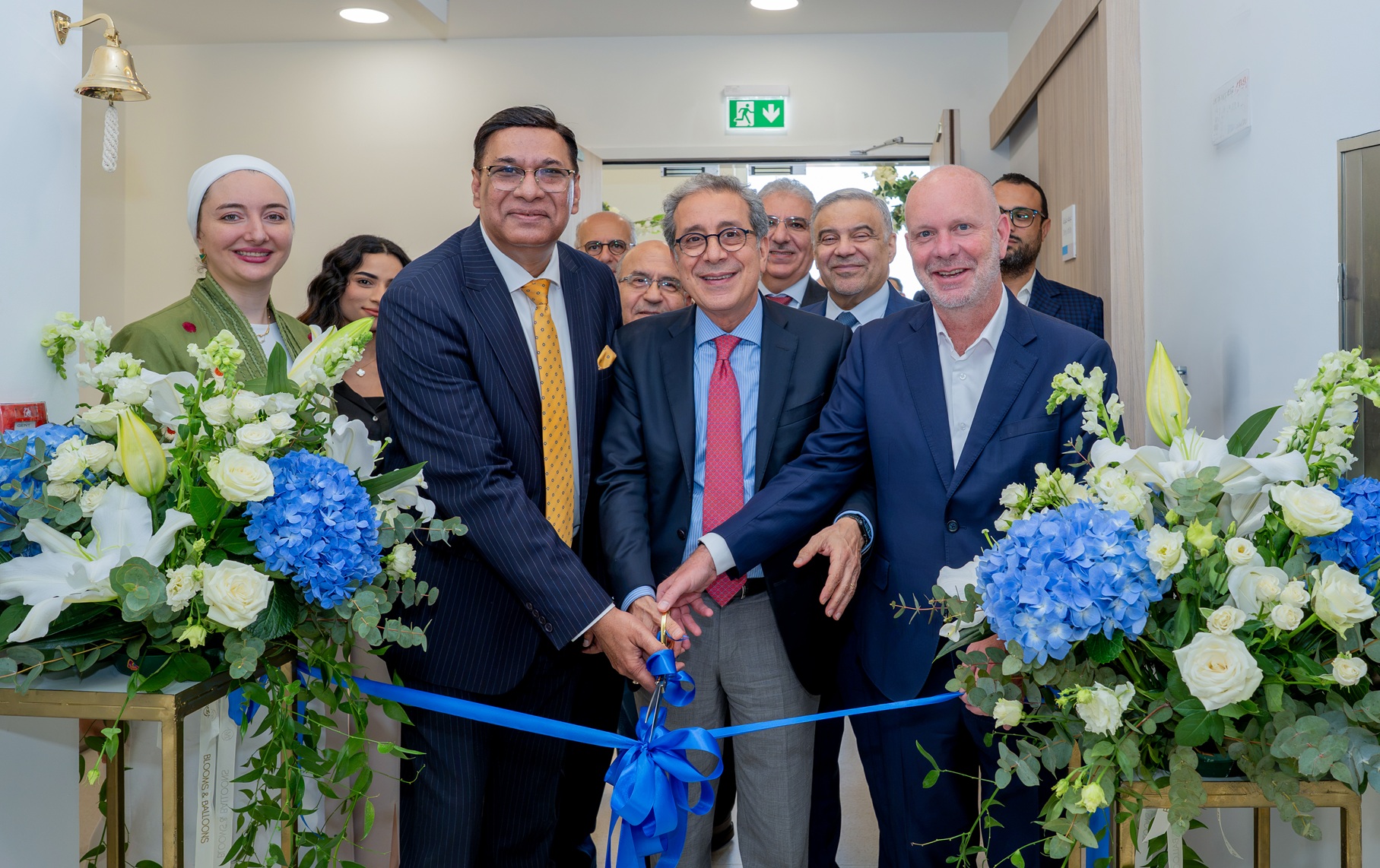
New facility at Dubai Healthcare City aims to improve access to specialised cancer treatment, bringing personalised oncology care and medical expertise together under one roof
Dubai, UAE: Emirates Specialty Hospital in Dubai Healthcare City has announced the opening of a dedicated chemotherapy unit within its Emirates Oncology Centre, marking a significant expansion of its cancer care services and strengthening access to specialised oncology treatment for patients in Dubai.
The newly established unit has been designed to provide chemotherapy treatments in a dedicated clinical setting, with an emphasis on patient safety, individualised treatment plans and continuous medical support throughout the cancer care journey.
The opening comes as healthcare providers increasingly recognise the importance of delivering cancer treatment through a coordinated, multidisciplinary approach that addresses not only the disease itself but also the physical and emotional challenges patients may experience during treatment.
For many cancer patients, chemotherapy involves repeated hospital visits, ongoing medical assessments and careful monitoring of treatment responses and potential side effects. Access to a specialised facility supported by experienced oncology professionals can play an important role in ensuring continuity of care and helping patients navigate what is often a complex and demanding treatment journey.
Bringing specialised cancer treatment closer to patients
The Emirates Oncology Centre brings together medical expertise and patient-focused services to support individuals undergoing cancer treatment.
The oncology services are supervised by Prof. Dr. Marwan Ghosn, Consultant Medical Oncologist, and Dr. Mohamed Elbassyouny Alawy, Specialist Medical Oncology, who oversee the delivery of specialised oncology care.
Treatment plans are developed according to each patient’s diagnosis, medical condition and individual clinical needs, with an emphasis on evidence-based medical practice, careful monitoring and appropriate supportive care.
The dedicated chemotherapy unit forms part of the hospital’s broader strategy to strengthen its specialised medical services while maintaining high standards of clinical quality and patient safety.
Cancer care goes beyond chemotherapy
While chemotherapy remains an important treatment option for many types of cancer, oncology care increasingly requires a comprehensive approach that considers each patient’s overall health, treatment tolerance and quality of life.
Patients receiving chemotherapy may experience a range of challenges, including fatigue, nausea, changes in appetite and other treatment-related effects that require ongoing medical attention.
The Emirates Oncology Centre places particular emphasis on supporting patients throughout these challenges, with treatment decisions guided by clinical assessment and individual patient needs.
The approach reflects a growing shift in cancer care towards personalised treatment, where medical teams consider the characteristics of the disease alongside the patient’s health, circumstances and treatment goals.
Equally important is the need for clear communication between doctors, patients and their families, particularly when discussing treatment options, expected outcomes and possible side effects.
By placing patients at the centre of clinical decision-making, the hospital aims to provide a treatment experience built around medical expertise, informed choices and compassionate care.
Strengthening Dubai’s specialised healthcare services
The opening of the chemotherapy unit represents another step in Emirates Specialty Hospital’s ongoing efforts to expand its clinical capabilities and provide comprehensive healthcare services within Dubai Healthcare City.
As demand for specialised healthcare continues to evolve, the availability of dedicated oncology facilities is increasingly important in supporting timely access to treatment and ensuring patients can receive appropriate care within an established hospital environment.
The hospital said the new unit reflects its commitment to investing in specialised medical services and improving the overall patient experience through coordinated care, experienced healthcare professionals and a strong focus on clinical safety.
With the opening of the dedicated chemotherapy unit, Emirates Specialty Hospital aims to further strengthen its role in providing specialised cancer care in Dubai, offering patients and their families access to personalised treatment and medical support at every stage of their journey.
For more information please visit our website : Emirates Hospitals Dubai – Best Hospital in Dubai, Top Rated
About Emirates Specialty Hospital
Located in Dubai Healthcare City, Emirates Specialty Hospital is a multidisciplinary healthcare facility providing a range of specialised medical and surgical services. The hospital continues to expand its clinical capabilities, with a focus on medical expertise, patient-centred care and high standards of healthcare quality and safety.
Health
When Rheumatoid Arthritis Threatened Her Independence: How the Right Diagnosis Helped Her Get Her Life Back
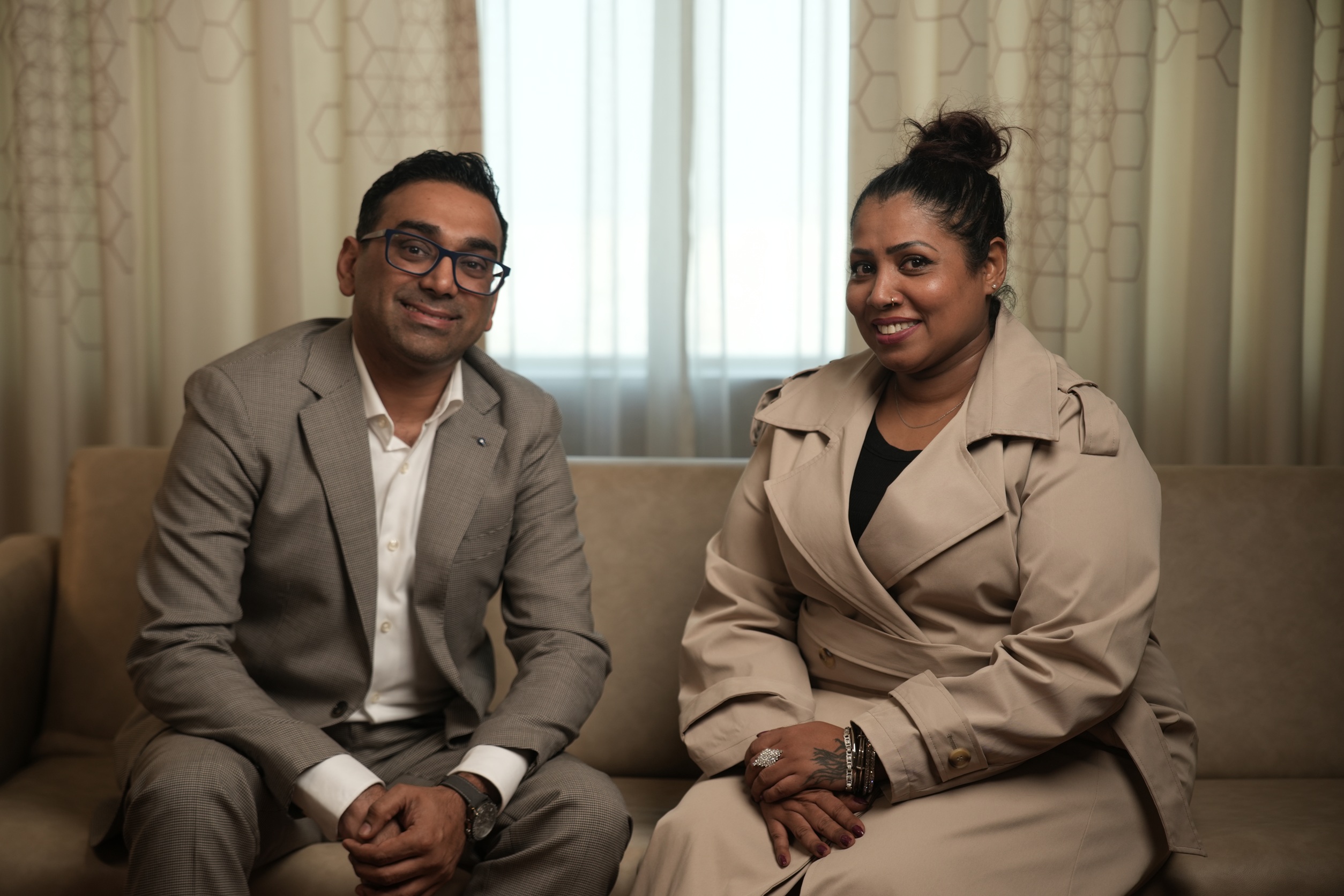
For a 45-year-old UAE resident, persistent pain and swelling turned out to be rheumatoid arthritis. Early recognition and treatment helped her return to work, driving and the family life she feared she might lose.
For Dilini Ayesha, driving is much more than a job.
For the 45-year-old mother of two, who has lived in the UAE for 16 years, driving is a profession she has built her independence around. For the past eight years, she has worked as a driving instructor at Emirates Driving Institute, including as a VIP instructor training people to drive larger vehicles and four-wheel drives.
She is also a mother to an adopted daughter and a five-year-old son.
So when unexplained pain and swelling suddenly began affecting her hands, her greatest fear was not simply the pain itself. It was the possibility that rheumatoid arthritis might prevent her from continuing to work and caring for her family independently.
Her journey began with what appeared to be an unrelated injury.
In December 2024, Dilini fell and injured her knee while helping a recovery truck load her vehicle. Several months later, she suffered another fall at home, causing a more significant knee injury. Following an MRI, she underwent ACL reconstruction and meniscal repair and spent around two and a half months recovering.
She was looking forward to returning to her normal routine.
But shortly after returning to work, she developed severe swelling and pain in both hands.
“At first, I thought it might be connected to my surgery or that it would settle down,” Dilini recalls. “But the pain kept getting worse.”
She was prescribed different painkillers, but the symptoms continued to progress. She eventually found herself struggling to grip a steering wheel or use her hands normally.
“For me, the pain felt like 15 out of 10,” she says. “I know that isn’t a normal pain scale, but that is honestly how it felt.”
The physical pain was accompanied by something else: fear.
“What if I can’t drive anymore? What if I can’t work anymore? How will I take care of my children?”
It was at this point that Dilini was referred to Dr Muhammad Azhar Abdullah, Consultant Rheumatologist at NMC Royal Hospital Sharjah.
Rather than assuming that the symptoms were simply part of her recovery from the knee injury, Dr Azhar investigated the underlying cause.
Clinical assessment and blood investigations pointed towards rheumatoid arthritis (RA) — a chronic autoimmune disease in which the immune system mistakenly attacks the lining of the joints, causing inflammation, pain and swelling.
“Rheumatoid arthritis is not simply wear and tear of the joints,” explains Dr Azhar. “It is an inflammatory autoimmune disease, and if the inflammation remains uncontrolled, it can progressively damage the joints. It can also be associated with problems affecting other parts of the body.”
For Dilini, receiving a diagnosis of rheumatoid arthritis finally provided an explanation for what was happening to her body.
“Having an answer was important to me,” she says. “When you don’t know what is happening to your own body, the fear becomes even bigger.”
Why recognising rheumatoid arthritis early matters
Rheumatoid arthritis can present differently from person to person, but persistent joint swelling, prolonged morning stiffness, pain and difficulty moving the affected joints should not simply be dismissed as ageing, overuse or ordinary aches and pains.
One important distinction is that not all arthritis is rheumatoid arthritis. Osteoarthritis, gout, psoriatic arthritis and other inflammatory rheumatic diseases can produce joint symptoms, but their causes and treatments are different.
That is why identifying the underlying condition matters.
In Dilini’s case, identifying rheumatoid arthritis allowed treatment to be started without waiting for further progression.
“Once we identified that she was dealing with rheumatoid arthritis, the priority was to control the inflammation and prevent further problems,” says Dr Azhar. “The aim of treatment in rheumatoid arthritis is not simply to reduce pain temporarily. It is to control the underlying disease, protect joint function and help the patient maintain her quality of life and independence.”
Her improvement was gradual rather than an overnight transformation.
Over the following weeks, the inflammation and pain began to settle. Her hand function and mobility improved, and by around the third week, Dilini was able to return to work.
She could once again hold the steering wheel.
She could work.
And she could return home and care for her children independently.
“I felt like I had been given my life back,” she says.
When treating rheumatoid arthritis means protecting a person’s dreams
This year’s World Arthritis Day campaign theme, “Achieve Your Dreams,” highlights the aspirations and goals of people living with rheumatic and musculoskeletal diseases. For Dilini, her dream was not complicated.
It was to continue working, driving and being there for her children.
Her experience demonstrates why early recognition of rheumatoid arthritis matters. The disease can cause permanent joint damage if inflammation remains uncontrolled, while it may also have effects beyond the joints.
“Patients sometimes wait because they think joint pain is something they simply have to live with,” says Dr Azhar. “Persistent swelling, prolonged morning stiffness or unexplained joint pain deserve medical assessment, particularly when symptoms are affecting everyday activities. The earlier we identify rheumatoid arthritis, the earlier we can discuss appropriate treatment and work towards controlling the disease.”
Today, Dilini is back behind the wheel and back to the life she feared she might lose.
“I am driving. I am working. I am taking care of my children,” she says. “I don’t take any of those things for granted anymore.”
Her message to others is simple:
“If you are experiencing unexplained pain, swelling or stiffness, please don’t ignore it. Get yourself checked. Sometimes, getting the right answer can be the beginning of getting your life back.”
For Dilini, that diagnosis did more than explain her symptoms.
It helped protect the life she had worked so hard to build.
Dr Muhammad Azhar Abdullah is Consultant Rheumatologist at NMC Royal Hospital Sharjah.
Health
Saudi German Hospital Dubai Launches Mental Health and Wellness Center for Children and Adolescents
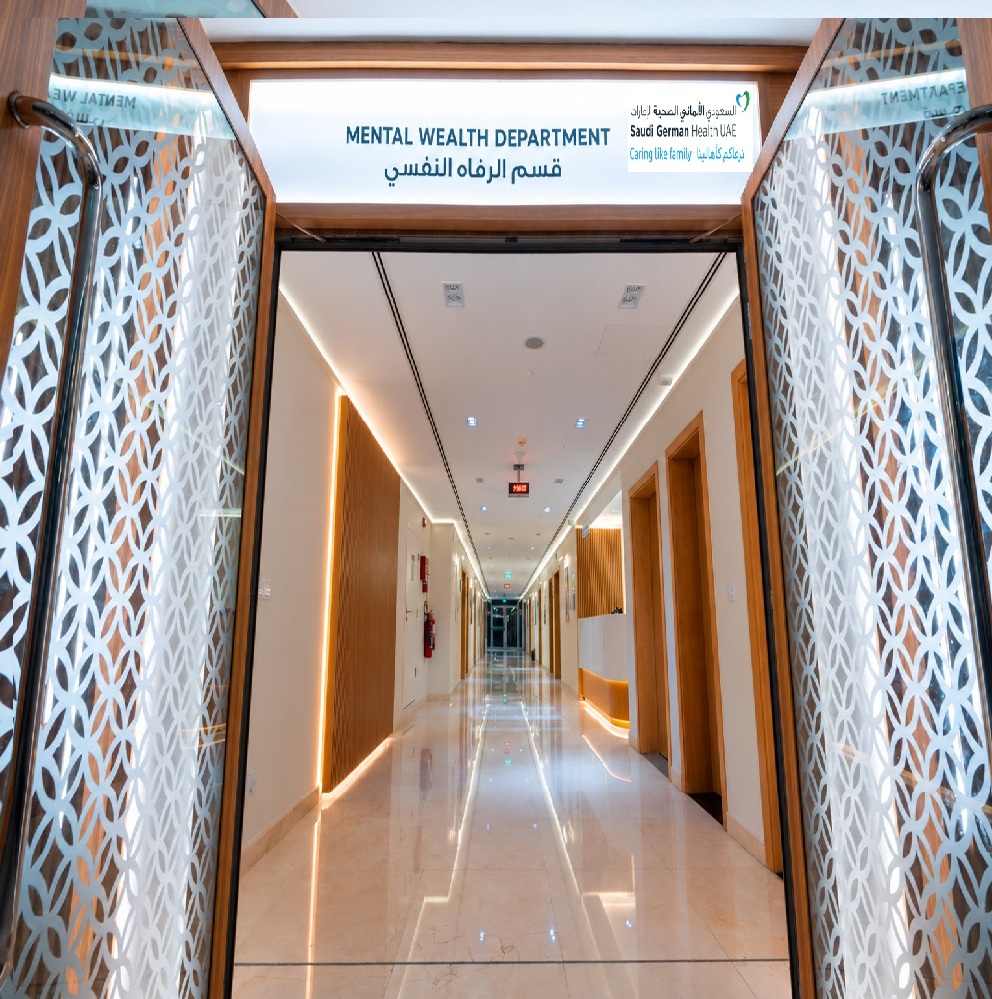
Saudi German Hospital Dubai Launches Mental Health and Wellness Center for Children and Adolescents
A comprehensive care system aligned with the Dubai Mental Wealth Framework
Dubai, United Arab Emirates – 10 October 2026
Saudi German Hospital Dubai has launched the Saudi German Mental Health & Wellness Hub, unveiled at an evening event at Raffles The Palm on 9 October 2026. The Hub is designed to end the fragmented experience many families face when navigating mental healthcare by bringing psychiatrists, psychologists and relevant hospital specialties together around a single, shared plan for each patient.
The Hub is designed as an ecosystem of comprehensive care, connecting prevention, early identification, specialist assessment, treatment, family support and ongoing follow-up through one coordinated plan for each patient. The model aligns with Dubai’s Mental Wealth Framework and its emphasis on prevention, early intervention, access to care and community wellbeing.
Child and adolescent mental health sits at the centre of the model. The Hub operates on the conviction that a child’s difficulties cannot be understood in isolation from their home, classroom and development, and that care should reflect all three.
Supporting children and families from the start
Services available at launch for children and adolescents include comprehensive psychiatric and psychological assessment; support for emotional, behavioural and developmental concerns; psychoeducational assessments for learning difficulties; ADHD assessment and management; and ASD assessment with individualised support across communication, social interaction and behaviour. Parent guidance and, where appropriate and with consent, collaboration with schools are built into the pathway — not offered as an afterthought.
Mental health care across every stage of life
Adult and older adult services include psychiatric assessment, medication management and individual therapy; treatment for depression, anxiety, OCD and related conditions; trauma-informed care for PTSD; geriatric psychiatry; couples and family counselling; addiction assessment and treatment; and community mental health education.
Speech and language therapy, occupational therapy and further developmental programmes are in development and will be confirmed once clinical staffing and readiness are in place.
Dr Ahmed Eissa, Group CEO of Saudi German Health UAE, said: “Many families come to us after years of seeing different specialists who never spoke to each other. A child gets one diagnosis here, a referral there, and the parents are left to hold it all together. We designed this Hub as an ecosystem of comprehensive care, bringing psychiatry, psychology and related specialties together around one plan, from early identification to treatment, follow-up and family support. This approach supports the objectives of Dubai’s Mental Wealth Framework and helps more people access coordinated mental healthcare at every stage of life.”
The Hub’s clinical team brings expertise in adult, child and adolescent, and addiction psychiatry; clinical psychology; psychoeducational and neurodevelopmental assessment; psychotherapy; and couples and family counselling. Team members carry international experience from the UAE, Australia, Saudi Arabia and Egypt, with a specific commitment to culturally and linguistically responsive care.
As part of Saudi German Hospital Dubai, the Hub has direct access to other medical specialties when physical and mental health needs intersect — an advantage that standalone clinics cannot easily replicate.
________________________________________
About Saudi German Health UAE
Saudi German Health UAE is part of the regional Saudi German Health network, providing hospital, multidisciplinary and specialist medical services through its facilities in Dubai, Sharjah and Ajman. Guided by its Caring Like Family philosophy, the group places people and their needs at the centre of the healthcare experience.
For more information or to book an appointment
www.saudigerman.com/psychiatry-mental-health-clinics/
Call: 800 2211
Media Contact
Awareness Marketing Management DWC LLC
Mourad Alsayed
murad.mustafa@awarenessupr.com | +971 58 814 4155


Emirates Specialty Hospital Expands Cancer Care Services in Dubai with Opening of Dedicated Chemotherapy Unit

When Rheumatoid Arthritis Threatened Her Independence: How the Right Diagnosis Helped Her Get Her Life Back

Saudi German Hospital Dubai Launches Mental Health and Wellness Center for Children and Adolescents

Araghchi, Oman Sultan discuss transit, stability in Muscat

UAE’s café culture keeps growing despite price pressure

Netflix to Livestream BTS Comeback Concert
-
 politics6 months ago
Araghchi, Oman Sultan discuss transit, stability in Muscat
-
 UAE10 months ago
UAE’s café culture keeps growing despite price pressure
-
 Entertainment9 months ago
Netflix to Livestream BTS Comeback Concert
-
 Discover9 months ago
Is February 2026 really a once-in -283-years MiracleIn?
-

 Football10 months ago
Algeria, Burkina Faso, Côte d’Ivoire win AFCON 2025 openers
-

 Health10 months ago
NMC Royal Hospital, Khalifa City, performs rare wrist salvage, restoring function for young patient
-
 Health10 months ago
Bascom Palmer Eye Institute Abu Dhabi and Emirates Society of Ophthalmology Sign Strategic Partnership Agreement
-

 Health11 months ago
Emirates Society of Colorectal Surgery Concludes the 3rd International Congress Under the Leadership of Dr. Sara Al Bastaki