
Uncategorized
Dubai gold rises for a third day after its worst month since 2008.

Dubai gold prices moved higher early Wednesday, extending a short-term rebound after a sharp correction through March that unsettled buyers and traders alike.
At 8:22 am, 24K gold stood at Dh566.75, up from Dh563.25 a day earlier, while 22K rose to Dh525 from Dh521.50. (Check latest UAE gold prices here, alongside prices in Saudi Arabia, Oman, Qatar, Bahrain, Kuwait, and India.)
The uptick follows a volatile month where prices dropped nearly 12%, marking the steepest monthly decline since October 2008. That slide has reset expectations across the market, with buyers returning in phases rather than rushing in.
Peak to pullback
Gold had surged to levels above $4,700 an ounce in recent sessions, recovering from a broad sell-off triggered by rising US Treasury yields and a stronger dollar.
The shift in direction reflects a wider change in market positioning. Investors who once turned to gold for protection during geopolitical stress instead moved toward yield-bearing assets, particularly as expectations of interest rate cuts faded.
Ahmad Assiri, Research Strategist at Pepperstone, said gold’s behaviour through March marked a clear break from its traditional role.
He added that rising yields and a stronger dollar “forced a painful downside repricing of the yellow metal,” with investors moving away from expectations of monetary easing and pricing in tighter conditions.
War outlook shifts sentiment
Recent gains have been supported by signs that tensions in the Middle East may ease, with market attention shifting from immediate conflict risks to longer-term economic implications.
Comments from US President Donald Trump suggesting a potential resolution within weeks have lifted equities and softened the dollar, creating space for gold to stabilise.
Bond traders have also reduced bets on aggressive rate hikes, focusing instead on growth risks tied to the conflict. That recalibration has helped bullion regain some ground, though conviction remains limited.
Buyers weigh timing
Despite the rebound, the broader trend still reflects caution. Prices remain well below mid-March peaks, when 24K gold crossed Dh600, highlighting the scale of the recent correction.
Assiri pointed to deeper structural shifts shaping demand.
“The market chose the yield of the dollar and the volatility of oil over the safety of gold,” he said, noting that capital moved toward assets offering stronger returns during the height of uncertainty.
That dynamic is likely to keep buyers selective in the near term. Jewellery shoppers and investors in the UAE are watching for clearer signals on rates and geopolitical stability before committing in size.
Outlook steadies, but not settled
Some global banks continue to maintain a constructive view on gold over the longer term, citing central bank demand and the possibility of rate cuts later this year.
Still, the near-term outlook remains tied to macro signals. Movements in yields, the dollar and energy markets are now playing a more decisive role than geopolitical headlines alone.
GN
Uncategorized
CEO of International Modern Hospital Dubai Dr. Kishan Pakkal: Nation-First Leadership Is Key to Advancing Healthcare Excellence

Dr. Kishan Pakkal, CEO of International Modern Hospital Dubai, believes that the words of His Highness Sheikh Mohammed bin Rashid Al Maktoum reflect a fundamental principle of responsible leadership, particularly within the healthcare sector, where the true measure of success extends beyond individual accomplishments to the wellbeing of the entire community.
According to Dr. Pakkal, the concept of responsibility as a trust carries special significance in healthcare, where every decision has a direct impact on patients, families, and society as a whole. He emphasizes that leadership in healthcare is not merely about managing institutions, but about ensuring that healthcare systems continue to deliver safe, high-quality, and sustainable care for all.
“Responsibility as a trust means placing people at the center of every decision,” said Dr. Pakkal. “In healthcare, our duty goes beyond providing treatment. It involves continuously improving the quality of care, investing in our medical professionals, and creating an environment that empowers them to perform at their very best.”
He added that one of the defining characteristics of successful leadership is the ability to create opportunities for others to succeed. In his view, a strong healthcare organization is built on collaboration, transparency, mutual respect, and shared accountability, where every member of the team contributes to a common purpose.
“A truly successful leader is one who enables others to achieve success as well,” he noted. “When healthcare professionals are supported, valued, and empowered, patients ultimately benefit from higher standards of care and better health outcomes.”
Dr. Pakkal further stressed that putting the nation’s interests above personal gain is particularly important in the healthcare sector, where decisions must always prioritize patient wellbeing, public health, and the long-term sustainability of healthcare services.
He explained that this principle aligns closely with the UAE’s vision of becoming a global leader in healthcare excellence, innovation, and quality of life. By focusing on the needs of patients and communities, healthcare institutions can play a vital role in supporting national development and strengthening the country’s position as a destination for world-class healthcare.
“The UAE has demonstrated that sustainable progress is achieved when leadership is guided by service, responsibility, and a commitment to the greater good,” said Dr. Pakkal. “As healthcare leaders, we have a responsibility to uphold these values by continuously striving for excellence, supporting our healthcare workforce, and ensuring that every decision contributes positively to the lives of those we serve.”
He concluded that nation-first leadership remains one of the most important drivers of progress in healthcare, helping organizations build trust, improve patient outcomes, and contribute meaningfully to the continued advancement of the UAE’s healthcare sector.
Uncategorized
Sickle Cell Disease in Newborns: Why Early Detection Can Save Lives
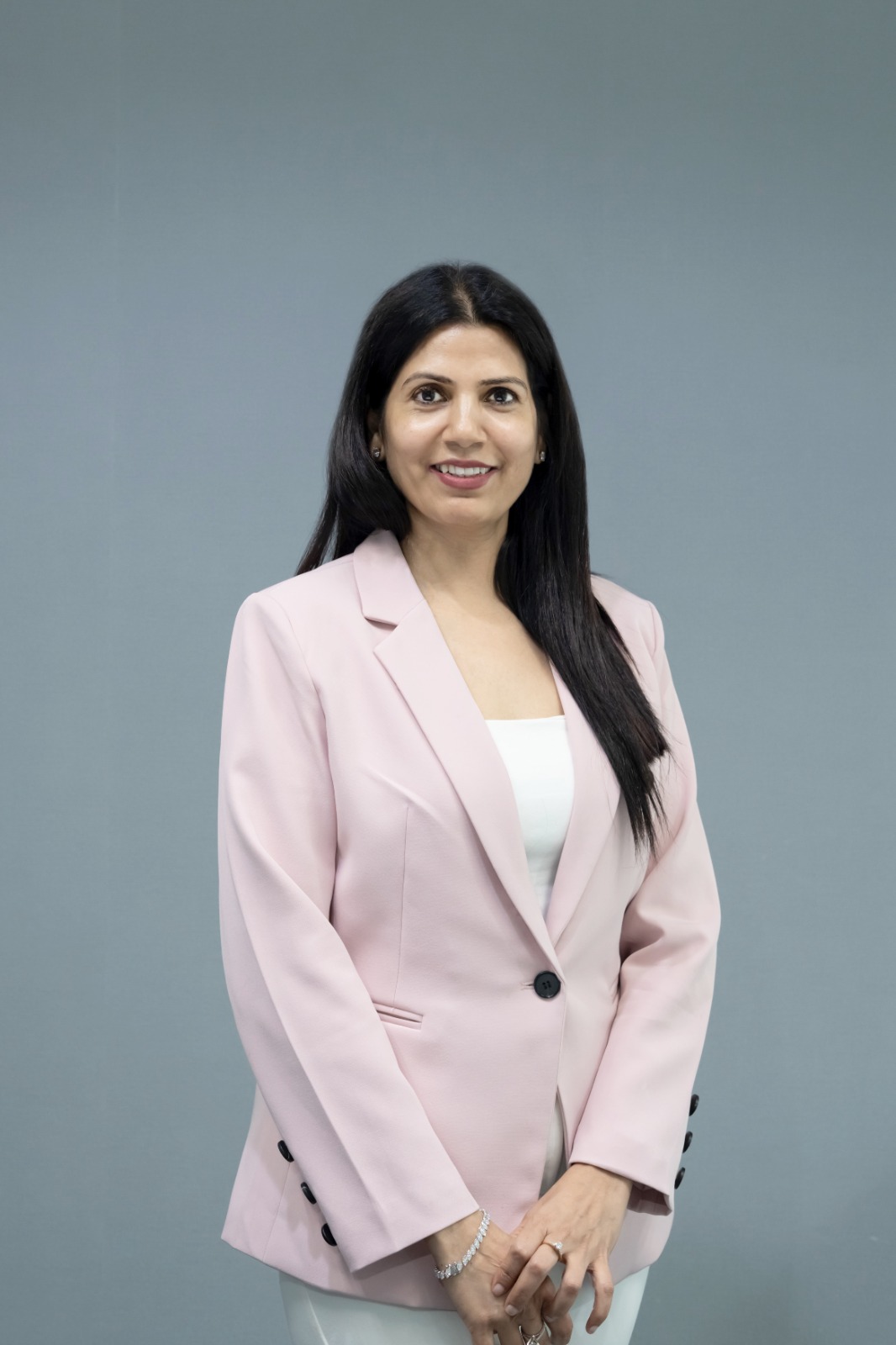
Dr Mamata Bothra, specialist pediatrics and neonatologist, International Modern Hospital Dubai Pedia IMH
Sickle cell disease is one of the most common inherited blood disorders worldwide and remains a significant public health concern in many regions, including the Middle East. Although affected babies often appear healthy at birth, the disease can begin causing serious complications during infancy if it is not detected and managed early.
Healthcare professionals emphasize that early screening, parental awareness, and timely medical intervention can dramatically improve outcomes and help children with sickle cell disease live healthier and more fulfilling lives.
Understanding Sickle Cell Disease
Sickle cell disease is a genetic blood disorder that affects hemoglobin, the protein inside red blood cells responsible for carrying oxygen throughout the body. In healthy individuals, red blood cells are round and flexible, allowing them to move easily through blood vessels. In children born with sickle cell disease, however, red blood cells become rigid and crescent- or sickle-shaped.
These abnormal cells can block small blood vessels, reducing blood flow and oxygen delivery to organs and tissues. As a result, affected children may experience painful episodes, chronic anemia, increased susceptibility to infections, delayed growth, and, in some cases, serious organ complications.
Because the disease is inherited, it is present from birth even if symptoms are not immediately visible.
The Critical Importance of Newborn Screening
One of the greatest challenges in managing sickle cell disease is that newborns often show no obvious signs of illness during the first months of life. This can create a false sense of reassurance for families while the disease remains undetected.
Newborn screening programs play a crucial role in identifying affected infants before symptoms develop. Early diagnosis allows healthcare providers to begin preventive care measures, closely monitor the child’s health, and educate parents about potential warning signs and complications.
Early detection also enables doctors to ensure that children receive appropriate vaccinations, preventive medications when necessary, and regular medical follow-up. Studies have consistently shown that children diagnosed through newborn screening have better survival rates and experience fewer severe complications than those diagnosed later in childhood.
Can Children with Sickle Cell Disease Live Normal Lives?
Advances in medical care have significantly improved the outlook for children born with sickle cell disease. Today, many patients grow up to lead active, productive, and successful lives.
The key lies in ongoing medical supervision and preventive care. Regular health check-ups, infection prevention strategies, adequate hydration, balanced nutrition, and prompt treatment of illnesses all contribute to better health outcomes.
Families who work closely with healthcare providers and follow recommended care plans can help reduce complications and improve their child’s quality of life.
Why Family Screening Matters
Prevention begins even before a baby is born. Since sickle cell disease is inherited, parental screening is an essential step in identifying potential risks.
A simple blood test can determine whether an individual carries the sickle cell trait. If both parents are carriers, there is a significant chance that their child may inherit sickle cell disease.
Knowing this information before or during pregnancy allows families to seek genetic counseling, better understand the risks involved, and make informed healthcare decisions. It also provides an opportunity for early planning and preparation should the baby be diagnosed with the condition.
Warning Signs Parents Should Never Ignore
Although symptoms can vary from one child to another, parents should seek immediate medical attention if their infant develops any of the following signs:
- Fever
- Swelling of the hands or feet
- Unusual paleness
- Poor feeding or refusal to feed
- Excessive sleepiness
- Breathing difficulties
- Jaundice (yellowing of the skin or eyes)
- Persistent crying or signs of unexplained pain
Prompt medical evaluation can prevent complications and ensure that appropriate treatment is provided as early as possible.
Protecting Children Through Awareness
Beyond medical treatment, awareness remains one of the most powerful tools in combating the impact of sickle cell disease. Educating parents about the condition, encouraging participation in screening programs, and promoting genetic counseling can help reduce the burden of the disease on families and communities.
Healthcare professionals stress that while sickle cell disease can be a serious condition, it is no longer the life-limiting diagnosis it once was. Advances in screening, treatment, and supportive care have transformed outcomes for many children.
A Shared Responsibility
The fight against sickle cell disease begins with awareness and early action. Newborn screening programs, parental education, and access to specialized medical care are essential components of protecting affected children.
Every family should understand the importance of carrier screening before pregnancy, recognize the value of newborn testing, and remain alert to early symptoms during infancy. Through timely diagnosis and continuous care, children with sickle cell disease can thrive, achieve their potential, and enjoy a better quality of life.
Early screening saves lives. Family screening prevents surprises. And ongoing medical care gives children the best possible start for a healthier future.
Uncategorized
Naomi Watts urges women to own menopause
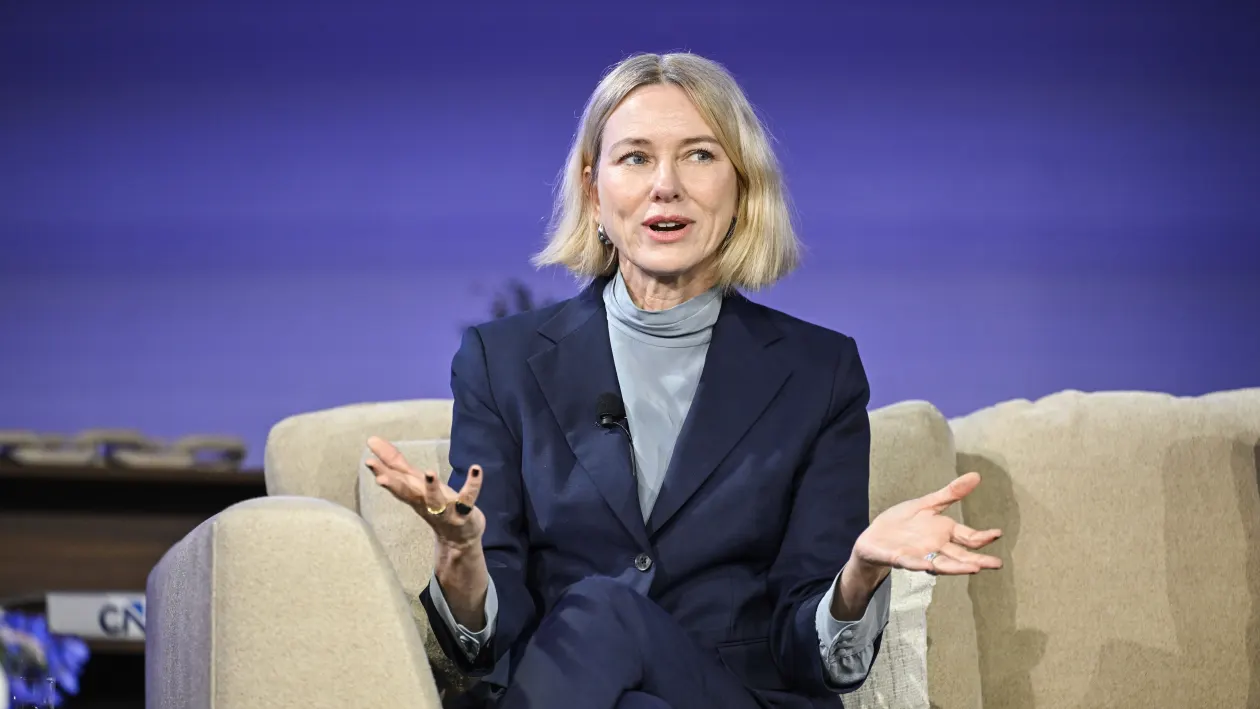
Oscar-nominated actress Naomi Watts has continued to have fame on the screen into her 50s, but she is building more of her life story around navigating deeply personal and often unspoken health and aging issues.She has become increasingly open about topics many public figures, and Hollywood actresses in particular, avoid, using her platform to normalize conversations regarding fertility, aging, and physical changes, with the goal of helping women feel confident in their body no matter their age.
“I am trying to put forward the messaging that we can be okay with how we look,” Watts told CNBC’s Julia Boorstin at the CNBC Changemakers Summit in New York City on Thursday. “It’s okay to be 57 and look 57.”
Watts launched Stripes Beauty in 2022, a company focused on helping women navigate the challenges associated with perimenopause and menopause, while aiming to address everything from skin to hair changes to overall wellness.
Menopause was considered very taboo to talk about in many cultures mainly because of the age-fertility link and generational gatekeeping. In many societies a woman’s “value” was tied to her youth and ability to bear children. Talking about menopause meant admitting those stages were over. Many women in different generations were taught to silence it and view it as a private burden and not share it.
At the Changemakers Summit, Watts said searched for reasons to help explain why no one talked about it, and even used an anonymous Instagram to search for clues. “Why isn’t there any information? Why is it so hard? Why is it so taboo when we are half the population?” she said. “It is just biology.”
Founder and chief creative officer at Stripes Beauty, Watts was featured on the 2025 CNBC Changemakers list.
Menopause typically occurs around ages 45 to 55 and gets diagnosed after a woman does not get her period for 12 months. According to information from Midi Health, whose CEO Joanna Strober was also named to the 2025 CNBC Changemakers list, 6,000 women hit menopause every day in the U.S., which equates to 1.3 million women annually, while four in five midlife women experience symptoms of menopause, such as hot flashes.
Watts experienced early menopause in her mid-30s. She faced the common symptoms like night flashes and hot flashes. Watts has said in the past that she felt as if “I didn’t have control over my own body.”
Stripes Beauty has expanded into major retailers like Ulta Beauty and Sephora, with the once niche, uncomfortable category now becoming a mainstream part of women’s consumer health and beauty. The company was acquired in a deal between Watts and private investment firm L Catterton, which is backed by Louis Vuitton parent company LVMH, in 2024. It launched “National Hot Flash Day,” celebrated Sept. 9, to reinforce the message that the menopause journey is a completely natural and shared experience.
Watts says women should make “a bet on themselves” no matter what society is telling, or not telling, them.
“After 50, I have felt so much better about knowing who I am, so much more comfortable in my skin,” she said. “Stay connected to women. Women are everything. I am nothing without the community of women I have around me.”
Watts said in the past, when people came up to her in public, she often worried that requests to take selfies would follow, and she couldn’t help but think about being pictured without makeup on. But she says her menopause advocacy in recent years has changed many of these public interactions. “They’re coming up to me with tears in their eyes sometimes, or just wanting to say thank you for giving me the permission, or the dialogue, so I could speak with my husband or partner or family members and not have shame about it. … that gives me great joy. It’s so heartening to know the risk I took had a meaningful effect on others.”
CNBC


UAE Cycling Federation and AB Investment Sign Partnership to Support National Teams and Emerging Talent

Emirati Women’s Day: Hamda Al Mansoori takes UAE-grown ventures from AI and manufacturing to cross-border partnerships

Beyond Uniforms and Lunchboxes: Is Your Child Healthy and Ready for School?

Araghchi, Oman Sultan discuss transit, stability in Muscat

UAE’s café culture keeps growing despite price pressure

Is February 2026 really a once-in -283-years MiracleIn?
-
 politics5 months ago
Araghchi, Oman Sultan discuss transit, stability in Muscat
-
 UAE9 months ago
UAE’s café culture keeps growing despite price pressure
-
Discover8 months ago
Is February 2026 really a once-in -283-years MiracleIn?
-

 Entertainment8 months ago
Netflix to Livestream BTS Comeback Concert
-

 Football9 months ago
Algeria, Burkina Faso, Côte d’Ivoire win AFCON 2025 openers
-

 Health9 months ago
NMC Royal Hospital, Khalifa City, performs rare wrist salvage, restoring function for young patient
-

 Health9 months ago
Bascom Palmer Eye Institute Abu Dhabi and Emirates Society of Ophthalmology Sign Strategic Partnership Agreement
-
 travel9 months ago
Rail routes connecting Saudi Arabia, UAE, Oman, Qatar, Kuwait and Bahrain