
Health
Are antibiotics being prescribed more often than necessary
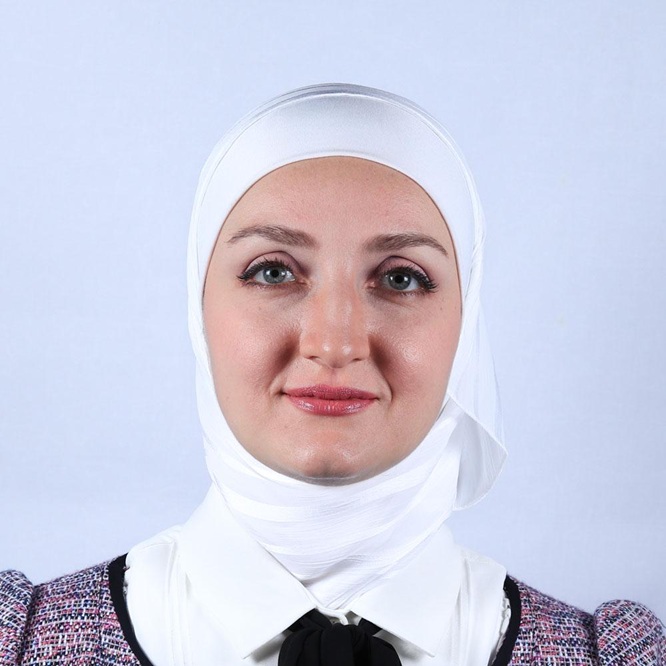
Dr Rania Alkhani, Pharmacy Manager at International Modern Hospital Dubai
1. From your experience, are antibiotics being prescribed more often than necessary in the UAE or elsewhere?
Antibiotics are among the most commonly overused and misused medications, both in the UAE and globally. In the past, it was common for people to take antibiotics for almost any sign of infection. However, medical advances have clearly shown that not all infections are caused by bacteria. In fact, many common illnesses—especially upper respiratory infections such as colds and flu—are viral, and antibiotics provide no benefit in these cases.
Using antibiotics when they are not needed exposes patients to unnecessary side effects and, more importantly, increases the risk of antibiotic resistance. This misuse allows bacteria to adapt and become resistant, leading to the emergence of so-called “superbugs” that are much harder to treat in the future.
Even when an infection is bacterial, antibiotics are not a one-size-fits-all solution. Different bacteria respond to different antibiotics, and treatment should be targeted whenever possible. The goal is to use the most appropriate, narrow-spectrum antibiotic to effectively treat the infection while minimizing the risk of resistance.
Simply put, antibiotics should be used wisely—because it is not always necessary to use a gun to kill a fly.
2. Do you find that some expats bring antibiotics from their home countries — and in what situations do you most often see misuse?
Yes, this does happen quite frequently. Some expats and visitors bring medications from their home countries, including antibiotics, for several reasons. In some countries, generic medicines are more affordable, and in others antibiotics may be available without a prescription. In the UAE, antibiotics are strictly regulated and cannot be dispensed without a valid prescription, as part of national efforts to control misuse and resistance.
Because of these differences, some people prefer to bring antibiotics with them so they have them readily available when they feel unwell.
The most common misuse we see is taking antibiotics for viral infections, such as colds, flu, or sore throats, where antibiotics are ineffective. Another serious form of misuse is stopping antibiotics as soon as symptoms improve—often after one or two days—rather than completing the full prescribed course. This practice increases the risk that bacteria survive, become resistant, and cause more difficult-to-treat infections in the future.
3. When antibiotics are overused or taken incorrectly — for example, for viral illnesses — what are the real risks for patients and the wider community?
Our bodies naturally contain millions of bacteria that live with us and help protect our health. When antibiotics are used unnecessarily—such as for viral illnesses—or taken incorrectly, they do not only kill harmful bacteria, but also destroy the beneficial bacteria that keep this balance. This disruption allows more harmful bacteria to grow and spread.
Over time, repeated or inappropriate use of antibiotics encourages bacteria to become resistant. These resistant bacteria, often referred to as “superbugs,” are much harder to treat and may require stronger, more toxic, or more expensive medications. In some cases, treatment options become very limited.
For the wider community, antibiotic resistance is a serious public health threat. Resistant bacteria can spread between people, making common infections more difficult to control and increasing hospital stays, complications, and healthcare costs. Overuse of antibiotics in the past has already reduced the effectiveness of some of our strongest, broad-spectrum antibiotics, and this makes treating serious infections increasingly challenging.
Using antibiotics responsibly protects not only the individual patient, but also the safety and health of the entire community.
4. What steps are hospitals, clinics, and patients already taking — or should be taking — to reduce unnecessary antibiotic use?
Healthcare facilities already play an important role in reducing unnecessary antibiotic use, and this effort needs to continue and strengthen. Antibiotics should remain restricted medications and only be prescribed by qualified healthcare professionals when there is a clear medical indication.
In hospitals and clinics, this means confirming bacterial infections whenever possible before prescribing antibiotics. Simple and appropriate tests—such as urine tests for suspected urinary tract infections, stool tests when indicated, respiratory panels for certain respiratory symptoms, and relevant blood tests—help clinicians identify the cause of infection and choose the most suitable treatment. This ensures that antibiotics are used only when needed and that the right antibiotic is selected.
Patients also have an essential role. Public awareness is key to reducing misuse. Patients should avoid requesting antibiotics for colds or flu, follow medical advice, and always complete the full course when antibiotics are prescribed.
Responsible prescribing by healthcare providers, combined with informed and cooperative patients, is the most effective way to protect the effectiveness of antibiotics for future generations.
Health
This Is the Age When You’re Most Physically Fit

Researchers have pinpointed the age when people reach their peak physical fitness.
In an exhaustive 47-year study, researchers followed 427 people from ages 16 to 63, regularly measuring their height and weight, and testing their fitness by evaluating endurance on a stationary bicycle and the weight they could bench press.
They found that age 35 is the time of peak physical performance for both men and women, according to the study published in the Journal of Cachexia, Sarcopenia and Muscle. “There is no sex difference in decline with age,” researchers found. They also said that while physical decline is inevitable, active people experience a slower decline.
And the earlier you start moving, the better: “Individuals who were physically active in their leisure time at age 16 maintained higher aerobic capacity, muscular endurance and muscle power throughout the observation period,” the study says.
“This emphasizes the importance of early intervention to establish positive exercise habits in adolescence and early adulthood, as these patterns appear to have long-term benefits for physical function.”
But it doesn’t mean that once you’re 36, it’s all over: “It is never too late to start moving. Our study shows that physical activity can slow the decline in performance, even if it cannot completely stop it,” Maria Westerståhl, lecturer at the Department of Laboratory Medicine and lead author of the study, said in a press release from Karolinska Institutet.
“Now we will look for the mechanisms behind why everyone reaches their peak performance at age 35 and why physical activity can slow performance loss but not completely halt it,” she said, adding that the next step will be to evaluate the subjects when they are 68.
People magazine
Health
Dubai Hernia Summit Concludes Its Second Edition with the First-Ever Inclusion of Diastasis Recti Congress
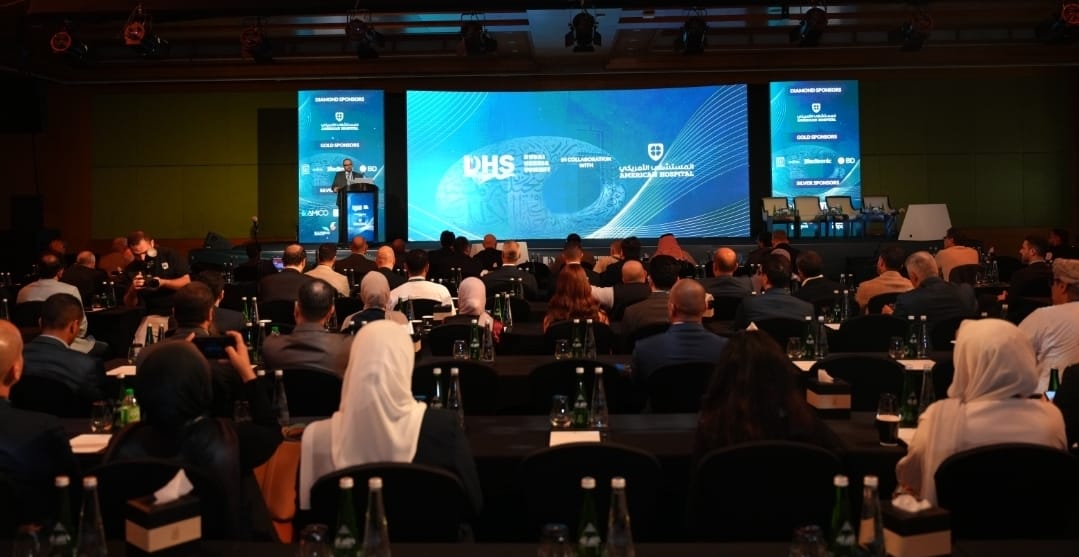
International experts highlight the shift from cosmetic perception to clinical reality in abdominal wall reconstruction
Dubai, February 6, 2026
The Dubai Hernia Summit (DHS) successfully concluded its second edition in Dubai, marking a significant milestone with the first-ever inclusion of a dedicated International Congress for Diastasis Recti as part of this year’s scientific programme. The summit was held in collaboration with American Hospital Dubai and brought together a distinguished group of international surgeons and medical experts specialising in abdominal wall surgery.
The second edition of the Dubai Hernia Summit took place from January 30 to February 1, 2026, at The Ritz-Carlton, Dubai International Financial Centre, further strengthening the event’s position as a regional and international platform for advanced hernia surgery and abdominal wall reconstruction.
A key highlight of this year’s summit was the introduction of Diastasis Recti as a dedicated scientific track for the first time, addressing a condition that is often misunderstood as purely cosmetic. Diastasis recti—the structural separation of the rectus abdominis muscles—is a clinically significant condition that can affect core stability, physical function, posture, and long-term quality of life.
Expanded Scientific Programme
The scientific agenda featured advanced educational tracks, including the Diastasis Recti Masterclass, ETEP Universe, and Advanced Sessions, focusing on evidence-based practice, modern surgical techniques, and functional abdominal wall reconstruction.
The programme welcomed internationally recognised speakers, including Marco Correa, Rodrigo Galhego, Paulo Michels, Luciano Tracia, and Mario Cherubino, who shared global expertise and presented advanced approaches to complex abdominal wall and diastasis recti reconstruction.
Scientific Leadership and Acknowledgements
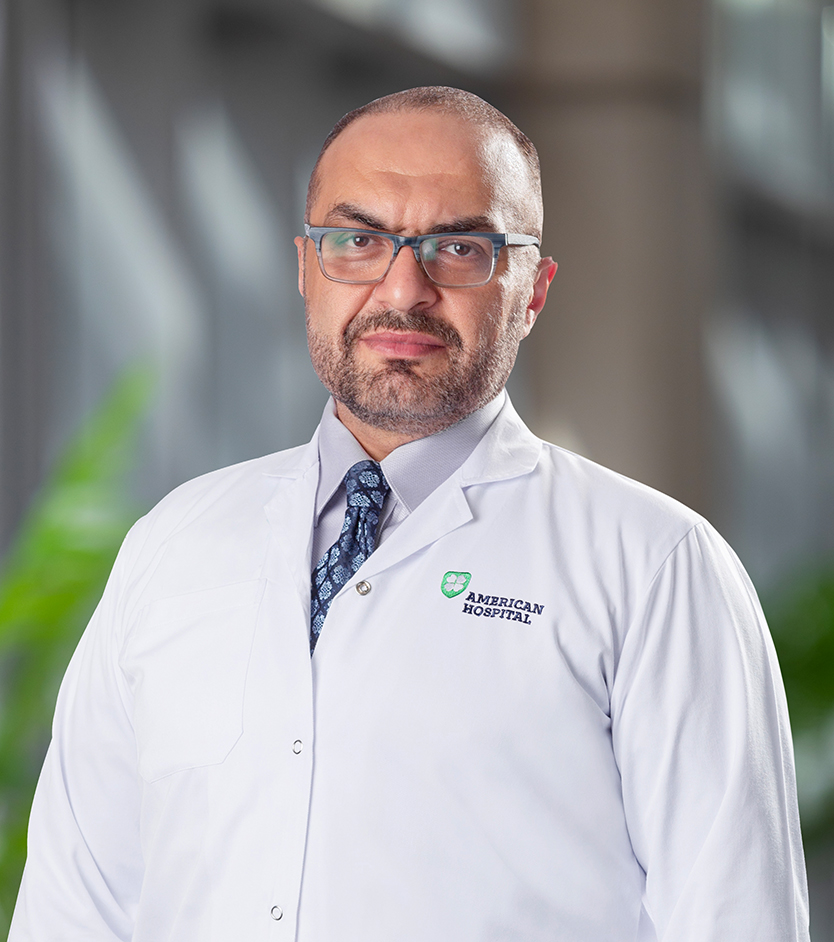
Dr Hatem Moussa, Chairman of the Scientific Committee of the Dubai Hernia Summit and Head of the Department of Surgery at American Hospital Dubai, said the successful conclusion of the second edition reflects the summit’s growing scientific impact and international relevance.
“The Dubai Hernia Summit continues to evolve, and the inclusion of Diastasis Recti for the first time this year represents an important step forward in addressing conditions that require proper clinical recognition and specialised surgical management,” Dr Moussa said.
He added:
“I would like to sincerely thank all the physicians and international experts who contributed to the scientific success of this edition. I also extend my appreciation to American Hospital Dubai and Mr Sherif Beshara for their continued support, commitment to advancing healthcare standards, and their key role in the successful delivery of this year’s summit.”
Advancing Abdominal Wall Surgery
The summit placed strong emphasis on robotic-assisted and advanced minimally invasive surgery, positioning the second edition of DHS as a leading platform for showcasing innovation in hernia repair and abdominal wall reconstruction. Specialised workshops provided participants with practical exposure to the latest surgical technologies and techniques.
The event was supported by American Hospital Dubai, alongside leading global medical technology companies including Medtronic, Intuitive, BD (Becton, Dickinson and Company), Johnson & Johnson, and Cambridge Medical Robotics (CMR).
Reinforcing Dubai’s Global Role
The successful conclusion of the second edition of the Dubai Hernia Summit, and the first-time inclusion of the Diastasis Recti Congress, further reinforces Dubai’s position as a global destination for specialised medical conferences, advanced surgical education, and innovation-driven healthcare collaboration.
For more information :
Website: www.dubaihernia.com
Email: info@dubaihernia.com
About Dubai Hernia Summit (DHS)
The Dubai Hernia Summit is a leading medical platform dedicated to clinical excellence in hernia surgery and abdominal wall reconstruction. By uniting a global faculty of surgical pioneers and technology leaders, DHS facilitates high-level scientific exchange and the responsible adoption of advanced surgical technologies to improve patient outcomes internationally.
For media contact
Mourad Alsayed
Mobile: +071588144155
Murad.mustafa@awarenessupr.com
Health
A Major Advance in Complex Spinal Surgery: Saudi German Hospital Dubai Ends 30 Years of Suffering for Scoliosis Patient
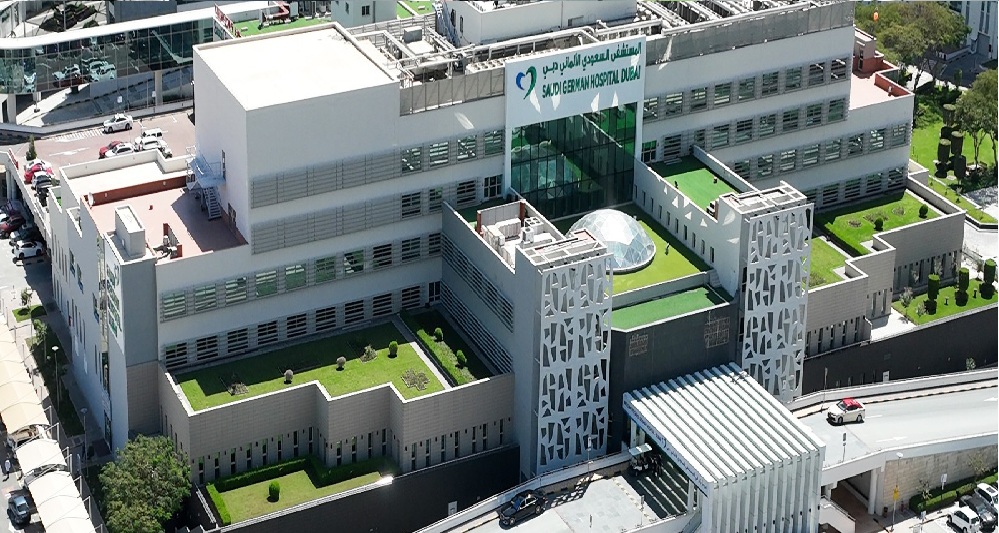
DUBAI, United Arab Emirates – The Spinal Center at Saudi German Hospital Dubai has achieved a significant medical milestone in complex spinal care, successfully performing a highly advanced spinal deformity correction on a patient who had lived with severe, neglected scoliosis for more than three decades.
The condition, which developed during childhood, had progressively evolved into a rigid structural deformity of the spine, resulting in chronic pain, restricted mobility, and long-term physical limitations that profoundly affected the patient’s quality of life.
A Surgical Challenge Requiring Advanced Expertise
This case extended well beyond conventional corrective procedures. Decades of progression had caused the spinal curvature to become structurally rigid, placing the condition among the most technically demanding scenarios in spinal surgery. Such cases require exceptional surgical expertise, meticulous planning, and strict adherence to internationally recognized standards of care.
Led by Professor Hazem Farid, Consultant Spine Surgeon, the multidisciplinary team implemented an advanced surgical protocol aimed at releasing the rigid deformity and restoring the body’s natural axial alignment while minimizing neurological risk.
Precision Techniques and Advanced Safety Measures
The three-and-a-half-hour procedure employed spinal osteotomy, a specialized technique used to reshape and realign solidified vertebrae with high precision. To safeguard neurological function, the surgical team utilized state-of-the-art intraoperative neuromonitoring (IONM), providing continuous, real-time assessment of nerve signals throughout the procedure and ensuring the highest standards of surgical safety.
A Transformative Outcome
The results were evident within hours of surgery. The patient was able to stand with a corrected posture and walk independently, marking the end of a prolonged period of pain and physical restriction. Beyond the physical correction, the successful outcome also delivered a profound psychological benefit, restoring confidence, mobility, and independence.
Advancing Specialized Spine Care in the Region
This achievement highlights the advanced capabilities of Saudi German Hospital Dubai in managing complex spinal conditions and reinforces its role as a regional reference center for high-complexity specialty surgeries. By combining specialized expertise with cutting-edge surgical technology, the hospital continues to contribute to Dubai’s growing reputation as a leading destination for advanced and sophisticated healthcare.


Syria, Saudi Arabia sign joint airline deal, $1bn telecoms push

Saudi Arabia to issue passports for millions of camels

STRANGE THINGS ABOUT KATE MIDDLETON’S FAMILY

Is February 2026 really a once-in -283-years MiracleIn?

Algeria, Burkina Faso, Côte d’Ivoire win AFCON 2025 openers

Bascom Palmer Eye Institute Abu Dhabi and Emirates Society of Ophthalmology Sign Strategic Partnership Agreement
-
Discover3 weeks ago
Is February 2026 really a once-in -283-years MiracleIn?
-
 Football2 months ago
Algeria, Burkina Faso, Côte d’Ivoire win AFCON 2025 openers
-
 Health2 months ago
Bascom Palmer Eye Institute Abu Dhabi and Emirates Society of Ophthalmology Sign Strategic Partnership Agreement
-

 Health1 month ago
NMC Royal Hospital, Khalifa City, performs rare wrist salvage, restoring function for young patient
-

 Health3 months ago
Emirates Society of Colorectal Surgery Concludes the 3rd International Congress Under the Leadership of Dr. Sara Al Bastaki
-

 Football3 months ago
Globe Soccer Awards 2025 nominees announced as voting opens in Dubai
-

 Health3 months ago
Born Too Soon: Understanding Premature Birth and the Power of Modern NICU Care
-
 Health2 months ago
Decline in Birth Rate in the UAE