
Lifestyle
Should you apply deodorant in the morning or at night?

It’s a hygiene product that most people use every single day without thinking twice about it.
But it turns out you’ve probably been applying your deodorant wrong this entire time.
Experts from the International Hyperhidrosis Society have revealed the best time to apply your antiperspirant.
Contrary to popular belief, it’s not first thing in the morning.
Instead, the experts say that antiperspirants are best applied at night, just before you go to bed.
‘For best results, use your antiperspirant in the evening,’ the team advised.
‘Sweat production is at its lowest at night.
‘Evening application gives the active ingredients in antiperspirants time overnight to get into your pores in order to block perspiration when the sun comes up and you really get moving.’
While many of us use the terms interchangeably, deodorants and antiperspirants are actually two separate things.
‘Unlike deodorants, antiperspirants contain aluminum-based compounds that temporarily block sweat pores, thereby reducing the amount of perspiration that reaches your skin,’ the International Hyperhidrosis Society explained.
‘Deodorants, on the other hand, can help eliminate odor but not perspiration.
‘They’re usually alcohol-based and turn your skin acidic, making it less attractive to bacteria. Deodorants often also contain perfume fragrances to mask odor.’
Thankfully, most products on sale today are combination antiperspirants and deodorants, which fight both sweat and odour.
Most people apply theirs first thing in the morning, but this can not only make your antiperspirant less effect, but can also ruin your clothes.
‘Apply your antiperspirant at night before bed. It works better when applied at night anyway (see above) and your morning outfit won’t suffer,’ the team explained.
However, the experts say that a thin layer is all you need.
‘Apply only a thin layer of antiperspirant,’ they advised.
‘One swipe up and one swipe down is enough and there won’t be extra to rub off onto your clothes.’
If the amount of sweat you produce is causing you embarassment, thankfully there are several things you can do.
Beyond applying your antiperspirant in the evening, try to trim or groom your underarm hair to allow the product ro reach your skin.
‘Trimming hair also prevents sweat and oil from hanging around and cuts down on the surface areas on which bacteria and sweat can react,’ the International Hyperhidrosis Society explained.
There are also several medical treatments to stop sweating, which your doctor can advise you on.
However, it’s best to try to understand the root cause behind your sweating.
‘Manage your stress and learn how to control it to prevent or limit stress sweating in the first place,’ the experts added.
Daily Mail
Beauty
Dubai Gold Designers Business Group unveils strategy to expand global market access for Dubai-based jewellery designers
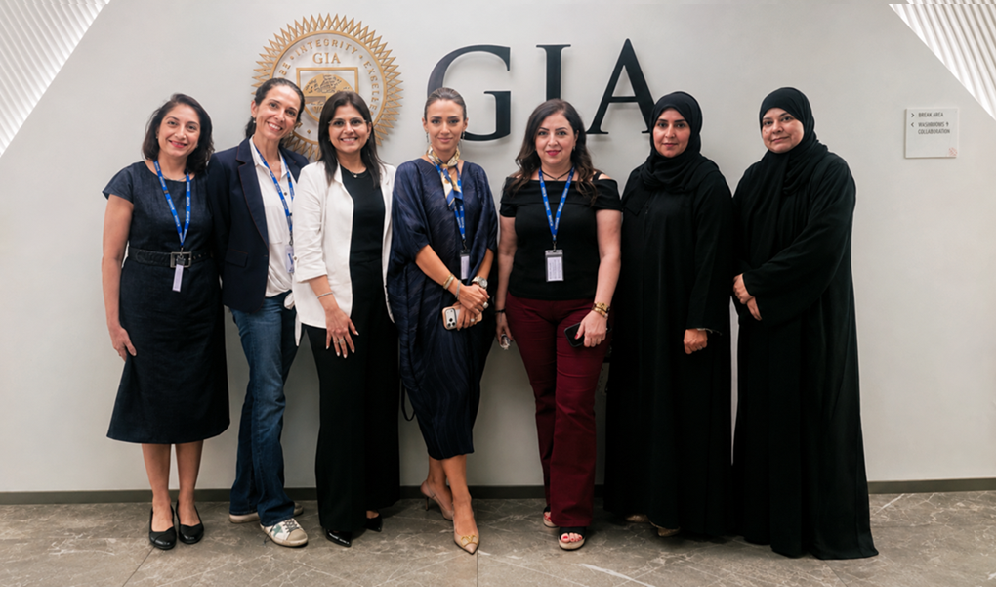
DUBAI, 25th September, 2026 – The Dubai Gold Designers Business Group, operating under the umbrella of Dubai Chamber of Commerce, has unveiled its strategic direction for the next phase of its development, with a focus on expanding international market access, strengthening professional capabilities and enhancing the global visibility of Dubai-based jewellery designers and entrepreneurs.
Representing 50 members across jewellery design, entrepreneurship and related creative businesses, the Group aims to support members in transforming creative talent into sustainable commercial growth through education, business development, industry partnerships, market access and local and international exposure.
The strategy is designed to preserve the commercial independence and individual identity of member brands while creating a stronger collective platform for Dubai-based jewellery businesses to access international opportunities.
A key priority will be strengthening the international presence of Dubai’s jewellery design community through selected exhibitions, trade events and professional platforms in priority markets.
The Group said its international activities will focus on measurable commercial outcomes, including introductions to qualified buyers, retailers and distributors, export opportunities, market intelligence, media exposure and long-term international partnerships.
Three-year international representation programme
As part of the strategy, the Group is exploring the introduction of a three-year International Representation Programme aimed at developing a sustainable model for the international promotion of Dubai-based jewellery businesses.
Under the proposed framework, the first year would focus on establishing the model, defining participation criteria and piloting collective international representation. The second year would expand partnerships and engagement with buyers and international media, while the third year would assess commercial and reputational impact and determine an appropriate long-term funding and expansion model.
International events would be selected according to criteria including buyer quality, market access, export potential, media reach, sector reputation, cost-effectiveness and alignment with Dubai’s international economic priorities.
Participation would also be linked to business readiness, product quality, professional standards, regulatory compliance and commitment to measuring commercial outcomes.
The strategy is centred around three pillars: education and member development; business development and partnerships; and international representation and visibility.
Through these pillars, the Group plans to provide workshops, masterclasses and professional development opportunities, facilitate business matchmaking and strategic collaborations, and create opportunities for selected members to participate in international platforms.
Building on international engagement
The new direction builds on the Group’s previous international and industry engagement, including activities linked to Mumbai, Jaipur and Bangkok, professional development initiatives in Bahrain and Florence, participation in UAE exhibitions, and relationships with gemological, educational and industry organisations.
The Group has also worked to increase member visibility through media engagement, digital platforms, member showcases and international industry connections.
Focus on measurable impact
The Group said future international initiatives will be evaluated through commercial and reputational indicators including qualified buyer meetings, retailer and distributor introductions, business leads and orders, export opportunities, international partnerships, media and digital exposure and member capability development.
The approach is intended to measure not only participation in international platforms but also the tangible business opportunities generated for members.
Maha Al Sibai, Chairwoman of the Dubai Gold Designers Business Group, said the strategy reflects the Group’s ambition to create stronger pathways between Dubai’s jewellery design community and international markets.
“Our ambition is to give Dubai-based jewellery designers and entrepreneurs greater access to the relationships, knowledge and international platforms that can help them grow sustainably. At the same time, we want the international presence of our members to reflect Dubai’s strength as a destination for creativity, entrepreneurship, craftsmanship and business,” she said.
The Group’s membership includes women founders, independent professionals and emerging entrepreneurs, with the strategy also seeking to strengthen opportunities for emerging talent to gain industry knowledge, develop professional standards and build international business networks.
The Dubai Gold Designers Business Group operates under the umbrella of Dubai Chamber of Commerce and supports jewellery designers, founders and entrepreneurs through collaboration, education, business development, industry connections and local and international market access.
Its long-term objective is to support UAE-based jewellery entrepreneurs in expanding into international markets while strengthening the global visibility of Dubai’s jewellery design ecosystem.
Beauty
Maha Al Sibai Jewellery Partners with Divine Solitaires to Elevate the Natural Diamond Experience
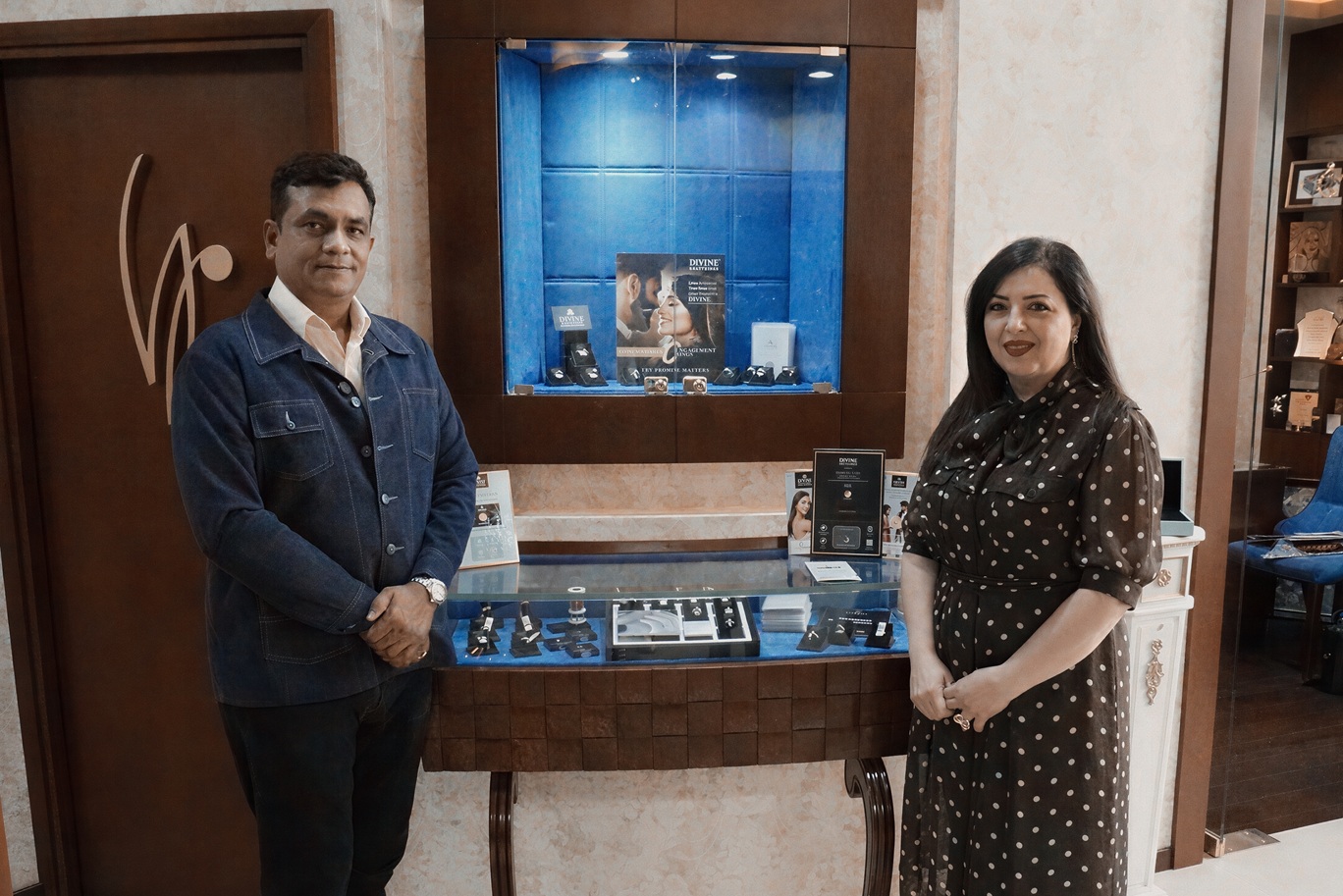
Dubai, UAE – 18th June 18, 2026
Maha Al Sibai Jewellery is proud to announce a strategic partnership with Divine Solitaires, the internationally recognized diamond company renowned for its commitment to transparency, exceptional quality, and lifetime value assurance.
Through this collaboration, clients of Maha Al Sibai Jewellery will gain access to Divine Solitaires’ premium natural diamonds, accompanied by a unique digital certification experience through the Divine App. The platform enables customers to view their diamond’s specifications, authenticity records, and current value at any time, while benefiting from lifetime buyback and exchange programmes that provide long-term confidence and peace of mind.
Maha Al Sibai Jewellery has always been known for carefully selecting partners who uphold the highest standards of credibility, transparency, and quality. This partnership reflects the brand’s ongoing commitment to offering discerning clients not only exquisite jewellery designs but also complete confidence in the value and provenance of every diamond.
“At Maha Al Sibai Jewellery, we are committed to offering our clients exceptional craftsmanship, timeless design, and complete confidence in every purchase,” said Maha Al Sibai, Founder and Creative Director of Maha Al Sibai Jewellery. “Our partnership with Divine Solitaires reflects these values perfectly. Their reputation for outstanding natural diamonds, combined with an unmatched commitment to transparency and lifetime value assurance, makes them an ideal partner. This collaboration allows us to pair our bespoke jewellery creations with some of the world’s finest natural diamonds, delivering an even more elevated experience for our clients.”
The partnership brings together Maha Al Sibai Jewellery’s distinctive design philosophy and Divine Solitaires’ expertise in premium natural diamonds, creating a unique offering for collectors and jewellery enthusiasts who seek beauty, authenticity, and lasting value. Together, the two brands share a commitment to excellence, innovation, craftsmanship, and customer trust, setting a new benchmark in the luxury jewellery sector.
About Maha Al Sibai Jewellery
Founded by renowned jewellery designer Maha Al Sibai, Maha Al Sibai Jewellery is a luxury jewellery house celebrated for its elegant creations, exceptional craftsmanship, and contemporary interpretation of timeless beauty. The brand specializes in bespoke fine jewellery and exclusive diamond pieces that combine artistic creativity with the finest materials and meticulous attention to detail.
With a passion for excellence and a commitment to authenticity, Maha Al Sibai Jewellery has established itself as a trusted destination for clients seeking distinctive jewellery that reflects individuality, sophistication, and enduring value. Through carefully curated international partnerships and a dedication to innovation, the brand continues to offer an elevated luxury experience for jewellery collectors and connoisseurs across the region and beyond.
For more information, visit:
https://mahaalsibai.com
For media contact please contact
Mourad Alsayed
General Manager
Awareness marketing management DWC LLC
Mobile: 0588144155
Murad.mustafa@awarenessupr.com
www.awarenessupr.com
Lifestyle
STARS WITH AWFUL PERSONAL HYGIENE

If you’re a rich and famous star, chances are you have no problem affording things like soap, shampoo, and deodorant, right? With the money a Hollywood paycheck racks in, cleanliness seems a small cost to pay to keep up red carpet appearances. Some A-listers aren’t so convinced, however, and it may surprise the public to know that many of them are surprisingly some of the biggest and most popular stars of movies and TV.
Would you believe one of the stars of the Marvel Cinematic Universe supposedly has bad body odor? What about two beautiful cast members of one of the most successful sitcoms of all time? Well, one of them supposedly has the tendency to smell “like a trucker,” which the other allegedly used to do some particularly private “ladyscaping” right on the couch she shared with a roommate. Heinous, right?
This list goes on and on, and it actually gets worse from there. In fact, some stars are straight up gross. Let’s take a look at Tinseltown’s A-list, and how some celebs get a get a big fat F when it comes to personal hygiene.
Gwyneth Paltrow is suspicious of deodorant’s effect on your health
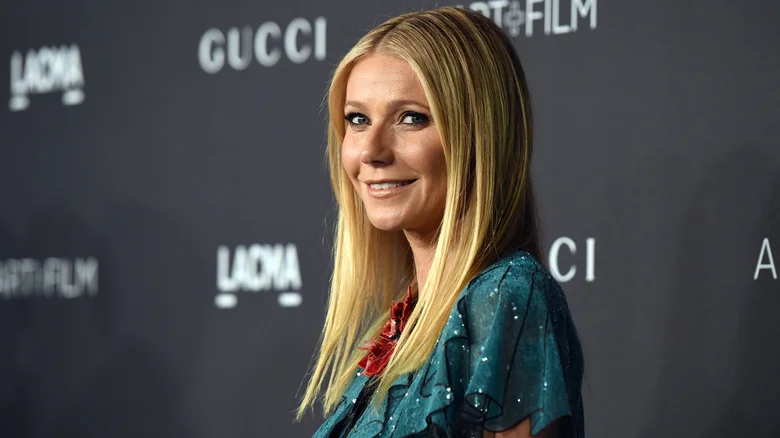
Remember how actor Gwyneth Paltrow swore off ever going to the Met Gala again in 2013? The Oscar winner complained that the scene was too hot and sweaty for her, but it turns out it was probably an even worse experience for anyone who stood next to her. “Poor Gwyneth looked picture-perfect, but it must have been the hot lights that caused her to be a little strong on the nose,” an insider told the National Enquirer (via Buzzfeed). “It was pretty pungent, and I don’t think she had a clue. I saw at least two people wave their hands in front of their noses after passing her.”
A friend of the actor made an excuse for her, telling the tab, “Gwyneth has heard that aluminum is supposedly carcinogenic, and that putting an aluminum-based deodorant directly on those sensitive armpit glands can increase the chances of breast cancer. She’s trying out new deodorants; she’s bound to fail with some of them … but Gwyneth tells pals she’d rather be smelly than dead.” For the record, the American Cancer Society disagrees with Paltrow, with the organization saying there has been no scientific link between aluminum-based antiperspirants and cancer.
Matthew McConaughey hasn’t worn deodorant in decades
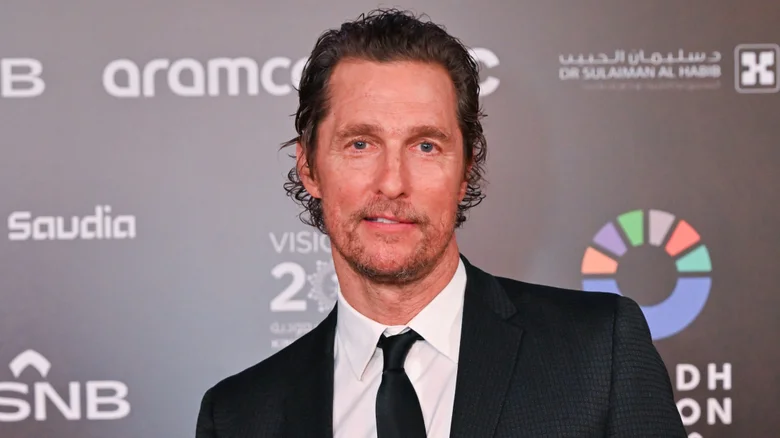
It turns out that the former Sexiest Man Alive doesn’t subscribe to a certain modern hygiene practice. Actor Matthew McConaughey told People (via the New York Daily News) that he hasn’t worn deodorant in 20 years. “I don’t like to smell like someone or something else,” he said, adding, “If my smell starts to bother someone else, I’ll take a shower.”
One person it bothered? His “How to Lose a Guy in 10 Days” co-star, Kate Hudson. McConaughey told Playboy (via the Boston Herald), “She always brings a salt rock, which is some natural deodorant, and says, ‘Will you please put this on?'”
Not all of McConaughey’s co-stars have found his smell to be off-putting, however. Actor Yvette Nicole Brown Smith starred alongside the “Failure to Launch” star in the 2008 comedy, “Tropic Thunder,” and admitted she had doubts about his hygiene after he admitted to not using antiperspirant in two decades. She was pleasantly surprised about his scent, however, revealing on the SiriusXM “Jess Cagle Show,” “He smells like granola and good living, that’s all I can say. He has a sweet, sweet scent that is just him and it’s not musty or crazy.”
Julia Roberts conserves water by not showering often

America’s sweetheart supposedly stinks. Actor Julia Roberts told Oprah (via HuffPost) in 2008, “I don’t actually use deodorant … It’s just never been my thing.” It’s a surprising statement coming from the stunning starlet, who captured the heart of Richard Gere in “Pretty Woman,” but at least Matthew McConaughey and Gwyneth Paltrow have a friend in the hygiene (or lack thereof) department.
That’s not all the “Ticket to Paradise” star avoids, either. The starlet isn’t the biggest fan of soap as well. A former security guard for the pretty lady told Star (via Life & Style), “Julia is a total hippie. She’ll go days without showering. She likes to save water — she’s really green. And she likes the smell of her natural oils.” The guard added, “She also says that she can’t wash her hair too often because it’s so dry. She may have a point there, but she often gets musty.” Regardless, whatever hygiene habits Roberts chooses to follow haven’t stopped her from appearing dazzling on and off the big screen.
Russell Crowe’s rumored body odor was the talk of Tinseltown

Actor Russell Crowe’s body odor is reportedly as foul as his temper. Joan Rivers once said, “He has a body odor problem. I prefer to sit downwind of him at showbiz bashes.” (Technically, Rivers probably would have been better off sitting upwind, right?) Insiders claimed to the National Enquirer in 2004 that after repeated pleas for better hygiene on the set of “Cinderella Man,” co-star Renee Zellweger insisted on a body double for anything intimate.
One of Crowe’s buddies justified the actor’s odor. “Russell is just an ordinary bloke and he certainly doesn’t have a hygiene problem,” the pal said. “If you stand really close to him you may catch the occasional whiff of alcohol and curry after a night on the town. But you show me a normal, down-to-earth bloke who isn’t like that the morning after he’s had a few beers and some good grub.”
Cameron Diaz believes the natural body is beautiful
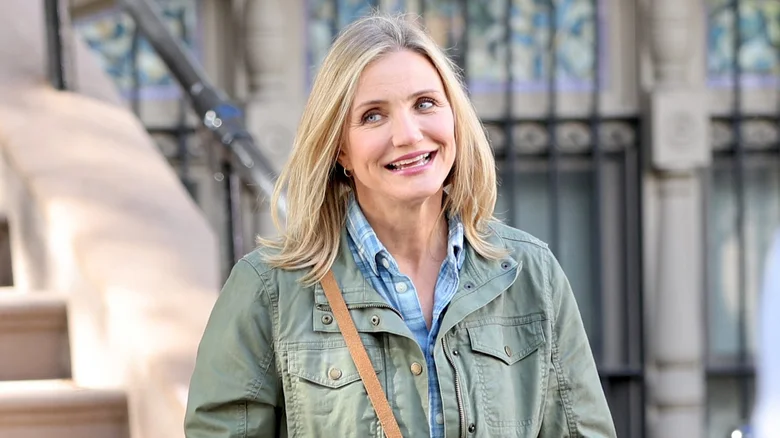
Hollywood is full of A-listers against antiperspirants, apparently, and who better to lead the pack but Cameron Diaz? The actor, who’s often seen sporting pit stains on the red carpet, told E! News, “I don’t believe in antiperspirant. It’s really bad for you. I haven’t used it for almost 20 years. You’re stinky, because you use antiperspirant. It keeps all the stink in.” She advised, “Let it go and just trim your armpit hair so it doesn’t hold onto the scent.”
Deodorant isn’t the only thing Diaz has a strong opinion on, either. The “Charlie’s Angels” star detailed her preference for pubic hair in her book, “The Body Book” (via Cosmopolitan), admitting that she’s strongly against lasering off hair … down there. “Pubes keep the goods private, which can entice a lover to come and take a closer look at what you have to offer,” she wrote.
After receiving some blowback over her comments, she clarified further, admitting on “The Graham Norton Show,” “I don’t care what women do with it, but we should be informed about how their bodies work,” adding, “It [pubic hair] is there for a reason and to laser it off is to lose it forever!”
Johnny Depp and Vanessa Paradis shared bathing habits
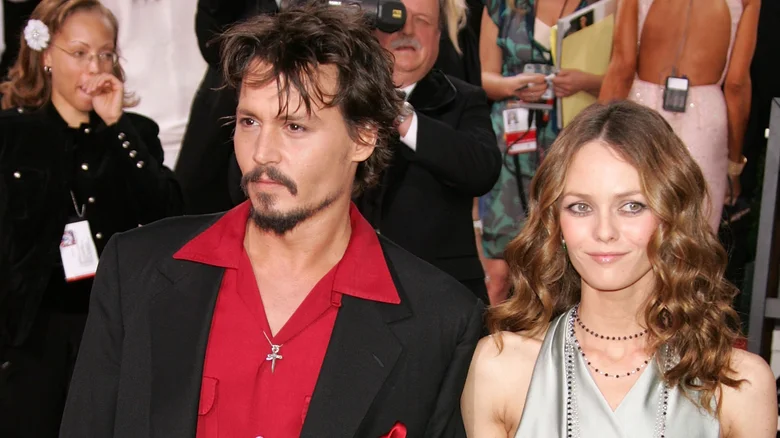
For someone who plays a pirate sailing the seven seas, it’s not hard to believe that actor Johnny Depp may not keep up with a regular hygiene routine. After all, who is worried about showering regularly when there’s pirate gold to be plundered, right? Depp has a lot more in common with his on-screen character Jack Sparrow than fans may have originally imagined, given that reports suggest he isn’t the biggest fan of being spick-and-span.
Depp isn’t alone, however, as his ex, singer Vanessa Paradis allegedly doesn’t see the big deal about bathing either. “Johnny usually smells because he rarely showers,” a source told Fox News (via Celebitchy). “He isn’t big on personal cleanliness and Vanessa isn’t much different. They found their perfect match in each other — it’s hard to be around them. Their personal hygiene is not their priority.”
Megan Fox revealed she forgets to flush

Megan Fox may be known for her stunning beauty and for being one of Hollywood’s most iconic symbols, but her hygiene habits may surprise you. Apparently, one of the world’s most beautiful women has surprisingly low standards when it comes to her cleanliness.
The actor told FHM (via Hollywood.com) that her poor memory makes for some awkward (and awful-smelling) situations. “I forget to flush the toilet,” she confessed. “Friends will tell me, ‘Megan, you totally pinched a loaf in my toilet and didn’t flush.'”
The “Jennifer’s Body” star also revealed that she’s not exactly an ideal roommate either. “I’m horrible to live with,” she confessed (via Koi Moi). “I don’t clean. My clothes end up wherever I take them off.” Machine Gun Kelly doesn’t seem to mind, however. After all, it’s what’s in the heart — and not in the hygiene habits — that truly counts, right?
Kendra Wilkinson’s pets may be the culprits of her rumored ‘urine’ smell
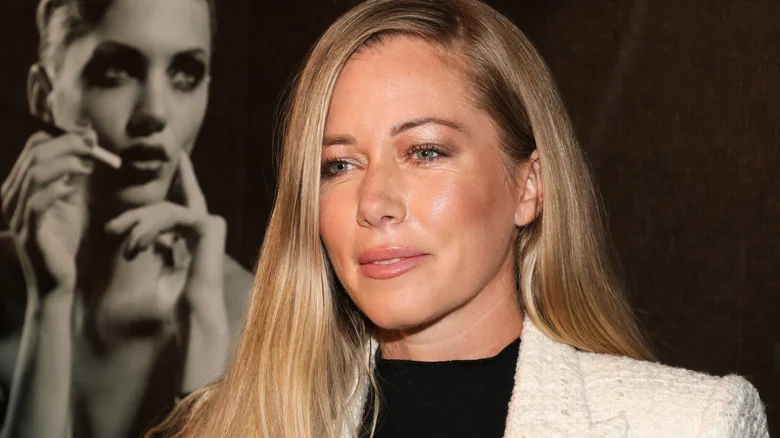
Former “Girls Next Door” star and Playboy Playmate Kendra Wilkinson is beautiful, but supposedly smells hideous. A source told Star (via Kiss FM), “Kendra loves to look sexy, but she couldn’t care less how she smells. I don’t know if she has pets but she smells like urine most of the time. She almost never takes a shower, and doesn’t use perfume, either.”
The token tomboy is not afraid to dish out the details of her bathroom habits either. In 2016, the model took to X (via Daily Mail) to air out her dirty laundry, tweeting, “Omg I gotta take a s*** so bad n no bathrooms around me rt now [sic].” She took it a step further when she added, “It’s so bad. That feeling where it comes n goes but when it comes feels like a contraction [sic].” Wilkinson eventually made it to a bathroom, letting fans know, “The weird thing is nothing came out.” No one asked, Kendra.
Brad Pitt taught Eli Roth about baby wipe showers
Brad Pitt may be one of Hollywood’s token golden boys, but that doesn’t mean he always has time to shower. The actor’s “Inglourious Basterds” co-star Eli Roth told People the hunk’s busy schedule doesn’t exactly leave him with a lot of time to freshen up, which has him resorting to fast-hacks.
“He shared that when you’re sweating and don’t have time to take a shower, you just take a baby wipe and rub it under your armpits,” Roth revealed. “After a scene, Brad had to get next to me for a close-up shot, and he said, ‘Damn, you’re ripe.’ I said, ‘I didn’t have time to shower.’ He said, ‘Baby wipes, man, baby wipes. I got six kids. All you’ve got to do is just take them, a couple quick wipes under the pits. Man, I’m getting [peed] on all day. I don’t have time to take a shower.'” We can’t help but wonder, is this a new take on “method acting?”
Britney Spears’ bodyguard said she has ‘obnoxious personal habits’
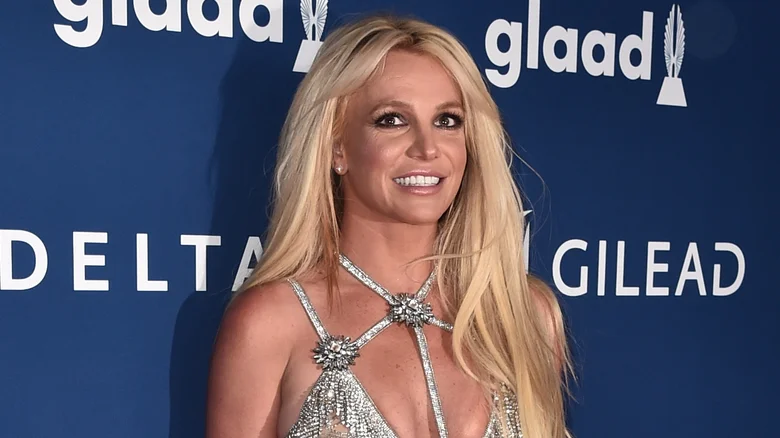
Britney Spears may have once been the princess of pop, but a source claims she’s not exactly as glamorous behind the scenes. Whether she was distracted with her highly contested conservatorship or simply worse for wear, the “Toxic” singer’s former bodyguard, Fernando Flores, claimed that the “Baby One More Time” singer had some less than appealing hygiene habits.
“Spears had obnoxious personal habits, such as chain-smoking cigarettes, which made her smell continually of stale tobacco,” he claimed in lawsuit documents from 2011 obtained by the Mirror. “She broke wind or picked her nose unselfconsciously and unapologetically … She did not bathe for days on end, did not use deodorant, did not brush her teeth, did not fix her hair, did not wear shoes or socks.” Spears’ camp denied the claims, but we have seen her strolling barefoot in a gas station bathroom.
Bradley Cooper ditches deordorant
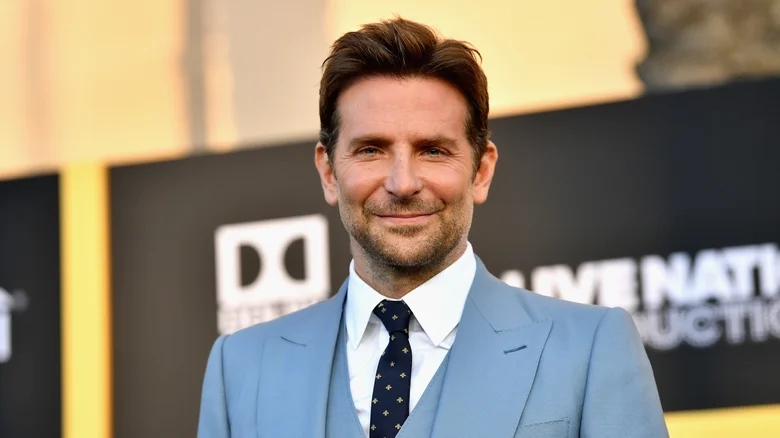
Bradley Cooper may be in good company, along with stars like Cameron Diaz, Matthew McConaughey, and Julia Roberts who have sworn off antiperspirants. By the looks of it, it seems like the entire Hollywood bunch may opt for their natural odors over store-bought deodorant any day now. The “Star is Born” actor confessed that he might stink, but he’s taking steps to compensate for it … just not the most obvious step to fix the problem.
“I don’t use deodorant really anymore,” the “War Dogs” star admitted to Esquire. “I do take a lot of showers, so maybe that helps. In the morning and then at night. And after I work out, I’ll take a shower. So maybe three a day.”
Hey, at least he’s doing something, right? He can always take a page out of Brad Pitt’s book and try using baby wipes to compensate for his odor … or simply embrace his “granola” stench like McConaughey.
Orlando Bloom re-wears dirty clothes

Orlando Bloom’s alleged grossness is what may have led to his divorce from model Miranda Kerr, at least according to Star (via Metro). A source claimed Kerr “asked him if he could wash his clothes and perhaps shower more often.” Yikes, doesn’t he know a Victoria’s Secret model when he sees one? The insider claimed the Pirates of the Caribbean hero will “wear the same jeans for a week before he throws them in the washer. Same goes for his sweaters, T-shirts and socks.”
Bloom’s unkempt hygiene is allegedly aided by his pets as well. The source revealed that the actor allows his dog to sleep in the bed with him, resulting in a slobber-fest that adds to his bad odor. He’s in good company, however, as he can always hang out with his former co-star Johnny Depp when he wants to shamelessly avoid grooming.
Marilyn Monroe: icon or epic slob?
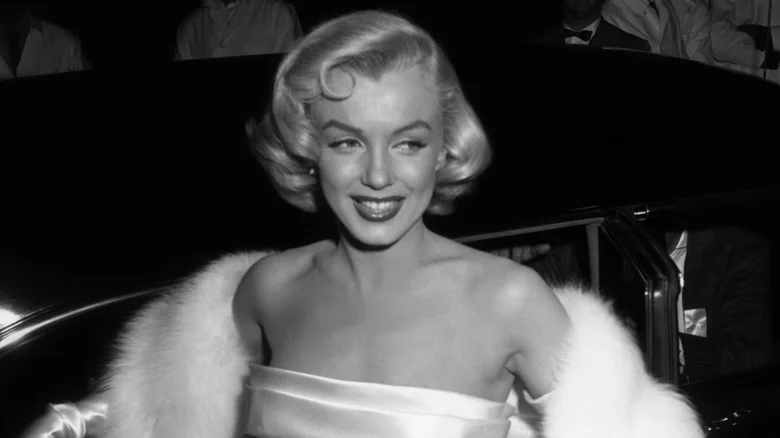
Marilyn Monroe is an American icon, from her jaw-dropping looks and acting roles in the 1950s to her iconic rendition of “Happy Birthday” sung for John F. Kennedy. As far as celebrities go, it’s hard to believe the blonde bombshell would be remembered for anything other than being immaculate. Think again, however, as sources say the late star was not exactly the tidiest when it came to personal hygiene.
In the book “Clark Gable: Tormented Star” (via Thought Catalog), David Bret wrote about some of Monroe’s less savory habits, which included eating in bed and passing lots of gas. Bret described her as “flatulent, dirty, and ate in bed … Like Jean Harlow, she bleached all her pubic hair and never wore panties.” Don’t let her glamorous looks and effortless aura fool you, as Bret claims she wasn’t exactly the striking sex symbol that many high-fashion magazines portrayed her to be while in the privacy of her own home. “She rarely bathed, slept in the nude, and ate a lot in bed — shoving what was left on her plate under the sheets before going to sleep,” wrote the author.
Arnold Schwarzenegger isn’t past farting in his co-star’s face
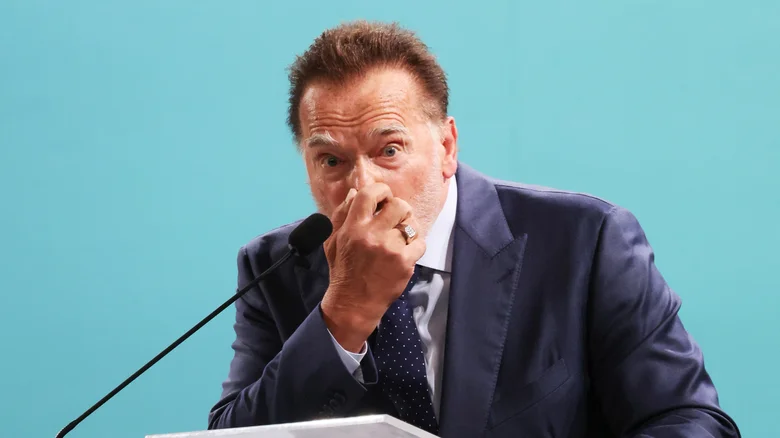
He may be the actor formerly known as the Governator, but Arnold Schwarzenegger could also be called by a more cheeky name. Among the lesser known facts about Schwarzenegger, he is apparently a serial flatulator. When filming 1999’s “End of Days” with him, “Harry Potter” series actor Miriam Margolyes claimed that the action star broke wind in her face on purpose while on set. “Now, I fart, of course I do — but I don’t fart in people’s faces,” she revealed on the Australian “I’ve Got News For You” podcast in 2022. “He did it deliberately.”
It would be one thing if it was called for in the scene, but Margolyes claimed that this was simply an ill-timed joke. As her character was lying on the floor, Schwarzenegger let one loose right in her direction. “It wasn’t on film, it was in one of the pauses, but I haven’t forgiven him for it.” As a result, Margolyes shared that she has no respect for the famous hunk. “He’s a bit too full of himself and I don’t care for him at all,” she stated. While “Ahh-nold” has never publicly commented on the claim, it goes to show that not all behind-the-scenes stays stagnant.
Nicki Swift


Emirates Specialty Hospital Expands Cancer Care Services in Dubai with Opening of Dedicated Chemotherapy Unit

When Rheumatoid Arthritis Threatened Her Independence: How the Right Diagnosis Helped Her Get Her Life Back

Saudi German Hospital Dubai Launches Mental Health and Wellness Center for Children and Adolescents

Araghchi, Oman Sultan discuss transit, stability in Muscat

UAE’s café culture keeps growing despite price pressure

Netflix to Livestream BTS Comeback Concert
-
 politics6 months ago
Araghchi, Oman Sultan discuss transit, stability in Muscat
-
 UAE10 months ago
UAE’s café culture keeps growing despite price pressure
-
 Entertainment9 months ago
Netflix to Livestream BTS Comeback Concert
-
 Discover9 months ago
Is February 2026 really a once-in -283-years MiracleIn?
-

 Football10 months ago
Algeria, Burkina Faso, Côte d’Ivoire win AFCON 2025 openers
-

 Health10 months ago
NMC Royal Hospital, Khalifa City, performs rare wrist salvage, restoring function for young patient
-

 Health10 months ago
Bascom Palmer Eye Institute Abu Dhabi and Emirates Society of Ophthalmology Sign Strategic Partnership Agreement
-

 Health11 months ago
Emirates Society of Colorectal Surgery Concludes the 3rd International Congress Under the Leadership of Dr. Sara Al Bastaki