
Food
How to Fast Safely During Ramadan if You Have Diabetes
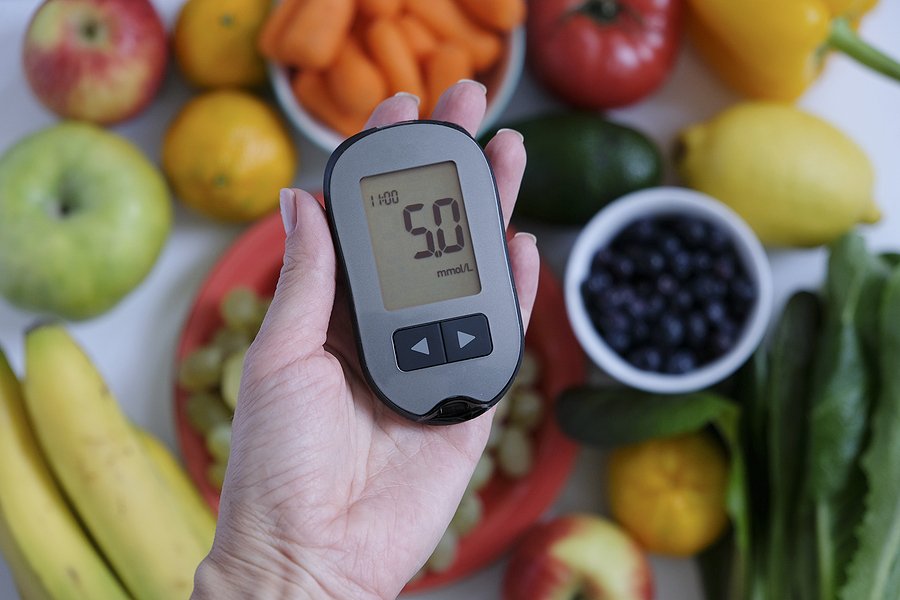
For Muslims living with diabetes, Ramadan presents a deeply personal decision that balances spiritual devotion with health considerations. The desire to observe one of Islam’s five pillars is understandable, fasting during Ramadan is a profoundly meaningful experience that connects believers to their faith, their community, and centuries of tradition.
The good news is that many people with diabetes can fast safely with proper preparation and medical guidance. However, this requires careful planning, ongoing monitoring, and a clear understanding of when fasting may pose risks that outweigh its benefits. The International Diabetes Federation estimates that over 150 million Muslims with diabetes worldwide fast during Ramadan each year, many of them successfully.
This guide provides evidence-based information to help you work with your healthcare team in making informed decisions about fasting and managing your diabetes throughout the holy month.
Disclaimer: This information is designed to provide practical advice for diabetics during the holy month of Ramadan. Any lifestyle or medication changes must be discussed with and approved by a healthcare professional.
Before Ramadan: Essential Preparation
The most important step in safe fasting begins six to eight weeks before Ramadan. Schedule a pre-Ramadan consultation with your physician to assess whether fasting is appropriate for your specific situation. During this visit, your doctor will evaluate your current blood glucose control, review your medications, discuss your previous fasting experiences, and help you understand your personal risk level.
According to the IDF-DAR Practical Guidelines, individuals with diabetes fall into different risk categories. Those at very high or high risk—including people with type 1 diabetes, those with poorly controlled type 2 diabetes, pregnant women with diabetes, or those who have experienced severe hypoglycemia in the past three months—are generally advised not to fast. However, individuals with well-controlled type 2 diabetes and no significant complications may be able to fast with appropriate medication adjustments and monitoring.
Your healthcare team will also guide on adjusting your medications, planning your meals, and recognizing warning signs that require breaking your fast.
Blood Glucose Monitoring During Fasting
Regular blood glucose monitoring is essential during Ramadan, and importantly, testing your blood sugar does not break your fast. Islamic scholars have confirmed that finger-prick testing and using glucose monitors are permitted during fasting hours.
For individuals at moderate to low risk, monitoring once or twice daily may be sufficient. Those at higher risk should consider following a more comprehensive monitoring schedule that includes checking levels before suhoor, two to three hours after suhoor, at midday, mid-afternoon, before iftar, and two hours after iftar.
Always check your blood glucose if you experience any symptoms of low or high blood sugar, or if you feel unwell.
When You Must Break Your Fast
Your health must take priority. You should immediately break your fast and seek medical attention if:
- Your blood glucose drops below 70 mg/dL (3.9 mmol/L)—there is no guarantee it will not fall further
- Blood glucose exceeds 300 mg/dL (16.7 mmol/L)
- You experience symptoms of hypoglycemia: shakiness, sweating, confusion, dizziness, or rapid heartbeat
- You experience symptoms of hyperglycemia: excessive thirst, frequent urination, or nausea
- You develop dehydration, fever, diarrhea, or any acute illness
Breaking your fast in these circumstances is not only permitted but required under Islamic law, which prioritizes the preservation of health and life.
Nutrition and Meal Planning
Proper meal planning helps maintain stable blood glucose throughout Ramadan. At suhoor, choose complex carbohydrates that digest slowly, such as whole grains, oats, barley, and legumes. Include protein sources like eggs, yogurt, or cheese, and drink plenty of water. Delay suhoor until just before dawn to shorten the fasting period.
At iftar, break your fast with dates and water as per tradition—dates provide quick but natural energy. Avoid consuming large quantities of food rapidly, as this can cause blood sugar spikes. Choose grilled or baked foods over fried items, include vegetables with every meal, and limit sweets and sugary beverages.
Spread your food intake across two main meals with a light snack in between, rather than consuming everything at once.
Physical Activity Considerations
Light to moderate exercise is generally safe during Ramadan, but timing matters. The best time for physical activity is two to three hours after iftar, when you have had time to eat and rehydrate. Avoid strenuous exercise during fasting hours, as this increases the risk of hypoglycemia and dehydration.
Tarawih prayers, which involve standing, bowing, and prostrating, count as physical activity and should be factored into your daily exercise plan.
Key Takeaways for Managing Diabetes During Ramadan
- Consult your physician six to eight weeks before Ramadan for a pre-fasting assessment
- Blood glucose monitoring does not break your fast—test regularly
- Break your fast immediately if glucose falls below 70 mg/dL or rises above 300 mg/dL
- Choose slow-digesting foods at suhoor and avoid large, rapid meals at iftar
- Stay well hydrated between iftar and suhoor
- Exercise after iftar, not during fasting hours
- Medication adjustments must be discussed with your healthcare provider
When to Consult Your Doctor
Beyond your pre-Ramadan assessment, contact your healthcare provider if you experience:
- Repeated episodes of low or high blood sugar during fasting
- Difficulty managing your glucose levels despite following your plan
- Symptoms of dehydration that do not improve with increased fluid intake
- Any new or worsening symptoms related to diabetes complications
- Uncertainty about whether it is safe to continue fasting
After Ramadan, schedule a follow-up appointment to discuss your experience and make any necessary adjustments to your regular treatment plan.
Jhon Hopkins Aramco Healthcare
Discover
Five-second rule is a myth

You drop a piece of cucumber on the floor. Do you immediately throw it in the bin or reassure yourself of the age-old “five-second rule” and reckon it’s fine to pop it in your mouth after a quick rinse?
If you fall into the latter camp, John Tregoning, professor of vaccine immunology at Imperial College London, has some bad news. He refers to three studies into bacteria transfer that all point towards the rule being false.
In the first, scientists looked at what happens when a range of foods (bread, buttered bread, watermelon and gummy bears) were dropped on a range of surfaces (tile, steel, wood, and carpet) that had been coated with bacteria. “They transferred almost immediately,” he says, adding that the worst combination for transfer happened when wet food hit a solid surface (watermelon on tile or steel).
Another study – where cooked sausage was dropped on to surfaces – showed that bacteria transferred on to the meat even if they had been applied to the surface hours earlier. It showed that “if you put a piece of contaminated chicken on to a work surface and then, two hours later, drop your piece of bread on to it, you can still pick up bacteria from it. It’ll be there for about 24 hours,” he says.
The final paper looked at the “five-second rule” for medical objects in the operating room. Perhaps unsurprisingly, it found that if surgeons drop something on the floor, they need to wash that instrument with detergent for it to be safe to use again.
What does all this mean for your fallen cucumber? “I think you have to accept it’s gone,” says Tregoning. Rinsing it with water won’t be enough to guarantee it’s clean. That’s especially the case if you’re particularly susceptible to infections, or if your dog might have walked something terrible through the house (even hours earlier).
THE GUARDIAN
Food
WFP: Middle East conflict driving millions into hunger
The Middle East conflict is pushing millions of people closer to hunger, as rising fuel and transport costs drive up food prices while funding shortfalls force aid agencies to scale back assistance, the U.N. World Food Programme said on Friday.
Joint U.S.-Israeli strikes on Iran in February triggered a regional conflict stretching across the Gulf and into Lebanon, disrupting key shipping routes, including the Strait of Hormuz, forcing vessels to reroute and sharply constraining global energy flows and supply chains.
In March, the WFP forecast as many as 45 million people could fall into acute food insecurity if oil prices remained around $100 per barrel through June. That scenario is now unfolding, the agency said, with benchmark crude prices staying above that level since early March.
Households in Afghanistan, Somalia and Sri Lanka are among the most seriously affected and face mounting pressure due to higher fuel costs, food price spikes, income losses and disrupted trade.
In Somalia, 6.5 million people – roughly a third of the population – are expected to face severe hunger in 2026, while Afghanistan could see 17.4 million people affected, the WFP said. The situation is projected to worsen, with an additional 2.5 million Somalis and 2.3 million Afghans at risk of falling into food insecurity if disruptions persist. Both countries are reliant on imported energy and food.
FOOD SHORTAGES TO HIT VERY VULNERABLE CHILDREN
The Middle East crisis comes amid a deep funding shortfall for aid agencies. The WFP said it expected to serve 1.5 million fewer people globally in 2026, and 9 million fewer if the situation persists for six months.
In Somalia, supplies of nutritious food for children under 5 suffering from moderate malnutrition will run out as soon as July, as the WFP faces an 89% funding gap in the country.
“We are running out of food. The food is not available for distribution, and the ones who will experience the impact of this are going to be very vulnerable children,” said Jean-Martin Bauer, the director of WFP’s Food Security and Nutrition Analysis Service.
The situation is being worsened by supply chain issues, with fewer ships stopping in Somalia because of disruptions which have affected shipping in the Indian Ocean.
Some WFP stocks have also been held up in Salalah Port in Oman, causing critical delays. Soaring jet fuel prices are also leading to higher operational costs for the United Nations Humanitarian Air Service – the only means to safely access hard-to-reach areas, the WFP said.
In Afghanistan, surging fuel prices have driven up aid transport costs as much as fivefold, and delivery times have shot up from 10 days up to as many as 75 days as trucks had to use alternative corridors, the WFP said.
Food
I’m vegetarian. How can I get enough iron?
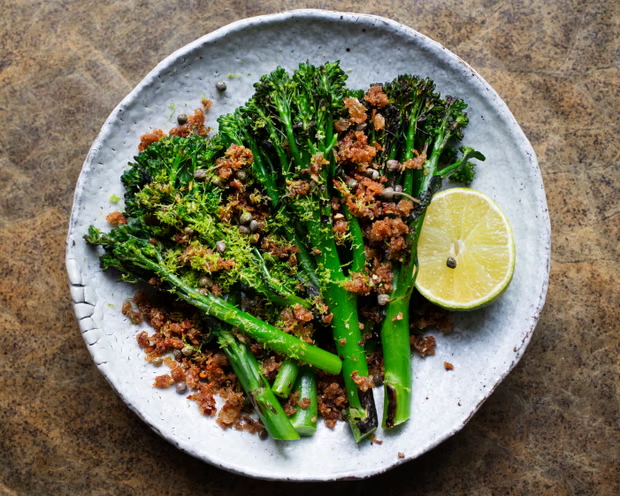
I’ve been advised to increase the iron in my diet but, as a vegetarian preoccupied with getting sufficient protein, I’m at a loss.
June, by email
Last year, a study by Randox Health found that almost one in three women who attended its UK clinics have an iron deficiency, which is to say that June isn’t alone. Yes, there are good sources that vegetarians can tap into, but we first need to address a few key points: “The heme iron you get from animal sources – red meat and darker poultry, say – is in a form that’s slightly better absorbed than non-heme iron, which is found in the likes of beans, tofu and leafy greens,” says Dominique Ludwig, nutritionist and author of No-Nonsense Nutrition. This is where vitamin C is your friend: “When we eat non-heme iron and vitamin C together, it increases absorption, so it might be a case for having peppers or tomatoes with your tofu.” But there’s another potential hitch: “On a vegetarian diet, some of that iron can be blocked from absorption because of things such as phytates [a plant compound found in whole grains, legumes, etc], or tannins in tea and dairy,” Ludwig adds, so it’s not simply about how much iron you’re getting, but how good your absorption is.
“Women aged 19-49 should aim for 14.8mg iron a day, but after menopause that drops to about 8.7mg, which falls in line with men’s requirements,” Ludwig says. “If you’re vegetarian, then, you can’t just be having pesto pasta, you need to be eating beans, lentils, nuts, seeds, soy products, and leafy greens, too.” Tofu can have 3-5mg iron per 100g, cooked lentils 3-4mg, chickpeas 2½-3mg, cashews 6-7mg and sesame seeds 14-15mg. So, much like getting dressed, layering is important.
Oats in the morning are a no-brainer: “A 40g serving will give you 2mg iron, so have them with milled flaxseed and berries for the vitamin C,” Ludwig advises. The same principle applies to the likes of a tofu scramble: “Throw in some kale and tomatoes [again, for the vitamin C] and serve it with wholemeal bread, and you’re looking at about 7mg iron,” Ludwig adds. In other words, your day is getting off to a good start.
Also, seeing as Jane is vegetarian rather than vegan, she has eggs to play with, too, which is good news considering each one contains about 2mg iron. “Try a frittata with cottage cheese and broccoli, then sprinkle over some pumpkin seeds [a fantastic source of iron] before baking.” You can see how this all starts to add up.
Cashews, edamame, dried fruit (apricots, figs, prunes) and that perennial favourite, carrots and hummus, will all help. An evening stir-fry, meanwhile, can bring the odds and ends in your fridge together into an ultra-fast dinner that ups your iron. There are greens (kale, broccoli), of course, but June could also add tofu or seitan, and nuts, perhaps, and serve it with brown rice. “Or add lentils to your pasta, and stir through lots of green veg,” Ludwig adds. It can be easy being green.
The Guardian


Emirates Specialty Hospital Expands Cancer Care Services in Dubai with Opening of Dedicated Chemotherapy Unit

When Rheumatoid Arthritis Threatened Her Independence: How the Right Diagnosis Helped Her Get Her Life Back

Saudi German Hospital Dubai Launches Mental Health and Wellness Center for Children and Adolescents

Araghchi, Oman Sultan discuss transit, stability in Muscat

UAE’s café culture keeps growing despite price pressure

Netflix to Livestream BTS Comeback Concert
-
 politics6 months ago
Araghchi, Oman Sultan discuss transit, stability in Muscat
-
 UAE10 months ago
UAE’s café culture keeps growing despite price pressure
-
 Entertainment9 months ago
Netflix to Livestream BTS Comeback Concert
-
 Discover9 months ago
Is February 2026 really a once-in -283-years MiracleIn?
-

 Football10 months ago
Algeria, Burkina Faso, Côte d’Ivoire win AFCON 2025 openers
-

 Health10 months ago
NMC Royal Hospital, Khalifa City, performs rare wrist salvage, restoring function for young patient
-

 Health10 months ago
Bascom Palmer Eye Institute Abu Dhabi and Emirates Society of Ophthalmology Sign Strategic Partnership Agreement
-

 Health11 months ago
Emirates Society of Colorectal Surgery Concludes the 3rd International Congress Under the Leadership of Dr. Sara Al Bastaki