
Food
3 immunity boosting soups can protect against winter viruses
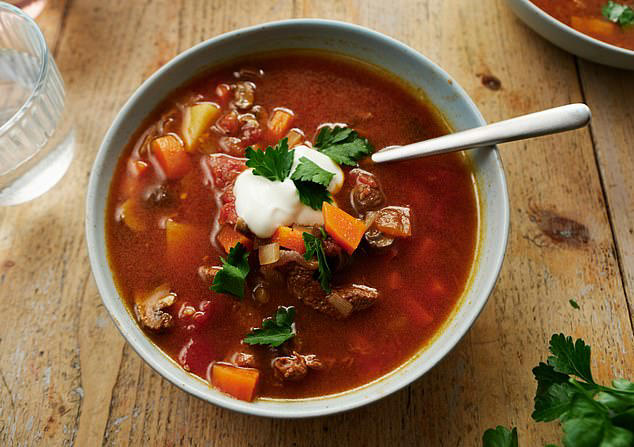
Feel a sniffle coming on? Don’t reach for the Lemsip, grab a hand blender and whip up a soup which can help your body fight off winter nasties from the inside out.
It’s the advice of nutritionist Robbie Puddick, who told the Daily Mail that regular servings of hearty soups could be the secret to warding off colds and flu.
While he said the occasional soup isn’t likely to stop you from reaching for the tissues, having them regularly can ‘support the immune system’ as it’s ‘inherently a very healthy thing to consume’.
He explained: ‘It’s really easy to digest, and obviously, we’re in a generation where gut health and digestive issues are quite common. A lot of people suffer with IBS-like symptoms and poor gut health.
‘But consuming things like soup is a great way of providing really bioavailable nutrition—the proteins from meat will be easier to break down and digest by your gut and the plant-based compounds are beneficial.’
However, while it may be tempting to pick up a tin of soup that takes just minutes to prepare, he warned that ‘they’re often packed full of sugar’ so it’s better if ‘you’re making them from fresh’ which allows you to ‘know exactly what’s in them’.
There’s something distinctly comforting about a bowl of soup on a cold day—regardless of if you’re ill or not—and there could be a scientific reason for it.
After the coronavirus pandemic, a 2022 study looked at the healing properties of traditional Iranian folk medicine—including both chicken and barley soups—when taken by people recovering from covid.
A steaming bowl of chicken soup has long been seen as the perfect tonic for a streaming cold or flu, and the study confirmed it does offer some sort of healing properties.
The researchers found that people who ate soup recovered up to 2.5 days faster than those who didn’t.
Furthermore, they reported milder symptoms of nasal congestion, sore throat and fatigue, and in some people, reduced levels of inflammation-related markers.
Often, soups are made with a base of immunity-boosting herbs, spices and vegetables including garlic, onion, and ginger, all of which are packed with antioxidants and have natural bacteria-beating qualities.
They are also natural sources of vitamins A and C which power the immune system.
A warm mug or bowl of soup also has the potential to loosen mucus and soothe sore throats—plus it’s easy to swallow and digest.
Mr Puddick, who is one of the experts from the NHS’ weight loss programme Second Nature, has shared three soups with ingredients that will help support your immune system in the colder months.
From a hearty, meaty soup to a traditional tomato, find out why you need to add these delicious and cheap to make meals to your weekly menu.
Goulash Soup
The first recipe that he recommended was Goulash Soup, a traditional Hungarian dish
This traditional Hungarian dish is a watery version of a beef stew that includes a multitude of immune system boosting ingredients.
The soup’s origins lie in the ninth century, when it was eaten by shepherds who moved large herds of livestock and sheep through the Hungarian mountains.
In those days it would be made in a cauldron, known as a bogrács, hung from a chain over an open fire.
However, the recipe has evolved throughout history, with the addition of paprika added after the invading Ottomans introduced the spice to Hungary in the 15th century.
Overall, goulash is packed with lots of ingredients that are good for you including garlic, which Mr Puddick says is ‘a big win’ because it contains allicin.
He said: ‘Allicin has been shown in clinical trials to stimulate immune cell activity, which is great for just an individual ingredient.
‘If we’re having garlic regularly across the week, and we put a large amount in our soups, it is definitely a big win.’
Meanwhile, probiotics—good bacteria—found in the Greek yoghurt in this soup, can also help the immune system.
‘There is a good connection between, consuming probiotics and our immune function,’ said Mr Puddick.
A 2011 study showed probiotics, also known as ‘good bacteria’, can help stave off the common cold by stimulating the immune system.
Other research has shown that the ‘good bacteria’ in probiotics support a healthy gut microbiome.
A healthy gut microbiome has the right types of bacteria thriving together to support digestion, the immune system and even mental health.
Ingredients
- 2 tbsp olive oil 1 onion, diced
- 2 garlic cloves, finely diced or minced
- 1 tsp ground paprika
- 400g diced beef
- 400g mushrooms, sliced
- 1 carrot, diced
- 1L beef stock
- 1 x 400g tin chopped tomatoes
- 200g potatoes, cut into 1cm cubes
- 100g plain natural or Greek yoghurt
- 50g fresh flat leaf parsley, roughly chopped
Method
- Heat 2 tbsp of oil in a large saucepan, over medium heat. Fry the onion, garlic, and paprika, until softened.
- Add the beef and stir until evenly browned. Add the mushrooms and carrots, and cook until softened.
- Pour in the stock and tomatoes, and season with salt and pepper. Stir to combine and bring to a boil. Reduce to a simmer, cover and cook for up to 1 hour.
- Add the potatoes and cook uncovered for 20 – 30mins, or until the potatoes are tender.
- Ladle into bowls, and top with a spoonful of yoghurt and chopped parsley.
Tomato soup
When you are not feeling well you may be craving a tin of tomato soup and a cheese toastie.
But a tin of Heinz’s tomato soup, while delicious, is packed with 20g of sugar—which is two thirds of the NHS adult daily recommended intake.
So, keeping in line with the advice of Mr Puddick, it’s always better to whizz up a steaming bowl of red soup using fresh ingredients at home.
This soup has a smooth texture is a brilliant source of vitamin C, which previous studies have found contributes to immune defence.
However, he said it’s better to get it from food rather than supplements because foods have the right balance of vitamin C and zinc.
‘When we consume these ingredients from whole foods, they come in the right balance, so this doesn’t tend to be an issue.’
Typically, he added that tomato soups can be lacking in protein which can leave people still hungry.
‘A lot of people have tomato soup with a bit of bread on the side and that’s their lunch, and they might feel hungry an hour or two after,’ he said.
‘It’s probably because they haven’t provided their body with enough protein alongside it.
‘So, it may be better to have it as a side, or with eggs or some smoked salmon on the side if a main.’
Luckily, this tomato soup recipe includes cannellini beans, giving it some additional protein.
If you’re vegan, you can also skip the cream, which is added for smoothness, and use coconut milk instead.
Ingredients
- 1.5 tbsp extra virgin olive oil
- 2 large carrots, chopped
- 1 medium onion, diced
- 2 cloves garlic, minced
- 2 x 400g tins whole or chopped tomatoes
- 2 x 400g tins cannellini beans
- 700ml water or vegetable stock
- 300 ml single cream
- Handful fresh basil, to serve
Method
- Add the oil to a large saucepan, over medium heat.
- Add the carrots and onions, and cook until softened.
- Add the garlic and cook for an additional 3-4 minutes.
- Add the tomatoes and lower the heat to low/medium. Cook for 25 minutes to reduce the acidity of the tomatoes.
- Add the beans and stock, season with salt and pepper, and bring to a simmer for an additional 10 minutes.
- Turn off the heat and add the cream, transfer to a blender or use an immersion blender until smooth.
- Top with the fresh basil and serve
Roasted cauliflower and fennel soup
Cauliflower is a cruciferous superfood that’s low in carbs which supports digestion, heart health and the immune system.
It is rich in vitamin C and vitamin K both of which can help support your immune response.
Studies have shown that fennel is rich in antioxidants that protect against cell damage and support the immune system.
This soup contains basil, which is rich in antioxidants, and anti-inflammatory properties like vitamin K that are great for your immune system.
‘A lot of herbs and spices have anti-inflammatory properties,’ said Mr Puddick.
Interestingly, he explained a lot of people think all inflammation is unhealthy, when it is integral to the immune system.
In the right amounts, he said: ‘Inflammation is healing, and our immune system, our immune response, is an inflammatory response.
‘It’s our body sending out these killer cells and all of these immune-supporting cells that can fight pathogens and infection.’
Adding walnuts to this soup, he added, ensure that you feel satiated for longer, preventing unnecessary snacking.
Walnuts are rich in omega-3s, protein, fibre and antioxidants which are great for your heart and brain.
A recent study found that eating walnuts can boost your brain power, improving memory in young adults
Meanwhile, another found a fistful of walnuts a day can lower bad cholesterol which has been linked to increased risk of heart disease.
Ingredients
- 1 large head of cauliflower, cut into small florets
- 3 tbsp extra virgin olive oil
- 1 small fennel bulb, roughly chopped
- 1 shallot, chopped
- 2 garlic cloves, finely diced or minced
- 150mL water
- 800mL chicken stock
- 300mL single cream
- 2 bay leaves
- 60g hazelnuts
- 1 small handful of chives, sliced
Method
- Preheat the oven to 200°C/180°C fan.
- Toss cauliflower in 2 tbsp oil on a baking sheet. Season with salt and pepper.
- Roast the cauliflower for 30–35 minutes (tossing halfway) or until florets are browned all over and tender.
- While the cauliflower is roasting, add 1 tbsp olive oil to a large saucepan, over medium heat.
- Fry the shallot, fennel and garlic until softened (5-8mins). Add 150ml water and cook until mostly evaporated (around 5mins).
- Add roasted cauliflower, stock, cream, and bay leaves; season lightly with salt and pepper.
- Bring to a boil, reduce heat, and simmer until cauliflower is very tender, 20 minutes.
- While the soup is simmering, fry the bacon in a small non-stick frying pan and set aside once golden brown. No need to add any oil as the bacon will release oils.
- In the same pan fry the hazelnuts until golden and roasted. Set aside to cool and then roughly chop. Remove the bay leaves from the soup and discard.
- Allow the cauliflower mixture to cool slightly before using a blender or stick/immersion blender until a smooth consistency is formed.
- Serve topped with hazelnuts
Daily Mail
Food
A global food price shock looms as Middle East war rages on
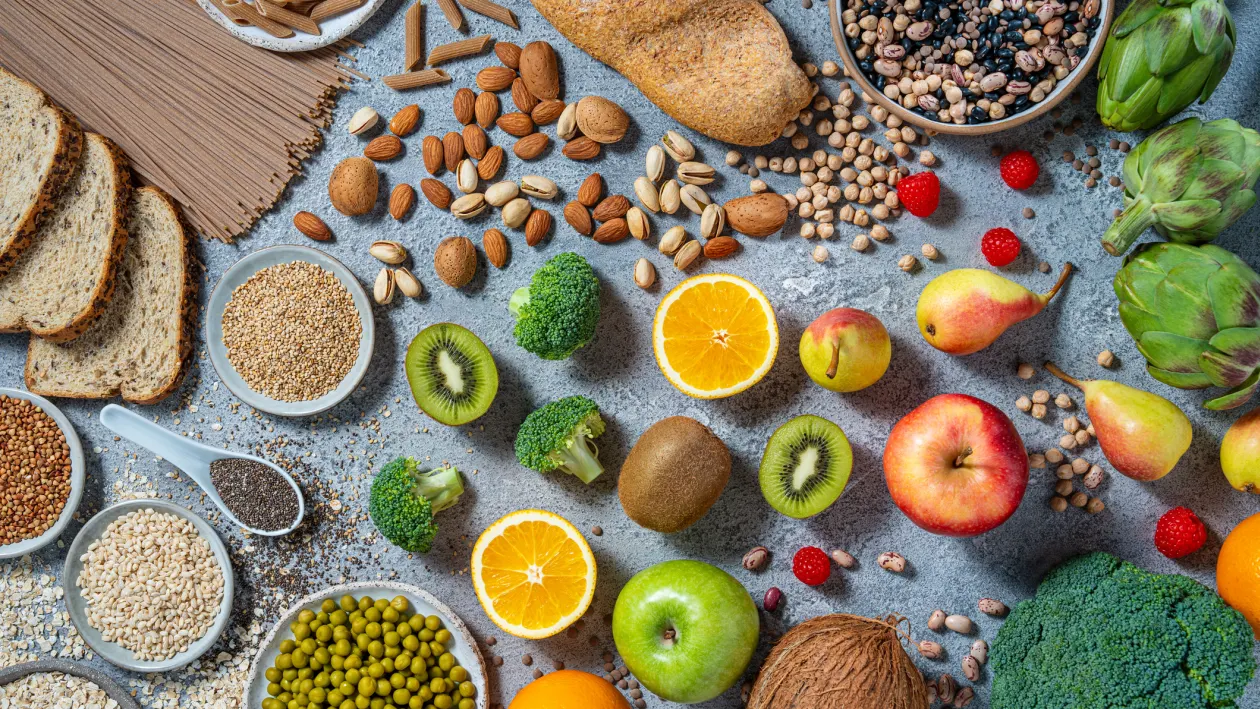
The Middle East conflict has disrupted trade through the Strait of Hormuz and its impact could ripple far beyond the energy markets, risking a spike in global food prices.
The strait is not only a key artery for oil and gas shipments but also for fertilizers critical to global agriculture. Analysts told CNBC disruptions could feed through to higher farming costs, reduced crop yields and ultimately more expensive food.
“Higher energy and input costs risk reigniting global food inflation just as retail food prices had returned to more historical levels in many countries,” according to the International Food Policy Research Institute, or IFPRI.
Raj Patel, a research professor at the University of Texas, also warned that fertilizer disruptions linked to the conflict could amplify global food pressures through several channels simultaneously.
“The short answer is: significant, and faster than people think,” Patel said. “The Strait of Hormuz is a fertilizer chokepoint. Qatar, Saudi Arabia, Oman, and Iran together supply a substantial share of the world’s traded urea and phosphates, and virtually all of it transits Hormuz.”
Countries dependent on food imports directly as well as those reliant on fertilizers could face rising costs within weeks, particularly during key planting periods, said industry watchers.
Gulf countries face: immediate risk
The first region likely to feel the impact includes countries closest to the conflict.
“Regionally, consumers in the GCC are most exposed to short-term food price spikes due to their heavy reliance on maritime imports transiting the Strait of Hormuz,” said Bin Hui Ong, commodities analyst at BMI.
Arabian Gulf economies such as Qatar, Bahrain, Kuwait and Saudi Arabia rely heavily on food imports shipped through the Strait of Hormuz. If shipping remains constrained, supplies would need to be rerouted through alternative corridors or transported overland at far higher cost, analysts said.
“When it comes to short term shortages, all countries around the Persian gulf west of Hormuz will struggle to get food imports in,” Mera said. “These countries will need to find alternative routes.”
He noted that wealthier states such as Qatar, Bahrain, Saudi Arabia and Kuwait have the financial resources to import food by air or overland routes if necessary, but poorer neighbors may struggle more.
“Iraq may suffer. Iran itself will also face scarcity,” Mera added.
Sub-Saharan Africa: most vulnerable
Beyond the Gulf region, the greatest risks may lie in parts of Sub-Saharan Africa, where farmers depend heavily on imported fertilizer and households spend a large share of income on food.
“Sub-Saharan Africa is the most vulnerable region,” said Patel. Data from the University of Texas at Austin shows that over 90% of the fertilizer consumed in sub-Saharan Africa is imported, mostly from outside the continent.
Nitrogen-intensive crops such as maize, a key staple across the region, are especially sensitive to fertilizer shortages, raising the risk of lower harvests and rising food prices, other experts highlighted.
“The poorest and most densely populated regions are likely to suffer the most,” said Rabobank’s Mera, including parts of sub-Saharan Africa.
Asian concerns
South and Southeast Asia could also face mounting cost pressures.
Major agricultural economies such as India, Bangladesh, Thailand and Indonesia rely heavily on imported fertilizers from the Gulf. A sustained disruption could drive up costs for farmers during key planting seasons.
“A farmer in Thailand who is 90% import-dependent, buying urea that’s made from gas, shipped through Hormuz, and priced in dollars that are strengthening because of geopolitical risk, faces a cost shock on every dimension simultaneously,” Patel said.
Staples in the region, which include rice and maize are among the most fertilizer-intensive crops.
Mera singled out Indonesia and Bangladesh among those likely to be worst affected in the region.
Longer-term view
If farmers respond to higher fertilizer prices by reducing its use, crop yields could decline and push food prices higher.
Brazil, one of the world’s largest agricultural exporters, could face rising costs if fertilizer markets tighten, said analysts. Brazil imports around 85% of its fertilizer, making its soybean and maize production highly dependent on global supply chains.
A prolonged disruption during Brazil’s key fertilizer import season could ripple through global crop markets, eventually impacting food prices.
Even if crop output remains relatively stable in the near term, rising energy costs alone could drive food inflation higher globally, experts said.
Energy plays a major role throughout the food supply chain, from powering farm machinery and producing fertilizers to transporting crops and processing them into food products.
“The bigger impact on consumer prices will not be the impact on agricultural commodities but the fact that energy is a big portion of the total retail food bill,” said Joseph Glauber, senior research fellow at the International Food Policy Research Institute.
Chris Barrett, an agricultural economist at Cornell University, said the scale of any price shock will depend heavily on how long shipping disruptions persist.
CNBC
Food
Food prices could rise as Iran conflict disrupts fertilizer supply chain
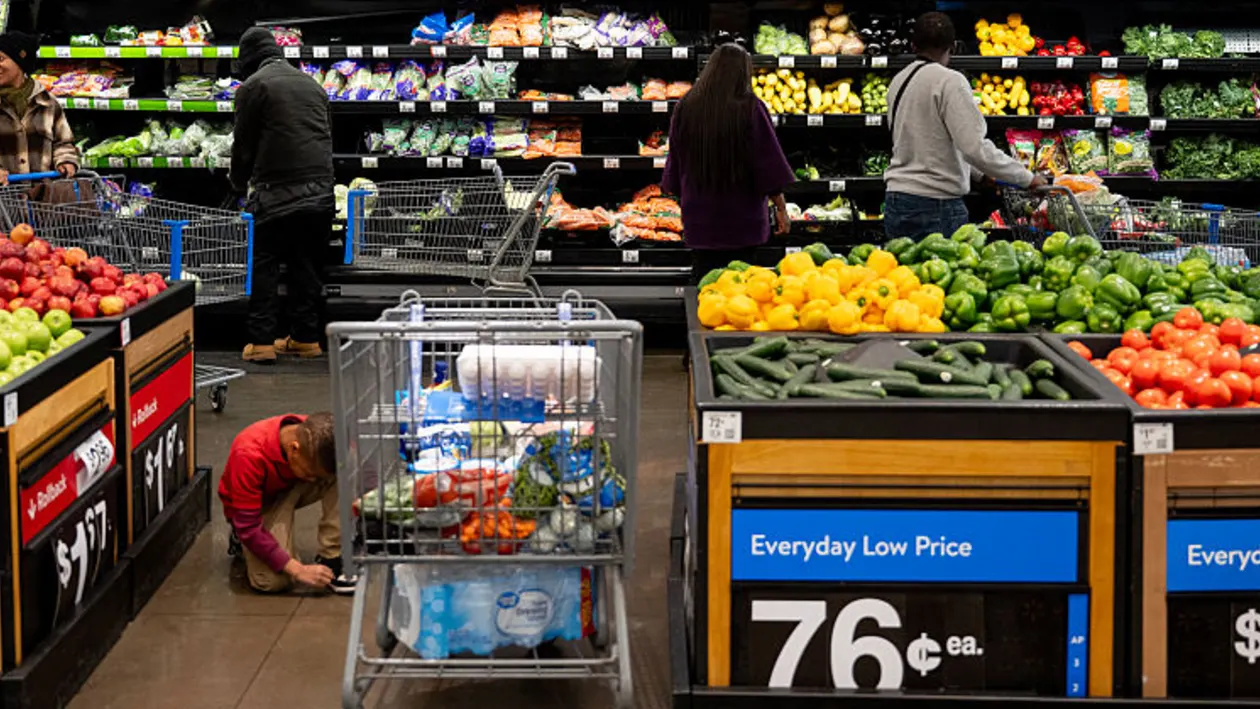
The war in Iran could raise global food prices as the conflict disrupts fertilizer shipments through one of the world’s most critical trade routes.
While energy markets have focused on oil supply risks, analysts say threats to fertilizer supply chains through the Strait of Hormuz may also bring long-term economic issues through food inflation.
“Beyond energy, another risk receiving less attention is the potential knock-on effect on food prices, as fertilizer shortages push agricultural costs higher,” said Wolfe Research chief economist Stephanie Roth in a note written on Tuesday.
Roth estimates the disruption could raise “food-at-home” inflation by roughly 2 percentage points, adding about 0.15 percentage points to headline inflation in the U.S., on top of roughly 0.40 percentage point increase from energy.
Those potential price hikes come as U.S. consumers face a sustained stretch of higher prices for food, housing and energy. Inflation for food at home climbed 2.4% year over year in February, the Bureau of Labor Statistics said Wednesday.
More than one-third of globally traded fertilizer passes through the Strait of Hormuz, making it a critical artery for agricultural supply chains. Commercial traffic through the route has largely been halted since the war started late last month, disrupting shipments just as farmers across the Northern Hemisphere prepare fields for spring planting.
The timing is critical because fertilizers are applied early in the crop cycle and help determine yields later in the year.
“If fertilizer supply tightens during this window, farmers may reduce application rates,” Roth said in the note. That could reduce yields for crops like corn, soybeans, wheat and rice, and increase agricultural costs.
Economists in the fertilizer industry are equally concerned and say prices are already rising.
Between the weeks ending Feb. 27 and March 6 — which encompass the start of the war — the price per short ton of urea fertilizer imports in the U.S. jumped by 30%, according to data collected by industry advocacy group The Fertilizer Institute.
Urea — a nitrogen-based fertilizer widely used to boost crop yields — is one of the most heavily traded fertilizers moving through the region.
Higher fertilizer prices for farmers and retailers could ultimately raise food costs for consumers if the trade disruption lasts, said Veronica Nigh, chief economist at The Fertilizer Institute.
“This is a global impact on fertilizer costs,” said Nigh. “I would imagine that there would be much more passing on of these costs to consumers in this scenario, which is not something we have seen before.”
The U.S. relies on global fertilizer markets, importing roughly 20% of its total use, though nitrogen fertilizers like urea come from a more wide-ranging group of suppliers, including Canada, Trinidad and Tobago, Russia and elsewhere.
The ripple effect could stretch around the world and beyond commodities. Asia and Africa are especially dependent on fertilizer exports from the Gulf region. Countries such as India rely heavily on Gulf supplies, while several African economies depend on imported materials used to produce fertilizers.
While disruptions to fertilizer shipments could lower crop yields for farmers and raise costs for households, fertilizer producers could stand to benefit.
CF Industries hit an all-time high Monday and shares are up nearly 10% over the past week, the company’s biggest multiday gain since 2022.
CNBC
Food
Food engineers warn: 6 products you should never bring into your kitchen
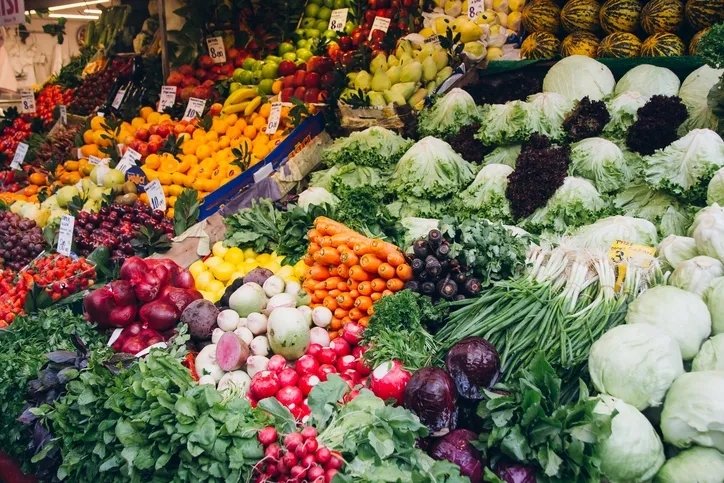
Food engineers warn against six common food groups they say pose serious health risks if mishandled, urging consumers to pay close attention to cold chains, packaging, and traceability.

Food engineers have issued a series of warnings by listing products they say they would never allow into their kitchens.
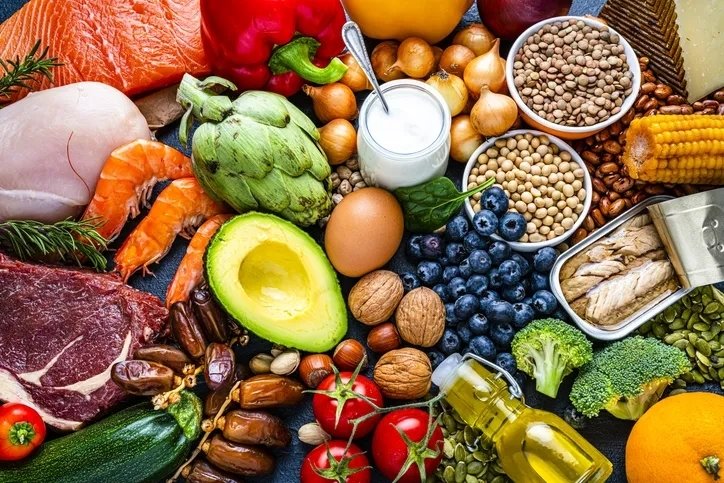

Highlighting foods that consumers often unknowingly add to their shopping baskets, experts stressed that these items can pose serious health risks, emphasizing each category with the phrase: “I would never bring this into my home.”
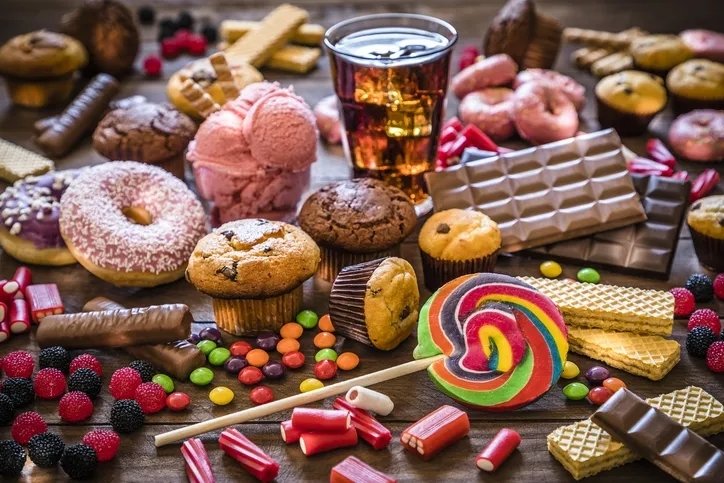

The nutrients in the foods we consume daily play a vital role in enabling our body’s cells to perform essential functions. Nutrients are fundamental to growth, development, maintenance of bodily functions, and emotional stability, making them one of the main pillars of human health.

Poor nutrition can damage metabolic processes and lead to deteriorating health. Just as frequently consuming foods high in sugar or fat can be harmful, inadequate or insufficient nutrition can also cause serious damage to the body.

However, even products we choose believing they are fresh and healthy may, in fact, cause hidden harm. Food engineers have therefore outlined the products they would never buy from either markets or grocery stores.
They stressed that the most critical factors when purchasing food are maintaining the cold chain, traceability, and packaging safety. Here are six food groups that food engineers say they would never keep in their kitchens:
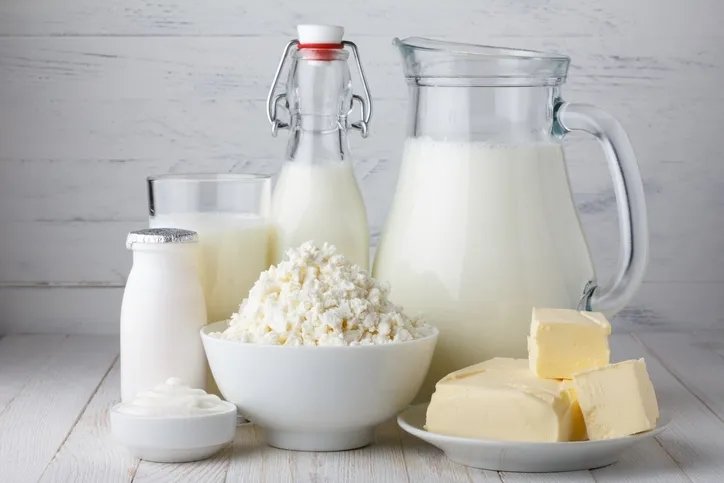

Milk and Dairy Products
Due to their high protein and water content, milk and dairy products are ideal environments for microbial growth.
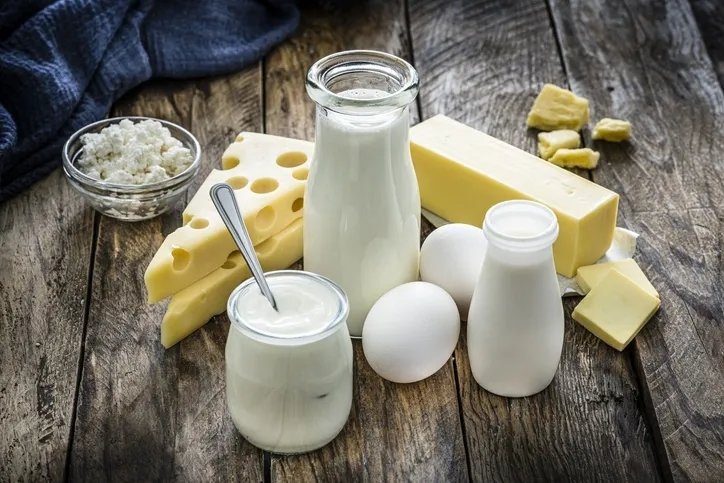

If the cold chain (keeping milk at +4°C from milking to consumption) is broken, these products can become serious health threats.

Temperature changes destroy nutritional value and allow bacteria to produce heat-resistant toxins that cannot be eliminated even by boiling, potentially causing long-term health problems.

Illegal chemicals added to mask spoilage further expose consumers to microbiological and chemical risks.
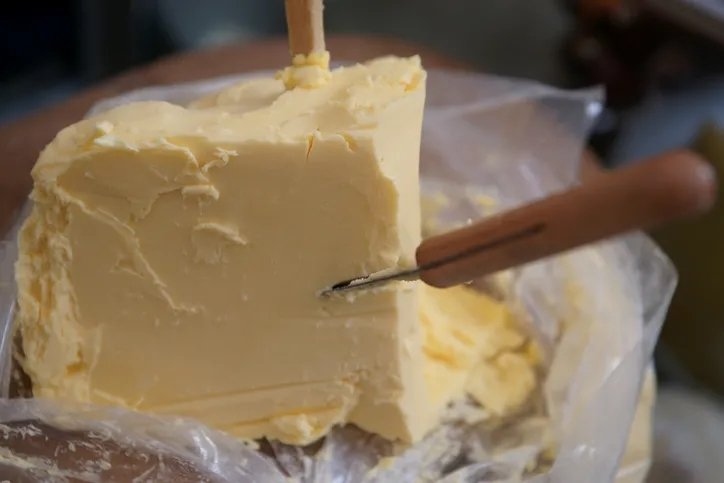

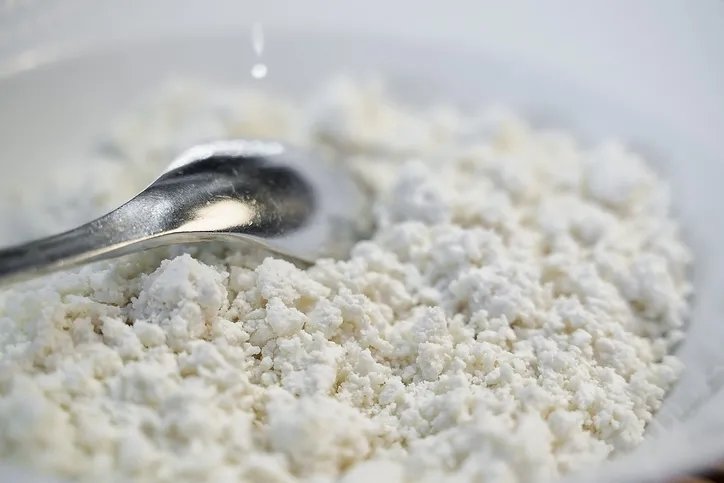
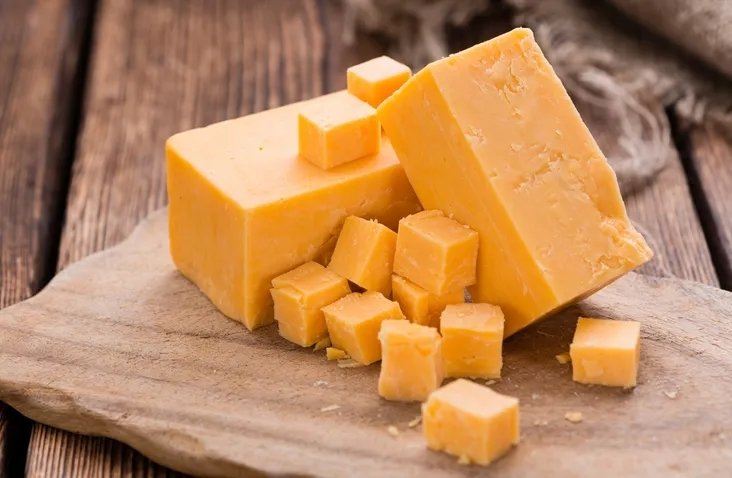
Uncovered cottage cheese, butter, and kashar cheese are exposed to dust, insects, and airborne microbes, while improper temperatures encourage the growth of deadly bacteria and toxin-producing molds.
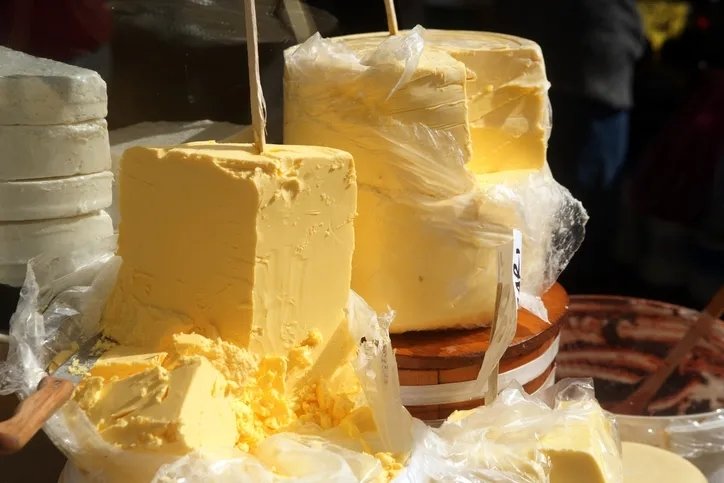

Cottage cheese can become toxic very quickly, butter can undergo chemical spoilage due to oxidation, and shared cutting tools increase cross-contamination risks in cheeses like kashar.
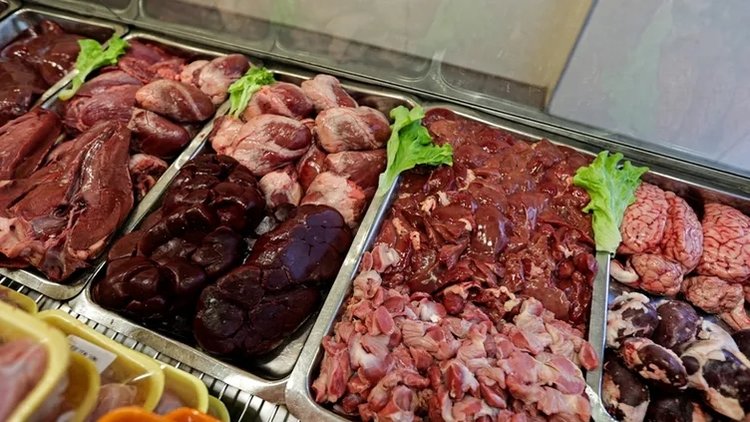

Unrefrigerated Meat, Poultry, and Deli Products
When sold without refrigeration, these products remain in the “danger zone” at room temperature, allowing pathogens such as Salmonella, E. coli, and Campylobacter to multiply rapidly.
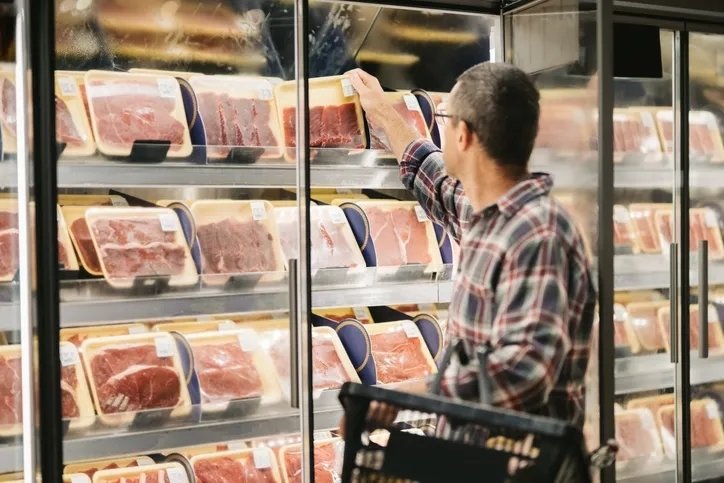

In meat and poultry, this can lead to the spread of heat-resistant toxins that cause severe food poisoning and organ damage.
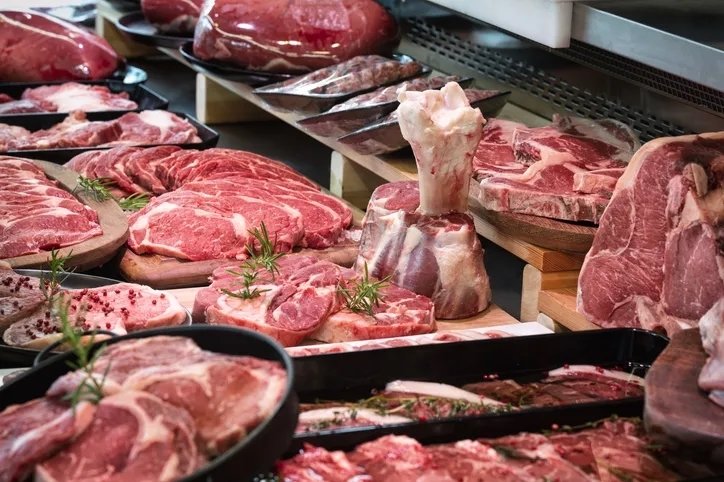

In deli products, broken cold chains also promote Listeria growth and chemical degradation of fats.
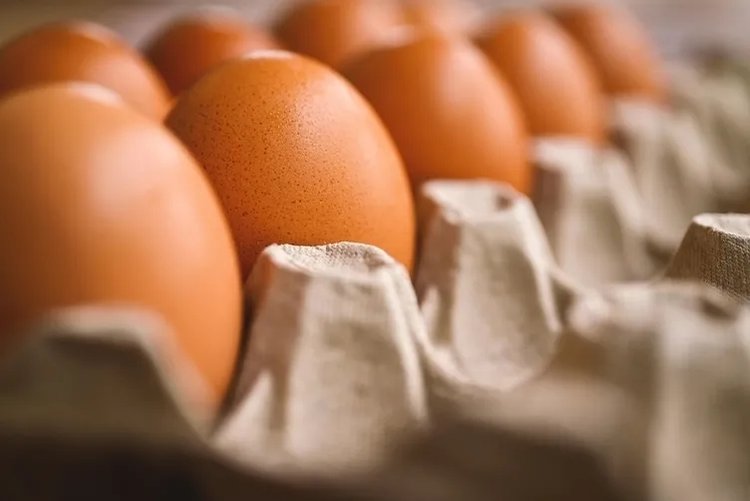

Unlabeled or Cracked Eggs
Eggs without barcodes or with visible dirt or cracks pose a high risk of Salmonella.
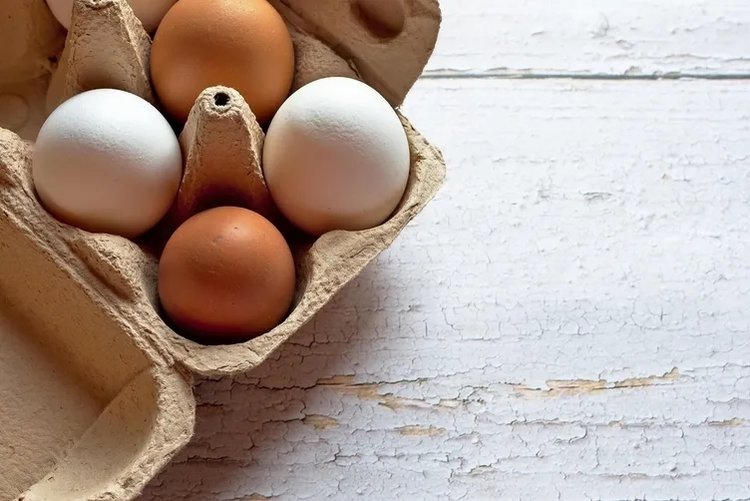

Dirt on the shell harbors bacteria, and even tiny cracks allow microbes to enter and multiply.
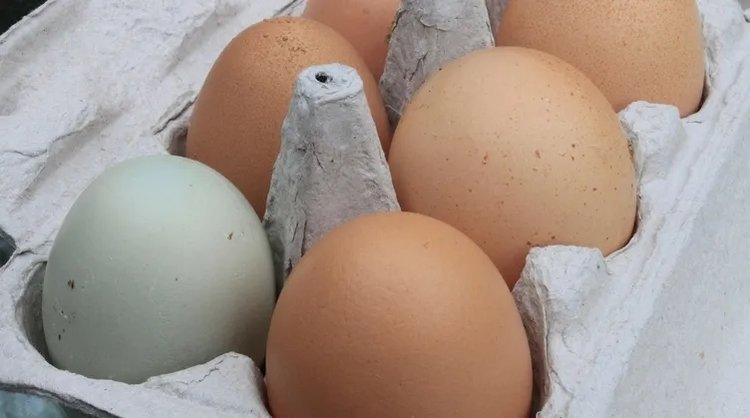

Without traceability, there is also a higher risk of consuming stale eggs or being exposed to antibiotic and drug residues.
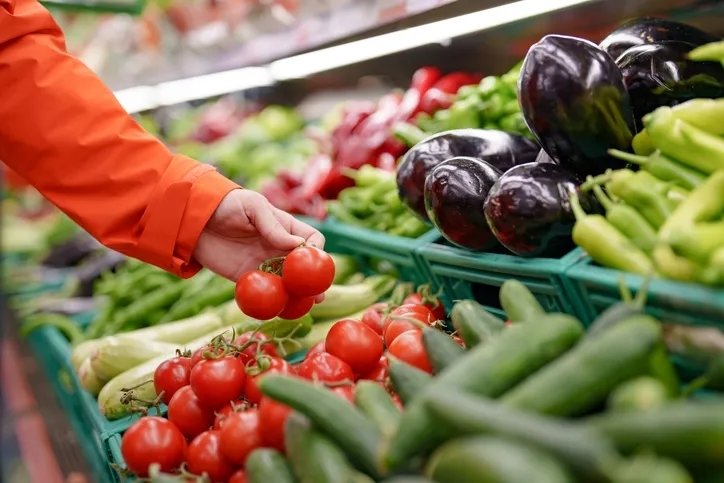

Out-of-Season Fruits and Vegetables
Produce sold out of season is often exposed to high levels of synthetic hormones and pesticides to compensate for the lack of natural growing conditions.
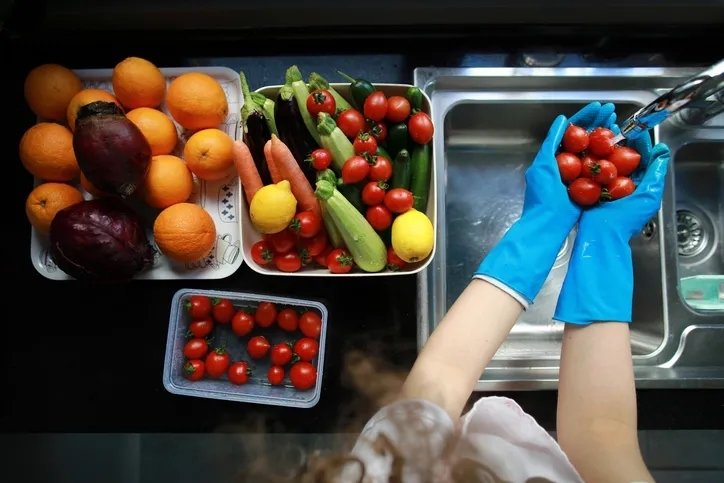

These chemicals can accumulate in the body, causing hormonal disorders and long-term health issues.

Such products also have lower vitamin and antioxidant content and may contain synthetic waxes and preservatives that burden the digestive system.


Oils, Sauces, and Pastes in Plastic Packaging
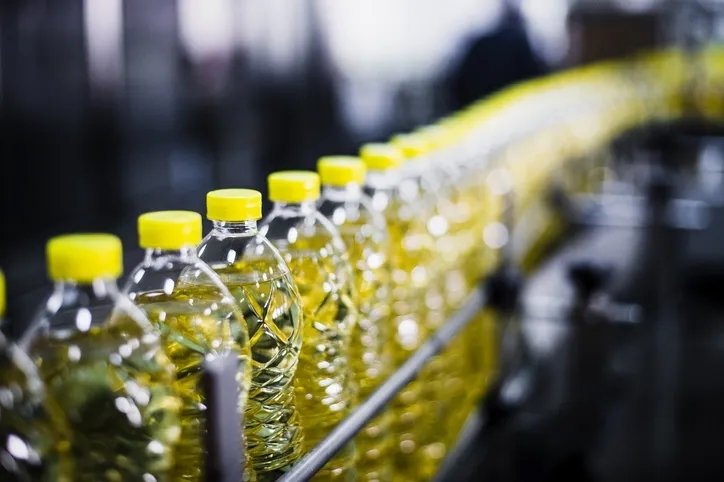
High fat and acidic content can cause harmful chemicals such as BPA and phthalates to migrate from plastic into food, disrupting the hormonal system and contributing to issues ranging from infertility to obesity.


Plastic also accelerates oxidation and allows microplastics to leach into acidic foods like tomato paste and sauces, increasing cancer and toxicity risks—especially when exposed to heat and light.

Finally, food engineers emphasized that these risks are even more critical in households with babies, children, elderly individuals, pregnant women, or people with weakened immune systems, urging consumers to be far more cautious about what they eat.
A News


Mojtaba Khamenei has verified account on X, Elon Musk’s platform

US-Israel war on Iran day 15

Fire in Fujairah caused by drone debris after air defence

Is February 2026 really a once-in -283-years MiracleIn?

Algeria, Burkina Faso, Côte d’Ivoire win AFCON 2025 openers

Bascom Palmer Eye Institute Abu Dhabi and Emirates Society of Ophthalmology Sign Strategic Partnership Agreement
-
Discover2 months ago
Is February 2026 really a once-in -283-years MiracleIn?
-
 Football3 months ago
Algeria, Burkina Faso, Côte d’Ivoire win AFCON 2025 openers
-
 Health3 months ago
Bascom Palmer Eye Institute Abu Dhabi and Emirates Society of Ophthalmology Sign Strategic Partnership Agreement
-

 Health2 months ago
NMC Royal Hospital, Khalifa City, performs rare wrist salvage, restoring function for young patient
-

 Health4 months ago
Emirates Society of Colorectal Surgery Concludes the 3rd International Congress Under the Leadership of Dr. Sara Al Bastaki
-

 Health4 months ago
Born Too Soon: Understanding Premature Birth and the Power of Modern NICU Care
-

 Football4 months ago
Globe Soccer Awards 2025 nominees announced as voting opens in Dubai
-

 Health3 months ago
Decline in Birth Rate in the UAE