
KSA
Saudi Arabia launches flexible working hours
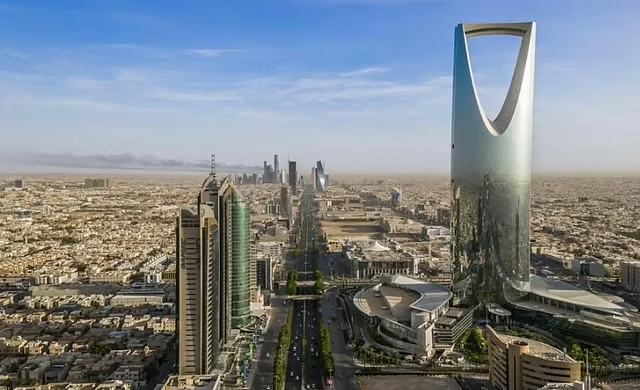
Saudi Arabia has launched a flexible working hours initiative across six major business districts in Riyadh, aiming to ease traffic congestion, improve daily mobility and enhance quality of life in the capital.
The Royal Commission for Riyadh City (RCRC), in cooperation with the Ministry of Human Resources and Social Development, announced the start of the initiative, which introduces a four-hour flexible attendance window for employees at more than 50 government entities located within the designated work zones.
The six designated zones covered by the initiative are King Abdullah Financial District (KAFD), Digital City, the Diplomatic Quarter, Laysen Valley, Granada Business and Roshn Front.
Authorities said the scheme applies to administrative roles with fixed working hours and excludes sectors whose operational nature requires continuous staffing and service provision, including healthcare and public education.
The measure forms part of broader efforts to improve traffic flow in Riyadh, a rapidly growing metropolis that has witnessed a sharp increase in population and commuting demand in recent years.
Under the initiative, government entities operating under the Civil Service Law will allow employees to begin work at any time between 5:30am and 9:30am, while government bodies governed by the Labour Law will adopt attendance windows between 7am and 11am.
The commission said the initiative is designed to distribute travel demand more evenly throughout the morning, reducing pressure on road networks during peak hours and improving the efficiency of daily commuting across the city.
Authorities said the scheme would also provide greater flexibility for employees while supporting efforts to enhance residents’ overall quality of life.
Government entities located within the six designated districts have been instructed to comply with the initiative while ensuring business continuity and maintaining service levels.
The commission said the programme does not apply to certain sectors, including healthcare and public education, where operational requirements necessitate fixed working schedules.
The initiative is part of Riyadh’s wider urban development and transport strategy as the Saudi capital continues to expand under the Kingdom’s Vision 2030 transformation programme.
GN
Books
King Fahad National Library Selects Face to Face with ISIS as “Book of the Day”
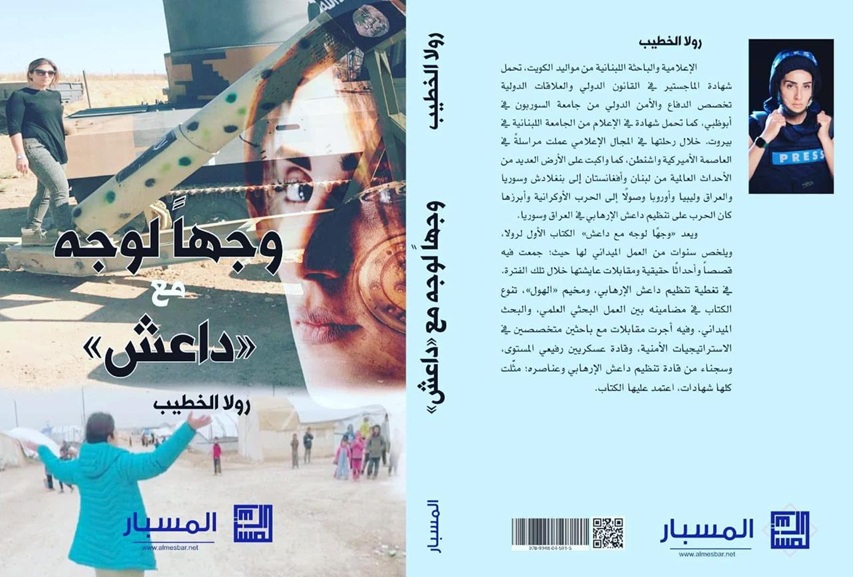
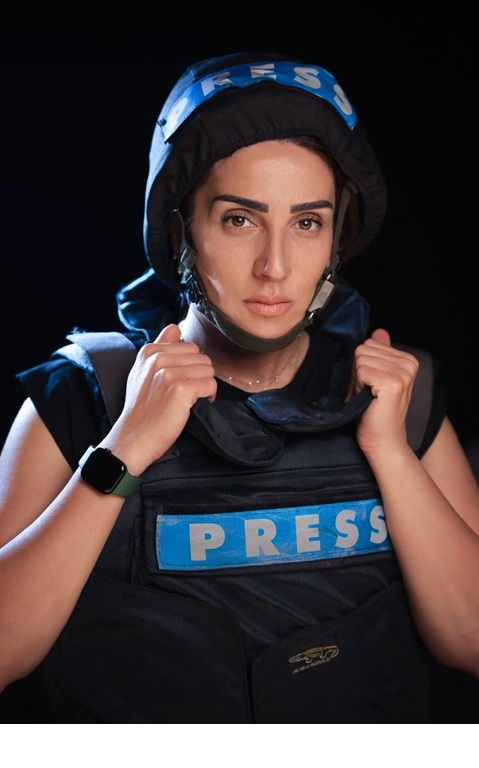
The King Fahad National Library in the Kingdom of Saudi Arabia has selected Face to Face with ISIS, authored by Lebanese journalist and researcher Rola Al Khatib, as its “Book of the Day”—a recognition highlighting works that contribute to knowledge and public awareness on issues of strategic importance.

The book draws on Al Khatib’s years of firsthand field reporting from the frontlines of the war against ISIS in Iraq and Syria, combined with extensive academic research examining the international campaign against the terrorist organization.
One of the book’s central arguments is that military action, while necessary, is not sufficient on its own to defeat terrorism. Rather, it should serve as the first step in a broader strategy that must be followed by intellectual, educational, social, economic, and security measures aimed at addressing the root causes of extremism and preventing its resurgence.
The selection by King Fahad National Library reflects the growing recognition of research that bridges field experience and academic analysis, contributing to a deeper understanding of terrorism and more comprehensive approaches to countering violent extremism.
Medica contact
Rola Al Khatib
KSA
Saudi Arabia begins planning for 2027 Hajj season
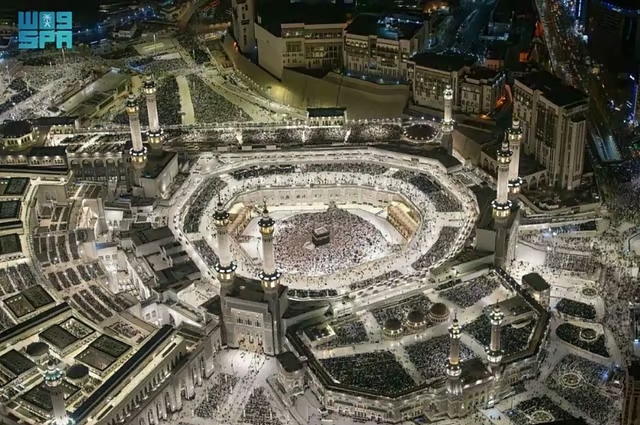
Saudi authorities have begun early preparations for the 2027 Hajj season, with officials recommending stronger operational planning, closer coordination among agencies and greater preparedness to further improve services for millions of pilgrims.
The recommendations emerged from a series of three-day discussion sessions organised by the Mecca Principality Agency for Hajj and Umrah Affairs, in cooperation with the Hajj Projects Management Office of the Pilgrim Experience Program. Representatives from 60 government entities involved in serving pilgrims at the holy sites took part.
The sessions were held under directives from and Chairman of the Permanent Committee for Hajj and Umrah, and under the supervision of Prince Saud bin Mishaal, Deputy Emir of Mecca .
Participants reviewed the outcomes of the 2026 Hajj season and developed recommendations aimed at building on its achievements. The proposals focused on enhancing operational plans, strengthening proactive measures, improving integration and coordination among participating agencies, and promoting a clearer understanding of their respective roles and responsibilities.
The discussions also examined ways to achieve the highest levels of operational readiness, including mechanisms to anticipate and address potential challenges while maintaining high standards of service for pilgrims.
GN
KSA
Saudi bans travel to 3 African countries over Ebola

Saudi Arabia has suspended travel by its citizens to the Democratic Republic of Congo, Uganda and South Sudan, and halted the issuance of visas and entry for travellers arriving from the three countries as part of precautionary measures against the spread of the Ebola virus.
The measures also apply to travellers arriving through third countries if they have stayed in any of the three affected countries during the 21 days before entering the kingdom, the Saudi Press Agency (SPA) said on Thursday.
The Public Health Authority (Weqaya) said Saudi Arabia’s health surveillance and epidemic response system was operating continuously in coordination with domestic and international authorities to protect public health and help prevent the cross-border spread of infectious diseases.
Saudi Arabia has also stepped-up precautionary measures for travellers arriving from neighbouring countries affected by the outbreak, including Rwanda, Burundi, Tanzania and the Republic of Congo, by enhancing health screening at entry points, disease surveillance and early response procedures.
Weqaya said the overall public health situation in the kingdom remained stable and that no confirmed or suspected Ebola cases had been recorded since the preventive measures were introduced.
The authority said it would continue monitoring regional and international epidemiological developments around the clock and update its recommendations as the outbreak evolves, while maintaining all necessary health measures to strengthen preparedness and safeguard public health.
GN


Emirates Specialty Hospital Expands Cancer Care Services in Dubai with Opening of Dedicated Chemotherapy Unit

When Rheumatoid Arthritis Threatened Her Independence: How the Right Diagnosis Helped Her Get Her Life Back

Saudi German Hospital Dubai Launches Mental Health and Wellness Center for Children and Adolescents

Araghchi, Oman Sultan discuss transit, stability in Muscat

UAE’s café culture keeps growing despite price pressure

Netflix to Livestream BTS Comeback Concert
-
 politics6 months ago
Araghchi, Oman Sultan discuss transit, stability in Muscat
-
 UAE10 months ago
UAE’s café culture keeps growing despite price pressure
-
 Entertainment9 months ago
Netflix to Livestream BTS Comeback Concert
-
 Discover9 months ago
Is February 2026 really a once-in -283-years MiracleIn?
-

 Football10 months ago
Algeria, Burkina Faso, Côte d’Ivoire win AFCON 2025 openers
-
 Health10 months ago
NMC Royal Hospital, Khalifa City, performs rare wrist salvage, restoring function for young patient
-
 Health10 months ago
Bascom Palmer Eye Institute Abu Dhabi and Emirates Society of Ophthalmology Sign Strategic Partnership Agreement
-

 Health11 months ago
Emirates Society of Colorectal Surgery Concludes the 3rd International Congress Under the Leadership of Dr. Sara Al Bastaki