
Food
‘Protein is overhyped,’ says top Saudi vegan blogger

Around nine years ago, Raoum Al-Suhaibani started a blog with the aim of sharing recipes and articles about her plant-based diet and lifestyle.
Known online as “Sukkari” after the dates from her home region of Al-Qassim, she has gained a prominent following and cultivated more than 640 thousand followers across her social media platforms.
“I knew I had a message that I wanted to share with people. I hated seeing people just dieting for years and yo-yoing on that, and because I struggled at the beginning, finding my journey to eating healthy and actually enjoying it instead of it being a struggle,” she told Arab News.
To critics who say veganism is not a balanced diet, she states: “Protein is overhyped. If anything, people should eat more fiber. No one is getting enough fiber, and they’re all having digestive issues. But instead of looking into that, (they’re) just like ‘keep cutting more food and cutting gluten’.”
Published in September, her cookbook “Tamr wa Tahina” (“Dates and Tahini”) was in the works for five years and includes some of her first blog recipes.
It not only offers cooking instructions, but also explains the nutritional value behind certain ingredients, offers solutions to common digestive issues like irritable bowel syndrome, and provides tips for hair and skin care.
Al-Suhaibani was keen to create simple recipes incorporating easily accessible and common ingredients.
“I do have a few unique ingredients in certain recipes, like black garlic or whatnot, but they are always optional, and I always like to try to give alternatives to people, because I know not everyone lives in a big city and has access to things like tofu and almond butter,” she said.
Al-Suhaibani’s journey began when she started posting the vegan recipes she had created. After she discovered vlogging on YouTube, she became intrigued by the idea of creators connecting with viewers.
“With YouTube, you feel really close to the creator. You can relate to them, even if they live a very different life from you,” she said.
She explained the video platform also allowed her to figure out what she wanted her own life to look like by discovering other lifestyles, furthering her horizons beyond Saudi Arabia.
“It helped me figure out what I want, and it’s what gave me a purpose to start a YouTube channel. I was like, oh, it’d be nice to show people that you can live a healthy life in Saudi. You can be vegan. You can be active,” she explained.
Al-Suhaibani decided to try a vegetarian diet for one week while studying in the US.
“I used to absolutely hate vegetables, and I always joked that I would never be a vegetarian. And then, literally the next year, I became vegetarian,” she said.
She wrote a research paper for one of her classes about vegetarianism and its impact on health, the environment, and the economy.
“That played a role in convincing me that it’s not just for my health. After the week finished, I just absolutely could not go back to eating even chicken,” she recalled.
Her decision opened up a world of options and challenged her creativity to switch up ingredients and come up with innovative meal ideas.
“Everyone thought it was going to be a phase,” she said. “After I graduated, I started thinking about dairy and eggs and how they don’t really make sense for us to consume as humans. I started doing my research about that too, because I’m the type of a person that doesn’t commit to something easily, but if I commit, I’m committed.”
She embraced a vegan diet around the end of 2016. “I always tell people who want to be vegan to do it gradually,” she said, emphasizing the importance of educating oneself on nutritional and ethical aspects.
Around the same time, she began practicing yoga after taking a university course and completed her yoga teacher training in India in 2017.
“As someone who had zero knowledge about yoga, it was pretty challenging. But even with that I was still drawn to it afterwards, and I wanted to continue,” she told Arab News.
“Before I started yoga, I had a lot of anger issues, and I think it helped calm me down a lot … No matter what I’m going through, how sad I am, how angry or frustrated, whatever it is, it just centers me,” she said.
“Tamr wa Tahina” is available to purchase at Jarir Bookstore and online at Sukkari Store, which also offers an e-book version.
Story by Arab News
Food
Food engineers warn: 6 products you should never bring into your kitchen
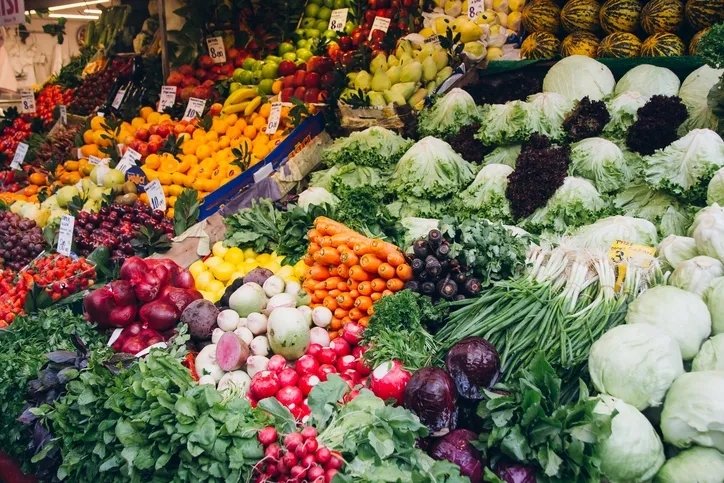
Food engineers warn against six common food groups they say pose serious health risks if mishandled, urging consumers to pay close attention to cold chains, packaging, and traceability.

Food engineers have issued a series of warnings by listing products they say they would never allow into their kitchens.
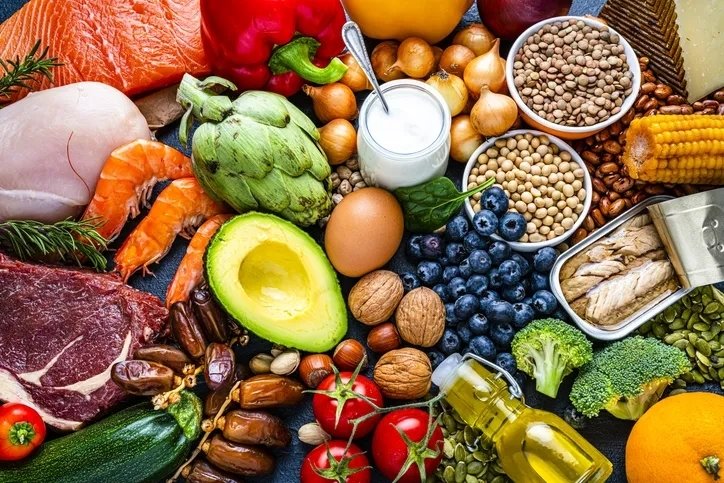

Highlighting foods that consumers often unknowingly add to their shopping baskets, experts stressed that these items can pose serious health risks, emphasizing each category with the phrase: “I would never bring this into my home.”


The nutrients in the foods we consume daily play a vital role in enabling our body’s cells to perform essential functions. Nutrients are fundamental to growth, development, maintenance of bodily functions, and emotional stability, making them one of the main pillars of human health.

Poor nutrition can damage metabolic processes and lead to deteriorating health. Just as frequently consuming foods high in sugar or fat can be harmful, inadequate or insufficient nutrition can also cause serious damage to the body.

However, even products we choose believing they are fresh and healthy may, in fact, cause hidden harm. Food engineers have therefore outlined the products they would never buy from either markets or grocery stores.
They stressed that the most critical factors when purchasing food are maintaining the cold chain, traceability, and packaging safety. Here are six food groups that food engineers say they would never keep in their kitchens:
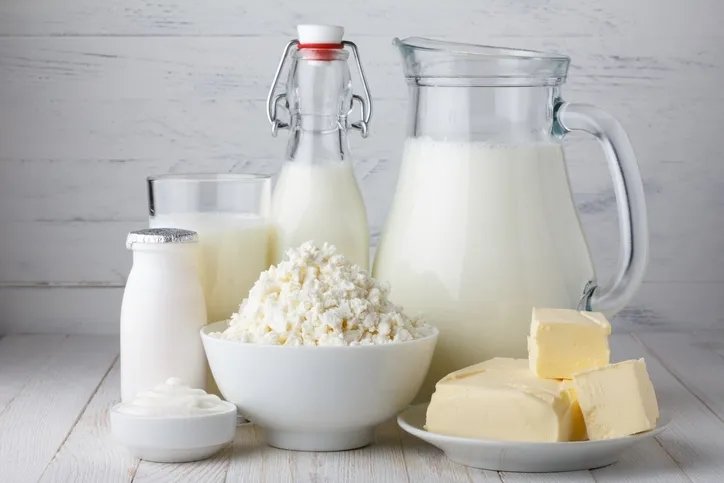

Milk and Dairy Products
Due to their high protein and water content, milk and dairy products are ideal environments for microbial growth.
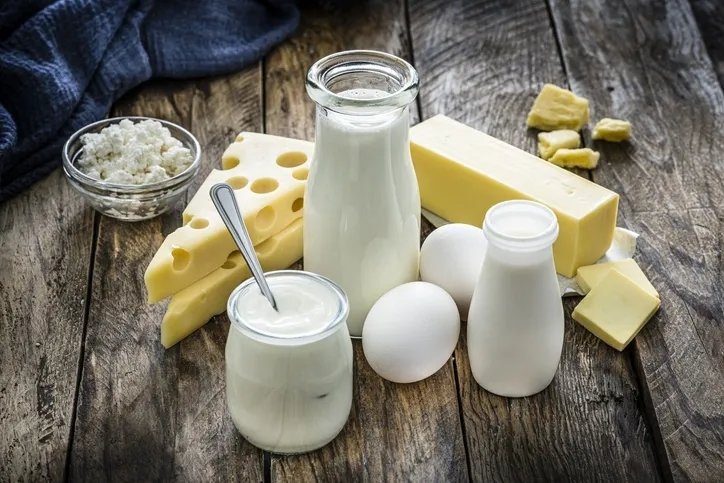

If the cold chain (keeping milk at +4°C from milking to consumption) is broken, these products can become serious health threats.

Temperature changes destroy nutritional value and allow bacteria to produce heat-resistant toxins that cannot be eliminated even by boiling, potentially causing long-term health problems.

Illegal chemicals added to mask spoilage further expose consumers to microbiological and chemical risks.


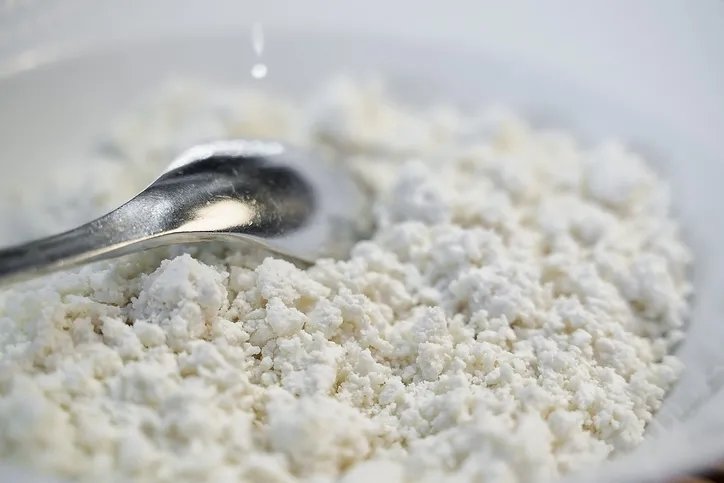
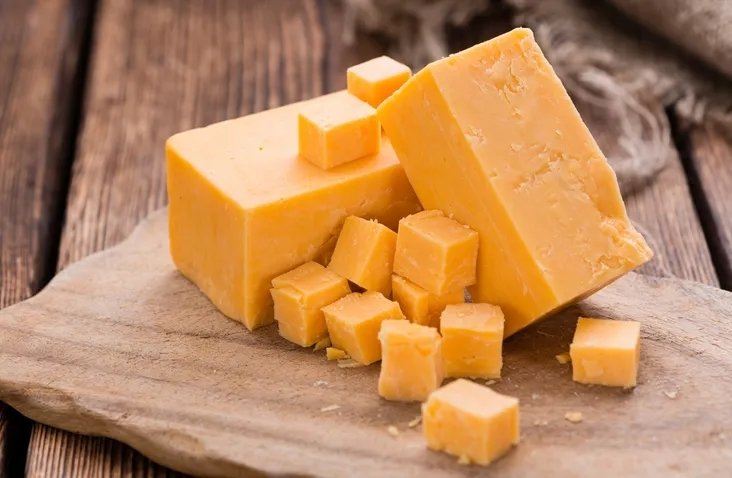
Uncovered cottage cheese, butter, and kashar cheese are exposed to dust, insects, and airborne microbes, while improper temperatures encourage the growth of deadly bacteria and toxin-producing molds.


Cottage cheese can become toxic very quickly, butter can undergo chemical spoilage due to oxidation, and shared cutting tools increase cross-contamination risks in cheeses like kashar.
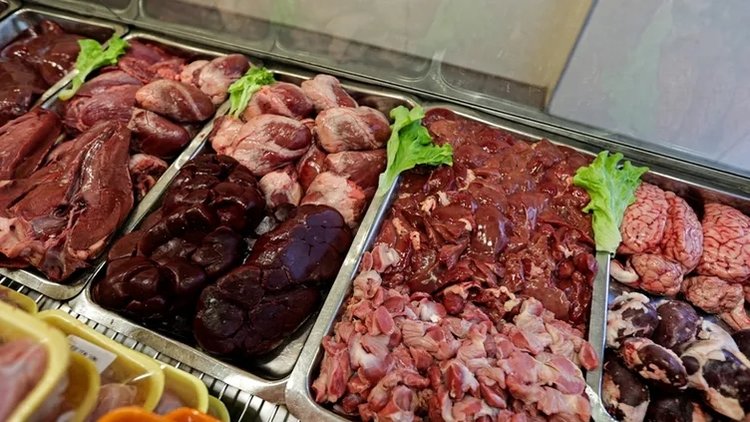

Unrefrigerated Meat, Poultry, and Deli Products
When sold without refrigeration, these products remain in the “danger zone” at room temperature, allowing pathogens such as Salmonella, E. coli, and Campylobacter to multiply rapidly.
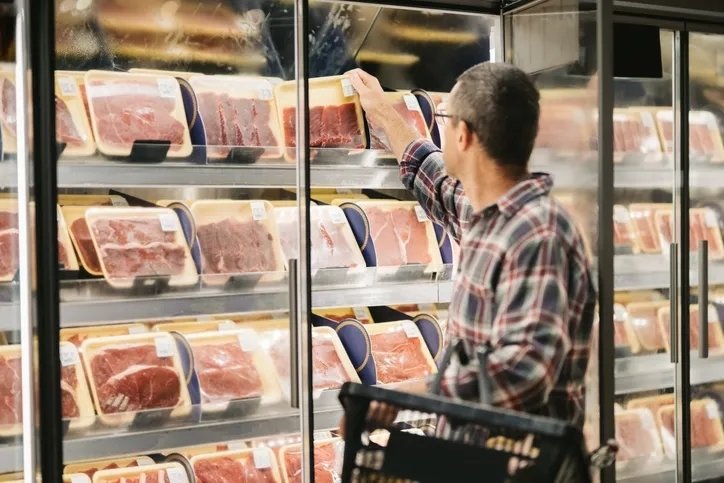

In meat and poultry, this can lead to the spread of heat-resistant toxins that cause severe food poisoning and organ damage.
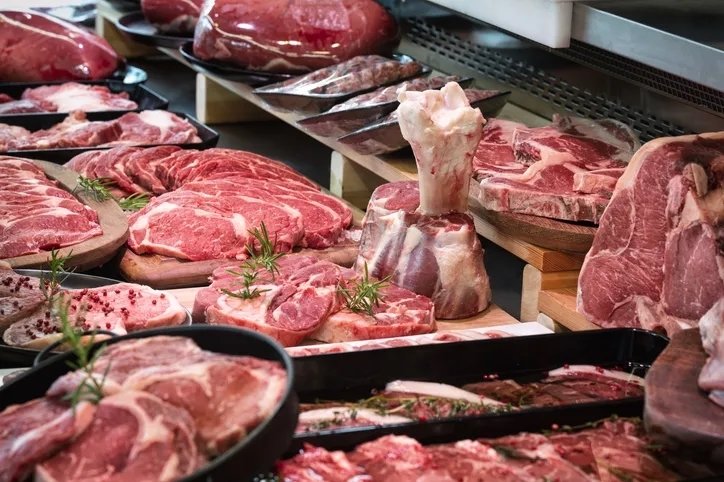

In deli products, broken cold chains also promote Listeria growth and chemical degradation of fats.
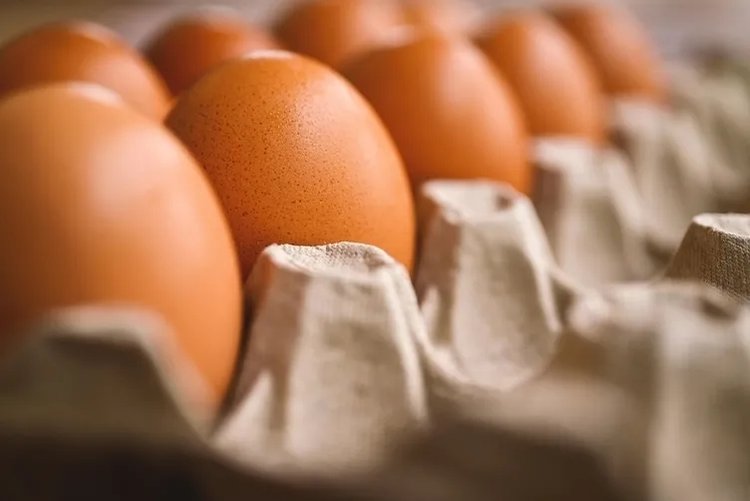

Unlabeled or Cracked Eggs
Eggs without barcodes or with visible dirt or cracks pose a high risk of Salmonella.
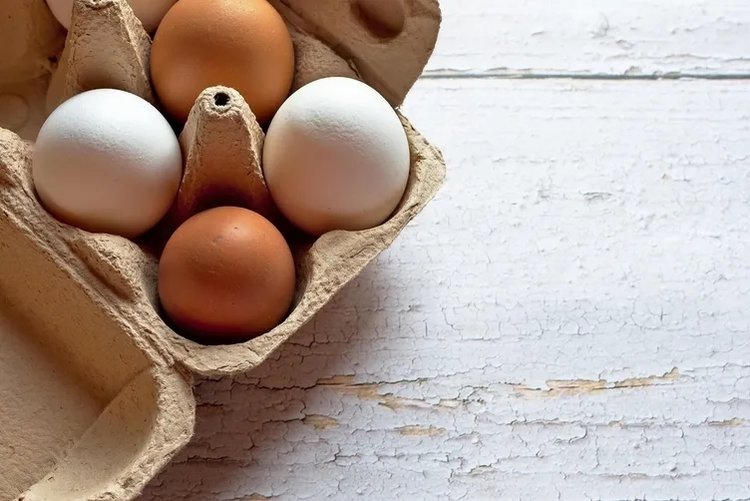

Dirt on the shell harbors bacteria, and even tiny cracks allow microbes to enter and multiply.


Without traceability, there is also a higher risk of consuming stale eggs or being exposed to antibiotic and drug residues.
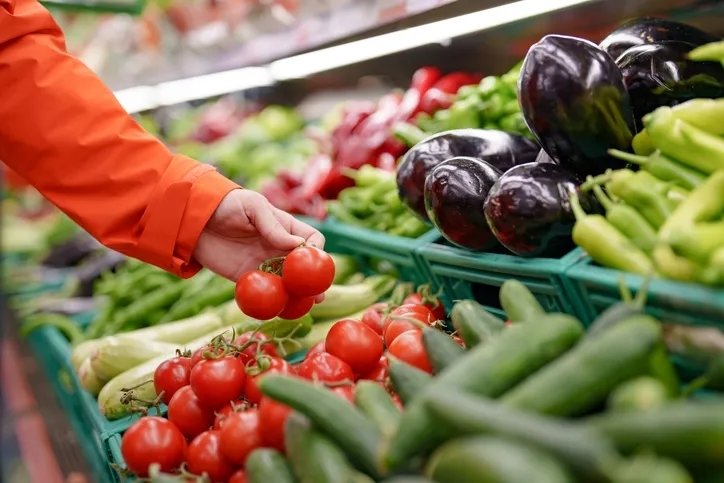

Out-of-Season Fruits and Vegetables
Produce sold out of season is often exposed to high levels of synthetic hormones and pesticides to compensate for the lack of natural growing conditions.
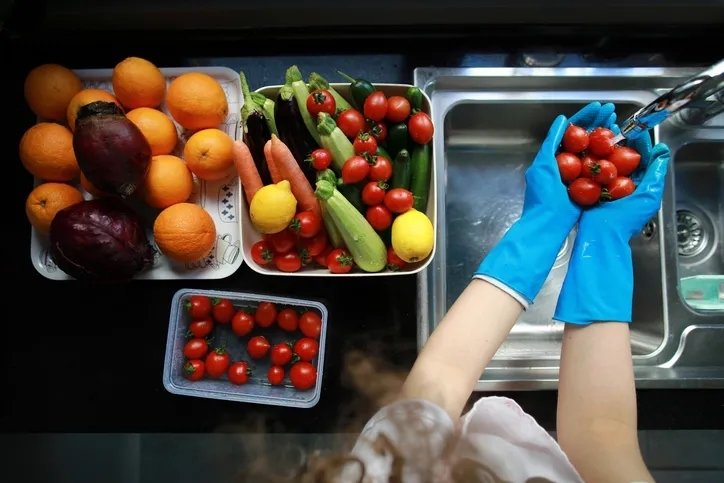

These chemicals can accumulate in the body, causing hormonal disorders and long-term health issues.


Such products also have lower vitamin and antioxidant content and may contain synthetic waxes and preservatives that burden the digestive system.


Oils, Sauces, and Pastes in Plastic Packaging
High fat and acidic content can cause harmful chemicals such as BPA and phthalates to migrate from plastic into food, disrupting the hormonal system and contributing to issues ranging from infertility to obesity.
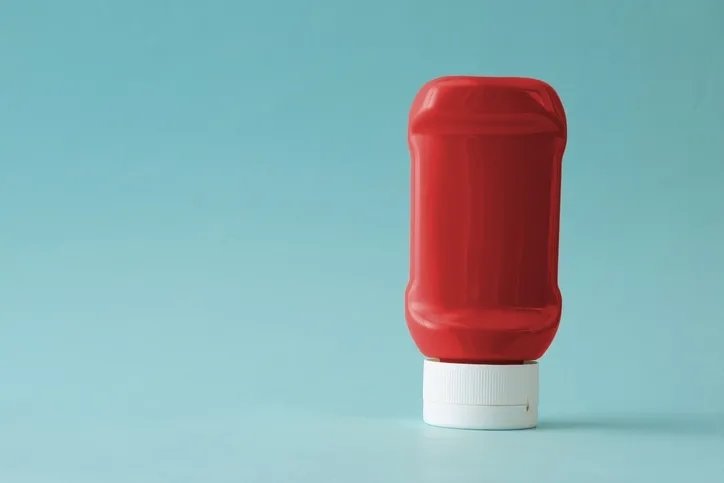

Plastic also accelerates oxidation and allows microplastics to leach into acidic foods like tomato paste and sauces, increasing cancer and toxicity risks—especially when exposed to heat and light.
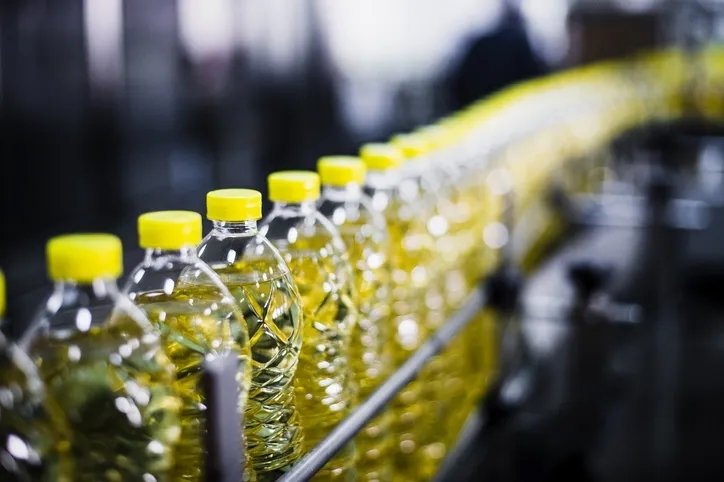

Finally, food engineers emphasized that these risks are even more critical in households with babies, children, elderly individuals, pregnant women, or people with weakened immune systems, urging consumers to be far more cautious about what they eat.
A News
Food
Foods That Look Healthy for Weight Loss (But Actually Aren’t)

By Dr. Yara Husein (Food and Nutrition Expert)
Companies often use specific buzzwords on food labels to market products as healthy and weight-loss friendly options. In reality, these options can sometimes have the opposite effect. Here are some common foods and drinks that might be holding you back:
Fat-free dairy products
Many think that fat-free dairy products are ideal for dieting and do not contribute to weight gain. However, in truth, these products can cause weight gain because fat-free products are less satiating than their full-fat counterparts; fat is a nutrient that supports feelings of fullness and makes food more enjoyable. Furthermore, food manufacturers often replace fat with sugar in low-fat and fat-free products to compensate for the lost flavour. Beyond that, skimmed dairy products provide the body with fewer nutrients than full-fat products, because vitamins such as A, D, E, and K are fat-soluble vitamins that require fat to enter the body, be absorbed, and be utilized.
Gluten-free foods
While it is essential for people with gluten-related disorders to avoid gluten, gluten-free foods are not necessarily healthier than foods containing gluten. Some processed gluten-free foods and desserts contain the same amount of calories and added sugar—if not more—as other snacks. Studies, including a study published in the journal PeerJ, indicate that gluten-free snack foods tend to be lower in protein, fiber, and certain vitamins and minerals compared to their gluten-containing counterparts. They are also generally more expensive.
Breakfast cereals
Many people think that breakfast cereals are an ideal and healthy breakfast to start their day, but in reality, many cereals are made from refined grains that lack nutrients like protein and fiber, and they can contain a high percentage of added sugar. For example, Honey Nut Cheerios, which are marketed as heart-healthy, contain 12 grams of added sugar per cup. Eating large quantities of these and other cereals high in added sugar may lead to an increased risk of heart disease, high blood pressure, high triglyceride levels, and weight gain.
Energy and sports drinks
Companies market sports and energy drinks as ways to boost energy and athletic performance, but these drinks can contain a massive amount of sugar. Consequently, they can contribute to weight gain for people who consume them without performing intense physical exercise. For instance, a popular energy drink like Monster (473 ml) contains 54 grams of added sugar—a quantity much higher than the amount recommended by the American Heart Association (25g for women and 36g for men). Research, including a study published in the journal Pediatric Obesity, has linked the consumption of sweetened beverages to health problems, including high blood pressure, fatty liver, and obesity in children and adolescents.
Diet soda
When following a diet, many people may turn to sugar-free or calorie-free drinks, thinking they contribute to weight loss. However, studies indicate that diet soda may contribute to certain health problems by altering brain responses to food and increasing the desire to eat high-calorie foods such as sweets and fast food. A study published in the journal Nutrients linked the consumption of these drinks to a higher risk of metabolic syndrome, which is a group of symptoms that include increased belly fat, blood sugar, blood pressure, and blood lipid levels.
Food
How to Fast Safely During Ramadan if You Have Diabetes
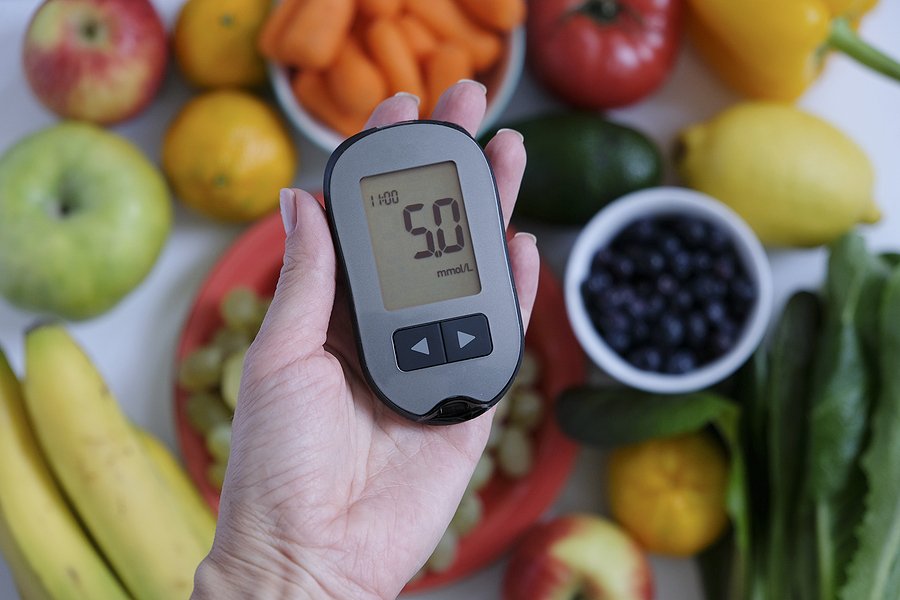
For Muslims living with diabetes, Ramadan presents a deeply personal decision that balances spiritual devotion with health considerations. The desire to observe one of Islam’s five pillars is understandable, fasting during Ramadan is a profoundly meaningful experience that connects believers to their faith, their community, and centuries of tradition.
The good news is that many people with diabetes can fast safely with proper preparation and medical guidance. However, this requires careful planning, ongoing monitoring, and a clear understanding of when fasting may pose risks that outweigh its benefits. The International Diabetes Federation estimates that over 150 million Muslims with diabetes worldwide fast during Ramadan each year, many of them successfully.
This guide provides evidence-based information to help you work with your healthcare team in making informed decisions about fasting and managing your diabetes throughout the holy month.
Disclaimer: This information is designed to provide practical advice for diabetics during the holy month of Ramadan. Any lifestyle or medication changes must be discussed with and approved by a healthcare professional.
Before Ramadan: Essential Preparation
The most important step in safe fasting begins six to eight weeks before Ramadan. Schedule a pre-Ramadan consultation with your physician to assess whether fasting is appropriate for your specific situation. During this visit, your doctor will evaluate your current blood glucose control, review your medications, discuss your previous fasting experiences, and help you understand your personal risk level.
According to the IDF-DAR Practical Guidelines, individuals with diabetes fall into different risk categories. Those at very high or high risk—including people with type 1 diabetes, those with poorly controlled type 2 diabetes, pregnant women with diabetes, or those who have experienced severe hypoglycemia in the past three months—are generally advised not to fast. However, individuals with well-controlled type 2 diabetes and no significant complications may be able to fast with appropriate medication adjustments and monitoring.
Your healthcare team will also guide on adjusting your medications, planning your meals, and recognizing warning signs that require breaking your fast.
Blood Glucose Monitoring During Fasting
Regular blood glucose monitoring is essential during Ramadan, and importantly, testing your blood sugar does not break your fast. Islamic scholars have confirmed that finger-prick testing and using glucose monitors are permitted during fasting hours.
For individuals at moderate to low risk, monitoring once or twice daily may be sufficient. Those at higher risk should consider following a more comprehensive monitoring schedule that includes checking levels before suhoor, two to three hours after suhoor, at midday, mid-afternoon, before iftar, and two hours after iftar.
Always check your blood glucose if you experience any symptoms of low or high blood sugar, or if you feel unwell.
When You Must Break Your Fast
Your health must take priority. You should immediately break your fast and seek medical attention if:
- Your blood glucose drops below 70 mg/dL (3.9 mmol/L)—there is no guarantee it will not fall further
- Blood glucose exceeds 300 mg/dL (16.7 mmol/L)
- You experience symptoms of hypoglycemia: shakiness, sweating, confusion, dizziness, or rapid heartbeat
- You experience symptoms of hyperglycemia: excessive thirst, frequent urination, or nausea
- You develop dehydration, fever, diarrhea, or any acute illness
Breaking your fast in these circumstances is not only permitted but required under Islamic law, which prioritizes the preservation of health and life.
Nutrition and Meal Planning
Proper meal planning helps maintain stable blood glucose throughout Ramadan. At suhoor, choose complex carbohydrates that digest slowly, such as whole grains, oats, barley, and legumes. Include protein sources like eggs, yogurt, or cheese, and drink plenty of water. Delay suhoor until just before dawn to shorten the fasting period.
At iftar, break your fast with dates and water as per tradition—dates provide quick but natural energy. Avoid consuming large quantities of food rapidly, as this can cause blood sugar spikes. Choose grilled or baked foods over fried items, include vegetables with every meal, and limit sweets and sugary beverages.
Spread your food intake across two main meals with a light snack in between, rather than consuming everything at once.
Physical Activity Considerations
Light to moderate exercise is generally safe during Ramadan, but timing matters. The best time for physical activity is two to three hours after iftar, when you have had time to eat and rehydrate. Avoid strenuous exercise during fasting hours, as this increases the risk of hypoglycemia and dehydration.
Tarawih prayers, which involve standing, bowing, and prostrating, count as physical activity and should be factored into your daily exercise plan.
Key Takeaways for Managing Diabetes During Ramadan
- Consult your physician six to eight weeks before Ramadan for a pre-fasting assessment
- Blood glucose monitoring does not break your fast—test regularly
- Break your fast immediately if glucose falls below 70 mg/dL or rises above 300 mg/dL
- Choose slow-digesting foods at suhoor and avoid large, rapid meals at iftar
- Stay well hydrated between iftar and suhoor
- Exercise after iftar, not during fasting hours
- Medication adjustments must be discussed with your healthcare provider
When to Consult Your Doctor
Beyond your pre-Ramadan assessment, contact your healthcare provider if you experience:
- Repeated episodes of low or high blood sugar during fasting
- Difficulty managing your glucose levels despite following your plan
- Symptoms of dehydration that do not improve with increased fluid intake
- Any new or worsening symptoms related to diabetes complications
- Uncertainty about whether it is safe to continue fasting
After Ramadan, schedule a follow-up appointment to discuss your experience and make any necessary adjustments to your regular treatment plan.
Jhon Hopkins Aramco Healthcare


Private Credit Investors Rush to Withdraw

UAE moves spring break for schools and universities

How Etihad Rail ferried 350+ UAE passengers back home with Saudi help

Is February 2026 really a once-in -283-years MiracleIn?

Algeria, Burkina Faso, Côte d’Ivoire win AFCON 2025 openers

Bascom Palmer Eye Institute Abu Dhabi and Emirates Society of Ophthalmology Sign Strategic Partnership Agreement
-
Discover1 month ago
Is February 2026 really a once-in -283-years MiracleIn?
-
 Football2 months ago
Algeria, Burkina Faso, Côte d’Ivoire win AFCON 2025 openers
-
 Health3 months ago
Bascom Palmer Eye Institute Abu Dhabi and Emirates Society of Ophthalmology Sign Strategic Partnership Agreement
-

 Health2 months ago
NMC Royal Hospital, Khalifa City, performs rare wrist salvage, restoring function for young patient
-

 Health4 months ago
Emirates Society of Colorectal Surgery Concludes the 3rd International Congress Under the Leadership of Dr. Sara Al Bastaki
-

 Health4 months ago
Born Too Soon: Understanding Premature Birth and the Power of Modern NICU Care
-

 Football3 months ago
Globe Soccer Awards 2025 nominees announced as voting opens in Dubai
-

 Health2 months ago
Decline in Birth Rate in the UAE