
Food
Make the perfect Dubai chocolate bar – recipe
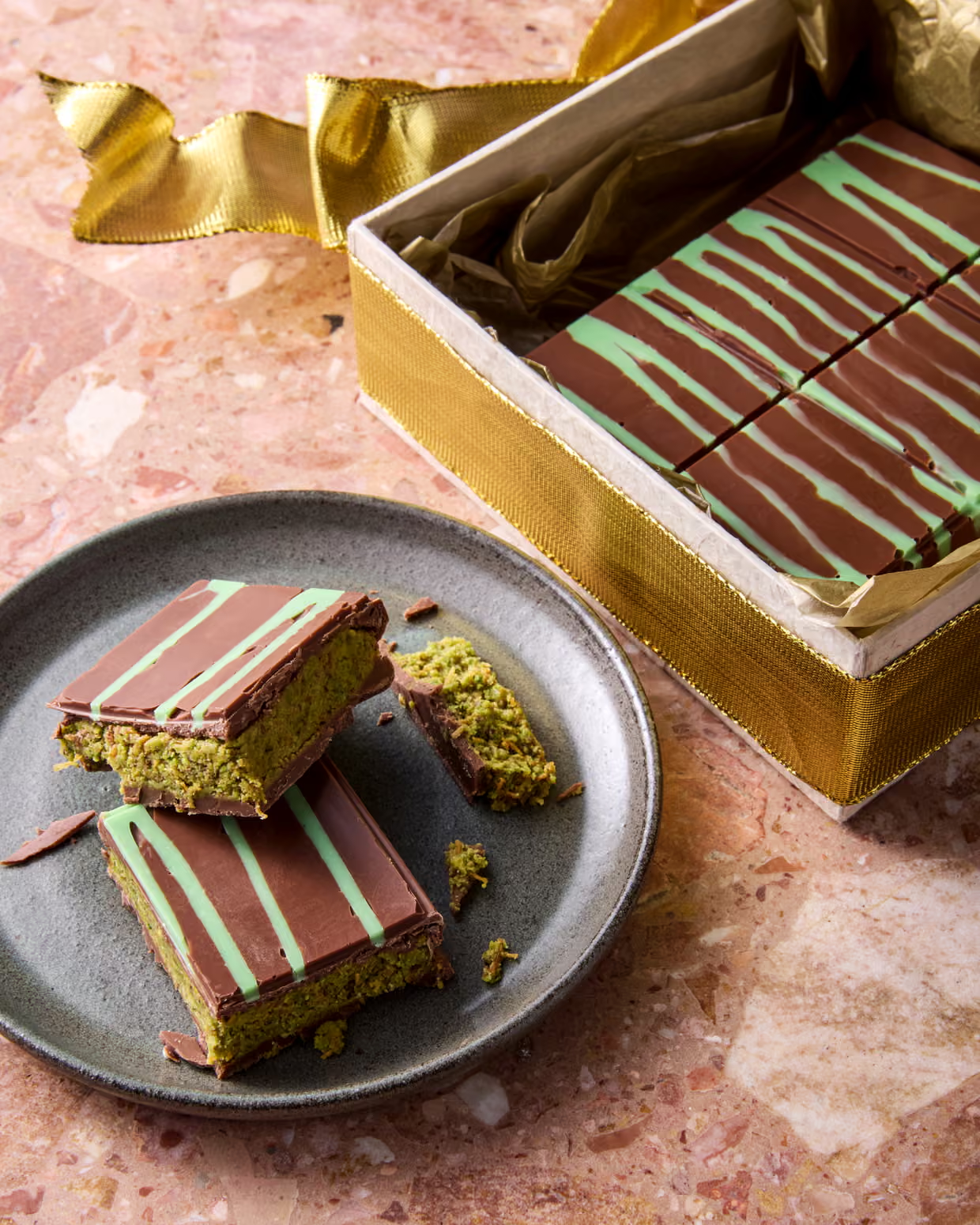
The pistachio-crammed craze makes a superb gift. Our in-house perfectionist tries all the fiddly bits for you …
If you’re asking what on earth chocolate has to do with a city with an average annual temperature of 28C, then you must have been stuck in the desert for the past three years. Because, since its creation in the UAE in 2022, apparently to satisfy chocolatier Sarah Hamouda’s pregnancy cravings for pistachio and pastry, this bar has taken over the world. Though food (among those with the luxury of choice, at least) has never been immune to the absurdities of fashion, the internet has supercharged and globalised the process, so much so that pistachios, which back in January were dubbed “the new pumpkin spice” by this very newspaper, are now everywhere, from Starbucks lattes to Aldi mince pies.
The thing is, however, that whatever your thoughts on green, sugary, coffee-adjacent beverages, Hamouda’s Dubai chocolate developed for Fix Dessert Chocolatier has triumphed, because it really does taste as good as it looks: crunchy pastry, sweet chocolate and rich, slightly savoury nut butter are an incredibly satisfying combination, so a big bar of it is guaranteed to impress under the Christmas tree. Experience demands that I suggest you wrap it in a pet-proof box, however – emergency vet bills are no one’s idea of a great present.
The pistachios
This is the key flavouring – and, probably more importantly as far as the internet is concerned, colouring. The price of pistachios has surged since Dubai chocolate went viral, with the Financial Times reporting in April that global kernel prices had risen by a third “as demand for viral cream-filled bars strains supplies”. Given they weren’t cheap to start with, this isn’t an ideal choice of gift if you’re making presents for reasons of economy; that said, it’s still better value than a scarf they’ll never wear, or some novelty gin they’ll just give to the PTA raffle.
Many recipes call for pistachio cream, or crème as British supermarkets aspirationally style it, an Italian product that caters for the Italian sweet tooth. Not only are many wincingly sugary, but I’ve come across at least one that’s as little as 10% pistachio, so check the label if you’d like to save time by subbing in a ready-made paste here. Just mix it in with the pastry – you’ll need about 350g – and don’t be swayed by the colour, because most are dyed. I used one that was 45% pistachio, but it was sold behind the counter because it was £10 a jar, so you do get what you pay for in this department.
Though I use it in both US website the Kitchn and Swiss grocery giant Migros’ recipes, I come to the conclusion that it’s both better and cheaper to make your own. However, that’s only if you have a food processor to hand – Good Housekeeping, Rama, the creator behind Indicious Kitchen, and our very own Ravneet Gill all start from scratch.
Toast the nuts first, as Rama suggests – in side-by-side comparisons, my testers all remark how much nuttier hers tastes, though this may also be because she uses five times as many nuts as Gill does. That said, I do end up with a lot of leftover filling, so in reality it’s probably more like three times as many. As the pistachios are the point here, I’ve also been generous with them on the basis that there’s little point investing if you don’t use enough actually to taste them.
Green genie: skinned homemade pistacho butter (left) versus unskinned (right).
Rama is also the only person to bother skinning as well as shelling her nuts, which is annoying, given that she uses so many. But it really does make a difference to the colour of the end result, which compels me to recommend you do the same. You can buy vivid green, skinned nuts online, but at a cost, so to start with I’d advise going for the greenest nuts you can find (the ones I buy from Waitrose are greener than the smaller nuts from the Mediterranean food hall I visit in a fruitless search for skinned ones). Then, rub off as much skin as you have the patience for (I wouldn’t blanch them to loosen the skins, unless you’re also committed to drying them out properly afterwards; moisture is the enemy of crunchy pastry.) Rama whizzes her pistachios to a smooth cream, much like the one bought in a jar, while Good Housekeeping and Gill both stick with a coarser rubble of ground nuts, which I prefer – again, it’s all about keeping as much of the pistachio in there as possible, and that goes for texture as well as flavour. For the same reason, I’ve included a few roughly chopped salted nuts, too, but that’s very much not in keeping with Hamouda’s original sweet and velvety version, so feel free to leave them out,.
Though Rama makes absolutely everything else from scratch, she is refreshingly unapologetic about artificially enhancing the colour of the filling. You may shy away from this (though if you’ve admired a Dubai chocolate bar that’s green, rather than beige inside, be aware it’s probably not entirely natural). But bear in mind that the first bite is with the eyes, and a few drops of dye are unlikely to be the naughtiest thing you eat this Christmas. (Note: to make a cheaper alternative, you could use peanut butter, or indeed another nut butter of your choice, and adjust the sugar as necessary.)
The cream
Chopped nuts and crunchy pastry would make for a very dry mouthful indeed, which is why, even if eschewing the jarred creams, it’s imperative to add a few more ingredients to the filling. Gill and Good Housekeeping bind it with melted white chocolate, with the latter also adding double cream, an ingredient that sets off alarm bells in my head. I remember the words of Raphael Bachmann, owner of Confiserie Bachmann in Lucerne, on the Migros website: “It is important to use a high-quality [pistachio] cream containing plenty of pistachios … If the cream contains a lot of water or oil, the ‘angel hair’ will quickly become soft.” Even double cream is more water than anything else, so this is best avoided, yet white chocolate is, inevitably, very sweet. Again, the best solution comes from Rama, who uses milk powder (which gives the rich creaminess of dairy without any of the water) and icing sugar, allowing her to control the sweetness. Depending on what sort of chocolate you use, you may want to add more than I’ve suggested below, but don’t omit the pinch of salt: it’s key to bringing out the savoury flavour of the nuts.
The original bar also contains tahini paste, which brings both creaminess and a bitter edge that helps to stop it tipping over into sickly territory. As this is my version, however, I’ve decided I don’t want anything to muddy the flavour or colour of the nuts I’ve just spent time peeling. So, inspired by Bachmann, who mentions using a neutral oil instead, I’ve replaced it with flavourless coconut oil:, as this is solid at room temperature, it’ll help keep the filling firm enough to slice. Up to you.
The crunch
Kataifi, which looks like vermicelli, has a similar snappy texture to filo, but is made in strands that are perfect for soaking up syrup in dishes such as knafeh and baklava. If you have a specialist grocers nearby, they’ll probably have it in the fridge. Or you can buy it online, or even make it yourself, as Rama does – unless specifically noted otherwise, it’ll require toasting first to crisp it up. You could do this in a hot pan, as in the Kitchn’s recipe, but baking it, as Gill does, makes much more sense; not only does it cook more evenly without constant babysitting, but it can be done at the same temperature and therefore time as the pistachios. I have added butter to the baking tray, however, because, though not strictly necessary, it does taste nice.
If you can’t find kataifi, Gill and Good Housekeeping both mention Shredded Wheat as a substitute, which makes sense given they’re both made from wheat and come in long thin strands. Not being a big consumer of breakfast cereal, however, it’s not until I open the packet that I realise even dry Shredded Wheat is more chewy than crunchy, which makes Bachmann’s cornflakes a better choice, despite the difference in flavour.
The chocolate
Everyone but Gill uses milk chocolate, in obedience to the original FIX bar. Oddly, though I think I’ll prefer her dark version, it does threaten to overpower the filling, so, if you go down that route, don’t go too high with the cocoa content.
Only Rama tempers the chocolate – the process by which, after disrupting them with heat, you rearrange the crystals in a more orderly fashion than just allowing them to solidify haphazardly. I’ve included instructions below, though personally I wouldn’t bother, because all anyone is really interested in here is what’s inside the bar. You may consider it worthwhile. (It also has the benefit of keeping the bar firmer at room temperature, though if yours is melting in December in the UK, you’ve got the heating on too high.)
It’s easier to decorate the top of the bar to disguise any imperfections; the Kitchn’s green-tinged white chocolate is the work of minutes, yet looks surprisingly impressive once set into the rest of the chocolate.
The form
Deep chocolate moulds are easily found in cookware shops and online, but if you don’t have one, or would prefer to give a box of chocolates rather than one oversized bar, Good Housekeeping have you covered with their little Dubai chocolate balls (see the end of the method, if you’re tempted by those). Simple to make, even easier to eat. Otherwise, you’ll need a 25cm x 13½cm x 2cm chocolate bar mould.
Perfect Dubai chocolate
Prep 20 min
Cook 1 hr (assuming you’re skinning the pistachios, which takes about 20 minutes)
Set 3 hr+
Makes 1 large bar, or 18 individual chocolates
1 tbsp butter, or neutral coconut oil (optional)
100g kataifi pastry, roughly chopped, or cornflakes, roughly crushed
200g shelled raw pistachios
20g white chocolate, chopped (optional)
Green food colouring (optional)
160g milk or dark chocolate
2 tbsp neutral coconut oil, melted, or tahini
35g milk powder
20g icing sugar, or to taste
A pinch of salt
20g shelled salted pistachios, peeled and roughly chopped (optional)
25cm x 13½cm x 2cm chocolate bar mould (optional; see the final step if making individual filled chocolates)
Heat the oven to 180C (160C fan)/350F/gas 4 and, if using kataifi, melt the butter or oil on a shallow rimmed baking tray.
Roughly chop the kataifi, toss it in the melted butter, then bake, stirring every 10 minutes so it colours evenly, for about 30 minutes, until golden.
Remove and leave to cool. (If using cornflakes, simply roughly crush them into shards.)
Tip the raw pistachios on to another baking tray large enough to hold them all in a single layer, and bake alongside the kataifi for about 15 minutes, until they smell toasty.
Remove, leave to cool, then, to remove some of the skins, either rub them in a clean tea towel or shake vigorously in a large jar to help dislodge the papery husks, then remove by hand. (This is fiddly, time-consuming work – it took me 20 minutes – and is largely just for the colour, so feel free to skip if you can’t be bothered.) Roughly chop the nuts.
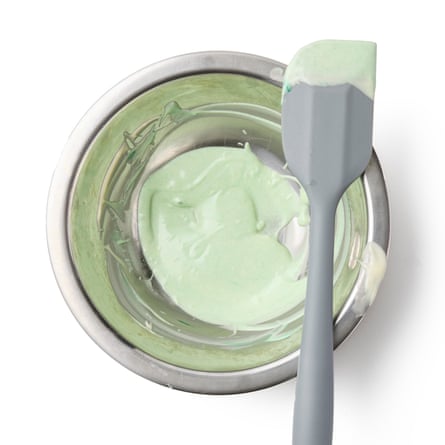
If using white chocolate, melt it in a heatproof bowl set over but not touching a pan of simmering water, then stir in a couple of drops of green food colouring, if using (be sparing, because if you add too much, the chocolate will seize).
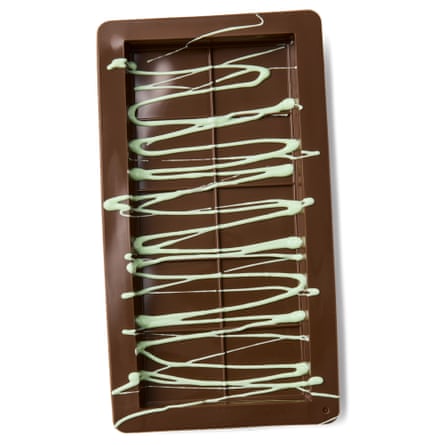
Spoon or drizzle the white chocolate mix over the base of the chocolate bar mould, then put it in the fridge to set while you melt the remaining chocolate (put the mould on a board or baking tray to keep it level).
Chop the milk or dark chocolate (a bread knife is useful here). If you’re tempering it, melt 110g of the chocolate as above, to 40-45C for milk and 46-48C for dark, then stir in the remaining 50g until melted. Cool to 26C for milk and 27C for dark, then heat back to 29C (milk) or 31C (dark) before use. (Alternatively, just melt all the chocolate at once.) Tip just enough of the melted chocolate into the mould thoroughly to coat the white chocolate base, then chill for about 30 minutes until set firm.
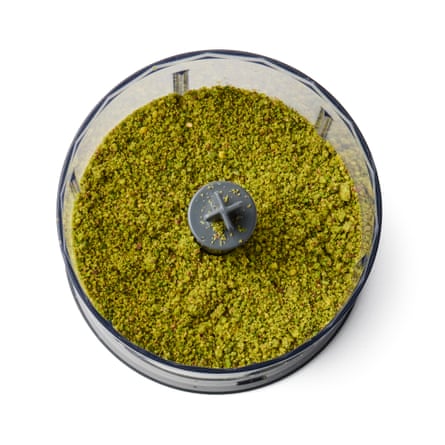
Meanwhile, whizz the chopped pistachios in a food processor or blender until they’re fairly finely ground and beginning to look slightly oily and to clump together, then add the coconut oil or tahini and whizz again to combine. Add the milk powder, icing sugar and a pinch of salt and whizz again. Taste and add more sugar if you’d like it sweeter. If using salted pistachios, roughly chop them, then stir in.
Once you’re ready to fill, stir the kataifi into the pistachio mixture until well combined, then spoon into the chocolate shell and level the top, leaving a small gap around the edge; run a butter knife around the edge to help do this.
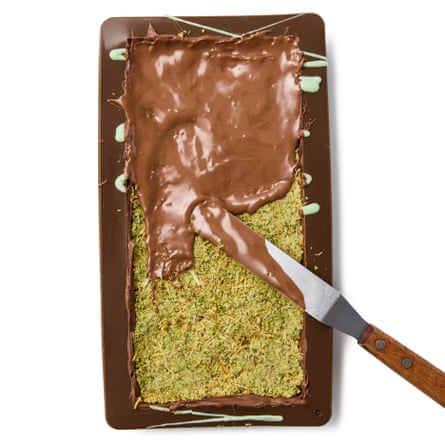
Re-warm the remaining melted chocolate, then pour it all over the top. Tilt the mould to help push the melted chocolate into the sides until the filling is entirely encased in chocolate.
Chill for at least two hours, or until completely set, before turning out.
For individual truffles, make the filling as above, then spoon small, roughly 20g balls of it on to a tray and chill for about 30 minutes, until firm, while you’re melting the milk or dark chocolate as above (depending on your generosity, you may need a little more than specified here). Dip the balls in chocolate to coat, then return to the fridge to set. Decorate with the green white chocolate once firm, or put a whole pistachio on top while the balls are still slightly tacky.
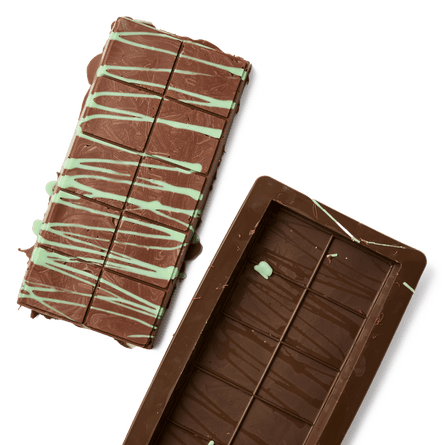
Dubai chocolate; is this one viral trend that’s passed you by, or have you fallen victim to its verdant charms? If you’ve had the original, did it live up to expectations, and how would you customise it to suit your taste (I like the idea of adding spices, for example)?
Story by The Guardian
Food
Food engineers warn: 6 products you should never bring into your kitchen
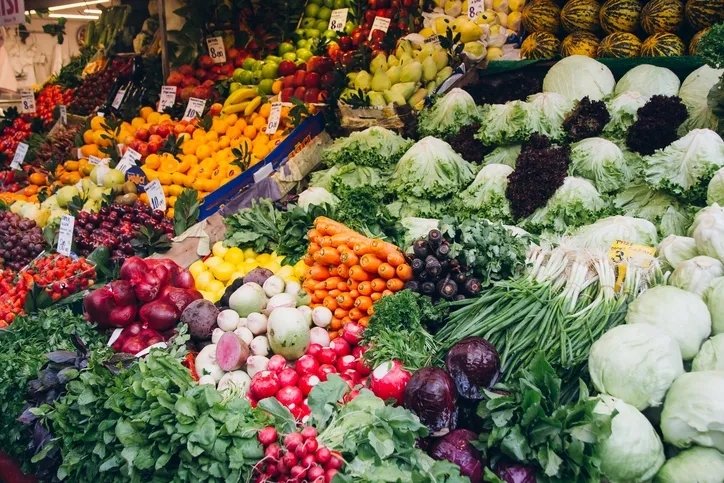
Food engineers warn against six common food groups they say pose serious health risks if mishandled, urging consumers to pay close attention to cold chains, packaging, and traceability.

Food engineers have issued a series of warnings by listing products they say they would never allow into their kitchens.
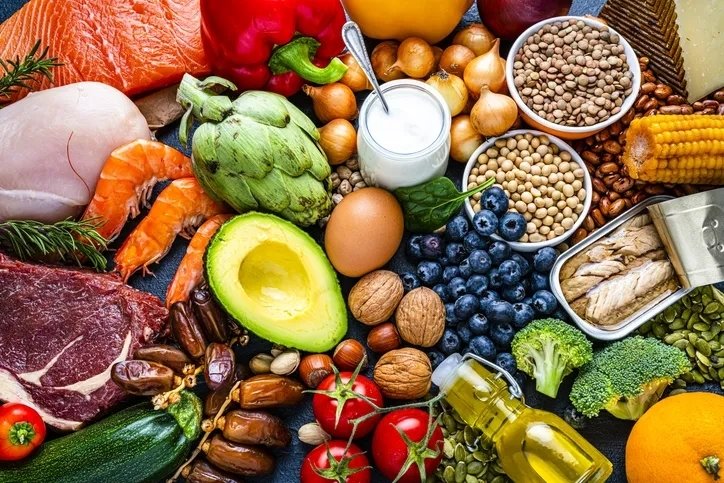

Highlighting foods that consumers often unknowingly add to their shopping baskets, experts stressed that these items can pose serious health risks, emphasizing each category with the phrase: “I would never bring this into my home.”


The nutrients in the foods we consume daily play a vital role in enabling our body’s cells to perform essential functions. Nutrients are fundamental to growth, development, maintenance of bodily functions, and emotional stability, making them one of the main pillars of human health.
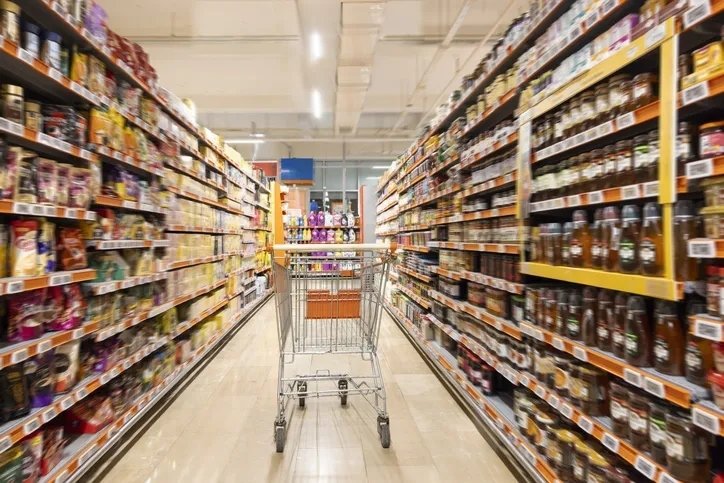

Poor nutrition can damage metabolic processes and lead to deteriorating health. Just as frequently consuming foods high in sugar or fat can be harmful, inadequate or insufficient nutrition can also cause serious damage to the body.
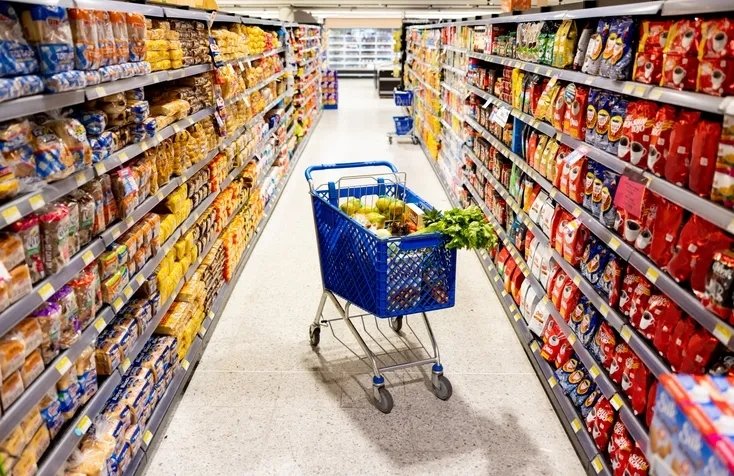

However, even products we choose believing they are fresh and healthy may, in fact, cause hidden harm. Food engineers have therefore outlined the products they would never buy from either markets or grocery stores.
They stressed that the most critical factors when purchasing food are maintaining the cold chain, traceability, and packaging safety. Here are six food groups that food engineers say they would never keep in their kitchens:
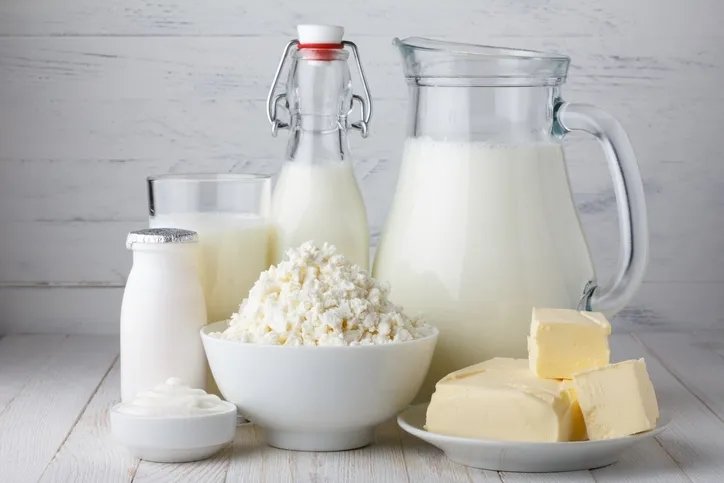

Milk and Dairy Products
Due to their high protein and water content, milk and dairy products are ideal environments for microbial growth.
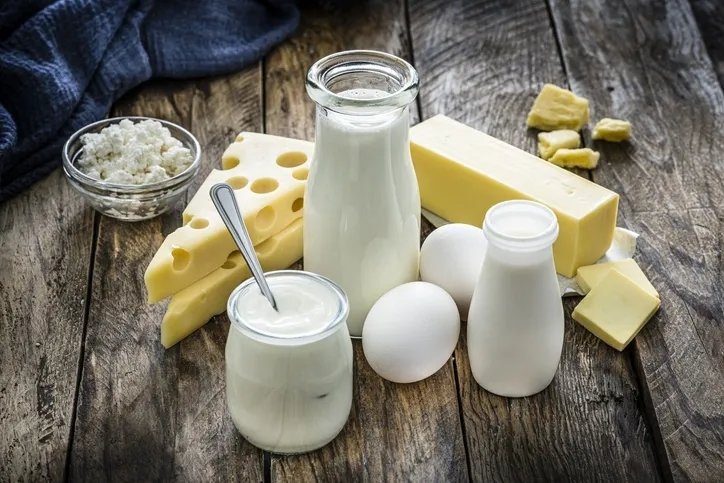

If the cold chain (keeping milk at +4°C from milking to consumption) is broken, these products can become serious health threats.
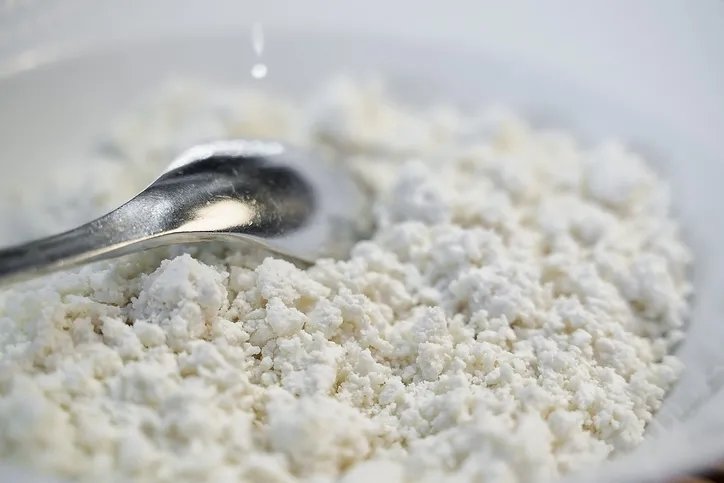

Temperature changes destroy nutritional value and allow bacteria to produce heat-resistant toxins that cannot be eliminated even by boiling, potentially causing long-term health problems.
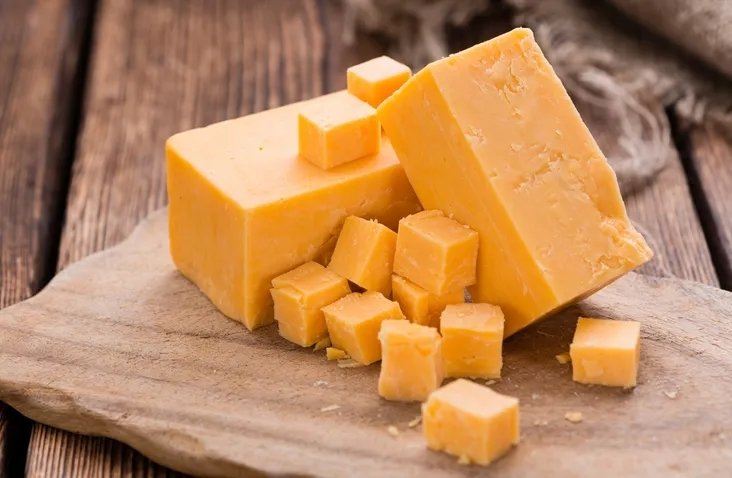

Illegal chemicals added to mask spoilage further expose consumers to microbiological and chemical risks.
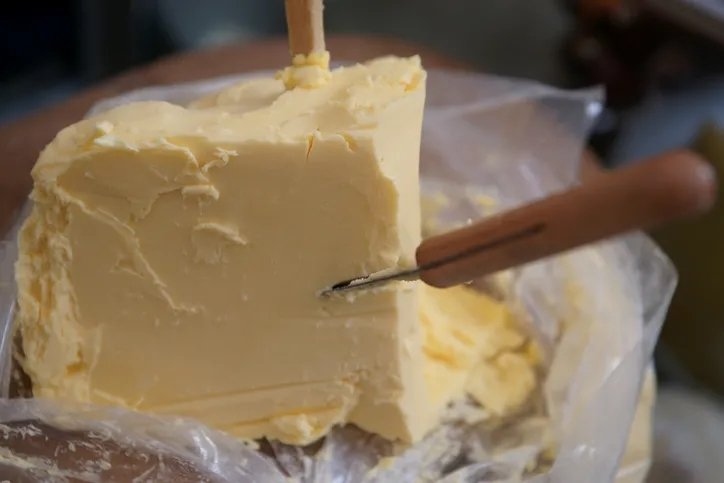

Uncovered cottage cheese, butter, and kashar cheese are exposed to dust, insects, and airborne microbes, while improper temperatures encourage the growth of deadly bacteria and toxin-producing molds.
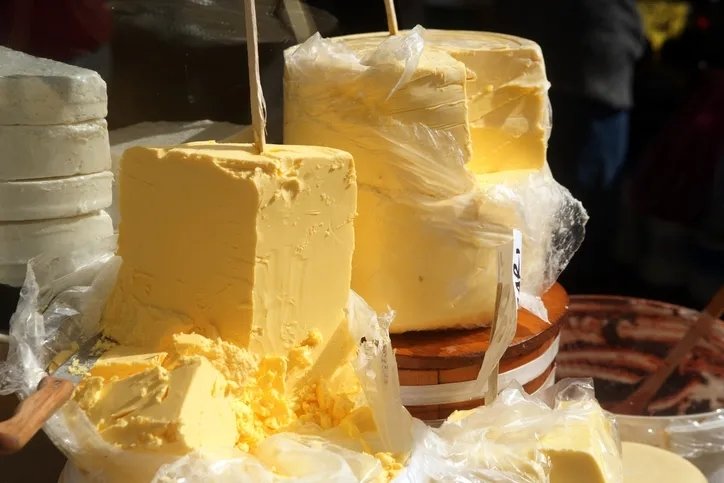

Cottage cheese can become toxic very quickly, butter can undergo chemical spoilage due to oxidation, and shared cutting tools increase cross-contamination risks in cheeses like kashar.
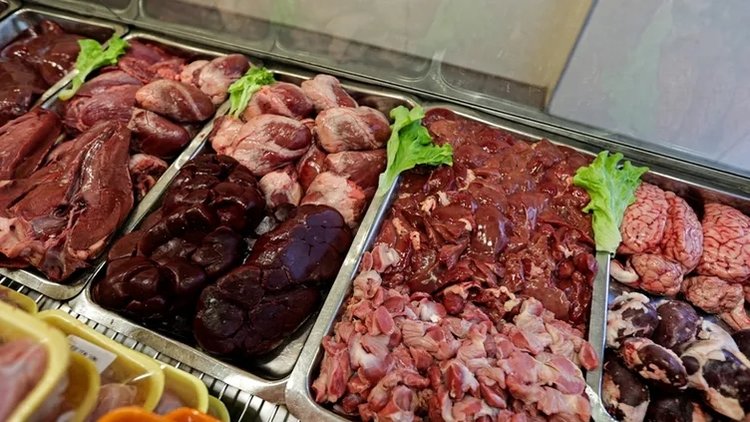

Unrefrigerated Meat, Poultry, and Deli Products
When sold without refrigeration, these products remain in the “danger zone” at room temperature, allowing pathogens such as Salmonella, E. coli, and Campylobacter to multiply rapidly.
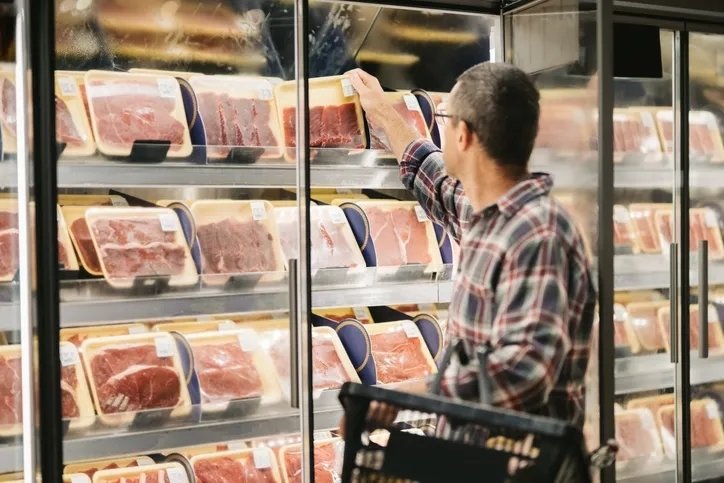

In meat and poultry, this can lead to the spread of heat-resistant toxins that cause severe food poisoning and organ damage.
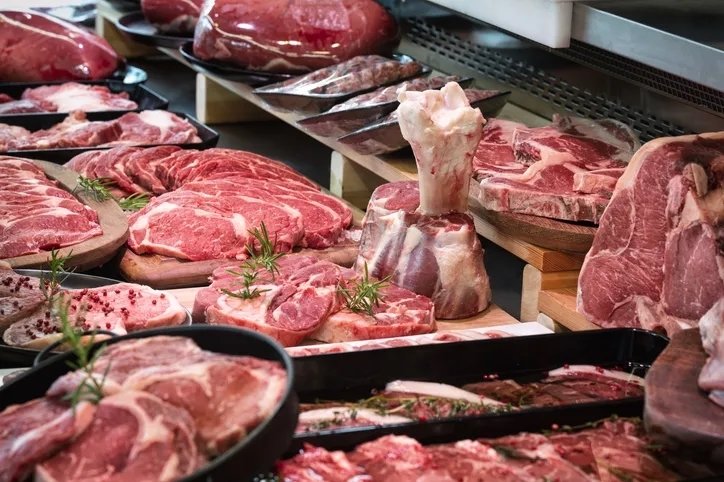

In deli products, broken cold chains also promote Listeria growth and chemical degradation of fats.
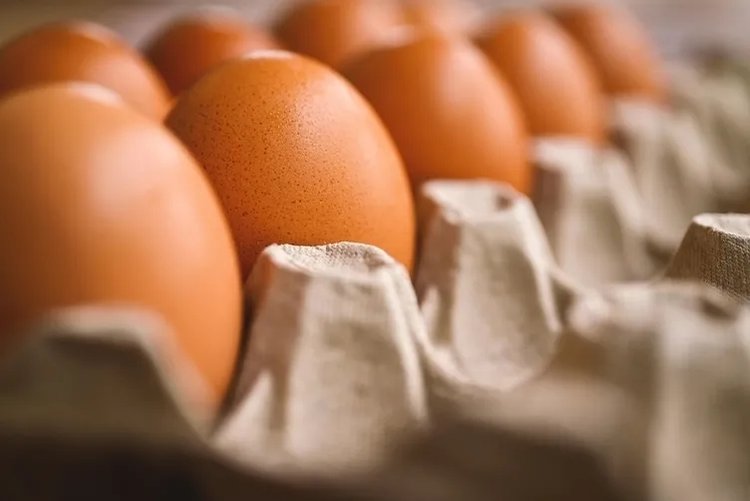

Unlabeled or Cracked Eggs
Eggs without barcodes or with visible dirt or cracks pose a high risk of Salmonella.
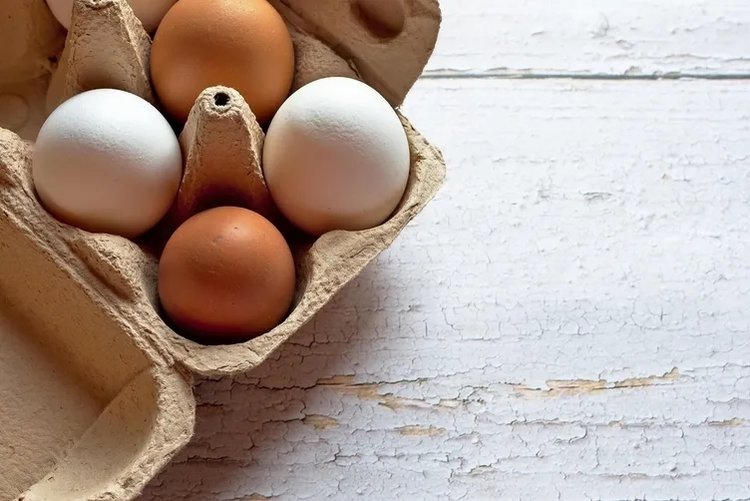

Dirt on the shell harbors bacteria, and even tiny cracks allow microbes to enter and multiply.


Without traceability, there is also a higher risk of consuming stale eggs or being exposed to antibiotic and drug residues.
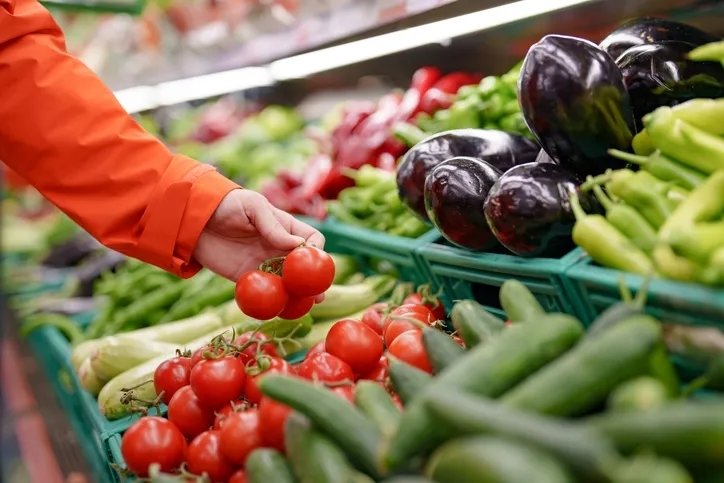

Out-of-Season Fruits and Vegetables
Produce sold out of season is often exposed to high levels of synthetic hormones and pesticides to compensate for the lack of natural growing conditions.
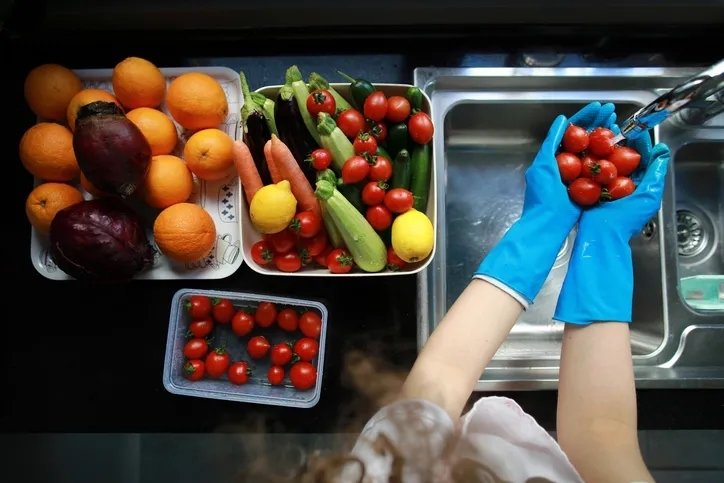

These chemicals can accumulate in the body, causing hormonal disorders and long-term health issues.


Such products also have lower vitamin and antioxidant content and may contain synthetic waxes and preservatives that burden the digestive system.
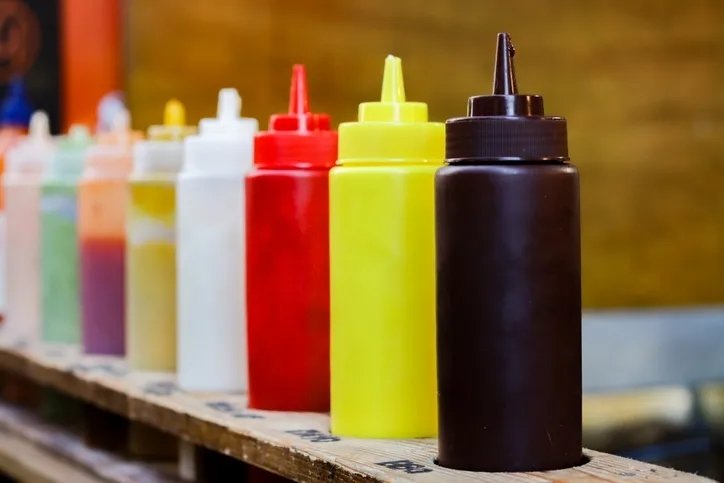

Oils, Sauces, and Pastes in Plastic Packaging
High fat and acidic content can cause harmful chemicals such as BPA and phthalates to migrate from plastic into food, disrupting the hormonal system and contributing to issues ranging from infertility to obesity.
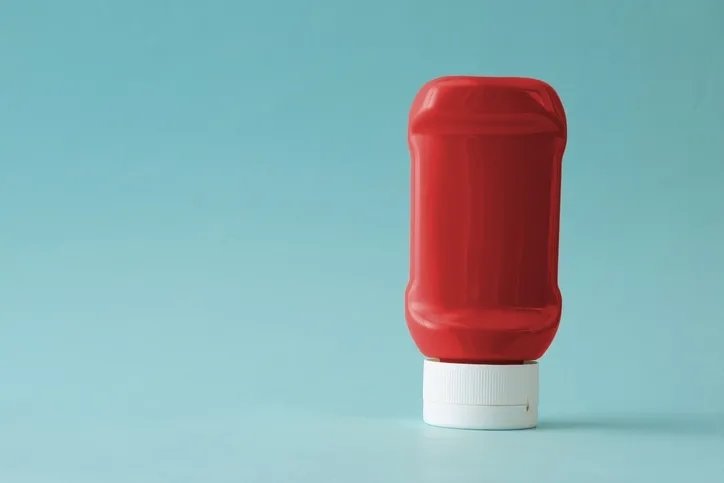

Plastic also accelerates oxidation and allows microplastics to leach into acidic foods like tomato paste and sauces, increasing cancer and toxicity risks—especially when exposed to heat and light.
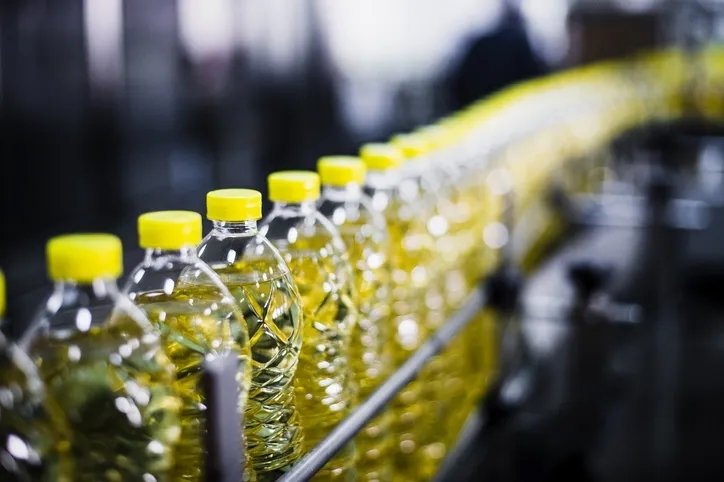

Finally, food engineers emphasized that these risks are even more critical in households with babies, children, elderly individuals, pregnant women, or people with weakened immune systems, urging consumers to be far more cautious about what they eat.
A News
Food
Foods That Look Healthy for Weight Loss (But Actually Aren’t)

By Dr. Yara Husein (Food and Nutrition Expert)
Companies often use specific buzzwords on food labels to market products as healthy and weight-loss friendly options. In reality, these options can sometimes have the opposite effect. Here are some common foods and drinks that might be holding you back:
Fat-free dairy products
Many think that fat-free dairy products are ideal for dieting and do not contribute to weight gain. However, in truth, these products can cause weight gain because fat-free products are less satiating than their full-fat counterparts; fat is a nutrient that supports feelings of fullness and makes food more enjoyable. Furthermore, food manufacturers often replace fat with sugar in low-fat and fat-free products to compensate for the lost flavour. Beyond that, skimmed dairy products provide the body with fewer nutrients than full-fat products, because vitamins such as A, D, E, and K are fat-soluble vitamins that require fat to enter the body, be absorbed, and be utilized.
Gluten-free foods
While it is essential for people with gluten-related disorders to avoid gluten, gluten-free foods are not necessarily healthier than foods containing gluten. Some processed gluten-free foods and desserts contain the same amount of calories and added sugar—if not more—as other snacks. Studies, including a study published in the journal PeerJ, indicate that gluten-free snack foods tend to be lower in protein, fiber, and certain vitamins and minerals compared to their gluten-containing counterparts. They are also generally more expensive.
Breakfast cereals
Many people think that breakfast cereals are an ideal and healthy breakfast to start their day, but in reality, many cereals are made from refined grains that lack nutrients like protein and fiber, and they can contain a high percentage of added sugar. For example, Honey Nut Cheerios, which are marketed as heart-healthy, contain 12 grams of added sugar per cup. Eating large quantities of these and other cereals high in added sugar may lead to an increased risk of heart disease, high blood pressure, high triglyceride levels, and weight gain.
Energy and sports drinks
Companies market sports and energy drinks as ways to boost energy and athletic performance, but these drinks can contain a massive amount of sugar. Consequently, they can contribute to weight gain for people who consume them without performing intense physical exercise. For instance, a popular energy drink like Monster (473 ml) contains 54 grams of added sugar—a quantity much higher than the amount recommended by the American Heart Association (25g for women and 36g for men). Research, including a study published in the journal Pediatric Obesity, has linked the consumption of sweetened beverages to health problems, including high blood pressure, fatty liver, and obesity in children and adolescents.
Diet soda
When following a diet, many people may turn to sugar-free or calorie-free drinks, thinking they contribute to weight loss. However, studies indicate that diet soda may contribute to certain health problems by altering brain responses to food and increasing the desire to eat high-calorie foods such as sweets and fast food. A study published in the journal Nutrients linked the consumption of these drinks to a higher risk of metabolic syndrome, which is a group of symptoms that include increased belly fat, blood sugar, blood pressure, and blood lipid levels.
Food
How to Fast Safely During Ramadan if You Have Diabetes
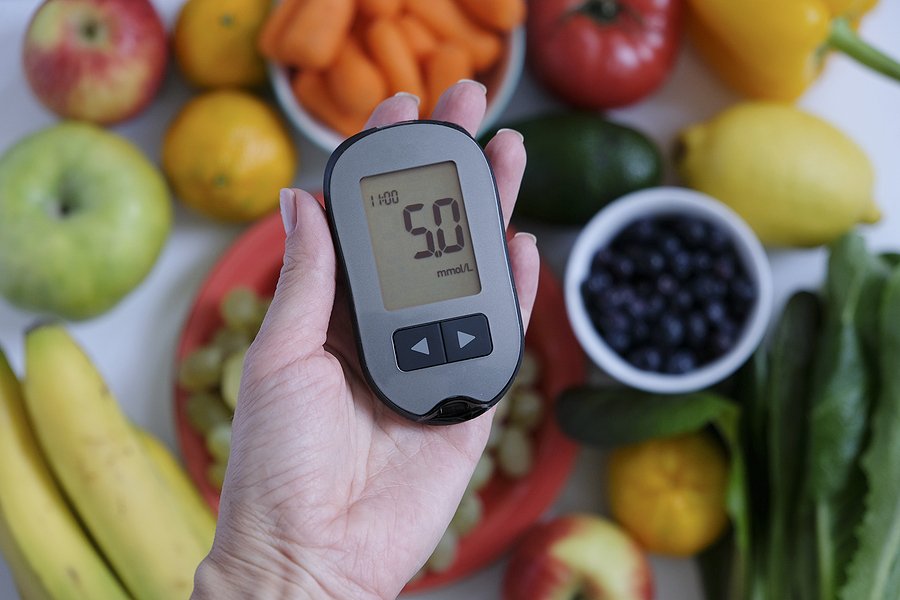
For Muslims living with diabetes, Ramadan presents a deeply personal decision that balances spiritual devotion with health considerations. The desire to observe one of Islam’s five pillars is understandable, fasting during Ramadan is a profoundly meaningful experience that connects believers to their faith, their community, and centuries of tradition.
The good news is that many people with diabetes can fast safely with proper preparation and medical guidance. However, this requires careful planning, ongoing monitoring, and a clear understanding of when fasting may pose risks that outweigh its benefits. The International Diabetes Federation estimates that over 150 million Muslims with diabetes worldwide fast during Ramadan each year, many of them successfully.
This guide provides evidence-based information to help you work with your healthcare team in making informed decisions about fasting and managing your diabetes throughout the holy month.
Disclaimer: This information is designed to provide practical advice for diabetics during the holy month of Ramadan. Any lifestyle or medication changes must be discussed with and approved by a healthcare professional.
Before Ramadan: Essential Preparation
The most important step in safe fasting begins six to eight weeks before Ramadan. Schedule a pre-Ramadan consultation with your physician to assess whether fasting is appropriate for your specific situation. During this visit, your doctor will evaluate your current blood glucose control, review your medications, discuss your previous fasting experiences, and help you understand your personal risk level.
According to the IDF-DAR Practical Guidelines, individuals with diabetes fall into different risk categories. Those at very high or high risk—including people with type 1 diabetes, those with poorly controlled type 2 diabetes, pregnant women with diabetes, or those who have experienced severe hypoglycemia in the past three months—are generally advised not to fast. However, individuals with well-controlled type 2 diabetes and no significant complications may be able to fast with appropriate medication adjustments and monitoring.
Your healthcare team will also guide on adjusting your medications, planning your meals, and recognizing warning signs that require breaking your fast.
Blood Glucose Monitoring During Fasting
Regular blood glucose monitoring is essential during Ramadan, and importantly, testing your blood sugar does not break your fast. Islamic scholars have confirmed that finger-prick testing and using glucose monitors are permitted during fasting hours.
For individuals at moderate to low risk, monitoring once or twice daily may be sufficient. Those at higher risk should consider following a more comprehensive monitoring schedule that includes checking levels before suhoor, two to three hours after suhoor, at midday, mid-afternoon, before iftar, and two hours after iftar.
Always check your blood glucose if you experience any symptoms of low or high blood sugar, or if you feel unwell.
When You Must Break Your Fast
Your health must take priority. You should immediately break your fast and seek medical attention if:
- Your blood glucose drops below 70 mg/dL (3.9 mmol/L)—there is no guarantee it will not fall further
- Blood glucose exceeds 300 mg/dL (16.7 mmol/L)
- You experience symptoms of hypoglycemia: shakiness, sweating, confusion, dizziness, or rapid heartbeat
- You experience symptoms of hyperglycemia: excessive thirst, frequent urination, or nausea
- You develop dehydration, fever, diarrhea, or any acute illness
Breaking your fast in these circumstances is not only permitted but required under Islamic law, which prioritizes the preservation of health and life.
Nutrition and Meal Planning
Proper meal planning helps maintain stable blood glucose throughout Ramadan. At suhoor, choose complex carbohydrates that digest slowly, such as whole grains, oats, barley, and legumes. Include protein sources like eggs, yogurt, or cheese, and drink plenty of water. Delay suhoor until just before dawn to shorten the fasting period.
At iftar, break your fast with dates and water as per tradition—dates provide quick but natural energy. Avoid consuming large quantities of food rapidly, as this can cause blood sugar spikes. Choose grilled or baked foods over fried items, include vegetables with every meal, and limit sweets and sugary beverages.
Spread your food intake across two main meals with a light snack in between, rather than consuming everything at once.
Physical Activity Considerations
Light to moderate exercise is generally safe during Ramadan, but timing matters. The best time for physical activity is two to three hours after iftar, when you have had time to eat and rehydrate. Avoid strenuous exercise during fasting hours, as this increases the risk of hypoglycemia and dehydration.
Tarawih prayers, which involve standing, bowing, and prostrating, count as physical activity and should be factored into your daily exercise plan.
Key Takeaways for Managing Diabetes During Ramadan
- Consult your physician six to eight weeks before Ramadan for a pre-fasting assessment
- Blood glucose monitoring does not break your fast—test regularly
- Break your fast immediately if glucose falls below 70 mg/dL or rises above 300 mg/dL
- Choose slow-digesting foods at suhoor and avoid large, rapid meals at iftar
- Stay well hydrated between iftar and suhoor
- Exercise after iftar, not during fasting hours
- Medication adjustments must be discussed with your healthcare provider
When to Consult Your Doctor
Beyond your pre-Ramadan assessment, contact your healthcare provider if you experience:
- Repeated episodes of low or high blood sugar during fasting
- Difficulty managing your glucose levels despite following your plan
- Symptoms of dehydration that do not improve with increased fluid intake
- Any new or worsening symptoms related to diabetes complications
- Uncertainty about whether it is safe to continue fasting
After Ramadan, schedule a follow-up appointment to discuss your experience and make any necessary adjustments to your regular treatment plan.
Jhon Hopkins Aramco Healthcare


Private Credit Investors Rush to Withdraw

UAE moves spring break for schools and universities

How Etihad Rail ferried 350+ UAE passengers back home with Saudi help

Is February 2026 really a once-in -283-years MiracleIn?

Algeria, Burkina Faso, Côte d’Ivoire win AFCON 2025 openers

Bascom Palmer Eye Institute Abu Dhabi and Emirates Society of Ophthalmology Sign Strategic Partnership Agreement
-
Discover1 month ago
Is February 2026 really a once-in -283-years MiracleIn?
-
 Football2 months ago
Algeria, Burkina Faso, Côte d’Ivoire win AFCON 2025 openers
-
 Health3 months ago
Bascom Palmer Eye Institute Abu Dhabi and Emirates Society of Ophthalmology Sign Strategic Partnership Agreement
-

 Health2 months ago
NMC Royal Hospital, Khalifa City, performs rare wrist salvage, restoring function for young patient
-

 Health4 months ago
Emirates Society of Colorectal Surgery Concludes the 3rd International Congress Under the Leadership of Dr. Sara Al Bastaki
-

 Health4 months ago
Born Too Soon: Understanding Premature Birth and the Power of Modern NICU Care
-

 Football3 months ago
Globe Soccer Awards 2025 nominees announced as voting opens in Dubai
-

 Health2 months ago
Decline in Birth Rate in the UAE