
Lifestyle
Trying to conceive? Welcome to ‘trimester zero’

Anything to do with pregnancy can sometimes feel like a crash course in withstanding uncertainty. From getting pregnant in the first place to avoiding complications later on, any parent-to-be is forced to reckon with the limits of their own control.
The stats around this are worth emphasising: about one in seven couples in the UK will have difficulty conceiving. About one in eight known pregnancies will end in a loss. And as many as 29% of low-risk pregnancies will experience some kind of unforeseen complication. Often there’s no rhyme or reason to any of this. “You can do everything ‘right’ and still face delays. That’s biology, not failure,” says Dr Linda Farahani, a consultant gynaecologist and specialist in reproductive medicine at the Lister Fertility Clinic in Chelsea, London.
All this said, leaving your fertility to the whims of chance may feel unnecessarily fatalistic. If you’ve spent any time in the wilds of the “trying to conceive” (TTC) community, you’ve probably heard of something called “trimester zero”. Simply put, this is the period before you get pregnant, when you try to prepare your body for a healthy outcome. There are no guarantees. But according to an army of “pregnancy prep” influencers, there’s plenty you can do to maximise your odds of success.
What exactly is trimester zero?
Pregnancy is divided into three trimesters, each with its own signature characteristics (for example, morning sickness in the first trimester; a short-lived burst of energy in the second; feeling like you’ve swallowed a bowling ball in the third). Some people talk about the fourth trimester, too: the initial postpartum period in which parents and babies adjust to this disorienting new stage of life.
Trimester zero, then, is the stage of pregnancy that occurs before you actually conceive. If this sounds odd, then tell that to public health agencies in the US, who have historically advised women of reproductive age to behave as if they were already expecting. In fact, the term Zero Trimester was coined by sociology professor Miranda Waggoner, whose 2017 book of the same name explored the rights and wrongs of this kind of pre-pregnancy healthcare. “Women are thought of as reproductive vessels by default,” she wrote.
These days, however, trimester zero has a different connotation. It refers to the window of time in which a person is actively trying to conceive – maybe three months to a year – as opposed to being some natural state of womanhood. And according to Farahani, it’s not an entirely ridiculous idea. “The idea of a trimester zero – a period before conception where you focus on optimising your health – can be genuinely helpful when framed sensibly,” she says.
One study found that fewer than 8% of women in the UK receive specific preconception care, such as being encouraged to take folic acid supplements. Many doctors think that figure is too low. “We know that optimising health before pregnancy can reduce the risk of complications such as pre-term labour and pre-eclampsia,” says Dr Lucy Hooper, a GP and co-founder of Coyne Medical, a private London clinic.
Why is it suddenly popular?
Pregnancy preparation is a very old idea, with many ancient cultures practising fertility rituals of some description. Recently, though, preconception has become an industry. Social media is bursting with naturopaths, life coaches, holistic health practitioners, influencers, doctors and self-proclaimed experts of every stripe, who purportedly know the secrets to trimester zero.
Their advice runs the gamut from the sensible (Eat well! Minimise stress!) to the questionable. One pregnancy prep doctor advises her 75,000 Instagram followers to avoid scented candles, polyester clothing and – perplexingly – “secular music”. Another recommends that women should focus on “high-quality skincare” and “simple drainage and circulation rituals”, while reading books “that expand inner authority and soften rigid self-pressure”.
Many of them are selling something, too. Take naturopathic doctor Dr Afrouz Demeri, who has established “the world’s most scientific seven-week online course to get you pregnant now”, and has trademarked the term “trimester zero”. She maintains that the preconception period is more critical than you can “possibly imagine”, not least because it’s “when your child’s DNA is being set up for success”. There’s also a thriving market for private blood tests that will assess your hormonal profile or nutritional deficiencies.
It’s easy to understand the appetite for solutions. More people than ever are experiencing fertility struggles, with a sharp increase in the number of babies born via IVF. Part of this is down to age – more of us are waiting longer to have children – although there have also been concerns about lifestyle factors and environmental toxins. (Cut to many an influencer telling us not to use non-stick pans.)
“Subfertility is far more complex than many people realise,” notes Farahani. “Age is a major factor, but ovulatory disorders such as polycystic ovarian syndrome, endometriosis, fibroids, and hormonal disorders such as thyroid disease are very common. On the male side, sperm quality can be affected by genetics, infections, heat exposure and lifestyle factors. Lifestyle absolutely plays a role, but it is one piece of a much larger puzzle.”
Of course, for every person who’s stuck in the trenches of #TTC, there are others who haven’t even started the process yet. A 2023 UK study found that almost half of 16- to 24-year-olds were worried about their future fertility, while a 2022 US study (admittedly conducted by a women’s health clinic) found that “at least four in five women experience some level of anxiety when thinking about their ability to get pregnant”. That’s a lot of people who might be in the market for hormonal health mentorship programmes or expensive beef liver supplements.
What does the evidence say?
Medics are in broad agreement here. There are certain things you can do to maximise the chances of a healthy pregnancy – but you’re not going to find the magic bullet scrolling on TikTok. In fact, the lifestyle factors with the strongest evidence base are relatively simple (read, boring). “They include maintaining an optimum weight, not smoking, reducing alcohol intake, managing stress, sleeping well and eating a varied, nutrient-dense diet. These behaviours support hormonal balance, ovulation and sperm development,” says Farahani.
Dr John Spicer, an NHS GP in south London, notes that the best overall advice is on theNHS website. “This includes taking folic acid – two different doses depending on any history of neural tube defects,” he says. “Anything more complicated, such as withdrawing medicines or not, and adverse medical histories, should be discussed with one’s GP or specialist.”
Currentadvice suggests that, if you’re trying to conceive, you should avoid alcohol consumption altogether. That’s partly due to the risks to a potential foetus, but also partly because it reduces the odds of conception – it interferes with ovulation in women and sperm count in men. And you don’t even need to be knocking back the tequilas: one study found that as few as three alcoholic drinks a week could make it harder to become pregnant.
Then there’s smoking, which is strongly linked with fertility problems. Continue to smoke once you’ve conceived, and your risk of complications rockets, including premature delivery and low birth weight. “It increases the risk of stillbirth by up to 47%. Supporting women to quit smoking can therefore have a profound positive impact,” says Hooper.
But other than staying generally healthy, and keeping on top of your medical appointments, there’s no need to micromanage your lifestyle too much. After all, chronic stress can affect fertility.
“Stress destroys hormonal balance and, as a consequence, is a reason for delayed ovulation or suboptimal sperm quality,” says Dr Gergana Peeva, an NHS consultant obstetrician and a medical expert for pregnancy and postnatal wellbeing platform Carea. “I have seen in my practice a lot of cases where lifestyle improvement and stress reduction have resulted in successful pregnancies.”
What should you be eating?
Nutrition is important, says Farahani, but not in the overprescriptive way social media often claims. For instance, there’s nothing to say that cutting out dairy or gluten will increase your chances of getting pregnant, unless you have an intolerance. “What research shows is that dietary patterns rich in whole foods, fibre, antioxidants and healthy fats are associated with better reproductive outcomes,” she says. “That doesn’t mean individual food rules or restriction. It’s about overall balance, not perfection.”
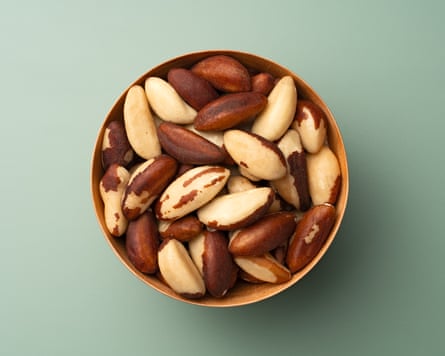
Brazil nuts are a good source of selenium. Photograph: MirageC/Getty Images
Jenna Hope, a registered nutritionist, suggests focusing on protein-rich foods to boost egg quality, and healthy fats such as salmon and avocado to support hormone function. “Key nutrients such as iron, folate, magnesium and selenium are also vital for promoting egg health,” she says. “Selenium is essential for the male partner too as it encourages movement from the sperm. Nuts, specifically Brazil nuts, are great sources. Green leafy vegetables should also feature heavily in the diet as they’re nutrient dense and rich in fibre.”
One 2018 study found that following a Mediterranean diet (rich in fruit, veg, legumes, whole grains, nuts and olive oil) improved success rates in younger women going through IVF. There is also evidence to suggest that processed red meat, caffeinated fizzy drinks and refined carbohydrates are bad for fertility when consumed in excess.
However, contrary to some sources, eating offal isn’t a preconception panacea. Calf’s liver contains extremely high levels of vitamin A, which can actually be harmful to an unborn baby.
Are there any supplements that work?
You should start taking folic acid as soon as you start trying to conceive, says Hooper, and keep going for the first 12 weeks of pregnancy. There’s good reason for doing so: folic acid supplementation reduces the risk of neural tube defects like spina bifida by up to 72%. “Other deficiencies that should be corrected include iron, vitamin D, iodine and B vitamins,” she adds. “Omega-3 supplements are associated with a lower risk of pre-term delivery and may be worth considering if dietary intake is low.”
But apply a note of caution before you splash out for an influencer’s proprietary baby-making blend. “The supplement market is full of bold claims that simply don’t align with the evidence,” says Farahani. “A fertility specialist or GP can help you interpret what’s genuinely useful and what’s simply marketing.”
Is there anything else I need to think about?
You won’t see many TikTok reels lauding the benefits of booking an appointment with your GP. But in truth, trimester zero is a good time to do a health audit and tackle any medical admin you’ve been putting off.
“Midwives encourage anyone thinking about having a baby to start considering their health early on,” says Clare Livingstone, head of professional policy and practice at the Royal College of Midwives. “Small things like making sure your cervical screening and vaccinations are up to date, checking any medications with a healthcare professional and getting support to manage conditions like diabetes can make a real difference.”
This is particularly important if you’re older, notes Peeva, since the risk of certain pregnancy complications rises with age. “For more mature mums, blood pressure, diabetes screening and medication checks are key,” she says.
I want to get pregnant. Should I worry about any of this at all?
It depends on your psychological makeup. For every person who thrives on the element of control, there will be another who winds up feeling worse than ever – full of self-recrimination in the event that something goes wrong.
Fertility problems can affect anyone, including those with optimal lifestyles. That means, if conception is taking longer than expected, it’s important to seek support. “This isn’t because you’ve done something wrong, but because fertility is a medical issue like any other, and you deserve accurate information and compassionate care,” says Farahani.
You can knock back all the black sesame lattes you want, minimise blue light after dark, deal with your repressed emotions and replace your toxic kitchenware. But ultimately, getting pregnant is always going to involve a strong element of the unpredictable, however warm you keep your feet.
“For many patients, particularly those already feeling vulnerable, the notion that they must ‘perfect’ their lifestyle before trying to conceive can introduce unnecessary pressure,” says Farahani. “My concern would be that it can shift the focus from support to self-blame, and that’s the last thing anyone on a fertility journey needs.”
The Guardian
Lifestyle
Want to slow brain aging? Follow this diet
Research increasingly shows that everyday lifestyle choices, including diet, play an important role in preserving brain health as we age.
Studies suggest the MIND diet, for example, can slow cognitive decline and reduce the risk of Alzheimer’s disease. (MIND is short for Mediterranean-DASH Diet Intervention for Neurodegenerative Delay.)
Evidence connecting the healthy dietary pattern to long‑term changes in brain structure is sparse, but a new study published in the Journal of Neurology, Neurosurgery & Psychiatry strengthens the case for the MIND diet’s cognitive benefits.
Closer adherence was associated with slower progression of key brain structural changes that are widely recognized as markers of brain aging.
Here’s what to know about the research, plus a breakdown of the MIND diet.
Here are the best diets to ward off cognitive decline
About the latest research
For the study, published March 17, participants were drawn from the Framingham Heart Study Offspring cohort, a second-generation arm of the landmark U.S. Framingham Heart Study, which launched in 1948.
The ancillary study involved 1,647 middle-aged and older adults who were tracked for about 12 years on average.
Participants completed detailed dietary questionnaires, underwent at least two brain MRI assessments between 1999 and 2019 and were free of dementia and stroke at their first brain MRI.
Researchers used their dietary intake data to calculate MIND diet scores. These ranged from 0 to 15, with a higher score indicating closer adherence.
What is the MIND diet?
The MIND diet, focused on protecting the aging brain, was developed by researchers at Rush University Medical Center in Chicago.
The diet combines elements of the Mediterranean and the DASH (Dietary Approaches to Stop Hypertension) diets. It also targets specific foods and nutrients that past studies linked to brain protection.
The dietary pattern emphasizes nutrient-dense whole plant foods, plentiful in antioxidants and anti-inflammatory phytochemicals, and limits foods associated with vascular risk and accelerated brain aging, such as red and processed meats, as well as foods high in added sugars and saturated fat.
What the new study found
Greater adherence to the MIND diet was consistently linked to slower brain atrophy over the 12-year follow-up period. Specifically, participants had a slower loss of grey matter, the part of the brain involved in thinking, memory, information processing and decision-making.
Each three-point increase in the MIND diet score was associated with 20-per-cent less grey matter shrinkage, equivalent to a 2½-year delay in brain aging over the study period.
Brain imaging also identified slower enlargement of brain ventricles among participants with higher scores, which equated to about one less year of brain aging. Ventricles in the brain are fluid-filled spaces that expand to fill the void left when brain tissue atrophies.
Stronger associations were observed in older participants, suggesting greater benefits among those at higher risk of brain aging.
Protective effects were also more pronounced in people who were more physically active and in those with a healthy body weight, implying combining the MIND diet with other healthy lifestyle strategies provides greater value.
To arrive at these findings, the researchers adjusted for other risk factors including age, sex, education level, daily calorie intake, body mass index, physical activity and smoking status, as well as health factors such as depression, type 2 diabetes, hypertension, high cholesterol and cardiovascular disease.
This was an observational study that identified associations; it did not prove that the MIND diet directly slows brain aging.
Even so, with more than a decade of observations, the findings provide additional support for the potential cognitive benefits of long‑term adherence to this brain-focused diet.
What to eat – and limit – on the MIND diet
The MIND diet has daily and weekly consumption guidelines for nine brain-healthy food groups.
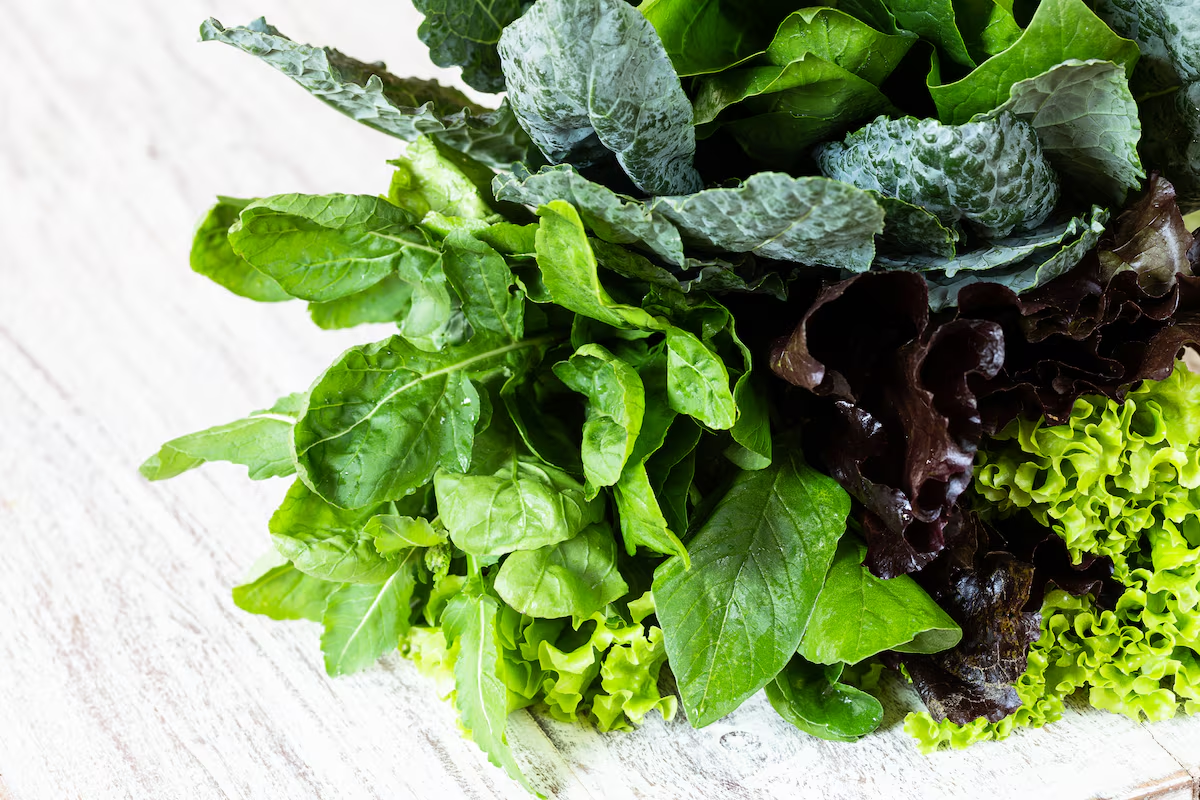
Leafy greens such as spinach, kale and arugula are recommended daily (at least a half-cup cooked or one cup raw), as are other vegetables (at least one half-cup).
Other daily foods are whole grains (at least three half-cup servings) and olive oil (two tablespoons).
Brain‑healthy foods to eat weekly include berries (at least five half-cup servings), nuts (five one‑ounce servings), beans and legumes (at least three half-cup servings), fish (at least one three- to five‑ounce serving) and poultry (at least two three- to five‑ounce servings).
The diet also puts limits on five brain-unhealthy food groups.
These include red and processed meats (no more than three servings a week), butter and stick margarine (no more than one teaspoon a day, or seven teaspoons a week) and full‑fat cheese (no more than one small serving a week, about one ounce).
Pastries and sweets should be limited to no more than four small servings a week and fried or fast foods to no more than one meal a week.
You don’t have to follow the MIND diet perfectly. Even moderate adherence has been associated with cognitive benefits in observational studies.
Leslie Beck’s tips for healthy living
THE BEST OVERALL DIET: Anti-inflammatory eating plans like the Mediterranean or DASH diet can fight inflammation in the body, lowering the chance of it contributing to a host of chronic illnesses.
GET ENOUGH PROTEIN: Protein is a muscle-building, wound-healing nutrient that can help boost your immune system. For optimal health, distribute your protein intake throughout the day, add plant-based options such as beans, nuts and seeds, whole grains and dairy alternatives such as soy milk to your diet.
VEGETABLES TO EAT: Three vegetable and two fruit servings a day is a secret to longevity. Try a fruit-rich smoothie at breakfast, chop kale, spinach or other dark green leafy vegetables into a soup at dinner, and trade the ultra-processed options like a granola bar for snacks like carrot sticks, cherry tomatoes or bell peppers with hummus. Is your diet missing any of these 25 longevity-boosting foods?
EAT CHEAP (AND HEALTHY): Here’s how to find the cheapest sources of nutrition, plus more tips to save on groceries. Make at-home meals easier by keeping your pantry and freezer stocked with options like edamame, green peas and avocado.
Leslie Beck, a Toronto-based private practice dietitian, is director of food and nutrition at Medcan.
The Globe and Mail
Lifestyle
North West Debuts More Dermal Piercings

North West is showing off even more piercings during an outing in New York City.
Per photos published by Page Six, the 12-year-old daughter of Kim Kardashian and Kanye West spent Saturday, Feb. 14, shopping in N.Y.C. with three friends. The group was spotted at Alexander Wang, where Wang himself gave North a leather handbag.
North gave fans a closer look at what appear to be some new facial piercings, including a dermal bridge and studs on her cheeks, in a series of videos posted to TikTok. She also wore a long, electric blue wig, while her friends opted for similar styles in pink, green and purple.
The group also coordinated in black outfits for the shopping trip. North opted for wide-leg black pants with fringe at the bottom, an oversized black graphic tee and black fingerless gloves with a skeleton design on them. She also added a blinged-out skull and crossbones necklace.
North has been steadily adding to her piercing collection. Earlier this month on her Instagram Stories, she touted a plethora of piercings on her hands and fingers.In North’s snap, she sports at least three piercings on her fingers, plus more on her hands and wrist. It’s unclear whether all of the piercings are real. Across the photo, the 12-year-old included three emojis: ” 🪡🔛🖐🏾.”
North’s original finger piercing is known as a microdermal piercing or single-point piercing. Dermal piercings lie flat against the skin and don’t have a separate entry and exit point, according to Byrdie.
Since North was first spotted with a piercing on her hand while out in Rome in September 2025, Kardashian has received criticism for allowing her preteen daughter to undergo body modifications.
Following the backlash, Kardashian spoke on Call Her Daddy about letting her daughter embrace her own style.
The SKIMS founder also recognized that she makes mistakes as a parent, like letting her daughter wear certain things, but asked that the public allow her a “little bit of grace.”
“I’m like, okay, we’re never wearing that again. Unfortunately, we made that mistake in front of the whole world,” she said, adding, “as a mom, you’re kind of like learning at the same time.”
In October, North posted new photos showing off a set of fake piercings and face tattoos. Kardashian and North’s joint TikTok account responded to criticism the photos were receiving by simply writing, “This is such a non-issue 😭.”
Kardashian later revealed that the photos were of North and her friends’ Halloween costumes as “opium Powerpuff girls,” and the modifications were ultimately fake.
PEOPLE MAGAZINE
Lifestyle
The perfect morning routine from showers to sunshine
The first thing to say about the ideal morning routine is that it probably doesn’t exist. Yes, endless influencers promise that they have tweaked, tested and fine-tuned the process of revving up for the day, but how history’s most productive people actually get things done is so varied that it’s hard to draw definitive conclusions. Beethoven, reportedly, used to count out exactly 60 beans for his morning cup of coffee, while Victor Hugo downed two raw eggs after reading a daily missive from his mistress. Mark Wahlberg, on the other hand, wakes at 3am for pre-workout prayer, chasing up his gym time with a few holes of golf and a jolt in the cryo chamber before he even thinks about doing any work.
It is clear, though, that having some sort of routine is key: a set of automatic actions that you do every day, to ease you into your responsibilities with a bit of momentum and a fresh frame of mind. And there is some stuff that seems beneficial enough that everyone should be doing a version of it, even if individual methods differ: one person’s meditative bean arithmetic, after all, is another’s mindfulness. But if you want to finesse your routine, the key is to add one change at a time. “When you focus on a single behaviour,” says the behaviour change specialist Dr Heather McKee, “you build confidence through quick wins, and give your brain the clarity and dopamine hit it needs to automate that action. Once that habit feels natural, you free up mental space to layer in the next change.” But what habits should you be building?

Dogs are the perfect excuse to get a dose of morning light
Get up, get out
First things first: there’s no single best time to get up. If you have the luxury of picking your own window, it’s probably best to start by roughly working out your chronotype, which boils down to if you feel and perform best earlier in the day, you can probably get away with getting up a bit earlier (if you do your best work at night, of course, it would be ideal to sleep in).
Most adults need between seven and nine hours’ sleep to feel fully functional, and you probably have a good idea of where you fall in that range. In an ideal world, you shouldn’t need an alarm to wake up: if that means going to bed at 10 so you’re feeling fresh by 6am, that’s the way forward.
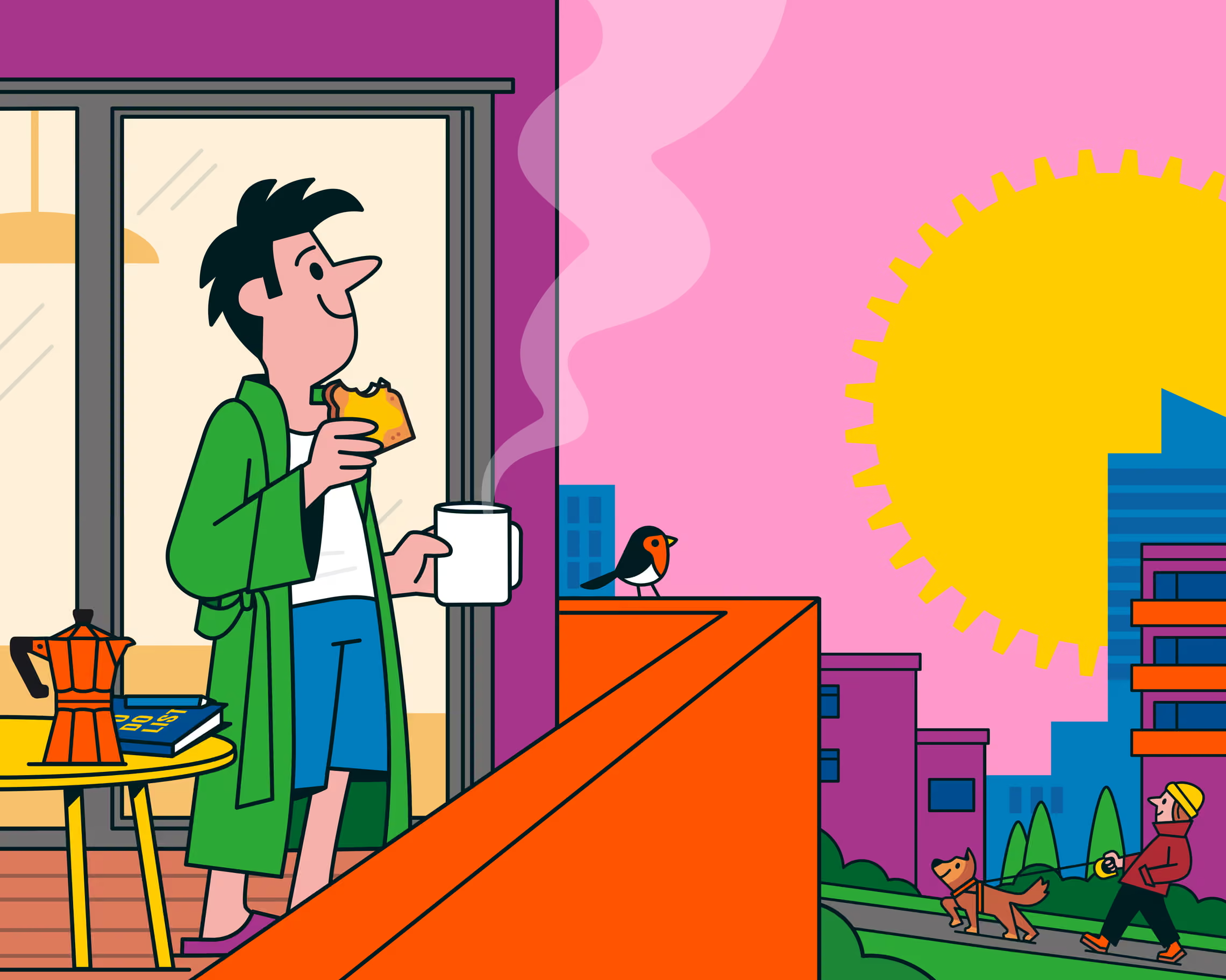
Ellie Hambly, a clinical psychologist specialising in helping families deal with stress, advises getting outside in the morning light. “This is getting harder with daylight hours reducing, but trying to manage your diary around getting some daylight can make a huge difference in your mood.” Morning exposure to natural sunlight plays a key role in keeping our body clock working properly. It suppresses melatonin, boosts serotonin, gets you ready for the day – and seems to help people sleep better at night. If you have a dog or a running habit, great – but it’s even worth poking your head out of the door while you enjoy your morning coffee. “If you can make the time for a short walk without your phone in the morning, the combination of movement and lack of stimulation can help to activate your brain’s default mode network – the set of brain regions engaged in introspection and daydreaming,” says Hambly. “That can help with creative problem-solving and coming up with new ideas. If you don’t have time for a walk, even taking a shower without a podcast can work.”

Getting outside in the morning light can make a huge difference.
Put the kettle on
Recently, it’s become fashionable among self-optimisers to claim that you should wait 60-90 minutes to drink your first coffee to avoid an afternoon crash. This sounds plausible, but a review of studies published in 2024 concluded that there’s no evidence this happens – and caffeine has also been shown to increase exercise performance in a variety of ways, so it’s definitely worth having a coffee if you’re going to work out (giving it 20-30 minutes to let the effects kick in). Otherwise, just do what’s most comfortable for you.
Go with your natural flow.
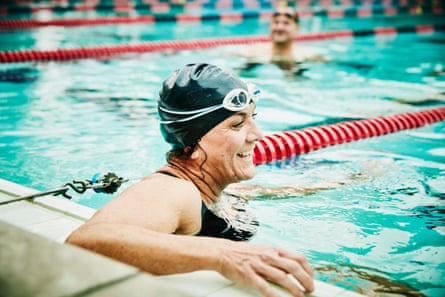
Should you exercise first thing? If you can face it, yes: at least a bit. The best time of day to hit the gym seems to vary depending on your chronotype, specific goals and preferred workout style: morning exercise, for instance, can help with burning fat, and strength-building sessions are also probably slightly better if your aim is muscle. But it’s possible that you can “retrain” your body to work out more effectively at different times of day by doing it consistently (one study on swimmers found that both chronotype and habitual training time are important). However, morning workouts seem to have a host of benefits all of their own, from reducing body fat to improving sleep.
On a more basic note, it’s also just easier to ensure you get your workouts done if you schedule them first thing, with no chance of a random pub invite or work demand getting in the way. If you can’t face a full-on run or dragging the dumbbells out from under the bed, it helps to have a pre-set, full-body routine that’s simple enough to do in your living room while everyone else dashes around eating toast and doing last-minute homework. The “slow” burpee is a winner here: squat down low, put your hands on the floor (between your feet if you can), then step one foot back at a time until you’re in a plank position. Do a press-up if you’ve got it in you, then reverse the whole process to come back to your feet: a handful of these will hit your arms, legs and core while also helping you stretch out stiff joints. Start with five, and work your way up.
Read a line of poetry, sip your tea, write a quick reflection, or get through a couple of pages of a book
Cold comforts
How cold should your morning shower be? Again, this depends on what you’re going for. There is some evidence that hosing yourself down with frosty water in the morning can offer physiological benefits: cold exposure can trigger the release of endorphins and help your parasympathetic nervous system (the restful one) kick in, so even if it doesn’t feel like it in the moment, it’s probably cheering you up. On the flipside, a cold shock is potentially going to jolt you out of any default mode network thinking that’s helping you to solve problems or think creatively. But there’s a best-of-both-worlds approach. “I recommend to my coaching clients that they introduce hot and cold cycling as part of their morning routine for both the physical and mental benefits,” says the wellness expert Tana Hoffman Cook. “For people who are just starting out, even ending your shower with a cold blast can offer health benefits – cold exposure has been linked to increased dopamine levels, making it a powerful addition to anyone’s morning routine when they want to start their day feeling alert, clear-headed and with a mood-boost.”.
The Guardian


Thunderstorms to batter Saudi Arabia until Sunday

Distance learning continues for some UAE schools Monday

Lebanon-Israel 10-day ceasefire begins
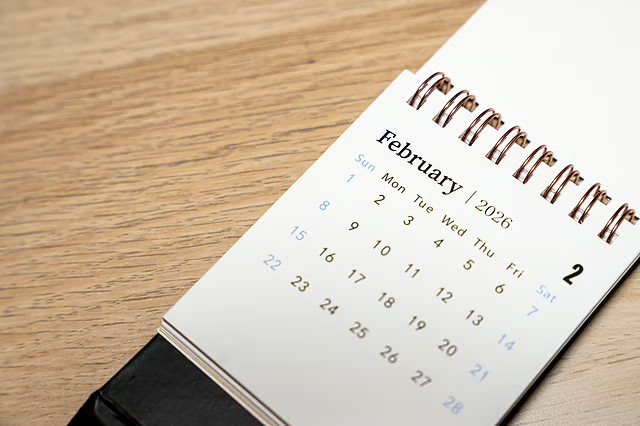
Is February 2026 really a once-in -283-years MiracleIn?

Algeria, Burkina Faso, Côte d’Ivoire win AFCON 2025 openers

NMC Royal Hospital, Khalifa City, performs rare wrist salvage, restoring function for young patient
-
Discover3 months ago
Is February 2026 really a once-in -283-years MiracleIn?
-
 Football4 months ago
Algeria, Burkina Faso, Côte d’Ivoire win AFCON 2025 openers
-
 Health3 months ago
NMC Royal Hospital, Khalifa City, performs rare wrist salvage, restoring function for young patient
-
 Health4 months ago
Bascom Palmer Eye Institute Abu Dhabi and Emirates Society of Ophthalmology Sign Strategic Partnership Agreement
-

 Health5 months ago
Emirates Society of Colorectal Surgery Concludes the 3rd International Congress Under the Leadership of Dr. Sara Al Bastaki
-

 Health5 months ago
Born Too Soon: Understanding Premature Birth and the Power of Modern NICU Care
-

 Lifestyle5 months ago
Saudi Arabia Lifestyle Trends 2025: What You Need to Know About Fitness, Wellness, Healthy Eating & Self-Care Growth
-

 Football5 months ago
Globe Soccer Awards 2025 nominees announced as voting opens in Dubai