
Health
three types of workouts to reduce lower back pain
Daily Mail
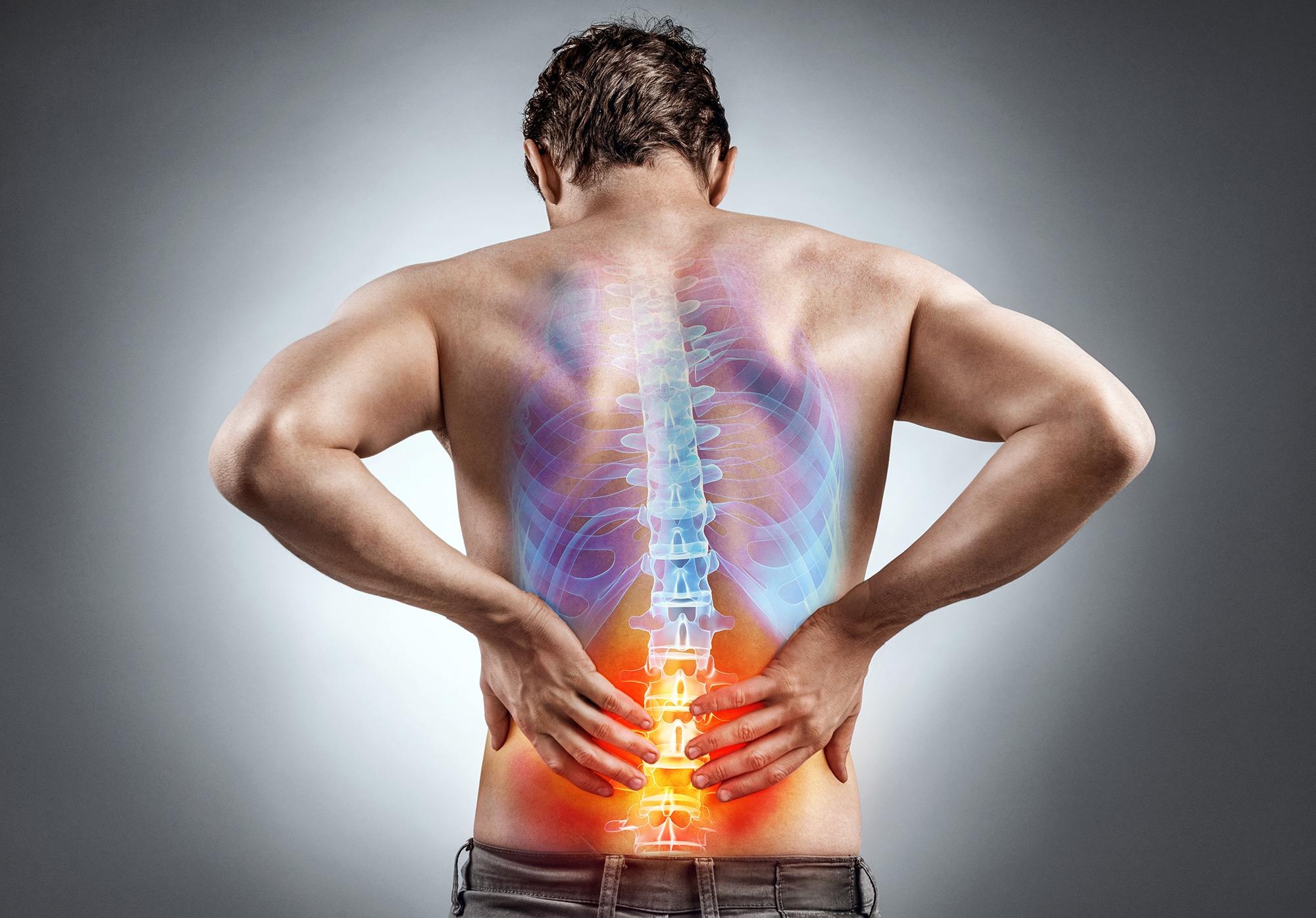
It’s an ache that most of us will suffer at some point – and for millions, it can be relentless.
Globally, more than 600 million adults experience some form of back pain, making it the leading cause of disability worldwide, according to the World Health Organization.
NHS figures show that eight in ten people in the UK will endure it at some point. While most cases are not serious and resolve within a few weeks, for others the pain can drag on for months or even years.
A survey by the British Chiropractic Association found that half of Britons have suffered back pain for a year or longer.
Now an orthopaedic surgeon has revealed three simple home workouts that she says can help ease discomfort, strengthen the spine and reduce the chances of pain returning.
Dr Pamela Mehta, from Resilience Orthopaedics in the US, says the key is to build core strength, improve flexibility and keep muscles active.
‘For most people with back pain, the best exercises are ones that strengthen your core and improve mobility through your hips,’ she told HuffPost.
For years, patients were told that bed rest was the best remedy. But this approach has long been debunked.
According to Johns Hopkins Medicine, ‘rest in bed as little as possible’. It warns: ‘Too much bed rest weakens your muscles and could slow your recovery. Get up and move around as soon as you can.’
However, it adds that you should pay attention to pain and twinges, and stop to rest if needed, as ‘your body may be trying to prevent you from harming your back.’
The NHS advises seeing a GP if back pain doesn’t improve after a few weeks, is severe, interferes with daily activities or is getting worse. You should seek urgent medical advice or call 111 if you have a fever, lose weight unexpectedly, notice a lump or change in back shape, or if pain worsens at night, spreads to the upper back or is triggered by sneezing, coughing or using the toilet.
Otherwise, the guidance is to stay active, continue with day-to-day activities, take painkillers such as ibuprofen, use ice or heat packs, and do stretches.
Dr Mehta’s prescription involves three simple categories: stretching, strengthening and aerobic exercise.
1. Stretching
If you’ve ruled out a slipped disc – when a soft cushion of tissue between the bones of the spine bulges outwards – the cause is often soft-tissue strain. This accounts for about eight in ten cases of back pain and occurs when tiny muscles in the back are pulled or irritated.
These muscles don’t need rest – they need gentle movement.
‘Start with simple stretches like cat-cow or child’s pose to ease stiffness and get the spine moving,’ says Dr Mehta.
The cat-cow stretch, inspired by yoga, involves getting on all fours with hands aligned under shoulders. Breathe in as you drop your belly and lift your head to look upwards – the ‘cow’ position. Then exhale as you arch your back towards the ceiling and tuck your chin to your chest – the ‘cat’ position. Repeat slowly several times to release tension from neck to lower spine.
The child’s pose begins from a kneeling position. Stretch your arms straight ahead, rest your forehead on the floor (or on a pillow if needed) and keep your bottom on your heels.
Both moves help relieve tightness in muscles surrounding the spine, which, according to Harvard Health, can worsen back pain when left tense.
2. Core strengthening
Next come the core-strengthening exercises, which stabilise the spine and reduce strain on the lower back.
Dr Mehta suggests starting with bridges, which help keep the spine aligned. Lie on your back with knees bent and feet flat on the floor, hip-width apart. Inhale deeply, then lift your hips until your body forms a straight line from shoulders to knees. Hold for five to ten seconds, then exhale as you lower your hips back down slowly. Increase the hold time as your strength improves.
Another useful move is the bird-dog. Begin on all fours, hands under shoulders. Inhale, then as you exhale, extend your right arm forward and your left leg back simultaneously, keeping your core tight and back flat. Return to start and repeat on the opposite side.
Finally, planks – a staple of most core routines – can be performed for 15 to 60 seconds depending on your fitness level. Start on elbows and knees, lock your hands together, then straighten your legs so your body forms a straight line from head to heels. Don’t let your back arch or your bottom lift. Build up the time gradually.
3. Aerobic activity
The last component is aerobic or cardiovascular exercise, which improves circulation, strengthens supporting muscles and helps prevent stiffness.
While it may sound counter-intuitive, walking can be one of the best remedies. A 2025 study found that walking for at least 100 minutes per week lowered the risk of developing chronic low back pain by 23 per cent.
Dr Mehta recommends ‘low-impact aerobics’ such as walking, swimming or using an elliptical machine, which keep muscles active without jarring joints.
‘What matters most,’ she adds, ‘is consistency and good form.’
If the pain lingers beyond a few weeks, or if you experience shooting pain down your leg, she says it’s important to seek medical advice.
In rare cases, persistent back pain can be a sign of something more serious.
When back pain signals something sinister
The NHS warns that, occasionally, back pain may be a symptom of cancer.
Last month, Leak Kalkan, a 23-year-old student from West Yorkshire, revealed how her persistent back pain – dismissed for years as sciatica – turned out to be caused by a tumour.
She saw her GP several times a week, describing debilitating pain that left her unable to function. Despite multiple scans and referrals, she was repeatedly told her symptoms were due to a slipped disc.
In 2023, a hard lump ‘the size of a grapefruit’ appeared on her lower back. When her GP refused to assess private scans carried out abroad, she sought another opinion and was finally diagnosed with Ewing sarcoma, a rare form of cancer.
Her story is a reminder that while most back pain is harmless and treatable, it should never be ignored if it persists, worsens, or comes with other unusual symptoms.
As Dr Mehta says: ‘For the majority of people, the right combination of movement, stretching and strength training can make a huge difference. Your back needs to move to heal.’
Health
Safe Blood Donation Before, During, and After Ramadan – Medical Guidelines by Dr. Ganesh Dhanuka

By Dr. Ganesh Dhanuka
Specialist Internal Medicine and Nephrology
International Modern Hospital
Blood donation remains one of the most impactful humanitarian acts, capable of saving multiple lives with a single unit of blood. However, during the holy month of Ramadan, many individuals question whether it is safe to donate while fasting and how to properly prepare for donation.
From a medical standpoint, blood donation is generally safe for healthy individuals. Nevertheless, appropriate preparation — especially in the context of fasting — is essential to minimize risks such as dizziness, dehydration, or hypotension.
This article outlines evidence-based recommendations for blood donation before, during, and after Ramadan, along with its physiological, psychological, and societal benefits.
Preparing for Blood Donation Before Ramadan
Proper preparation significantly reduces the risk of adverse effects during donation. Individuals planning to donate should:
Nutritional Preparation
Consume a balanced meal rich in iron and protein approximately 2–3 hours before donating. Iron-rich foods such as lean red meat, spinach, lentils, beans, and fortified cereals help maintain adequate hemoglobin levels. Protein supports plasma volume and recovery.
Avoid donating on an empty stomach, as this increases the likelihood of lightheadedness and vasovagal reactions.
Hydration Status
Adequate hydration is critical. Donors should:
- Increase water intake the day before donation.
- Drink extra fluids on the day of donation.
Proper hydration helps maintain blood pressure and reduces the risk of fainting.
Sleep and Lifestyle Factors
- Ensure 6–8 hours of quality sleep the night before.
- Avoid alcohol for at least 24 hours prior to donation.
- Refrain from strenuous physical activity before donation.
Medical Disclosure
Bring valid identification and honestly disclose:
- Any chronic medical conditions.
- Current medications.
- Recent illnesses or procedures.
Transparency ensures donor safety and protects recipients.
What to Expect During Blood Donation
The blood donation process is generally straightforward and takes about 10–15 minutes for the actual collection.
During donation:
- Stay calm and breathe normally.
- Avoid sudden movements.
- Inform medical staff immediately if you experience dizziness, nausea, sweating, blurred vision, or weakness.
- Follow all staff instructions carefully.
Most temporary reactions, when they occur, are mild and resolve quickly with rest and hydration.
Post-Donation Care and Recovery
The post-donation period is crucial for safe recovery.
Immediate Aftercare
- Rest at the donation center for 10–15 minutes.
- Accept fluids and light refreshments provided.
- Avoid standing up abruptly.
The Next 24 Hours
- Increase fluid intake significantly.
- Consume iron-rich foods to replenish red blood cell production.
- Avoid heavy lifting for 24 hours.
- Avoid strenuous exercise on the same day.
- Avoid alcohol for several hours after donation.
If dizziness occurs, lie down and elevate your legs until symptoms resolve.
Food
Foods That Look Healthy for Weight Loss (But Actually Aren’t)

By Dr. Yara Husein (Food and Nutrition Expert)
Companies often use specific buzzwords on food labels to market products as healthy and weight-loss friendly options. In reality, these options can sometimes have the opposite effect. Here are some common foods and drinks that might be holding you back:
Fat-free dairy products
Many think that fat-free dairy products are ideal for dieting and do not contribute to weight gain. However, in truth, these products can cause weight gain because fat-free products are less satiating than their full-fat counterparts; fat is a nutrient that supports feelings of fullness and makes food more enjoyable. Furthermore, food manufacturers often replace fat with sugar in low-fat and fat-free products to compensate for the lost flavour. Beyond that, skimmed dairy products provide the body with fewer nutrients than full-fat products, because vitamins such as A, D, E, and K are fat-soluble vitamins that require fat to enter the body, be absorbed, and be utilized.
Gluten-free foods
While it is essential for people with gluten-related disorders to avoid gluten, gluten-free foods are not necessarily healthier than foods containing gluten. Some processed gluten-free foods and desserts contain the same amount of calories and added sugar—if not more—as other snacks. Studies, including a study published in the journal PeerJ, indicate that gluten-free snack foods tend to be lower in protein, fiber, and certain vitamins and minerals compared to their gluten-containing counterparts. They are also generally more expensive.
Breakfast cereals
Many people think that breakfast cereals are an ideal and healthy breakfast to start their day, but in reality, many cereals are made from refined grains that lack nutrients like protein and fiber, and they can contain a high percentage of added sugar. For example, Honey Nut Cheerios, which are marketed as heart-healthy, contain 12 grams of added sugar per cup. Eating large quantities of these and other cereals high in added sugar may lead to an increased risk of heart disease, high blood pressure, high triglyceride levels, and weight gain.
Energy and sports drinks
Companies market sports and energy drinks as ways to boost energy and athletic performance, but these drinks can contain a massive amount of sugar. Consequently, they can contribute to weight gain for people who consume them without performing intense physical exercise. For instance, a popular energy drink like Monster (473 ml) contains 54 grams of added sugar—a quantity much higher than the amount recommended by the American Heart Association (25g for women and 36g for men). Research, including a study published in the journal Pediatric Obesity, has linked the consumption of sweetened beverages to health problems, including high blood pressure, fatty liver, and obesity in children and adolescents.
Diet soda
When following a diet, many people may turn to sugar-free or calorie-free drinks, thinking they contribute to weight loss. However, studies indicate that diet soda may contribute to certain health problems by altering brain responses to food and increasing the desire to eat high-calorie foods such as sweets and fast food. A study published in the journal Nutrients linked the consumption of these drinks to a higher risk of metabolic syndrome, which is a group of symptoms that include increased belly fat, blood sugar, blood pressure, and blood lipid levels.
Health
Excessive Screen Time in Children: Digital Eye Strain, Myopia Risk, and Long-Term Vision Health

By Dr. Tahere Rezaei
Ophthalmologist
International Modern Hospital Dubai
In today’s digital era, children are spending unprecedented hours on tablets, smartphones, and social media platforms. From a clinical perspective, the impact of excessive screen exposure on pediatric eye health is becoming increasingly evident.
Ophthalmology clinics are witnessing a clear rise in complaints linked directly to prolonged device use. Children often hold screens very close to their eyes and remain intensely focused for extended periods without taking breaks. This sustained near work places continuous strain on the visual system, particularly on the eye muscles responsible for focusing.
The most immediate and common consequence is digital eye strain. Symptoms typically include:
- Headaches
- Eye fatigue
- Blurred vision
- Burning sensation
- Dryness due to reduced blinking
When children concentrate on screens, their blink rate significantly decreases. Reduced blinking leads to tear film instability, which contributes to dryness and irritation. Over time, persistent strain can affect visual comfort and academic performance.
Rising Concern: Childhood Myopia
Beyond temporary discomfort, there is a more serious long-term concern — the increasing prevalence of childhood myopia (short-sightedness).
Extended near work combined with limited outdoor exposure has been strongly associated with faster progression of myopia. Natural daylight and distance viewing play a protective role in visual development. When children spend most of their time indoors focusing on close objects, the eye adapts by elongating, leading to blurred distance vision.
Early-onset myopia is not simply about needing glasses. Higher degrees of myopia later in life increase the risk of:
- Retinal detachment
- Glaucoma
- Myopic macular degeneration
- Early cataracts
Preventing rapid myopia progression during childhood is therefore critical for long-term ocular health.
Screen Use and Sleep Disruption
Another clinically observed issue is the effect of screen exposure before bedtime. Blue light emitted from digital devices can suppress melatonin production, disrupting the natural sleep cycle. Poor sleep quality affects not only overall health but also visual comfort, concentration, and cognitive performance.
Children who use screens late at night frequently report:
- Difficulty falling asleep
- Morning eye discomfort
- Increased fatigue during the day
Sleep plays a vital role in ocular surface recovery and overall neurological health.
Supporting Healthy Visual Development
For optimal eye development, children require balanced visual habits. Key preventive measures include:
- Limiting continuous screen time
- Encouraging daily outdoor activity
- Maintaining proper room lighting
- Ensuring appropriate screen distance
- Practicing scheduled visual breaks (such as the 20-20-20 rule: every 20 minutes, look at something 20 feet away for 20 seconds)
Parents play a crucial role in modeling healthy screen behavior and establishing structured digital routines.
As Dr. Tahere Rezaei emphasizes, eye health in childhood directly influences long-term vision outcomes. Early awareness, prevention, and regular eye examinations are essential to protect children from avoidable visual complications in adulthood.
Healthy eyes today mean clearer vision for life.


Private Credit Investors Rush to Withdraw

UAE moves spring break for schools and universities

How Etihad Rail ferried 350+ UAE passengers back home with Saudi help

Is February 2026 really a once-in -283-years MiracleIn?

Algeria, Burkina Faso, Côte d’Ivoire win AFCON 2025 openers

Bascom Palmer Eye Institute Abu Dhabi and Emirates Society of Ophthalmology Sign Strategic Partnership Agreement
-
Discover1 month ago
Is February 2026 really a once-in -283-years MiracleIn?
-
 Football2 months ago
Algeria, Burkina Faso, Côte d’Ivoire win AFCON 2025 openers
-
 Health3 months ago
Bascom Palmer Eye Institute Abu Dhabi and Emirates Society of Ophthalmology Sign Strategic Partnership Agreement
-

 Health2 months ago
NMC Royal Hospital, Khalifa City, performs rare wrist salvage, restoring function for young patient
-

 Health4 months ago
Emirates Society of Colorectal Surgery Concludes the 3rd International Congress Under the Leadership of Dr. Sara Al Bastaki
-

 Football3 months ago
Globe Soccer Awards 2025 nominees announced as voting opens in Dubai
-

 Health4 months ago
Born Too Soon: Understanding Premature Birth and the Power of Modern NICU Care
-

 Health2 months ago
Decline in Birth Rate in the UAE