
Health
Fakeeh Health Achieves National Institute for Health Specialties (NIHS) Institutional Accreditation for Residency Training
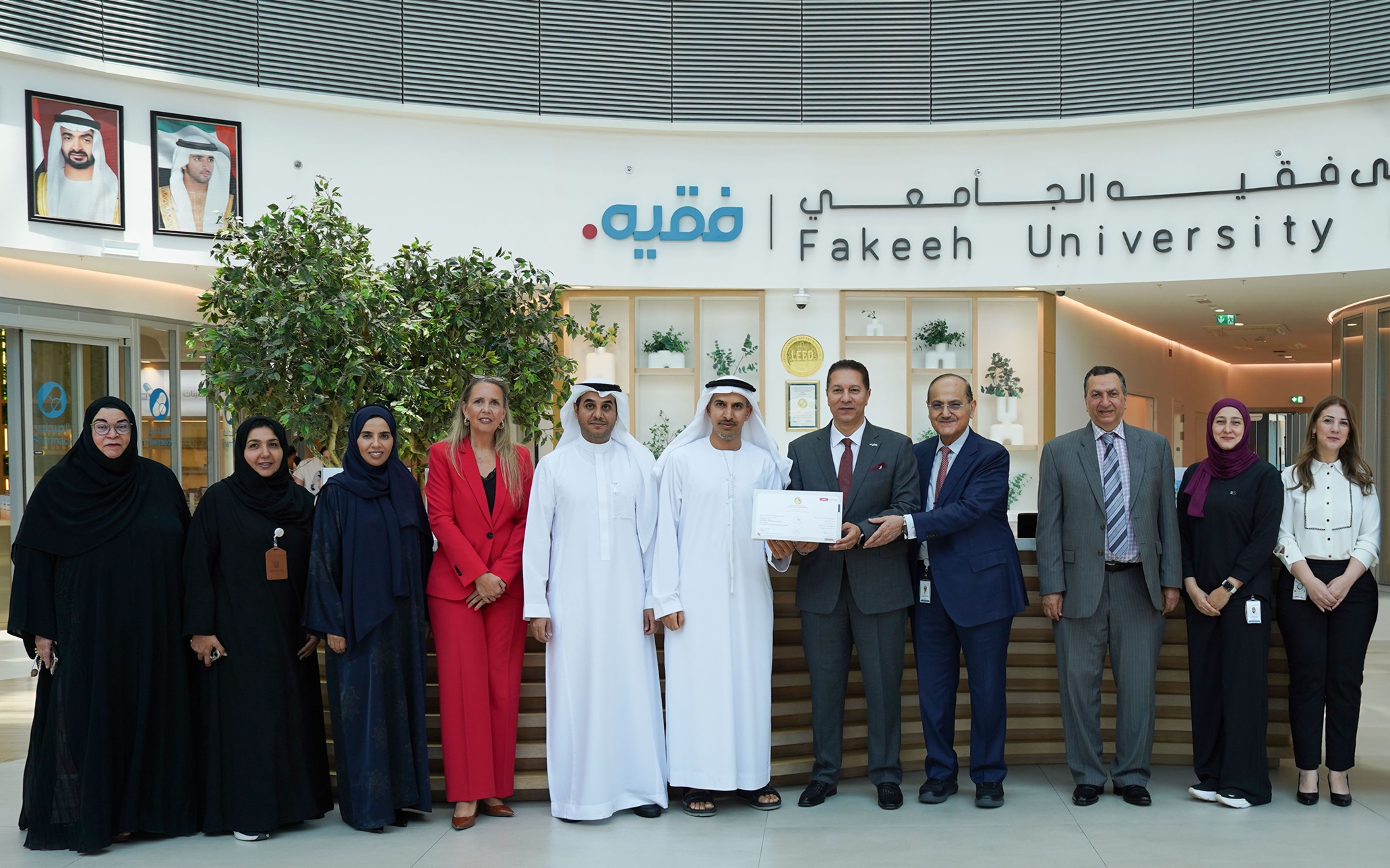
Fakeeh Health Achieves Institutional Accreditation from the National Institute for Health Specialties (NIHS) for Residency Training
Dubai, UAE – 13 July 2026
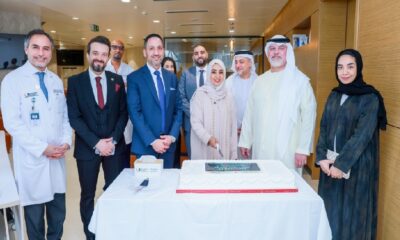
Fakeeh Health has been awarded the Institutional Accreditation by the National Institute for Health Specialties (NIHS), reinforcing its position as one of the UAE’s academic healthcare providers and marking another important milestone in its commitment to postgraduate medical education and the development of future specialist physicians. Dr. Mohammed Al Houqani, Secretary General of NIHS, presented the Institutional Accreditation certificate to Fakeeh University Hospital (FUH), noting that this accreditation demonstrates FUH’s compliance with rigorous national standards in postgraduate medical education (PGME). He said he was delighted to see a private hospital actively contributing to healthcare workforce development, adding that academic hospitals play an important role in improving healthcare by integrating clinical care, education, research and continuous quality improvement. The accreditation has been awarded to Fakeeh Health, encompassing FUH together with its network of Fakeeh Medical Centers, recognizing the organization as an approved institution for PGME training in the United Arab Emirates. This achievement follows the successful accreditation of Fakeeh University Hospital’s Medical Internship Program.
The National Institute for Health Specialties (NIHS) is the UAE’s national authority responsible for regulating and accrediting postgraduate medical education and residency training. Institutions awarded NIHS Institutional Accreditation are recognized for meeting rigorous national standards in educational governance, faculty development, resident support, patient safety, clinical learning environments, quality improvement and competency-based medical education.
For Fakeeh Health, the accreditation represents far more than regulatory recognition. It reflects the strength of an integrated academic ecosystem designed to prepare the next generation of physicians through structured residency programs, multidisciplinary clinical exposure and a culture of continuous learning across its healthcare network.
The comprehensive accreditation process assessed multiple aspects of the organization’s educational framework, including institutional leadership and governance, faculty engagement, resident wellbeing, assessment systems, research opportunities, simulation-based education, patient safety, quality improvement initiatives and the overall clinical learning environment.
Since launching its postgraduate medical education programs in collaboration with Dubai Health Authority in 2021, Fakeeh Health has steadily expanded its academic portfolio. Through structured residency and internship programs, competency-based education, faculty development initiatives and simulation-enhanced learning, the organization continues to invest in preparing highly skilled physicians capable of meeting the evolving healthcare needs of the UAE.
Residents training within Fakeeh Health benefit from diverse clinical experiences across Fakeeh University Hospital and its network of Fakeeh Medical Centers, allowing them to gain exposure to primary, secondary and tertiary care while learning within a patient-centered environment that promotes teamwork, innovation and evidence-based practice.
The accreditation also supports the UAE’s long-term vision of developing a sustainable national healthcare workforce and further strengthens Dubai’s position as a regional centre for advanced medical education and specialist training.
Dr. Mazen Fakeeh, Chairman Fakeeh Health, said:
“At Fakeeh Health, we believe that shaping the future of healthcare begins with investing in people. Educating and mentoring the next generation of physicians is one of our greatest responsibilities, and this accreditation reflects years of commitment to building an academic environment where education, clinical excellence and innovation work together. We are proud to contribute to the UAE’s vision of developing a highly skilled healthcare workforce while continuing to raise the standards of medical education across the region.”
Dr. Mohaymen Abdelghany, Group CEO & Board Member Fakeeh Health, and CEO Fakeeh University Hospital, said::
“This accreditation is an achievement for every member of the Fakeeh Health family. It reflects the dedication of our physicians, educators, faculty members and support teams who have worked together to create an outstanding learning environment for future specialists. By investing in high-quality medical education today, we are helping shape the physicians who will care for the communities of tomorrow. We will continue expanding our academic programs, strengthening clinical training and creating opportunities that enable future healthcare professionals to thrive.”
Dr. Mazen Abou Chaaban, Designated Institutional Official (DIO), said:
“Institutional Accreditation is an important validation of the strength of our educational governance, faculty engagement and learning culture. More importantly, it confirms that we have created an environment where residents are supported academically, professionally and personally throughout their training. Our goal is not only to develop competent specialists, but also compassionate physicians who embrace lifelong learning, professionalism and patient-centered care.”
Fakeeh Health expressed its appreciation to the National Institute for Health Specialties for its guidance throughout the accreditation process and acknowledged the dedication of its physicians, faculty members, educators, administrators and support teams whose collective efforts made this achievement possible.
Looking ahead, Fakeeh Health will continue expanding its residency and postgraduate medical education programs while strengthening academic collaborations, research and innovation across its healthcare network. The organization remains committed to preparing the next generation of healthcare professionals and supporting the UAE’s ambition to become a global leader in healthcare, medical education and clinical excellence.
About Fakeeh Health
Fakeeh Health is an integrated academic healthcare network comprising Fakeeh University Hospital and a growing network of Fakeeh Medical Centers across the UAE. By combining world-class patient care with medical education, research and innovation, Fakeeh Health is committed to developing future healthcare professionals while delivering exceptional, patient-centered care across every stage of the healthcare journey.
Academic Excellence at a Glance
NIHS Institutional Accreditation for Residency Training
NIHS-accredited Medical Internship Program
More than 600 undergraduate healthcare students trained annually
Structured residency, internship and clinical training programmes
Strong partnerships with leading national and international universities and healthcare institutions
Ongoing commitment to developing the UAE’s future healthcare workforce
For more information please visit our website:
Health
When Rheumatoid Arthritis Threatened Her Independence: How the Right Diagnosis Helped Her Get Her Life Back
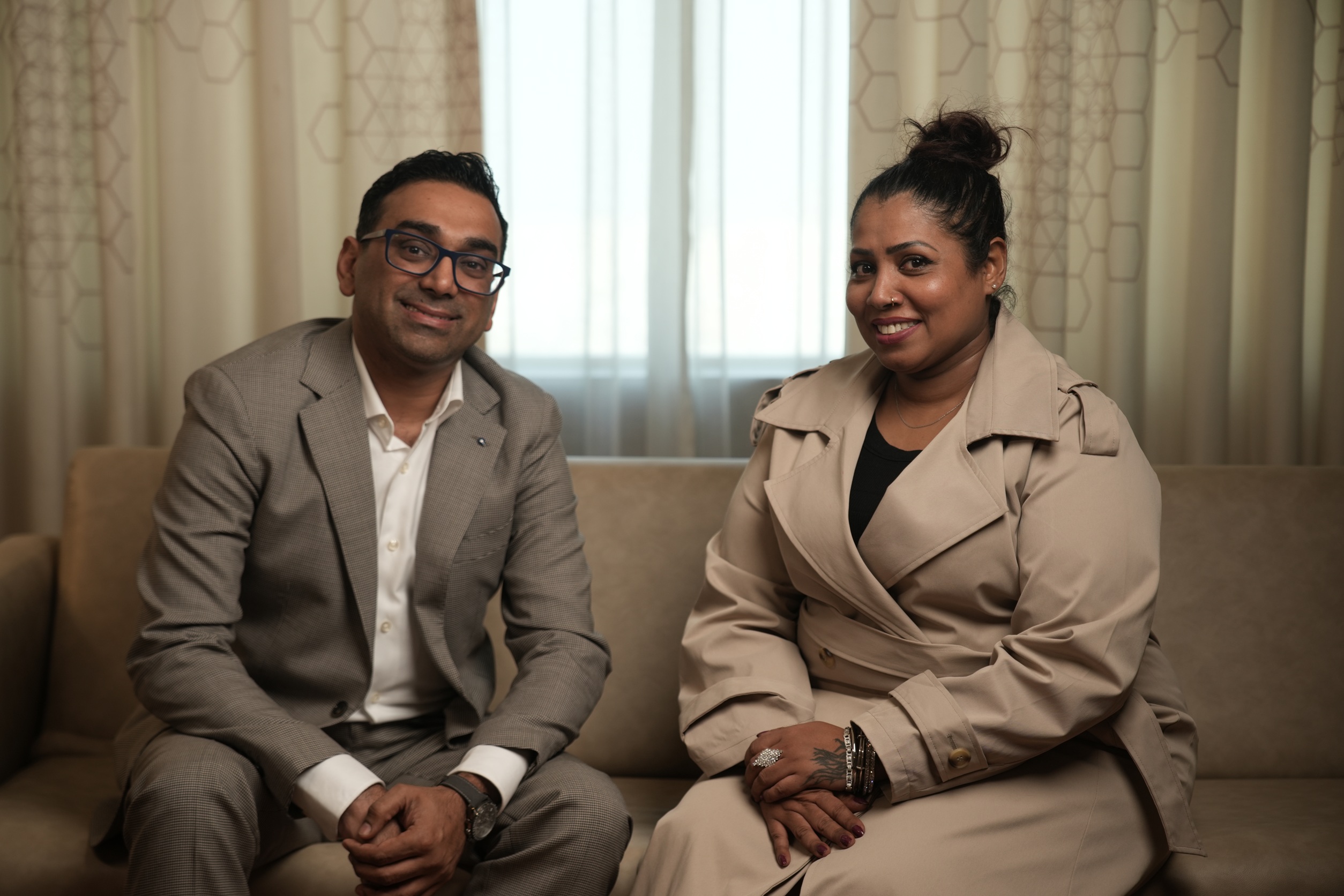
For a 45-year-old UAE resident, persistent pain and swelling turned out to be rheumatoid arthritis. Early recognition and treatment helped her return to work, driving and the family life she feared she might lose.
For Dilini Ayesha, driving is much more than a job.
For the 45-year-old mother of two, who has lived in the UAE for 16 years, driving is a profession she has built her independence around. For the past eight years, she has worked as a driving instructor at Emirates Driving Institute, including as a VIP instructor training people to drive larger vehicles and four-wheel drives.
She is also a mother to an adopted daughter and a five-year-old son.
So when unexplained pain and swelling suddenly began affecting her hands, her greatest fear was not simply the pain itself. It was the possibility that rheumatoid arthritis might prevent her from continuing to work and caring for her family independently.
Her journey began with what appeared to be an unrelated injury.
In December 2024, Dilini fell and injured her knee while helping a recovery truck load her vehicle. Several months later, she suffered another fall at home, causing a more significant knee injury. Following an MRI, she underwent ACL reconstruction and meniscal repair and spent around two and a half months recovering.
She was looking forward to returning to her normal routine.
But shortly after returning to work, she developed severe swelling and pain in both hands.
“At first, I thought it might be connected to my surgery or that it would settle down,” Dilini recalls. “But the pain kept getting worse.”
She was prescribed different painkillers, but the symptoms continued to progress. She eventually found herself struggling to grip a steering wheel or use her hands normally.
“For me, the pain felt like 15 out of 10,” she says. “I know that isn’t a normal pain scale, but that is honestly how it felt.”
The physical pain was accompanied by something else: fear.
“What if I can’t drive anymore? What if I can’t work anymore? How will I take care of my children?”
It was at this point that Dilini was referred to Dr Muhammad Azhar Abdullah, Consultant Rheumatologist at NMC Royal Hospital Sharjah.
Rather than assuming that the symptoms were simply part of her recovery from the knee injury, Dr Azhar investigated the underlying cause.
Clinical assessment and blood investigations pointed towards rheumatoid arthritis (RA) — a chronic autoimmune disease in which the immune system mistakenly attacks the lining of the joints, causing inflammation, pain and swelling.
“Rheumatoid arthritis is not simply wear and tear of the joints,” explains Dr Azhar. “It is an inflammatory autoimmune disease, and if the inflammation remains uncontrolled, it can progressively damage the joints. It can also be associated with problems affecting other parts of the body.”
For Dilini, receiving a diagnosis of rheumatoid arthritis finally provided an explanation for what was happening to her body.
“Having an answer was important to me,” she says. “When you don’t know what is happening to your own body, the fear becomes even bigger.”
Why recognising rheumatoid arthritis early matters
Rheumatoid arthritis can present differently from person to person, but persistent joint swelling, prolonged morning stiffness, pain and difficulty moving the affected joints should not simply be dismissed as ageing, overuse or ordinary aches and pains.
One important distinction is that not all arthritis is rheumatoid arthritis. Osteoarthritis, gout, psoriatic arthritis and other inflammatory rheumatic diseases can produce joint symptoms, but their causes and treatments are different.
That is why identifying the underlying condition matters.
In Dilini’s case, identifying rheumatoid arthritis allowed treatment to be started without waiting for further progression.
“Once we identified that she was dealing with rheumatoid arthritis, the priority was to control the inflammation and prevent further problems,” says Dr Azhar. “The aim of treatment in rheumatoid arthritis is not simply to reduce pain temporarily. It is to control the underlying disease, protect joint function and help the patient maintain her quality of life and independence.”
Her improvement was gradual rather than an overnight transformation.
Over the following weeks, the inflammation and pain began to settle. Her hand function and mobility improved, and by around the third week, Dilini was able to return to work.
She could once again hold the steering wheel.
She could work.
And she could return home and care for her children independently.
“I felt like I had been given my life back,” she says.
When treating rheumatoid arthritis means protecting a person’s dreams
This year’s World Arthritis Day campaign theme, “Achieve Your Dreams,” highlights the aspirations and goals of people living with rheumatic and musculoskeletal diseases. For Dilini, her dream was not complicated.
It was to continue working, driving and being there for her children.
Her experience demonstrates why early recognition of rheumatoid arthritis matters. The disease can cause permanent joint damage if inflammation remains uncontrolled, while it may also have effects beyond the joints.
“Patients sometimes wait because they think joint pain is something they simply have to live with,” says Dr Azhar. “Persistent swelling, prolonged morning stiffness or unexplained joint pain deserve medical assessment, particularly when symptoms are affecting everyday activities. The earlier we identify rheumatoid arthritis, the earlier we can discuss appropriate treatment and work towards controlling the disease.”
Today, Dilini is back behind the wheel and back to the life she feared she might lose.
“I am driving. I am working. I am taking care of my children,” she says. “I don’t take any of those things for granted anymore.”
Her message to others is simple:
“If you are experiencing unexplained pain, swelling or stiffness, please don’t ignore it. Get yourself checked. Sometimes, getting the right answer can be the beginning of getting your life back.”
For Dilini, that diagnosis did more than explain her symptoms.
It helped protect the life she had worked so hard to build.
Dr Muhammad Azhar Abdullah is Consultant Rheumatologist at NMC Royal Hospital Sharjah.
Health
Saudi German Hospital Dubai Launches Mental Health and Wellness Center for Children and Adolescents
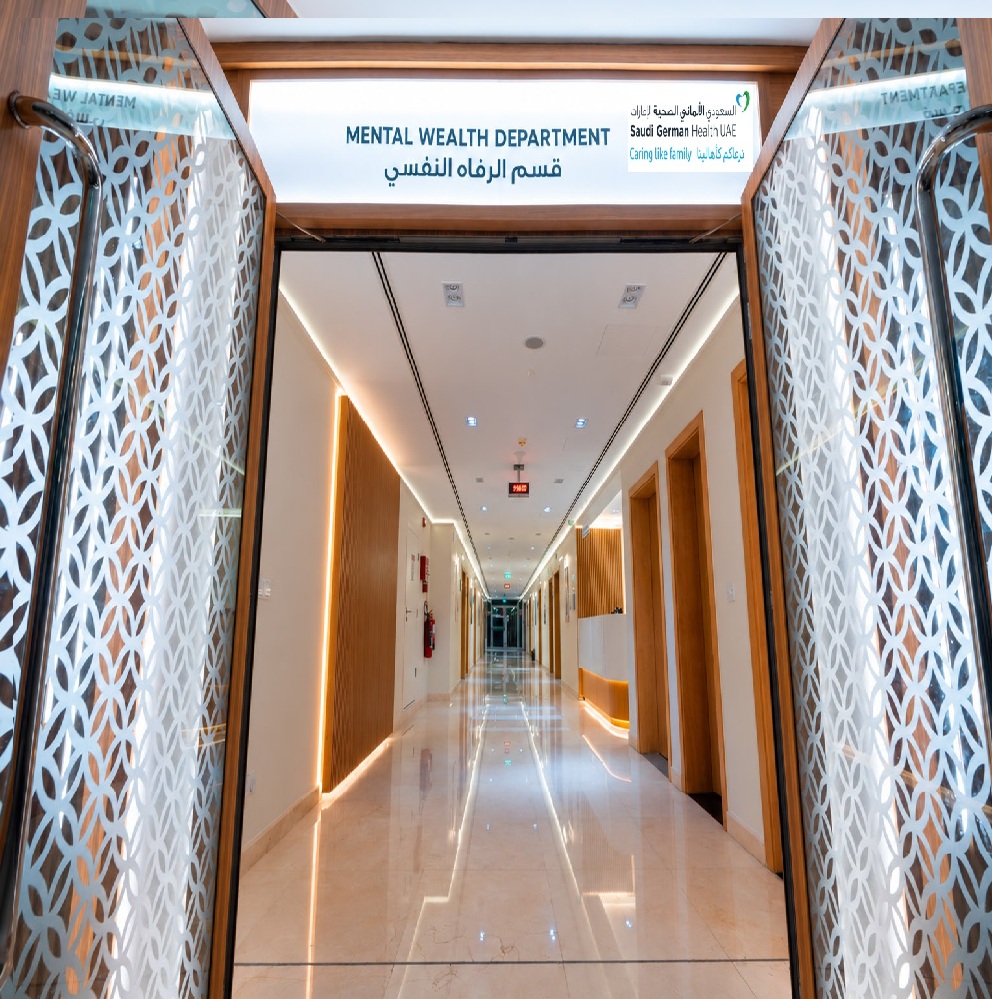
Saudi German Hospital Dubai Launches Mental Health and Wellness Center for Children and Adolescents
A comprehensive care system aligned with the Dubai Mental Wealth Framework
Dubai, United Arab Emirates – 10 October 2026
Saudi German Hospital Dubai has launched the Saudi German Mental Health & Wellness Hub, unveiled at an evening event at Raffles The Palm on 9 October 2026. The Hub is designed to end the fragmented experience many families face when navigating mental healthcare by bringing psychiatrists, psychologists and relevant hospital specialties together around a single, shared plan for each patient.
The Hub is designed as an ecosystem of comprehensive care, connecting prevention, early identification, specialist assessment, treatment, family support and ongoing follow-up through one coordinated plan for each patient. The model aligns with Dubai’s Mental Wealth Framework and its emphasis on prevention, early intervention, access to care and community wellbeing.
Child and adolescent mental health sits at the centre of the model. The Hub operates on the conviction that a child’s difficulties cannot be understood in isolation from their home, classroom and development, and that care should reflect all three.
Supporting children and families from the start
Services available at launch for children and adolescents include comprehensive psychiatric and psychological assessment; support for emotional, behavioural and developmental concerns; psychoeducational assessments for learning difficulties; ADHD assessment and management; and ASD assessment with individualised support across communication, social interaction and behaviour. Parent guidance and, where appropriate and with consent, collaboration with schools are built into the pathway — not offered as an afterthought.
Mental health care across every stage of life
Adult and older adult services include psychiatric assessment, medication management and individual therapy; treatment for depression, anxiety, OCD and related conditions; trauma-informed care for PTSD; geriatric psychiatry; couples and family counselling; addiction assessment and treatment; and community mental health education.
Speech and language therapy, occupational therapy and further developmental programmes are in development and will be confirmed once clinical staffing and readiness are in place.
Dr Ahmed Eissa, Group CEO of Saudi German Health UAE, said: “Many families come to us after years of seeing different specialists who never spoke to each other. A child gets one diagnosis here, a referral there, and the parents are left to hold it all together. We designed this Hub as an ecosystem of comprehensive care, bringing psychiatry, psychology and related specialties together around one plan, from early identification to treatment, follow-up and family support. This approach supports the objectives of Dubai’s Mental Wealth Framework and helps more people access coordinated mental healthcare at every stage of life.”
The Hub’s clinical team brings expertise in adult, child and adolescent, and addiction psychiatry; clinical psychology; psychoeducational and neurodevelopmental assessment; psychotherapy; and couples and family counselling. Team members carry international experience from the UAE, Australia, Saudi Arabia and Egypt, with a specific commitment to culturally and linguistically responsive care.
As part of Saudi German Hospital Dubai, the Hub has direct access to other medical specialties when physical and mental health needs intersect — an advantage that standalone clinics cannot easily replicate.
________________________________________
About Saudi German Health UAE
Saudi German Health UAE is part of the regional Saudi German Health network, providing hospital, multidisciplinary and specialist medical services through its facilities in Dubai, Sharjah and Ajman. Guided by its Caring Like Family philosophy, the group places people and their needs at the centre of the healthcare experience.
For more information or to book an appointment
www.saudigerman.com/psychiatry-mental-health-clinics/
Call: 800 2211
Media Contact
Awareness Marketing Management DWC LLC
Mourad Alsayed
murad.mustafa@awarenessupr.com | +971 58 814 4155
Health
Beyond Uniforms and Lunchboxes: Is Your Child Healthy and Ready for School?
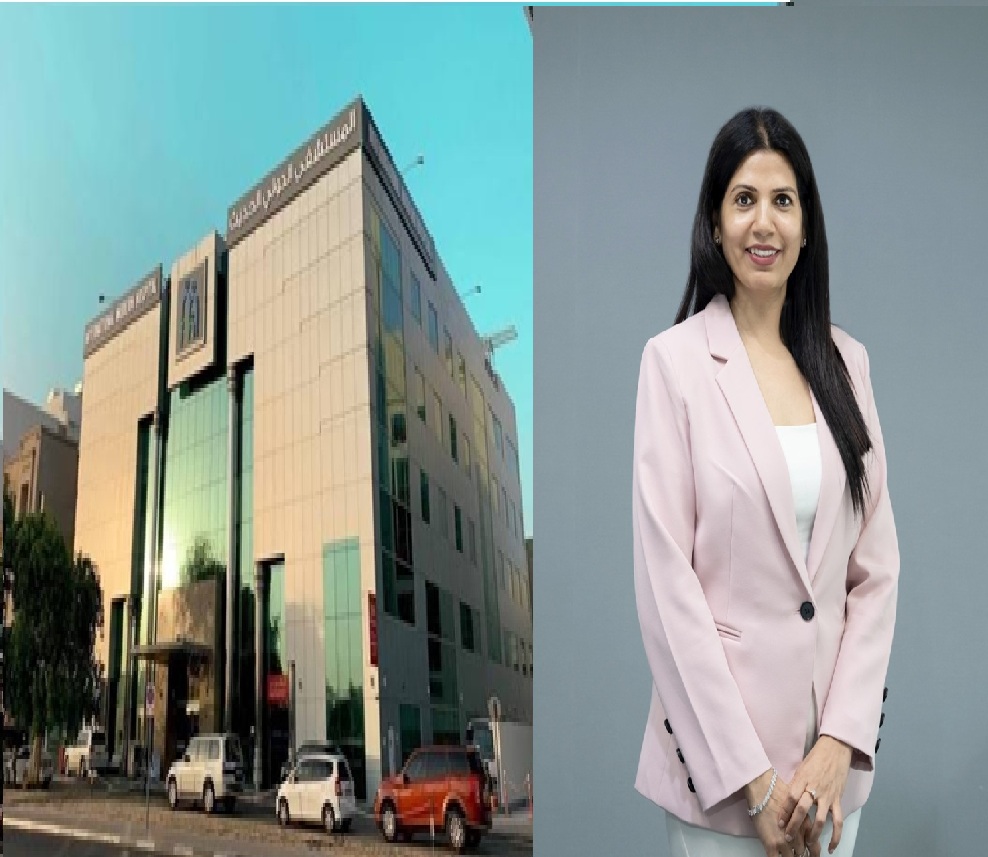
By Dr. Mamata Bothra, Specialist Pediatrician and Neonatologist, International Modern Hospital, Dubai
With schools reopening on August 25, parents across the UAE are busy preparing uniforms, books, shoes and lunchboxes. But before the school bag is packed, it is worth asking one more important question: Is my child healthy and ready for the new academic year?
As a pediatrician and neonatologist, I encourage parents to use the remaining days before school as an opportunity for a simple health review. This does not mean carrying out a long list of unnecessary medical tests. Instead, it is about identifying any health concerns that could affect a child’s learning, energy, development or overall well-being.
Start with vaccinations and medical needs
Begin by checking your child’s vaccination record. Make sure all routine vaccinations are up to date and that no recommended doses have been missed. Parents should also speak with their child’s doctor about the seasonal influenza vaccine.
If your child has a chronic medical condition or requires regular medication, ensure prescriptions are current and that the school has the necessary medical information, medicines and emergency action plan.
A routine pediatric check-up can also be valuable, particularly if your child has not been assessed recently. During the appointment, the pediatrician can evaluate growth, height, weight, blood pressure, physical development, nutrition and general health.
It is also an opportunity to discuss concerns that may have been postponed during the holidays, including recurrent headaches or abdominal pain, constipation, frequent infections, breathing difficulties, snoring, fatigue, poor appetite or unexplained changes in behaviour and school performance.
Preventive pediatric visits should not focus solely on vaccinations. They also provide an opportunity to discuss a child’s learning, behaviour, development, emotional health and any age-appropriate screening needs.
Does your child need tests for iron or vitamin deficiencies?
Iron deficiency deserves particular attention because it can affect a child’s energy, concentration and neurodevelopment. However, this does not mean that every healthy school-aged child needs to undergo a large “vitamin panel” before returning to school.
The decision to perform blood tests should be based on the child’s age, diet, growth, symptoms and individual risk factors.
Children who follow restrictive, vegetarian or vegan diets, have poor nutrition, consume excessive amounts of milk, have a chronic illness or are not growing as expected may require further assessment. Persistent tiredness, pale skin, weakness and difficulty concentrating can also indicate the need for medical evaluation.
When testing for possible iron deficiency is clinically indicated, particularly in adolescents, a complete blood count and serum ferritin test may be useful.
Similarly, testing for vitamin D, vitamin B12 or other nutritional deficiencies should be guided by the child’s medical history, diet, symptoms and clinical examination—not performed routinely for every child.
Do not overlook vision and hearing
A child who cannot see the board or hear the teacher clearly may appear inattentive when the real problem is sensory.
Possible signs of a vision problem include squinting, sitting very close to screens, rubbing the eyes, experiencing frequent headaches, holding books unusually close, struggling to read, turning the head to one side or showing an unexplained decline in school performance.
For hearing, parents should watch for frequent use of the word “What?”, increasing the television volume, difficulty following instructions, failing to respond when called or a history of recurrent ear infections.
Not every concentration problem is an attention disorder. Before labelling a child as inattentive, we should first make sure the child can see clearly, hear properly and sleep well.
Dental health affects learning too
A dental check-up is worthwhile if your child has not visited a dentist recently, particularly if there is toothache, sensitivity, bleeding gums, persistent bad breath or visible tooth decay.
Dental pain can interfere with eating, sleeping, concentration and school attendance.
Parents should also remember that a school lunchbox does not need to become a travelling sweet shop. Encourage children to brush regularly with fluoride toothpaste and limit frequent sugary snacks and drinks.
Reset the body clock before school begins
If your child’s bedtime has gradually moved towards midnight during the holidays, do not expect them to fall asleep at 9pm on the night before school.
Start adjusting bedtime and wake-up time gradually before classes begin. School-aged children generally require nine to 12 hours of sleep each night, while teenagers usually need eight to 10 hours.
Insufficient sleep does not always appear simply as tiredness. In some children, it may cause irritability, hyperactivity, poor concentration, mood changes or behavioural difficulties.
Prioritise balanced food and hydration
A nutritious breakfast and balanced diet can help children begin the school day with energy and concentration. Aim to include a variety of protein, whole grains, fruits and vegetables while reducing highly processed food and sugary drinks.
Hydration is especially important in the UAE’s climate. Send your child to school with a water bottle and encourage regular drinking throughout the day rather than waiting until they feel very thirsty. Water should remain the main drink.
A practical back-to-school health checklist
Before August 25, parents should consider the following questions:
- Vaccinations: Are all routine vaccinations up to date?
- Growth: Is my child’s height and weight progressing appropriately?
- Iron and nutrition: Is there a dietary risk or unexplained fatigue that requires assessment?
- Vision: Can my child see the board and read comfortably?
- Hearing: Can my child hear clearly and follow instructions?
- Dental health: Is there any pain, sensitivity or untreated dental problem?
- Sleep: Has my child’s routine returned to school timings?
- Food and water: Is my child eating a balanced diet and drinking enough water?
- Chronic conditions: Are medicines, prescriptions and school action plans updated?
- Development and behaviour: Have there been changes in learning, concentration, mood or behaviour that require attention?
Parents do not need to panic or turn the back-to-school season into a medical examination marathon. The objective is not to find a problem in every child. It is to ensure that an existing concern does not go unnoticed.
A new uniform may prepare a child for the classroom, but adequate sleep, balanced nutrition, clear vision, good hearing, healthy teeth and timely medical care prepare that child to learn.
This year, before asking, “Have you packed your school bag?”, perhaps ask one more question:
“Are you healthy, rested and ready for the year ahead?”


When Rheumatoid Arthritis Threatened Her Independence: How the Right Diagnosis Helped Her Get Her Life Back

Saudi German Hospital Dubai Launches Mental Health and Wellness Center for Children and Adolescents

Dubai Gold Designers Business Group unveils strategy to expand global market access for Dubai-based jewellery designers

Araghchi, Oman Sultan discuss transit, stability in Muscat

UAE’s café culture keeps growing despite price pressure

Netflix to Livestream BTS Comeback Concert
-
 politics6 months ago
Araghchi, Oman Sultan discuss transit, stability in Muscat
-
 UAE10 months ago
UAE’s café culture keeps growing despite price pressure
-
 Entertainment8 months ago
Netflix to Livestream BTS Comeback Concert
-
 Discover9 months ago
Is February 2026 really a once-in -283-years MiracleIn?
-

 Football10 months ago
Algeria, Burkina Faso, Côte d’Ivoire win AFCON 2025 openers
-

 Health9 months ago
NMC Royal Hospital, Khalifa City, performs rare wrist salvage, restoring function for young patient
-
 Health10 months ago
Bascom Palmer Eye Institute Abu Dhabi and Emirates Society of Ophthalmology Sign Strategic Partnership Agreement
-

 Health11 months ago
Emirates Society of Colorectal Surgery Concludes the 3rd International Congress Under the Leadership of Dr. Sara Al Bastaki