
Health
Breastfeeding: The First Gift That Lasts a Lifetime By Dr. Mamata Bothra Specislist Pediatrician & Pediatric Neurologist at International Modern Hospital Dubai
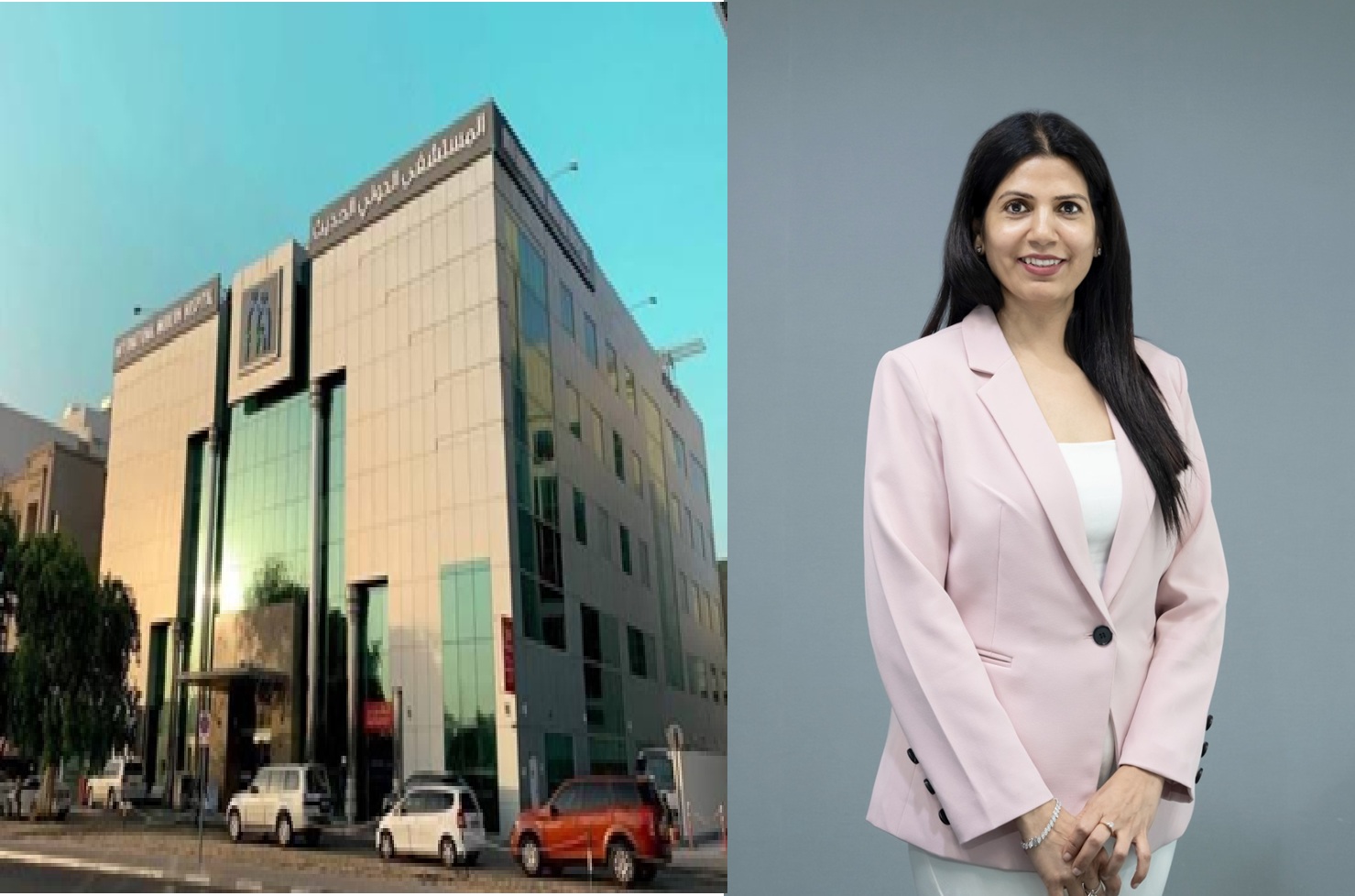
WORLD BREASTFEEDING WEEK (1st–7th August)
Breastfeeding: The First Gift That Lasts a Lifetime By Dr. Mamata Bothra Specislist Pediatrician & Pediatric Neurologist at International Modern Hospital Dubai
It’s 2 a.m. Your newborn has just fed… again. Grandma thinks the baby is still hungry. Google says one thing. Instagram says another. A well-meaning aunt suggests formula. Dad is trying to make tea while wondering if babies actually sleep. And you’re asking yourself… “Doctor… am I doing something wrong?” If this sounds familiar, welcome to parenthood! Every year, from 1st to 7th August, the world celebrates World Breastfeeding Week, a global campaign coordinated by the World Alliance for Breastfeeding Action (WABA) in partnership with the World Health Organization (WHO)and UNICEF. It is a reminder that while breastfeeding is the most natural way to nourish a baby, it is not always easy—and no mother should have to do it alone. This year’s World Breastfeeding Week theme is “Breastfeeding for a Sustainable Start in Life: Strengthen What Works”. announced by WABA reinforcing the global commitment to protect, promote and support breastfeeding through families, healthcare systems, workplaces and communities. The WHO recommends exclusive breastfeeding for the first six months of life, followed by appropriate complementary foods while continuing breastfeeding up to two years of age or beyond, as long as mother and child wish. Here in the UAE, where families come from every corner of the world, I meet new parents every day who bring different traditions, beliefs and advice from home. Yet despite our diverse cultures, the questions are surprisingly similar—and so are the worries. The Golden Hour… One Hour That Can Change a Lifetime One of the most beautiful moments in medicine happens quietly. A newborn is placed on the mother’s chest immediately after birth. The baby slowly lifts the head, searches, and instinctively finds the breast. No instructions. No YouTube videos. No parenting apps. Just nature doing what it has perfected over millions of years. This precious first hour, known as the Golden Hour, helps regulate the baby’s temperature, breathing and blood sugar while strengthening the bond between mother and baby. It also encourages successful breastfeeding and improves long-term health outcomes. Then come those precious first drops of milk—colostrum. Often called Nature’s First Vaccine, colostrum is rich in antibodies, immune cells and growth factors that protect babies from infections and help build a healthy immune system from the very first day of life. More Than Food… Breastfeeding is Love in Its Purest Form Breastfeeding isn’t simply about filling a tiny stomach. It comforts a frightened baby. Calms pain after a vaccination. Provides warmth during illness. Strengthens emotional security. And quietly builds the baby’s brain and immune system with every single feed. Research continues to show that breastfed babies have lower rates of diarrhea, pneumonia, ear infections, allergies, obesity, diabetes and several chronic diseases later in life. Breastfeeding has also been linked with improved cognitive development and emotional wellbeing. The benefits don’t stop with babies. For mothers, breastfeeding helps the uterus recover after delivery, reduces postpartum bleeding, supports recovery, and lowers the long-term risk of breast cancer, ovarian cancer, type 2 diabetes and heart disease. Simply put… Breastfeeding is one of the few interventions that improves the health of two people at the same time. Confessions from a Pediatrician’s Clinic… After years of caring for newborns, I’ve noticed something rather amusing. The babies are usually quite relaxed. It’s the parents who look like they’ve just sat for an exam they never prepared for! Every clinic day begins with questions like… “Doctor, my baby wants milk every hour.” “Doctor, my milk looks watery.” “Doctor, my breasts suddenly feel soft… has my milk dried up?” “Doctor, it’s so hot in Dubai. Should I give water?” “Doctor… everyone at home has a different opinion!” My answer usually starts with a smile. “Congratulations! Your baby is behaving exactly like… a baby.” Let’s Clear Up Some Common Confusion Newborns have tiny stomachs,Breast milk is digested quickly, so feeding every one to three hours is completely normal. Frequent feeding does not mean your milk is inadequate; it is simply how babies stimulate the body to produce more milk. One of the conversations I have almost every day with new mothers begins with the same worry: “Doctor, I don’t think I have enough milk.” I gently reassure them, “No mother starts with bottles full of milk on the first day.” Nature doesn’t work that way. In the first few days after birth, your body produces small amounts of colostrum—those precious golden drops often called nature’s first vaccine. Although the quantity seems tiny, it is exactly what your newborn needs because a baby’s stomach is small initially. As your baby suckles more frequently, your body receives the signal to produce more milk. It’s a beautiful demand-and-supply system—the more effectively the baby feeds, the more milk is produced. Over the next few days, your milk gradually increases to meet your baby’s growing needs. One of the most fascinating aspects of breastfeeding is that breast milk is uniquely designed for your own baby. It changes not only from one month to another, but from one feed to the next, and even during the course of the day. It provides the perfect balance of water, nutrients, healthy fats, proteins, antibodies, hormones and immune factors that your baby needs at that particular stage of growth. Nature truly has no better nutritionist than a mother’s own body. Living in the UAE, another concern I hear almost daily is whether babies need water during our intense summer heat. The answer is reassuring. Healthy babies who are exclusively breastfed do not need additional water during the first six months of life—even during the UAE summer. Breast milk is nearly 88% water and provides all the hydration a healthy infant requires. Many mothers also worry when their breasts begin to feel softer after a few weeks. That is actually good news. It usually means your body has become more efficient at making milk—not that the milk has disappeared. And then there are grandparents… Bless them! Their advice comes from love. Sometimes… not from science. “Your milk looks thin.” “The baby cried once—give formula.” “The baby isn’t sleeping for four hours.” Fortunately, babies don’t judge milk by its appearance. Breast milk naturally changes throughout a feed. The early milk ( foremilk)satisfies thirst, while the richer hindmilk provides energy and healthy fats. Nature got it right long before social media arrived. Seven Practical Tips Every New Parent Should Know 1. Watch your baby—not the clock. Feed when your baby shows hunger cues such as rooting, sucking on hands or lip smacking.Check for activity, cry and hydration. 2. Count wet diapers—not opinions. Six or more urine wet diapers each day after first few days usually indicate good feeding. 3. Every baby is different. Please don’t compare your baby’s feeding with your neighbour’s baby. 4. Ask for help early. A painful latch can usually be corrected quickly if addressed early. 5. Stay hydrated and nourished. A healthy mother is better equipped to care for a healthy baby. 6. Rest whenever you can. Laundry will wait. Babies won’t. 7. Trust yourself. Mothers often know their babies better than they realise. Dear Fathers… This Part Is Especially for You You may not be able to breastfeed. But you can become the greatest breastfeeding supporter in the house. Bring her water. Prepare a meal. Change nappies. Rock the baby after feeds. Protect her rest. Tell her she’s doing an incredible job. Sometimes the best breastfeeding support doesn’t come from milk. It comes from love. When Should You Call Your Pediatrician? Seek medical advice if your baby is unusually sleepy, refusing feeds, passing fewer than six wet diapers after the first week, developing fever, persistent jaundice or poor weight gain. Mothers should also seek help if breastfeeding is persistently painful, if there is breast redness, fever or concerns regarding milk supply. Remember… Most breastfeeding challenges are temporary. Most can be solved. And most mothers simply need reassurance rather than replacement feeding. A Message to Every Mother Dear Mum, If you’ve ever cried because breastfeeding felt difficult… If you’ve doubted yourself… If you’ve searched Google at 3 a.m.… If you’ve wondered whether you’re enough… Please know this. You are learning. So is your baby. Give yourselves grace. Because breastfeeding isn’t about perfection. It’s about patience, practice and love. As pediatricians, we prescribe antibiotics, inhalers and medicines every day. But perhaps the most powerful prescription we can ever write for a new mother is confidence. To simply look at her and say… “You’re doing better than you think.” This World Breastfeeding Week, let us replace myths with science, criticism with encouragement, and pressure with compassion. Because breastfeeding is not merely the baby’s first meal. It is the first vaccine. The first cuddle. The first comfort. The first promise of lifelong health. “When we support breastfeeding, we don’t just nourish one baby—we build a healthier generation, one family at a time.” Happy World Breastfeeding Week! “A mother’s confidence is often the best medicine a newborn can receive. Support her, encourage her, and together we give every child the healthiest possible beginning.” — Dr. Mamata Bothra, Specialist Pediatrician & Neonatologist
Health
Fakeeh Health and Boston Health AI sign strategic agreements to give clinicians more time with their patients
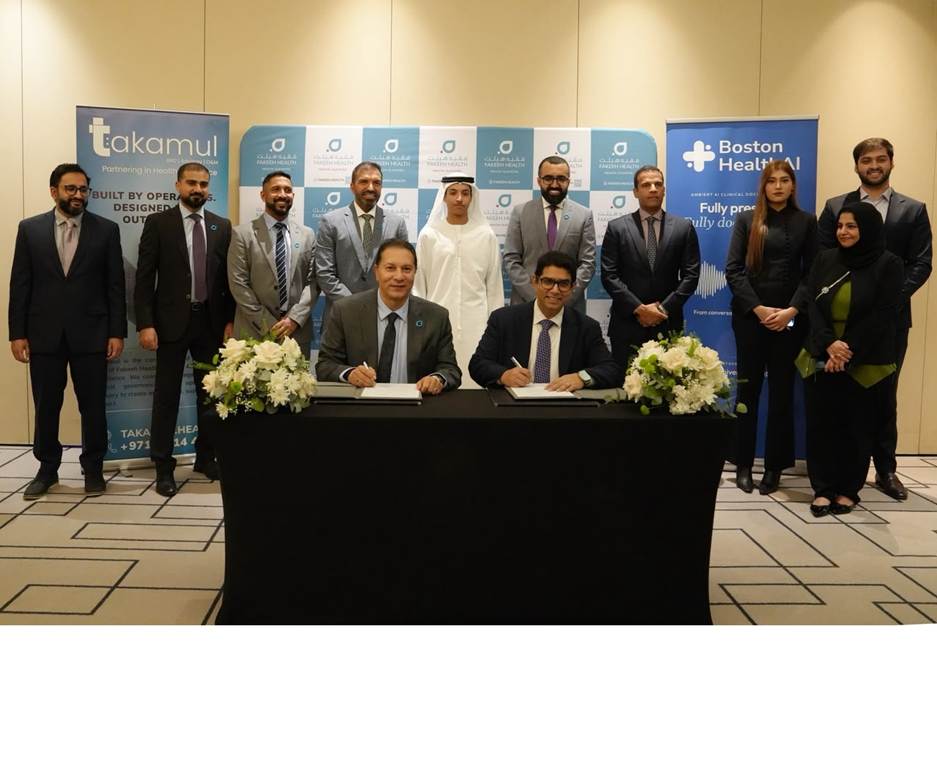
Two agreements will bring AI-supported clinical documentation to Fakeeh Health, and Takamul Innovative Solutions will partner with Boston Health AI to open a new path for healthcare innovation built in the UAE, for the UAE and the region
Dubai, UAE – 21 November 2026: In the presence of Sheikh Ahmed bin Hasher bin Ahmed Al Maktoum, Fakeeh Health and Boston Health AI have signed two strategic agreements on the sidelines of the 5th Annual Fakeeh Health International Conference. Together, they will introduce AI-supported clinical documentation across Fakeeh Health and, through Takamul Innovative Health Solutions, jointly develop new AI solutions for healthcare providers in the UAE and the region.
Technology that serves the physician and the patient
The first agreement is about giving clinicians more time for what matters most: their patients. By taking on routine documentation in the background, AI will help physicians focus on the person in front of them, while the physician remains in control of the clinical record. Patient data stays in the UAE and is protected in line with national regulations.
The second agreement looks further ahead. Takamul and Boston Health AI will work together to develop new solutions that help healthcare providers work more efficiently, and to build local expertise in clinical AI through education and research.
Dr. Mohaymen Abdelghany, Group CEO and Board Member of Fakeeh Health and CEO of Fakeeh University Hospital, said: “Our philosophy of Care & Beyond puts the patient at the centre of every decision, and that starts with the doctor’s full attention. With Boston Health AI, we are giving our physicians more time with patients, and through Takamul we will build new AI solutions together for healthcare providers across the UAE and the region, in line with Dubai’s vision for a digitally enabled healthcare system.”
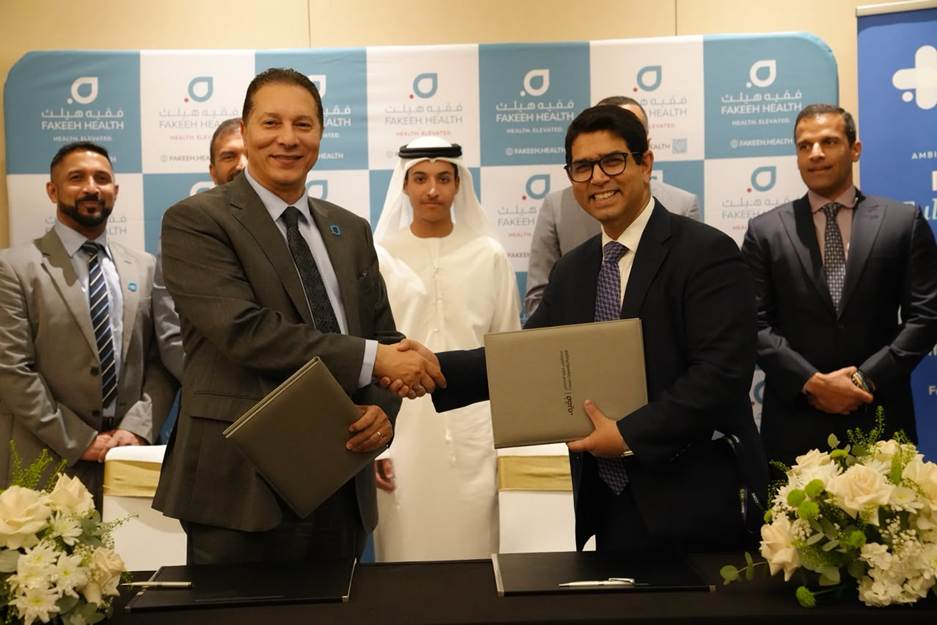
Dr. Adil Haider, Founder and Chief Executive Officer of Boston Health AI, said: “Physicians did not go into medicine to type. Fakeeh Health shares our belief that technology should give clinicians their time back, which makes it the right partner not only to deploy our platform but to build the next generation of clinical AI with us. We are proud to build in the UAE, with a local team and with patient data that stays in the country.”
The agreements support the UAE National Strategy for Artificial Intelligence 2031 and the Dubai Universal Blueprint for Artificial Intelligence.
For more information please visit our website: Fakeeh Health – Advancing Healthcare with Excellence
– Ends –
About Fakeeh Health
Fakeeh Health is a UAE healthcare group, brought to the UAE by the founders of Fakeeh Care Group, building on more than four decades of clinical excellence, research and innovation. Its flagship, Fakeeh University Hospital in Dubai Silicon Oasis, is a smart academic hospital that brings together clinical care, medical education and research.
About Takamul Innovative Health Solutions
Takamul Innovative Health Solutions is Fakeeh Health’s healthcare services company. It provides consulting, operations and business services to healthcare providers in the UAE.
About Boston Health AI
Boston Health AI is a clinical AI company founded by surgeon-scientist Dr. Adil Haider. Its platform, developed by physicians and engineers, supports care teams across the patient journey, with clinical authority always resting with the physician. For more information, visit www.bostonhealth.ai.
Health
Fakeeh Health Brings Global Experts to Dubai to Explore the Future of AI and Robotic Surgery
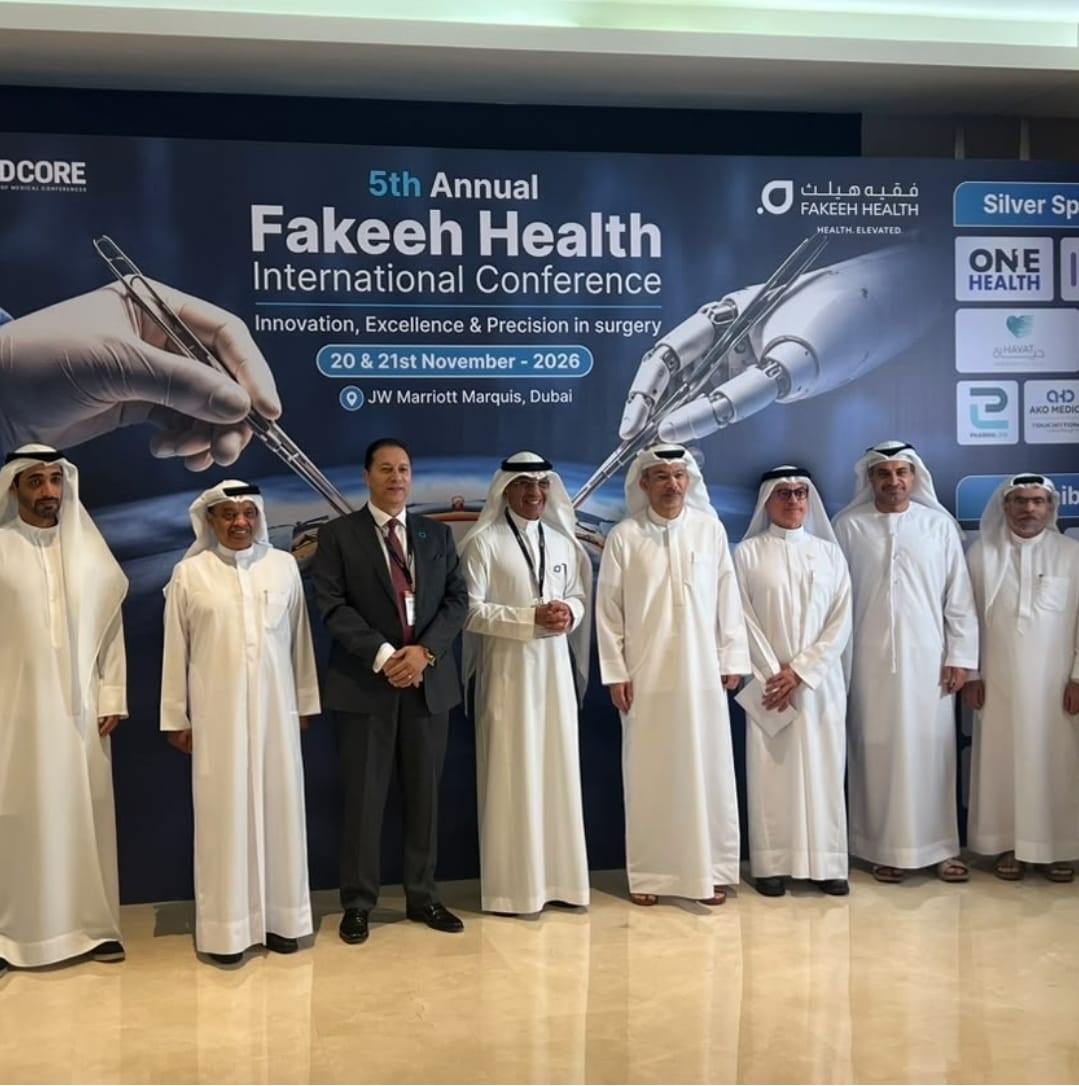
Fifth Annual Fakeeh Health International Conference opens in Dubai, bringing together international specialists to explore artificial intelligence, robotic-assisted surgery and the next generation of precision medicine
Dubai, UAE – 20 November 2026: Fakeeh Health opened its Fifth Annual International Conference today in Dubai, bringing together international medical experts, leading surgeons and healthcare professionals to explore how artificial intelligence, robotic technologies and advances in precision surgery are transforming modern healthcare and creating new opportunities to improve patient outcomes.
The two-day conference, taking place on November 20–21 at JW Marriott Marquis Dubai under the theme “Innovation, Excellence & Precision in Surgery,” is being held in collaboration with MedCore Global Conferences. The gathering provides a platform for scientific exchange, international collaboration and discussions on the future of advanced surgical care.
The conference opened against the backdrop of rapid technological developments across the global healthcare industry, with artificial intelligence, robotic-assisted procedures and minimally invasive surgical techniques increasingly influencing how medical professionals diagnose conditions, plan complex operations and manage patient recovery.
As hospitals worldwide accelerate their adoption of advanced medical technologies, the conference is examining how healthcare institutions can integrate these innovations responsibly into clinical practice while maintaining the highest standards of patient safety, clinical effectiveness and quality of care.
Dr. Mohaymen Abdelghany, Group CEO and Board Member of Fakeeh Health UAE and CEO of Fakeeh University Hospital, said the rapid evolution of artificial intelligence and robotics is creating a new era in surgical medicine.
“Artificial intelligence and robotic-assisted surgery are no longer concepts of the distant future. They are already transforming the way healthcare professionals approach diagnosis, surgical planning and complex medical procedures. The challenge for healthcare institutions today is not simply to acquire advanced technologies, but to understand how to integrate them responsibly and effectively into clinical practice to deliver measurable improvements in patient outcomes,” said Dr. Abdelghany.
“Dubai has positioned itself as a forward-looking healthcare destination, and we believe medical institutions have an important responsibility to support this vision through scientific collaboration, continuous education and responsible innovation. Through this conference, Fakeeh Health aims to connect international expertise, encourage the exchange of knowledge and explore how precision surgery and emerging technologies can contribute to safer procedures, fewer complications and faster recovery for patients.”
The conference’s scientific programme covers developments across a broad range of surgical specialties, including neurosurgery, orthopaedics, oncology, transplantation and reconstructive surgery, with particular attention to technological innovations that are changing the management of complex medical conditions.
Artificial intelligence is among the central topics being discussed, particularly its applications in medical imaging, surgical planning, clinical decision support and personalised treatment strategies. International experts are examining how intelligent systems can assist healthcare professionals in analysing complex clinical information and improving the precision of surgical interventions.
Robotic-assisted surgery is also receiving significant attention, with discussions exploring its potential to support minimally invasive procedures, enhance surgical control and improve precision in technically demanding operations.
Alongside technological developments, the conference highlights the continuing importance of surgical expertise, multidisciplinary teamwork and professional training. Participants are discussing how healthcare institutions can prepare medical teams for the next generation of surgical technologies while ensuring that innovation remains firmly grounded in clinical evidence and patient safety.
The event also provides opportunities for collaboration between international specialists and healthcare professionals in the UAE, allowing participants to exchange clinical experiences, examine emerging scientific evidence and discuss the practical challenges associated with adopting advanced technologies in everyday healthcare settings.
For Fakeeh Health, the conference reflects its commitment to advancing medical education, supporting clinical excellence and strengthening collaboration between healthcare professionals and institutions.
The gathering also reinforces Dubai’s growing role as a regional and international hub for healthcare innovation, medical knowledge exchange and advanced clinical practice.
As the conference continues through November 21, discussions are focusing on one of the most important questions facing modern healthcare: how hospitals can harness the capabilities of artificial intelligence and robotics while preserving the essential role of human expertise, clinical judgement and compassionate patient care.
The Fifth Annual Fakeeh Health International Conference continues tomorrow, November 21, at JW Marriott Marquis Dubai, with further scientific sessions and discussions exploring the innovations shaping the future of surgery.
For more information please visit: https://www.fuh.care/
Health
Abu Dhabi Hosts Leading International Surgeons for 4th Emirates International Colorectal Congress
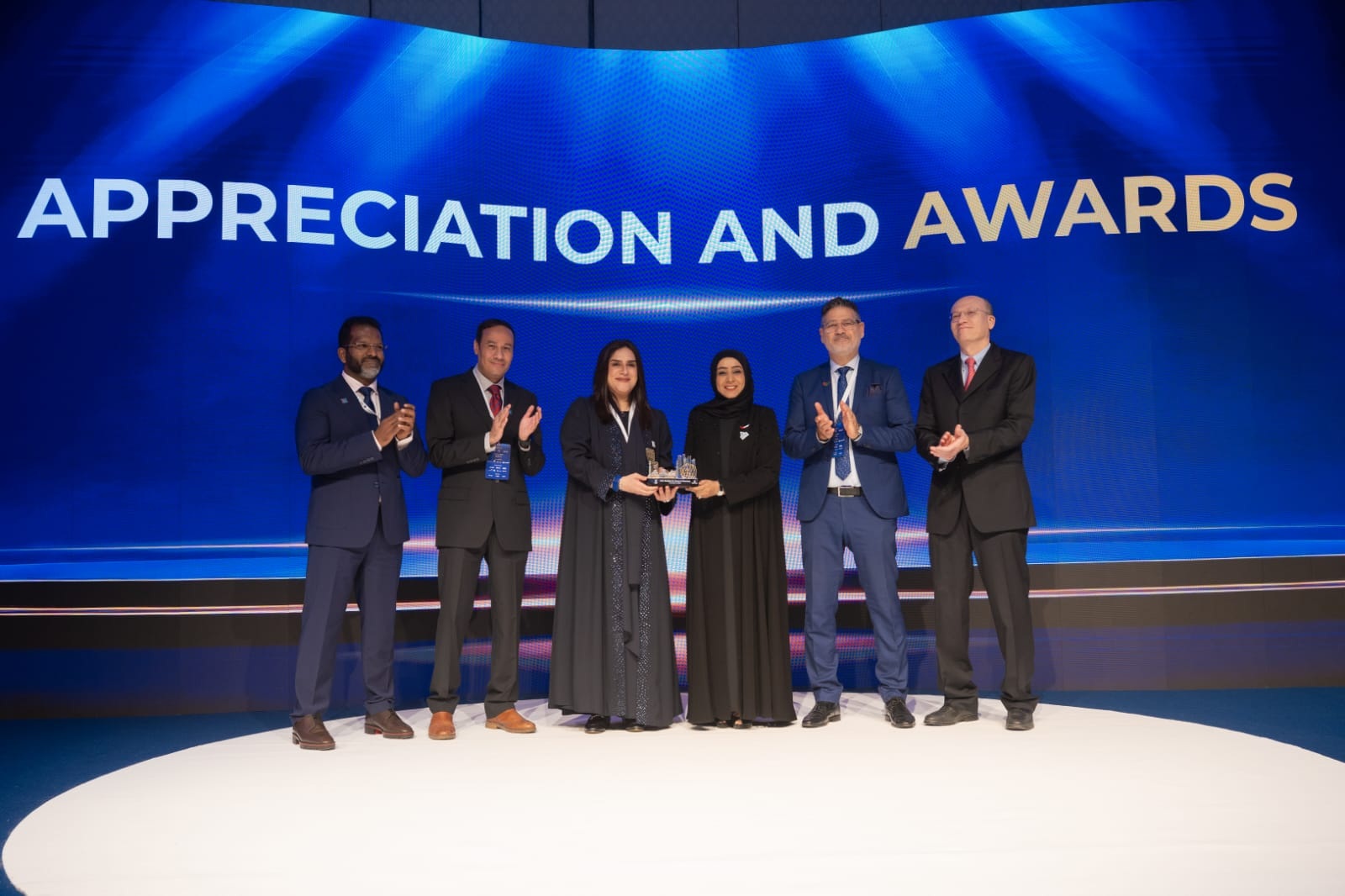
Five-day scientific and surgical training programme highlights advances in robotic surgery, colorectal cancer treatment and complex colorectal conditions
Abu Dhabi, UAE – 20 November 2026: The 4th Emirates International Colorectal Congress officially opened today in Abu Dhabi, bringing together leading international surgeons, medical experts and healthcare professionals to explore the latest innovations in robotic-assisted surgery, advanced colorectal cancer treatments, inflammatory bowel diseases and complex surgical procedures.
Organised by the Emirates Society of Colon and Rectal Surgery (ESCRS), the congress is taking place from 20 to 22 November at Conrad Abu Dhabi Etihad Towers, as part of an expanded five-day scientific and educational programme running from 19 to 23 November 2026.
The event combines specialised scientific discussions with advanced hands-on surgical training, reflecting the UAE’s growing position as a regional and international hub for medical excellence, surgical innovation and knowledge exchange.
The official opening ceremony featured an address by Dr Sara Al Bastaki, President and Founder of the Emirates Society of Colon and Rectal Surgery and Congress Chair, alongside a keynote address by Sheikha Dr Noura Al Qassimi, President of the Emirates Medical Association. The ceremony also included an appreciation and awards segment, followed by a tour of the accompanying medical exhibition.
Dr Sara Al Bastaki highlighted that the fourth edition marks an important milestone in the congress’s development, reflecting the rapid progress taking place across the UAE in specialised surgical care and advanced medical technologies.
“Through this congress, we aim to further strengthen the UAE’s position as a regional and global centre for medical excellence and scientific knowledge exchange. By bringing together leading international surgeons and experts, we are highlighting the latest innovations in colorectal surgery, particularly robotic-assisted procedures and advanced treatments for complex conditions,” said Dr Al Bastaki.
“What distinguishes this year’s edition is its integration of scientific knowledge with practical surgical training, alongside stronger collaboration across medical specialties. This approach creates new opportunities to enhance surgical expertise, adopt advanced treatment practices and ultimately improve the quality of healthcare and patient outcomes,” she added.
Advanced approaches to complex and emergency colorectal surgery
The first day of the congress, 20 November, focuses on complex and emergency colorectal surgical conditions, including challenging injuries and the latest surgical approaches to diverticular disease, a condition that can lead to serious complications requiring surgical intervention.
International experts are presenting advances in surgical techniques and discussing effective approaches to managing complicated cases, with particular emphasis on clinical decision-making, reducing complications and improving treatment outcomes.
The dedicated programme also provides an opportunity for surgeons to exchange practical experiences and examine evolving treatment strategies for cases requiring highly specialised surgical expertise.
Medical treatment or surgery? Experts debate inflammatory bowel disease management
On 21 November, the congress turns its attention to inflammatory bowel diseases, particularly Crohn’s disease and ulcerative colitis, examining the latest developments in medical management and surgical intervention.
A key highlight is a scientific debate bringing together gastroenterologists and colorectal surgeons to address one of the most challenging questions in inflammatory bowel disease management: When should patients continue medical treatment, and when does surgery become the more appropriate option?
The discussions explore the importance of selecting the right treatment at the right time, particularly for patients with chronic or complicated conditions who may not respond adequately to medication.
Experts are also highlighting the importance of multidisciplinary collaboration in developing personalised treatment strategies that minimise complications, improve long-term outcomes and enhance patients’ quality of life.
Robotic surgery and the future of colorectal cancer treatment
The third scientific day, 22 November, is dedicated to advances in colorectal cancer treatment, with particular emphasis on robotic-assisted surgery and emerging surgical technologies.
Leading specialists are examining how robotic surgical systems can enhance precision, control and flexibility during complex procedures, supporting surgeons in performing technically demanding operations.
The sessions also explore the latest innovations in robotic surgical platforms and their potential to improve surgical planning, operative techniques and clinical outcomes.
In addition, international experts are reviewing emerging approaches to colorectal cancer surgery and discussing how advances in surgical technology and specialist training are shaping the future of cancer treatment.
Advanced surgical training and multidisciplinary collaboration
A distinguishing feature of this year’s congress is its expanded educational programme, which includes two specialised workshops held before and after the main scientific sessions.
On 19 November, Khalifa University hosted an advanced pre-congress surgical workshop for young surgeons, led by experienced specialists from the United States and Saudi Arabia.
The hands-on programme focused on developing practical surgical skills, introducing advanced techniques and providing participants with opportunities to learn directly from internationally recognised experts.
A second specialised workshop will take place on 23 November in collaboration with the Emirates Obstetrics and Gynecology Society, focusing on the diagnosis and surgical repair of obstetric anal sphincter injuries associated with vaginal childbirth.
The workshop aims to strengthen physicians’ expertise in advanced repair techniques, improve postnatal care and reduce the risk of long-term complications affecting women’s health and quality of life.
By bringing together colorectal surgeons, gastroenterologists, obstetricians, gynaecologists and international medical experts, the congress highlights the increasing importance of multidisciplinary collaboration in addressing complex medical conditions.
The expanded fourth edition underscores the UAE’s commitment to advancing specialised healthcare, supporting continuous medical education and strengthening international scientific partnerships.
Through its combination of expert-led discussions, surgical innovation and practical training, the congress aims to contribute to the development of colorectal surgical practices and improved patient care across the UAE and the wider region.
For more information please visit: https://escrs.ae/


Fakeeh Health and Boston Health AI sign strategic agreements to give clinicians more time with their patients

Fakeeh Health Brings Global Experts to Dubai to Explore the Future of AI and Robotic Surgery

Abu Dhabi Hosts Leading International Surgeons for 4th Emirates International Colorectal Congress

Araghchi, Oman Sultan discuss transit, stability in Muscat

UAE’s café culture keeps growing despite price pressure

Netflix to Livestream BTS Comeback Concert
-
 politics7 months ago
Araghchi, Oman Sultan discuss transit, stability in Muscat
-
 UAE11 months ago
UAE’s café culture keeps growing despite price pressure
-
 Entertainment10 months ago
Netflix to Livestream BTS Comeback Concert
-
 Discover10 months ago
Is February 2026 really a once-in -283-years MiracleIn?
-

 Football11 months ago
Algeria, Burkina Faso, Côte d’Ivoire win AFCON 2025 openers
-

 Health11 months ago
NMC Royal Hospital, Khalifa City, performs rare wrist salvage, restoring function for young patient
-

 world7 months ago
Epstein files on display at New York pop-up exhibit, all 3.5 million pages
-

 Health1 year ago
Emirates Society of Colorectal Surgery Concludes the 3rd International Congress Under the Leadership of Dr. Sara Al Bastaki