
Health
Beyond Uniforms and Lunchboxes: Is Your Child Healthy and Ready for School?
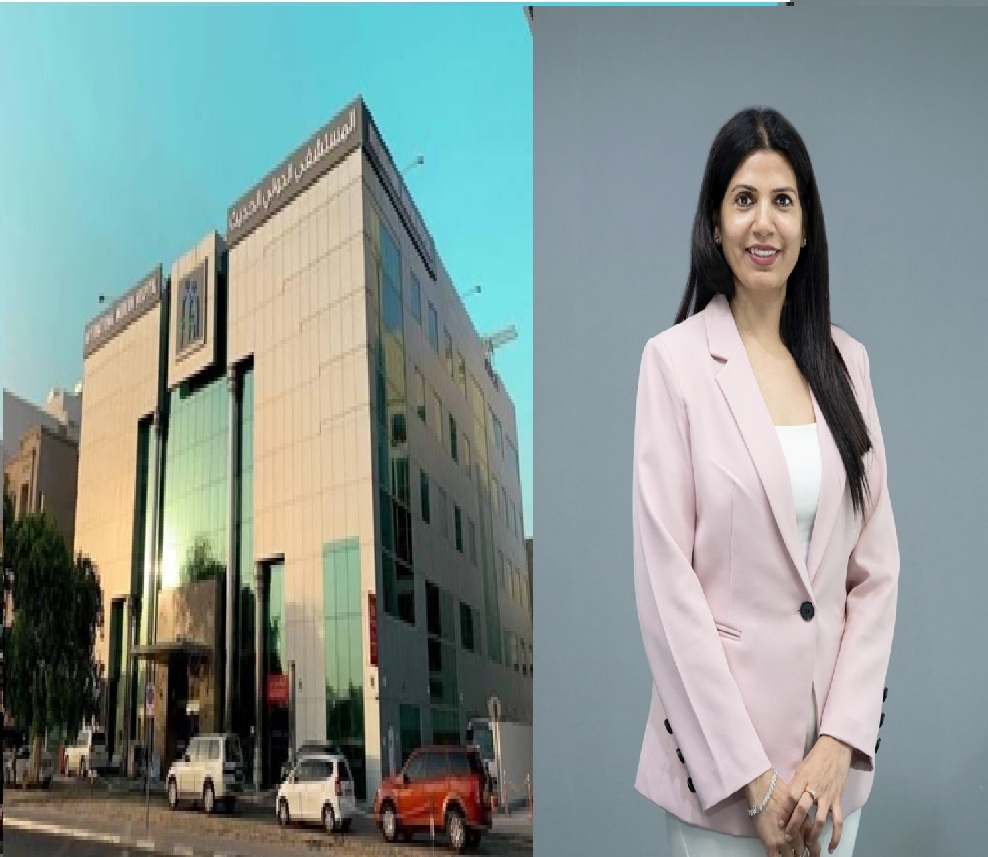
By Dr. Mamata Bothra, Specialist Pediatrician and Neonatologist, International Modern Hospital, Dubai
With schools reopening on August 25, parents across the UAE are busy preparing uniforms, books, shoes and lunchboxes. But before the school bag is packed, it is worth asking one more important question: Is my child healthy and ready for the new academic year?
As a pediatrician and neonatologist, I encourage parents to use the remaining days before school as an opportunity for a simple health review. This does not mean carrying out a long list of unnecessary medical tests. Instead, it is about identifying any health concerns that could affect a child’s learning, energy, development or overall well-being.
Start with vaccinations and medical needs
Begin by checking your child’s vaccination record. Make sure all routine vaccinations are up to date and that no recommended doses have been missed. Parents should also speak with their child’s doctor about the seasonal influenza vaccine.
If your child has a chronic medical condition or requires regular medication, ensure prescriptions are current and that the school has the necessary medical information, medicines and emergency action plan.
A routine pediatric check-up can also be valuable, particularly if your child has not been assessed recently. During the appointment, the pediatrician can evaluate growth, height, weight, blood pressure, physical development, nutrition and general health.
It is also an opportunity to discuss concerns that may have been postponed during the holidays, including recurrent headaches or abdominal pain, constipation, frequent infections, breathing difficulties, snoring, fatigue, poor appetite or unexplained changes in behaviour and school performance.
Preventive pediatric visits should not focus solely on vaccinations. They also provide an opportunity to discuss a child’s learning, behaviour, development, emotional health and any age-appropriate screening needs.
Does your child need tests for iron or vitamin deficiencies?
Iron deficiency deserves particular attention because it can affect a child’s energy, concentration and neurodevelopment. However, this does not mean that every healthy school-aged child needs to undergo a large “vitamin panel” before returning to school.
The decision to perform blood tests should be based on the child’s age, diet, growth, symptoms and individual risk factors.
Children who follow restrictive, vegetarian or vegan diets, have poor nutrition, consume excessive amounts of milk, have a chronic illness or are not growing as expected may require further assessment. Persistent tiredness, pale skin, weakness and difficulty concentrating can also indicate the need for medical evaluation.
When testing for possible iron deficiency is clinically indicated, particularly in adolescents, a complete blood count and serum ferritin test may be useful.
Similarly, testing for vitamin D, vitamin B12 or other nutritional deficiencies should be guided by the child’s medical history, diet, symptoms and clinical examination—not performed routinely for every child.
Do not overlook vision and hearing
A child who cannot see the board or hear the teacher clearly may appear inattentive when the real problem is sensory.
Possible signs of a vision problem include squinting, sitting very close to screens, rubbing the eyes, experiencing frequent headaches, holding books unusually close, struggling to read, turning the head to one side or showing an unexplained decline in school performance.
For hearing, parents should watch for frequent use of the word “What?”, increasing the television volume, difficulty following instructions, failing to respond when called or a history of recurrent ear infections.
Not every concentration problem is an attention disorder. Before labelling a child as inattentive, we should first make sure the child can see clearly, hear properly and sleep well.
Dental health affects learning too
A dental check-up is worthwhile if your child has not visited a dentist recently, particularly if there is toothache, sensitivity, bleeding gums, persistent bad breath or visible tooth decay.
Dental pain can interfere with eating, sleeping, concentration and school attendance.
Parents should also remember that a school lunchbox does not need to become a travelling sweet shop. Encourage children to brush regularly with fluoride toothpaste and limit frequent sugary snacks and drinks.
Reset the body clock before school begins
If your child’s bedtime has gradually moved towards midnight during the holidays, do not expect them to fall asleep at 9pm on the night before school.
Start adjusting bedtime and wake-up time gradually before classes begin. School-aged children generally require nine to 12 hours of sleep each night, while teenagers usually need eight to 10 hours.
Insufficient sleep does not always appear simply as tiredness. In some children, it may cause irritability, hyperactivity, poor concentration, mood changes or behavioural difficulties.
Prioritise balanced food and hydration
A nutritious breakfast and balanced diet can help children begin the school day with energy and concentration. Aim to include a variety of protein, whole grains, fruits and vegetables while reducing highly processed food and sugary drinks.
Hydration is especially important in the UAE’s climate. Send your child to school with a water bottle and encourage regular drinking throughout the day rather than waiting until they feel very thirsty. Water should remain the main drink.
A practical back-to-school health checklist
Before August 25, parents should consider the following questions:
- Vaccinations: Are all routine vaccinations up to date?
- Growth: Is my child’s height and weight progressing appropriately?
- Iron and nutrition: Is there a dietary risk or unexplained fatigue that requires assessment?
- Vision: Can my child see the board and read comfortably?
- Hearing: Can my child hear clearly and follow instructions?
- Dental health: Is there any pain, sensitivity or untreated dental problem?
- Sleep: Has my child’s routine returned to school timings?
- Food and water: Is my child eating a balanced diet and drinking enough water?
- Chronic conditions: Are medicines, prescriptions and school action plans updated?
- Development and behaviour: Have there been changes in learning, concentration, mood or behaviour that require attention?
Parents do not need to panic or turn the back-to-school season into a medical examination marathon. The objective is not to find a problem in every child. It is to ensure that an existing concern does not go unnoticed.
A new uniform may prepare a child for the classroom, but adequate sleep, balanced nutrition, clear vision, good hearing, healthy teeth and timely medical care prepare that child to learn.
This year, before asking, “Have you packed your school bag?”, perhaps ask one more question:
“Are you healthy, rested and ready for the year ahead?”
Health
Fakeeh Health and Boston Health AI sign strategic agreements to give clinicians more time with their patients
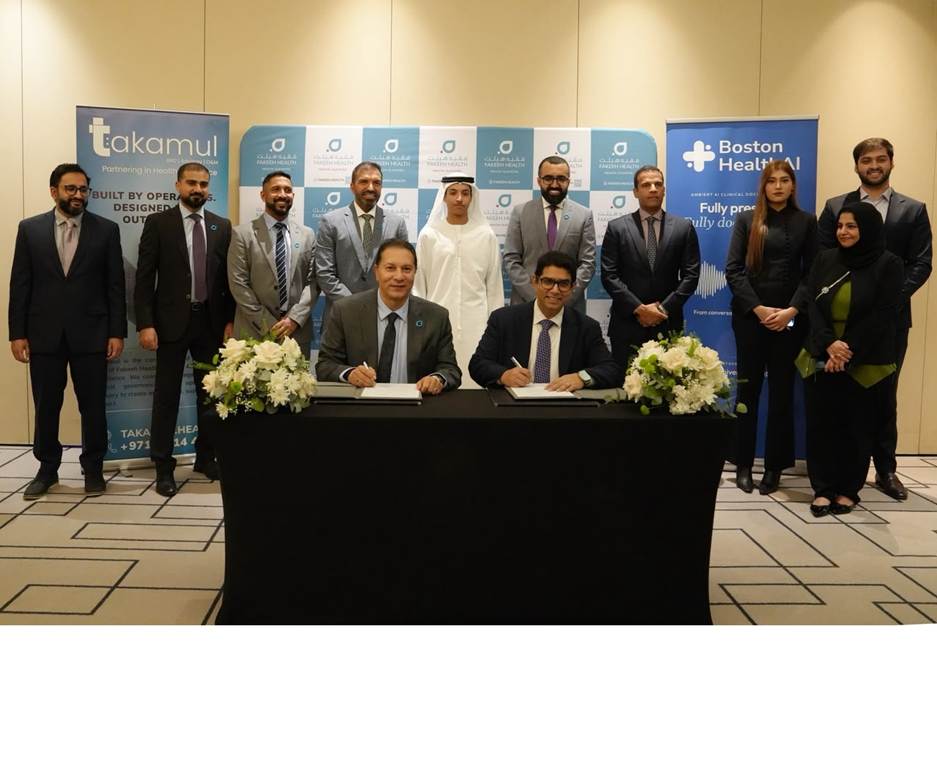
Two agreements will bring AI-supported clinical documentation to Fakeeh Health, and Takamul Innovative Solutions will partner with Boston Health AI to open a new path for healthcare innovation built in the UAE, for the UAE and the region
Dubai, UAE – 21 November 2026: In the presence of Sheikh Ahmed bin Hasher bin Ahmed Al Maktoum, Fakeeh Health and Boston Health AI have signed two strategic agreements on the sidelines of the 5th Annual Fakeeh Health International Conference. Together, they will introduce AI-supported clinical documentation across Fakeeh Health and, through Takamul Innovative Health Solutions, jointly develop new AI solutions for healthcare providers in the UAE and the region.
Technology that serves the physician and the patient
The first agreement is about giving clinicians more time for what matters most: their patients. By taking on routine documentation in the background, AI will help physicians focus on the person in front of them, while the physician remains in control of the clinical record. Patient data stays in the UAE and is protected in line with national regulations.
The second agreement looks further ahead. Takamul and Boston Health AI will work together to develop new solutions that help healthcare providers work more efficiently, and to build local expertise in clinical AI through education and research.
Dr. Mohaymen Abdelghany, Group CEO and Board Member of Fakeeh Health and CEO of Fakeeh University Hospital, said: “Our philosophy of Care & Beyond puts the patient at the centre of every decision, and that starts with the doctor’s full attention. With Boston Health AI, we are giving our physicians more time with patients, and through Takamul we will build new AI solutions together for healthcare providers across the UAE and the region, in line with Dubai’s vision for a digitally enabled healthcare system.”
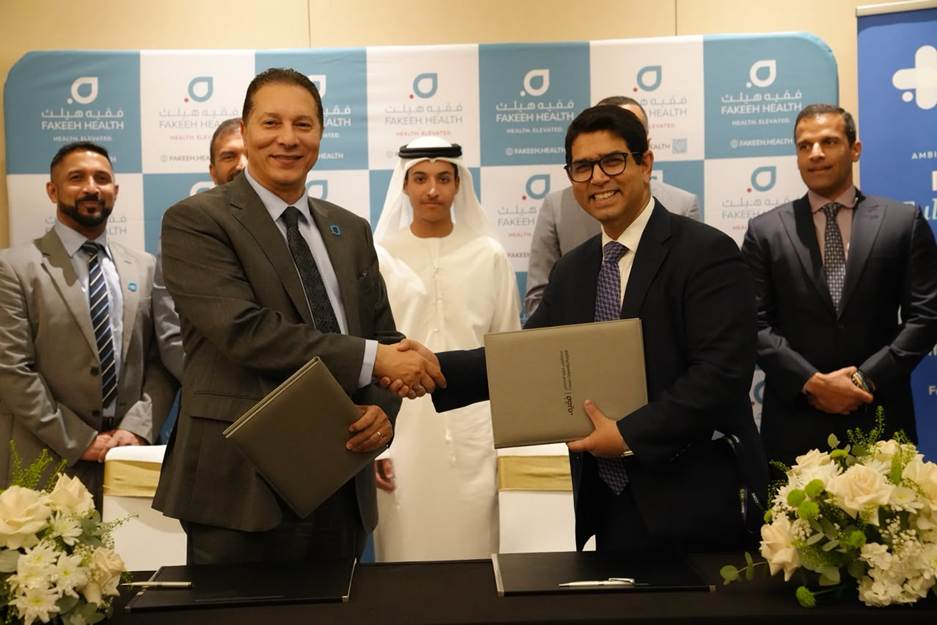
Dr. Adil Haider, Founder and Chief Executive Officer of Boston Health AI, said: “Physicians did not go into medicine to type. Fakeeh Health shares our belief that technology should give clinicians their time back, which makes it the right partner not only to deploy our platform but to build the next generation of clinical AI with us. We are proud to build in the UAE, with a local team and with patient data that stays in the country.”
The agreements support the UAE National Strategy for Artificial Intelligence 2031 and the Dubai Universal Blueprint for Artificial Intelligence.
For more information please visit our website: Fakeeh Health – Advancing Healthcare with Excellence
– Ends –
About Fakeeh Health
Fakeeh Health is a UAE healthcare group, brought to the UAE by the founders of Fakeeh Care Group, building on more than four decades of clinical excellence, research and innovation. Its flagship, Fakeeh University Hospital in Dubai Silicon Oasis, is a smart academic hospital that brings together clinical care, medical education and research.
About Takamul Innovative Health Solutions
Takamul Innovative Health Solutions is Fakeeh Health’s healthcare services company. It provides consulting, operations and business services to healthcare providers in the UAE.
About Boston Health AI
Boston Health AI is a clinical AI company founded by surgeon-scientist Dr. Adil Haider. Its platform, developed by physicians and engineers, supports care teams across the patient journey, with clinical authority always resting with the physician. For more information, visit www.bostonhealth.ai.
Health
Fakeeh Health Brings Global Experts to Dubai to Explore the Future of AI and Robotic Surgery
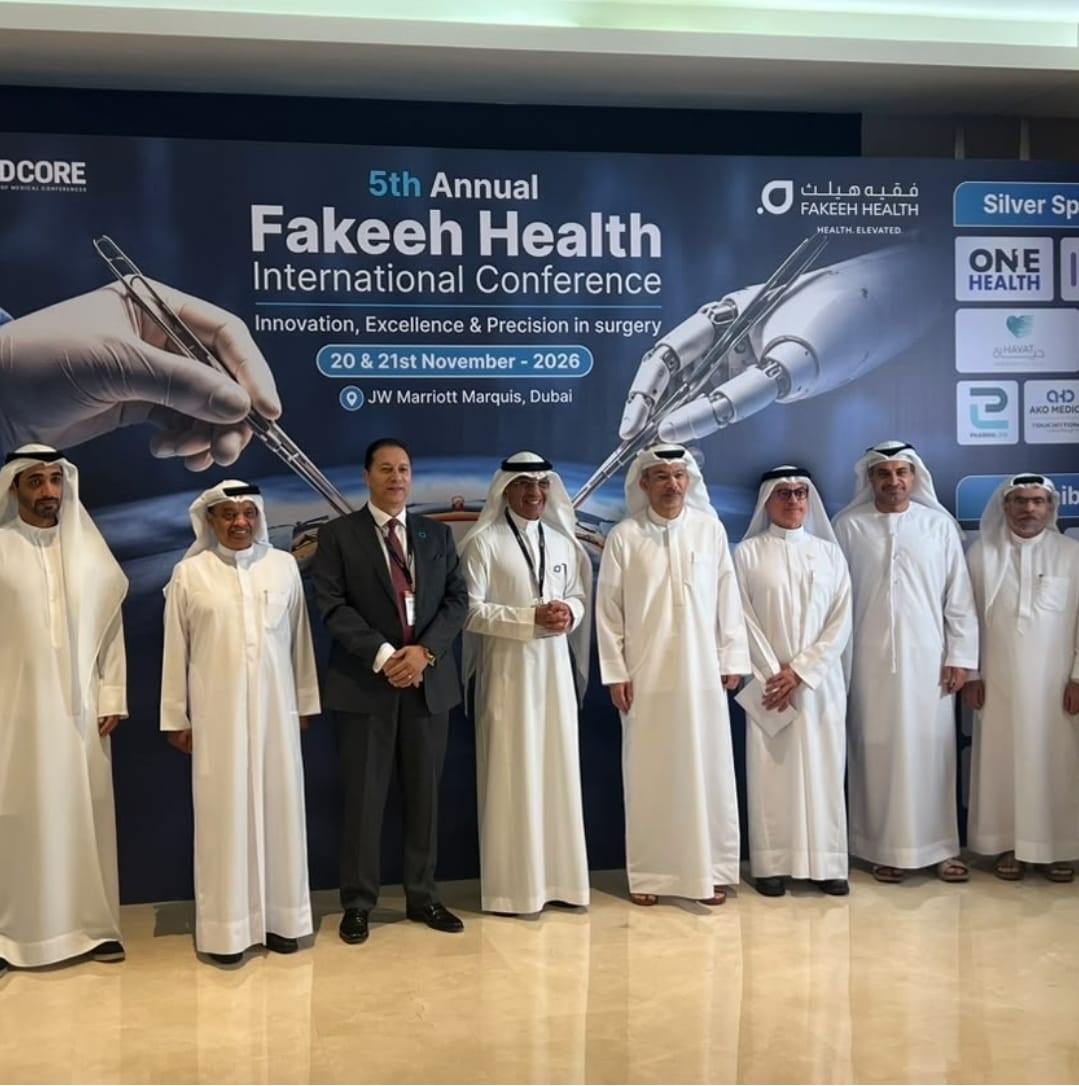
Fifth Annual Fakeeh Health International Conference opens in Dubai, bringing together international specialists to explore artificial intelligence, robotic-assisted surgery and the next generation of precision medicine
Dubai, UAE – 20 November 2026: Fakeeh Health opened its Fifth Annual International Conference today in Dubai, bringing together international medical experts, leading surgeons and healthcare professionals to explore how artificial intelligence, robotic technologies and advances in precision surgery are transforming modern healthcare and creating new opportunities to improve patient outcomes.
The two-day conference, taking place on November 20–21 at JW Marriott Marquis Dubai under the theme “Innovation, Excellence & Precision in Surgery,” is being held in collaboration with MedCore Global Conferences. The gathering provides a platform for scientific exchange, international collaboration and discussions on the future of advanced surgical care.
The conference opened against the backdrop of rapid technological developments across the global healthcare industry, with artificial intelligence, robotic-assisted procedures and minimally invasive surgical techniques increasingly influencing how medical professionals diagnose conditions, plan complex operations and manage patient recovery.
As hospitals worldwide accelerate their adoption of advanced medical technologies, the conference is examining how healthcare institutions can integrate these innovations responsibly into clinical practice while maintaining the highest standards of patient safety, clinical effectiveness and quality of care.
Dr. Mohaymen Abdelghany, Group CEO and Board Member of Fakeeh Health UAE and CEO of Fakeeh University Hospital, said the rapid evolution of artificial intelligence and robotics is creating a new era in surgical medicine.
“Artificial intelligence and robotic-assisted surgery are no longer concepts of the distant future. They are already transforming the way healthcare professionals approach diagnosis, surgical planning and complex medical procedures. The challenge for healthcare institutions today is not simply to acquire advanced technologies, but to understand how to integrate them responsibly and effectively into clinical practice to deliver measurable improvements in patient outcomes,” said Dr. Abdelghany.
“Dubai has positioned itself as a forward-looking healthcare destination, and we believe medical institutions have an important responsibility to support this vision through scientific collaboration, continuous education and responsible innovation. Through this conference, Fakeeh Health aims to connect international expertise, encourage the exchange of knowledge and explore how precision surgery and emerging technologies can contribute to safer procedures, fewer complications and faster recovery for patients.”
The conference’s scientific programme covers developments across a broad range of surgical specialties, including neurosurgery, orthopaedics, oncology, transplantation and reconstructive surgery, with particular attention to technological innovations that are changing the management of complex medical conditions.
Artificial intelligence is among the central topics being discussed, particularly its applications in medical imaging, surgical planning, clinical decision support and personalised treatment strategies. International experts are examining how intelligent systems can assist healthcare professionals in analysing complex clinical information and improving the precision of surgical interventions.
Robotic-assisted surgery is also receiving significant attention, with discussions exploring its potential to support minimally invasive procedures, enhance surgical control and improve precision in technically demanding operations.
Alongside technological developments, the conference highlights the continuing importance of surgical expertise, multidisciplinary teamwork and professional training. Participants are discussing how healthcare institutions can prepare medical teams for the next generation of surgical technologies while ensuring that innovation remains firmly grounded in clinical evidence and patient safety.
The event also provides opportunities for collaboration between international specialists and healthcare professionals in the UAE, allowing participants to exchange clinical experiences, examine emerging scientific evidence and discuss the practical challenges associated with adopting advanced technologies in everyday healthcare settings.
For Fakeeh Health, the conference reflects its commitment to advancing medical education, supporting clinical excellence and strengthening collaboration between healthcare professionals and institutions.
The gathering also reinforces Dubai’s growing role as a regional and international hub for healthcare innovation, medical knowledge exchange and advanced clinical practice.
As the conference continues through November 21, discussions are focusing on one of the most important questions facing modern healthcare: how hospitals can harness the capabilities of artificial intelligence and robotics while preserving the essential role of human expertise, clinical judgement and compassionate patient care.
The Fifth Annual Fakeeh Health International Conference continues tomorrow, November 21, at JW Marriott Marquis Dubai, with further scientific sessions and discussions exploring the innovations shaping the future of surgery.
For more information please visit: https://www.fuh.care/
Health
Abu Dhabi Hosts Leading International Surgeons for 4th Emirates International Colorectal Congress
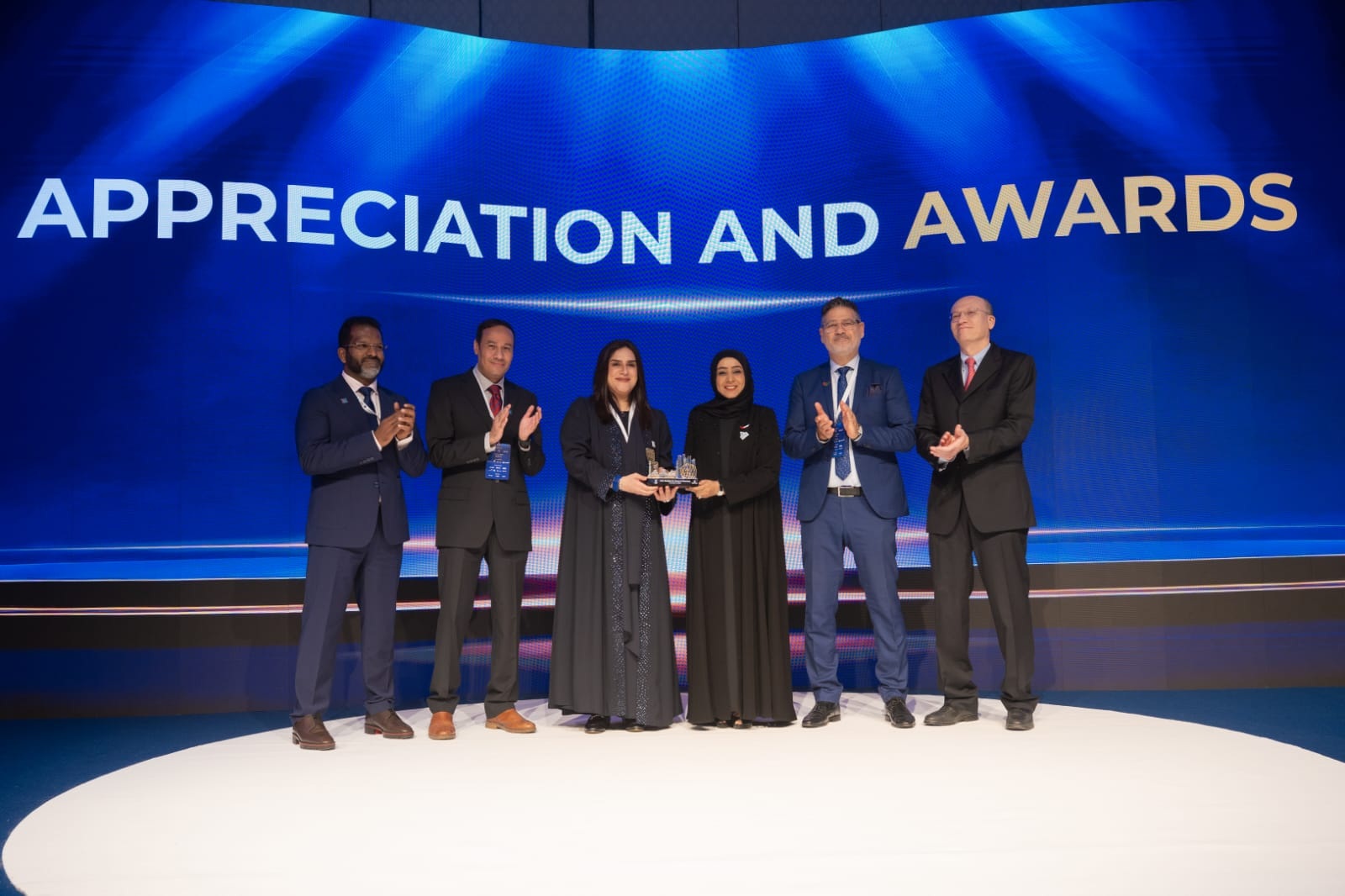
Five-day scientific and surgical training programme highlights advances in robotic surgery, colorectal cancer treatment and complex colorectal conditions
Abu Dhabi, UAE – 20 November 2026: The 4th Emirates International Colorectal Congress officially opened today in Abu Dhabi, bringing together leading international surgeons, medical experts and healthcare professionals to explore the latest innovations in robotic-assisted surgery, advanced colorectal cancer treatments, inflammatory bowel diseases and complex surgical procedures.
Organised by the Emirates Society of Colon and Rectal Surgery (ESCRS), the congress is taking place from 20 to 22 November at Conrad Abu Dhabi Etihad Towers, as part of an expanded five-day scientific and educational programme running from 19 to 23 November 2026.
The event combines specialised scientific discussions with advanced hands-on surgical training, reflecting the UAE’s growing position as a regional and international hub for medical excellence, surgical innovation and knowledge exchange.
The official opening ceremony featured an address by Dr Sara Al Bastaki, President and Founder of the Emirates Society of Colon and Rectal Surgery and Congress Chair, alongside a keynote address by Sheikha Dr Noura Al Qassimi, President of the Emirates Medical Association. The ceremony also included an appreciation and awards segment, followed by a tour of the accompanying medical exhibition.
Dr Sara Al Bastaki highlighted that the fourth edition marks an important milestone in the congress’s development, reflecting the rapid progress taking place across the UAE in specialised surgical care and advanced medical technologies.
“Through this congress, we aim to further strengthen the UAE’s position as a regional and global centre for medical excellence and scientific knowledge exchange. By bringing together leading international surgeons and experts, we are highlighting the latest innovations in colorectal surgery, particularly robotic-assisted procedures and advanced treatments for complex conditions,” said Dr Al Bastaki.
“What distinguishes this year’s edition is its integration of scientific knowledge with practical surgical training, alongside stronger collaboration across medical specialties. This approach creates new opportunities to enhance surgical expertise, adopt advanced treatment practices and ultimately improve the quality of healthcare and patient outcomes,” she added.
Advanced approaches to complex and emergency colorectal surgery
The first day of the congress, 20 November, focuses on complex and emergency colorectal surgical conditions, including challenging injuries and the latest surgical approaches to diverticular disease, a condition that can lead to serious complications requiring surgical intervention.
International experts are presenting advances in surgical techniques and discussing effective approaches to managing complicated cases, with particular emphasis on clinical decision-making, reducing complications and improving treatment outcomes.
The dedicated programme also provides an opportunity for surgeons to exchange practical experiences and examine evolving treatment strategies for cases requiring highly specialised surgical expertise.
Medical treatment or surgery? Experts debate inflammatory bowel disease management
On 21 November, the congress turns its attention to inflammatory bowel diseases, particularly Crohn’s disease and ulcerative colitis, examining the latest developments in medical management and surgical intervention.
A key highlight is a scientific debate bringing together gastroenterologists and colorectal surgeons to address one of the most challenging questions in inflammatory bowel disease management: When should patients continue medical treatment, and when does surgery become the more appropriate option?
The discussions explore the importance of selecting the right treatment at the right time, particularly for patients with chronic or complicated conditions who may not respond adequately to medication.
Experts are also highlighting the importance of multidisciplinary collaboration in developing personalised treatment strategies that minimise complications, improve long-term outcomes and enhance patients’ quality of life.
Robotic surgery and the future of colorectal cancer treatment
The third scientific day, 22 November, is dedicated to advances in colorectal cancer treatment, with particular emphasis on robotic-assisted surgery and emerging surgical technologies.
Leading specialists are examining how robotic surgical systems can enhance precision, control and flexibility during complex procedures, supporting surgeons in performing technically demanding operations.
The sessions also explore the latest innovations in robotic surgical platforms and their potential to improve surgical planning, operative techniques and clinical outcomes.
In addition, international experts are reviewing emerging approaches to colorectal cancer surgery and discussing how advances in surgical technology and specialist training are shaping the future of cancer treatment.
Advanced surgical training and multidisciplinary collaboration
A distinguishing feature of this year’s congress is its expanded educational programme, which includes two specialised workshops held before and after the main scientific sessions.
On 19 November, Khalifa University hosted an advanced pre-congress surgical workshop for young surgeons, led by experienced specialists from the United States and Saudi Arabia.
The hands-on programme focused on developing practical surgical skills, introducing advanced techniques and providing participants with opportunities to learn directly from internationally recognised experts.
A second specialised workshop will take place on 23 November in collaboration with the Emirates Obstetrics and Gynecology Society, focusing on the diagnosis and surgical repair of obstetric anal sphincter injuries associated with vaginal childbirth.
The workshop aims to strengthen physicians’ expertise in advanced repair techniques, improve postnatal care and reduce the risk of long-term complications affecting women’s health and quality of life.
By bringing together colorectal surgeons, gastroenterologists, obstetricians, gynaecologists and international medical experts, the congress highlights the increasing importance of multidisciplinary collaboration in addressing complex medical conditions.
The expanded fourth edition underscores the UAE’s commitment to advancing specialised healthcare, supporting continuous medical education and strengthening international scientific partnerships.
Through its combination of expert-led discussions, surgical innovation and practical training, the congress aims to contribute to the development of colorectal surgical practices and improved patient care across the UAE and the wider region.
For more information please visit: https://escrs.ae/


Fakeeh Health and Boston Health AI sign strategic agreements to give clinicians more time with their patients

Fakeeh Health Brings Global Experts to Dubai to Explore the Future of AI and Robotic Surgery

Abu Dhabi Hosts Leading International Surgeons for 4th Emirates International Colorectal Congress

Araghchi, Oman Sultan discuss transit, stability in Muscat

UAE’s café culture keeps growing despite price pressure

Netflix to Livestream BTS Comeback Concert
-
 politics7 months ago
Araghchi, Oman Sultan discuss transit, stability in Muscat
-
 UAE11 months ago
UAE’s café culture keeps growing despite price pressure
-
 Entertainment10 months ago
Netflix to Livestream BTS Comeback Concert
-
 Discover10 months ago
Is February 2026 really a once-in -283-years MiracleIn?
-

 Football11 months ago
Algeria, Burkina Faso, Côte d’Ivoire win AFCON 2025 openers
-

 Health11 months ago
NMC Royal Hospital, Khalifa City, performs rare wrist salvage, restoring function for young patient
-

 world7 months ago
Epstein files on display at New York pop-up exhibit, all 3.5 million pages
-

 Health1 year ago
Emirates Society of Colorectal Surgery Concludes the 3rd International Congress Under the Leadership of Dr. Sara Al Bastaki