
Health
Dr. Firas Husban: Leading Spine Care Innovation beyond the Middle East

MENA’s First OLIF Surgeon Transforms Lives and Medical Practices
Amman, Jordan – When Dr. Firas Husban first introduced OLIF surgery in the MENA region, back in 2022, he didn’t just make medical history – He fundamentally transformed the practice in the Middle East, setting the benchmark for minimally invasive spinal care procedures and surgeries across the wider Africa and Asia regions.
Dr. Husban has been pioneering the unchartered spinal surgery territories in the Middle long before he became the first surgeon in the MENA region to perform the Oblique Lumbar Interbody Fusion (OLIF) surgery 3 years ago. So far, Dr. Husban has completed dozens of successful OLIF procedures and is pushing the boundaries for greater incorporation of new minimally invasive techniques and surgeries, to further revolutionize spine care in the region.
Dr. Firas Husban: A Living Legacy of Excellence and Innovation
With over 28 years of experience as a consultant orthopedic surgeon specializing in spine surgery, Dr. Husban has dedicated his career to advancing spine care and improving post-treatment recovery with new techniques.
Three decades into his practice, Dr. Husban is today the Regional Chief Officer of Spine Centers & Fellowships with AOspine Middle East and an international lecturer for both AOTrauma and AOspine. He is also the leading spine surgeon at the Emirates Specialty Hospital, one of the most prominent medical institutions in the United Arab Emirates (UAE).
With expertise spanning a wide range of spine conditions, Dr. Husban’s distinct specialization is treating complex spinal deformities, including scoliosis (idiopathic, congenital, and neuromuscular) in both adults and children. His commitment to adopting cutting-edge surgical techniques has positioned him at the forefront of spine surgery innovation in the region, OLIF procedures notwithstanding.
What is OLIF and what makes it a minimally invasive spine surgery
Oblique Lumbar Interbody Fusion (OLIF) procedures are an advanced, highly specialized type of minimally invasive spine surgery. This advanced technique allows surgeons to access the spine through a lateral approach, resulting in:
- Minimal surgical incisions
- Reduced blood loss
- Shorter recovery times
- Lower risk of complications
- Improved patient outcomes
The procedure is particularly effective for treating degenerative disc disease, spinal instability, and certain types of spinal deformities.
Success Stories: Why are OLIF Surgeries Preferred by Dr. Firas Husban
Since 2022, when Dr. Husban brought OLIF to the Middle East, he has performed dozens of minimally invasive surgeries, especially OLIF procedures, with an outstanding success rate. He has treated patients from all age and gender groups, including adolescents and elderlies with simple to complex and advanced spinal deformities and illnesses. In fact, out of Dr. Husban’s many success stories, there are three that specifically demonstrate the remarkable long-term durability of the technique.
Case 1: Mohammad Al-Shammari – Age is No Barrier to Advanced Spinal Care
Mohammad Al-Shammari, an 81-year-old patient from Saudi Arabia, exemplifies how OLIF surgery can safely benefit even elderly patients who might not be candidates for traditional spine surgery.
OLIF Patient (81 years old) Mohammad Al-Shammari (Center Left) poses for a photo with Dr. Firas Husban (Center Right) during a follow-up visit at the doctor’s clinc after recovering from procedure – (Source: Dr. Firas Husban / Checkers Inc.)
Dr. Husban performed a minimally invasive endoscopic procedure to stabilize vertebrae L2 through L5. The surgery was completed through small skin incisions with no bleeding or complications – a testament to the safety profile of this advanced technique.
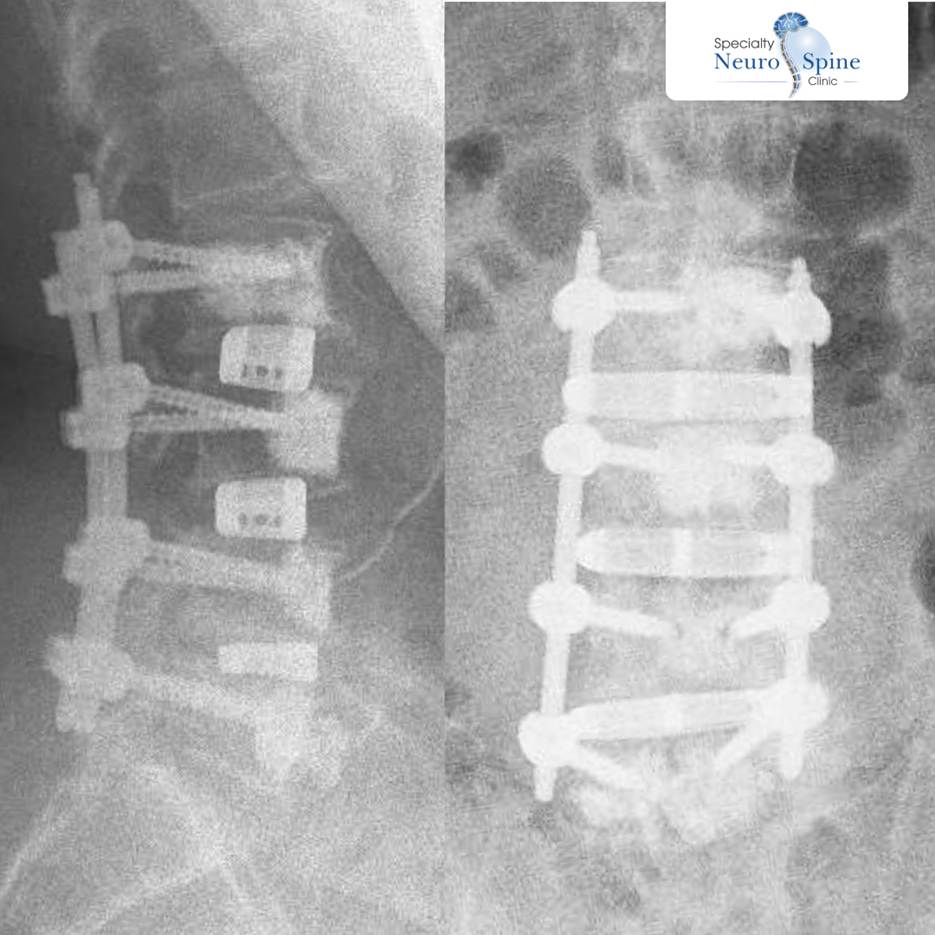
The X-Ray image above shows a part of 81-years-old) Mohammad Al-Shammari’s spine from the back and side after undergoing the OLIF procedure – (Source: Dr. Firas Husban / Checkers Inc.)
Mohammad Al-Shammari’s is living, walking proof that age need not be a contraindication when cutting-edge minimally invasive approaches are employed by skilled hands. If anything, procedures like OLIF can significantly enhance the life quality of patients of all ages, making life easier for people who otherwise would have to go through their lives limited by pain and constrained mobility.
Case 2: Dalia – Complete Return to Active Life
Dalia, a 26-year-old patient from Iraq, represents an entirely different case, compared to contraindication. Her case highlights the transformative potential of OLIF surgery for young adults facing debilitating spine conditions. She underwent minimally invasive endoscopic surgery to remove a herniated disc and stabilize vertebrae L5 to S1.
Young 26-year-old Dalia from Iraq speaks in this video about her experience with OLIF and treatment by Dr. Firas Husban – (Source: Dr. Firas Husban / Checkers Inc.)
This case powerfully demonstrates the new technique’s ability to deliver complete functional restoration, as Dalia has fully regained her movement and activity level. She returned to her normal life without the chronic pain that had previously constrained her. For young patients like Dalia, OLIF doesn’t just alleviate symptoms; it restores the promise of an active, unrestricted future.
Case 3: Zainab – A Decade of Sustained Success
Perhaps the most compelling case treated by Dr. Firas Husban is Zainab’s, having undergone spinal fusion from L5 to S1 vertebras, using the OLIF technique with bone cage and anterior fixation.
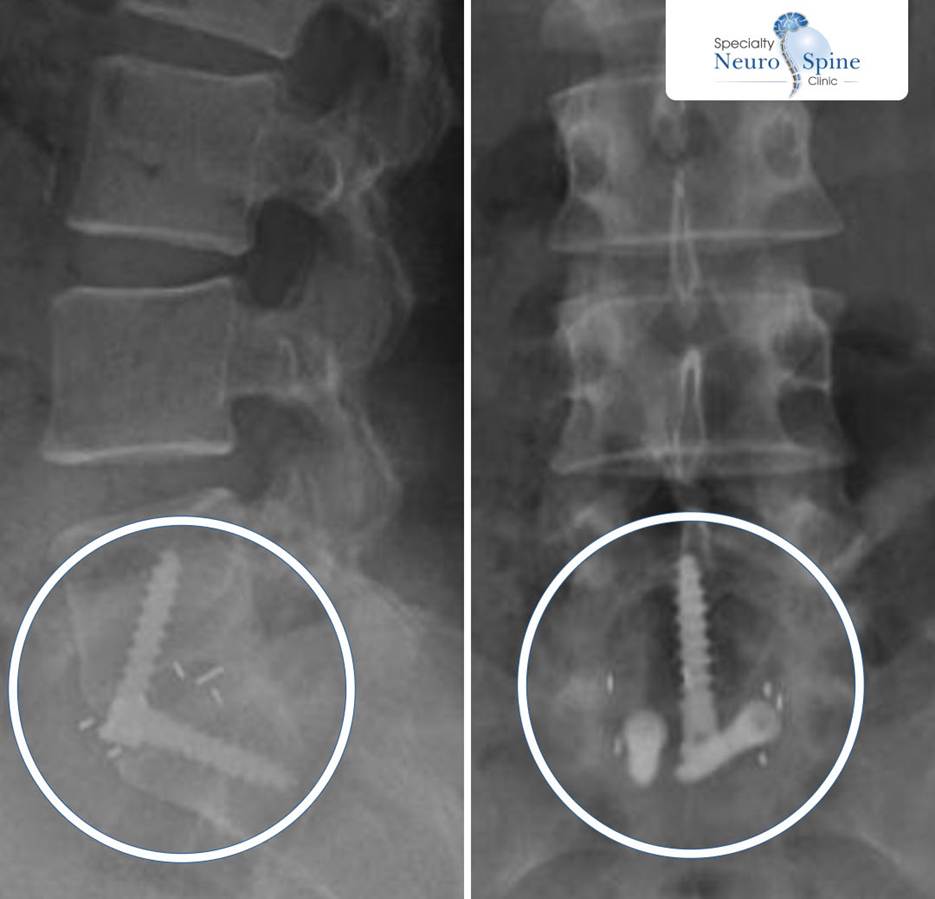
The above X-Ray image shows the complexity of the OLIF procedure conducted by Dr. Firas Husban on Zainab more than 10 years ago – (Source: Dr. Firas Husban / Checkers Inc.)
One of the most intricate and composite procedures, Zainab’s post-operative imaging at the time (above) shows clear vertebral alignment and stability achieved through minimal intervention.
Today, a full decade later, Zainab continues to enjoy good health with a stable spine – living proof that OLIF delivers not just immediate relief, but lasting results.
Young 26-year-old Dalia from Iraq speaks in this video about her experience with OLIF and treatment by Dr. Firas Husban – (Source: Dr. Firas Husban / Checkers Inc.)
This case provides powerful evidence of the technique’s reliability and Dr. Husban’s surgical precision, with benefits that endure year after year.
Beyond Cases: Dr. Husban is Transforming Practices as well as Lives
Clearly, Dr. Husban’s impact extends far beyond the OR (Operating Room). As Regional Chief Officer of Spine Centers & Fellowships for AOspine Middle East, he has been instrumental in elevating spine surgery standards across the entire region. His introduction of OLIF regionally has created a ripple effect – training programs have been established, local surgeons have been mentored in this specific technique, and patients who once needed to travel abroad for OLIF procedures can now receive world-class treatment closer to home.
The dozens of successful OLIF procedures Dr. Husban has performed since that first pioneering surgery represent more than individual medical achievements. He has made an advanced surgical option accessible all throughout the region – bringing a technique that offers superior outcomes with faster recovery times to patients who previously had limited access to such innovations.
Dr. Firas Husban is Committed to Patient-Centered Care and Excellence
“Our clinic focuses on achieving the best possible outcomes to improve patients’ quality of life,” says Dr. Husban. “Whether dealing with spine problems, joints, discs, back, or neck issues, we ensure every procedure is performed with precision and exceptional care.”
The dozens of successful OLIF procedures Dr. Husban has performed – with an outstanding success rate – demonstrate his unwavering commitment to excellence. Over the years, Dr. Husban has consistently delivered Optimal Surgical Outcomes, leveraging minimally invasive techniques for superior results, all while focusing on reduced Patient Discomfort, with minimal pain and complications, shorter Recovery Periods, and personalized Treatment Plans.
This patient-centered philosophy, combined with cutting-edge surgical expertise, explains why patients from across the MENA region seek Dr. Husban’s care for complex spine conditions.
The Broader Impact of Dr. Firas Husban – The Pioneer
Dr. Husban’s pioneering introduction of OLIF surgery to the MENA region has catalyzed systemic changes in spine surgery practice as well as the medical and healthcare sectors region-wide. From Advancing Clinical Standards to Building Regional Capacity and Localizing Medical Tourism, the impact of Dr. Firas Husban’s innovations is multifaceted.
Setting New Benchmarks for Spinal Care, Surgery
By demonstrating the superior outcomes achievable with minimally invasive approaches, Dr. Husban has raised the bar for what patients can expect from spine surgery. Traditional open procedures, once the standard of care, are increasingly giving way to techniques that prioritize patient recovery and quality of life.
Boosting Spinal Care Capacities across the Region
As Regional Chief Officer of Spine Centers & Fellowships of AOspine Middle East, Dr. Husban is actively engaged in training surgeons across the region in advanced minimally invasive surgical techniques. This knowledge transfer ensures that OLIF and other minimally invasive procedures become standard practice, not exceptional care.
Boosting Medical Tourism Economies Region-wide
Patients from Jordan, Saudi Arabia, Iraq, and across the MENA region who once traveled to Europe or North America for advanced spine surgery can now receive world-class care locally. This represents not just convenience, but a fundamental shift in regional healthcare capability, paving the way for significant economic benefits as well as social and medical. The possible outcomes of a localized, world-class surgical capacity such as this, while quantifiable, can only be speculated at this point.
Dr. Husban’s resounding success with OLIF has created momentum for adopting other advanced techniques across the region, fostering a culture of innovation and continuous improvement in spine surgery practice.
Dr. Firas Husban’s Continued Leadership and Innovation
Dr. Husban’s journey from being the first to perform OLIF in the MENA region to becoming a leading voice in spine surgery transformation continues to evolve.
As an international lecturer for AOspine and AOTrauma, he shares his expertise with surgeons worldwide while continuously advancing spine care in his home region. His role as Educational Officer for AOspine Jordan Chapter ensures that each new generation of spine surgeons learns not just techniques, but the philosophy of patient-centered, minimally invasive care.
With nearly three decades of experience, over 30 published papers and conference presentations, and dozens of successful OLIF procedures alongside countless other spine surgeries, Dr. Husban represents the synthesis of surgical excellence, innovation, patient care, and dedication to advancing the field. His work demonstrates that true pioneering achievement isn’t just about being first – it’s about transforming practices, elevating others, and consistently delivering outstanding outcomes that change lives.
About Dr. Firas Mohammad Husban
Dr. Firas Husban is a consultant spine and orthopedic surgeon with over 28 years of experience. He specializes in disc problems, back and neck conditions, complex spinal deformities, minimally invasive endoscopic spine surgery, spinal correction procedures, and spinal tumor treatment. He serves as Regional Chief Officer of Spine Centers & Fellowships of AOspine Middle East and is recognized internationally as a lecturer and educator in spine surgery.
For more information about advanced spine surgery options, please contact Dr. Husban’s clinic.
Health
Safe Blood Donation Before, During, and After Ramadan – Medical Guidelines by Dr. Ganesh Dhanuka
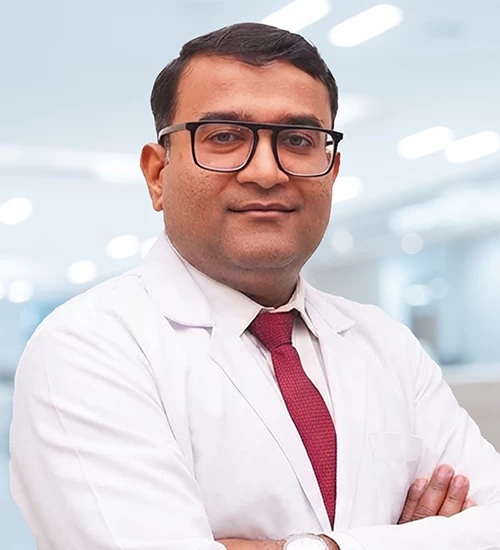
By Dr. Ganesh Dhanuka
Specialist Internal Medicine and Nephrology
International Modern Hospital
Blood donation remains one of the most impactful humanitarian acts, capable of saving multiple lives with a single unit of blood. However, during the holy month of Ramadan, many individuals question whether it is safe to donate while fasting and how to properly prepare for donation.
From a medical standpoint, blood donation is generally safe for healthy individuals. Nevertheless, appropriate preparation — especially in the context of fasting — is essential to minimize risks such as dizziness, dehydration, or hypotension.
This article outlines evidence-based recommendations for blood donation before, during, and after Ramadan, along with its physiological, psychological, and societal benefits.
Preparing for Blood Donation Before Ramadan
Proper preparation significantly reduces the risk of adverse effects during donation. Individuals planning to donate should:
Nutritional Preparation
Consume a balanced meal rich in iron and protein approximately 2–3 hours before donating. Iron-rich foods such as lean red meat, spinach, lentils, beans, and fortified cereals help maintain adequate hemoglobin levels. Protein supports plasma volume and recovery.
Avoid donating on an empty stomach, as this increases the likelihood of lightheadedness and vasovagal reactions.
Hydration Status
Adequate hydration is critical. Donors should:
- Increase water intake the day before donation.
- Drink extra fluids on the day of donation.
Proper hydration helps maintain blood pressure and reduces the risk of fainting.
Sleep and Lifestyle Factors
- Ensure 6–8 hours of quality sleep the night before.
- Avoid alcohol for at least 24 hours prior to donation.
- Refrain from strenuous physical activity before donation.
Medical Disclosure
Bring valid identification and honestly disclose:
- Any chronic medical conditions.
- Current medications.
- Recent illnesses or procedures.
Transparency ensures donor safety and protects recipients.
What to Expect During Blood Donation
The blood donation process is generally straightforward and takes about 10–15 minutes for the actual collection.
During donation:
- Stay calm and breathe normally.
- Avoid sudden movements.
- Inform medical staff immediately if you experience dizziness, nausea, sweating, blurred vision, or weakness.
- Follow all staff instructions carefully.
Most temporary reactions, when they occur, are mild and resolve quickly with rest and hydration.
Post-Donation Care and Recovery
The post-donation period is crucial for safe recovery.
Immediate Aftercare
- Rest at the donation center for 10–15 minutes.
- Accept fluids and light refreshments provided.
- Avoid standing up abruptly.
The Next 24 Hours
- Increase fluid intake significantly.
- Consume iron-rich foods to replenish red blood cell production.
- Avoid heavy lifting for 24 hours.
- Avoid strenuous exercise on the same day.
- Avoid alcohol for several hours after donation.
If dizziness occurs, lie down and elevate your legs until symptoms resolve.
Food
Foods That Look Healthy for Weight Loss (But Actually Aren’t)
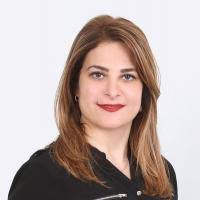
By Dr. Yara Husein (Food and Nutrition Expert)
Companies often use specific buzzwords on food labels to market products as healthy and weight-loss friendly options. In reality, these options can sometimes have the opposite effect. Here are some common foods and drinks that might be holding you back:
Fat-free dairy products
Many think that fat-free dairy products are ideal for dieting and do not contribute to weight gain. However, in truth, these products can cause weight gain because fat-free products are less satiating than their full-fat counterparts; fat is a nutrient that supports feelings of fullness and makes food more enjoyable. Furthermore, food manufacturers often replace fat with sugar in low-fat and fat-free products to compensate for the lost flavour. Beyond that, skimmed dairy products provide the body with fewer nutrients than full-fat products, because vitamins such as A, D, E, and K are fat-soluble vitamins that require fat to enter the body, be absorbed, and be utilized.
Gluten-free foods
While it is essential for people with gluten-related disorders to avoid gluten, gluten-free foods are not necessarily healthier than foods containing gluten. Some processed gluten-free foods and desserts contain the same amount of calories and added sugar—if not more—as other snacks. Studies, including a study published in the journal PeerJ, indicate that gluten-free snack foods tend to be lower in protein, fiber, and certain vitamins and minerals compared to their gluten-containing counterparts. They are also generally more expensive.
Breakfast cereals
Many people think that breakfast cereals are an ideal and healthy breakfast to start their day, but in reality, many cereals are made from refined grains that lack nutrients like protein and fiber, and they can contain a high percentage of added sugar. For example, Honey Nut Cheerios, which are marketed as heart-healthy, contain 12 grams of added sugar per cup. Eating large quantities of these and other cereals high in added sugar may lead to an increased risk of heart disease, high blood pressure, high triglyceride levels, and weight gain.
Energy and sports drinks
Companies market sports and energy drinks as ways to boost energy and athletic performance, but these drinks can contain a massive amount of sugar. Consequently, they can contribute to weight gain for people who consume them without performing intense physical exercise. For instance, a popular energy drink like Monster (473 ml) contains 54 grams of added sugar—a quantity much higher than the amount recommended by the American Heart Association (25g for women and 36g for men). Research, including a study published in the journal Pediatric Obesity, has linked the consumption of sweetened beverages to health problems, including high blood pressure, fatty liver, and obesity in children and adolescents.
Diet soda
When following a diet, many people may turn to sugar-free or calorie-free drinks, thinking they contribute to weight loss. However, studies indicate that diet soda may contribute to certain health problems by altering brain responses to food and increasing the desire to eat high-calorie foods such as sweets and fast food. A study published in the journal Nutrients linked the consumption of these drinks to a higher risk of metabolic syndrome, which is a group of symptoms that include increased belly fat, blood sugar, blood pressure, and blood lipid levels.
Health
Excessive Screen Time in Children: Digital Eye Strain, Myopia Risk, and Long-Term Vision Health
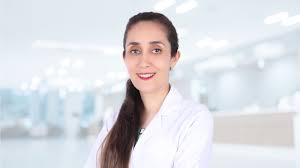
By Dr. Tahere Rezaei
Ophthalmologist
International Modern Hospital Dubai
In today’s digital era, children are spending unprecedented hours on tablets, smartphones, and social media platforms. From a clinical perspective, the impact of excessive screen exposure on pediatric eye health is becoming increasingly evident.
Ophthalmology clinics are witnessing a clear rise in complaints linked directly to prolonged device use. Children often hold screens very close to their eyes and remain intensely focused for extended periods without taking breaks. This sustained near work places continuous strain on the visual system, particularly on the eye muscles responsible for focusing.
The most immediate and common consequence is digital eye strain. Symptoms typically include:
- Headaches
- Eye fatigue
- Blurred vision
- Burning sensation
- Dryness due to reduced blinking
When children concentrate on screens, their blink rate significantly decreases. Reduced blinking leads to tear film instability, which contributes to dryness and irritation. Over time, persistent strain can affect visual comfort and academic performance.
Rising Concern: Childhood Myopia
Beyond temporary discomfort, there is a more serious long-term concern — the increasing prevalence of childhood myopia (short-sightedness).
Extended near work combined with limited outdoor exposure has been strongly associated with faster progression of myopia. Natural daylight and distance viewing play a protective role in visual development. When children spend most of their time indoors focusing on close objects, the eye adapts by elongating, leading to blurred distance vision.
Early-onset myopia is not simply about needing glasses. Higher degrees of myopia later in life increase the risk of:
- Retinal detachment
- Glaucoma
- Myopic macular degeneration
- Early cataracts
Preventing rapid myopia progression during childhood is therefore critical for long-term ocular health.
Screen Use and Sleep Disruption
Another clinically observed issue is the effect of screen exposure before bedtime. Blue light emitted from digital devices can suppress melatonin production, disrupting the natural sleep cycle. Poor sleep quality affects not only overall health but also visual comfort, concentration, and cognitive performance.
Children who use screens late at night frequently report:
- Difficulty falling asleep
- Morning eye discomfort
- Increased fatigue during the day
Sleep plays a vital role in ocular surface recovery and overall neurological health.
Supporting Healthy Visual Development
For optimal eye development, children require balanced visual habits. Key preventive measures include:
- Limiting continuous screen time
- Encouraging daily outdoor activity
- Maintaining proper room lighting
- Ensuring appropriate screen distance
- Practicing scheduled visual breaks (such as the 20-20-20 rule: every 20 minutes, look at something 20 feet away for 20 seconds)
Parents play a crucial role in modeling healthy screen behavior and establishing structured digital routines.
As Dr. Tahere Rezaei emphasizes, eye health in childhood directly influences long-term vision outcomes. Early awareness, prevention, and regular eye examinations are essential to protect children from avoidable visual complications in adulthood.
Healthy eyes today mean clearer vision for life.


Private Credit Investors Rush to Withdraw

UAE moves spring break for schools and universities

How Etihad Rail ferried 350+ UAE passengers back home with Saudi help

Is February 2026 really a once-in -283-years MiracleIn?

Algeria, Burkina Faso, Côte d’Ivoire win AFCON 2025 openers

Bascom Palmer Eye Institute Abu Dhabi and Emirates Society of Ophthalmology Sign Strategic Partnership Agreement
-
Discover1 month ago
Is February 2026 really a once-in -283-years MiracleIn?
-
 Football2 months ago
Algeria, Burkina Faso, Côte d’Ivoire win AFCON 2025 openers
-
 Health3 months ago
Bascom Palmer Eye Institute Abu Dhabi and Emirates Society of Ophthalmology Sign Strategic Partnership Agreement
-

 Health2 months ago
NMC Royal Hospital, Khalifa City, performs rare wrist salvage, restoring function for young patient
-

 Health4 months ago
Emirates Society of Colorectal Surgery Concludes the 3rd International Congress Under the Leadership of Dr. Sara Al Bastaki
-

 Health4 months ago
Born Too Soon: Understanding Premature Birth and the Power of Modern NICU Care
-

 Football3 months ago
Globe Soccer Awards 2025 nominees announced as voting opens in Dubai
-
 Health2 months ago
Decline in Birth Rate in the UAE