
Health
UAE waives experience rule for 6 healthcare roles
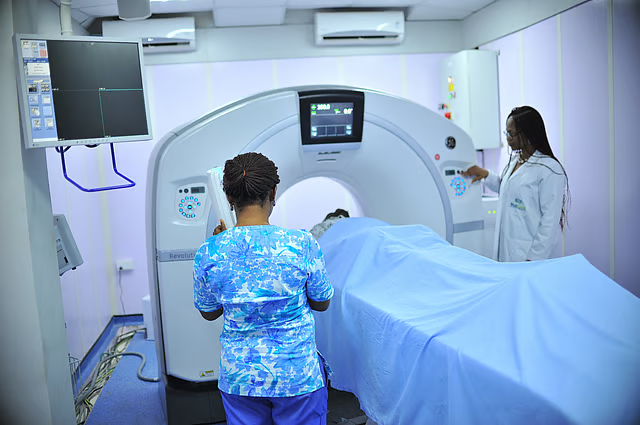
The Ministry of Human Resources and Emiratisation (MoHRE), has identified six categories within nursing and allied health professions that are exempt from the requirement of six months’ post-graduation experience to obtain a professional license. This initiative aims to enhance the efficiency of the healthcare licensing system and align it with labor market needs.
The Ministry clarified that the exempted categories include:
- Registered Nurse
- Assistant Nurse
- Medical Laboratory Technician
- Laboratory Technologist
- Respiratory Care Technician
- Healthcare Assistant
The Ministry stated that the objective of this decision is to accelerate the integration of qualified professionals into the labor market while maintaining performance quality and professional standards.
Graduates inside and outside the UAE
The Ministry confirmed that the exemption applies to all graduates, whether from within the UAE or abroad. It also noted that other specializations within allied health professions are under review by healthcare authorities, with the possibility of granting exemptions on a case-by-case basis, provided that this does not compromise the quality of healthcare services or patient safety.
This decision aims to comprehensively enhance regulatory procedures and expedite the integration of nursing and allied health graduates into the workforce, maximizing the benefit of human capital while maintaining high standards of performance.
Healthcare licensing system
Updating exemption and licensing mechanisms forms part of a broader vision to develop the national healthcare licensing system and strengthen compliance with applicable legislation and regulatory frameworks. This supports workforce sustainability and facilitates faster workforce entry for graduates without compromising quality standards.
Standardizing procedures across the UAE enhances trust in the healthcare system, reinforces transparency and professional fairness, and establishes a more efficient regulatory environment capable of meeting current demands and anticipating future needs.
The Ministry emphasized that updating healthcare licensing policies reflects a high level of flexibility and integration among relevant government entities, as well as a commitment to continuously improving the legislative environment of the labor market. It also ensures that processes and governance frameworks are comprehensive and integrated, maximizing benefits for all stakeholders and meeting workforce needs in the healthcare sector.
Exceptional importance of the healthcare sector
The Ministry highlighted its readiness to support government entities in advancing their operations, in line with its central role in regulating the labor market. It noted that advanced digital infrastructure facilitates seamless electronic integration among entities, accelerates updates, and supports government efforts in service excellence and sustained national leadership.
It also emphasized the exceptional importance of the healthcare sector as a key pillar directly linked to quality of life, public health, and the efficient delivery of healthcare services.
Enabling academic staff to practice
In a related development, the Ministry, in cooperation with the Ministry of Health and Prevention and the Ministry of Higher Education and Scientific Research, announced the authorization of academic staff in universities and medical colleges—including physicians and other healthcare specialists—to practice within healthcare facilities.
This decision aims to strengthen the integration between education and practical application, reinforce governance, compliance, and unified licensing standards, and support the sustainability and readiness of the healthcare workforce to meet current and future challenges.
Professional licenses may be issued to academic staff upon meeting qualification, experience, and prior licensing requirements. Teaching hours may also be counted toward Continuing Professional Development (CPD) requirements in accordance with accredited medical education policies. This reflects a qualitative recognition of the academic role and promotes a culture of continuous learning within healthcare professions.
The decision represents an institutional approach that balances regulatory flexibility with adherence to governance standards. Enabling academic staff to practice professionally enriches the healthcare work environment with advanced expertise and contributes to improving system efficiency, while maintaining unified licensing requirements that ensure quality of care and patient safety. This ultimately supports the sustainability, flexibility, and effectiveness of the healthcare sector in achieving the objectives of the “We the UAE 2031” vision.
GN
Health
Beyond Uniforms and Lunchboxes: Is Your Child Healthy and Ready for School?
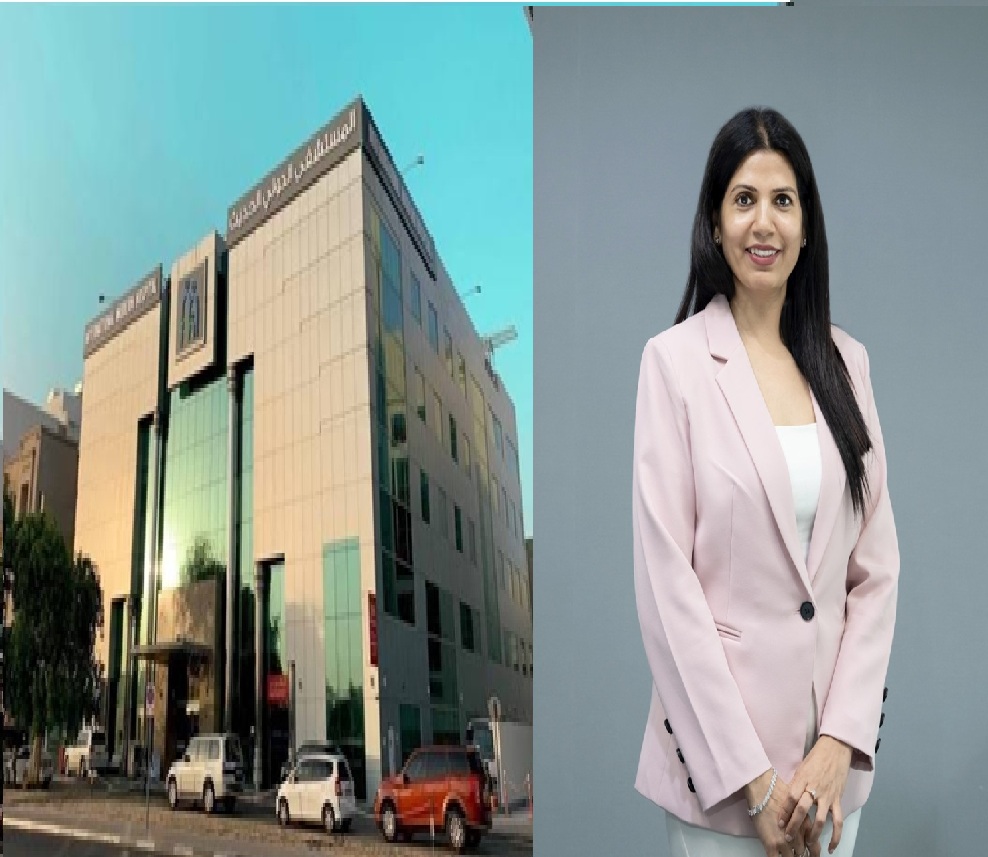
By Dr. Mamata Bothra, Specialist Pediatrician and Neonatologist, International Modern Hospital, Dubai
With schools reopening on August 25, parents across the UAE are busy preparing uniforms, books, shoes and lunchboxes. But before the school bag is packed, it is worth asking one more important question: Is my child healthy and ready for the new academic year?
As a pediatrician and neonatologist, I encourage parents to use the remaining days before school as an opportunity for a simple health review. This does not mean carrying out a long list of unnecessary medical tests. Instead, it is about identifying any health concerns that could affect a child’s learning, energy, development or overall well-being.
Start with vaccinations and medical needs
Begin by checking your child’s vaccination record. Make sure all routine vaccinations are up to date and that no recommended doses have been missed. Parents should also speak with their child’s doctor about the seasonal influenza vaccine.
If your child has a chronic medical condition or requires regular medication, ensure prescriptions are current and that the school has the necessary medical information, medicines and emergency action plan.
A routine pediatric check-up can also be valuable, particularly if your child has not been assessed recently. During the appointment, the pediatrician can evaluate growth, height, weight, blood pressure, physical development, nutrition and general health.
It is also an opportunity to discuss concerns that may have been postponed during the holidays, including recurrent headaches or abdominal pain, constipation, frequent infections, breathing difficulties, snoring, fatigue, poor appetite or unexplained changes in behaviour and school performance.
Preventive pediatric visits should not focus solely on vaccinations. They also provide an opportunity to discuss a child’s learning, behaviour, development, emotional health and any age-appropriate screening needs.
Does your child need tests for iron or vitamin deficiencies?
Iron deficiency deserves particular attention because it can affect a child’s energy, concentration and neurodevelopment. However, this does not mean that every healthy school-aged child needs to undergo a large “vitamin panel” before returning to school.
The decision to perform blood tests should be based on the child’s age, diet, growth, symptoms and individual risk factors.
Children who follow restrictive, vegetarian or vegan diets, have poor nutrition, consume excessive amounts of milk, have a chronic illness or are not growing as expected may require further assessment. Persistent tiredness, pale skin, weakness and difficulty concentrating can also indicate the need for medical evaluation.
When testing for possible iron deficiency is clinically indicated, particularly in adolescents, a complete blood count and serum ferritin test may be useful.
Similarly, testing for vitamin D, vitamin B12 or other nutritional deficiencies should be guided by the child’s medical history, diet, symptoms and clinical examination—not performed routinely for every child.
Do not overlook vision and hearing
A child who cannot see the board or hear the teacher clearly may appear inattentive when the real problem is sensory.
Possible signs of a vision problem include squinting, sitting very close to screens, rubbing the eyes, experiencing frequent headaches, holding books unusually close, struggling to read, turning the head to one side or showing an unexplained decline in school performance.
For hearing, parents should watch for frequent use of the word “What?”, increasing the television volume, difficulty following instructions, failing to respond when called or a history of recurrent ear infections.
Not every concentration problem is an attention disorder. Before labelling a child as inattentive, we should first make sure the child can see clearly, hear properly and sleep well.
Dental health affects learning too
A dental check-up is worthwhile if your child has not visited a dentist recently, particularly if there is toothache, sensitivity, bleeding gums, persistent bad breath or visible tooth decay.
Dental pain can interfere with eating, sleeping, concentration and school attendance.
Parents should also remember that a school lunchbox does not need to become a travelling sweet shop. Encourage children to brush regularly with fluoride toothpaste and limit frequent sugary snacks and drinks.
Reset the body clock before school begins
If your child’s bedtime has gradually moved towards midnight during the holidays, do not expect them to fall asleep at 9pm on the night before school.
Start adjusting bedtime and wake-up time gradually before classes begin. School-aged children generally require nine to 12 hours of sleep each night, while teenagers usually need eight to 10 hours.
Insufficient sleep does not always appear simply as tiredness. In some children, it may cause irritability, hyperactivity, poor concentration, mood changes or behavioural difficulties.
Prioritise balanced food and hydration
A nutritious breakfast and balanced diet can help children begin the school day with energy and concentration. Aim to include a variety of protein, whole grains, fruits and vegetables while reducing highly processed food and sugary drinks.
Hydration is especially important in the UAE’s climate. Send your child to school with a water bottle and encourage regular drinking throughout the day rather than waiting until they feel very thirsty. Water should remain the main drink.
A practical back-to-school health checklist
Before August 25, parents should consider the following questions:
- Vaccinations: Are all routine vaccinations up to date?
- Growth: Is my child’s height and weight progressing appropriately?
- Iron and nutrition: Is there a dietary risk or unexplained fatigue that requires assessment?
- Vision: Can my child see the board and read comfortably?
- Hearing: Can my child hear clearly and follow instructions?
- Dental health: Is there any pain, sensitivity or untreated dental problem?
- Sleep: Has my child’s routine returned to school timings?
- Food and water: Is my child eating a balanced diet and drinking enough water?
- Chronic conditions: Are medicines, prescriptions and school action plans updated?
- Development and behaviour: Have there been changes in learning, concentration, mood or behaviour that require attention?
Parents do not need to panic or turn the back-to-school season into a medical examination marathon. The objective is not to find a problem in every child. It is to ensure that an existing concern does not go unnoticed.
A new uniform may prepare a child for the classroom, but adequate sleep, balanced nutrition, clear vision, good hearing, healthy teeth and timely medical care prepare that child to learn.
This year, before asking, “Have you packed your school bag?”, perhaps ask one more question:
“Are you healthy, rested and ready for the year ahead?”
Health
Back to the Heat: Why Returning to the UAE Can Leave Holidaymakers Feeling Exhausted

Returning to the UAE after spending several weeks in a cooler destination can leave some travellers feeling unusually tired, sluggish or generally out of sorts. According to a family medicine specialist, this is often part of the body’s natural process of readjusting to extreme heat and humidity.
Dr. Renuka Ramasamy, Specialist in Family Medicine at International Modern Hospital Dubai, explains that spending time away from a hot environment can temporarily reduce some of the body’s heat adaptations.
“When someone spends a couple of weeks in a much cooler climate, some of the body’s adaptation to extreme heat can begin to diminish,” she says. “Heat acclimatisation influences how efficiently we sweat, regulate our core temperature and manage the cardiovascular strain caused by hot weather.”
These adaptations can start declining within days or weeks when a person is no longer regularly exposed to high temperatures. When they return suddenly to the UAE’s summer conditions, their body must work harder to maintain a safe and stable core temperature.
More blood is directed towards the skin to release heat, sweating increases and the cardiovascular system must compensate for the additional strain. As a result, some people may initially feel unusually tired, physically heavy, less energetic or generally unwell.
“It is essentially a period of re-acclimatisation,” Dr. Ramasamy explains. “Fortunately, someone who was previously accustomed to the UAE climate will generally readjust more quickly than a person experiencing this level of heat for the first time.”
Heat, dehydration and disrupted routines
The sudden change in temperature is rarely the only reason people feel unwell after returning from holiday. Heat, humidity, dehydration, poor sleep and changes to daily routines can combine to make the transition more difficult.
In hot and humid conditions, sweating and fluid loss increase. At the same time, high humidity makes it harder for sweat to evaporate from the skin, reducing the body’s ability to cool itself efficiently.
Even relatively mild dehydration can contribute to fatigue, headaches, dizziness and difficulty concentrating.
“Travel may also disrupt sleep, meal times, exercise habits and normal daily routines,” Dr. Ramasamy says. “People can arrive home already tired or inadequately hydrated and then immediately expose their bodies to considerable heat stress.”
Certain groups are more vulnerable to the effects of high temperatures. These include older adults, young children, pregnant women, outdoor workers and people undertaking strenuous outdoor exercise. Individuals with chronic medical conditions and those taking medications that affect hydration, sweating or temperature regulation should also be particularly cautious.
Give the body time to readjust
During the first few days back in the UAE, people should allow their bodies to gradually readjust instead of immediately returning to a demanding routine.
Drinking water regularly throughout the day is important, rather than waiting until intense thirst develops. People who are sweating heavily may also need to replace electrolytes. However, those with heart or kidney conditions, or who have been advised to restrict their fluid intake, should follow their doctor’s individual recommendations.
Restoring a regular sleep and meal schedule as soon as possible can also support recovery. Fruits, vegetables and other water-rich foods may help maintain hydration, while excessive alcohol consumption should be avoided because it can worsen dehydration.
Exercise should initially be lighter, particularly when performed outdoors. Strenuous physical activity should be avoided during the hottest part of the day, and both the intensity of exercise and the amount of time spent outdoors should be increased gradually as heat tolerance returns.
“The body needs time to readjust,” Dr. Ramasamy says. “People who are not fully acclimatised should reduce the intensity and duration of outdoor exercise during their first week back in a hot environment.”
When symptoms require medical attention
Although mild tiredness and reduced energy may be part of normal re-acclimatisation, people should not automatically dismiss more serious symptoms as a consequence of returning from holiday.
Significant dizziness, fainting, confusion, persistent vomiting, severe weakness or other concerning symptoms may indicate heat-related illness and require prompt medical assessment.
“It is important to distinguish normal readjustment from possible heat illness,” Dr. Ramasamy warns. “Severe or persistent symptoms should not simply be attributed to coming back from holiday.”
For most healthy people, careful hydration, adequate sleep, lighter exercise and gradual exposure to outdoor heat can make the transition back to the UAE climate safer and more comfortable.
Dr. Renuka Ramasamy
Specialist in Family Medicine
International Modern Hospital Dubai

NMC Speciality Hospital, Al Nahda successfully treats Rare case of Guillain – Barré Syndrome in an 11 – Month old Infant
Dubai, UAE – A multidisciplinary medical team at NMC Specialty Hospital, Al Nahda has successfully treated an 11-month-old infant diagnosed with Guillain–Barré syndrome (GBS), specifically acute motor axonal neuropathy (AMAN), variant, enabling the infant to make a complete recovery.
The infant, who was previously healthy, was brought to NMC Specialty Hospital after developing severe irritability and an inability to bear weight following a recent viral illness. Recognising that these symptoms could indicate a serious underlying neurological condition, specialists initiated a comprehensive assessment, leading to the diagnosis of acute motor axonal neuropathy (AMAN), a rare variant of Guillain–Barré syndrome.
Guillain–Barré syndrome is an autoimmune neurological disorder in which the body’s immune system mistakenly attacks the peripheral nervous system. While it can affect individuals of all ages, it is rarely reported in infants younger than one year often making diagnosis particularly challenging.
The case was led by Dr. Krupa Torne, Paediatric Neurologist, and involved close collaboration among experts from Paediatrics, Neuroradiology, Neurophysiology, Physiotherapy and Nursing. The coordinated efforts of the multidisciplinary team enabled a prompt diagnosis and immediate initiation of treatment with intravenous immunoglobulin (IVIG) therapy, which is considered one of the most effective interventions for Guillain–Barré syndrome when administered early.
“The rarity of Guillain–Barré syndrome in infants can make diagnosis difficult, as symptoms may initially be mistaken for more common childhood illnesses,” said Dr. Krupa Torne. “In this case, the early recognition of neurological symptoms, combined with rapid multidisciplinary assessment and treatment, played a crucial role in achieving an excellent outcome. It highlights the importance of maintaining a high index of suspicion for neurological conditions even in very young children.”
Following treatment, the infant was closely monitored and underwent physiotherapy to support recovery and mobility. Over the following weeks, the infant demonstrated steady neurological improvement, regaining strength and motor function.
At the eight-week follow-up appointment, the infant was able to walk independently and showed a completely normal neurological examination, marking a full recovery.
The successful outcome underscores the importance of access to specialist paediatric neurological expertise and integrated multidisciplinary care in managing complex and rare childhood conditions.
“This case reflects the strength of collaborative care and the advanced capabilities available at NMC Specialty Hospital, Al Nahda,” said Dr. Torne. “When specialists across disciplines work together seamlessly, we can deliver timely, evidence-based treatment that significantly improves outcomes for our youngest and most vulnerable patients.”
The infant’s parents expressed their heartfelt gratitude to the entire medical team, acknowledging the compassionate care, clinical expertise and unwavering support that helped their infant make a full recovery.
NMC Specialty Hospital, Al Nahda continues to provide comprehensive paediatric care supported by advanced diagnostic capabilities and specialised clinical expertise, helping patients with both common and complex conditions achieve the best possible outcomes.


UAE Cycling Federation and AB Investment Sign Partnership to Support National Teams and Emerging Talent

Emirati Women’s Day: Hamda Al Mansoori takes UAE-grown ventures from AI and manufacturing to cross-border partnerships

Beyond Uniforms and Lunchboxes: Is Your Child Healthy and Ready for School?

Araghchi, Oman Sultan discuss transit, stability in Muscat

UAE’s café culture keeps growing despite price pressure

Netflix to Livestream BTS Comeback Concert
-
 politics5 months ago
Araghchi, Oman Sultan discuss transit, stability in Muscat
-
 UAE9 months ago
UAE’s café culture keeps growing despite price pressure
-
 Entertainment8 months ago
Netflix to Livestream BTS Comeback Concert
-
 Discover8 months ago
Is February 2026 really a once-in -283-years MiracleIn?
-

 Football9 months ago
Algeria, Burkina Faso, Côte d’Ivoire win AFCON 2025 openers
-

 Health9 months ago
NMC Royal Hospital, Khalifa City, performs rare wrist salvage, restoring function for young patient
-
 Health9 months ago
Bascom Palmer Eye Institute Abu Dhabi and Emirates Society of Ophthalmology Sign Strategic Partnership Agreement
-
 travel9 months ago
Rail routes connecting Saudi Arabia, UAE, Oman, Qatar, Kuwait and Bahrain