
Health
Fakeeh Health Launches AI-Enabled Smart Clinics Supporting Dubai’s Digital Healthcare Vision
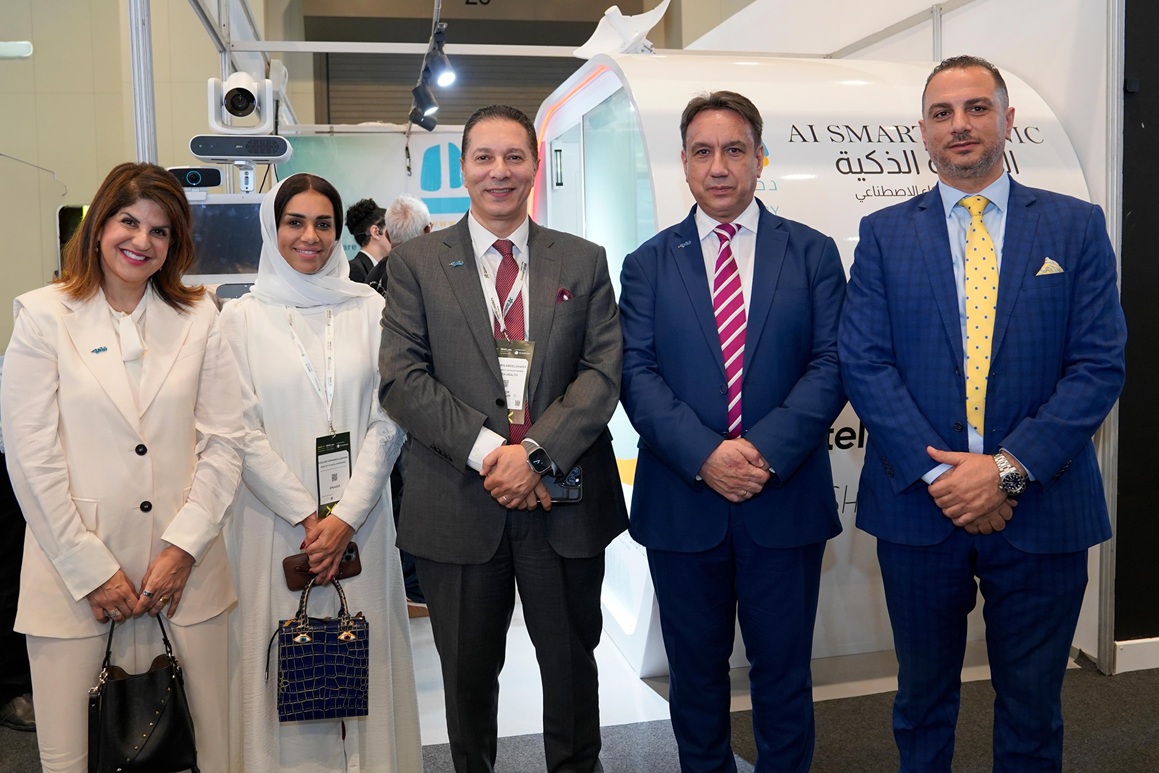
Dubai, United Arab Emirates – Fakeeh Health has announced the launch of a network of AI-enabled Smart Clinics designed to expand access to physician-led medical care within communities across the UAE, in line with Dubai’s vision for a digitally enabled, patient-centered healthcare system.
Following the successful launch of the first hybrid Smart Clinic at JAFZA, Fakeeh Health will roll out Smart Clinics in phases across shopping malls, corporate locations, and residential communities, extending hospital-grade care beyond traditional hospital settings.
Patients will be cared for by Fakeeh Health’s licensed physicians and multidisciplinary teams through secure virtual consultations conducted inside fully equipped medical capsules, connected to real-time vital signs monitoring and fully integrated with Fakeeh Health’s electronic medical records. Each consultation is clinically governed and linked to clear referral pathways and escalation into in-person care at Fakeeh University Hospital when clinically indicated.
Fakeeh Health will manage the end-to-end patient journey, including insurance verification, appointment scheduling, prescription issuance, and coordination of home medication delivery. AI-enabled workflows, supported by AISHA, an AI-powered health assistant, will enhance patient navigation and operational efficiency, while medical accountability and clinical decision-making remain with licensed physicians.
Dr. Mohaymen Abdelghany, Group CEO of Fakeeh Health UAE and CEO of Fakeeh University Hospital, said:
“This initiative extends physician-led, hospital-grade care into the community while aligning with Dubai’s digital healthcare ambitions. By integrating real-time clinical data, electronic medical records, and strong clinical governance, we are expanding access without compromising quality or patient safety.”
Food
Foods That Look Healthy for Weight Loss (But Actually Aren’t)

By Dr. Yara Husein (Food and Nutrition Expert)
Companies often use specific buzzwords on food labels to market products as healthy and weight-loss friendly options. In reality, these options can sometimes have the opposite effect. Here are some common foods and drinks that might be holding you back:
Fat-free dairy products
Many think that fat-free dairy products are ideal for dieting and do not contribute to weight gain. However, in truth, these products can cause weight gain because fat-free products are less satiating than their full-fat counterparts; fat is a nutrient that supports feelings of fullness and makes food more enjoyable. Furthermore, food manufacturers often replace fat with sugar in low-fat and fat-free products to compensate for the lost flavour. Beyond that, skimmed dairy products provide the body with fewer nutrients than full-fat products, because vitamins such as A, D, E, and K are fat-soluble vitamins that require fat to enter the body, be absorbed, and be utilized.
Gluten-free foods
While it is essential for people with gluten-related disorders to avoid gluten, gluten-free foods are not necessarily healthier than foods containing gluten. Some processed gluten-free foods and desserts contain the same amount of calories and added sugar—if not more—as other snacks. Studies, including a study published in the journal PeerJ, indicate that gluten-free snack foods tend to be lower in protein, fiber, and certain vitamins and minerals compared to their gluten-containing counterparts. They are also generally more expensive.
Breakfast cereals
Many people think that breakfast cereals are an ideal and healthy breakfast to start their day, but in reality, many cereals are made from refined grains that lack nutrients like protein and fiber, and they can contain a high percentage of added sugar. For example, Honey Nut Cheerios, which are marketed as heart-healthy, contain 12 grams of added sugar per cup. Eating large quantities of these and other cereals high in added sugar may lead to an increased risk of heart disease, high blood pressure, high triglyceride levels, and weight gain.
Energy and sports drinks
Companies market sports and energy drinks as ways to boost energy and athletic performance, but these drinks can contain a massive amount of sugar. Consequently, they can contribute to weight gain for people who consume them without performing intense physical exercise. For instance, a popular energy drink like Monster (473 ml) contains 54 grams of added sugar—a quantity much higher than the amount recommended by the American Heart Association (25g for women and 36g for men). Research, including a study published in the journal Pediatric Obesity, has linked the consumption of sweetened beverages to health problems, including high blood pressure, fatty liver, and obesity in children and adolescents.
Diet soda
When following a diet, many people may turn to sugar-free or calorie-free drinks, thinking they contribute to weight loss. However, studies indicate that diet soda may contribute to certain health problems by altering brain responses to food and increasing the desire to eat high-calorie foods such as sweets and fast food. A study published in the journal Nutrients linked the consumption of these drinks to a higher risk of metabolic syndrome, which is a group of symptoms that include increased belly fat, blood sugar, blood pressure, and blood lipid levels.
Health
KFSHRC Performs Seven Heart Procedures in Single Robotic Surgery
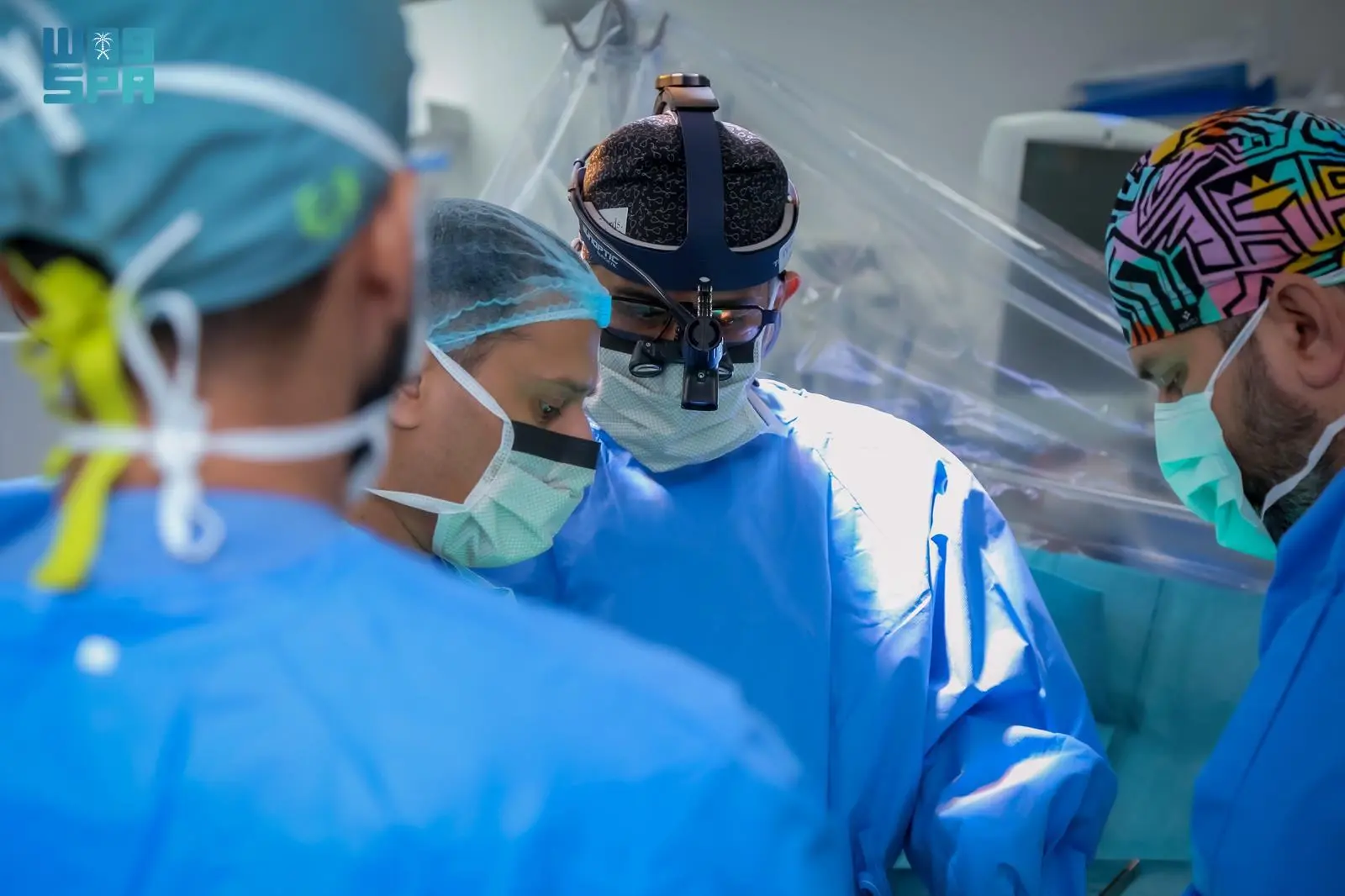
King Faisal Specialist Hospital and Research Centre (KFSHRC) has performed a highly complex robotic heart surgery on a woman in her seventies who was living with seven ongoing cardiac pathologies, including congenital defects. In a single operation, the surgical team addressed all seven issues surgically, marking the first documented case worldwide in which this number of cardiac interventions has been combined in one fully robotic approach.
According to a recent KFSHRC press release, the innovative approach stabilized the patient’s condition, accelerated her recovery, and spared her from undergoing multiple staged surgeries that would have significantly increased risks and prolonged her suffering.
Unlike conventional open-heart surgery, the procedure was performed without a full chest incision. The robotic technique enabled the team to perform mitral valve replacement, tricuspid valve repair, arrhythmia treatment using a Maze procedure, left atrial appendage closure, atrial septal defect formation, and reconstruction of complex venous anatomy (double patch venous enlargement), all through small, precise incisions. This minimally invasive approach reduced surgical trauma, lowered the likelihood of complications, supported a safer procedure, full restoration of heart function and earlier hospital discharge within eight days.
The significance of the case lies in its integration of two surgical domains that are typically managed separately: adult acquired heart disease and congenital defect repair. Treating a heart affected simultaneously by acquired pathology and structural congenital abnormalities required dual expertise and the ability to unify different treatment standards within a single, carefully coordinated intervention.
The release also highlighted that robotic technology played a central role in the procedure’s success, offering enhanced precision when navigating delicate intracardiac structures and allowing multiple complex interventions to be performed through limited access points. This improved surgical control, minimized bleeding, and reduced the risks commonly associated with traditional open-heart surgery.
This milestone reflects KFSHRC’s commitment to advancing the boundaries of cardiac surgery through cutting-edge technology and integrated multidisciplinary care. It underscores the hospital’s patient-centered approach, prioritizing safety, clinical excellence, and measurable outcomes, while reinforcing its position as a global reference center for complex surgical innovation.
King Faisal Specialist Hospital has been ranked first in the Middle East and North Africa and 12th globally among the world’s top 250 Academic Medical Centers for 2026 and recognized as the most valuable healthcare brand in the Kingdom and the Middle East according to Brand Finance 2025. It has also been listed by Newsweek among the World’s Best Hospitals 2025, the World’s Best Smart Hospitals 2026, and the World’s Best Specialized Hospitals 2026.
— SPA
Health
Advanced Endoscopic Intervention Saves 24-Year-Old with Life-Threatening Esophageal Tear at NMC Royal Hospital, Sharjah
Sharjah, UAE , 18th Feb 2026
What began as sudden, severe chest pain and repeated vomiting for a 24-year-old patient quickly evolved into a rare and potentially fatal medical emergency. Within hours, specialists at NMC Royal Hospital, Sharjah diagnosed an esophageal perforation, a tear in the food pipe that requires immediate intervention to prevent serious infection and organ complications. Esophageal perforation is uncommon but carries significant risk if treatment is delayed. Rapid recognition and decisive action are critical.
Rapid Diagnosis
Upon arrival at the Emergency Department, the patient’s symptoms initially resembled more common conditions, including cardiac or gastrointestinal distress. However, clinical evaluation and imaging raised concern for a tear in the esophageal wall.
“A perforation of the esophagus is a true race against time,” explained Dr. Hamid Yousuf, Consultant Gastroenterologist. “If not managed promptly, it can lead to severe infection in the chest cavity and life-threatening complications. Early diagnosis makes all the difference.”
Rapid and effective minimally invasive treatment
Recognising the urgency, Dr. Yousuf and the gastroenterology team proceeded with emergency therapeutic endoscopy, a minimally invasive approach that allows both direct visualisation and immediate treatment.
During the procedure, a specialised esophageal stent was carefully placed to seal the tear and prevent leakage into surrounding tissues. This internal support allowed the damaged area to heal while avoiding the need for major open surgery.
“Modern endoscopy has evolved beyond diagnosis,” said Dr. Yousuf. “It is now a powerful therapeutic tool. By sealing the tear internally, we stabilised the patient quickly and reduced the risks associated with more invasive surgical procedures.”
The patient responded well to the intervention and made a complete recovery under close multidisciplinary care.
Identifying the Underlying Cause
Beyond repairing the acute injury, the team sought to understand why such a severe event occurred in a young individual. During the same endoscopic session, targeted biopsies were obtained for further analysis which revealed a previously undiagnosed condition, Eosinophilic Esophagitis (EoE), a chronic immune-mediated inflammatory disorder of the esophagus which in rare cases can lead to spontaneous tearing. Because early symptoms such as persistent swallowing difficulty, recurrent food impaction or unexplained chest discomfort can be subtle or intermittent, many young adults remain undiagnosed until a serious complication occurs.
Recovery and Prevention
With the diagnosis established, the patient was started on a structured long-term management plan, including dietary modifications and medical therapy aimed at controlling inflammation and preventing recurrence.
This case underscores three critical messages for the community:
- Serious medical emergencies can occur even in young, otherwise healthy individuals.
- Advanced, minimally invasive treatments are transforming outcomes in life-threatening situations.
- Unusual symptoms of any kind should not be ignored. Early medical evaluation can prevent complications and significantly improve long-term health outcomes.
At NMC Royal Hospital, Sharjah, the integration of rapid emergency response, advanced endoscopic capability and comprehensive diagnostic investigation continues to redefine how complex gastrointestinal emergencies are managed.
About NMC Royal Hospital, Sharjah
NMC Royal Hospital, Sharjah is a leading tertiary healthcare facility in the UAE, delivering patient-centred, evidence-based care across a wide range of specialities. With advanced minimally invasive technologies and multidisciplinary expertise, the hospital remains committed to providing high standards of medical excellence to the community.


Foods That Look Healthy for Weight Loss (But Actually Aren’t)

Meryl Streep comeback in ‘Mamma Mia 3’

Nvidia Forecast Signals Faster Growth as Vera Rubin Launches

Is February 2026 really a once-in -283-years MiracleIn?

Algeria, Burkina Faso, Côte d’Ivoire win AFCON 2025 openers

Bascom Palmer Eye Institute Abu Dhabi and Emirates Society of Ophthalmology Sign Strategic Partnership Agreement
-
Discover1 month ago
Is February 2026 really a once-in -283-years MiracleIn?
-
 Football2 months ago
Algeria, Burkina Faso, Côte d’Ivoire win AFCON 2025 openers
-
 Health2 months ago
Bascom Palmer Eye Institute Abu Dhabi and Emirates Society of Ophthalmology Sign Strategic Partnership Agreement
-
 Health2 months ago
NMC Royal Hospital, Khalifa City, performs rare wrist salvage, restoring function for young patient
-

 Health3 months ago
Emirates Society of Colorectal Surgery Concludes the 3rd International Congress Under the Leadership of Dr. Sara Al Bastaki
-

 Football3 months ago
Globe Soccer Awards 2025 nominees announced as voting opens in Dubai
-

 Health3 months ago
Born Too Soon: Understanding Premature Birth and the Power of Modern NICU Care
-
 Health2 months ago
Decline in Birth Rate in the UAE