
Food
25 of the world’s best sandwiches
Is there a food more humble yet universally adored than the sandwich?
And while one person’s go-to hamburger snack might be another’s katsu sando or chivito, there’s hardly a country on the planet that doesn’t turn to some type of bread with something stuffed inside it to cure a craving.
Traveling the world’s sandwiches is, in a way, like traveling the world.
To help narrow your choices for the sandwich to plan your next trip around, here are 25 of the world’s best sandwiches:
Bocadillo de jamón Ibérico, Spain
There are ho-hum ham sandwiches and then there’s this simple handheld featuring some of the world’s finest jamón, luxurious Iberian ham from acorn-fed pigs. The thinly sliced meat is piled on crusty bread that’s brushed or drizzled with extra virgin olive oil. Fresh tomatoes and perhaps some cheese can be added, but the ham is undoubtedly the star of this show.
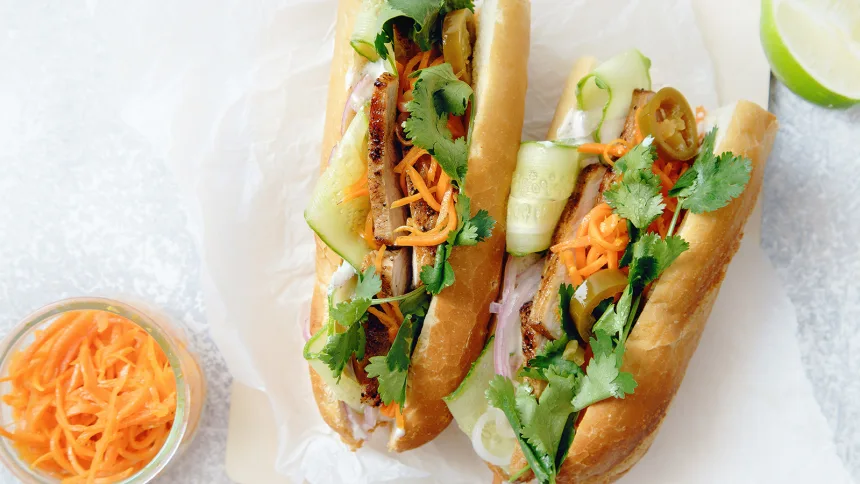
A culinary remnant of French colonialism, the baguette sandwich was reinterpreted to their own taste by the Vietnamese. Bánh mì are now sold from food carts on nearly every street corner in Ho Chi Minh City and across Vietnam and are widely loved well beyond the country’s borders.
The classic version is pork-based, starring chả lụa (Vietnamese-style pork roll), shredded pickled carrots, pickled daikon, cilantro leaves, mayonnaise and other ingredients. You can find variations with tofu and thinly sliced lemongrass chicken, too. The taste is crunchy, fresh, savory and utterly delicious.
Torta ahogada, Mexico
This “drowned” sandwich is the most popular street food in Guadalajara, the capital of Mexico’s Jalisco state. Chopped pork is tucked into crusty bread influenced by the French occupation in the 1860s, then drowned in a spicy red sauce that’s said to have become a tradition by accident when a sandwich fell into the sauce
Tramezzino, Italy
While originally from Turin, Venice has taken this popular lunchtime bar snack to the next level — properly stuffing English tea style-triangles of white bread with fillings that include everything from olives and tuna, soft boiled eggs and vegetables to piles of crispy prosciutto with truffle.
Bars all over Venice pull out platters of tramezzini at lunchtime. If you’re doing things right, you’re enjoying them canal-side with a glass of local wine.
Shawarma, Middle East
Shawarma’s name comes from the Arabic word for “turning” — a reference to how this favorite Middle Eastern sandwich’s meaty filling cooks on a vertical spit. In adaptations that spread to the Mediterranean and Europe, shawarma has been reinterpreted as gyro in Greece or doner kebab in Germany, via Turkey.
While there are many variations of this popular street food, its base is grilled spiced meat (usually chicken, lamb or beef) shaved from the rotisserie and tucked into a light sleeve of pita bread, topped with things such as tomatoes, onions and parsley and perhaps tahini sauce and hot sauce, too.
Pambazo, Mexico
Tortillas might first come to mind when it comes to Mexico. But one of the country’s most famous antojitos (street snacks or appetizers) is the pambazo, a favorite street food sandwich from Veracruz and Puebla said to have been inspired by the shape of a Mexican volcano
It’s a seriously filling thing featuring bread tinted red thanks to a soak in slightly spicy guajillo sauce. Open up wide for the potatoes and Mexican chorizo inside, topped with lettuce, cheese and cream.
Muffaletta, New Orleans, United States
Italian immigrants who settled into New Orleans’ Lower French Quarter in the late 19th and early 20th century are to thank for inventing this quintessential New Orleans sandwich made from round, sesame-covered loaves of Sicilian bread that can easily outsize your head.
Inside the muffaletta, layers of chopped olives, Genoa salami, ham and various cheeses (often with Swiss and provolone) mingle to mouthwatering effect.
Chivito, Uruguay
While this Uruguayan sandwich’s name translates to “little goat,” that ruminant’s meat is decidedly absent from this decadent assemblage of thinly sliced steak (called churrasco), ham, bacon, lettuce, mayonnaise and melted mozzarella.
iled high into a roll that’s similar to a hamburger bun or ciabatta, the chivito is customarily topped off with a fried egg – just to make sure you don’t leave hungry.
Pan bagnat, France
If you like a good salade Niçoise, chances are you’ll be a fan of the pan bagnat — a sandwich that similarly hails from Nice in the South of France and is made using crusty pain de campagne, a boulangerie favorite.
Sliced in half (but not completely through), the bread hinges open to reveal layers of raw vegetables, anchovies, olives, sliced hard boiled eggs, chunks of tuna and liberally applied olive oil, salt and pepper. Bon appétit, indeed.
Smørrebrød, Denmark
Beloved all over Scandinavia but particularly iconic for being one of Denmark’s national dishes, this open-faced sandwich translates to “buttered bread” — but smørrebrød is so much more.
With rye bread as the typical base, toppings include scores (perhaps hundreds) of combinations that range from curried or pickled herring and tiny pink shrimp to sliced boiled eggs and rare roast beef atop a layer of butter. In true Scandi style, smørrebrød goes big on aesthetics, too — the sandwiches are as pretty to look at as they are delicious to eat. Spatlo, South Africa
Particularly linked to the Gauteng province and Johannesburg, South Africa’s spatlo sandwich (often called kota, loosely translated as quarter) is made from a quarter loaf of bread that’s been hollowed out and stacked to the max with meat and much more.
Inside, find seasoned fries, cheese, bacon, polony (bologna), Russian-style sausage and perhaps a heaping of spicy atchar sauce (made from green mangoes) and a fried egg.
Montreal smoked meat sandwich, Canada
Carnivores say oui to this seriously stacked sandwich from Quebec made with smoked beef brisket layered between slices of light rye bread and drizzled with tangy yellow mustard.
The best briskets used in a true Montreal smoked meat sandwich are said to soak for up to two weeks in brine and savory aromatics such as coriander, peppercorn and garlic before being smoked and hand-sliced to go down in eternal sandwich glory.
Po’boy, New Orleans, United States
A classic belly buster that traces its roots to New Orleans, the po’boy (aka poor boy) is rumored to have been invented to feed the city’s streetcar drivers during a 1929 strike.
The history remains fuzzy, but the taste of this sandwich certainly is not.
Folks who sink their teeth into this mayonnaise-laden French bread stuffed with fried oysters (or perhaps fried shrimp or roast beef) and piled with lettuce, tomato and pickles is in for one beautifully delicious mess.
Fricassé, Tunisia
With a comforting deep fried yeast bun for an exterior and a savory mashup of tuna, potatoes and boiled egg inside, this North African sandwich delivers a filling feed in a deceptively small package.
unisia’s favorite picnic and street food sandwich, the fricassé, often gets livened up with additions such as sliced black olives, preserved lemon and harissa – the ubiquitous spicy condiment in this part of the world made from dried red chili peppers, garlic and a spice mix that usually includes caraway, cumin and coriander seed.
Cuban sandwich, Cuba/United States
Originally a luxury item in Cuba, according to Andy Huse, the author of a book on the Cuban sandwich, this Florida favorite is cause for constant debate in Miami and Tampa, where purists spar over its fundamental ingredients as well as its origin.
Whether you take yours with salami (à la Tampa) or not (à la Miami), this sandwich layered with boiled ham, roasted pork, pickles, mustard, Swiss cheese and butter and pressed between pieces of fluffy Cuban bread is a simple, hearty and most often affordable feed.
Cucumber sandwich, United Kingdom
On the dainty side of the sandwich spectrum, cucumber sandwiches are a traditional English afternoon tea staple, often spotted on the same tiered platters with scones and mini-pastries.
Extra soft white bread with the crusts removed gets layered with razor-thin English cucumbers (peeled, please, then lightly salted and drained), butter, a light dusting of fine pepper and perhaps a spray of fresh herbs such as dill. Cut the sandwich into neat triangles and pair with a pot of tea.
Chip butty, United Kingdom
The opposite of elegant, the chip butty means business – after all, this is a sandwich sheathed in buttered white bread and stuffed with fries (aka chips in its native Britain) that seem to carve out their own space in all that soft goodness.
Said to trace its roots all the way back to the 1860s and a seaside fish and chips shop in Lancashire, England, the chip butty can be doused with optional condiments ranging from ketchup and malt vinegar to mayonnaise.
Katsu sando, Japan
A deep-fried pork cutlet – pounded and breaded with panko and tucked into a fluffy Japanese white milk bread called shokupan – is the base for this cult-favorite, convenience store snack from Japan.
Considered yōshoku cuisine (Western-influenced), katsu sando is usually garnished with ribbons of cabbage and comes in chicken and egg salad (tamago) versions, too.
Reuben, United States
Ask people from Nebraska, and they’ll say the Reuben was invented there by a local grocer looking to feed a band of hungry poker players. In New York, the story goes that the sloppily sinful sandwich on rye bread was named for the founder of New York’s Reuben Restaurant.
What’s not disputable is the goodness crammed inside a Reuben – sliced corned beef, sauerkraut, Swiss cheese and Russian or Thousand Island-style dressing. You’ll need napkins. Lots.
Croque monsieur/madame, France
An archetypal sandwich from France that originated as “un snack” in French cafes, this crunchy (croquant) marvel comes in female and male incarnations (madame et monsieur).
or the croque monsieur, slices of white bread are stuffed with thinly sliced ham and emmental or gruyere, often dipped into egg batter, buttered and pan fried. For the croque madame, the egg component is served fried atop the sandwich.
Philly cheesesteak, Philadelphia, United States
Mouthwateringly simple, the City of Brotherly Love’s most beloved sandwich is a delectable hot mess layered with ribeye steak sliced thin, oozing sheets of provolone and sauteed peppers and onions to your liking.
Purists insist the Philly cheesesteak is enveloped inside a hoagie bun. But if you’re whipping one up at home, any thick white bread is sure to be satisfying.
Broodje haring, Netherlands
Like a taste of the salty North Sea distilled into sandwich form, this classic Dutch sandwich is for serious seafood fans only.
Served cold, broodje haring features crunchy baguette-style bread filled with thin slices of chilled herring that’s been cured in salt and piled with diced onions. Depending on where you are in the Netherlands, it might have sliced gherkins, too. Look for it anywhere there’s a market at the stalls called vishandels.
Falafel pita, Middle East
You won’t miss meat in this vegetarian staple of Middle Eastern cuisine. The falafel pita is exactly what its name suggests. Crunchy fried balls of falafel – made from soaked, ground-up chickpeas mixed with herbs – are pushed into a warm and fluffy pita pocket and brightened up with lettuce, tomatoes, tangy tahini sauce and other additions that might include chili sauce and hummus.
You’ll find people lining up for this sandwich on the streets of Beirut, Amman and many other places across the Middle East and beyond.
Choripán, Argentina
Sausages splashed with mustard and chimichurri sauce are the savory makings of this classic Argentinean mouthful whose name is a mash-up of chorizo (sausage) and pan (bread).
Choripán’s origins are thought to trace back to the country’s cowboys called gauchos, known for their grilled meat asados. But today, the casual and filling sandwich is found beyond Buenos Aires and the Andes at food carts, futbol games and restaurants across South America. It’s best enjoyed hot off the grill.
Lobster roll, New England, United States
New Englanders hold their humble lobster roll dear – a summertime coastal treat piled with big chunks of steamed lobster meat that’s often mixed with lemon juice, mayonnaise and herbs and tucked into a roll resembling a hot dog bun.
You can find them at seafood restaurants across the United States. But a classic lobster shack on the stretch of coastline from Maine to Connecticut will make for a scenic backdrop that’s hard to beat.
CNN TRAVEL
Food
Food engineers warn: 6 products you should never bring into your kitchen
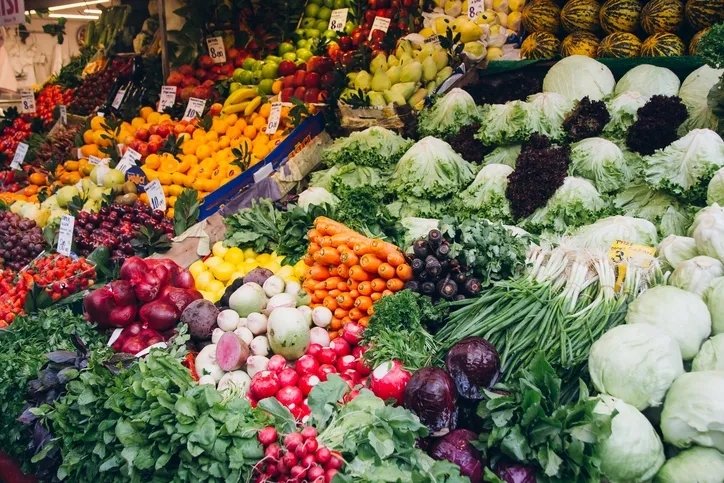
Food engineers warn against six common food groups they say pose serious health risks if mishandled, urging consumers to pay close attention to cold chains, packaging, and traceability.

Food engineers have issued a series of warnings by listing products they say they would never allow into their kitchens.

Highlighting foods that consumers often unknowingly add to their shopping baskets, experts stressed that these items can pose serious health risks, emphasizing each category with the phrase: “I would never bring this into my home.”

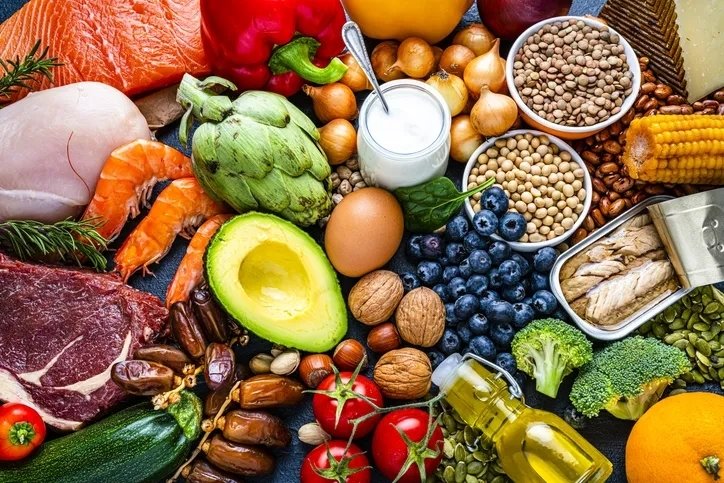
The nutrients in the foods we consume daily play a vital role in enabling our body’s cells to perform essential functions. Nutrients are fundamental to growth, development, maintenance of bodily functions, and emotional stability, making them one of the main pillars of human health.
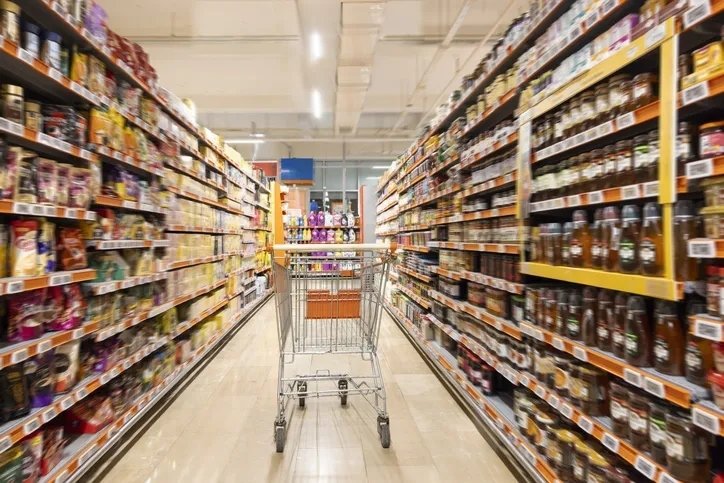

Poor nutrition can damage metabolic processes and lead to deteriorating health. Just as frequently consuming foods high in sugar or fat can be harmful, inadequate or insufficient nutrition can also cause serious damage to the body.
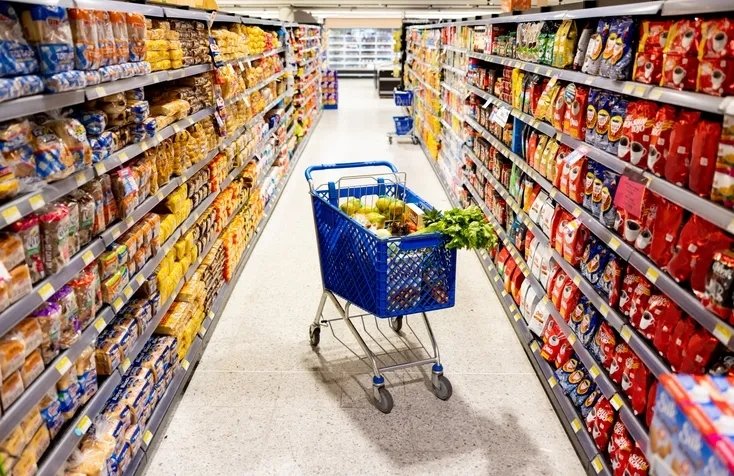

However, even products we choose believing they are fresh and healthy may, in fact, cause hidden harm. Food engineers have therefore outlined the products they would never buy from either markets or grocery stores.
They stressed that the most critical factors when purchasing food are maintaining the cold chain, traceability, and packaging safety. Here are six food groups that food engineers say they would never keep in their kitchens:
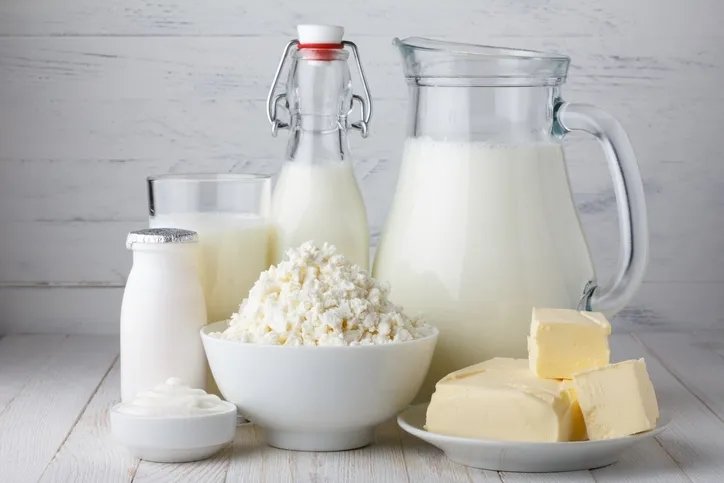

Milk and Dairy Products
Due to their high protein and water content, milk and dairy products are ideal environments for microbial growth.
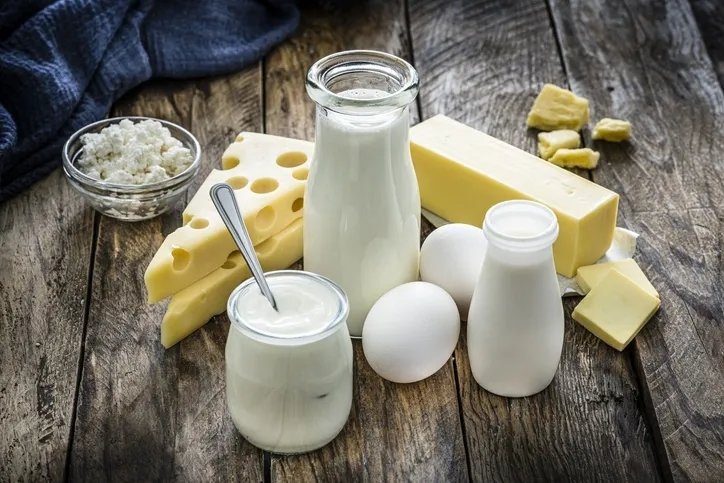

If the cold chain (keeping milk at +4°C from milking to consumption) is broken, these products can become serious health threats.
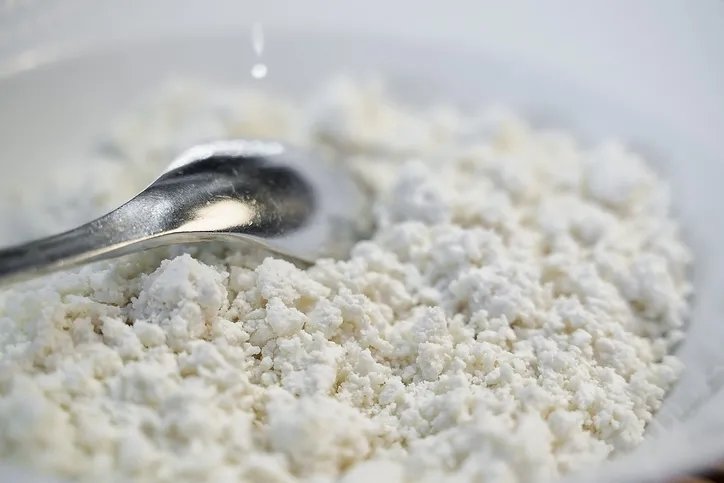

Temperature changes destroy nutritional value and allow bacteria to produce heat-resistant toxins that cannot be eliminated even by boiling, potentially causing long-term health problems.

Illegal chemicals added to mask spoilage further expose consumers to microbiological and chemical risks.
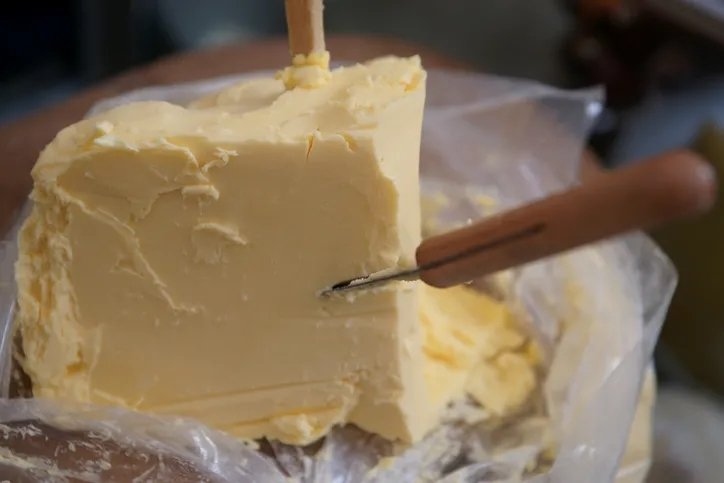

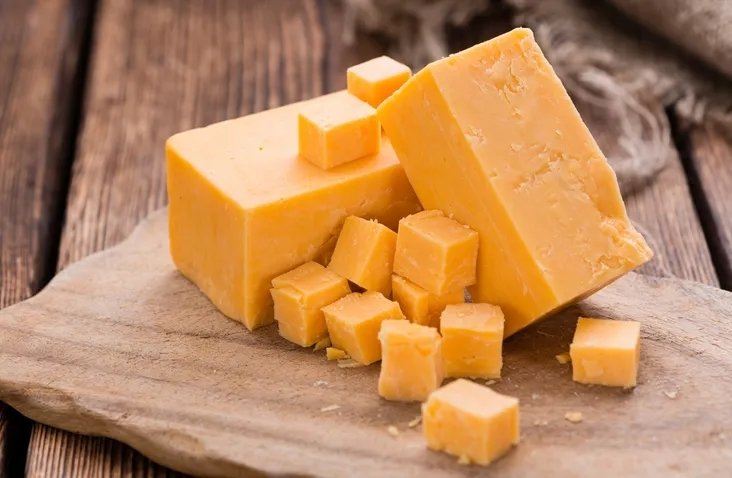
Uncovered cottage cheese, butter, and kashar cheese are exposed to dust, insects, and airborne microbes, while improper temperatures encourage the growth of deadly bacteria and toxin-producing molds.
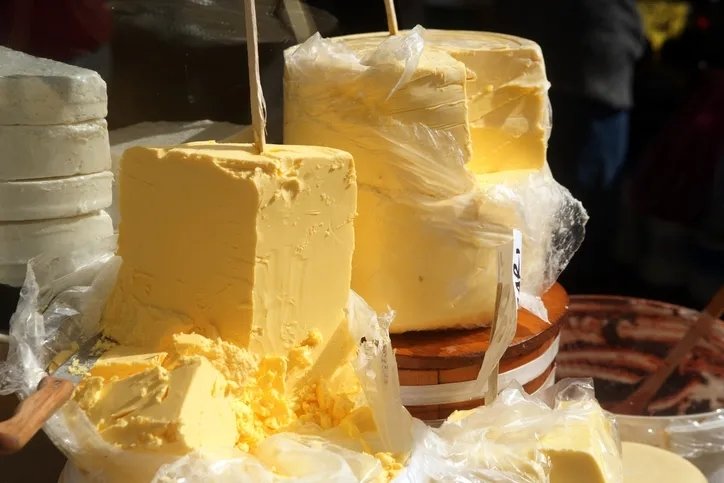

Cottage cheese can become toxic very quickly, butter can undergo chemical spoilage due to oxidation, and shared cutting tools increase cross-contamination risks in cheeses like kashar.
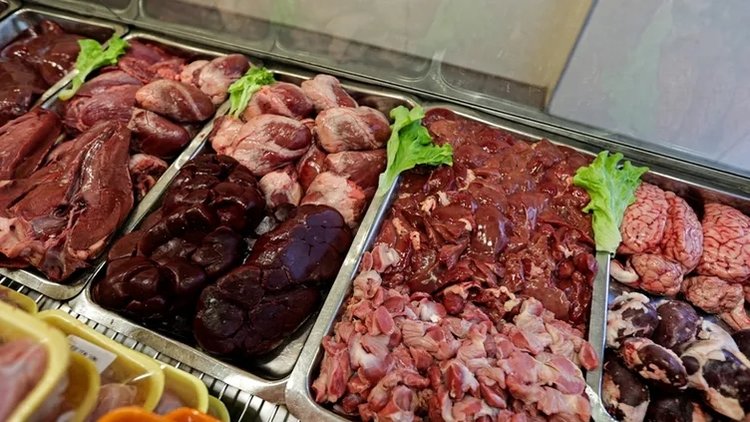

Unrefrigerated Meat, Poultry, and Deli Products
When sold without refrigeration, these products remain in the “danger zone” at room temperature, allowing pathogens such as Salmonella, E. coli, and Campylobacter to multiply rapidly.
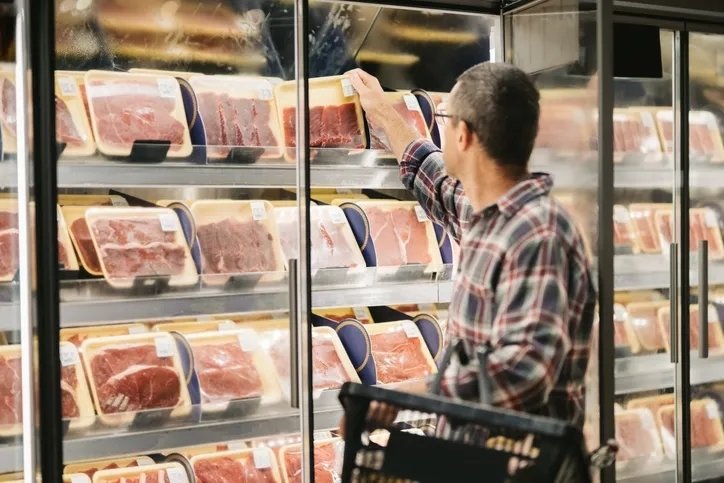

In meat and poultry, this can lead to the spread of heat-resistant toxins that cause severe food poisoning and organ damage.
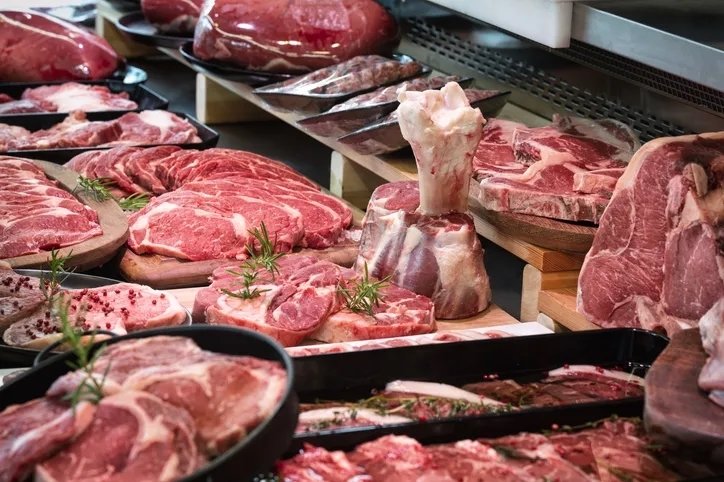

In deli products, broken cold chains also promote Listeria growth and chemical degradation of fats.
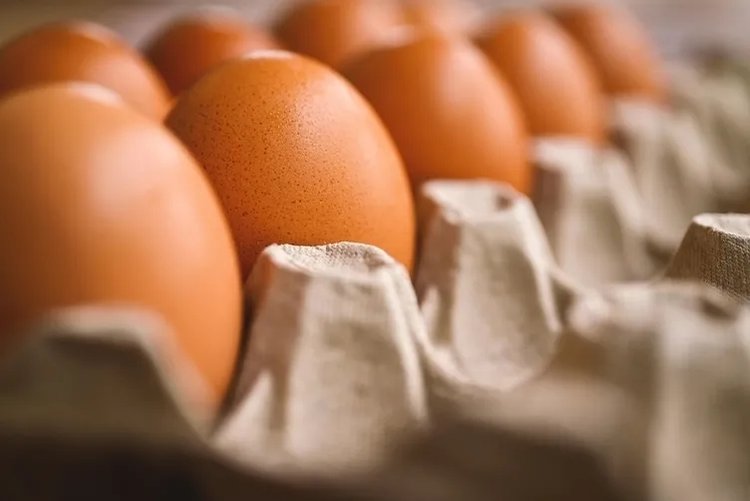

Unlabeled or Cracked Eggs
Eggs without barcodes or with visible dirt or cracks pose a high risk of Salmonella.
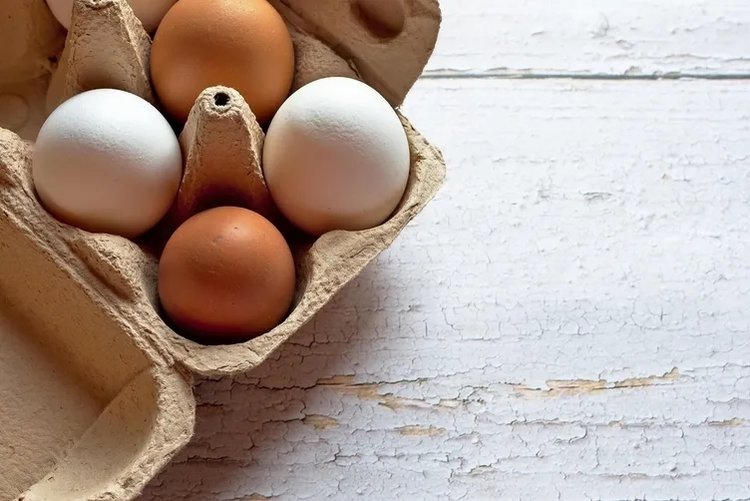

Dirt on the shell harbors bacteria, and even tiny cracks allow microbes to enter and multiply.
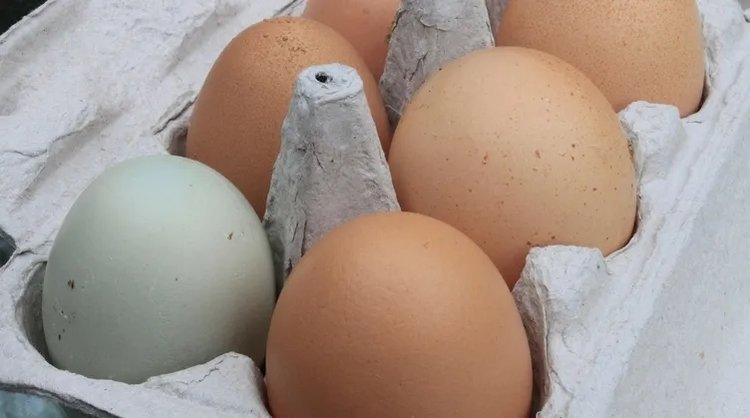

Without traceability, there is also a higher risk of consuming stale eggs or being exposed to antibiotic and drug residues.
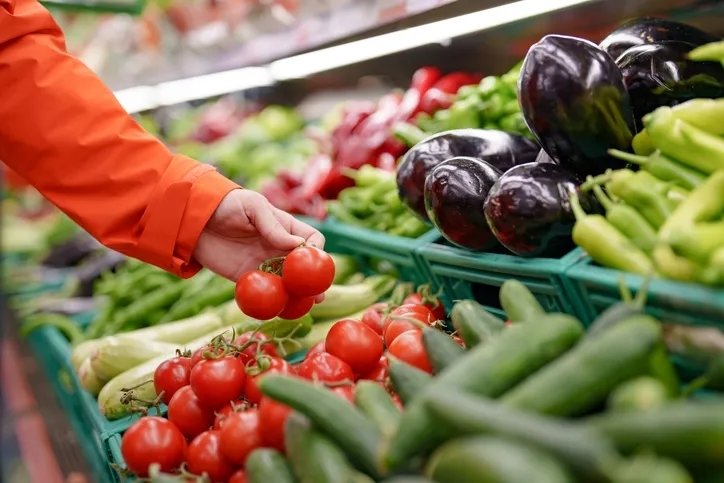

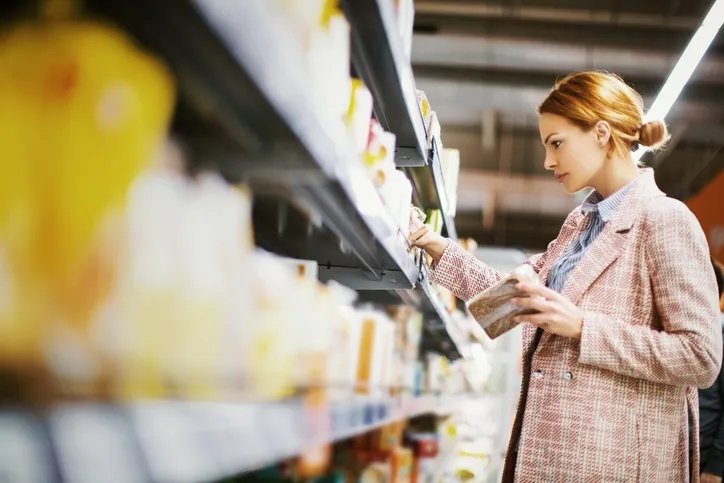
Out-of-Season Fruits and Vegetables
Produce sold out of season is often exposed to high levels of synthetic hormones and pesticides to compensate for the lack of natural growing conditions.
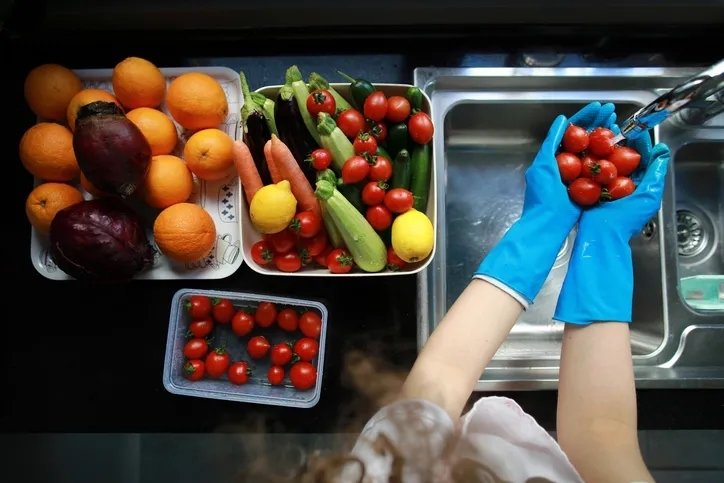

These chemicals can accumulate in the body, causing hormonal disorders and long-term health issues.

Such products also have lower vitamin and antioxidant content and may contain synthetic waxes and preservatives that burden the digestive system.
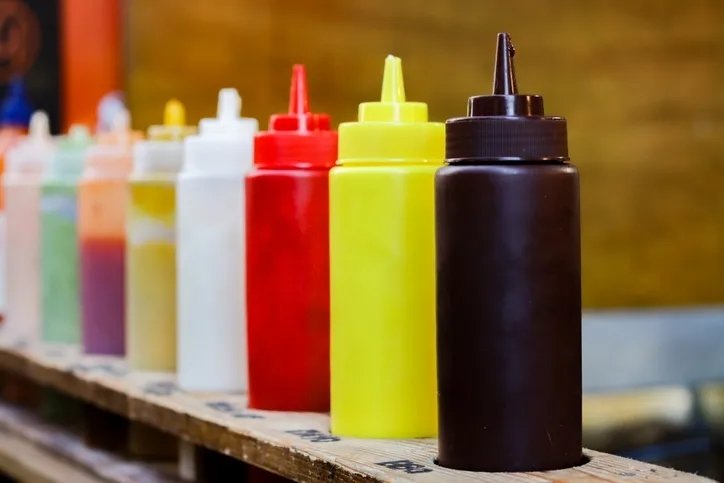

Oils, Sauces, and Pastes in Plastic Packaging
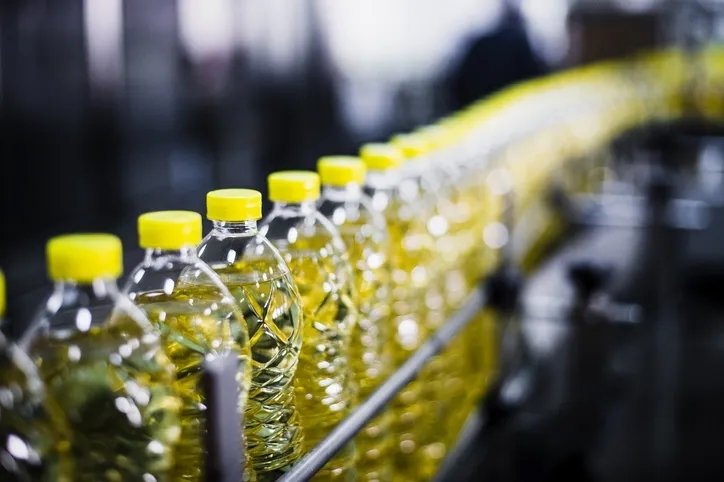
High fat and acidic content can cause harmful chemicals such as BPA and phthalates to migrate from plastic into food, disrupting the hormonal system and contributing to issues ranging from infertility to obesity.


Plastic also accelerates oxidation and allows microplastics to leach into acidic foods like tomato paste and sauces, increasing cancer and toxicity risks—especially when exposed to heat and light.

Finally, food engineers emphasized that these risks are even more critical in households with babies, children, elderly individuals, pregnant women, or people with weakened immune systems, urging consumers to be far more cautious about what they eat.
A News
Food
Foods That Look Healthy for Weight Loss (But Actually Aren’t)

By Dr. Yara Husein (Food and Nutrition Expert)
Companies often use specific buzzwords on food labels to market products as healthy and weight-loss friendly options. In reality, these options can sometimes have the opposite effect. Here are some common foods and drinks that might be holding you back:
Fat-free dairy products
Many think that fat-free dairy products are ideal for dieting and do not contribute to weight gain. However, in truth, these products can cause weight gain because fat-free products are less satiating than their full-fat counterparts; fat is a nutrient that supports feelings of fullness and makes food more enjoyable. Furthermore, food manufacturers often replace fat with sugar in low-fat and fat-free products to compensate for the lost flavour. Beyond that, skimmed dairy products provide the body with fewer nutrients than full-fat products, because vitamins such as A, D, E, and K are fat-soluble vitamins that require fat to enter the body, be absorbed, and be utilized.
Gluten-free foods
While it is essential for people with gluten-related disorders to avoid gluten, gluten-free foods are not necessarily healthier than foods containing gluten. Some processed gluten-free foods and desserts contain the same amount of calories and added sugar—if not more—as other snacks. Studies, including a study published in the journal PeerJ, indicate that gluten-free snack foods tend to be lower in protein, fiber, and certain vitamins and minerals compared to their gluten-containing counterparts. They are also generally more expensive.
Breakfast cereals
Many people think that breakfast cereals are an ideal and healthy breakfast to start their day, but in reality, many cereals are made from refined grains that lack nutrients like protein and fiber, and they can contain a high percentage of added sugar. For example, Honey Nut Cheerios, which are marketed as heart-healthy, contain 12 grams of added sugar per cup. Eating large quantities of these and other cereals high in added sugar may lead to an increased risk of heart disease, high blood pressure, high triglyceride levels, and weight gain.
Energy and sports drinks
Companies market sports and energy drinks as ways to boost energy and athletic performance, but these drinks can contain a massive amount of sugar. Consequently, they can contribute to weight gain for people who consume them without performing intense physical exercise. For instance, a popular energy drink like Monster (473 ml) contains 54 grams of added sugar—a quantity much higher than the amount recommended by the American Heart Association (25g for women and 36g for men). Research, including a study published in the journal Pediatric Obesity, has linked the consumption of sweetened beverages to health problems, including high blood pressure, fatty liver, and obesity in children and adolescents.
Diet soda
When following a diet, many people may turn to sugar-free or calorie-free drinks, thinking they contribute to weight loss. However, studies indicate that diet soda may contribute to certain health problems by altering brain responses to food and increasing the desire to eat high-calorie foods such as sweets and fast food. A study published in the journal Nutrients linked the consumption of these drinks to a higher risk of metabolic syndrome, which is a group of symptoms that include increased belly fat, blood sugar, blood pressure, and blood lipid levels.
Food
How to Fast Safely During Ramadan if You Have Diabetes
For Muslims living with diabetes, Ramadan presents a deeply personal decision that balances spiritual devotion with health considerations. The desire to observe one of Islam’s five pillars is understandable, fasting during Ramadan is a profoundly meaningful experience that connects believers to their faith, their community, and centuries of tradition.
The good news is that many people with diabetes can fast safely with proper preparation and medical guidance. However, this requires careful planning, ongoing monitoring, and a clear understanding of when fasting may pose risks that outweigh its benefits. The International Diabetes Federation estimates that over 150 million Muslims with diabetes worldwide fast during Ramadan each year, many of them successfully.
This guide provides evidence-based information to help you work with your healthcare team in making informed decisions about fasting and managing your diabetes throughout the holy month.
Disclaimer: This information is designed to provide practical advice for diabetics during the holy month of Ramadan. Any lifestyle or medication changes must be discussed with and approved by a healthcare professional.
Before Ramadan: Essential Preparation
The most important step in safe fasting begins six to eight weeks before Ramadan. Schedule a pre-Ramadan consultation with your physician to assess whether fasting is appropriate for your specific situation. During this visit, your doctor will evaluate your current blood glucose control, review your medications, discuss your previous fasting experiences, and help you understand your personal risk level.
According to the IDF-DAR Practical Guidelines, individuals with diabetes fall into different risk categories. Those at very high or high risk—including people with type 1 diabetes, those with poorly controlled type 2 diabetes, pregnant women with diabetes, or those who have experienced severe hypoglycemia in the past three months—are generally advised not to fast. However, individuals with well-controlled type 2 diabetes and no significant complications may be able to fast with appropriate medication adjustments and monitoring.
Your healthcare team will also guide on adjusting your medications, planning your meals, and recognizing warning signs that require breaking your fast.
Blood Glucose Monitoring During Fasting
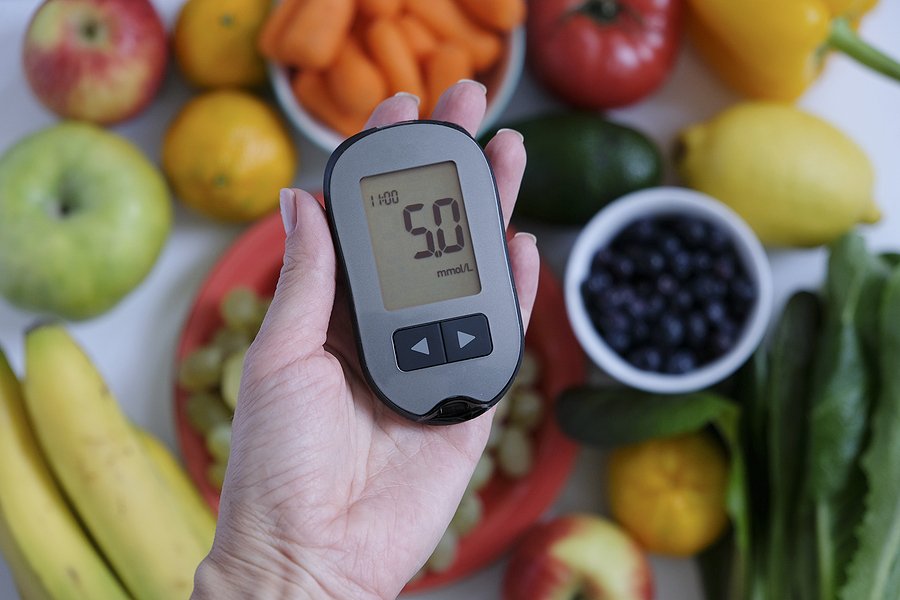
Regular blood glucose monitoring is essential during Ramadan, and importantly, testing your blood sugar does not break your fast. Islamic scholars have confirmed that finger-prick testing and using glucose monitors are permitted during fasting hours.
For individuals at moderate to low risk, monitoring once or twice daily may be sufficient. Those at higher risk should consider following a more comprehensive monitoring schedule that includes checking levels before suhoor, two to three hours after suhoor, at midday, mid-afternoon, before iftar, and two hours after iftar.
Always check your blood glucose if you experience any symptoms of low or high blood sugar, or if you feel unwell.
When You Must Break Your Fast
Your health must take priority. You should immediately break your fast and seek medical attention if:
- Your blood glucose drops below 70 mg/dL (3.9 mmol/L)—there is no guarantee it will not fall further
- Blood glucose exceeds 300 mg/dL (16.7 mmol/L)
- You experience symptoms of hypoglycemia: shakiness, sweating, confusion, dizziness, or rapid heartbeat
- You experience symptoms of hyperglycemia: excessive thirst, frequent urination, or nausea
- You develop dehydration, fever, diarrhea, or any acute illness
Breaking your fast in these circumstances is not only permitted but required under Islamic law, which prioritizes the preservation of health and life.
Nutrition and Meal Planning
Proper meal planning helps maintain stable blood glucose throughout Ramadan. At suhoor, choose complex carbohydrates that digest slowly, such as whole grains, oats, barley, and legumes. Include protein sources like eggs, yogurt, or cheese, and drink plenty of water. Delay suhoor until just before dawn to shorten the fasting period.
At iftar, break your fast with dates and water as per tradition—dates provide quick but natural energy. Avoid consuming large quantities of food rapidly, as this can cause blood sugar spikes. Choose grilled or baked foods over fried items, include vegetables with every meal, and limit sweets and sugary beverages.
Spread your food intake across two main meals with a light snack in between, rather than consuming everything at once.
Physical Activity Considerations
Light to moderate exercise is generally safe during Ramadan, but timing matters. The best time for physical activity is two to three hours after iftar, when you have had time to eat and rehydrate. Avoid strenuous exercise during fasting hours, as this increases the risk of hypoglycemia and dehydration.
Tarawih prayers, which involve standing, bowing, and prostrating, count as physical activity and should be factored into your daily exercise plan.
Key Takeaways for Managing Diabetes During Ramadan
- Consult your physician six to eight weeks before Ramadan for a pre-fasting assessment
- Blood glucose monitoring does not break your fast—test regularly
- Break your fast immediately if glucose falls below 70 mg/dL or rises above 300 mg/dL
- Choose slow-digesting foods at suhoor and avoid large, rapid meals at iftar
- Stay well hydrated between iftar and suhoor
- Exercise after iftar, not during fasting hours
- Medication adjustments must be discussed with your healthcare provider
When to Consult Your Doctor
Beyond your pre-Ramadan assessment, contact your healthcare provider if you experience:
- Repeated episodes of low or high blood sugar during fasting
- Difficulty managing your glucose levels despite following your plan
- Symptoms of dehydration that do not improve with increased fluid intake
- Any new or worsening symptoms related to diabetes complications
- Uncertainty about whether it is safe to continue fasting
After Ramadan, schedule a follow-up appointment to discuss your experience and make any necessary adjustments to your regular treatment plan.
Jhon Hopkins Aramco Healthcare


Private Credit Investors Rush to Withdraw

UAE moves spring break for schools and universities

How Etihad Rail ferried 350+ UAE passengers back home with Saudi help

Is February 2026 really a once-in -283-years MiracleIn?

Algeria, Burkina Faso, Côte d’Ivoire win AFCON 2025 openers

Bascom Palmer Eye Institute Abu Dhabi and Emirates Society of Ophthalmology Sign Strategic Partnership Agreement
-
Discover1 month ago
Is February 2026 really a once-in -283-years MiracleIn?
-
 Football2 months ago
Algeria, Burkina Faso, Côte d’Ivoire win AFCON 2025 openers
-
 Health3 months ago
Bascom Palmer Eye Institute Abu Dhabi and Emirates Society of Ophthalmology Sign Strategic Partnership Agreement
-

 Health2 months ago
NMC Royal Hospital, Khalifa City, performs rare wrist salvage, restoring function for young patient
-

 Health4 months ago
Emirates Society of Colorectal Surgery Concludes the 3rd International Congress Under the Leadership of Dr. Sara Al Bastaki
-

 Football3 months ago
Globe Soccer Awards 2025 nominees announced as voting opens in Dubai
-

 Health4 months ago
Born Too Soon: Understanding Premature Birth and the Power of Modern NICU Care
-

 Health2 months ago
Decline in Birth Rate in the UAE