
Health
Your Air Conditioner Could Be Making You Sick: Dubai Pulmonologist Warns of Hidden Respiratory Risks
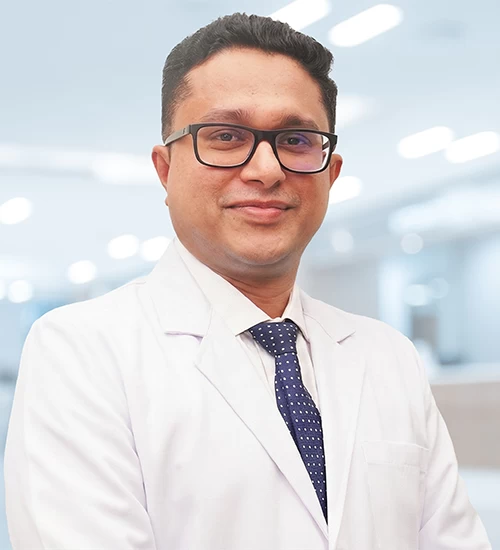
Dr Muhammed Aslam, Specialist Pulmonologist at International Modern Hospital Dubai, warns that prolonged exposure to cold, dry air and poorly maintained air-conditioning systems can aggravate asthma, allergies and respiratory irritation, particularly among vulnerable individuals.
Dubai: Air conditioning is essential for daily life in the UAE, where high temperatures make cooled indoor environments a necessity for much of the year. However, a Dubai-based pulmonologist is warning that the air people breathe inside their homes, offices and cars may contribute to respiratory discomfort, particularly when air-conditioning systems are poorly maintained or indoor temperatures are excessively cold.
Dr Muhammed Aslam, Specialist Pulmonologist at International Modern Hospital Dubai, said prolonged exposure to cold, dry air can irritate the respiratory tract and aggravate existing conditions, including asthma and allergies.
“Prolonged exposure to cold, dry air can cause nasal and throat dryness, eye irritation, and worsen allergies or asthma in susceptible individuals. Poorly maintained air-conditioning systems may also circulate dust and mould, triggering respiratory symptoms,” Dr Aslam explained.
He emphasised that air conditioning itself is not inherently harmful and plays an important role in preventing heat-related illnesses. The concern arises when cooling systems are inadequately maintained or indoor conditions trigger symptoms in sensitive individuals.
Why cold, dry air can irritate your lungs
The respiratory system relies on the nose and airways to warm and humidify inhaled air.
When indoor air is unusually cold or dry, some people may experience irritation of the nose, throat and airways, particularly after spending extended periods in air-conditioned environments.
Symptoms can include a dry or sore throat, nasal discomfort, coughing and irritation of the eyes.
People with asthma or sensitive airways may be more likely to experience symptoms because cold air can provoke airway narrowing in susceptible individuals.
However, these reactions vary, and not everyone exposed to air conditioning will develop respiratory problems.
Could your AC filters be making allergies worse?
Dr Aslam highlighted poor air-conditioning maintenance as another important concern.
Over time, dust, dirt and moisture can accumulate in cooling systems. When maintenance is neglected, contaminated components may contribute to poor indoor air quality.
“Poorly maintained air-conditioning systems may also circulate dust and mould, triggering respiratory symptoms,” he warned.
Airborne allergens and irritants can aggravate sneezing, nasal congestion, coughing and wheezing, particularly among people with allergic rhinitis or asthma.
Moisture problems can also encourage mould growth, making prompt identification and correction of leaks or condensation issues important.
Regular servicing, appropriate filter replacement and attention to indoor moisture are practical ways to reduce these risks.
Why asthma patients may be more sensitive
For people living with asthma, environmental conditions can influence the frequency and severity of respiratory symptoms.
Cold air may trigger coughing, wheezing, chest tightness or shortness of breath in susceptible patients.
Dust and mould are also recognised triggers for some people with asthma, particularly when exposure occurs repeatedly in enclosed spaces.
Dr Aslam advised patients with persistent or worsening respiratory symptoms to seek medical assessment rather than assuming the discomfort is simply caused by summer weather.
People with diagnosed asthma should continue using their prescribed medication and follow their personalised asthma action plan.
Moving between extreme heat and cold indoor spaces
During the UAE summer, residents may repeatedly move between outdoor heat and heavily air-conditioned indoor environments.
For some people with sensitive airways, the sudden exposure to much cooler, drier air can provoke discomfort or respiratory symptoms.
Maintaining a comfortable indoor temperature rather than excessively cold conditions may help reduce irritation.
It is also important to recognise that the precise temperature at which symptoms occur varies from person to person.
Who should take extra precautions?
Dr Aslam highlighted the need for particular attention among people with asthma, respiratory allergies and other chronic respiratory conditions.
Children and older adults may also require additional care when indoor environments are excessively cold or poorly ventilated.
Those who repeatedly experience coughing, wheezing, nasal irritation or breathing difficulties in a particular indoor environment should consider whether temperature, dust, dampness or ventilation may be contributing factors.
Persistent symptoms warrant medical evaluation.
Five ways to improve indoor air quality
Dr Aslam’s warning reinforces the importance of practical precautions during periods of heavy air-conditioning use.
- Maintain AC systems regularly: Clean or replace filters according to the manufacturer’s instructions and arrange professional servicing when needed.
- Avoid excessively cold indoor temperatures: Choose a comfortable setting, particularly if cold air triggers respiratory symptoms.
- Address moisture and mould promptly: Repair leaks, investigate damp areas and ensure cooling systems drain properly.
- Support adequate ventilation: Follow appropriate building ventilation guidance and improve fresh-air circulation where practical and safe.
- Pay attention to recurring symptoms: Seek medical advice if coughing, wheezing, breathlessness or persistent irritation develops or worsens indoors.
Air conditioning is essential, but maintenance matters
Dr Aslam stressed that residents should not avoid air conditioning during extreme heat, as effective cooling is important for protecting health and preventing heat-related illness.
Instead, the focus should be on ensuring that indoor environments remain comfortable and cooling systems are properly maintained.
For people with asthma and allergies, recognising environmental triggers can help reduce unnecessary respiratory irritation and improve day-to-day symptom control.
The message is clear: air conditioning should provide relief from the heat without compromising the quality of the air people breathe.
Health
Emirates Specialty Hospital Expands Cancer Care Services in Dubai with Opening of Dedicated Chemotherapy Unit
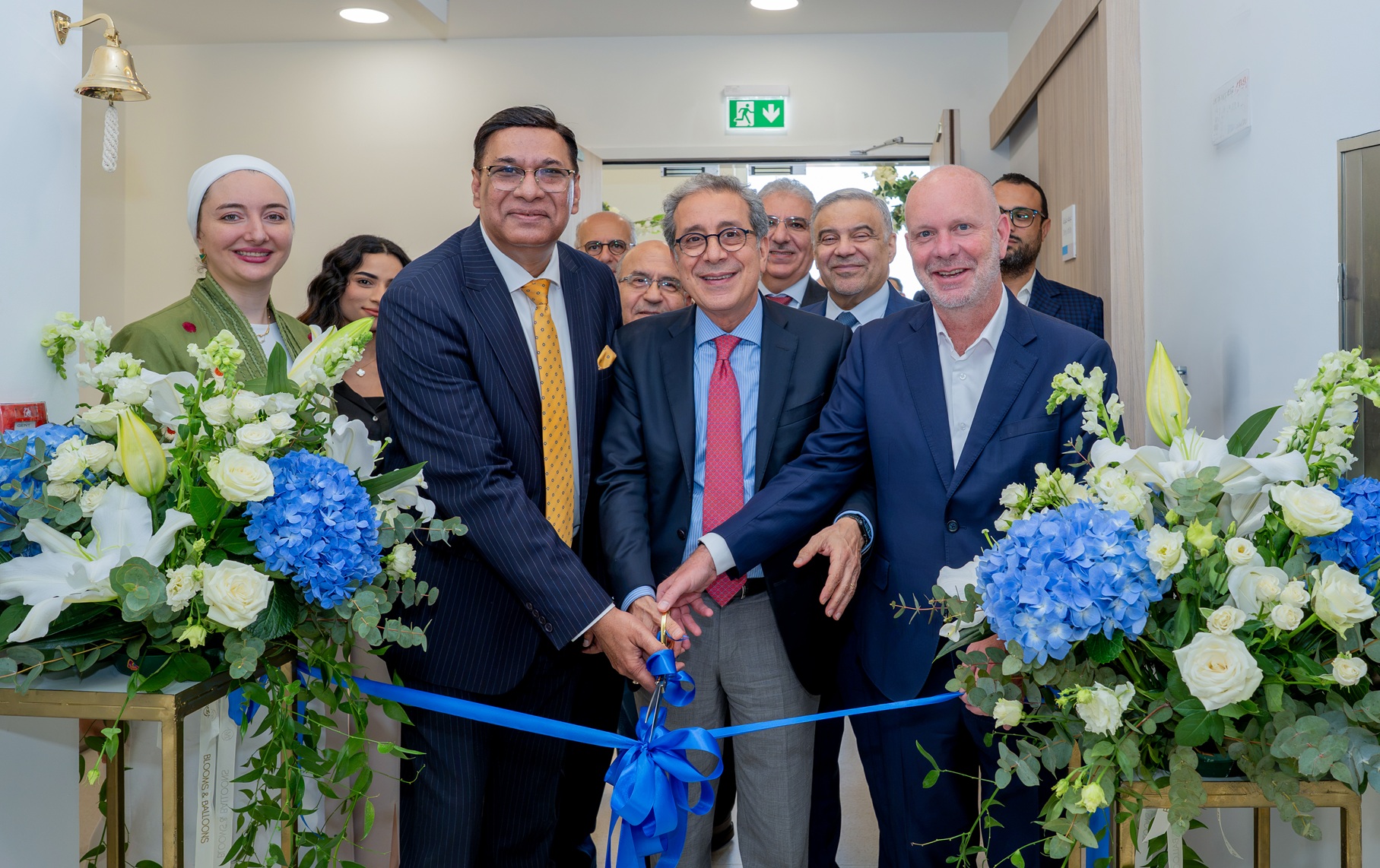
New facility at Dubai Healthcare City aims to improve access to specialised cancer treatment, bringing personalised oncology care and medical expertise together under one roof
Dubai, UAE: Emirates Specialty Hospital in Dubai Healthcare City has announced the opening of a dedicated chemotherapy unit within its Emirates Oncology Centre, marking a significant expansion of its cancer care services and strengthening access to specialised oncology treatment for patients in Dubai.
The newly established unit has been designed to provide chemotherapy treatments in a dedicated clinical setting, with an emphasis on patient safety, individualised treatment plans and continuous medical support throughout the cancer care journey.
The opening comes as healthcare providers increasingly recognise the importance of delivering cancer treatment through a coordinated, multidisciplinary approach that addresses not only the disease itself but also the physical and emotional challenges patients may experience during treatment.
For many cancer patients, chemotherapy involves repeated hospital visits, ongoing medical assessments and careful monitoring of treatment responses and potential side effects. Access to a specialised facility supported by experienced oncology professionals can play an important role in ensuring continuity of care and helping patients navigate what is often a complex and demanding treatment journey.
Bringing specialised cancer treatment closer to patients
The Emirates Oncology Centre brings together medical expertise and patient-focused services to support individuals undergoing cancer treatment.
The oncology services are supervised by Prof. Dr. Marwan Ghosn, Consultant Medical Oncologist, and Dr. Mohamed Elbassyouny Alawy, Specialist Medical Oncology, who oversee the delivery of specialised oncology care.
Treatment plans are developed according to each patient’s diagnosis, medical condition and individual clinical needs, with an emphasis on evidence-based medical practice, careful monitoring and appropriate supportive care.
The dedicated chemotherapy unit forms part of the hospital’s broader strategy to strengthen its specialised medical services while maintaining high standards of clinical quality and patient safety.
Cancer care goes beyond chemotherapy
While chemotherapy remains an important treatment option for many types of cancer, oncology care increasingly requires a comprehensive approach that considers each patient’s overall health, treatment tolerance and quality of life.
Patients receiving chemotherapy may experience a range of challenges, including fatigue, nausea, changes in appetite and other treatment-related effects that require ongoing medical attention.
The Emirates Oncology Centre places particular emphasis on supporting patients throughout these challenges, with treatment decisions guided by clinical assessment and individual patient needs.
The approach reflects a growing shift in cancer care towards personalised treatment, where medical teams consider the characteristics of the disease alongside the patient’s health, circumstances and treatment goals.
Equally important is the need for clear communication between doctors, patients and their families, particularly when discussing treatment options, expected outcomes and possible side effects.
By placing patients at the centre of clinical decision-making, the hospital aims to provide a treatment experience built around medical expertise, informed choices and compassionate care.
Strengthening Dubai’s specialised healthcare services
The opening of the chemotherapy unit represents another step in Emirates Specialty Hospital’s ongoing efforts to expand its clinical capabilities and provide comprehensive healthcare services within Dubai Healthcare City.
As demand for specialised healthcare continues to evolve, the availability of dedicated oncology facilities is increasingly important in supporting timely access to treatment and ensuring patients can receive appropriate care within an established hospital environment.
The hospital said the new unit reflects its commitment to investing in specialised medical services and improving the overall patient experience through coordinated care, experienced healthcare professionals and a strong focus on clinical safety.
With the opening of the dedicated chemotherapy unit, Emirates Specialty Hospital aims to further strengthen its role in providing specialised cancer care in Dubai, offering patients and their families access to personalised treatment and medical support at every stage of their journey.
For more information please visit our website : Emirates Hospitals Dubai – Best Hospital in Dubai, Top Rated
About Emirates Specialty Hospital
Located in Dubai Healthcare City, Emirates Specialty Hospital is a multidisciplinary healthcare facility providing a range of specialised medical and surgical services. The hospital continues to expand its clinical capabilities, with a focus on medical expertise, patient-centred care and high standards of healthcare quality and safety.
Health
When Rheumatoid Arthritis Threatened Her Independence: How the Right Diagnosis Helped Her Get Her Life Back
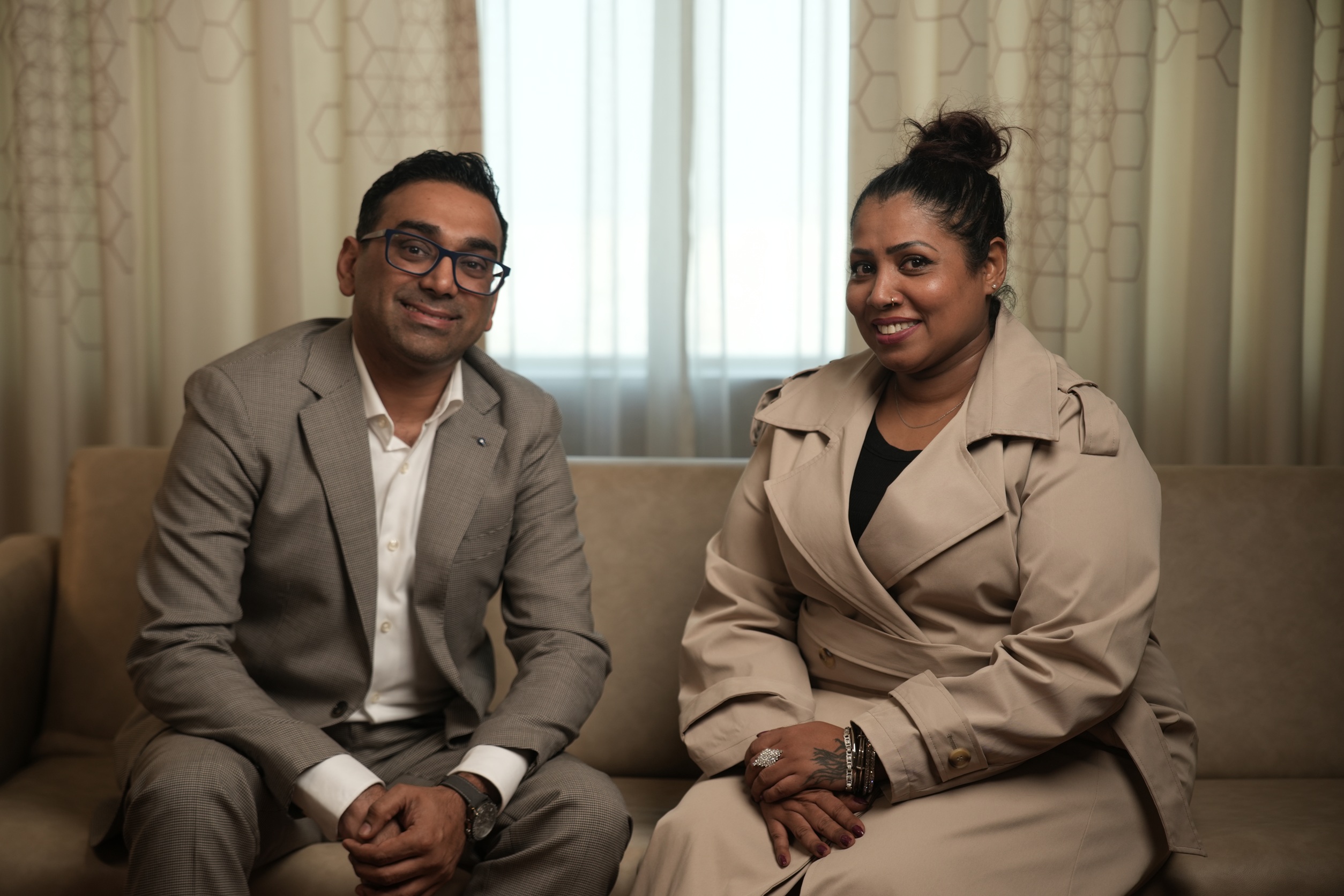
For a 45-year-old UAE resident, persistent pain and swelling turned out to be rheumatoid arthritis. Early recognition and treatment helped her return to work, driving and the family life she feared she might lose.
For Dilini Ayesha, driving is much more than a job.
For the 45-year-old mother of two, who has lived in the UAE for 16 years, driving is a profession she has built her independence around. For the past eight years, she has worked as a driving instructor at Emirates Driving Institute, including as a VIP instructor training people to drive larger vehicles and four-wheel drives.
She is also a mother to an adopted daughter and a five-year-old son.
So when unexplained pain and swelling suddenly began affecting her hands, her greatest fear was not simply the pain itself. It was the possibility that rheumatoid arthritis might prevent her from continuing to work and caring for her family independently.
Her journey began with what appeared to be an unrelated injury.
In December 2024, Dilini fell and injured her knee while helping a recovery truck load her vehicle. Several months later, she suffered another fall at home, causing a more significant knee injury. Following an MRI, she underwent ACL reconstruction and meniscal repair and spent around two and a half months recovering.
She was looking forward to returning to her normal routine.
But shortly after returning to work, she developed severe swelling and pain in both hands.
“At first, I thought it might be connected to my surgery or that it would settle down,” Dilini recalls. “But the pain kept getting worse.”
She was prescribed different painkillers, but the symptoms continued to progress. She eventually found herself struggling to grip a steering wheel or use her hands normally.
“For me, the pain felt like 15 out of 10,” she says. “I know that isn’t a normal pain scale, but that is honestly how it felt.”
The physical pain was accompanied by something else: fear.
“What if I can’t drive anymore? What if I can’t work anymore? How will I take care of my children?”
It was at this point that Dilini was referred to Dr Muhammad Azhar Abdullah, Consultant Rheumatologist at NMC Royal Hospital Sharjah.
Rather than assuming that the symptoms were simply part of her recovery from the knee injury, Dr Azhar investigated the underlying cause.
Clinical assessment and blood investigations pointed towards rheumatoid arthritis (RA) — a chronic autoimmune disease in which the immune system mistakenly attacks the lining of the joints, causing inflammation, pain and swelling.
“Rheumatoid arthritis is not simply wear and tear of the joints,” explains Dr Azhar. “It is an inflammatory autoimmune disease, and if the inflammation remains uncontrolled, it can progressively damage the joints. It can also be associated with problems affecting other parts of the body.”
For Dilini, receiving a diagnosis of rheumatoid arthritis finally provided an explanation for what was happening to her body.
“Having an answer was important to me,” she says. “When you don’t know what is happening to your own body, the fear becomes even bigger.”
Why recognising rheumatoid arthritis early matters
Rheumatoid arthritis can present differently from person to person, but persistent joint swelling, prolonged morning stiffness, pain and difficulty moving the affected joints should not simply be dismissed as ageing, overuse or ordinary aches and pains.
One important distinction is that not all arthritis is rheumatoid arthritis. Osteoarthritis, gout, psoriatic arthritis and other inflammatory rheumatic diseases can produce joint symptoms, but their causes and treatments are different.
That is why identifying the underlying condition matters.
In Dilini’s case, identifying rheumatoid arthritis allowed treatment to be started without waiting for further progression.
“Once we identified that she was dealing with rheumatoid arthritis, the priority was to control the inflammation and prevent further problems,” says Dr Azhar. “The aim of treatment in rheumatoid arthritis is not simply to reduce pain temporarily. It is to control the underlying disease, protect joint function and help the patient maintain her quality of life and independence.”
Her improvement was gradual rather than an overnight transformation.
Over the following weeks, the inflammation and pain began to settle. Her hand function and mobility improved, and by around the third week, Dilini was able to return to work.
She could once again hold the steering wheel.
She could work.
And she could return home and care for her children independently.
“I felt like I had been given my life back,” she says.
When treating rheumatoid arthritis means protecting a person’s dreams
This year’s World Arthritis Day campaign theme, “Achieve Your Dreams,” highlights the aspirations and goals of people living with rheumatic and musculoskeletal diseases. For Dilini, her dream was not complicated.
It was to continue working, driving and being there for her children.
Her experience demonstrates why early recognition of rheumatoid arthritis matters. The disease can cause permanent joint damage if inflammation remains uncontrolled, while it may also have effects beyond the joints.
“Patients sometimes wait because they think joint pain is something they simply have to live with,” says Dr Azhar. “Persistent swelling, prolonged morning stiffness or unexplained joint pain deserve medical assessment, particularly when symptoms are affecting everyday activities. The earlier we identify rheumatoid arthritis, the earlier we can discuss appropriate treatment and work towards controlling the disease.”
Today, Dilini is back behind the wheel and back to the life she feared she might lose.
“I am driving. I am working. I am taking care of my children,” she says. “I don’t take any of those things for granted anymore.”
Her message to others is simple:
“If you are experiencing unexplained pain, swelling or stiffness, please don’t ignore it. Get yourself checked. Sometimes, getting the right answer can be the beginning of getting your life back.”
For Dilini, that diagnosis did more than explain her symptoms.
It helped protect the life she had worked so hard to build.
Dr Muhammad Azhar Abdullah is Consultant Rheumatologist at NMC Royal Hospital Sharjah.
Health
Saudi German Hospital Dubai Launches Mental Health and Wellness Center for Children and Adolescents
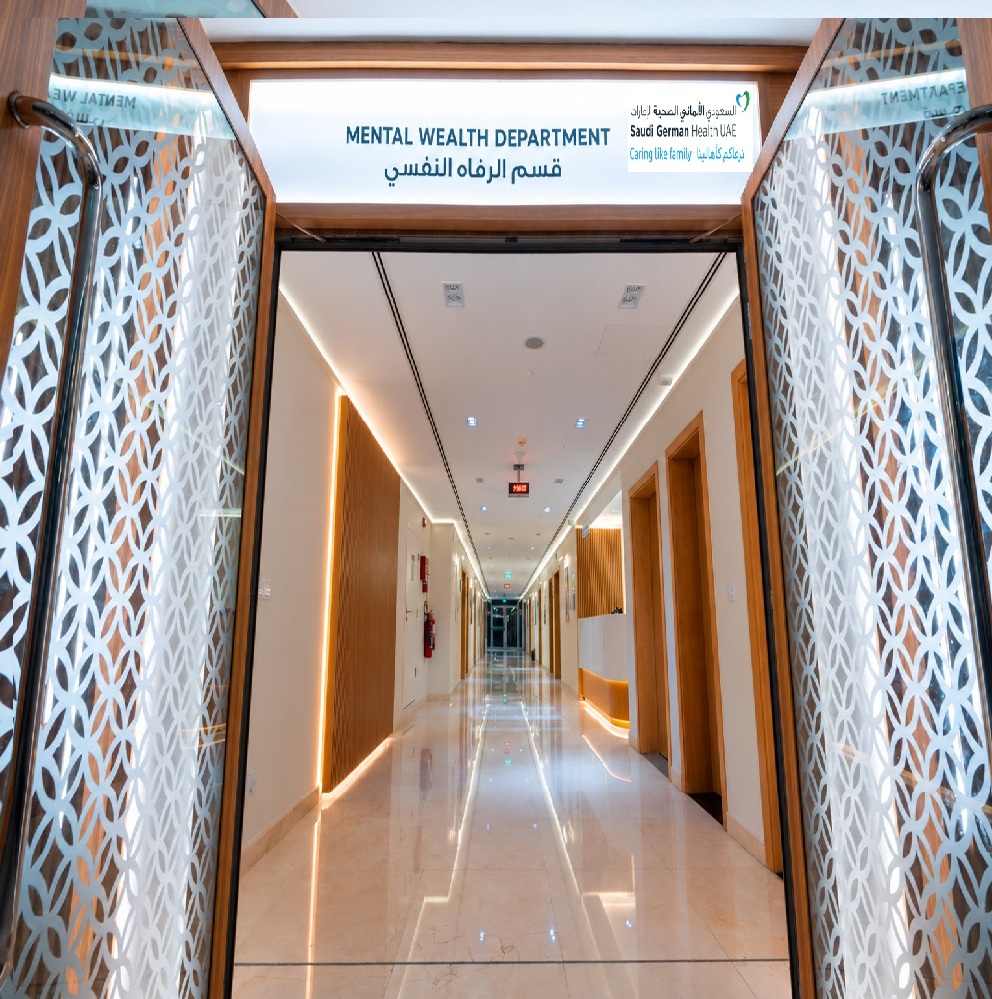
Saudi German Hospital Dubai Launches Mental Health and Wellness Center for Children and Adolescents
A comprehensive care system aligned with the Dubai Mental Wealth Framework
Dubai, United Arab Emirates – 10 October 2026
Saudi German Hospital Dubai has launched the Saudi German Mental Health & Wellness Hub, unveiled at an evening event at Raffles The Palm on 9 October 2026. The Hub is designed to end the fragmented experience many families face when navigating mental healthcare by bringing psychiatrists, psychologists and relevant hospital specialties together around a single, shared plan for each patient.
The Hub is designed as an ecosystem of comprehensive care, connecting prevention, early identification, specialist assessment, treatment, family support and ongoing follow-up through one coordinated plan for each patient. The model aligns with Dubai’s Mental Wealth Framework and its emphasis on prevention, early intervention, access to care and community wellbeing.
Child and adolescent mental health sits at the centre of the model. The Hub operates on the conviction that a child’s difficulties cannot be understood in isolation from their home, classroom and development, and that care should reflect all three.
Supporting children and families from the start
Services available at launch for children and adolescents include comprehensive psychiatric and psychological assessment; support for emotional, behavioural and developmental concerns; psychoeducational assessments for learning difficulties; ADHD assessment and management; and ASD assessment with individualised support across communication, social interaction and behaviour. Parent guidance and, where appropriate and with consent, collaboration with schools are built into the pathway — not offered as an afterthought.
Mental health care across every stage of life
Adult and older adult services include psychiatric assessment, medication management and individual therapy; treatment for depression, anxiety, OCD and related conditions; trauma-informed care for PTSD; geriatric psychiatry; couples and family counselling; addiction assessment and treatment; and community mental health education.
Speech and language therapy, occupational therapy and further developmental programmes are in development and will be confirmed once clinical staffing and readiness are in place.
Dr Ahmed Eissa, Group CEO of Saudi German Health UAE, said: “Many families come to us after years of seeing different specialists who never spoke to each other. A child gets one diagnosis here, a referral there, and the parents are left to hold it all together. We designed this Hub as an ecosystem of comprehensive care, bringing psychiatry, psychology and related specialties together around one plan, from early identification to treatment, follow-up and family support. This approach supports the objectives of Dubai’s Mental Wealth Framework and helps more people access coordinated mental healthcare at every stage of life.”
The Hub’s clinical team brings expertise in adult, child and adolescent, and addiction psychiatry; clinical psychology; psychoeducational and neurodevelopmental assessment; psychotherapy; and couples and family counselling. Team members carry international experience from the UAE, Australia, Saudi Arabia and Egypt, with a specific commitment to culturally and linguistically responsive care.
As part of Saudi German Hospital Dubai, the Hub has direct access to other medical specialties when physical and mental health needs intersect — an advantage that standalone clinics cannot easily replicate.
________________________________________
About Saudi German Health UAE
Saudi German Health UAE is part of the regional Saudi German Health network, providing hospital, multidisciplinary and specialist medical services through its facilities in Dubai, Sharjah and Ajman. Guided by its Caring Like Family philosophy, the group places people and their needs at the centre of the healthcare experience.
For more information or to book an appointment
www.saudigerman.com/psychiatry-mental-health-clinics/
Call: 800 2211
Media Contact
Awareness Marketing Management DWC LLC
Mourad Alsayed
murad.mustafa@awarenessupr.com | +971 58 814 4155


Emirates Specialty Hospital Expands Cancer Care Services in Dubai with Opening of Dedicated Chemotherapy Unit

When Rheumatoid Arthritis Threatened Her Independence: How the Right Diagnosis Helped Her Get Her Life Back

Saudi German Hospital Dubai Launches Mental Health and Wellness Center for Children and Adolescents

Araghchi, Oman Sultan discuss transit, stability in Muscat

UAE’s café culture keeps growing despite price pressure

Netflix to Livestream BTS Comeback Concert
-
 politics6 months ago
Araghchi, Oman Sultan discuss transit, stability in Muscat
-
 UAE10 months ago
UAE’s café culture keeps growing despite price pressure
-
 Entertainment9 months ago
Netflix to Livestream BTS Comeback Concert
-
 Discover9 months ago
Is February 2026 really a once-in -283-years MiracleIn?
-

 Football10 months ago
Algeria, Burkina Faso, Côte d’Ivoire win AFCON 2025 openers
-

 Health10 months ago
NMC Royal Hospital, Khalifa City, performs rare wrist salvage, restoring function for young patient
-
 Health10 months ago
Bascom Palmer Eye Institute Abu Dhabi and Emirates Society of Ophthalmology Sign Strategic Partnership Agreement
-

 Health11 months ago
Emirates Society of Colorectal Surgery Concludes the 3rd International Congress Under the Leadership of Dr. Sara Al Bastaki