
Health
Emirates Specialty Hospital Expands Cancer Care Services in Dubai with Opening of Dedicated Chemotherapy Unit
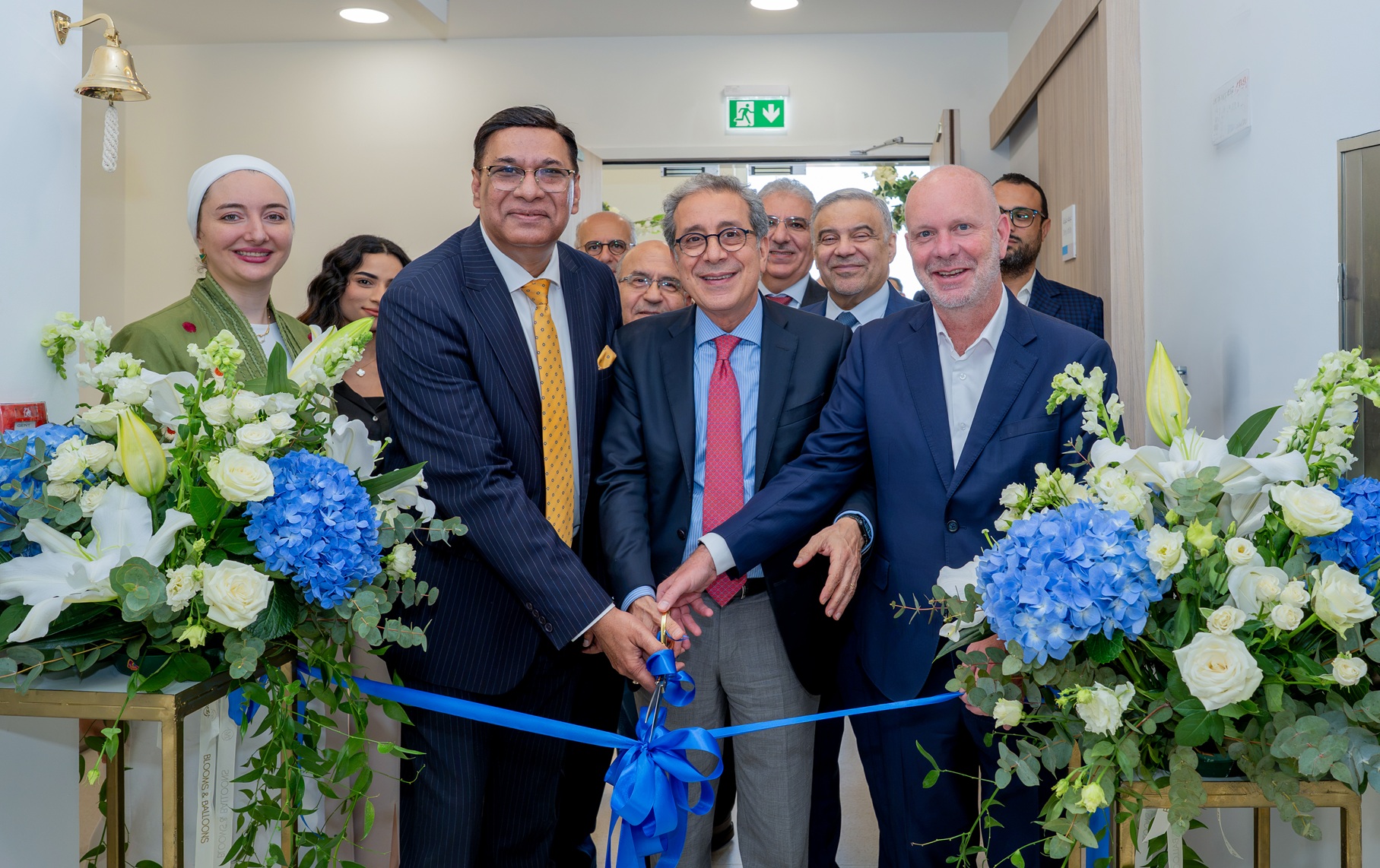
New facility at Dubai Healthcare City aims to improve access to specialised cancer treatment, bringing personalised oncology care and medical expertise together under one roof
Dubai, UAE: Emirates Specialty Hospital in Dubai Healthcare City has announced the opening of a dedicated chemotherapy unit within its Emirates Oncology Centre, marking a significant expansion of its cancer care services and strengthening access to specialised oncology treatment for patients in Dubai.
The newly established unit has been designed to provide chemotherapy treatments in a dedicated clinical setting, with an emphasis on patient safety, individualised treatment plans and continuous medical support throughout the cancer care journey.
The opening comes as healthcare providers increasingly recognise the importance of delivering cancer treatment through a coordinated, multidisciplinary approach that addresses not only the disease itself but also the physical and emotional challenges patients may experience during treatment.
For many cancer patients, chemotherapy involves repeated hospital visits, ongoing medical assessments and careful monitoring of treatment responses and potential side effects. Access to a specialised facility supported by experienced oncology professionals can play an important role in ensuring continuity of care and helping patients navigate what is often a complex and demanding treatment journey.
Bringing specialised cancer treatment closer to patients
The Emirates Oncology Centre brings together medical expertise and patient-focused services to support individuals undergoing cancer treatment.
The oncology services are supervised by Prof. Dr. Marwan Ghosn, Consultant Medical Oncologist, and Dr. Mohamed Elbassyouny Alawy, Specialist Medical Oncology, who oversee the delivery of specialised oncology care.
Treatment plans are developed according to each patient’s diagnosis, medical condition and individual clinical needs, with an emphasis on evidence-based medical practice, careful monitoring and appropriate supportive care.
The dedicated chemotherapy unit forms part of the hospital’s broader strategy to strengthen its specialised medical services while maintaining high standards of clinical quality and patient safety.
Cancer care goes beyond chemotherapy
While chemotherapy remains an important treatment option for many types of cancer, oncology care increasingly requires a comprehensive approach that considers each patient’s overall health, treatment tolerance and quality of life.
Patients receiving chemotherapy may experience a range of challenges, including fatigue, nausea, changes in appetite and other treatment-related effects that require ongoing medical attention.
The Emirates Oncology Centre places particular emphasis on supporting patients throughout these challenges, with treatment decisions guided by clinical assessment and individual patient needs.
The approach reflects a growing shift in cancer care towards personalised treatment, where medical teams consider the characteristics of the disease alongside the patient’s health, circumstances and treatment goals.
Equally important is the need for clear communication between doctors, patients and their families, particularly when discussing treatment options, expected outcomes and possible side effects.
By placing patients at the centre of clinical decision-making, the hospital aims to provide a treatment experience built around medical expertise, informed choices and compassionate care.
Strengthening Dubai’s specialised healthcare services
The opening of the chemotherapy unit represents another step in Emirates Specialty Hospital’s ongoing efforts to expand its clinical capabilities and provide comprehensive healthcare services within Dubai Healthcare City.
As demand for specialised healthcare continues to evolve, the availability of dedicated oncology facilities is increasingly important in supporting timely access to treatment and ensuring patients can receive appropriate care within an established hospital environment.
The hospital said the new unit reflects its commitment to investing in specialised medical services and improving the overall patient experience through coordinated care, experienced healthcare professionals and a strong focus on clinical safety.
With the opening of the dedicated chemotherapy unit, Emirates Specialty Hospital aims to further strengthen its role in providing specialised cancer care in Dubai, offering patients and their families access to personalised treatment and medical support at every stage of their journey.
For more information please visit our website : Emirates Hospitals Dubai – Best Hospital in Dubai, Top Rated
About Emirates Specialty Hospital
Located in Dubai Healthcare City, Emirates Specialty Hospital is a multidisciplinary healthcare facility providing a range of specialised medical and surgical services. The hospital continues to expand its clinical capabilities, with a focus on medical expertise, patient-centred care and high standards of healthcare quality and safety.
Health
Saudi German Health UAE Joins Global Leaders of Military Medicine at ICMM Abu Dhabi 2026, Showcasing UAE Healthcare Excellence on the World Stage
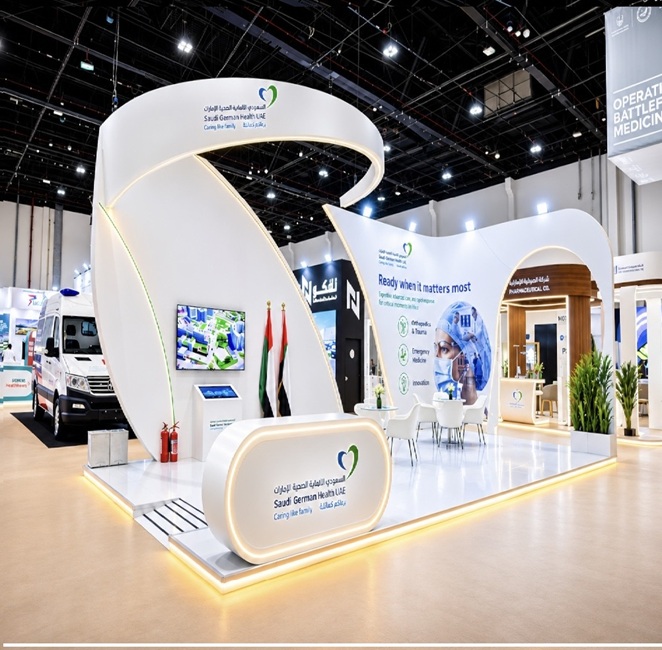
Saudi German Health UAE Joins the World’s Leading Military Medicine Experts and Leaders as the Congress Convenes in Abu Dhabi for the First Time
As the 46th ICMM World Congress on Military Medicine convenes in Abu Dhabi for the first time, the Group’s participation positions UAE healthcare as a trusted partner in global medical readiness, trauma response and emergency care
Abu Dhabi, United Arab Emirates – 9 November 2026:
Saudi German Health UAE, one of the UAE’s leading healthcare groups, today took its place among the world’s foremost authorities in military medicine at the opening of the 46th ICMM World Congress on Military Medicine at ADNEC Centre Abu Dhabi. Hosted in the UAE capital for the first time, the congress unites military medical leaders, clinicians, researchers, policymakers and innovators from across the globe, and the Group’s participation places the strength of UAE healthcare firmly on this international stage.
The participation carries significance well beyond representation. ICMM is where the lessons of military medicine — speed, coordination and resilience under pressure — meet the expertise of civilian health systems. For Saudi German Health UAE, being part of this dialogue in the UAE capital is an opportunity to place the clinical capability built in the country before the world, and to contribute to the partnerships that will shape the future of trauma preparedness.
Dr Ahmed Eissa, Group CEO of Saudi German Health UAE, said: “As one of the UAE’s leading healthcare groups, Saudi German Health UAE carries a responsibility to be present wherever the future of medical readiness is being shaped, and there is no more important platform for that than the ICMM World Congress. Its convening in Abu Dhabi affirms the UAE’s standing as a global centre of medical leadership. Readiness is no longer the responsibility of military medicine alone; it is a national capability, built when military and civilian health systems plan, train and respond as one. Our participation brings the clinical depth developed in the UAE to the world’s most important table on medical readiness, and builds the partnerships that will raise the standard of trauma and emergency care for every patient we serve.”
He added: “Our presence at ICMM reflects Saudi German Health UAE’s commitment to advancing the highest standards of trauma, orthopaedic and emergency care, and to contributing to the UAE’s healthcare leadership on the global stage. Guided by our philosophy of ‘Caring Like Family’, we will carry the knowledge exchanged here into the care we deliver to every patient who walks through our doors.”
With a network of multidisciplinary and specialised hospitals and clinics across Dubai, Sharjah and Ajman, Saudi German Health UAE brought to the congress the experience of a healthcare group able to carry a critically injured patient through every stage of care, from the first emergency assessment to full recovery.
At ICMM, the Group focused on three areas at the core of trauma readiness: orthopaedics and trauma, healthcare innovation, and emergency medicine.
Orthopaedics and trauma: specialist care under one roof
At the heart of the Group’s presence was Saudi German Orthopaedic and Trauma Hospital, a dedicated specialist facility within Batterjee Medical City in Dubai. The hospital treats the full spectrum of musculoskeletal injury and disease, from complex trauma and polytrauma to fractures, joint conditions, spinal disorders and sports injuries.
Its Orthopaedics Department is accredited by the Surgical Review Corporation as a Center of Excellence in Orthopedic Surgery. Specialised orthopaedic and trauma teams work alongside high-tech operating theatres, MRI, CT and X-ray diagnostics, a fully equipped intensive care unit and round-the-clock emergency services. For a patient with multiple injuries, that means the scan, the surgeon, the theatre and the intensive care bed are all within reach, without the delays that can cost function, or lives.
Innovation that helps patients regain their lives
For Saudi German Health UAE, innovation does not end in the operating theatre. The Group showcased its robotic rehabilitation programme, which combines robotic exoskeletal systems, virtual-reality-supported exercises and live biofeedback.
Together, these technologies allow each rehabilitation plan to adapt to the patient’s condition, progress and personal recovery goals. Patients can see their progress as it happens, and clinicians can adjust therapy as it unfolds. The result is recovery that is more precise, more engaging and more personal.
Emergency medicine: where every recovery begins
Every trauma pathway starts at the Emergency Department, and the Group placed it at the centre of its message. Emergency physicians work side by side with diagnostic, surgical, anaesthesia and critical care teams. Together, they assess and stabilise patients, then move them quickly to the right level of care.
Dr Abdullah Al Rumaithi, Group Chief Medical Officer of Saudi German Health UAE, said: “Trauma care is a chain of survival and recovery. It begins with the first emergency assessment and runs through imaging, surgery, intensive care and rehabilitation. A delay at any one stage can change the entire outcome.”
He added: “That is why our Emergency Department connects directly to our trauma specialists, operating theatres, critical care and rehabilitation teams. We measure innovation by the minutes it saves, the clarity it brings to clinical decisions and the function it gives back to our patients. That was the message we brought to ICMM.”
Contributing to a global conversation
Through its participation, Saudi German Health UAE strengthened its engagement with international medical institutions, researchers and technology leaders. It also brought practical civilian healthcare experience to discussions on trauma readiness, emergency response and medical innovation.
The 46th ICMM World Congress on Military Medicine continues at ADNEC Centre Abu Dhabi until 13 November 2026.
For more information, visit www.saudigerman.com
– Ends –
About Saudi German Health UAE
Saudi German Health UAE provides multidisciplinary and specialised healthcare through its network of hospitals and clinics across Dubai, Sharjah and Ajman. Guided by its philosophy of “Caring Like Family”, the Group’s Dubai healthcare ecosystem includes Saudi German Orthopaedic and Trauma Hospital, a dedicated specialist facility within Batterjee Medical City offering integrated care from emergency assessment and surgery to robotic rehabilitation and recovery.
For more information, visit www.saudigerman.com
Media Contact
Mourad Alsayed, General Manager
Awareness Marketing Management DWC LLC
Mobile: +971 58 814 4155
Email: murad.mustafa@awarenessupr.com
Health
Abu Dhabi Surgeons Remove Rare 4.4kg Cancerous Tumour Larger Than a Newborn Baby in Complex Six-Hour Operation
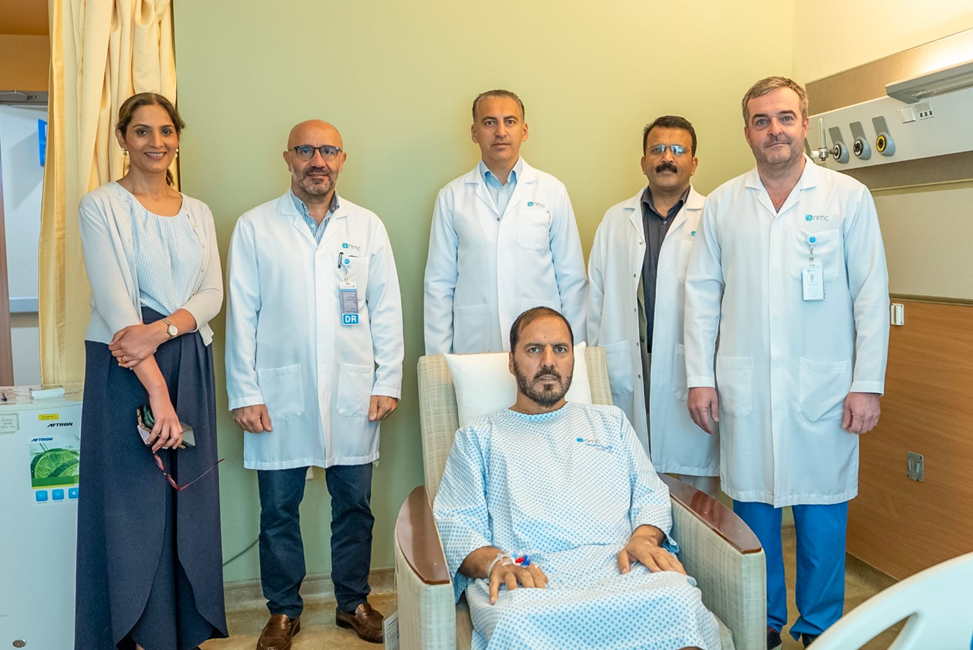
A 49-year-old Pakistani expat makes a remarkable recovery after surgeons at NMC Royal Hospital, Khalifa City, remove a 36cm tumour that had displaced several vital organs and was growing from his 12th rib into his abdomen.
Abu Dhabi, UAE – November 2026: A multidisciplinary surgical team at NMC Royal Hospital, Khalifa City, Abu Dhabi, has successfully removed an exceptionally rare cancerous tumour weighing 4.4 kilograms and measuring 36 centimetres in length from a 49-year-old Pakistani expatriate. The complex six-hour operation involved the removal of the massive tumour, which had grown from the patient’s 12th rib into his abdominal cavity, displacing several vital organs and posing significant surgical challenges.
The tumour, measuring 36 by 17 centimetres and weighing more than the average newborn baby, occupied almost the entire right side of the patient’s abdomen, extending from the diaphragm to the pelvis. Its extraordinary size had pushed the liver, stomach, intestines and other abdominal structures towards the opposite side of the body.
The case is particularly unusual because the cancer, which doctors say affects approximately one person in every two million annually, typically develops in the chest. In this patient, however, the tumour had grown into the abdomen, a presentation so uncommon that only a handful of comparable cases have been reported worldwide over the past three decades, according to the treating team.
The patient, a professional driver who has lived in the UAE since 2014, had previously worked as a farmer in Pakistan. With no significant medical history, he initially dismissed the discomfort he began experiencing on the right side of his abdomen approximately five months before seeking medical attention.
As the pain gradually intensified, he noticed a growing lump in his abdomen and experienced an unexplained weight loss of approximately eight kilograms. These symptoms eventually prompted him to seek medical advice.
Further investigations revealed the enormous mass occupying the right side of his abdominal cavity. Although doctors could not determine exactly when the tumour first developed, they believe it may have been growing silently for several years before symptoms became apparent.
Following comprehensive imaging and a detailed review by the hospital’s multidisciplinary tumour board, doctors confirmed that there was no evidence of cancer spreading to distant organs. Surgical removal was therefore recommended as the most appropriate treatment to give the patient the best possible chance of long-term survival.
However, removing a tumour of this magnitude presented considerable challenges. Its size, location and close proximity to major blood vessels and vital organs meant that even a small surgical complication could result in severe bleeding or potentially life-threatening injuries.
The surgical team was led by Dr Hassan Elberm, Consultant General and Hepatopancreatobiliary (HPB) Surgeon, alongside Dr Sharath Krishnan, Consultant Surgical Oncologist; Dr Haitham Gibbawi, Consultant Vascular Surgeon; Dr Juan Tova, Consultant Urologist; and Dr Ahmad Kamal, Consultant Anaesthetist.
During the six-hour procedure, surgeons carefully separated the tumour from surrounding structures while protecting major abdominal blood vessels and other vital organs.
Because the cancer had invaded the right kidney, diaphragm and surrounding abdominal wall tissues, the surgical team had to remove the affected kidney, adrenal gland, part of the diaphragm and the right 12th rib along with the tumour. This extensive procedure was necessary to achieve complete tumour removal with appropriate surgical margins and reduce the risk of cancer remaining in the affected tissues.
Despite the complexity of the operation and the significant risk of major bleeding, the surgical team successfully removed the tumour with minimal blood loss. Although multiple units of blood had been prepared as a precaution, the patient did not require a blood transfusion.
Dr Hassan Elberm, who led the operation, said the unusual size and location of the tumour made the procedure particularly demanding.
“The biggest challenge was not simply the size of the tumour, but its relationship with several vital organs and major blood vessels. It occupied a substantial part of the abdominal cavity, leaving very limited space for surgical manoeuvring. Any injury to the surrounding structures could have resulted in serious complications, including life-threatening bleeding.
“We carefully planned every stage of the operation with specialists from different surgical disciplines and prepared for several possible scenarios. Fortunately, we were able to remove the entire tumour with minimal blood loss and without the need for a blood transfusion. Achieving this outcome in such a complex case was particularly encouraging.”
Following surgery, the patient was transferred to the intensive care unit for close monitoring under the supervision of Dr Kalpana Reddy and Dr Hossam Elshekh Ali.
His recovery progressed steadily, and he was transferred to the general ward after two days. Within four days of undergoing the major operation, he was able to walk and eat independently, marking an important milestone in his recovery.
He was discharged approximately one week after surgery, with no significant postoperative complications.
Microscopic examination of the removed tissue subsequently confirmed that the cancer had originated from the 12th rib and that the tumour had been completely removed.
Dr Elberm explained that removing the affected organs was an important part of achieving the best possible surgical outcome.
“When a tumour invades surrounding organs, removing only the visible mass may leave cancerous tissue behind. In this case, we needed to remove the affected structures together with the tumour to achieve adequate surgical margins. Although this was a major operation, we expect the patient to maintain a good quality of life, provided his remaining kidney functions normally and his recovery continues as planned.”
Six weeks after surgery, the patient had recovered well enough to travel to Pakistan to reunite with his family, marking a remarkable turnaround from the months of increasing pain and uncertainty that preceded his diagnosis.
He will continue to undergo regular outpatient follow-up and surveillance imaging, with further treatment to be determined according to his clinical progress and the recommendations of the multidisciplinary oncology team.
The successful procedure highlights the importance of early medical evaluation for persistent abdominal symptoms, particularly unexplained swelling, increasing abdominal pain, palpable lumps and unintentional weight loss.
Although abdominal discomfort is common and frequently caused by non-serious conditions, doctors emphasise that persistent or progressively worsening symptoms should not be ignored.
The case also demonstrates the importance of coordinated multidisciplinary care in managing rare and complex cancers, where surgical oncology, vascular surgery, urology, anaesthesia and intensive care specialists must work together to minimise risks and improve patient outcomes.
For the patient, the successful operation has meant more than the removal of a potentially life-threatening tumour. It has allowed him to return to his family and resume his recovery after an exceptionally challenging medical journey.
ENDS
Health
Born 8 Weeks Early: Triplets Return Home After Specialised NICU Care at Emirates Specialty Hospital
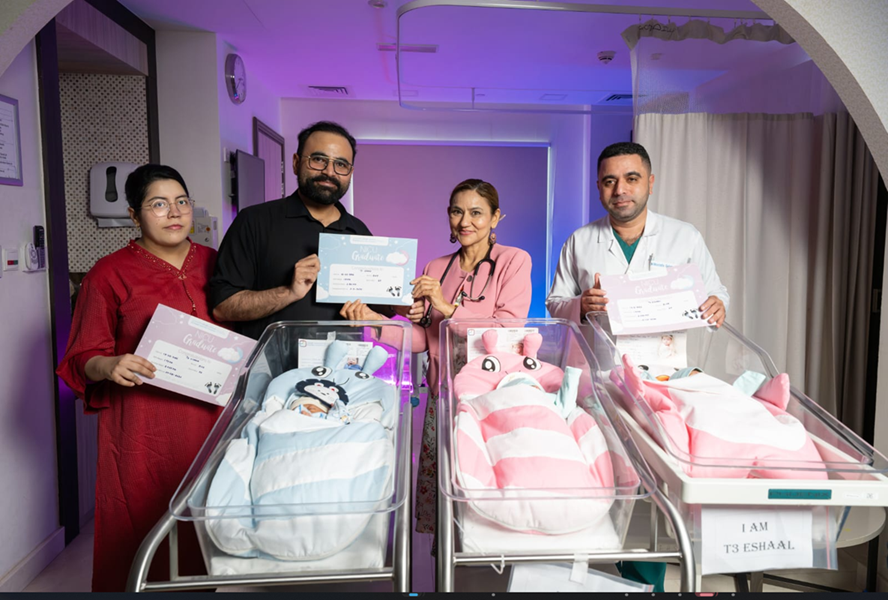
Three premature babies return home after approximately one month of specialised neonatal care, highlighting the importance of coordinated maternity care, multidisciplinary teamwork and family-centred support.
Dubai, UAE – October 2026: Born 8 weeks before their expected due date, three premature babies faced a challenging start to life, requiring specialised neonatal intensive care at Emirates Specialty Hospital in Dubai Healthcare City. What began as a high-risk pregnancy, closely monitored by obstetric and fetal medicine specialists, developed into an unexpected premature delivery. After approximately one month of dedicated medical and nursing care, all three newborns were discharged home, marking an emotional milestone for their parents and highlighting the importance of coordinated medical care in managing complex multiple pregnancies.
For parents Omar and Sahrish Iqbal, the prospect of welcoming triplets brought excitement and anticipation, but also significant medical challenges. Throughout the pregnancy, the mother required frequent antenatal consultations, ultrasound assessments and close monitoring to evaluate the babies’ development and identify potential complications.
Dr. Anfal Akram Al Mashaykhi, Specialist in Obstetrics and Gynecology at Emirates Specialty Hospital, worked closely with Dr. Mandeep Singh, Fetal Medicine Specialist, to provide coordinated antenatal care, assess maternal and fetal wellbeing, discuss available treatment and management options, and guide the family through each stage of the high-risk pregnancy.
Dr. Anfal explained that triplet pregnancies require particularly careful management because of the increased risk of premature delivery, low birth weight, differences in fetal growth and maternal complications, including anemia, hypertension and gestational diabetes.
“Managing a triplet pregnancy requires a structured, multidisciplinary approach, with frequent antenatal assessments and individualised clinical planning. Throughout this pregnancy, Dr. Mandeep Singh and I worked closely together to monitor maternal and fetal wellbeing, review ultrasound findings, assess potential complications and discuss appropriate management and treatment options with the parents. This continuity of care is particularly important in high-risk pregnancies, where clinical circumstances can change rapidly and timely decisions are essential,” Dr. Anfal said.
The pregnancy took a critical turn when the mother presented to Emirates Specialty Hospital with ruptured amniotic membranes and cervical dilation, raising concerns about imminent premature delivery. The situation required prompt clinical assessment and coordinated decision-making involving the obstetric, fetal medicine, anesthesiology and neonatal teams.
Following the delivery, all three newborns were admitted to the hospital’s Neonatal Intensive Care Unit (NICU), where they required specialised monitoring and individualised care during the early weeks of their lives.
Dr. Monika Kaushal, Consultant Pediatrics and Consultant Neonatology at Emirates Specialty Hospital, emphasised that managing three premature newborns simultaneously requires extensive preparation, clearly defined responsibilities and continuous collaboration between medical and nursing teams.
“Caring for premature triplets requires more than advanced equipment. It depends on careful preparation, clear clinical responsibilities and a team that can respond to the individual needs of three newborns at the same time. From the delivery room to admission in the NICU, every step must be coordinated so that each baby receives timely, individualised care.
“At 32 weeks, babies need close monitoring because their organs and body systems are still developing. We focus on each baby’s clinical needs while keeping the parents informed, supporting them through uncertainty and involving them in the care journey as they prepare to take their babies home,” Dr. Kaushal said.
The neonatal nursing team played a particularly important role throughout the triplets’ hospital stay. Through continuous bedside observation, careful implementation of individualised care plans and close communication with the treating physicians, specialised neonatal nurses helped ensure that each baby received appropriate attention and that changes in their clinical condition could be identified and addressed promptly.
Working alongside neonatologists, respiratory therapists and other healthcare professionals, the nursing team contributed to a coordinated approach that was especially important when caring for three premature newborns at the same time.
Beyond the medical challenges, supporting the parents was an essential part of the babies’ journey. Regular communication, parental guidance and compassionate care helped the family navigate the uncertainty associated with premature birth and prepare for the transition from hospital care to home.
For Omar and Sahrish Iqbal, having access to fetal medicine, obstetric care and specialised neonatal services within the same hospital provided reassurance throughout the pregnancy, delivery and NICU journey.
Describing their experience at Emirates Specialty Hospital as “amazing,” the parents praised the coordination between the different medical teams and described the hospital as a “one-stop shop” for the specialised services their family needed.
They expressed heartfelt gratitude to Dr. Anfal Akram Al Mashaykhi, Dr. Mandeep Singh and Dr. Monika Kaushal, as well as the wider medical, nursing and support teams, for their professionalism, dedication and compassionate care throughout the experience.
After approximately one month of specialised neonatal care, according to the parents, all three babies were finally discharged from the hospital and returned home with their family.
The successful discharge marked the end of a challenging hospital journey and the beginning of a new chapter for the family, who had spent weeks hoping for the moment when they could bring all three babies home.
The case highlights the importance of continuity of care throughout high-risk pregnancies, from frequent antenatal monitoring and collaboration between obstetric and fetal medicine specialists to coordinated delivery planning, neonatal intensive care and parental involvement.
It also reflects Emirates Specialty Hospital’s multidisciplinary capabilities in managing complex maternity cases and premature births, supported by specialised clinical expertise, dedicated neonatal nursing teams and an integrated approach to patient and family care.
For Omar and Sahrish Iqbal, however, the greatest achievement is a deeply personal one: after an unexpected and challenging start to life, their three little miracles are finally home.
— Ends —


Saudi German Health UAE Joins Global Leaders of Military Medicine at ICMM Abu Dhabi 2026, Showcasing UAE Healthcare Excellence on the World Stage

Abu Dhabi Surgeons Remove Rare 4.4kg Cancerous Tumour Larger Than a Newborn Baby in Complex Six-Hour Operation

Born 8 Weeks Early: Triplets Return Home After Specialised NICU Care at Emirates Specialty Hospital

Araghchi, Oman Sultan discuss transit, stability in Muscat

UAE’s café culture keeps growing despite price pressure

Netflix to Livestream BTS Comeback Concert
-
 politics7 months ago
Araghchi, Oman Sultan discuss transit, stability in Muscat
-
 UAE11 months ago
UAE’s café culture keeps growing despite price pressure
-
 Entertainment9 months ago
Netflix to Livestream BTS Comeback Concert
-
 Discover10 months ago
Is February 2026 really a once-in -283-years MiracleIn?
-
 Football11 months ago
Algeria, Burkina Faso, Côte d’Ivoire win AFCON 2025 openers
-
 Health10 months ago
NMC Royal Hospital, Khalifa City, performs rare wrist salvage, restoring function for young patient
-

 world6 months ago
Epstein files on display at New York pop-up exhibit, all 3.5 million pages
-
 Health11 months ago
Bascom Palmer Eye Institute Abu Dhabi and Emirates Society of Ophthalmology Sign Strategic Partnership Agreement