
Health
Why Migraines May Get Worse During UAE Summers: Dubai Neurologist Explains the Hidden Link Between Heat and Headaches
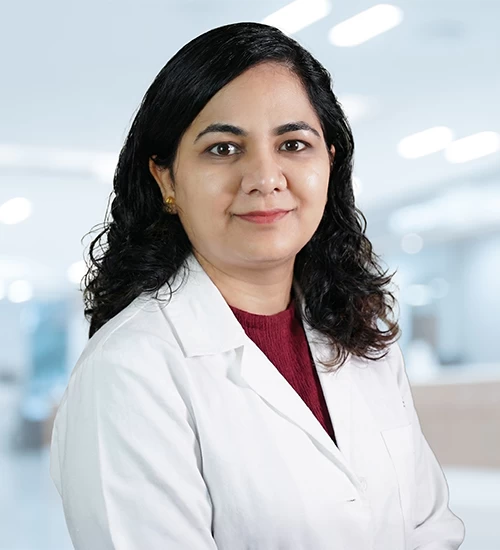
Dr Poonam C Awatare, Specialist Neurologist at International Modern Hospital Dubai, warns that rising temperatures, dehydration and disrupted sleep may increase migraine attacks, urging patients to recognise early warning signs and take preventive measures.
Dubai: For many people living with migraines, the arrival of summer in the UAE brings more than soaring temperatures and humidity. It can also mean an increase in severe headaches, sensitivity to light, nausea and other debilitating symptoms that interfere with work, family life and daily activities.
While some patients may attribute these episodes to stress or exhaustion, medical research suggests that high ambient temperatures and changes in environmental conditions may contribute to migraine attacks in susceptible individuals.
Dr Poonam C Awatare, Specialist Neurologist at International Modern Hospital Dubai, said patients frequently report an increase in migraine symptoms during hotter months, and growing scientific evidence supports a relationship between heat exposure and headache-related healthcare visits.
“Many migraine sufferers report an increase in headache frequency during the hotter months, and there is scientific evidence suggesting that high temperatures can contribute to migraine attacks. Several studies have found associations between rising ambient temperatures and increased emergency department visits or healthcare consultations for headaches and migraines,” she explained.
Can rising temperatures actually trigger migraines?
According to Dr Awatare, migraines are neurological episodes influenced by a combination of genetic, biological and environmental factors.
Although heat does not trigger migraines in everyone, elevated temperatures may contribute to attacks in people who are particularly sensitive to environmental changes.
“Research published in neurology and environmental health journals has demonstrated links between higher ambient temperatures and increased migraine occurrence,” she said.
She explained that some studies suggest even relatively modest increases in temperature may be associated with higher rates of headache-related healthcare visits among vulnerable individuals.
However, the relationship is complex, and temperature is only one of several possible triggers.
Dehydration: An overlooked migraine trigger
One of the main concerns during the UAE summer is dehydration, particularly among people who spend long hours outdoors, exercise in hot conditions or do not drink sufficient fluids throughout the day.
Excessive sweating can lead to fluid loss, which may contribute to headaches and trigger migraine attacks in susceptible individuals.
Dr Awatare emphasised that maintaining adequate hydration is an important part of migraine management, especially during periods of intense heat.
Patients should drink fluids regularly, adjust their intake according to activity levels and avoid prolonged exposure to extreme temperatures.
Why poor sleep can make migraines worse
High temperatures may also affect migraine sufferers indirectly by disrupting sleep patterns.
Difficulty sleeping, irregular bedtimes and inadequate rest are recognised migraine triggers for some patients.
During summer, changes in daily routines, travel schedules and sleeping environments may increase susceptibility to attacks.
Maintaining a consistent sleep schedule, getting sufficient rest and keeping sleeping environments comfortably cool can help reduce exposure to these triggers.
Is your headache a migraine or heat exhaustion?
Dr Awatare highlighted the importance of recognising that not every headache occurring during hot weather is necessarily a migraine.
Migraine attacks commonly involve moderate to severe head pain, often accompanied by nausea, sensitivity to light or sound, and sometimes visual or sensory disturbances known as aura.
Heat exhaustion, on the other hand, may cause headaches alongside dizziness, weakness, heavy sweating, nausea and other symptoms related to overheating.
The two conditions can share certain symptoms, making medical assessment important when the cause is unclear.
A sudden, extremely severe headache, new neurological weakness, confusion, fainting or a headache associated with high fever and neck stiffness requires urgent medical evaluation.
Why keeping a migraine diary matters
One of the most practical strategies for people experiencing recurrent migraines is identifying their personal triggers.
Dr Awatare recommends recording headache frequency, duration, severity and possible contributing factors, including temperature changes, dehydration, sleep patterns and environmental conditions.
“Keep a migraine diary to identify personal triggers, including temperature changes, dehydration, sleep disruption, or specific environmental conditions,” she advised.
Tracking these patterns can help patients and their doctors determine whether migraine attacks become more frequent during hotter periods and identify opportunities for prevention.
Should migraine patients prepare before summer?
Dr Awatare advised people with frequent or disabling migraine attacks to review their treatment plans with a healthcare professional before periods of extreme heat.
“Patients with frequent or severe migraines should discuss preventive treatment options with their healthcare provider before the summer season begins,” she said.
Preventive management may include lifestyle adjustments and, when clinically appropriate, prescription medications or other evidence-based migraine treatments.
She also cautioned against relying excessively on over-the-counter painkillers, as frequent use of certain headache medications can contribute to medication-overuse headaches.
Prevention starts with recognising the pattern
Dr Awatare stressed that people living with migraines should not simply accept recurring summer headaches as an unavoidable consequence of living in a hot climate.
Understanding individual triggers, maintaining hydration, protecting sleep routines and seeking appropriate neurological care can help reduce the burden of migraine attacks.
“Recognising the relationship between environmental conditions and migraine symptoms is an important step towards better management. Patients who experience frequent or severe attacks should seek medical advice rather than waiting for their symptoms to become increasingly disruptive,” she concluded.
Health
Saudi German Health UAE Joins Global Leaders of Military Medicine at ICMM Abu Dhabi 2026, Showcasing UAE Healthcare Excellence on the World Stage
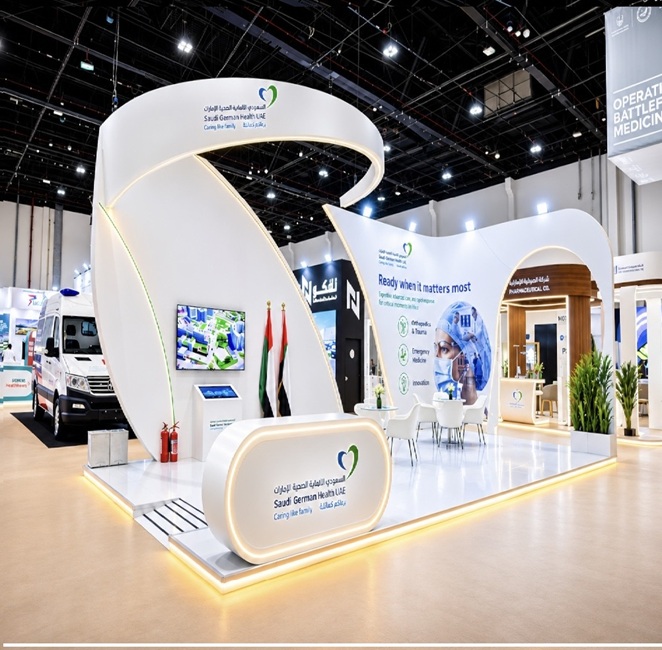
Saudi German Health UAE Joins the World’s Leading Military Medicine Experts and Leaders as the Congress Convenes in Abu Dhabi for the First Time
As the 46th ICMM World Congress on Military Medicine convenes in Abu Dhabi for the first time, the Group’s participation positions UAE healthcare as a trusted partner in global medical readiness, trauma response and emergency care
Abu Dhabi, United Arab Emirates – 9 November 2026:
Saudi German Health UAE, one of the UAE’s leading healthcare groups, today took its place among the world’s foremost authorities in military medicine at the opening of the 46th ICMM World Congress on Military Medicine at ADNEC Centre Abu Dhabi. Hosted in the UAE capital for the first time, the congress unites military medical leaders, clinicians, researchers, policymakers and innovators from across the globe, and the Group’s participation places the strength of UAE healthcare firmly on this international stage.
The participation carries significance well beyond representation. ICMM is where the lessons of military medicine — speed, coordination and resilience under pressure — meet the expertise of civilian health systems. For Saudi German Health UAE, being part of this dialogue in the UAE capital is an opportunity to place the clinical capability built in the country before the world, and to contribute to the partnerships that will shape the future of trauma preparedness.
Dr Ahmed Eissa, Group CEO of Saudi German Health UAE, said: “As one of the UAE’s leading healthcare groups, Saudi German Health UAE carries a responsibility to be present wherever the future of medical readiness is being shaped, and there is no more important platform for that than the ICMM World Congress. Its convening in Abu Dhabi affirms the UAE’s standing as a global centre of medical leadership. Readiness is no longer the responsibility of military medicine alone; it is a national capability, built when military and civilian health systems plan, train and respond as one. Our participation brings the clinical depth developed in the UAE to the world’s most important table on medical readiness, and builds the partnerships that will raise the standard of trauma and emergency care for every patient we serve.”
He added: “Our presence at ICMM reflects Saudi German Health UAE’s commitment to advancing the highest standards of trauma, orthopaedic and emergency care, and to contributing to the UAE’s healthcare leadership on the global stage. Guided by our philosophy of ‘Caring Like Family’, we will carry the knowledge exchanged here into the care we deliver to every patient who walks through our doors.”
With a network of multidisciplinary and specialised hospitals and clinics across Dubai, Sharjah and Ajman, Saudi German Health UAE brought to the congress the experience of a healthcare group able to carry a critically injured patient through every stage of care, from the first emergency assessment to full recovery.
At ICMM, the Group focused on three areas at the core of trauma readiness: orthopaedics and trauma, healthcare innovation, and emergency medicine.
Orthopaedics and trauma: specialist care under one roof
At the heart of the Group’s presence was Saudi German Orthopaedic and Trauma Hospital, a dedicated specialist facility within Batterjee Medical City in Dubai. The hospital treats the full spectrum of musculoskeletal injury and disease, from complex trauma and polytrauma to fractures, joint conditions, spinal disorders and sports injuries.
Its Orthopaedics Department is accredited by the Surgical Review Corporation as a Center of Excellence in Orthopedic Surgery. Specialised orthopaedic and trauma teams work alongside high-tech operating theatres, MRI, CT and X-ray diagnostics, a fully equipped intensive care unit and round-the-clock emergency services. For a patient with multiple injuries, that means the scan, the surgeon, the theatre and the intensive care bed are all within reach, without the delays that can cost function, or lives.
Innovation that helps patients regain their lives
For Saudi German Health UAE, innovation does not end in the operating theatre. The Group showcased its robotic rehabilitation programme, which combines robotic exoskeletal systems, virtual-reality-supported exercises and live biofeedback.
Together, these technologies allow each rehabilitation plan to adapt to the patient’s condition, progress and personal recovery goals. Patients can see their progress as it happens, and clinicians can adjust therapy as it unfolds. The result is recovery that is more precise, more engaging and more personal.
Emergency medicine: where every recovery begins
Every trauma pathway starts at the Emergency Department, and the Group placed it at the centre of its message. Emergency physicians work side by side with diagnostic, surgical, anaesthesia and critical care teams. Together, they assess and stabilise patients, then move them quickly to the right level of care.
Dr Abdullah Al Rumaithi, Group Chief Medical Officer of Saudi German Health UAE, said: “Trauma care is a chain of survival and recovery. It begins with the first emergency assessment and runs through imaging, surgery, intensive care and rehabilitation. A delay at any one stage can change the entire outcome.”
He added: “That is why our Emergency Department connects directly to our trauma specialists, operating theatres, critical care and rehabilitation teams. We measure innovation by the minutes it saves, the clarity it brings to clinical decisions and the function it gives back to our patients. That was the message we brought to ICMM.”
Contributing to a global conversation
Through its participation, Saudi German Health UAE strengthened its engagement with international medical institutions, researchers and technology leaders. It also brought practical civilian healthcare experience to discussions on trauma readiness, emergency response and medical innovation.
The 46th ICMM World Congress on Military Medicine continues at ADNEC Centre Abu Dhabi until 13 November 2026.
For more information, visit www.saudigerman.com
– Ends –
About Saudi German Health UAE
Saudi German Health UAE provides multidisciplinary and specialised healthcare through its network of hospitals and clinics across Dubai, Sharjah and Ajman. Guided by its philosophy of “Caring Like Family”, the Group’s Dubai healthcare ecosystem includes Saudi German Orthopaedic and Trauma Hospital, a dedicated specialist facility within Batterjee Medical City offering integrated care from emergency assessment and surgery to robotic rehabilitation and recovery.
For more information, visit www.saudigerman.com
Media Contact
Mourad Alsayed, General Manager
Awareness Marketing Management DWC LLC
Mobile: +971 58 814 4155
Email: murad.mustafa@awarenessupr.com
Health
Abu Dhabi Surgeons Remove Rare 4.4kg Cancerous Tumour Larger Than a Newborn Baby in Complex Six-Hour Operation
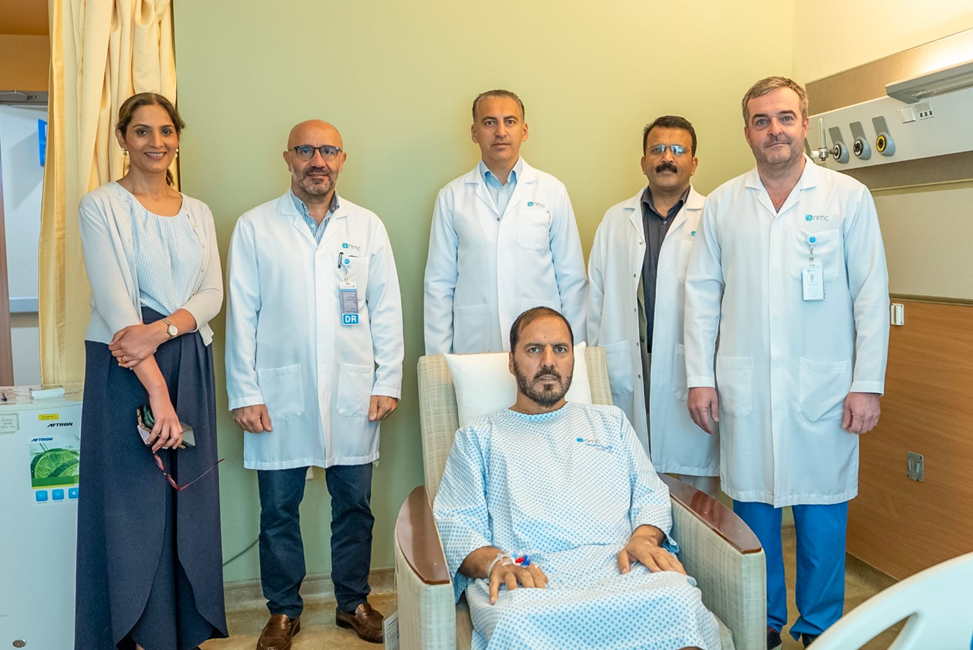
A 49-year-old Pakistani expat makes a remarkable recovery after surgeons at NMC Royal Hospital, Khalifa City, remove a 36cm tumour that had displaced several vital organs and was growing from his 12th rib into his abdomen.
Abu Dhabi, UAE – November 2026: A multidisciplinary surgical team at NMC Royal Hospital, Khalifa City, Abu Dhabi, has successfully removed an exceptionally rare cancerous tumour weighing 4.4 kilograms and measuring 36 centimetres in length from a 49-year-old Pakistani expatriate. The complex six-hour operation involved the removal of the massive tumour, which had grown from the patient’s 12th rib into his abdominal cavity, displacing several vital organs and posing significant surgical challenges.
The tumour, measuring 36 by 17 centimetres and weighing more than the average newborn baby, occupied almost the entire right side of the patient’s abdomen, extending from the diaphragm to the pelvis. Its extraordinary size had pushed the liver, stomach, intestines and other abdominal structures towards the opposite side of the body.
The case is particularly unusual because the cancer, which doctors say affects approximately one person in every two million annually, typically develops in the chest. In this patient, however, the tumour had grown into the abdomen, a presentation so uncommon that only a handful of comparable cases have been reported worldwide over the past three decades, according to the treating team.
The patient, a professional driver who has lived in the UAE since 2014, had previously worked as a farmer in Pakistan. With no significant medical history, he initially dismissed the discomfort he began experiencing on the right side of his abdomen approximately five months before seeking medical attention.
As the pain gradually intensified, he noticed a growing lump in his abdomen and experienced an unexplained weight loss of approximately eight kilograms. These symptoms eventually prompted him to seek medical advice.
Further investigations revealed the enormous mass occupying the right side of his abdominal cavity. Although doctors could not determine exactly when the tumour first developed, they believe it may have been growing silently for several years before symptoms became apparent.
Following comprehensive imaging and a detailed review by the hospital’s multidisciplinary tumour board, doctors confirmed that there was no evidence of cancer spreading to distant organs. Surgical removal was therefore recommended as the most appropriate treatment to give the patient the best possible chance of long-term survival.
However, removing a tumour of this magnitude presented considerable challenges. Its size, location and close proximity to major blood vessels and vital organs meant that even a small surgical complication could result in severe bleeding or potentially life-threatening injuries.
The surgical team was led by Dr Hassan Elberm, Consultant General and Hepatopancreatobiliary (HPB) Surgeon, alongside Dr Sharath Krishnan, Consultant Surgical Oncologist; Dr Haitham Gibbawi, Consultant Vascular Surgeon; Dr Juan Tova, Consultant Urologist; and Dr Ahmad Kamal, Consultant Anaesthetist.
During the six-hour procedure, surgeons carefully separated the tumour from surrounding structures while protecting major abdominal blood vessels and other vital organs.
Because the cancer had invaded the right kidney, diaphragm and surrounding abdominal wall tissues, the surgical team had to remove the affected kidney, adrenal gland, part of the diaphragm and the right 12th rib along with the tumour. This extensive procedure was necessary to achieve complete tumour removal with appropriate surgical margins and reduce the risk of cancer remaining in the affected tissues.
Despite the complexity of the operation and the significant risk of major bleeding, the surgical team successfully removed the tumour with minimal blood loss. Although multiple units of blood had been prepared as a precaution, the patient did not require a blood transfusion.
Dr Hassan Elberm, who led the operation, said the unusual size and location of the tumour made the procedure particularly demanding.
“The biggest challenge was not simply the size of the tumour, but its relationship with several vital organs and major blood vessels. It occupied a substantial part of the abdominal cavity, leaving very limited space for surgical manoeuvring. Any injury to the surrounding structures could have resulted in serious complications, including life-threatening bleeding.
“We carefully planned every stage of the operation with specialists from different surgical disciplines and prepared for several possible scenarios. Fortunately, we were able to remove the entire tumour with minimal blood loss and without the need for a blood transfusion. Achieving this outcome in such a complex case was particularly encouraging.”
Following surgery, the patient was transferred to the intensive care unit for close monitoring under the supervision of Dr Kalpana Reddy and Dr Hossam Elshekh Ali.
His recovery progressed steadily, and he was transferred to the general ward after two days. Within four days of undergoing the major operation, he was able to walk and eat independently, marking an important milestone in his recovery.
He was discharged approximately one week after surgery, with no significant postoperative complications.
Microscopic examination of the removed tissue subsequently confirmed that the cancer had originated from the 12th rib and that the tumour had been completely removed.
Dr Elberm explained that removing the affected organs was an important part of achieving the best possible surgical outcome.
“When a tumour invades surrounding organs, removing only the visible mass may leave cancerous tissue behind. In this case, we needed to remove the affected structures together with the tumour to achieve adequate surgical margins. Although this was a major operation, we expect the patient to maintain a good quality of life, provided his remaining kidney functions normally and his recovery continues as planned.”
Six weeks after surgery, the patient had recovered well enough to travel to Pakistan to reunite with his family, marking a remarkable turnaround from the months of increasing pain and uncertainty that preceded his diagnosis.
He will continue to undergo regular outpatient follow-up and surveillance imaging, with further treatment to be determined according to his clinical progress and the recommendations of the multidisciplinary oncology team.
The successful procedure highlights the importance of early medical evaluation for persistent abdominal symptoms, particularly unexplained swelling, increasing abdominal pain, palpable lumps and unintentional weight loss.
Although abdominal discomfort is common and frequently caused by non-serious conditions, doctors emphasise that persistent or progressively worsening symptoms should not be ignored.
The case also demonstrates the importance of coordinated multidisciplinary care in managing rare and complex cancers, where surgical oncology, vascular surgery, urology, anaesthesia and intensive care specialists must work together to minimise risks and improve patient outcomes.
For the patient, the successful operation has meant more than the removal of a potentially life-threatening tumour. It has allowed him to return to his family and resume his recovery after an exceptionally challenging medical journey.
ENDS
Health
Born 8 Weeks Early: Triplets Return Home After Specialised NICU Care at Emirates Specialty Hospital
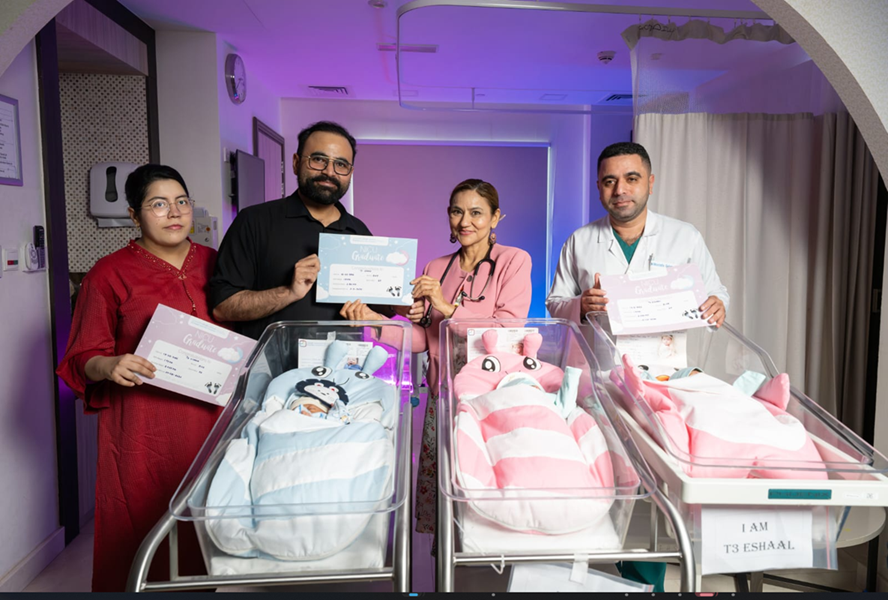
Three premature babies return home after approximately one month of specialised neonatal care, highlighting the importance of coordinated maternity care, multidisciplinary teamwork and family-centred support.
Dubai, UAE – October 2026: Born 8 weeks before their expected due date, three premature babies faced a challenging start to life, requiring specialised neonatal intensive care at Emirates Specialty Hospital in Dubai Healthcare City. What began as a high-risk pregnancy, closely monitored by obstetric and fetal medicine specialists, developed into an unexpected premature delivery. After approximately one month of dedicated medical and nursing care, all three newborns were discharged home, marking an emotional milestone for their parents and highlighting the importance of coordinated medical care in managing complex multiple pregnancies.
For parents Omar and Sahrish Iqbal, the prospect of welcoming triplets brought excitement and anticipation, but also significant medical challenges. Throughout the pregnancy, the mother required frequent antenatal consultations, ultrasound assessments and close monitoring to evaluate the babies’ development and identify potential complications.
Dr. Anfal Akram Al Mashaykhi, Specialist in Obstetrics and Gynecology at Emirates Specialty Hospital, worked closely with Dr. Mandeep Singh, Fetal Medicine Specialist, to provide coordinated antenatal care, assess maternal and fetal wellbeing, discuss available treatment and management options, and guide the family through each stage of the high-risk pregnancy.
Dr. Anfal explained that triplet pregnancies require particularly careful management because of the increased risk of premature delivery, low birth weight, differences in fetal growth and maternal complications, including anemia, hypertension and gestational diabetes.
“Managing a triplet pregnancy requires a structured, multidisciplinary approach, with frequent antenatal assessments and individualised clinical planning. Throughout this pregnancy, Dr. Mandeep Singh and I worked closely together to monitor maternal and fetal wellbeing, review ultrasound findings, assess potential complications and discuss appropriate management and treatment options with the parents. This continuity of care is particularly important in high-risk pregnancies, where clinical circumstances can change rapidly and timely decisions are essential,” Dr. Anfal said.
The pregnancy took a critical turn when the mother presented to Emirates Specialty Hospital with ruptured amniotic membranes and cervical dilation, raising concerns about imminent premature delivery. The situation required prompt clinical assessment and coordinated decision-making involving the obstetric, fetal medicine, anesthesiology and neonatal teams.
Following the delivery, all three newborns were admitted to the hospital’s Neonatal Intensive Care Unit (NICU), where they required specialised monitoring and individualised care during the early weeks of their lives.
Dr. Monika Kaushal, Consultant Pediatrics and Consultant Neonatology at Emirates Specialty Hospital, emphasised that managing three premature newborns simultaneously requires extensive preparation, clearly defined responsibilities and continuous collaboration between medical and nursing teams.
“Caring for premature triplets requires more than advanced equipment. It depends on careful preparation, clear clinical responsibilities and a team that can respond to the individual needs of three newborns at the same time. From the delivery room to admission in the NICU, every step must be coordinated so that each baby receives timely, individualised care.
“At 32 weeks, babies need close monitoring because their organs and body systems are still developing. We focus on each baby’s clinical needs while keeping the parents informed, supporting them through uncertainty and involving them in the care journey as they prepare to take their babies home,” Dr. Kaushal said.
The neonatal nursing team played a particularly important role throughout the triplets’ hospital stay. Through continuous bedside observation, careful implementation of individualised care plans and close communication with the treating physicians, specialised neonatal nurses helped ensure that each baby received appropriate attention and that changes in their clinical condition could be identified and addressed promptly.
Working alongside neonatologists, respiratory therapists and other healthcare professionals, the nursing team contributed to a coordinated approach that was especially important when caring for three premature newborns at the same time.
Beyond the medical challenges, supporting the parents was an essential part of the babies’ journey. Regular communication, parental guidance and compassionate care helped the family navigate the uncertainty associated with premature birth and prepare for the transition from hospital care to home.
For Omar and Sahrish Iqbal, having access to fetal medicine, obstetric care and specialised neonatal services within the same hospital provided reassurance throughout the pregnancy, delivery and NICU journey.
Describing their experience at Emirates Specialty Hospital as “amazing,” the parents praised the coordination between the different medical teams and described the hospital as a “one-stop shop” for the specialised services their family needed.
They expressed heartfelt gratitude to Dr. Anfal Akram Al Mashaykhi, Dr. Mandeep Singh and Dr. Monika Kaushal, as well as the wider medical, nursing and support teams, for their professionalism, dedication and compassionate care throughout the experience.
After approximately one month of specialised neonatal care, according to the parents, all three babies were finally discharged from the hospital and returned home with their family.
The successful discharge marked the end of a challenging hospital journey and the beginning of a new chapter for the family, who had spent weeks hoping for the moment when they could bring all three babies home.
The case highlights the importance of continuity of care throughout high-risk pregnancies, from frequent antenatal monitoring and collaboration between obstetric and fetal medicine specialists to coordinated delivery planning, neonatal intensive care and parental involvement.
It also reflects Emirates Specialty Hospital’s multidisciplinary capabilities in managing complex maternity cases and premature births, supported by specialised clinical expertise, dedicated neonatal nursing teams and an integrated approach to patient and family care.
For Omar and Sahrish Iqbal, however, the greatest achievement is a deeply personal one: after an unexpected and challenging start to life, their three little miracles are finally home.
— Ends —


Saudi German Health UAE Joins Global Leaders of Military Medicine at ICMM Abu Dhabi 2026, Showcasing UAE Healthcare Excellence on the World Stage

Abu Dhabi Surgeons Remove Rare 4.4kg Cancerous Tumour Larger Than a Newborn Baby in Complex Six-Hour Operation

Born 8 Weeks Early: Triplets Return Home After Specialised NICU Care at Emirates Specialty Hospital

Araghchi, Oman Sultan discuss transit, stability in Muscat

UAE’s café culture keeps growing despite price pressure

Netflix to Livestream BTS Comeback Concert
-
 politics7 months ago
Araghchi, Oman Sultan discuss transit, stability in Muscat
-
 UAE11 months ago
UAE’s café culture keeps growing despite price pressure
-
 Entertainment9 months ago
Netflix to Livestream BTS Comeback Concert
-
 Discover10 months ago
Is February 2026 really a once-in -283-years MiracleIn?
-

 Football11 months ago
Algeria, Burkina Faso, Côte d’Ivoire win AFCON 2025 openers
-

 Health10 months ago
NMC Royal Hospital, Khalifa City, performs rare wrist salvage, restoring function for young patient
-

 world6 months ago
Epstein files on display at New York pop-up exhibit, all 3.5 million pages
-
 Health11 months ago
Bascom Palmer Eye Institute Abu Dhabi and Emirates Society of Ophthalmology Sign Strategic Partnership Agreement