
Business
Sharjah Ruler approves AED44.5bn 2026 budget
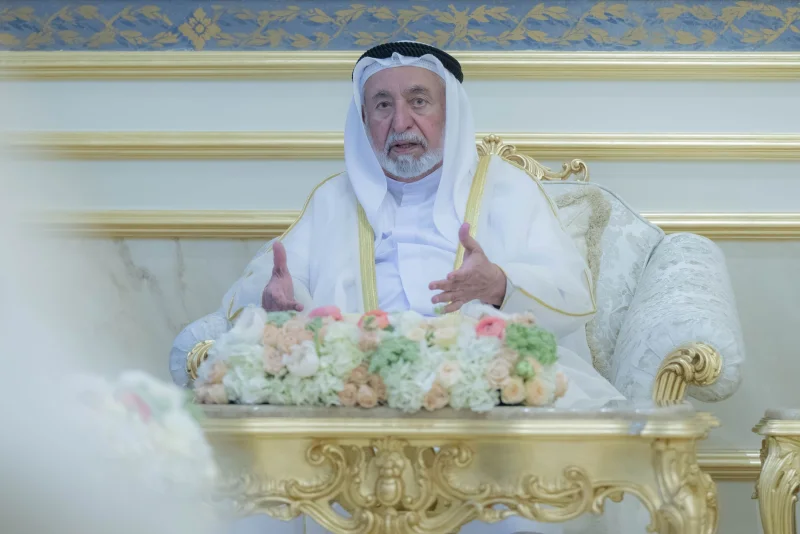
His Highness Sheikh Dr Sultan bin Mohammed Al Qasimi, Supreme Council Member and Ruler of Sharjah, has formally approved the general budget for the emirate, which encompasses total expenditures of approximately AED44.5 billion.
This budget is designed to foster financial sustainability, enhance cultural, scientific, and economic prosperity, and promote social welfare for all residents of the emirate. It also emphasises the importance of ensuring security and social safety, alongside the sustainability of energy, water, and food resources.
Additionally, the budget aims to bolster government entities’ capacity to finance strategic initiatives and projects. It seeks to provide appropriate housing solutions for diverse categories of citizens throughout Sharjah and to develop a tourism infrastructure that enhances cultural, recreational, and social tourism. As a result, this sector will significantly contribute to the realisation of sustainable economic development.
The 2026 general budget is structured around several strategic and financial pillars, including efforts to cultivate and strengthen a premier environment across the social, cultural, health, tourism, and infrastructure sectors. The objective is to achieve indicators aligned with those of developed nations, ensuring that all residents of the emirate can benefit from the advantages of economic prosperity.
The general budget for 2026 encompasses two primary objectives: financial sustainability and economic competitiveness. Additionally, it focuses on addressing social needs, meeting employment-related needs, and strengthening the government’s capacity to develop and enhance the emirate’s infrastructure. The implementation of capital projects and initiatives will continue across the various cities and regions of the emirate, which are experiencing an urban renaissance characterised by social, tourism, and cultural advancements.
Expenditures in the general budget have increased by 3% compared with the 2025 budget. The government has maintained its commitment to supporting the capital projects budget, which accounts for 35% of the overall budget, thereby ensuring the continued fulfillment of spending needs associated with these projects in 2026. Salaries and wages represent 30% of the 2026 general budget, while operating expenses account for 25%.
Furthermore, subsidies and aid account for approximately 12% of the total budget, and loan repayments and interest comprise 15% of the general budget for 2026, reflecting a 1% decrease from 2025. This framework bolsters the government’s financial stability and capacity to meet its obligations. Capital expenditures are projected to account for approximately 2% of the total general budget for 2026.
Overall, the 2026 general budget is designed to support the government’s strategic and operational objectives and initiatives by reinforcing financial stability and sustainability. It aims to improve the efficiency of government spending control, address the needs of governmental agencies, and enhance their capability to meet developmental requirements while advancing the rationalisation of governmental expenditure.
Classifying the budget by economic sector is a critical tool for reflecting the government’s strategic priorities. In the 2026 general budget, the infrastructure sector occupies the top position, accounting for 35% of the total budget. This allocation underscores the government’s exceptional commitment to enhancing the emirate’s infrastructure, which is a fundamental pillar of development, sustainability, and attracting both foreign and domestic investment across all essential sectors.
Following this, the economic development sector ranks second in relative significance, accounting for approximately 30% of the 2026 general budget. This allocation represents a 17% increase from the previous year’s budget. The social development sector ranks third, accounting for approximately 23% of the total general budget for 2026, up 6% from the 2025 budget. These figures reflect the government’s focus on both economic and social dimensions in the 2026 general budget. Additionally, the government administration, security, and safety sector constitutes about 12% of the total general budget for 2026, reflecting a 16% increase from the 2025 budget. This enhancement underscores the government’s emphasis on strengthening security and the administrative and technical capabilities of its institutions.
Regarding government revenues, the government has focused exceptionally on expanding these revenues, improving collection efficiency, and developing smart, technological tools and methods to support this approach. Analysis of public revenue trends shows that, overall, public revenues in the 2026 budget increased by 26% relative to 2025. Operating revenues accounted for 69% of the total revenue budget for 2026, up 16% from 2025, while capital revenues accounted for 10% of the budget, up 35% from 2025.
Tax revenues accounted for approximately 16% of total public revenues in 2026, up 101% from the 2025 tax revenue budget. Similarly, customs revenues accounted for 3% of the total public revenue budget in 2026, while oil and gas revenues accounted for approximately 2% of the total revenue budget for 2026.
Sheikh Mohammed bin Saud Al Qasimi, Chairman of the Sharjah Finance Department, stated that the general budget of the emirate has established a framework of strategic and financial goals and priorities, reflective of the prudent directives of His Highness the Ruler of Sharjah, as well as the overarching vision of the Executive Council and the strategic objectives of the Finance Department. These initiatives aim to achieve the highest levels of financial sustainability and efficiency in managing government financial resources, thereby enhancing the Emirate’s competitiveness across economic, social, infrastructure, cultural, and tourism sectors. Furthermore, they seek to bolster the financial resources of government entities to deliver services that meet global standards and align with the performance indicators outlined in the Government of Sharjah’s budget.
Additionally, Sheikh Mohammed bin Saud noted that the 2026 general budget includes several measures to ensure the government’s financial sustainability. The government has also embraced a comprehensive strategy, in collaboration with relevant entities within the emirate, to develop a digital transformation initiative that encompasses various financial services, including electronic payment and collection systems. This endeavour has led to the provision of superior competitive services to customers while bolstering the role of the Sharjah Digital Department in adopting best global practices related to the development of the Sharjah government’s digital transformation strategy, thereby enhancing its competitiveness both locally and internationally. Moreover, it has empowered governmental entities to re-engineer processes and streamline procedures, ultimately facilitating a significant reduction in bureaucratic inefficiencies within the government financial system of the emirate.
The Chairman of the Finance Department outlined the key dimensions of the 2026 budget, stating, “The 2026 general budget adopts a three-dimensional approach. The first dimension focuses on developing economic and social objectives and strategies to enhance the well-being and prosperity of the emirate’s residents. The second dimension is strategic in nature, emphasising the enhancement of the government’s financial sustainability and its capacity to fund strategic and operational activities, initiatives, and projects. The third dimension pertains to the refinement of the government services system and the improvement of macroeconomic indicators, incorporating strategic priorities to stimulate the emirate’s economy through the provision of discounts and a review of various service fees, thereby reducing the cost of doing business for customers and investors.”
Furthermore, the budget prioritises the provision of numerous developmental and social requisites to ensure the achievement of economic growth rates that will bolster Sharjah’s standing on both the regional and global economic stages. It aims to secure financial stability and enhance the emirate’s competitiveness by offering high-quality financial and strategic services, while fostering an attractive environment for both local and international investors. Additionally, it seeks to cultivate a tourism landscape across various sectors, including cultural, heritage, medical, scientific, and recreational tourism. The framework will ensure that all data, indicators, and results align with international financial standards, particularly concerning inflation rates, sectoral expenditures, and other macroeconomic indicators, while also reinforcing the policies designed to control and rationalise government spending,” remarked Sheikh Mohammed bin Saud.
Sheikh Mohammed bin Saud Al Qasimi emphasised that the budget strengthens the emirate’s strategic objectives in enhancing infrastructure across vital facilities and sectors, safeguarding the environment and public health, and expanding tourism’s role through various projects supervised by His Highness the Ruler of Sharjah. These initiatives have generated and are expected to continue generating significant value for the emirate as a dynamic center for tourism, science, and culture. The budget also establishes a robust investment climate, fosters investment in human resources, and increases employment opportunities, aligning with one of His Highness’s strategic priorities.
Moreover, it prioritises the provision of financial support to government entities, ensuring that all essential funding requirements are met to enhance their capacity in executing strategic and operational initiatives and projects. The budget ensures the delivery of high-quality services to citizens and residents, adhering to the highest standards and practices that promote well-being and happiness within the community. Sharjah has achieved a prominent status on the global cultural, scientific, and tourism landscape, a testament to His Highness the Ruler of Sharjah’s strategic vision and leadership in the continuous development process, positioning Sharjah as a global capital of cultural and civilizational creativity, among other accomplishments that evoke collective pride.
The 2026 budget aims to enhance government capabilities and enablers in response to global and regional challenges, including inflation, rising interest rates, economic recession, and geopolitical crises affecting nations worldwide. The government of Sharjah is strategically leveraging its financial, economic, and strategic resources to mitigate the adverse effects of these challenges on the Emirate’s financial and economic conditions while safeguarding the interests of its citizens, residents, and businesses operating in the region.
The general budget encompasses a range of strategic goals, priorities, and indicators across economic, social, scientific, cultural, civilizational, tourism, and structural dimensions. The primary focus remains on the citizen, aligning with the directives of His Highness the Ruler of Sharjah, who emphasises the importance of ensuring a dignified living standard for the residents of the emirate. This will be achieved by implementing diverse projects and initiatives across multiple sectors, fostering economic and social stability, security, and safety.
The budget is designed to achieve several key objectives, notably providing employment opportunities in both the public and private sectors. It prioritises the development of skills and competencies for citizens seeking employment, aiming to enhance their integration into the workforce with distinguished entrepreneurial skills. This initiative aspires to contribute significantly to establishing the Emirate of Sharjah as a prominent platform for scientific inquiry, cultural exchange, and a distinctive tourist and economic environment, thereby strengthening its cultural, economic, and financial stature on the local, regional, and international stages.
Moreover, the budget, through its objectives and methodologies, is committed to utilising and advancing the most effective means and technologies that stimulate economic growth, development, and financial sustainability. There is also a significant emphasis on leveraging the human resources and potential of citizens, enhancing their roles in the processes of building and sustainable development, all of which the budget intends to realise during the fiscal year 2026.
The strategic direction of the government for the coming years prioritizes the enhancement of results achieved, which have enabled the Emirate of Sharjah to transition from a local and regional presence to a global and pioneering hub in various domains. These domains include scientific, cultural, heritage, social, and environmental sectors, with Sharjah achieving notable rankings in global assessments regarding cleanliness, safety, and tourism, as well as being increasingly favoured as a residence by diverse nationalities.
The budget has been formulated in accordance with a comprehensive strategic vision aligned with the government’s financial plan for 2023 to 2030. The primary focus of the budget is on the control and rationalisation of expenditures in areas that do not significantly enhance competitiveness or financial sustainability. The objective is to improve the efficiency of government spending management by entities within the emirate and to bolster their capacity to finance strategic programs, activities, and plans. As a result, the 2026 budget reflects a 3% increase over the 2025 budget.
The government of Sharjah has made concerted efforts to diversify budget funding sources to ensure the financial sustainability of projects and initiatives overseen by His Highness the Ruler of Sharjah across multiple sectors, including economic, social, tourism, scientific, and infrastructure. These initiatives are executed with a high degree of professionalism and adherence to the best international standards and practices. Furthermore, a well-defined strategy has been established to incentivise government entities to enhance and develop mechanisms for controlling and rationalising government expenditures, thereby directing these funds toward areas that provide added value for the community.
WAM
Business
Private Credit Investors Rush to Withdraw

The rush for the exits in private credit is prompting fresh scrutiny of the sector’s less-liquid structures and its rapid expansion into the retail wealth space.
Blackstone has become the latest fund manager to be hit by a surge in requests from investors to withdraw from its flagship private credit strategy.
The asset manager said this week it will meet 100% of redemption requests in its gigantic $82 billion Blackstone Private Credit Fund, or BCRED, after investors sought to pull a record 7.9% of assets from the fund, or about $3.8 billion.
That came after Blue Owl Capital said last month it was ending regular quarterly liquidity payments in its Blue Owl Capital Corporation II fund, a semi-liquid private credit strategy aimed at U.S. retail investors. The private credit specialist will instead switch to periodic payouts funded by asset sales, earnings and other strategic deals.
This spike in redemption requests is now putting the private market industry’s courting of retail investors under closer scrutiny, and bringing the mismatch between non-publicly-traded, higher-yielding illiquid assets and retail-style access into sharper focus.
‘A feature, not a bug’
Blackstone — the world’s biggest alternative investment manager, with $1.27 trillion in assets under management — said it was upping a previously-announced tender offer to 7% of total shares, with the firm and employees offsetting the remaining 0.9%, in order to meet the redemption requests in full.
Blackstone Chief Operating Officer and President Jon Gray acknowledged that the risk of private credit firms failing to meet withdrawals, and potentially gating investors’ money, is “not beneficial in the near term” for the sector.
But speaking with CNBC’s “Squawk On The Street” Tuesday, Gray said individual investors and financial advisors “in most cases do” understand the product.
“What people sometimes fail to recognize is, they’re designed as semi-liquid products,” Gray said. “The idea that there are caps is really a feature, not a bug of these products. What you’re doing is trading away a bit of liquidity for higher returns. That’s the same trade-off institutional investors have made for a long period of time.”
Shares of publicly traded alternative asset managers — including Blackstone and Blue Owl, as well as KKR, Ares Management and Carlyle Group, among others — have dipped as concerns over multiple pressure points in the sector have spread.
These include late-cycle loan quality, AI-related risks in software portfolios, and fears of further individual blow-ups following the First Brands and Tricolor implosions last year.
Gray said that lowly-leveraged loans which produce a premium for investors are “a pretty good place to be,” adding that he expects they will continue to outperform liquid credit.
The BCRED fund has generated a 9.8% return since inception in its main share class, which indicates that, for now, the challenge remains one of liquidity rather than performance. Gray said there had been a “ton of noise” around private credit in recent weeks, adding, “it’s not a surprise that investors can get nervous.”
Moody’s Ratings warned that private credit’s tricky balance between delivering outsized returns while also offering retail-like liquidity will continue to be tested as the sector evolves towards the mainstream. In a recent commentary, Marc Pinto, global head of private credit at Moody’s, said funds may need to hold a larger proportion of more liquid, lower‑yielding assets to account for a growing retail presence — which could prove a drag on returns.
’180-degree switch’
Ultimately, the underlying assets will remain illiquid, regardless of the fund’s structuring, said William Barrett, managing partner at Reach Capital. “The retail market has to be conscious of that and not invest in these products the same way it would in an ETF,” Barrett told CNBC via email.
“Private markets inflows have been dominated by the institutional market for decades,” Barrett said. “It makes sense for our industry to now offer our products to retail but we should probably test it first with HNWI [high net worth individuals] and mass-affluent segments rather than making a 180-degree switch to mass retail.”
Barrett said the industry has to carefully select the right target markets for the right liquidity structures and the right underlying assets.
He noted that while there has been little sign of underperformance in the credit space at the portfolio level, “it makes sense that semi-liquid products feel the liquidity pressure first.”
Man Group, the London-listed global alternatives manager which has expanded its private credit activity in recent years,said private credit loans are originated with the “express purpose” of being held to maturity.
“This lack of tradability is a feature of the asset class, not a flaw,” said Andrew Weymann, director, client portfolio manager, U.S. private credit, and Zeshan Ashfaque, senior managing director and senior credit officer, U.S. direct lending, in a note Tuesday.
They said redemption pressure in private credit could also be influenced by another area of weakness: exposure to software-as-a-service companies. Blue Owl is a significant direct lender to the sector, which has been shaken by concerns that rapidly advancing AI tools could erode traditional SaaS business models.
“If retail inflows slow and outflows pick up, particularly for managers most exposed to AI risks or whose capital bases have a significant retail component, this will be an additional headwind for the industry to contend with,” Weymann and Ashfaque noted.
Business
Saudi firms raise hiring and pay despite PMI dip
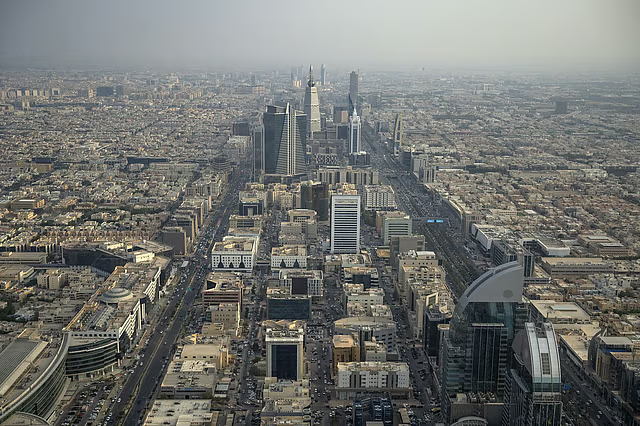
Saudi Arabia’s non-oil private sector lost a touch of speed in February, yet companies continued to hire aggressively and raise wages at the fastest pace since records began, signalling confidence that domestic demand remains intact.
The seasonally adjusted Riyad Bank Saudi Arabia Purchasing Managers’ Index slipped to 56.1 in February from 56.3 in January, marking the softest improvement in operating conditions for nine months. The index remains comfortably above the 50 neutral mark, indicating expansion across the non-oil economy even as momentum has cooled from last year’s peak.
Growth cools, but demand holds
Output growth eased to a six-month low, though businesses continued to report solid gains in activity. Survey respondents frequently cited stronger customer demand and new project approvals, alongside improved domestic sales and stepped-up marketing efforts. Competitive pressures in some markets tempered the pace of expansion, yet order books continued to rise.
New orders remained a central driver of activity, supported by government initiatives, digital development efforts and collaborative client projects. International sales also expanded for a seventh consecutive month, though at a slightly slower rate than earlier in the cycle.
Naif Al-Ghaith, Chief Economist at Riyad Bank, said, “Saudi Arabia’s non-oil private sector sustained its expansionary trajectory with a PMI reading of 56.1 in February, though the pace of output growth eased to its lowest level since last August. This performance was driven by robust domestic demand and a steady flow of new project approvals. Despite the moderation in momentum, the sector remains firmly in growth territory, supported by seven months of rising international sales and an improving volume of new orders.”
Businesses appear to be recalibrating after a period of rapid expansion, with the PMI on a gradual downward path since reaching one of its highest levels in over a decade last October. Conditions remain strong overall, but the data suggest a shift toward steadier, more measured growth.
Hiring surge drives record wage inflation
Employment rose sharply in February, with the job creation rate climbing to a four-month high and ranking among the strongest recorded in the survey’s history. Firms cited increased sales volumes and a build-up of outstanding orders as reasons to expand payrolls.
That hiring push has come at a cost. Staff expenses surged at the fastest pace since the survey began in August 2009, reflecting higher salaries offered to attract and retain workers, particularly in technical and sales roles. The sharp rise in wage bills marks a key feature of February’s data and signals growing competition for skilled labour.
Al-Ghaith said, “A key highlight of the February results was the sizeable increase in employment, as firms expanded their workforce to manage higher workloads and new business inflows. This acceleration in hiring signals confidence in near-term demand, even as overall output growth moderated. At the same time, supply chain performance improved further, with delivery times shortening amid better coordination and operational efficiencies.”
Prices climb amid cost pressures
Rising wage costs fed through to selling prices, which increased at the joint-fastest pace since May 2023, matching October’s recent high. Companies also reported higher supplier charges and increased metals prices. A reduction in fuel payments helped moderate overall purchase-price inflation, while some firms benefited from renegotiated vendor contracts.
Supply chains showed signs of improvement despite stronger input buying. Delivery times shortened to the greatest extent in nine months, reflecting operational gains and changes in vendor relationships. Companies continued to raise purchasing volumes in line with expanding workloads, while maintaining a balanced approach to inventory management.
Confidence steady into year ahead
Expectations for the next 12 months remained positive, with firms linking anticipated output growth to new client projects, firmer demand and supportive domestic economic conditions. The overall picture suggests an economy adjusting to a more sustainable pace after an extended period of rapid expansion.
Al-Ghaith said, “Overall, February’s results point to an economy that remains strong but is moving onto a more sustainable balance. Growth has moderated, yet demand and hiring activity continue to anchor the expansion. The broader trend remains positive, with businesses actively adjusting their capacity while maintaining a high degree of confidence in underlying market conditions. This balanced approach to inventory and staffing suggests the private sector is well positioned to navigate evolving economic dynamics throughout the remainder of the year.”
Consumers and businesses alike face a mixed environment. Growth remains solid, and hiring is robust, yet rising wages and selling prices could translate into firmer costs across parts of the economy. Saudi Arabia’s non-oil sector remains firmly in expansion mode, though the latest data indicate that the breakneck pace of last year is giving way to steadier, more sustainable momentum.
GN
Business
UAE gold prices jump more than Dh10

Gold prices in the UAE surged on Monday morning, extending their recent rally and reflecting a sharp global shift toward safe-haven assets following escalating conflict in the Middle East. The 24-karat rate climbed to Dh646.45 per gram at 8.43 am on March 2, up from Dh636 a day earlier, while the 22-karat variety rose to Dh592.58 compared with Dh589 previously. (Check latest UAE gold prices here, alongside prices in Saudi Arabia, Oman, Qatar, Bahrain, Kuwait, and India.)
This move marked one of the strongest single-day gains in recent weeks. It pushed local bullion back toward levels last seen during previous periods of geopolitical stress, signalling a renewed wave of risk aversion among investors and buyers.
Steady climb through February
Gold’s rise did not begin overnight. The market has been building momentum for weeks, driven by a mix of global economic uncertainty, strong central bank demand, and shifting investment flows. Local price trends illustrate how steadily the rally gathered pace.
At the start of February, 24-karat gold traded near Dh564 per gram. Prices moved gradually higher throughout the month, crossing Dh600 by mid-February before accelerating sharply in the final week. By February 27, the rate had already reached Dh629.50, and within days it surged above Dh646.
The pattern shows how gold’s trajectory has been shaped by both long-term structural demand and short-term geopolitical shocks, with the latest escalation acting as a catalyst rather than the sole driver.
War tensions trigger global surge
Global bullion prices jumped sharply in early trading, rising more than 2% before moderating later in the session. Investors responded quickly to heightened risk perceptions, shifting funds away from equities and currencies into gold, which historically performs well during periods of uncertainty.
Energy markets mirrored this reaction. Oil prices surged strongly at the open on Monday, reflecting concerns over potential supply disruptions, particularly around the Strait of Hormuz, one of the world’s most critical energy corridors. The simultaneous rise in oil and gold heightened systemic risk across global markets.
Structural drivers remain intact
Even before the latest conflict, gold had been on a sustained upward trend throughout the year. The metal has gained roughly a quarter so far in 2026, supported by persistent central bank purchases, ongoing diversification away from sovereign bonds, and continued investor demand for inflation protection
GN


Private Credit Investors Rush to Withdraw

UAE moves spring break for schools and universities

How Etihad Rail ferried 350+ UAE passengers back home with Saudi help

Is February 2026 really a once-in -283-years MiracleIn?

Algeria, Burkina Faso, Côte d’Ivoire win AFCON 2025 openers

Bascom Palmer Eye Institute Abu Dhabi and Emirates Society of Ophthalmology Sign Strategic Partnership Agreement
-
Discover1 month ago
Is February 2026 really a once-in -283-years MiracleIn?
-
 Football2 months ago
Algeria, Burkina Faso, Côte d’Ivoire win AFCON 2025 openers
-
 Health3 months ago
Bascom Palmer Eye Institute Abu Dhabi and Emirates Society of Ophthalmology Sign Strategic Partnership Agreement
-
 Health2 months ago
NMC Royal Hospital, Khalifa City, performs rare wrist salvage, restoring function for young patient
-

 Health4 months ago
Emirates Society of Colorectal Surgery Concludes the 3rd International Congress Under the Leadership of Dr. Sara Al Bastaki
-

 Football3 months ago
Globe Soccer Awards 2025 nominees announced as voting opens in Dubai
-

 Health4 months ago
Born Too Soon: Understanding Premature Birth and the Power of Modern NICU Care
-

 Health2 months ago
Decline in Birth Rate in the UAE