
Retail
Italy probes beauty brands over girls’ mental health
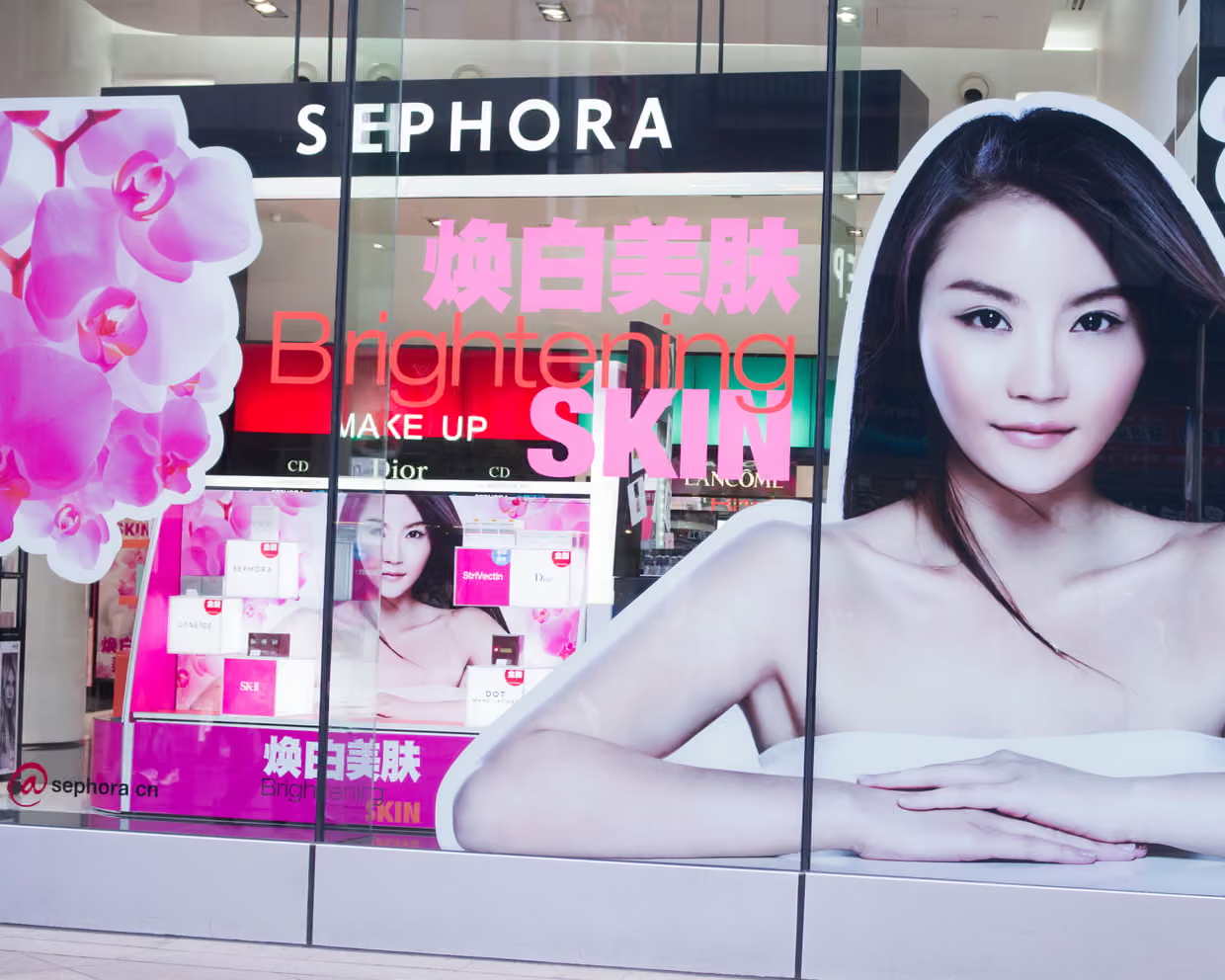
Italian regulators are investigating Sephora and Benefit Cosmetics over the apparent use of “covert marketing strategies” to sell beauty products to young girls that might be fuelling an unhealthy skincare obsession known as “cosmeticorexia”.
The Italian Competition Authority said it was looking into promotions for skincare products such as face masks, serums and anti-ageing creams that in some cases appeared to target girls under 10.
“These practices are linked to the broader issue of ‘cosmeticorexia’ – an obsession with skincare among minors,” the authority said.
The cosmetics brands, which are both owned by the French luxury group LVMH, appeared to have adopted a “particularly insidious marketing strategy”, it said. This involved using “very young micro-influencers who encourage the compulsive purchase of cosmetics among young people, a particularly vulnerable group”.
The watchdog said that its officials, with the help of the Italian financial police, had carried out inspections at the premises of Sephora Italia and other LVMH offices on Thursday.
Upmarket beauty brands aimed at women have surged in popularity among very young social media users, creating a phenomenon known as “Sephora kids” – a catch-all phrase for the intense attachment between preteen children and high-end beauty products.
The trend is driven by skincare content produced by beauty influencers – many of whom are tweens and teens themselves. Apps such as TikTok and Instagram are filled with videos of young girls and teenagers talking about skincare and makeup.
Sephora has previously sought to distance itself from this trend. Artemis Patrick, the chief executive of Sephora North America, stated in a 2024 interview that “we do not market to this audience”.
The trend has met a backlash from dermatologists who argue that children do not require beauty products and this early focus on appearance can create anxiety over how their skin looks. Children’s skin is more sensitive, and exposing it to unnecessary chemicals increases the risk of irritation and sensitisation later on, they say.
Cosmeticorexia refers to an obsession with achieving “flawless” skin that can lead to excessive, age-inappropriate or compulsive use of cosmetic products.
“The investigations were opened over concerns that important information – such as warnings and precautions for cosmetics not intended for, or tested on, minors – may have been omitted or presented in a misleading manner,” said the regulator.
While not illegal to sell such products to underage customers, the regulator said: “The frequent and combined use of a wide range of cosmetics by minors, without proper awareness, may be harmful to their health.”
LVMH said that it, Sephora and Benefit would “fully cooperate with the authorities” but declined to comment further. “All the companies reaffirm their strict compliance with applicable Italian regulations,” it added.
The Guardian
Retail
Selena Gomez’s $150 white sneakers pair perfectly with summer dresses

You don’t have to travel across the pond to find this star-approved shoe style.
During a recent trip to London, Selena Gomez spent time with music exec Vanessa Tara Angiuli, who posted several sweet snaps on her Instagram.
In one photo in front of Big Ben, Gomez paired the For Love & Lemons All Aboard Minidress with Cole Haan’s GrandPro Tennis 2.0 Sneakers for a stylish yet comfort-first ensemble.
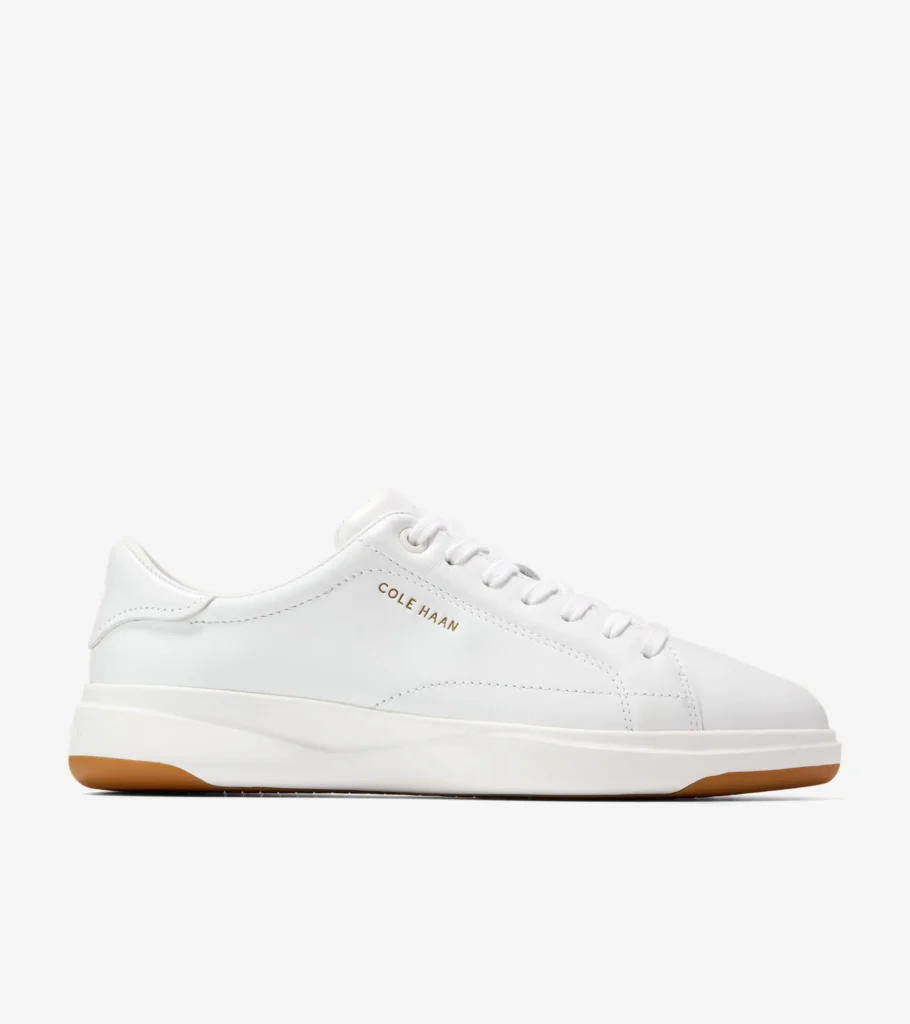
While the leather-upper shoes have a $150 price tag, consider adding some socks or sandals to your cart. On any purchase over $175, you’ll get 20% off with the promo code EXTRA20.
The shoe also comes in several other color options — some of which are even on sale starting at under $110 — in both medium and wide sizing options.
While the FeatherFeel Foam signature comfort is lightweight and easy to stash in suitcases, the midsole is made with support for all-day walking comfort (or tennis, if you prefer)
Despite the comfy design, the style is still appropriately dressy enough to wear with dresses à la Gomez (or any outfit you see fit).
“Most comfortable shoes I own,” reads one review, while some note that, due to the leather, they require a wee bit of breaking in.
“The bottom has a lot of cushioning, and they are comfy straight out of the box. You feel like bouncing on clouds walking in these,” wrote another shopper.
If you’re looking to put a little stylish spring in your step, don’t hesitate to add to cart.
Page six
Retail
Used baby diapers recycled into oils for new plastics
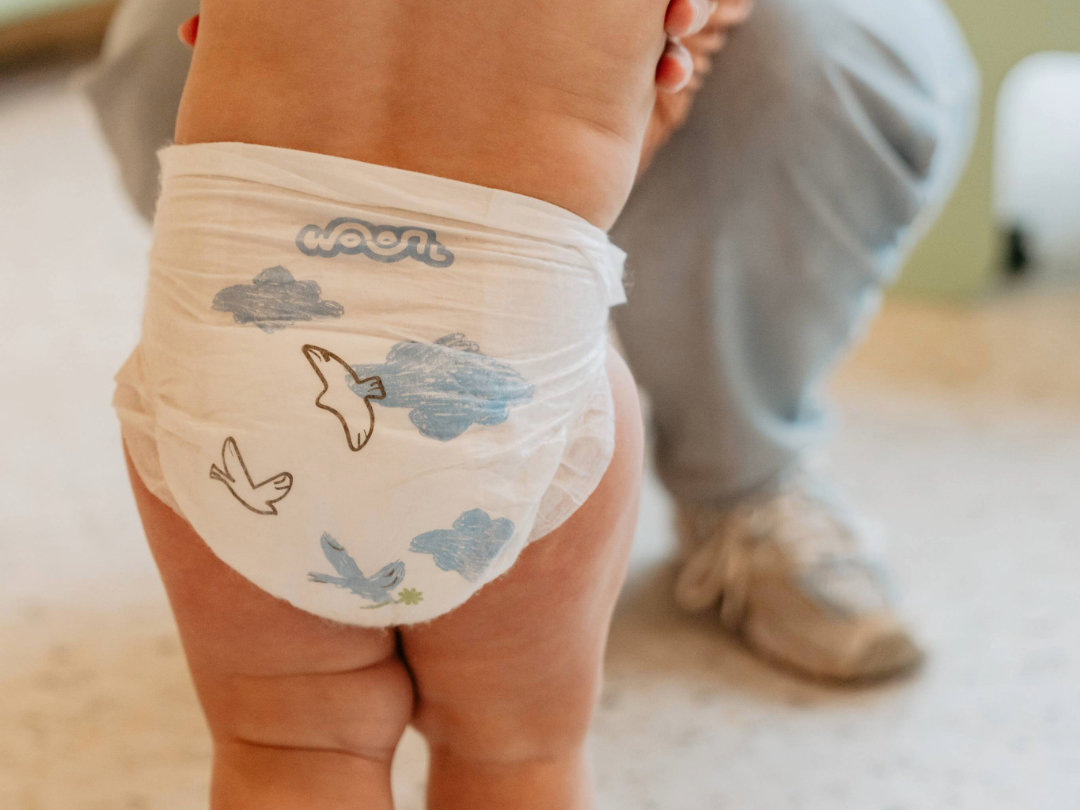
Borouge International and BlueAlp are working with Woosh to chemically recycle disposable baby diapers into pyrolysis oils for producing new polymers.
Consumption data suggests that 6.73 million metric tons of disposable diapers were generated in the EU-28 in 2017. These products are often incinerated or sent to a landfill after a single use, but Borouge points out that they contain ‘valuable’ polyolefin-based nonwovens and films.
The collaboration builds on the pre-established ecosystem around Woosh’s give-back diapers, which are distributed to households and childcare facilities across Belgium, then collected again after use.
Over 30,000 children are currently thought to use the system every day, with Woosh processing ‘thousands’ of metric tons of used diapers annually at its recently-launched diaper recycling plant.
Woosh aims to expand its operations into France and the Netherlands to increase the volume of recovered plastic available for recycling.
Now, engineers from Woosh have worked alongside Borouge International and BlueAlp to define the quality requirements of any recovered plastic to be used as input for BlueAlp’s chemical recycling technology. Woosh has adjusted its proprietary mechanical separation process accordingly.
Initial industrial-scale recycling runs took place at BlueAlp’s plant in Oostende, Belgium. Its pyrolysis technology was used to process the recovered plastic fractions, converting them into ISCC PLUS-certified pyrolysis oil for future polymer production.
This is thought to be the first time a circular economy has been established for single-use diapers at an industrial scale in Europe, and is intended as a proof of concept for circular systems in the sector.
“Chemically recycling the plastic from used diapers is anything but straightforward,” explains Peter Voortmans, vice president Marketing Consumer Products at Borealis. “It requires careful pre-processing to meet the specifications of the pyrolysis process.
“Together with Woosh and BlueAlp, we’ve been able to solve this challenge, showing what’s possible when teams work closely together with a shared goal.”
“We have spent years building the collection network and the technology to make this possible,” continues Woosh CEO Jeff Stubbe. “To see the plastic we recover from used diapers validated as feedstock for new polymer production, and potentially for new diapers in the future, is exactly what we set out to achieve. This is what closing the loop actually looks like.”
“This is a fundamental example of what we want to achieve at scale with BlueAlp,” adds BlueAlp CEO Valentijn de Neve. “It’s fantastic to see that, together, we can address difficult-to-recycle waste streams that cannot be effectively managed through mechanical recycling, enabling them to be chemically recycled and returned to demanding applications such as diapers in the healthcare and hygiene sector.”
In other diaper-related news, Korozo Group, Drylock Technologies, and Colruyt have worked together to create a recyclable, nonwoven packaging solution for diaper products. Together, the companies sought to unlock a tactile experience that reflects the product’s softness.On the topic of chemical recycling, Borealis also joined forces with Clariant and SINTEF in a pilot-scale project to upgrade pyrolysis oil from plastic waste into cracker-grade feedstock, which is said to be suitable for virgin polyolefin production.
Packaging Europe
Retail
8 Best Office-Friendly Unisex Perfumes in UAE 2026
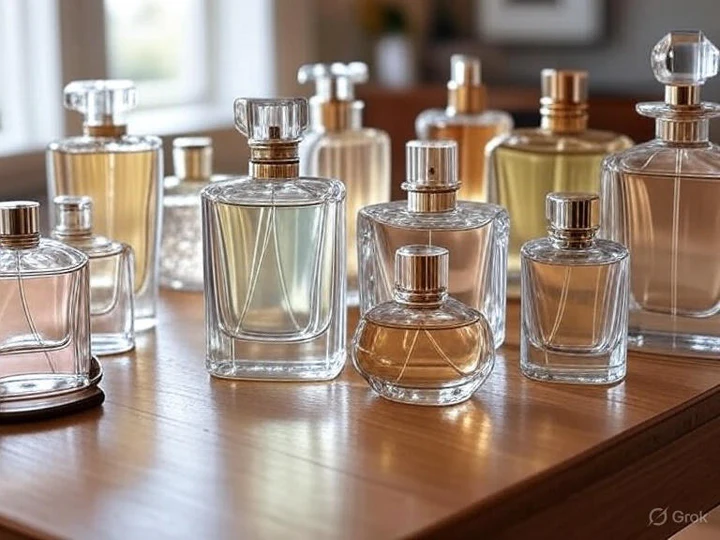
In today’s work culture, what you smell like matters just as much as what you wear. The best office perfumes are about clean, subtle, long-lasting confidence that stays close to the skin without overwhelming shared spaces. In the UAE, where heat, air-conditioning and long workdays test every fragrance, the right scent can elevate your presence from morning meetings to late emails. This curated list brings together 8 office-friendly perfumes for both men and women that balance freshness, softness and professionalism. We’re talking about airy citrus, smooth musks and modern clean blends designed to keep you smelling polished, not loud, all day in 2026.
We went through top-rated and reviewed products on Amazon, and got a little help from UAE residents for this list.
- 1) Best Overall: Byredo Mojave Ghost (Unisex)
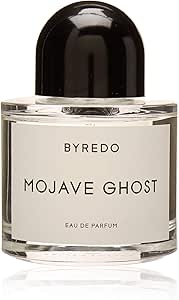
Byredo Mojave Ghost works well as an office perfume as it strikes a balance that many fragrances struggle to achieve: It is noticeable without being distracting. Built around soft woody and musky notes, the scent opens with ambrette and a light, airy floral quality before settling into creamy sandalwood, cedar and musk. The result is a clean, skin-like fragrance that feels refined and modern rather than loud or overly formal.
It’s suitable for officewear in UAE, as it performs in heat and air-conditioned environments. It is also versatile in a professional setting because it gives off a polished, effortless impression that works well for meetings, coworking spaces and everyday wear.
2) Best Floral Scent: Prada Paradoxe Mini Perfume (Women)
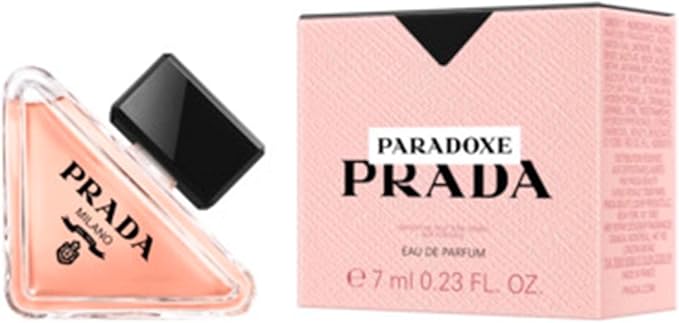
Another popular pick, that lasts all day. Prada Paradoxe manages to feel strong and feminine, without being overly sweet or overpowering during the workday. Built around bright orange blossom, soft florals and warm vanilla, the fragrance has a clean, modern quality that feels professional while still being comforting and elegant. Unlike heavier gourmand perfumes that can feel too rich in warm weather or crowded office spaces, Prada Paradoxe keeps a lightness to it, making it especially wearable in the UAE’s climate and heavily air-conditioned workplaces.
The floral notes give it freshness and brightness, while the musk and ambery warmth underneath help it last through meetings, commutes and long desk hours without needing constant reapplication. It projects enough to feel put-together and noticeable in close conversations, but it does not dominate the room.
The fragrance also works well from day to evening. It feels appropriate with formal office wear, casual work outfits and even after-work dinners, which makes it a reliable everyday option.
3) Best Clean Office Perfume: Reserve Blend (Unisex)
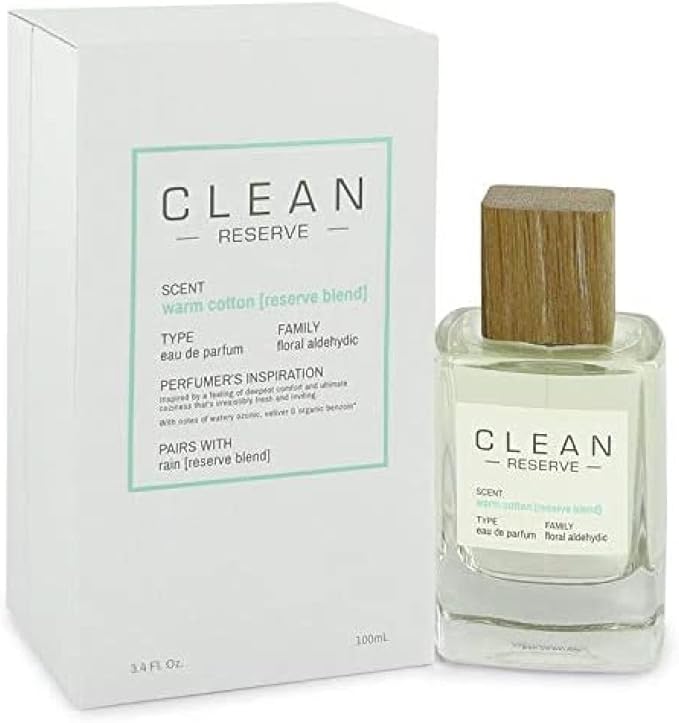
Dubai-based Khirad says it has been her companion for years now. It’s just clean, calming and doesn’t have much noise around it, as she says. The fragrance is the equivalent of freshly laundered clothes, crisp white shirts and walking into the office feeling instantly put-together. Built around airy aldehydes, soft musk, mint, watery notes and a subtle woody warmth, it delivers that unmistakable ‘clean skin and fresh laundry’ scent profile that works exceptionally well in professional settings.
And it’s not sharp. Many citrus-heavy fragrances can disappear quickly in heat, while sweeter perfumes may become overpowering in enclosed spaces. Warm Cotton takes a softer approach. It stays light, comforting and smooth throughout the day, creating a just-showered effect rather than a dramatic perfume trail.
The musk and incense in the base give it a little depth, preventing it from smelling too soapy or one-dimensional, while the mint and watery accords keep it airy in warm weather. It also layers with body lotions and lighter fragrances, making it ideal for everyday wear.
Most importantly, it is incredibly office-safe. It sits close enough to the skin to avoid overwhelming coworkers, but still leaves a polished, clean impression during meetings and close conversations. If you prefer subtle fragrances that make you smell neat, fresh and effortlessly professional, this is one of the best choices for daily office wear.
4) Best Light Office Perfume: Issey Miyake L’Eau D’Issey Pivoine Peony (Women)
Issey Miyake L’Eau D’Issey Pivoine Peony EDT Intense is for those, who want something feminine and uplifting without drifting into overly sweet territory. Centered around peony, the fragrance has a fresh floral quality that feels airy, clean and modern rather than powdery or heavy. It opens bright and crisp before settling into a softer floral warmth, giving it the kind of effortless elegance that works beautifully in professional settings.
And, it handles heat well. Some floral perfumes can become cloying during commutes or long days outdoors, but this one keeps a watery, almost translucent freshness that stays comfortable even in warm weather and air-conditioned environments. It smells refined and noticeable without taking over the room.
The “EDT Intense” structure also gives it better staying power than many lighter eau de toilettes, meaning it lasts through much of the workday while still maintaining a soft projection. It is the kind of fragrance that feels polished and approachable, ideal for meetings, coworking spaces and everyday wear.
5) Best Budget Luxury Perfume (Unisex): KHADLAJ ISLAND Parfum Spray
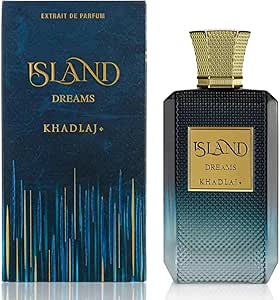
Khadlaj Island Parfum Spray is proof that an office perfume does not have to cost a fortune to smell polished and expensive. It blends citrus freshness with soft spice and creamy vanilla, and delivers warmth and depth without becoming too heavy for daytime wear. The opening feels bright and energising, while the smoother vanilla base gives it a clean sophistication that works particularly well in office environments and air-conditioned spaces.
Many affordable fragrances either disappear too quickly or become overpowering after a few hours in the heat. Khadlaj Island manages to stay noticeable throughout the day while maintaining a softer, more refined scent trail. The subtle spicy notes add character without making it feel overly intense or evening-focused.
The fragrance feels warm and put-together rather than loud, making it suitable for meetings, shared spaces and everyday wear. For anyone looking for a long-lasting office scent with a slightly luxurious feel at a more accessible price point, this is an easy crowd-pleaser.
6) Best Bold Office Scent (for men): Rasasi Hawas Viper
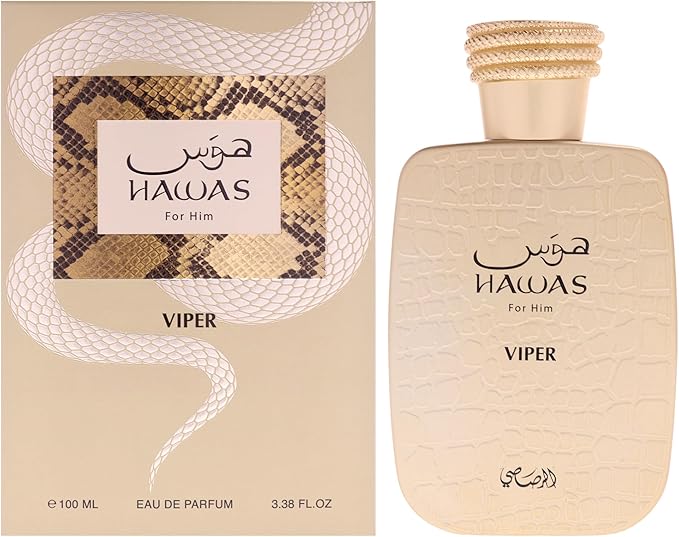
If you really want to make an impression, then Rasasi Hawas Viper EDP is your pick. It’s for the days when you want to smell confident, noticeable, and a little more commanding without going over the top. It opens with an unusual mix of green notes, spices like saffron and thyme, and a subtle aromatic sharpness that immediately feels more structured and assertive than your average fresh scent.
As it develops, it leans into a deeper, slightly richer profile with touches of coffee, cinnamon, tobacco, violet and raspberry. This gives it a modern contrast, slightly warm, slightly spicy, with a hint of sweetness that stops it from feeling too heavy. The base of musk and tonka smooths everything out, making it wearable even in office settings where strong fragrances are usually risky.
It projects confidence, but doesn’t stay aggressive throughout the day if applied lightly. In air-conditioned environments, it settles into a warmer, smoother scent that feels polished rather than overpowering.
In short, this is best suited for people who prefer a more “dressed-up” fragrance style at work, something that feels a bit more expressive than clean musks or fresh florals, but still refined enough for meetings and professional environments.
7) Best Everyday Wear: Calvin Klein Beauty Perfume for Women
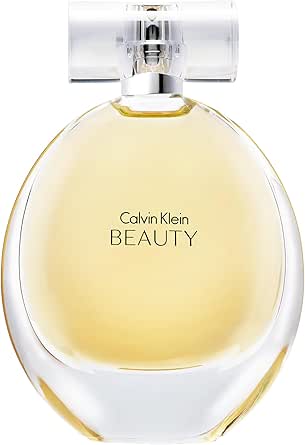
It opens with a soft musky ambrette note that feels clean. As it develops, jasmine becomes the central character, smooth, floral and luminous, without turning overly sweet or powdery. The base of cedarwood adds structure, giving it a subtle woody backbone that keeps the scent feeling polished and grounded throughout the day.
It doesn’t overwhelm a room or compete with conversations, but instead sits close to the skin with a calm, professional aura. In warm UAE conditions and air-conditioned offices, this balance is important, heavy florals can feel cloying, while ultra-fresh scents can disappear too quickly. Beauty finds a middle ground, staying present in a soft, controlled way.
It also carries a slightly ‘composed’ personality, more mature, minimal and put-together rather than playful or sugary. That makes it ideal for formal meetings, client-facing roles or days when you want to feel quietly polished without making a statement through scent.
8) Best Value: Gucci Perfume – Bloom
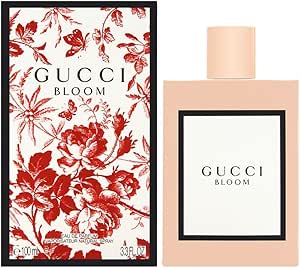
Gucci Bloom Eau de Parfum is built around a rich bouquet of tuberose, jasmine and Rangoon creeper and delivers a natural, garden-like floral scent that feels smooth rather than sharp or synthetic. Unlike lighter florals that can disappear quickly in air-conditioned offices, this one has a creamy depth that helps it last through the workday.
In the UAE climate, where heat can distort many fragrances, Gucci Bloom holds its structure well, remaining floral but controlled. It is especially suited for days when you want to feel put-together, whether you’re heading into meetings, presentations or a full day at the office.
GN


UAE Cycling Federation and AB Investment Sign Partnership to Support National Teams and Emerging Talent

Emirati Women’s Day: Hamda Al Mansoori takes UAE-grown ventures from AI and manufacturing to cross-border partnerships

Beyond Uniforms and Lunchboxes: Is Your Child Healthy and Ready for School?

Araghchi, Oman Sultan discuss transit, stability in Muscat

UAE’s café culture keeps growing despite price pressure

Netflix to Livestream BTS Comeback Concert
-
 politics5 months ago
Araghchi, Oman Sultan discuss transit, stability in Muscat
-
 UAE9 months ago
UAE’s café culture keeps growing despite price pressure
-
 Entertainment8 months ago
Netflix to Livestream BTS Comeback Concert
-
 Discover8 months ago
Is February 2026 really a once-in -283-years MiracleIn?
-

 Football9 months ago
Algeria, Burkina Faso, Côte d’Ivoire win AFCON 2025 openers
-

 Health9 months ago
NMC Royal Hospital, Khalifa City, performs rare wrist salvage, restoring function for young patient
-

 Health9 months ago
Bascom Palmer Eye Institute Abu Dhabi and Emirates Society of Ophthalmology Sign Strategic Partnership Agreement
-
 travel9 months ago
Rail routes connecting Saudi Arabia, UAE, Oman, Qatar, Kuwait and Bahrain