
Health
Conjoined Twins Fast Facts
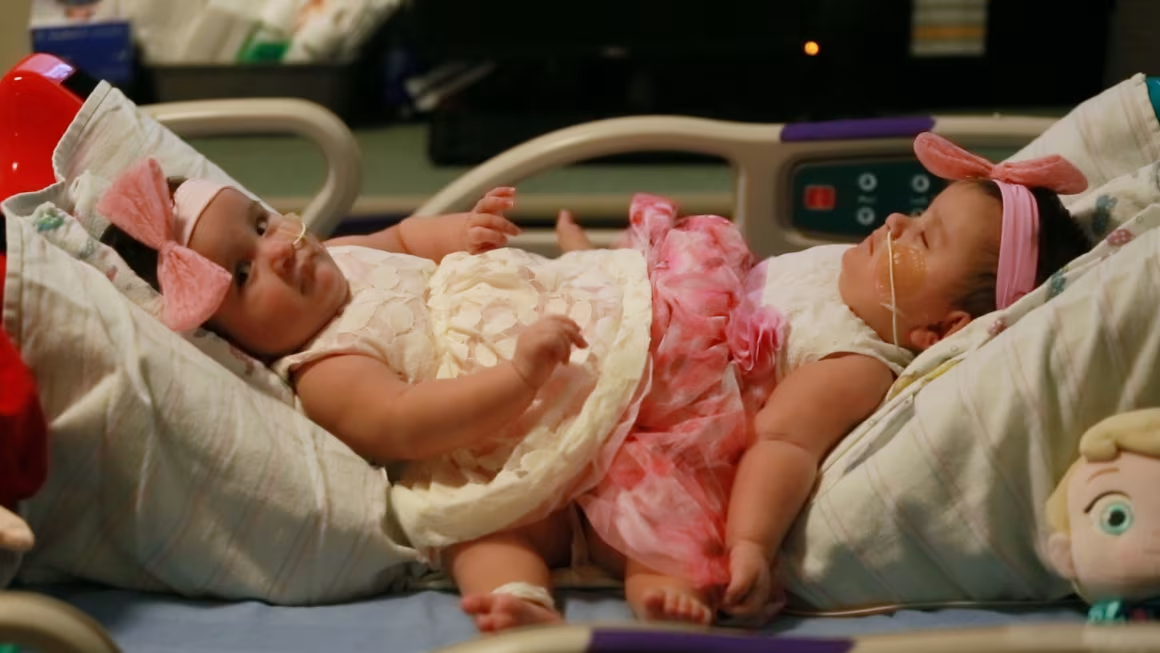
Here is a look at conjoined twins.
Conjoined twins are physically connected to one another at some point on their bodies.
Conjoined twins occur once in every 50,000 to 60,000 births, according to the Children’s Hospital of Philadelphia. About 70% of conjoined twins are female.
Conjoined twins are identical – they are the same sex.
According to the Mayo Clinic, conjoined twins may be joined at any of these areas: chest, abdomen, spine, pelvis, trunk or head.
Scientists believe that conjoined twins develop from a single fertilized egg that fails to separate completely as it divides.
The term “Siamese twins” originated with Eng and Chang Bunker, a set of conjoined twins who were born in Siam (now Thailand) in 1811. They lived to age 63 and appeared in traveling exhibitions. Chang and Eng both married and fathered a total of 21 children between them.
In 1955, neurosurgeon Dr. Harold Voris of Mercy Hospital in Chicago performed the first successful procedure separating conjoined twins.
Selected Cases
Lea and Tabea Block
Born August 9, 2003, in Lemgo, Germany, to Peter and Nelly Block. They are joined at the head. On September 16, 2004, the girls are separated. Tabea dies shortly thereafter.
Tatiana and Anastasia Dogaru
Born January 13, 2004, in Rome to Romanian parents Claudia and Alin Dogaru. They are connected at the head. In August 2007, doctors at University Hospital’s Rainbow Babies & Children’s Hospital in Cleveland announce that they will not perform a separation of the girls because the surgery is too risky.
Jade and Erin Buckles
Born February 26, 2004, to Melissa and Kevin Buckles at National Naval Medical Center in Bethesda, Maryland. They share a liver. On June 19, 2004, they are successfully separated.
Regina and Renata Salinas Fierros
Born August 2, 2005, in Los Angeles to Sonia Fierros and Federico Salinas. Born facing each other and joined from the lower chest to the pelvis, they are fused in several places including the liver and genitals, and they share a large intestine. Regina is born with one kidney. On June 14, 2006, the twins are separated during a day-long surgery at Children’s Hospital Los Angeles.
Abbigail and Isabelle Carlsen
Born November 29, 2005, in Fargo, North Dakota, to Amy and Jesse Carlsen. They are joined at the abdomen and chest. On May 12, 2006, a team of 30 people, including 18 surgeons from various specialties at the Mayo Clinic in Rochester, Minnesota, perform a successful operation to separate the girls.
Abygail and Madysen Fitterer
Born August 8, 2006, to Stacy and Suzy Fitterer from Bismarck, North Dakota. They are born joined at the abdomen and share a liver. On January 3, 2007, they are separated in a surgery at the Mayo Clinic.
Preslee Faith and Kylee Hope Wells
Born October 25, 2008, in Oklahoma City to Stevie Stewart and Kylie Wells. They are attached at the chest and are believed to be the first Native American conjoined twins. On January 19, 2009, they are separated at Children’s Hospital at OU Medical Center in Oklahoma City. On February 19, 2011,Preslee Faith dies.
Arthur and Heitor Rocha Brandao
Born April 2009 in Bahia, Brazil, to Eliane and Delson Rocha. They are joined at the hip and share a bladder, intestines, liver and genitals. The twins only have three legs between them. On February 24, 2015, the five-year-old twins undergo a 15-hour separation surgery after months of preparation. Arthur dies three days later after he suffers cardiac arrest.
Angelica and Angelina Sabuco
Born August 2009in the Philippines to Fidel and Ginady Sabuco. They are joined at the chest and abdomen. On November 1, 2011, they are successfully separated after a 10-hour surgery at Lucile Packard Children’s Hospital in San Jose, California.
Hassan and Hussein Benhaffaf
Born December 2, 2009, in London to Angie and Azzedine Benhaffaf from East Cork, Ireland. They are attached at the chest but share no major organs. On April 8, 2010, they undergo a 14-hour separation surgery at Great Ormond Street Hospital. Both survive.
Maria and Teresa Tapia
Born April 8, 2010, in the Dominican Republic to Lisandra Sanatis and Marino Tapia. They are joined at the lower chest and abdomen and share a liver, pancreatic glands, and part of their small intestine. On November 8, 2011, they are successfully separated following a 20-hour procedure.
Rital and Ritag Gaboura
Born September 22, 2010, in Khartoum, Sudan, to Abdelmajeed and Enas Gaboura. They are joined at the head. On August 15, 2011, they are successfully separated after a four-stage operation. Two operations took place in May, one in July and the final operation in August.
Joshua and Jacob Spates
Born January 24, 2011, in Memphis, Tennessee, to Adrienne Spates. They are joined back to back at the pelvis and lower spine, each with separate hearts, heads and limbs. On August 29, 2011, they are successfully separated after a 13-hour surgery. In October 2013,Jacob passes away.
Allison June and Amelia Lee Tucker
Born March 1, 2012, to Shellie and Greg Tucker. They are attached at the lower chest and abdomen and share their chest wall, diaphragm, pericardium and liver. On November 7, 2012, they aresuccessfully separated after a seven-hour surgery at Children’s Hospital Philadelphia.
A’zhari and A’zhiah Lawrence
Born October 10, 2012, in Virginia to Nachell Jones and Carlos Lawrence. They are joined from the chest to the abdomen and have a conjoined liver. On April 22, 2013, they are successfully separated following 14 hours of surgery. On October 14, 2013,A’zhari passes away.
Emmett and Owen Ezell
Born July 15, 2013, in Dallas to Jenni and Dave Ezell. They are joined at the liver and the intestine. On August 24, 2013, they are successfully separated.
Knatalye Hope and Adeline Faith Mata
Born April 11, 2014, in Houston to Elysse and John Matta. They are joined at the chest, sharing a liver, heart lining, diaphragm, intestines and colon. On February 17, 2015, a team of 12 surgeons separate the twins during a 26-hour procedure.
Erika and Eva Sandoval
Born August 10, 2014, in California to Aida and Arturo Sandoval. They are joined at the lower chest and upper abdomen and share a liver, bladder, two kidneys and three legs. On December 6-7, 2016,they are successfully separated after 17 hours of surgery at Lucile Packard Children’s Hospital Stanford in California.
Acen and Apio Akello
Born September 23, 2014, in Uganda to Ester Akello. They are joined at the hip and pelvis. On September 3, 2015, more than 30 medical specialists help separate the twins’ spinal cord during a 16-hour surgery at Nationwide Children’s Hospital in Ohio. To prepare for the surgery, medical specialists used 3-D printing to create anatomies similar to the girls.
Carter and Conner Mirabal
Born December 12, 2014, in Jacksonville, Florida, to Michelle Brantley and Bryan Mirabal. They are joined at the sternum and abdomen and share a liver and part of their small intestines. On May 7, 2015,the twins are successfully separated after 12 hours of surgery at Wolfson Children’s Hospital in Florida.
Scarlett and Ximena Torres
Born May 16, 2015, in Corpus Christi, Texas, to Silvia Hernandez and Raul Torres. Scarlett and Ximena are connected below the waist, sharing a colon and a bladder. On April 12, 2016,the twins are separated during a 12-hour procedure at the Driscoll Children’s Hospital in Texas.
Anias and Jadon McDonald
Born on September 9, 2015, in Chicago to Nicole and Christian McDonald. They are joined at the head. On October 13-14, 2016,Anias and Jadon are successfully separated after 27 hours of surgery at the Children’s Hospital at Montefiore Medical Center in New York.
Dawa and Nima Pelden
Born on July 13, 2017, in Bhutan to Bhumchu Zangmo. They are joined at the abdomen. On November 9, 2018,Dawa and Nima are successfully separated after a six-hour surgery at Melbourne Royal Children’s Hospital in Australia.
Safa and Marwa Ullah
Born January 7, 2017, in Pakistan to Zainab Bibi. They are joined at the head. On February 11, 2019,Safa and Marwa are successfully separated after 50 hours of surgery, that took place over a four month period, at London’s Great Ormond Street Hospital.
Ervina and Prefina Bangalo
Born June 29, 2018, in the Central African Republic to Ermine Nzutto. They share a skull and a majority of blood vessels. On June 5, 2020,the twins are successfully separated during an operation in Vatican City lasting 18 hours and involving 30 doctors and nurses.
Abigail and Micaela Bachinskiy
Born December 30, 2019, in Sacramento, California. The twins are joined at the head. On October 23-24, 2020, thetwins are successfully separated during a 24-hour operation at UC Davis Children’s Hospital in Sacramento, California.
Siphosethu and Amahle Tyhalisi
Born January 30, 2021, in South Africa to Ntombikayise Tyhalisi. They are joined at the head. On February 24, 2021, the twins are successfully separated during an operation at Red Cross War Memorial Children’s Hospital in Cape Town.
Hassana and Hasina
Born January 12, 2022, in Kaduna, Nigeria to Omar Rayano. They share an abdomen, pelvis, liver, intestines, urinary and reproductive system, and pelvic bones. On May 18, 2023, the twins are successfully separated during an operation at King Abdullah Specialized Children’s Hospital in Riyadh, Saudi Arabia.
AmieLynn Rose and JamieLynn Rae Finley
Born October 3, 2022, in Texas to Amanda Arciniega and James Finley. Connected from their chest to their abdomen, they share a liver. On January 23, 2023, the twins are successfully separated during an operation at Cook Children’s Medical Center in Fort Worth, Texas.
Amari and Javar Ruffin
Born September 29, 2023, in Philadelphia to Tim and Shaneka Ruffin. They share part of their sternum, diaphragm, abdominal wall, and liver. On August 21, 2024, the twins are successfully separated during an operation at Children’s Hospital of Philadelphia.
CNN
Health
Emirates Specialty Hospital Expands Cancer Care Services in Dubai with Opening of Dedicated Chemotherapy Unit
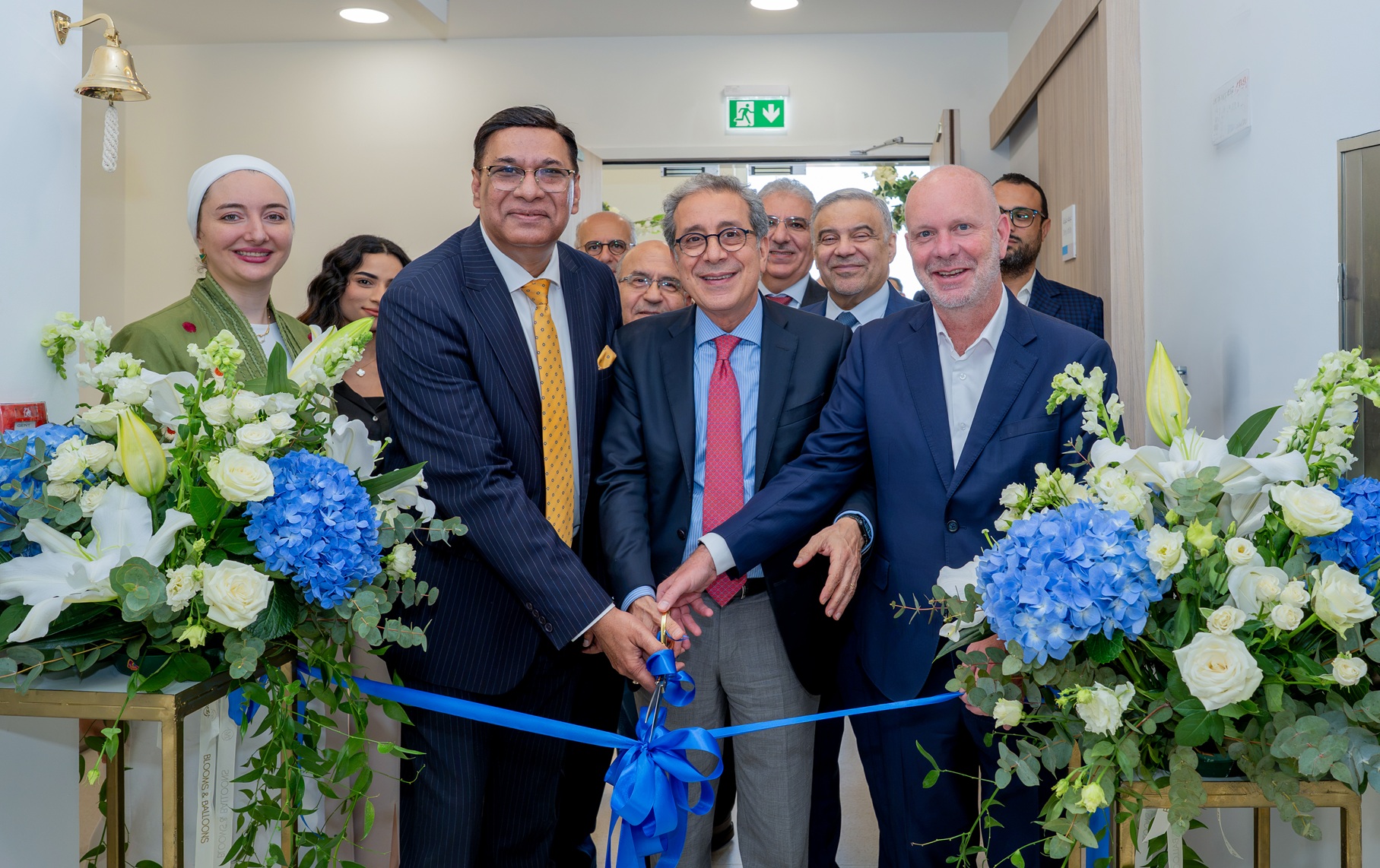
New facility at Dubai Healthcare City aims to improve access to specialised cancer treatment, bringing personalised oncology care and medical expertise together under one roof
Dubai, UAE: Emirates Specialty Hospital in Dubai Healthcare City has announced the opening of a dedicated chemotherapy unit within its Emirates Oncology Centre, marking a significant expansion of its cancer care services and strengthening access to specialised oncology treatment for patients in Dubai.
The newly established unit has been designed to provide chemotherapy treatments in a dedicated clinical setting, with an emphasis on patient safety, individualised treatment plans and continuous medical support throughout the cancer care journey.
The opening comes as healthcare providers increasingly recognise the importance of delivering cancer treatment through a coordinated, multidisciplinary approach that addresses not only the disease itself but also the physical and emotional challenges patients may experience during treatment.
For many cancer patients, chemotherapy involves repeated hospital visits, ongoing medical assessments and careful monitoring of treatment responses and potential side effects. Access to a specialised facility supported by experienced oncology professionals can play an important role in ensuring continuity of care and helping patients navigate what is often a complex and demanding treatment journey.
Bringing specialised cancer treatment closer to patients
The Emirates Oncology Centre brings together medical expertise and patient-focused services to support individuals undergoing cancer treatment.
The oncology services are supervised by Prof. Dr. Marwan Ghosn, Consultant Medical Oncologist, and Dr. Mohamed Elbassyouny Alawy, Specialist Medical Oncology, who oversee the delivery of specialised oncology care.
Treatment plans are developed according to each patient’s diagnosis, medical condition and individual clinical needs, with an emphasis on evidence-based medical practice, careful monitoring and appropriate supportive care.
The dedicated chemotherapy unit forms part of the hospital’s broader strategy to strengthen its specialised medical services while maintaining high standards of clinical quality and patient safety.
Cancer care goes beyond chemotherapy
While chemotherapy remains an important treatment option for many types of cancer, oncology care increasingly requires a comprehensive approach that considers each patient’s overall health, treatment tolerance and quality of life.
Patients receiving chemotherapy may experience a range of challenges, including fatigue, nausea, changes in appetite and other treatment-related effects that require ongoing medical attention.
The Emirates Oncology Centre places particular emphasis on supporting patients throughout these challenges, with treatment decisions guided by clinical assessment and individual patient needs.
The approach reflects a growing shift in cancer care towards personalised treatment, where medical teams consider the characteristics of the disease alongside the patient’s health, circumstances and treatment goals.
Equally important is the need for clear communication between doctors, patients and their families, particularly when discussing treatment options, expected outcomes and possible side effects.
By placing patients at the centre of clinical decision-making, the hospital aims to provide a treatment experience built around medical expertise, informed choices and compassionate care.
Strengthening Dubai’s specialised healthcare services
The opening of the chemotherapy unit represents another step in Emirates Specialty Hospital’s ongoing efforts to expand its clinical capabilities and provide comprehensive healthcare services within Dubai Healthcare City.
As demand for specialised healthcare continues to evolve, the availability of dedicated oncology facilities is increasingly important in supporting timely access to treatment and ensuring patients can receive appropriate care within an established hospital environment.
The hospital said the new unit reflects its commitment to investing in specialised medical services and improving the overall patient experience through coordinated care, experienced healthcare professionals and a strong focus on clinical safety.
With the opening of the dedicated chemotherapy unit, Emirates Specialty Hospital aims to further strengthen its role in providing specialised cancer care in Dubai, offering patients and their families access to personalised treatment and medical support at every stage of their journey.
For more information please visit our website : Emirates Hospitals Dubai – Best Hospital in Dubai, Top Rated
About Emirates Specialty Hospital
Located in Dubai Healthcare City, Emirates Specialty Hospital is a multidisciplinary healthcare facility providing a range of specialised medical and surgical services. The hospital continues to expand its clinical capabilities, with a focus on medical expertise, patient-centred care and high standards of healthcare quality and safety.
Health
When Rheumatoid Arthritis Threatened Her Independence: How the Right Diagnosis Helped Her Get Her Life Back
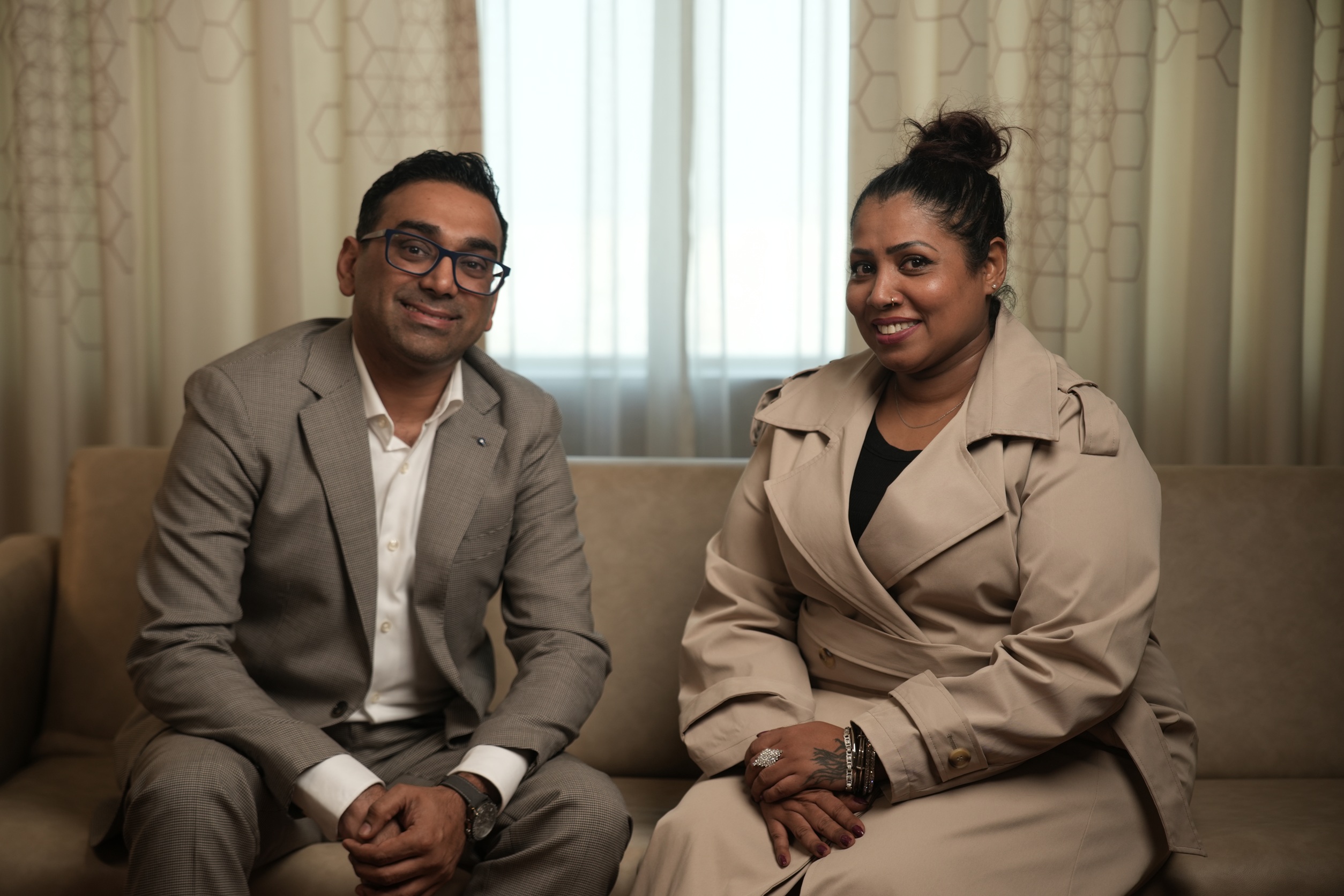
For a 45-year-old UAE resident, persistent pain and swelling turned out to be rheumatoid arthritis. Early recognition and treatment helped her return to work, driving and the family life she feared she might lose.
For Dilini Ayesha, driving is much more than a job.
For the 45-year-old mother of two, who has lived in the UAE for 16 years, driving is a profession she has built her independence around. For the past eight years, she has worked as a driving instructor at Emirates Driving Institute, including as a VIP instructor training people to drive larger vehicles and four-wheel drives.
She is also a mother to an adopted daughter and a five-year-old son.
So when unexplained pain and swelling suddenly began affecting her hands, her greatest fear was not simply the pain itself. It was the possibility that rheumatoid arthritis might prevent her from continuing to work and caring for her family independently.
Her journey began with what appeared to be an unrelated injury.
In December 2024, Dilini fell and injured her knee while helping a recovery truck load her vehicle. Several months later, she suffered another fall at home, causing a more significant knee injury. Following an MRI, she underwent ACL reconstruction and meniscal repair and spent around two and a half months recovering.
She was looking forward to returning to her normal routine.
But shortly after returning to work, she developed severe swelling and pain in both hands.
“At first, I thought it might be connected to my surgery or that it would settle down,” Dilini recalls. “But the pain kept getting worse.”
She was prescribed different painkillers, but the symptoms continued to progress. She eventually found herself struggling to grip a steering wheel or use her hands normally.
“For me, the pain felt like 15 out of 10,” she says. “I know that isn’t a normal pain scale, but that is honestly how it felt.”
The physical pain was accompanied by something else: fear.
“What if I can’t drive anymore? What if I can’t work anymore? How will I take care of my children?”
It was at this point that Dilini was referred to Dr Muhammad Azhar Abdullah, Consultant Rheumatologist at NMC Royal Hospital Sharjah.
Rather than assuming that the symptoms were simply part of her recovery from the knee injury, Dr Azhar investigated the underlying cause.
Clinical assessment and blood investigations pointed towards rheumatoid arthritis (RA) — a chronic autoimmune disease in which the immune system mistakenly attacks the lining of the joints, causing inflammation, pain and swelling.
“Rheumatoid arthritis is not simply wear and tear of the joints,” explains Dr Azhar. “It is an inflammatory autoimmune disease, and if the inflammation remains uncontrolled, it can progressively damage the joints. It can also be associated with problems affecting other parts of the body.”
For Dilini, receiving a diagnosis of rheumatoid arthritis finally provided an explanation for what was happening to her body.
“Having an answer was important to me,” she says. “When you don’t know what is happening to your own body, the fear becomes even bigger.”
Why recognising rheumatoid arthritis early matters
Rheumatoid arthritis can present differently from person to person, but persistent joint swelling, prolonged morning stiffness, pain and difficulty moving the affected joints should not simply be dismissed as ageing, overuse or ordinary aches and pains.
One important distinction is that not all arthritis is rheumatoid arthritis. Osteoarthritis, gout, psoriatic arthritis and other inflammatory rheumatic diseases can produce joint symptoms, but their causes and treatments are different.
That is why identifying the underlying condition matters.
In Dilini’s case, identifying rheumatoid arthritis allowed treatment to be started without waiting for further progression.
“Once we identified that she was dealing with rheumatoid arthritis, the priority was to control the inflammation and prevent further problems,” says Dr Azhar. “The aim of treatment in rheumatoid arthritis is not simply to reduce pain temporarily. It is to control the underlying disease, protect joint function and help the patient maintain her quality of life and independence.”
Her improvement was gradual rather than an overnight transformation.
Over the following weeks, the inflammation and pain began to settle. Her hand function and mobility improved, and by around the third week, Dilini was able to return to work.
She could once again hold the steering wheel.
She could work.
And she could return home and care for her children independently.
“I felt like I had been given my life back,” she says.
When treating rheumatoid arthritis means protecting a person’s dreams
This year’s World Arthritis Day campaign theme, “Achieve Your Dreams,” highlights the aspirations and goals of people living with rheumatic and musculoskeletal diseases. For Dilini, her dream was not complicated.
It was to continue working, driving and being there for her children.
Her experience demonstrates why early recognition of rheumatoid arthritis matters. The disease can cause permanent joint damage if inflammation remains uncontrolled, while it may also have effects beyond the joints.
“Patients sometimes wait because they think joint pain is something they simply have to live with,” says Dr Azhar. “Persistent swelling, prolonged morning stiffness or unexplained joint pain deserve medical assessment, particularly when symptoms are affecting everyday activities. The earlier we identify rheumatoid arthritis, the earlier we can discuss appropriate treatment and work towards controlling the disease.”
Today, Dilini is back behind the wheel and back to the life she feared she might lose.
“I am driving. I am working. I am taking care of my children,” she says. “I don’t take any of those things for granted anymore.”
Her message to others is simple:
“If you are experiencing unexplained pain, swelling or stiffness, please don’t ignore it. Get yourself checked. Sometimes, getting the right answer can be the beginning of getting your life back.”
For Dilini, that diagnosis did more than explain her symptoms.
It helped protect the life she had worked so hard to build.
Dr Muhammad Azhar Abdullah is Consultant Rheumatologist at NMC Royal Hospital Sharjah.
Health
Saudi German Hospital Dubai Launches Mental Health and Wellness Center for Children and Adolescents
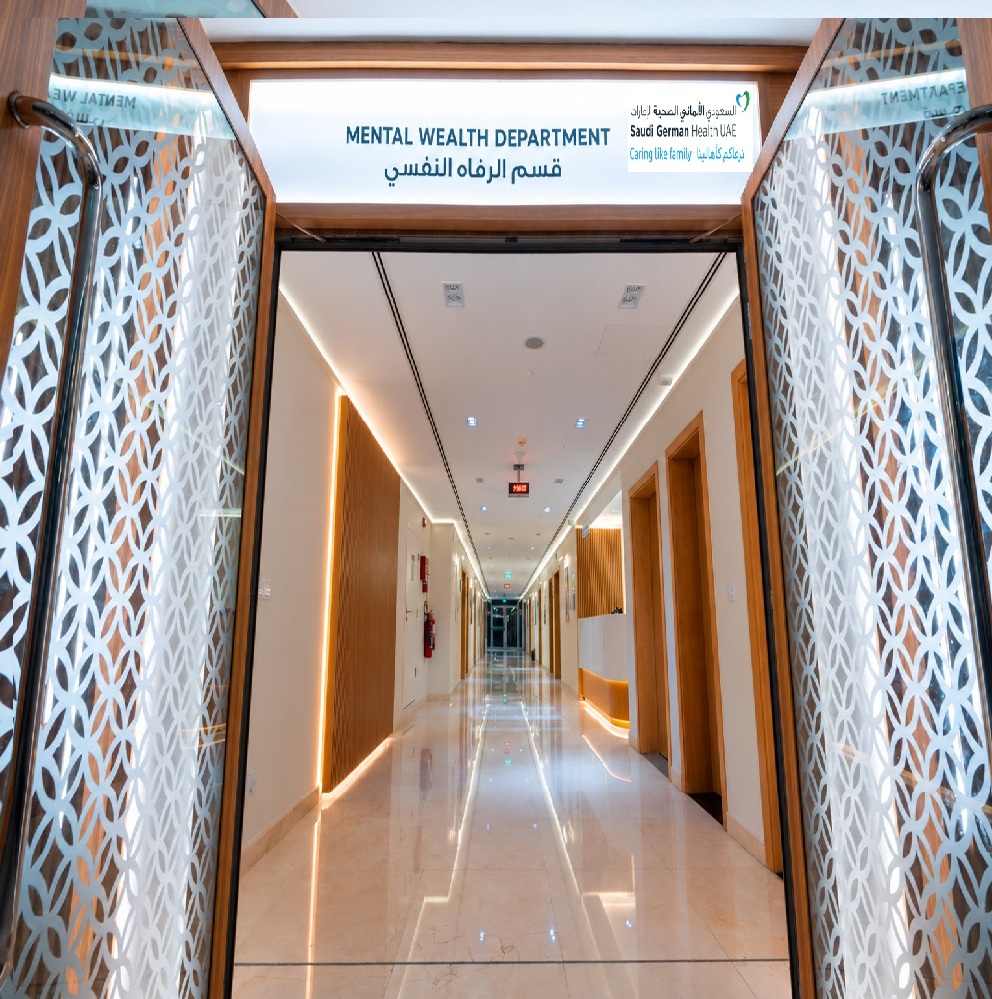
Saudi German Hospital Dubai Launches Mental Health and Wellness Center for Children and Adolescents
A comprehensive care system aligned with the Dubai Mental Wealth Framework
Dubai, United Arab Emirates – 10 October 2026
Saudi German Hospital Dubai has launched the Saudi German Mental Health & Wellness Hub, unveiled at an evening event at Raffles The Palm on 9 October 2026. The Hub is designed to end the fragmented experience many families face when navigating mental healthcare by bringing psychiatrists, psychologists and relevant hospital specialties together around a single, shared plan for each patient.
The Hub is designed as an ecosystem of comprehensive care, connecting prevention, early identification, specialist assessment, treatment, family support and ongoing follow-up through one coordinated plan for each patient. The model aligns with Dubai’s Mental Wealth Framework and its emphasis on prevention, early intervention, access to care and community wellbeing.
Child and adolescent mental health sits at the centre of the model. The Hub operates on the conviction that a child’s difficulties cannot be understood in isolation from their home, classroom and development, and that care should reflect all three.
Supporting children and families from the start
Services available at launch for children and adolescents include comprehensive psychiatric and psychological assessment; support for emotional, behavioural and developmental concerns; psychoeducational assessments for learning difficulties; ADHD assessment and management; and ASD assessment with individualised support across communication, social interaction and behaviour. Parent guidance and, where appropriate and with consent, collaboration with schools are built into the pathway — not offered as an afterthought.
Mental health care across every stage of life
Adult and older adult services include psychiatric assessment, medication management and individual therapy; treatment for depression, anxiety, OCD and related conditions; trauma-informed care for PTSD; geriatric psychiatry; couples and family counselling; addiction assessment and treatment; and community mental health education.
Speech and language therapy, occupational therapy and further developmental programmes are in development and will be confirmed once clinical staffing and readiness are in place.
Dr Ahmed Eissa, Group CEO of Saudi German Health UAE, said: “Many families come to us after years of seeing different specialists who never spoke to each other. A child gets one diagnosis here, a referral there, and the parents are left to hold it all together. We designed this Hub as an ecosystem of comprehensive care, bringing psychiatry, psychology and related specialties together around one plan, from early identification to treatment, follow-up and family support. This approach supports the objectives of Dubai’s Mental Wealth Framework and helps more people access coordinated mental healthcare at every stage of life.”
The Hub’s clinical team brings expertise in adult, child and adolescent, and addiction psychiatry; clinical psychology; psychoeducational and neurodevelopmental assessment; psychotherapy; and couples and family counselling. Team members carry international experience from the UAE, Australia, Saudi Arabia and Egypt, with a specific commitment to culturally and linguistically responsive care.
As part of Saudi German Hospital Dubai, the Hub has direct access to other medical specialties when physical and mental health needs intersect — an advantage that standalone clinics cannot easily replicate.
________________________________________
About Saudi German Health UAE
Saudi German Health UAE is part of the regional Saudi German Health network, providing hospital, multidisciplinary and specialist medical services through its facilities in Dubai, Sharjah and Ajman. Guided by its Caring Like Family philosophy, the group places people and their needs at the centre of the healthcare experience.
For more information or to book an appointment
www.saudigerman.com/psychiatry-mental-health-clinics/
Call: 800 2211
Media Contact
Awareness Marketing Management DWC LLC
Mourad Alsayed
murad.mustafa@awarenessupr.com | +971 58 814 4155


Emirates Specialty Hospital Expands Cancer Care Services in Dubai with Opening of Dedicated Chemotherapy Unit

When Rheumatoid Arthritis Threatened Her Independence: How the Right Diagnosis Helped Her Get Her Life Back

Saudi German Hospital Dubai Launches Mental Health and Wellness Center for Children and Adolescents

Araghchi, Oman Sultan discuss transit, stability in Muscat

UAE’s café culture keeps growing despite price pressure

Netflix to Livestream BTS Comeback Concert
-
 politics6 months ago
Araghchi, Oman Sultan discuss transit, stability in Muscat
-
 UAE10 months ago
UAE’s café culture keeps growing despite price pressure
-
 Entertainment9 months ago
Netflix to Livestream BTS Comeback Concert
-
 Discover9 months ago
Is February 2026 really a once-in -283-years MiracleIn?
-

 Football10 months ago
Algeria, Burkina Faso, Côte d’Ivoire win AFCON 2025 openers
-

 Health10 months ago
NMC Royal Hospital, Khalifa City, performs rare wrist salvage, restoring function for young patient
-
 Health10 months ago
Bascom Palmer Eye Institute Abu Dhabi and Emirates Society of Ophthalmology Sign Strategic Partnership Agreement
-

 Health11 months ago
Emirates Society of Colorectal Surgery Concludes the 3rd International Congress Under the Leadership of Dr. Sara Al Bastaki