
Health
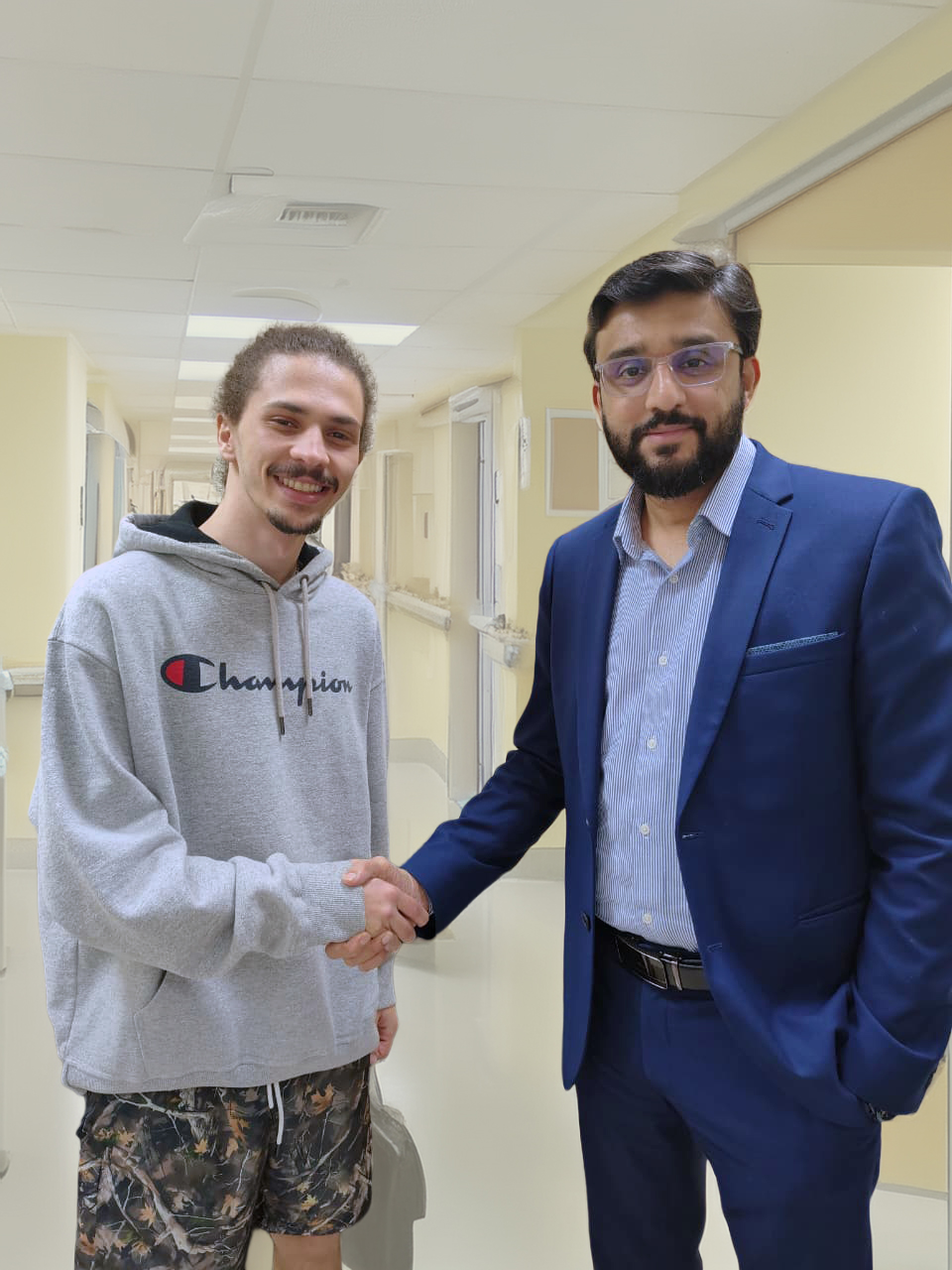
Advanced Endoscopic Intervention Saves 24-Year-Old with Life-Threatening Esophageal Tear at NMC Royal Hospital, Sharjah
Sharjah, UAE , 18th Feb 2026
What began as sudden, severe chest pain and repeated vomiting for a 24-year-old patient quickly evolved into a rare and potentially fatal medical emergency. Within hours, specialists at NMC Royal Hospital, Sharjah diagnosed an esophageal perforation, a tear in the food pipe that requires immediate intervention to prevent serious infection and organ complications. Esophageal perforation is uncommon but carries significant risk if treatment is delayed. Rapid recognition and decisive action are critical.
Rapid Diagnosis
Upon arrival at the Emergency Department, the patient’s symptoms initially resembled more common conditions, including cardiac or gastrointestinal distress. However, clinical evaluation and imaging raised concern for a tear in the esophageal wall.
“A perforation of the esophagus is a true race against time,” explained Dr. Hamid Yousuf, Consultant Gastroenterologist. “If not managed promptly, it can lead to severe infection in the chest cavity and life-threatening complications. Early diagnosis makes all the difference.”
Rapid and effective minimally invasive treatment
Recognising the urgency, Dr. Yousuf and the gastroenterology team proceeded with emergency therapeutic endoscopy, a minimally invasive approach that allows both direct visualisation and immediate treatment.
During the procedure, a specialised esophageal stent was carefully placed to seal the tear and prevent leakage into surrounding tissues. This internal support allowed the damaged area to heal while avoiding the need for major open surgery.
“Modern endoscopy has evolved beyond diagnosis,” said Dr. Yousuf. “It is now a powerful therapeutic tool. By sealing the tear internally, we stabilised the patient quickly and reduced the risks associated with more invasive surgical procedures.”
The patient responded well to the intervention and made a complete recovery under close multidisciplinary care.
Identifying the Underlying Cause
Beyond repairing the acute injury, the team sought to understand why such a severe event occurred in a young individual. During the same endoscopic session, targeted biopsies were obtained for further analysis which revealed a previously undiagnosed condition, Eosinophilic Esophagitis (EoE), a chronic immune-mediated inflammatory disorder of the esophagus which in rare cases can lead to spontaneous tearing. Because early symptoms such as persistent swallowing difficulty, recurrent food impaction or unexplained chest discomfort can be subtle or intermittent, many young adults remain undiagnosed until a serious complication occurs.
Recovery and Prevention
With the diagnosis established, the patient was started on a structured long-term management plan, including dietary modifications and medical therapy aimed at controlling inflammation and preventing recurrence.
This case underscores three critical messages for the community:
- Serious medical emergencies can occur even in young, otherwise healthy individuals.
- Advanced, minimally invasive treatments are transforming outcomes in life-threatening situations.
- Unusual symptoms of any kind should not be ignored. Early medical evaluation can prevent complications and significantly improve long-term health outcomes.
At NMC Royal Hospital, Sharjah, the integration of rapid emergency response, advanced endoscopic capability and comprehensive diagnostic investigation continues to redefine how complex gastrointestinal emergencies are managed.
About NMC Royal Hospital, Sharjah
NMC Royal Hospital, Sharjah is a leading tertiary healthcare facility in the UAE, delivering patient-centred, evidence-based care across a wide range of specialities. With advanced minimally invasive technologies and multidisciplinary expertise, the hospital remains committed to providing high standards of medical excellence to the community.
Health
KFSHRC Performs Seven Heart Procedures in Single Robotic Surgery
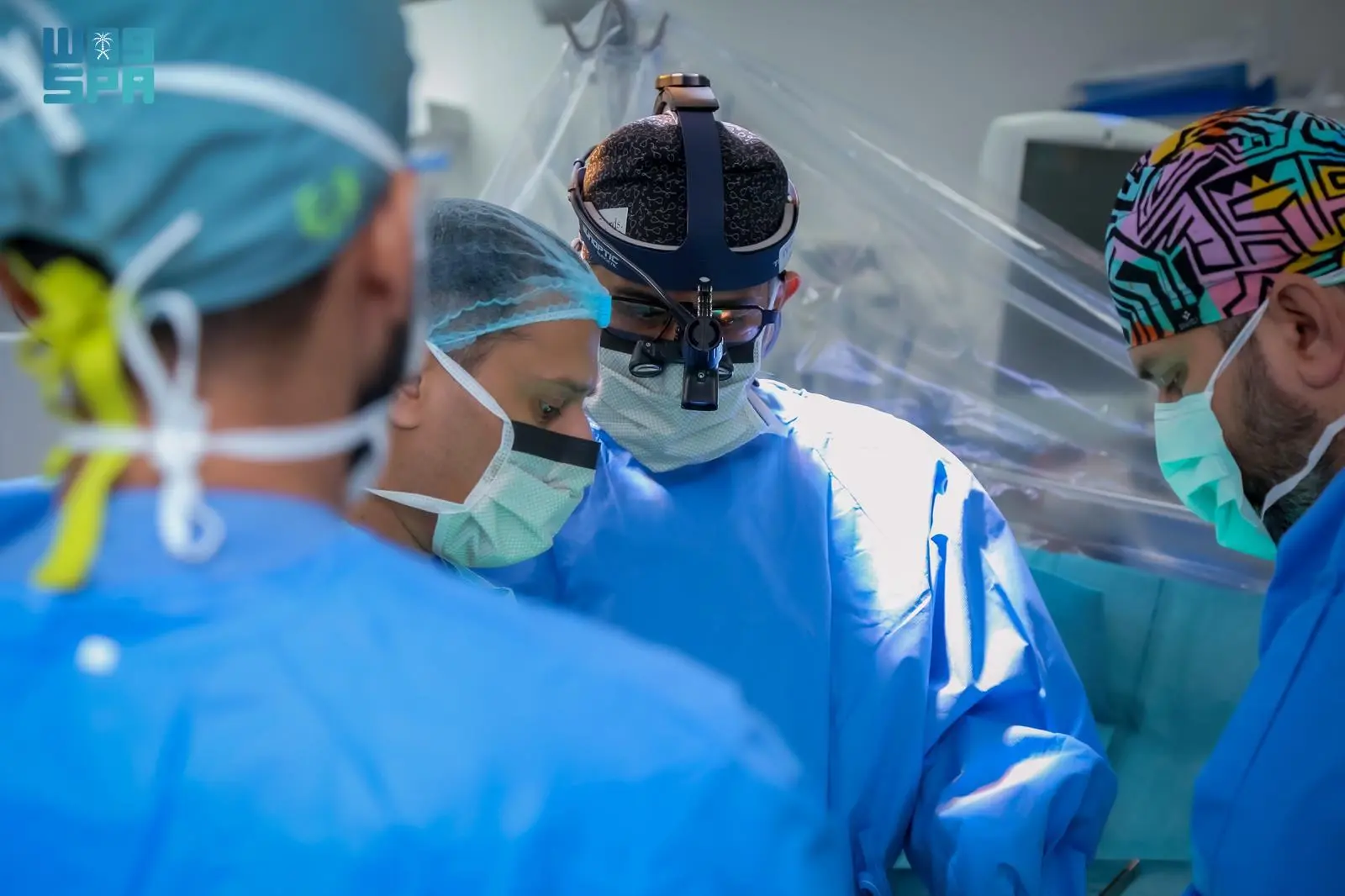
King Faisal Specialist Hospital and Research Centre (KFSHRC) has performed a highly complex robotic heart surgery on a woman in her seventies who was living with seven ongoing cardiac pathologies, including congenital defects. In a single operation, the surgical team addressed all seven issues surgically, marking the first documented case worldwide in which this number of cardiac interventions has been combined in one fully robotic approach.
According to a recent KFSHRC press release, the innovative approach stabilized the patient’s condition, accelerated her recovery, and spared her from undergoing multiple staged surgeries that would have significantly increased risks and prolonged her suffering.
Unlike conventional open-heart surgery, the procedure was performed without a full chest incision. The robotic technique enabled the team to perform mitral valve replacement, tricuspid valve repair, arrhythmia treatment using a Maze procedure, left atrial appendage closure, atrial septal defect formation, and reconstruction of complex venous anatomy (double patch venous enlargement), all through small, precise incisions. This minimally invasive approach reduced surgical trauma, lowered the likelihood of complications, supported a safer procedure, full restoration of heart function and earlier hospital discharge within eight days.
The significance of the case lies in its integration of two surgical domains that are typically managed separately: adult acquired heart disease and congenital defect repair. Treating a heart affected simultaneously by acquired pathology and structural congenital abnormalities required dual expertise and the ability to unify different treatment standards within a single, carefully coordinated intervention.
The release also highlighted that robotic technology played a central role in the procedure’s success, offering enhanced precision when navigating delicate intracardiac structures and allowing multiple complex interventions to be performed through limited access points. This improved surgical control, minimized bleeding, and reduced the risks commonly associated with traditional open-heart surgery.
This milestone reflects KFSHRC’s commitment to advancing the boundaries of cardiac surgery through cutting-edge technology and integrated multidisciplinary care. It underscores the hospital’s patient-centered approach, prioritizing safety, clinical excellence, and measurable outcomes, while reinforcing its position as a global reference center for complex surgical innovation.
King Faisal Specialist Hospital has been ranked first in the Middle East and North Africa and 12th globally among the world’s top 250 Academic Medical Centers for 2026 and recognized as the most valuable healthcare brand in the Kingdom and the Middle East according to Brand Finance 2025. It has also been listed by Newsweek among the World’s Best Hospitals 2025, the World’s Best Smart Hospitals 2026, and the World’s Best Specialized Hospitals 2026.
— SPA
Health
French prosecutors probe Nestlé, Danone over tainted baby formula
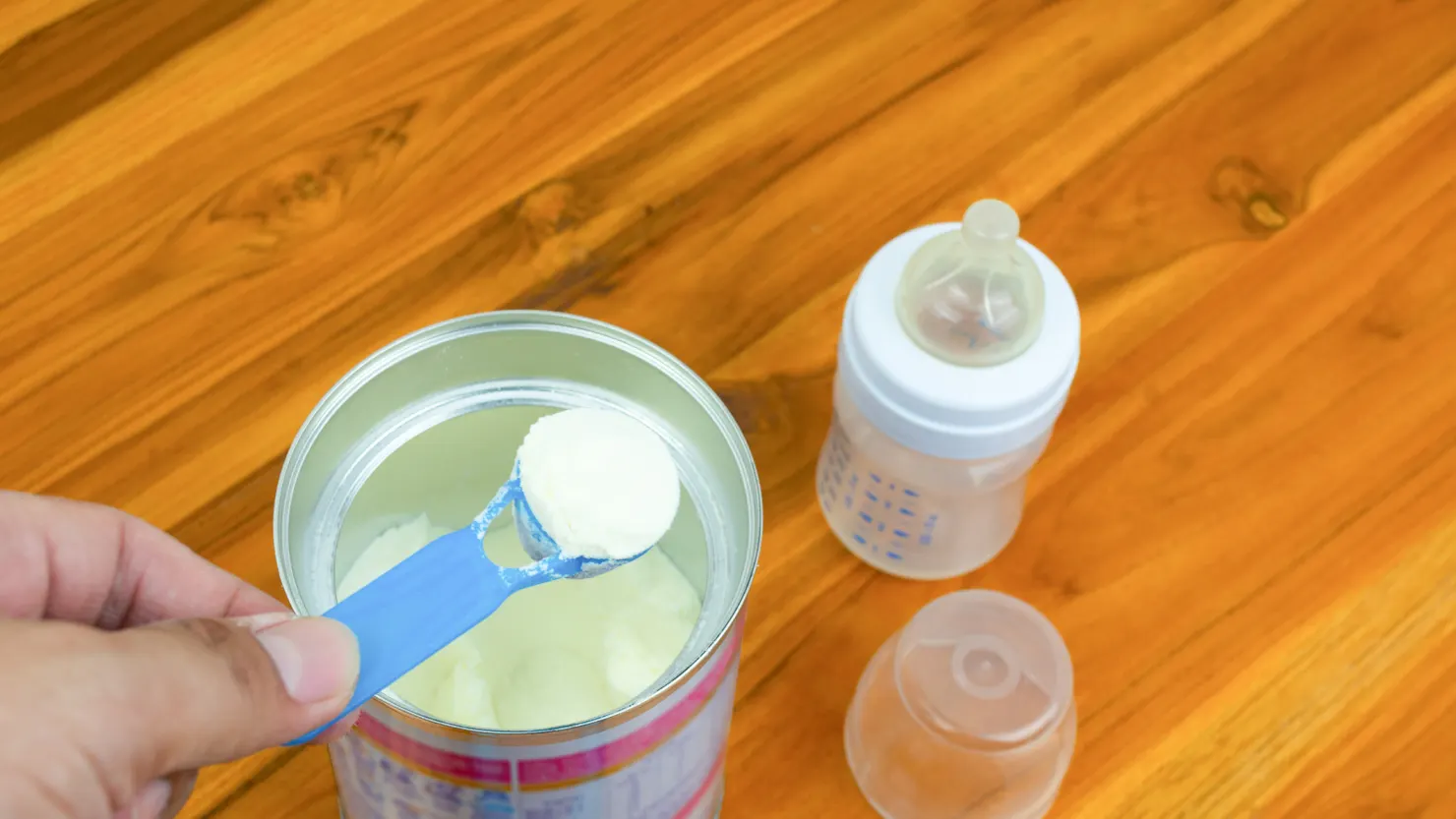
A crisis over contaminated baby formula has grown with product recall after recall in recent weeks. On Friday, Paris’ public prosecutor said it opened investigations into five companies that make the formula. Parents and investors are on edge.
The investigation concerns possibly contaminated infant nutrition products distributed by three of the world’s largest dairy groups, Nestle, Danone, and privately-held Lactalis, as well as smaller brands Babybio and La Marque en Moins.
The recalls were due to possible contamination of cereulide, a heat-stable toxin that can cause nausea, vomiting and diarrhoea when consumed. While symptoms typically resolve within a day, it can lead to more severe complications.
The Paris prosecutor said it opened its investigations due to “deception regarding goods posing a danger to human health,” an offence punishable by up to seven years in prison and a fine of up to 3.75 million euros ($4.45 million), according to a translated statement. CNBC reached out to the companies mentioned for comment.
In January, Nestle CEO Philipp Navratil said he was sorry about the worry and disruption this has caused parents and customers. “Let me reassure you that your safety and wellbeing is our highest priority,” he said.
The prosecutor’s office took up the case due to the large number of complaints across the country, it said.
In addition, the French health ministry is looking into three reported baby deaths in cases where consumption of infant formula affected by the recall was reported. On Feb. 11, it said that no causal link had been established and that judicial investigations are underway.
Worldwide recalls
Nestle published a “sequence of events” on Jan. 29, saying it found traces of cereulide in batches of some of its finished products in early December in its factory in the Netherlands.
On Dec. 10, it informed Dutch authorities, the European Commission and potentially impacted countries of potential risks, according to the company’s timeline, which added it initiated recalls the same day of all batches produced: 25 products in 16 countries in Europe.
In January, the Swiss company issued its first major public recall for brands SMA, Beba and Little Steps across Europe, and recalls by French peers Danone, the maker of best-selling Aptamil and Cow & Gate, and Lactalis followed.
So far, there have been recalls in over 60 countries.
The contamination source has been traced back to an ingredient supplier of arachidonic acid (ARA) oil, which is often added to baby formula, Nestle said.
The fallout has grown over time because many different companies and multiple brands used this supplier. The supplier hasn’t been officially named. The UK’s Food Standards Agency said the supplier of the ARA oil was no longer being used by Nestle or Danone
It still urged parents and caregivers to check if the formula products they have at home were among those batches listed in the recalls.
On Feb. 2, the European Food Safety Authority set a threshold level of the toxin cereulide. There hadn’t previously been a harmonized standard because of its rarity, said Barclays analyst Warren Ackerman.
Earlier this month, UK authorities said they had received at least 36 clinical reports of infants showing symptoms consistent with cereulide poisoning.
Nestle and Danone report earnings this week
Nestle’s infant formula makes up about 5% of revenue, and the company has disclosed that recalled products represent only about 0.5% of revenue. “The larger 5% number is probably more relevant given the likely consumer confusion and brand equity risk,” said Bernstein analyst Callum Elliott in January.
“For Danone, infant formula is more important, comprising around 21% of group revenues by our estimates, and more than this in terms of profitability.”
Nestle and Danone are both slated to report earnings later this week, where investors hope to get a better picture of the financial impact of the recalls.
As investors worry about the financial fallout and potential reputational damage, Nestle shares are up 1.7% year-to-date, while Danone stock has shed 5.5%. The pan-European Stoxx 600 index is up 4.6% over the same period.
Nestle and Danone stocks slumped at the end of January, at the height of the recall announcements, but have since recovered some of their losses.
– CNBC
Health
Saudi German Health Strengthens Regional Leadership at World Health Expo 2026 with Major Partnerships and High-Level Engagements
Dubai, United Arab Emirates — 16 February 2026
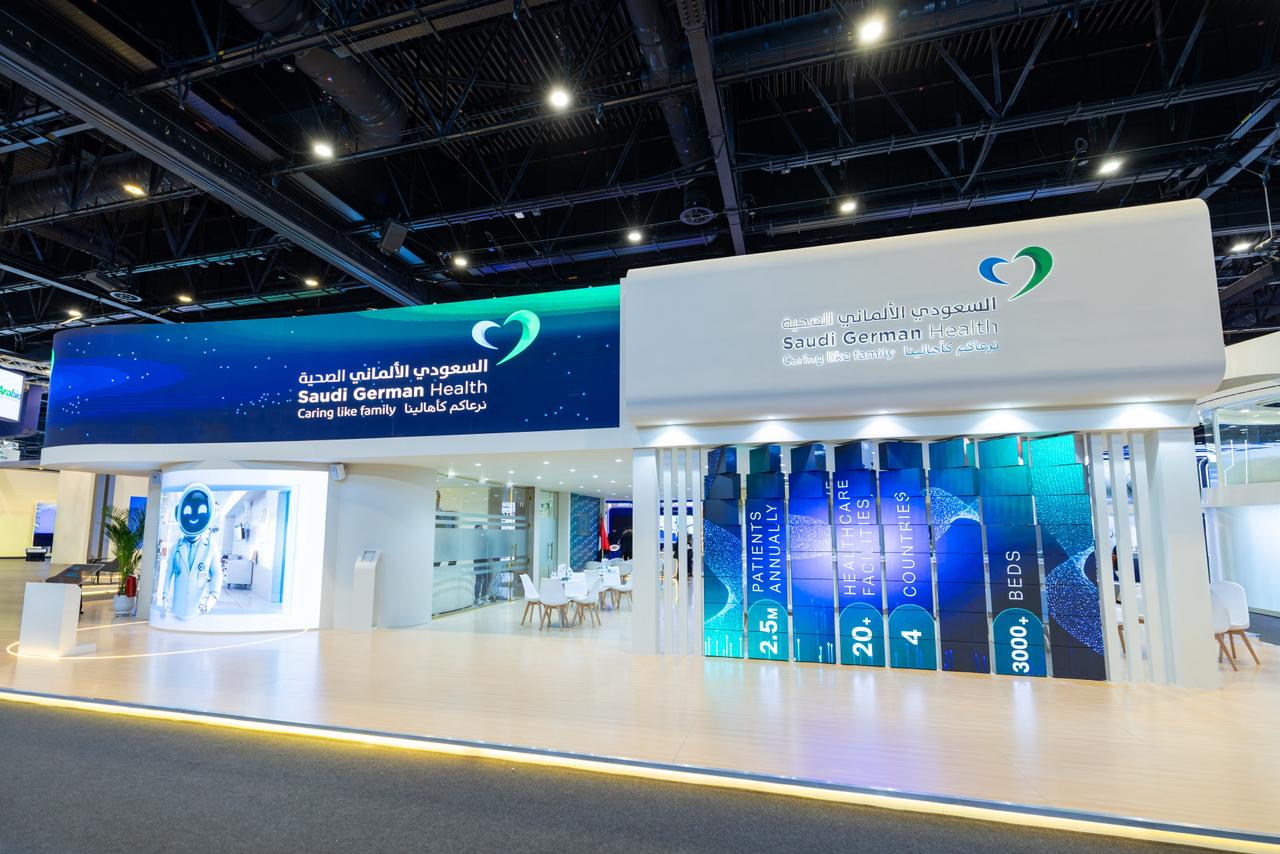
Saudi German Health (SGH), one of the region’s largest and fastest-growing healthcare groups, concluded a high-impact participation at World Health Expo (WHX) 2026, securing strategic agreements, advancing international dialogue, and reinforcing its position as a key driver of healthcare collaboration and system innovation across the Middle East.
Strategic Discussion with Global Leaders
The Expo opened with a high-level leadership dialogue between SGH and Mayo Clinic titled “When Medicine Thinks Together: The Next Era of Healthcare.” Senior executives from both institutions explored how global medical expertise and regional healthcare networks can better align clinical standards, strengthen governance models, and enhance quality and patient safety across increasingly complex health systems.
Dr. Ahmed Eissa, Group CEO, Saudi German Health UAE, emphasized the importance of structured international engagement in advancing regional healthcare standards.
“The future of healthcare depends on meaningful collaboration,” Dr. Eissa said. “By connecting our regional healthcare network with global medical expertise, we ensure that clinical decisions across our system are informed by international experience while remaining responsive to regional needs.”
The discussion highlighted knowledge exchange, harmonized clinical pathways, and scalable operating models as important components in the continued evolution of regional healthcare systems.
The program also included a presentation by Prof. Guillaume Canaud titled “From a Single Patient to a US FDA Approved Drug: The Story of Drug Repositioning for a Rare Disease.”
Later in the program, Group Chief Financial Officer Khaled Hassan delivered a keynote on capital deployment and long-term health system strategy, outlining the importance of disciplined investment frameworks and governance transparency in sustainable healthcare growth. He also served as a judge in the Xcelerate Startup Competition.
Bridging the AI Implementation Gap
Mr. Abid Shah, Group Chief Information Officer, participated as a panelist in the session titled “Cracking the Code: Tackling AI Implementation Gaps Across the Health Ecosystem.”
During the discussion, he addressed practical considerations surrounding AI implementation across healthcare systems, including governance structures, data integration, and operational readiness within clinical and administrative environments.
Makarem Batterjee on Building Resilient Health Systems
President and Vice Chairman Makarem Sobhi Batterjee delivered a keynote titled “Investing in Health Systems: Risk, Resilience & Return in Emerging Markets.”
Addressing investors, policymakers, and healthcare executives, Batterjee shared perspectives on balancing financial sustainability with long-term system resilience, highlighting the complexity of healthcare investment environments and the importance of maintaining quality and patient trust.
During the Expo, SGH also formalized the Patient Experience Program agreement for SGH Ajman Hospital, reinforcing its focus on structured patient engagement and measurable service standards.
______________
New Strategic Partnerships
SGH signed three agreements during WHX 2026:
• A partnership with RGB (The Health Community) to expand engagement within the broader healthcare ecosystem.
• A collaboration with Emirates Health Services, strengthening coordination between public and private healthcare sectors in the UAE.
• An agreement with Adam Freer for advanced genetic testing services, supporting the expansion of precision diagnostic capabilities within the Group’s network.
These agreements reflect SGH’s continued efforts to strengthen ecosystem coordination and enhance clinical service offerings across the region.
Community & Wellness Engagement
Throughout the four-day event, SGH maintained a dedicated Wellness Zone offering meditation sessions, breathing workshops, complimentary health screenings, and wellness consultations.
The initiative reflected the Group’s broader commitment to preventive care and community engagement alongside institutional leadership.
Strong Regional Commitment
Dr. Ahmed Eissa reflected on the Group’s participation:
“World Health Expo provides an important platform for dialogue and alignment across the healthcare sector. Our participation this year reflects our commitment to responsible growth, collaboration, and strengthening healthcare systems across the region.”
About Saudi German Health
Saudi German Health is a leading private healthcare provider operating a network of hospitals and medical centres across Saudi Arabia and the UAE, delivering high-quality, patient-centred care supported by advanced technology and internationally aligned standards.
For more information:
www.saudigermanhealth.com


Panic as Miss Universe Stumbles during festival parade
Shakira to perform at Egypt’s iconic Pyramids of Giza in April

Will Cristiano Ronaldo reach 1,000 goals at 2026 FIFA World Cup?

Is February 2026 really a once-in -283-years MiracleIn?

Algeria, Burkina Faso, Côte d’Ivoire win AFCON 2025 openers

Bascom Palmer Eye Institute Abu Dhabi and Emirates Society of Ophthalmology Sign Strategic Partnership Agreement
-
Discover1 month ago
Is February 2026 really a once-in -283-years MiracleIn?
-
 Football2 months ago
Algeria, Burkina Faso, Côte d’Ivoire win AFCON 2025 openers
-
 Health2 months ago
Bascom Palmer Eye Institute Abu Dhabi and Emirates Society of Ophthalmology Sign Strategic Partnership Agreement
-
 Health2 months ago
NMC Royal Hospital, Khalifa City, performs rare wrist salvage, restoring function for young patient
-

 Health3 months ago
Emirates Society of Colorectal Surgery Concludes the 3rd International Congress Under the Leadership of Dr. Sara Al Bastaki
-

 Football3 months ago
Globe Soccer Awards 2025 nominees announced as voting opens in Dubai
-

 Health3 months ago
Born Too Soon: Understanding Premature Birth and the Power of Modern NICU Care
-
 Health2 months ago
Decline in Birth Rate in the UAE