
Health
Celebs Who Beat Skin Cancer and How They Prevent It Now
Skin cancer is the most common type of cancer, with an estimated 1 in 5 Americans receiving a skin cancer diagnosis in their lifetime.
And skin cancer cases are rising, with the American Academy of Dermatology Association reporting that “melanoma rates in the United States have been rising rapidly” in recent years.
Melanoma is “one of the better-known types of skin cancer,” Verywell Healthreports, but “it’s not all that common. It makes up about 1% of skin cancers. In the U.S., there are about 106,000 cases per year and about 7,100 people die from it annually.”
The most common skin cancer, Verywell Health explains, is basal cell carcinoma, which is diagnosed in approximately 4 million Americans a year. Although treatable if caught early, the outlet reports “if these cancers are not recognized and treated, they can lead to disfigurement, complications and even death.”
Although the American Cancer Society estimates that the average age for a skin cancer diagnosis is 66, celebs of all ages are sharing their diagnoses — and hoping it motivates others to use sunscreen and avoid tanning — as sun exposure is widely regarded as a leading cause of skin cancer.
“Repeated sunburns can lead to irreversible DNA damage and immune suppression. These factors can lead to the development of skin cancer,” Krista M. Rubin, NP, from the Mass General Cancer Center Melanoma Team, told PEOPLE.
“There is clear-cut evidence that excessive UV radiation is a carcinogen,” she says.
As Rubin tells PEOPLE: “There are no benefits to being in the sun without sunscreen and any exposure to the sun without sun protection is not advised.”
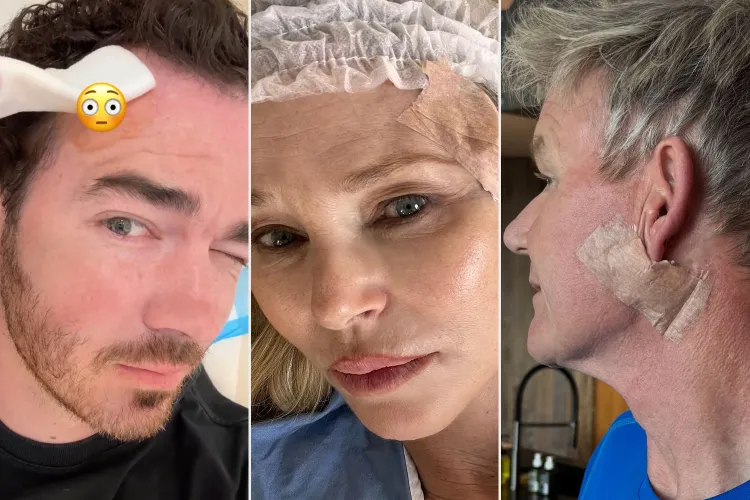
Here’s what Kevin Jonas, Hugh Jackman, Christie Brinkley, Gordon Ramsay and others have shared about their skin cancer diagnoses, and why they want everyone — and their families — to be safe in the sun.
Gordon Ramsay
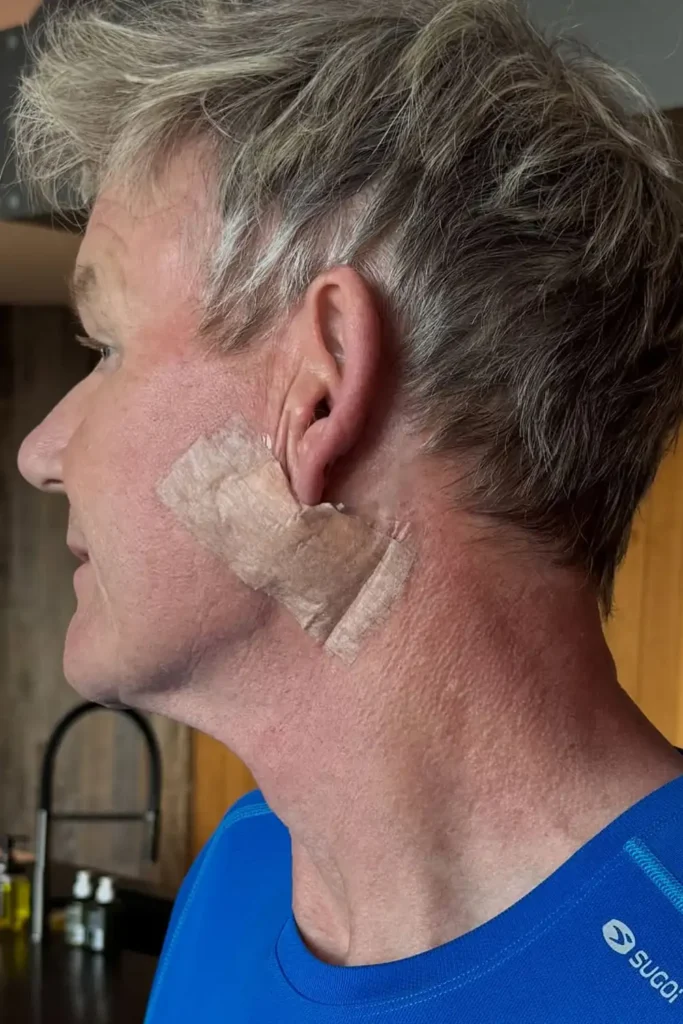
The celebrity chef shared on Instagram in August 2025 that he had surgery to remove basal cell carcinoma from the side of his jaw, and he included photos of the bandage underneath his ear and the resulting stitches.
“Please don’t forget your sunscreen this weekend ❤️,” he urged his followers in the caption.
Hugh Jackman
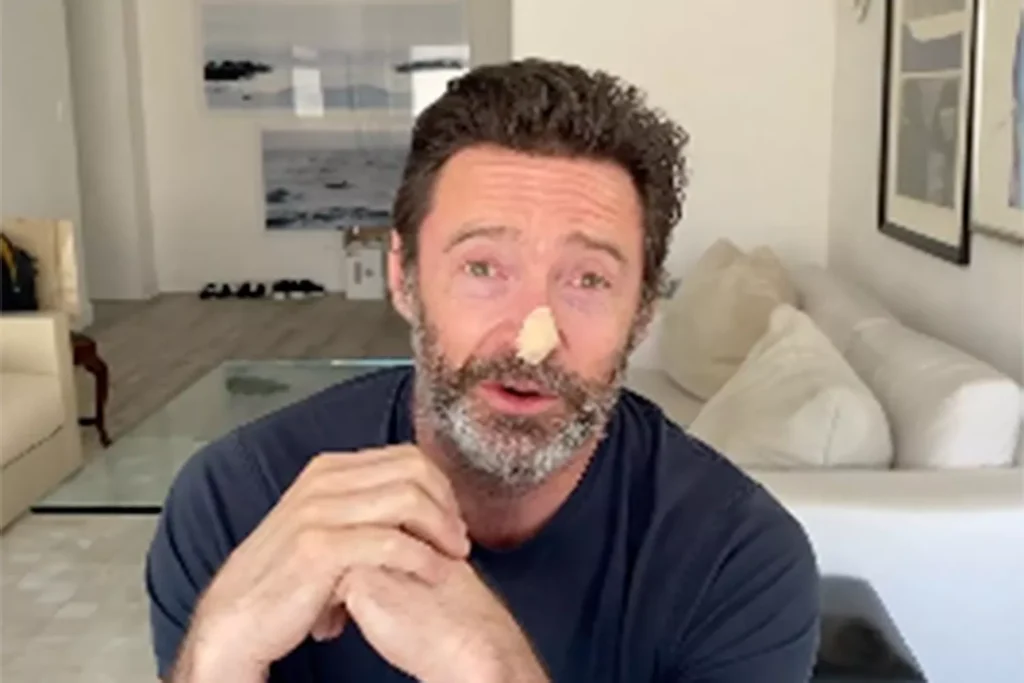
“Put some sunscreen on,” the Deadpool & Wolverinestar pleaded with his followers in an Instagram reel in April 2023. Appearing with a bandage on his nose, Jackman revealed that he’d had biopsies done for basal cell carcinoma.
The actor’s first skin cancer diagnosis came in 2013, after then-wife Deborra-Lee Furness told him “to get the mark on my nose checked. Boy, was she right!”
The actor has since had multiple skin biopsies done on his nose — using his health struggle as an opportunity to urge his fans to “please get skin checks often, please don’t think it won’t happen to you.”
After the 2023 biopsy, Jackman urged fans to “put some sunscreen on.” He added, “You’ll still have an incredible time out there. Please be safe.”
On The Howard Stern Show in December 2025, he revealed he’s had “like six skin cancers,” and he knew that growing up in Australia put him more at risk.
The Greatest Showman star continued, “Even after the first one I had, I was like, ‘Ah, but it’d still be good to get a tan when I go away.’ I’m like, what was I thinking? You’re an idiot.… Be the pasty skin guy. Who cares?”
Kevin Jonas
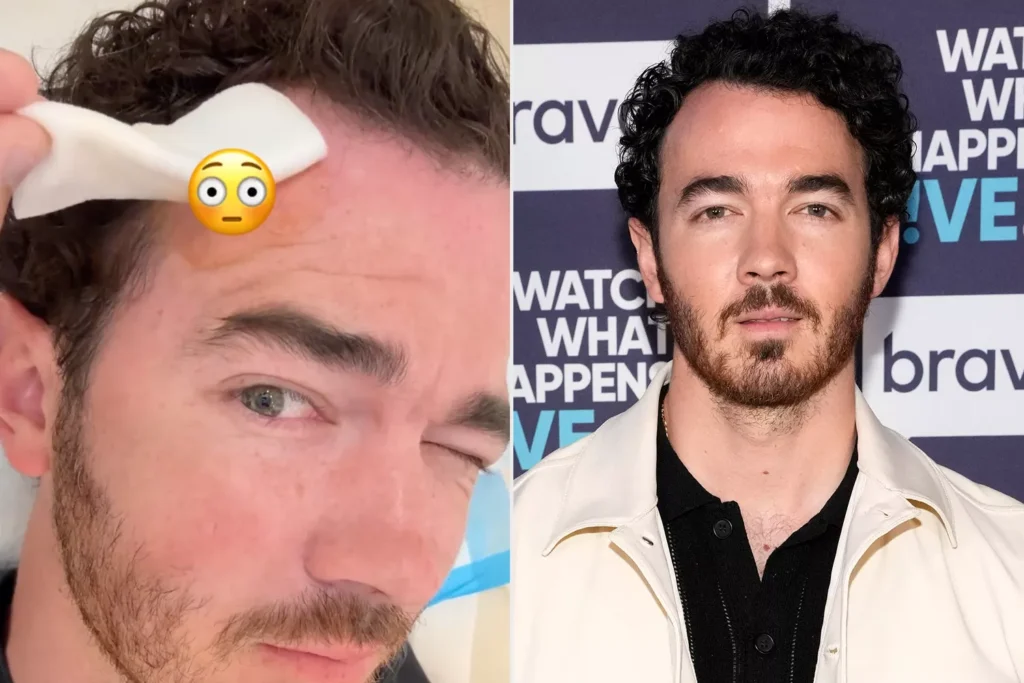
The Jonas Brothers guitarist shared an Instagram reel of himself “getting a basal cell carcinoma removed from my head,” he explained in a June 2024 post.
The Camp Rock alum posted a close-up of the mark on his skin, calling it an “actual little skin cancer guy.”
It “started to grow, and now I have to get surgery to remove it,” Jonas explained, ending his post with a plea for his fans.
“Make sure to get those moles checked, people!”
Christie Brinkley
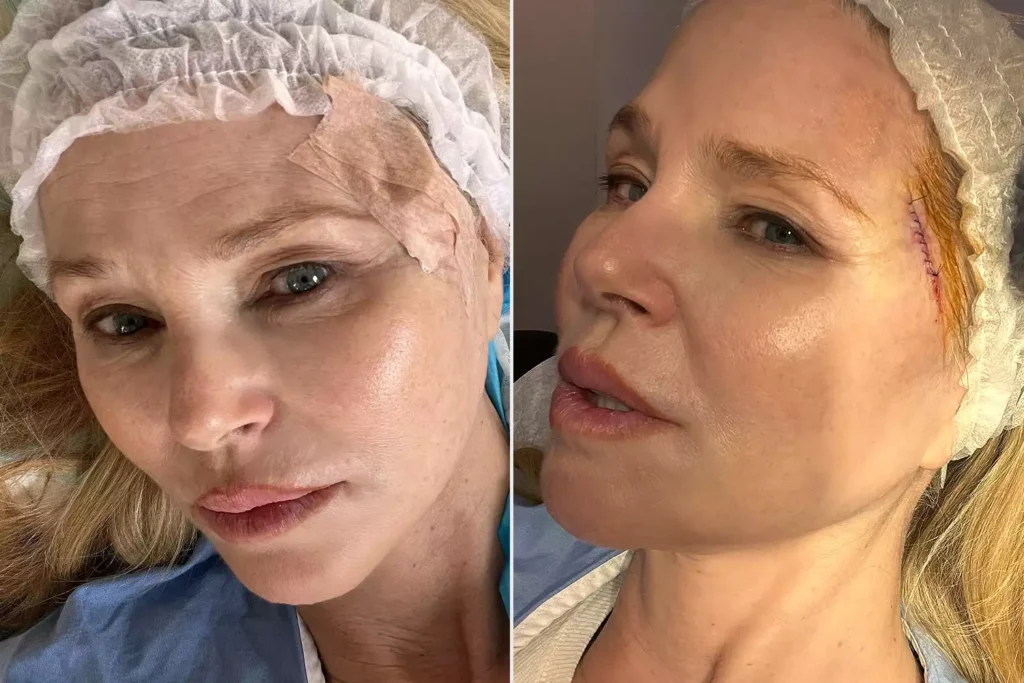
Brinkley shared that she’d had basal cell carcinoma removed from the side of her face, sharing that the “good news” is that it was caught “early.”
“I got serious a bit late so now for this ole mermaid/gardener, I’ll be slathering on my SPF 30, reapplying as needed, wearing long sleeves and a wide brim hat,” she said in a March 2024 Instagram post about her diagnosis — something she discovered while accompanying her daughter to a dermatologist appointment.
The supermodel shared that, at the end of her daughter’s appointment, she asked the doctor, “ ‘Do you think you could just look at this?’ … He looked and he goes, ‘We’ve got to do a biopsy immediately.'”
While Brinkley is now in the clear, she urged her followers to “make your own good luck by making that check-up appointment today. And slather up my friends!”
Michelle Monaghan
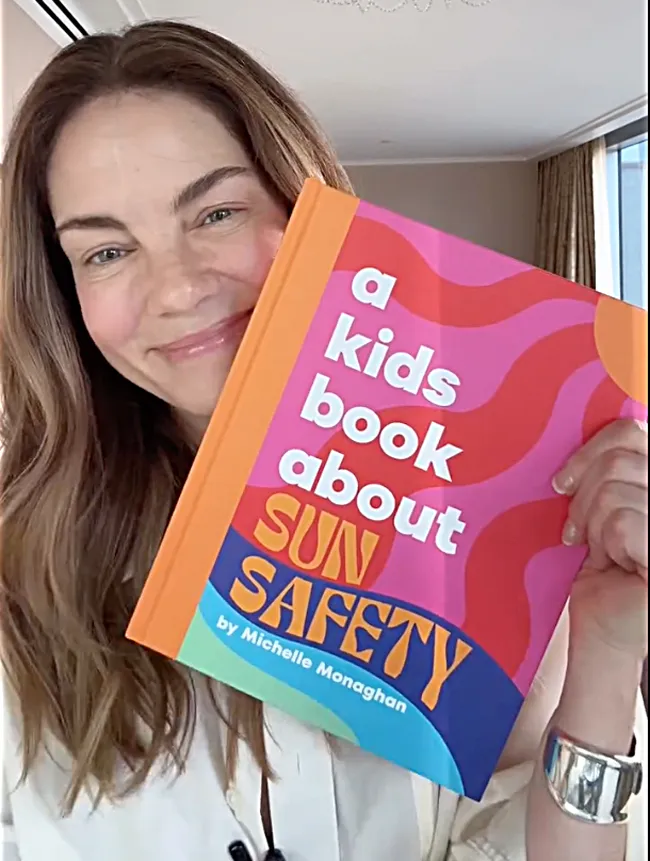
After a melanoma diagnosis about 15 years ago, Michelle Monaghan made it her mission to raise awareness about sun safety, as well as what to look for in order to catch skin cancers at an early stage. In recent years, as she noticed an increase of tanning bed content on her teenage daughter’s social media feeds, she took her awareness campaign to the next level by writing a book on the topic, A Kids Book About Sun Safety, to help educate children early about how important SPF is. (As she pointed out in a 2022 video, “80% of sun damage happens before the age of 18.”) She hopes that her book encourages parents to impart to their kids that SPF application “is as much of a part of their health routine as brushing your teeth or going to the dentist.”
Andy Roddick
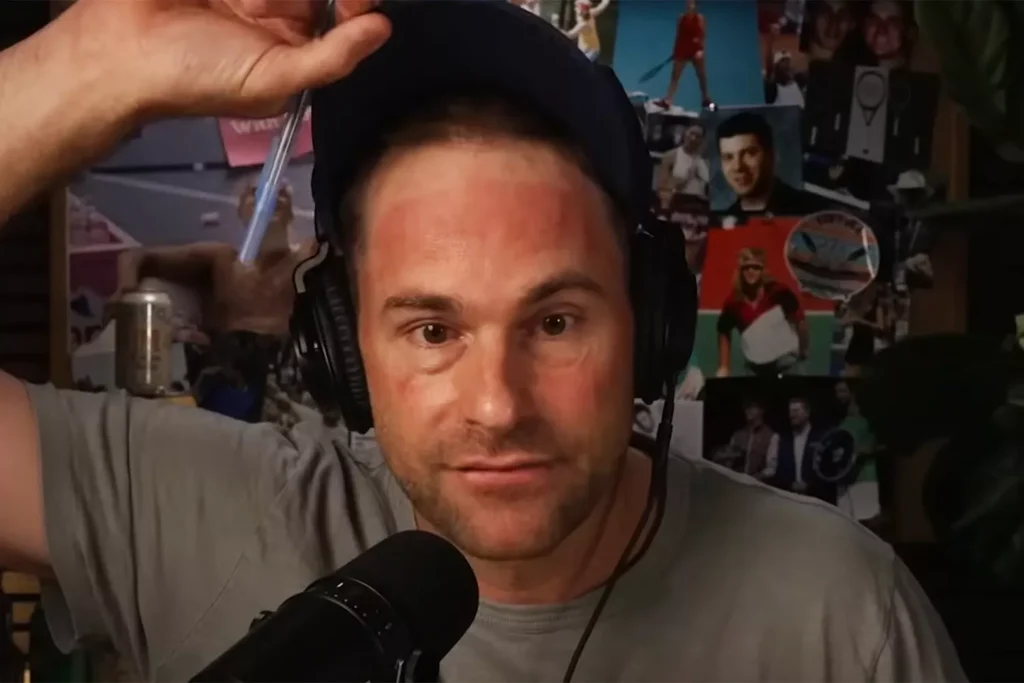
Tennis star Roddick showed off a visibly inflamed face during a May 2024 episode of his podcast Served, sharing that it was due to a “face laser thing” he’d had as a treatment for skin cancer.
“I’ve dealt with various types of skin cancer since I stopped playing,” said Roddick, whose last professional match was the U.S. Open in 2012.
“[I] had a squamous cell tumor taken out of my lip, probably like five or six years ago,” he continued.
Roddick added, “I think I’m going to be a general kind of hatchet job for the rest of my life. [I] won’t go into the ‘woe was me’ part of it, because nothing is wrong, everything is good but — use sunscreen.”
Roddick, who shares son Hank, 11, and daughter Stevie, 9, with wife Brooklyn Decker, 39, urged his fans to, “Put sunscreen on your kids, especially if they are tennis players.”
“The problem won’t present itself when the kid is 8, but it might present itself when that kid is grown and is 38.”
Teddi Mellencamp Arroyave
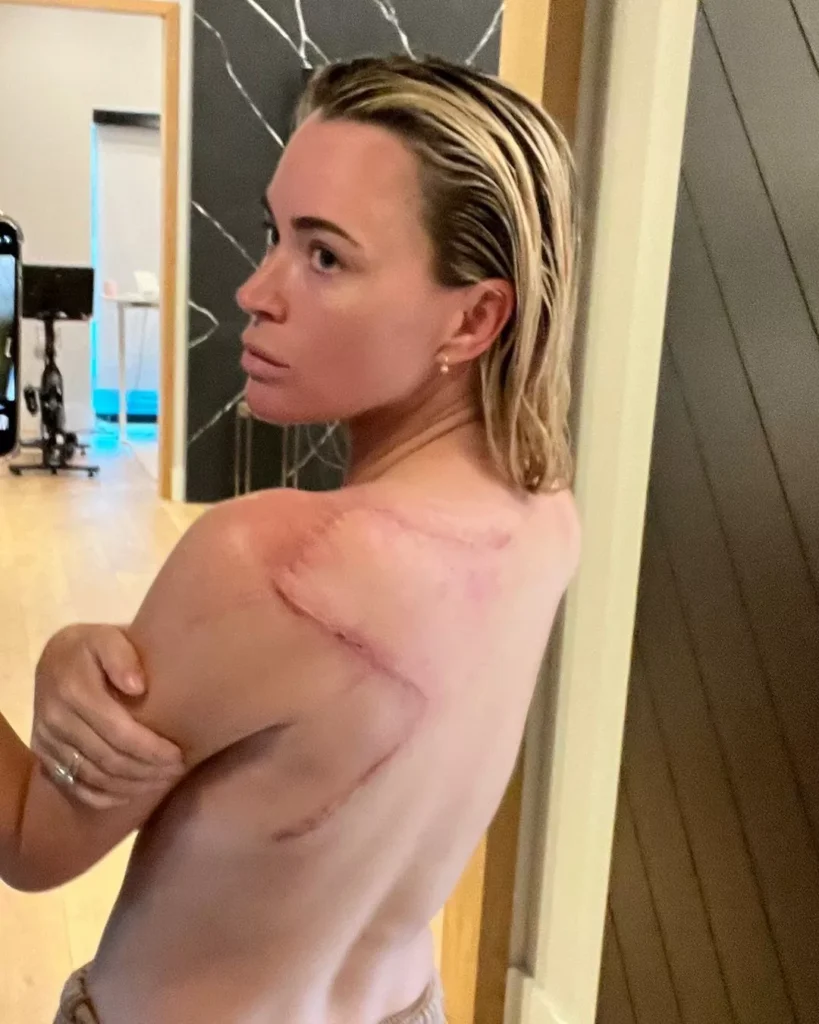
Real Housewives of Beverly Hills alum Arroyave has candidly shared the scars of her ongoing struggle with melanoma, revealing in January 2024 that she was finally told by her oncologist that she was “all good. Some atypical areas, but no melanoma. We’ll have to keep a close watch on you, but all good now.”
In September 2024, Arroyave was diagnosed with her 13th melanoma.
“Skin checks are essential,” she has said. “We’ve seen how quickly it can turn from one melanoma to 12. So when your doctor says, ‘See you in three months,’ it’s three months.”
Harry Jowsey
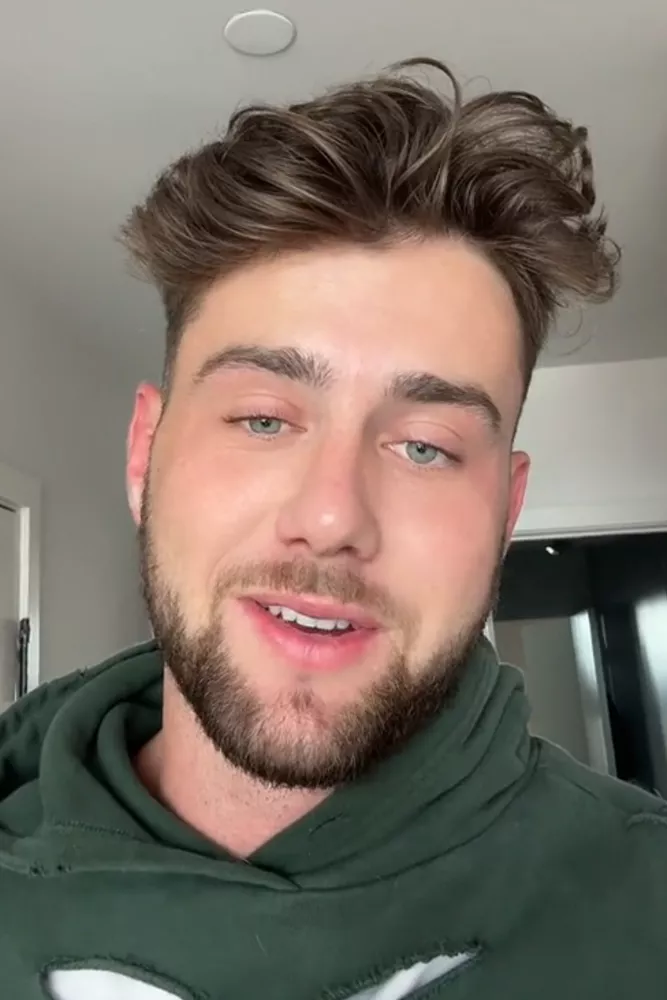
Perfect Match star Jowsey revealed that he’d had skin cancer removed from his shoulder in an April 2024 TikTok video.
Although he joked “If you’re a freckly little frog like me, go get a mole map and get your body checked because you never know,” Jowsey admitted that the diagnosis was “very scary.”
The former Dancing with the Stars contestant urged his followers to get their “skin checked, wear your sunscreen and be a little bit more responsible.”
Alexa Bliss
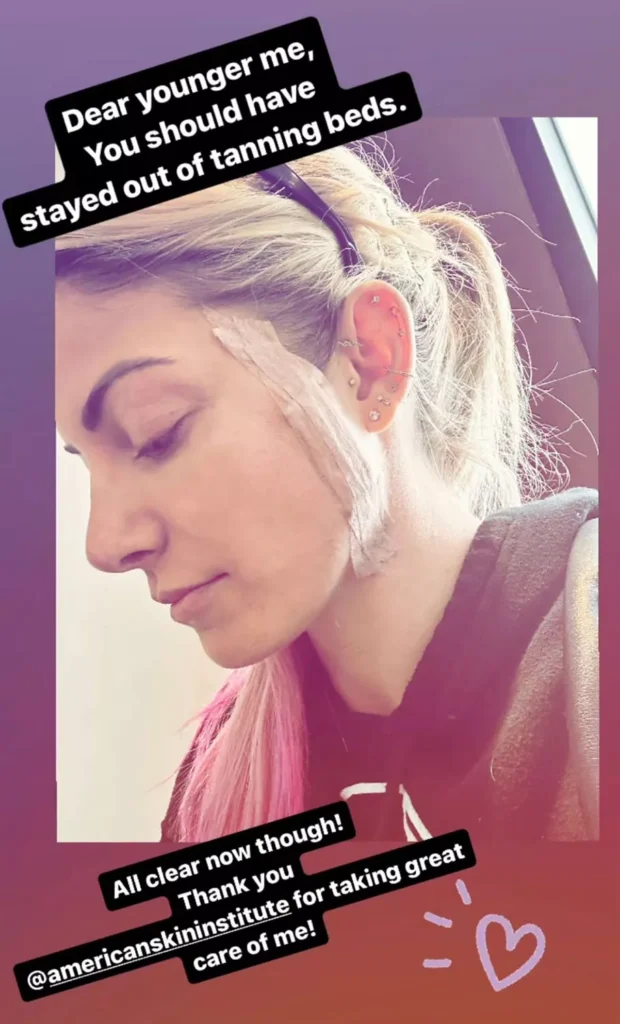
The WWE star revealed bandages on the side of her face in a March 2023 Instagram post — with a warning to “younger me.”
“You should have stayed out of tanning beds,” Bliss said, adding, “All clear now though!”
The Masked Singer alum shared more details on X, formerly known as Twitter, writing “There was a spot on my face yes — that had gotten worse.”
A biopsy confirmed it was basal cell carcinoma, and Bliss shared that “During my procedure doc also found other squamous cells. Was a quick and easy procedure. Glad I always get my skin checked😊.”
Janelle Brown
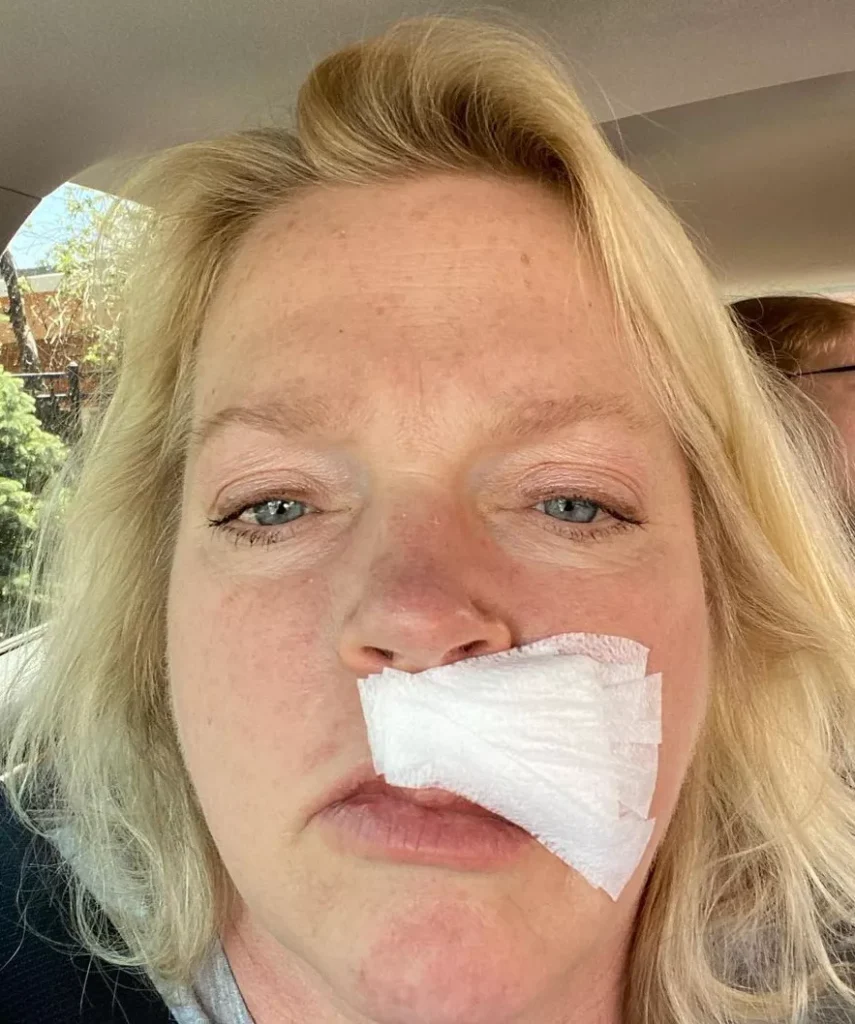
Sister Wives star Janelle Brown shared that at first, she thought she had a cold sore on her lip.
“It never developed and just stayed,” she wrote in a March 2021 Instagram post. ”Over the next year or so it slowly increased in size.”
The mark, she said, looked like scar tissue, and when she finally got it checked out, the diagnosis was “basal cell carcinoma, skin cancer, non malignant, but it still needed to be removed.”
She shared that she’s always been vigilant about using sunscreen, writing, “You have to know that I am very very careful to always apply sunscreen. I have always burned so easily so really cannot go out, ever, without some sort of protection.”
She ended her post urging her followers to always see their doctor of they notice something on their skin.
“I hope this share will be helpful to some. I am sharing to say that, even if it seems like it couldn’t be skin cancer, it doesn’t hurt to have your doctor look at it 💗”
Jamie Campbell
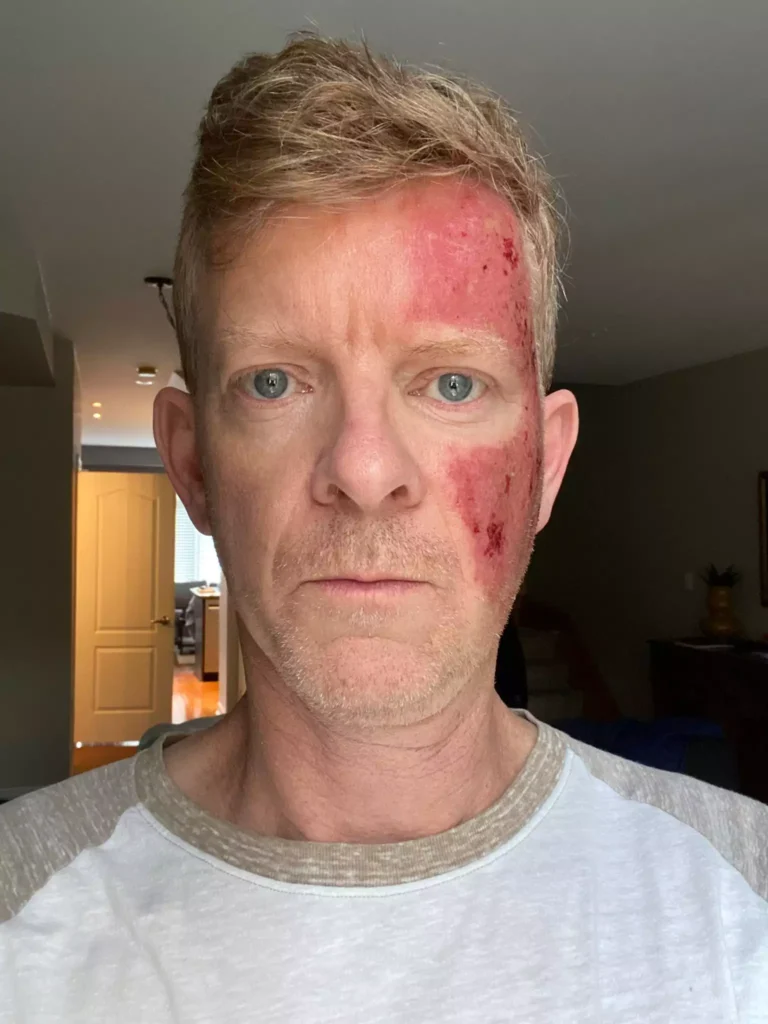
“I would never, ever have considered putting on sunscreen to drive,” Campbell, a Toronto Blue Jays sportscaster for Sportsnet, told TODAY.
But as Campbell shared, his dermatologist told him that he had precancerous skin growths — the result of sun exposure from his car window.
The red marks came from photodynamic therapy, which he explained entailed applying a cream, called a photosensitizing agent, to his face for three hours.
The cream kills precancerous cells under red light, something Campbell told TODAY felt like “someone holding a blowtorch to your face.”
He said he shared his story to alert others about the hidden dangers of not wearing sunscreen — even when you’re just driving.
“The benefit of me doing this is that I have heard from many, many people who have changed their habits,” he told TODAY.
Sarah Ferguson, the Duchess of York
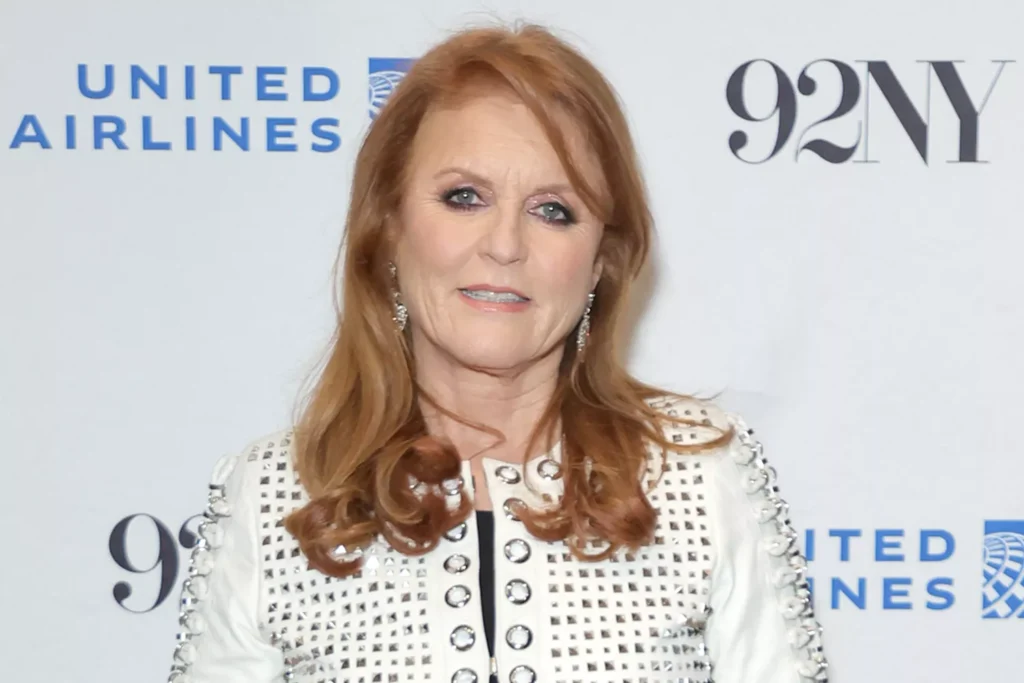
On the heels of her breast cancer diagnosis, which caused the Duchess of York to undergo a mastectomy in June 2023, she shared that she’d been diagnosed with malignant melanoma at the start of 2024.
“The Duchess wants to thank the entire medical team which has supported her, particularly her dermatologist whose vigilance ensured the illness was detected when it was,” a representative said in a statement. “She believes her experience underlines the importance of checking the size, shape, color and texture and emergence of new moles that can be a sign of melanoma.”
In March 2024, PEOPLE reported that the Duchess had learned the skin cancer had not spread — but would need to be vigilant with checkups every 12 weeks.
Tyler ‘Ninja’ Blevins
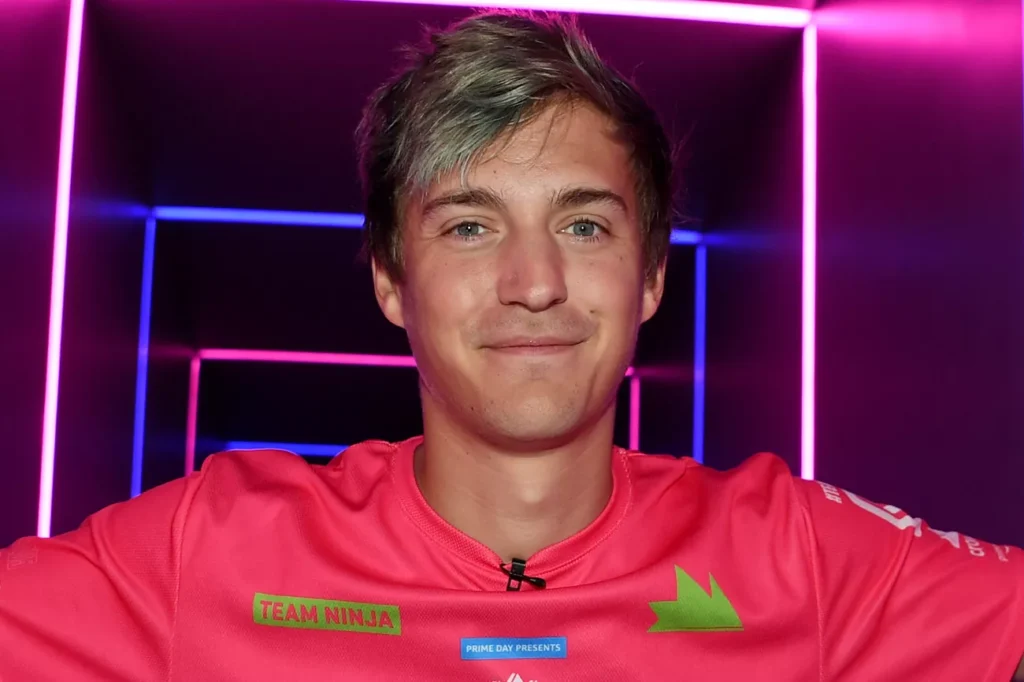
Blevins — the top streamer on video game platform Twitch, where he’s known as Ninja — shared that he’d been diagnosed with melanoma at a routine dermatological skin check appointment made by his wife Jessica.
“I’m still in a bit of shock but want to keep you all updated. A few weeks ago I went in to a dermatologist for an annual skin/mole check that Jess proactively scheduled for me. There was a mole on the bottom of my foot that they wanted to remove just to be careful,” Blevins wrote on X (formerly known as Twitter), in March 2024.
“It came back as melanoma, but they are optimistic that we caught it in the early stages. I had another dark spot appear near it, so today they biopsied that and removed a larger area around the melanoma with the hopes that under the microscope they will see clear non-melanoma edges and we will know we got it,” he added.
“I’m grateful to have hope in finding this early, but please take this as a PSA to get skin checkups,” said Blevins, who shared in April 2024 that he was “officially cancer free.”
People
Health
Emirates Specialty Hospital Expands Cancer Care Services in Dubai with Opening of Dedicated Chemotherapy Unit
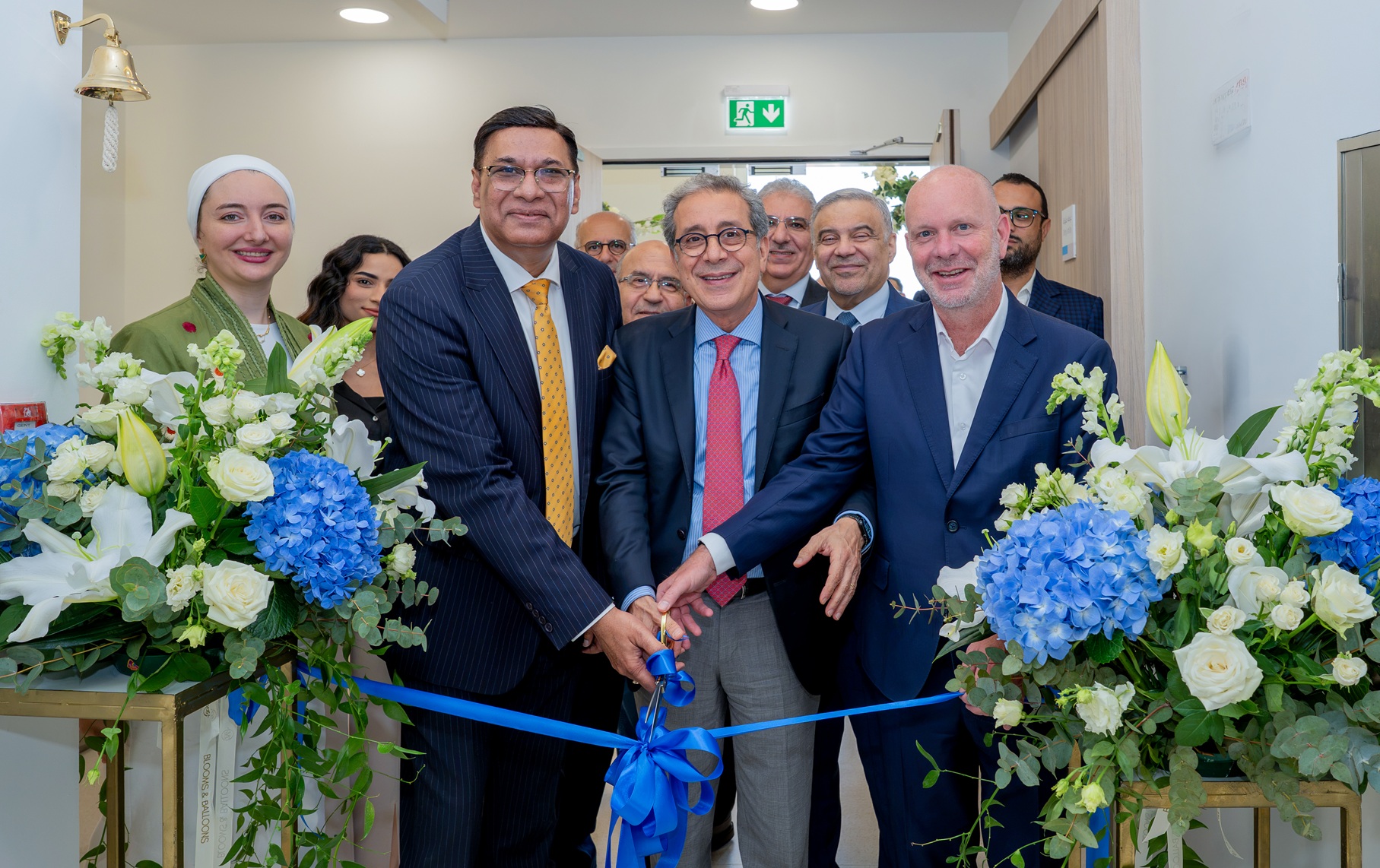
New facility at Dubai Healthcare City aims to improve access to specialised cancer treatment, bringing personalised oncology care and medical expertise together under one roof
Dubai, UAE: Emirates Specialty Hospital in Dubai Healthcare City has announced the opening of a dedicated chemotherapy unit within its Emirates Oncology Centre, marking a significant expansion of its cancer care services and strengthening access to specialised oncology treatment for patients in Dubai.
The newly established unit has been designed to provide chemotherapy treatments in a dedicated clinical setting, with an emphasis on patient safety, individualised treatment plans and continuous medical support throughout the cancer care journey.
The opening comes as healthcare providers increasingly recognise the importance of delivering cancer treatment through a coordinated, multidisciplinary approach that addresses not only the disease itself but also the physical and emotional challenges patients may experience during treatment.
For many cancer patients, chemotherapy involves repeated hospital visits, ongoing medical assessments and careful monitoring of treatment responses and potential side effects. Access to a specialised facility supported by experienced oncology professionals can play an important role in ensuring continuity of care and helping patients navigate what is often a complex and demanding treatment journey.
Bringing specialised cancer treatment closer to patients
The Emirates Oncology Centre brings together medical expertise and patient-focused services to support individuals undergoing cancer treatment.
The oncology services are supervised by Prof. Dr. Marwan Ghosn, Consultant Medical Oncologist, and Dr. Mohamed Elbassyouny Alawy, Specialist Medical Oncology, who oversee the delivery of specialised oncology care.
Treatment plans are developed according to each patient’s diagnosis, medical condition and individual clinical needs, with an emphasis on evidence-based medical practice, careful monitoring and appropriate supportive care.
The dedicated chemotherapy unit forms part of the hospital’s broader strategy to strengthen its specialised medical services while maintaining high standards of clinical quality and patient safety.
Cancer care goes beyond chemotherapy
While chemotherapy remains an important treatment option for many types of cancer, oncology care increasingly requires a comprehensive approach that considers each patient’s overall health, treatment tolerance and quality of life.
Patients receiving chemotherapy may experience a range of challenges, including fatigue, nausea, changes in appetite and other treatment-related effects that require ongoing medical attention.
The Emirates Oncology Centre places particular emphasis on supporting patients throughout these challenges, with treatment decisions guided by clinical assessment and individual patient needs.
The approach reflects a growing shift in cancer care towards personalised treatment, where medical teams consider the characteristics of the disease alongside the patient’s health, circumstances and treatment goals.
Equally important is the need for clear communication between doctors, patients and their families, particularly when discussing treatment options, expected outcomes and possible side effects.
By placing patients at the centre of clinical decision-making, the hospital aims to provide a treatment experience built around medical expertise, informed choices and compassionate care.
Strengthening Dubai’s specialised healthcare services
The opening of the chemotherapy unit represents another step in Emirates Specialty Hospital’s ongoing efforts to expand its clinical capabilities and provide comprehensive healthcare services within Dubai Healthcare City.
As demand for specialised healthcare continues to evolve, the availability of dedicated oncology facilities is increasingly important in supporting timely access to treatment and ensuring patients can receive appropriate care within an established hospital environment.
The hospital said the new unit reflects its commitment to investing in specialised medical services and improving the overall patient experience through coordinated care, experienced healthcare professionals and a strong focus on clinical safety.
With the opening of the dedicated chemotherapy unit, Emirates Specialty Hospital aims to further strengthen its role in providing specialised cancer care in Dubai, offering patients and their families access to personalised treatment and medical support at every stage of their journey.
For more information please visit our website : Emirates Hospitals Dubai – Best Hospital in Dubai, Top Rated
About Emirates Specialty Hospital
Located in Dubai Healthcare City, Emirates Specialty Hospital is a multidisciplinary healthcare facility providing a range of specialised medical and surgical services. The hospital continues to expand its clinical capabilities, with a focus on medical expertise, patient-centred care and high standards of healthcare quality and safety.
Health
When Rheumatoid Arthritis Threatened Her Independence: How the Right Diagnosis Helped Her Get Her Life Back
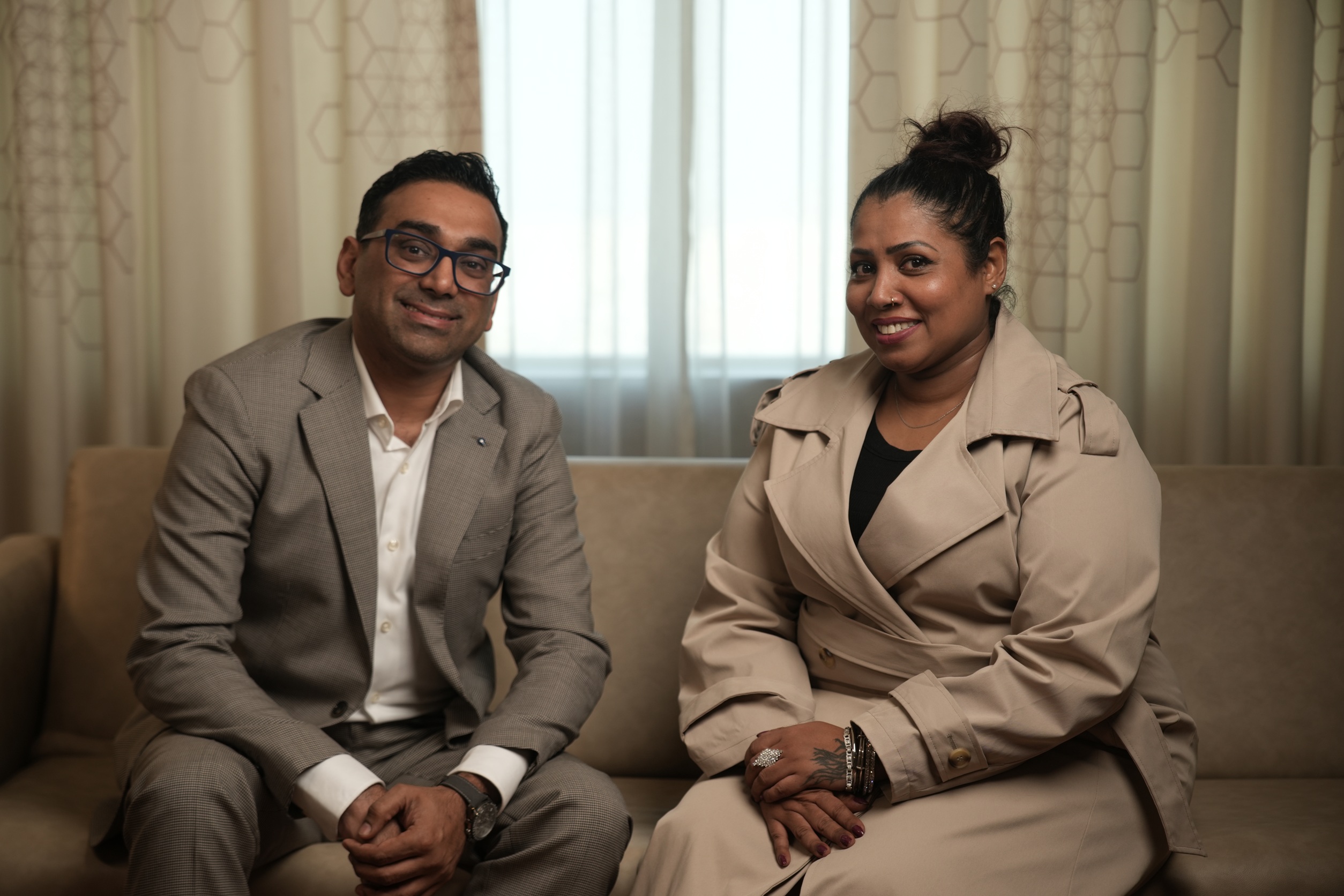
For a 45-year-old UAE resident, persistent pain and swelling turned out to be rheumatoid arthritis. Early recognition and treatment helped her return to work, driving and the family life she feared she might lose.
For Dilini Ayesha, driving is much more than a job.
For the 45-year-old mother of two, who has lived in the UAE for 16 years, driving is a profession she has built her independence around. For the past eight years, she has worked as a driving instructor at Emirates Driving Institute, including as a VIP instructor training people to drive larger vehicles and four-wheel drives.
She is also a mother to an adopted daughter and a five-year-old son.
So when unexplained pain and swelling suddenly began affecting her hands, her greatest fear was not simply the pain itself. It was the possibility that rheumatoid arthritis might prevent her from continuing to work and caring for her family independently.
Her journey began with what appeared to be an unrelated injury.
In December 2024, Dilini fell and injured her knee while helping a recovery truck load her vehicle. Several months later, she suffered another fall at home, causing a more significant knee injury. Following an MRI, she underwent ACL reconstruction and meniscal repair and spent around two and a half months recovering.
She was looking forward to returning to her normal routine.
But shortly after returning to work, she developed severe swelling and pain in both hands.
“At first, I thought it might be connected to my surgery or that it would settle down,” Dilini recalls. “But the pain kept getting worse.”
She was prescribed different painkillers, but the symptoms continued to progress. She eventually found herself struggling to grip a steering wheel or use her hands normally.
“For me, the pain felt like 15 out of 10,” she says. “I know that isn’t a normal pain scale, but that is honestly how it felt.”
The physical pain was accompanied by something else: fear.
“What if I can’t drive anymore? What if I can’t work anymore? How will I take care of my children?”
It was at this point that Dilini was referred to Dr Muhammad Azhar Abdullah, Consultant Rheumatologist at NMC Royal Hospital Sharjah.
Rather than assuming that the symptoms were simply part of her recovery from the knee injury, Dr Azhar investigated the underlying cause.
Clinical assessment and blood investigations pointed towards rheumatoid arthritis (RA) — a chronic autoimmune disease in which the immune system mistakenly attacks the lining of the joints, causing inflammation, pain and swelling.
“Rheumatoid arthritis is not simply wear and tear of the joints,” explains Dr Azhar. “It is an inflammatory autoimmune disease, and if the inflammation remains uncontrolled, it can progressively damage the joints. It can also be associated with problems affecting other parts of the body.”
For Dilini, receiving a diagnosis of rheumatoid arthritis finally provided an explanation for what was happening to her body.
“Having an answer was important to me,” she says. “When you don’t know what is happening to your own body, the fear becomes even bigger.”
Why recognising rheumatoid arthritis early matters
Rheumatoid arthritis can present differently from person to person, but persistent joint swelling, prolonged morning stiffness, pain and difficulty moving the affected joints should not simply be dismissed as ageing, overuse or ordinary aches and pains.
One important distinction is that not all arthritis is rheumatoid arthritis. Osteoarthritis, gout, psoriatic arthritis and other inflammatory rheumatic diseases can produce joint symptoms, but their causes and treatments are different.
That is why identifying the underlying condition matters.
In Dilini’s case, identifying rheumatoid arthritis allowed treatment to be started without waiting for further progression.
“Once we identified that she was dealing with rheumatoid arthritis, the priority was to control the inflammation and prevent further problems,” says Dr Azhar. “The aim of treatment in rheumatoid arthritis is not simply to reduce pain temporarily. It is to control the underlying disease, protect joint function and help the patient maintain her quality of life and independence.”
Her improvement was gradual rather than an overnight transformation.
Over the following weeks, the inflammation and pain began to settle. Her hand function and mobility improved, and by around the third week, Dilini was able to return to work.
She could once again hold the steering wheel.
She could work.
And she could return home and care for her children independently.
“I felt like I had been given my life back,” she says.
When treating rheumatoid arthritis means protecting a person’s dreams
This year’s World Arthritis Day campaign theme, “Achieve Your Dreams,” highlights the aspirations and goals of people living with rheumatic and musculoskeletal diseases. For Dilini, her dream was not complicated.
It was to continue working, driving and being there for her children.
Her experience demonstrates why early recognition of rheumatoid arthritis matters. The disease can cause permanent joint damage if inflammation remains uncontrolled, while it may also have effects beyond the joints.
“Patients sometimes wait because they think joint pain is something they simply have to live with,” says Dr Azhar. “Persistent swelling, prolonged morning stiffness or unexplained joint pain deserve medical assessment, particularly when symptoms are affecting everyday activities. The earlier we identify rheumatoid arthritis, the earlier we can discuss appropriate treatment and work towards controlling the disease.”
Today, Dilini is back behind the wheel and back to the life she feared she might lose.
“I am driving. I am working. I am taking care of my children,” she says. “I don’t take any of those things for granted anymore.”
Her message to others is simple:
“If you are experiencing unexplained pain, swelling or stiffness, please don’t ignore it. Get yourself checked. Sometimes, getting the right answer can be the beginning of getting your life back.”
For Dilini, that diagnosis did more than explain her symptoms.
It helped protect the life she had worked so hard to build.
Dr Muhammad Azhar Abdullah is Consultant Rheumatologist at NMC Royal Hospital Sharjah.
Health
Saudi German Hospital Dubai Launches Mental Health and Wellness Center for Children and Adolescents
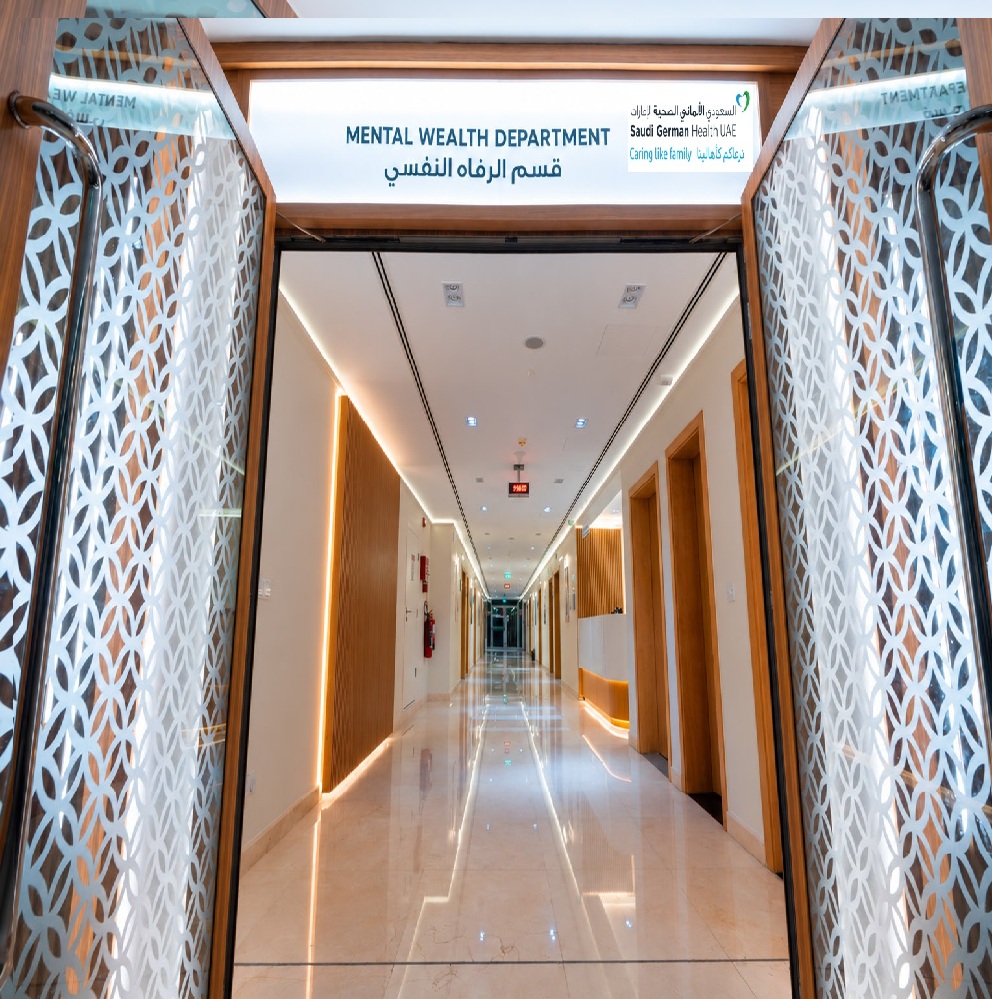
Saudi German Hospital Dubai Launches Mental Health and Wellness Center for Children and Adolescents
A comprehensive care system aligned with the Dubai Mental Wealth Framework
Dubai, United Arab Emirates – 10 October 2026
Saudi German Hospital Dubai has launched the Saudi German Mental Health & Wellness Hub, unveiled at an evening event at Raffles The Palm on 9 October 2026. The Hub is designed to end the fragmented experience many families face when navigating mental healthcare by bringing psychiatrists, psychologists and relevant hospital specialties together around a single, shared plan for each patient.
The Hub is designed as an ecosystem of comprehensive care, connecting prevention, early identification, specialist assessment, treatment, family support and ongoing follow-up through one coordinated plan for each patient. The model aligns with Dubai’s Mental Wealth Framework and its emphasis on prevention, early intervention, access to care and community wellbeing.
Child and adolescent mental health sits at the centre of the model. The Hub operates on the conviction that a child’s difficulties cannot be understood in isolation from their home, classroom and development, and that care should reflect all three.
Supporting children and families from the start
Services available at launch for children and adolescents include comprehensive psychiatric and psychological assessment; support for emotional, behavioural and developmental concerns; psychoeducational assessments for learning difficulties; ADHD assessment and management; and ASD assessment with individualised support across communication, social interaction and behaviour. Parent guidance and, where appropriate and with consent, collaboration with schools are built into the pathway — not offered as an afterthought.
Mental health care across every stage of life
Adult and older adult services include psychiatric assessment, medication management and individual therapy; treatment for depression, anxiety, OCD and related conditions; trauma-informed care for PTSD; geriatric psychiatry; couples and family counselling; addiction assessment and treatment; and community mental health education.
Speech and language therapy, occupational therapy and further developmental programmes are in development and will be confirmed once clinical staffing and readiness are in place.
Dr Ahmed Eissa, Group CEO of Saudi German Health UAE, said: “Many families come to us after years of seeing different specialists who never spoke to each other. A child gets one diagnosis here, a referral there, and the parents are left to hold it all together. We designed this Hub as an ecosystem of comprehensive care, bringing psychiatry, psychology and related specialties together around one plan, from early identification to treatment, follow-up and family support. This approach supports the objectives of Dubai’s Mental Wealth Framework and helps more people access coordinated mental healthcare at every stage of life.”
The Hub’s clinical team brings expertise in adult, child and adolescent, and addiction psychiatry; clinical psychology; psychoeducational and neurodevelopmental assessment; psychotherapy; and couples and family counselling. Team members carry international experience from the UAE, Australia, Saudi Arabia and Egypt, with a specific commitment to culturally and linguistically responsive care.
As part of Saudi German Hospital Dubai, the Hub has direct access to other medical specialties when physical and mental health needs intersect — an advantage that standalone clinics cannot easily replicate.
________________________________________
About Saudi German Health UAE
Saudi German Health UAE is part of the regional Saudi German Health network, providing hospital, multidisciplinary and specialist medical services through its facilities in Dubai, Sharjah and Ajman. Guided by its Caring Like Family philosophy, the group places people and their needs at the centre of the healthcare experience.
For more information or to book an appointment
www.saudigerman.com/psychiatry-mental-health-clinics/
Call: 800 2211
Media Contact
Awareness Marketing Management DWC LLC
Mourad Alsayed
murad.mustafa@awarenessupr.com | +971 58 814 4155


Emirates Specialty Hospital Expands Cancer Care Services in Dubai with Opening of Dedicated Chemotherapy Unit

When Rheumatoid Arthritis Threatened Her Independence: How the Right Diagnosis Helped Her Get Her Life Back

Saudi German Hospital Dubai Launches Mental Health and Wellness Center for Children and Adolescents

Araghchi, Oman Sultan discuss transit, stability in Muscat

UAE’s café culture keeps growing despite price pressure

Netflix to Livestream BTS Comeback Concert
-
 politics6 months ago
Araghchi, Oman Sultan discuss transit, stability in Muscat
-
 UAE10 months ago
UAE’s café culture keeps growing despite price pressure
-
 Entertainment9 months ago
Netflix to Livestream BTS Comeback Concert
-
 Discover9 months ago
Is February 2026 really a once-in -283-years MiracleIn?
-

 Football10 months ago
Algeria, Burkina Faso, Côte d’Ivoire win AFCON 2025 openers
-

 Health10 months ago
NMC Royal Hospital, Khalifa City, performs rare wrist salvage, restoring function for young patient
-
 Health10 months ago
Bascom Palmer Eye Institute Abu Dhabi and Emirates Society of Ophthalmology Sign Strategic Partnership Agreement
-

 Health11 months ago
Emirates Society of Colorectal Surgery Concludes the 3rd International Congress Under the Leadership of Dr. Sara Al Bastaki