
Health
When menopause should not be managed alone
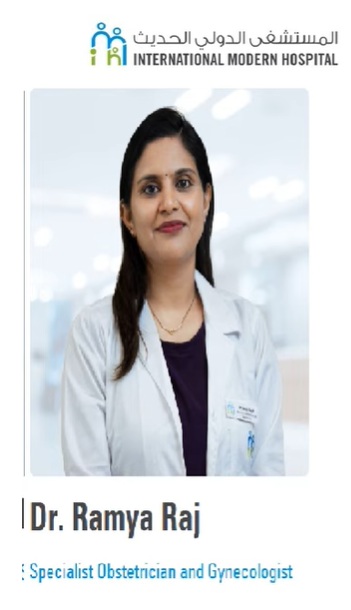
Dr Ramya Raj, Specialist Obstetrician & Gynaecologist, International Modern Hospital Dubai
While many women do move through menopause without formal medical care, certain symptoms should prompt professional guidance. These include hot flushes or night sweats that disrupt sleep or daily functioning, mood changes such as persistent anxiety or low mood, brain fog affecting work or memory, vaginal dryness or pain during intimacy, recurrent urinary symptoms, unexplained weight gain, or changes in blood pressure, cholesterol, or blood sugar. Heavy or irregular bleeding, especially after periods have stopped, should always be medically assessed.Some women also assume that symptoms like mood changes, joint pain, or fatigue are unrelated to menopause and therefore not worth mentioning lets explore what are mood swings during menopause? who gets them?as this question will be haunting most of us,they are extreme abrupt fluctuations in mood common during the menopausal transition and upto 75% of women over 40 going through menopause.
Doctors can make these conversations more approachable by normalizing menopause as a life stage rather than a medical failure. Simple, open-ended questions such as “How are these changes affecting your daily life?” or “What worries you most right now?” help women feel heard rather than rushed into treatment decisions.
Supporting women emotionally and physically during menopause
Healthcare providers can play a crucial role by addressing menopause holistically, not just hormonally. Emotional support is as important as symptom control. Many women feel dismissed or embarrassed discussing sleep disruption, libido changes, or emotional volatility. Acknowledging these experiences as common and valid can significantly reduce hesitation to seek help.There are certain triggers for hot flushes during menopause like stress ,smoking, excessive caffeine intake ,alcohol consumption and having spicy food and hot weather. So Practical support includes individualized care plans that may involve lifestyle adjustments avoiding these triggers, non-hormonal therapies, hormonal treatment when appropriate, mental health screening, and referrals to nutritionists or physiotherapists. Non prescriptive medications do have a role in alleviating symptoms like isoflavane supplements ,soy products, black cohosh and vitamin E.Regular follow-ups, even brief ones, help reinforce that menopause is an ongoing transition, not a one-time consultation.life style modifications like maintaining a healthy weight ,smoking cessation ,relaxation response techniques and acupuncture do help.
Creating women-friendly clinical environments—longer appointment slots, educational materials, and reassurance that symptoms will be taken seriously—also encourages engagement.
Misconceptions that prevent women from seeking care
Several persistent myths keep women from accessing support. One is the belief that menopause symptoms are something to “just endure.” Another is that treatment, particularly hormone therapy, is universally unsafe—despite strong evidence that it can be safe and effective for many women when appropriately prescribed.systemic estrogen therapy is the most effective treatment for vasomotor symptoms and only therapy currently approved by US FDA.It has other benefits like preventing alzheimers disease in the presence of normal brain tissue, increases good cholesterol and reduces atherosclerosis and coronary heart disease, improves bone health and helps in maintaining quality of life in menopausal lady if appropriately prescribed by medical expert ruling out contraindications .Harmone replacement therapy is versatile and can be administered in various forms including transdermal patch,topical preparation, vaginal suppositories and oral medications.This way , its clear and informative that there are multiple options to tailor the treatment to each individuals need.
Doctors can counter these misconceptions by offering clear, balanced information and emphasizing that seeking help does not mean over-medicalizing a natural process. Practical advice includes encouraging women to track symptoms, prioritize sleep and bone health, maintain cardiovascular screening, and understand that early conversations allow for simpler, more effective interventions.
Bottom line: Menopause is a normal life event and not a disease! Menopause does not require medical intervention for every woman, but no woman should feel she has to suffer in silence. Open dialogue, reassurance, and personalized care can transform menopause from an isolating experience into a manageable and well-supported life transition.Maximal Benefit with Harmonal replacement therapy requires early onset of treatment with right dose for the appropriate duration according to an individual patient’s need
Health
Fakeeh Health Brings Global Experts to Dubai to Explore the Future of AI and Robotic Surgery
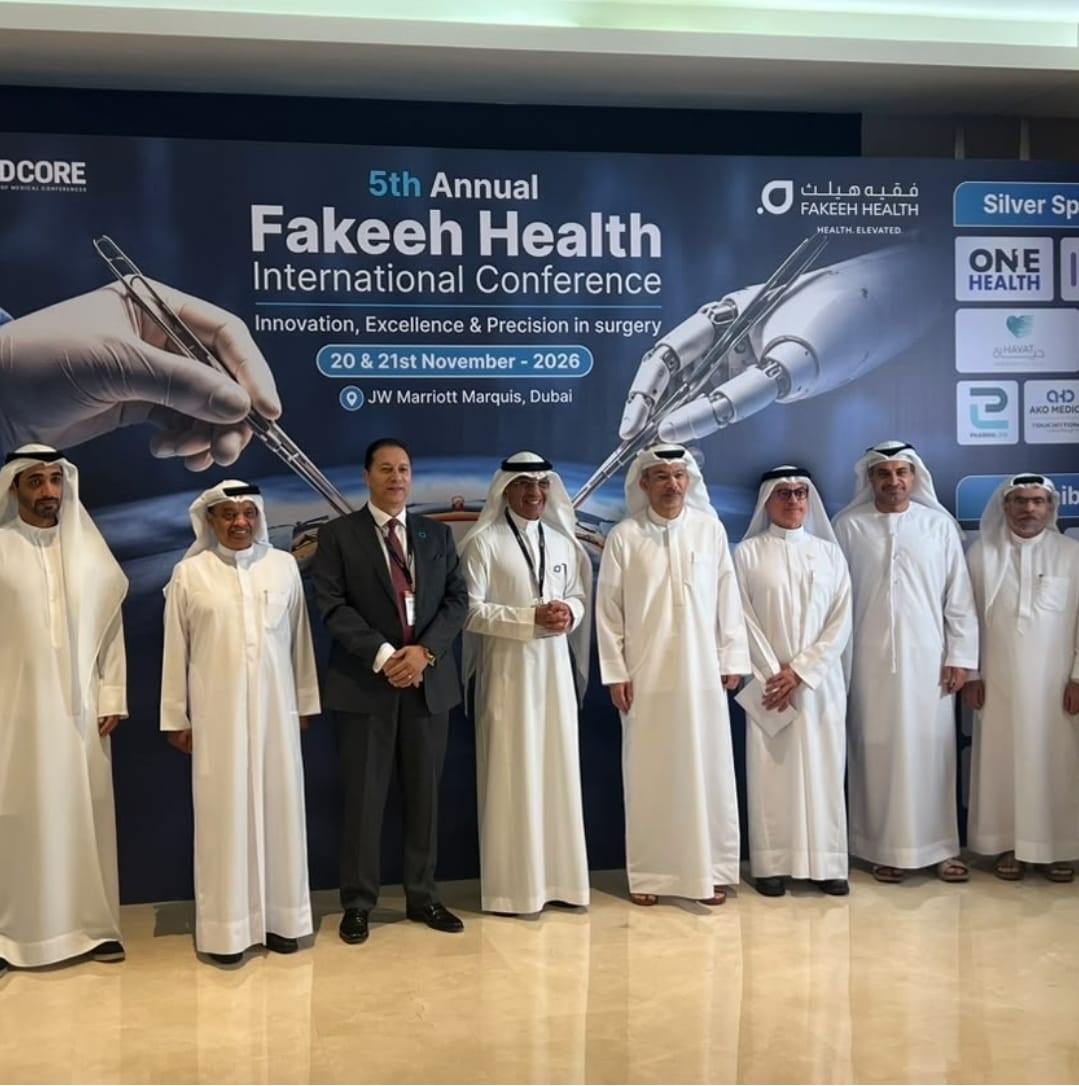
Fifth Annual Fakeeh Health International Conference opens in Dubai, bringing together international specialists to explore artificial intelligence, robotic-assisted surgery and the next generation of precision medicine
Dubai, UAE – 20 November 2026: Fakeeh Health opened its Fifth Annual International Conference today in Dubai, bringing together international medical experts, leading surgeons and healthcare professionals to explore how artificial intelligence, robotic technologies and advances in precision surgery are transforming modern healthcare and creating new opportunities to improve patient outcomes.
The two-day conference, taking place on November 20–21 at JW Marriott Marquis Dubai under the theme “Innovation, Excellence & Precision in Surgery,” is being held in collaboration with MedCore Global Conferences. The gathering provides a platform for scientific exchange, international collaboration and discussions on the future of advanced surgical care.
The conference opened against the backdrop of rapid technological developments across the global healthcare industry, with artificial intelligence, robotic-assisted procedures and minimally invasive surgical techniques increasingly influencing how medical professionals diagnose conditions, plan complex operations and manage patient recovery.
As hospitals worldwide accelerate their adoption of advanced medical technologies, the conference is examining how healthcare institutions can integrate these innovations responsibly into clinical practice while maintaining the highest standards of patient safety, clinical effectiveness and quality of care.
Dr. Mohaymen Abdelghany, Group CEO and Board Member of Fakeeh Health UAE and CEO of Fakeeh University Hospital, said the rapid evolution of artificial intelligence and robotics is creating a new era in surgical medicine.
“Artificial intelligence and robotic-assisted surgery are no longer concepts of the distant future. They are already transforming the way healthcare professionals approach diagnosis, surgical planning and complex medical procedures. The challenge for healthcare institutions today is not simply to acquire advanced technologies, but to understand how to integrate them responsibly and effectively into clinical practice to deliver measurable improvements in patient outcomes,” said Dr. Abdelghany.
“Dubai has positioned itself as a forward-looking healthcare destination, and we believe medical institutions have an important responsibility to support this vision through scientific collaboration, continuous education and responsible innovation. Through this conference, Fakeeh Health aims to connect international expertise, encourage the exchange of knowledge and explore how precision surgery and emerging technologies can contribute to safer procedures, fewer complications and faster recovery for patients.”
The conference’s scientific programme covers developments across a broad range of surgical specialties, including neurosurgery, orthopaedics, oncology, transplantation and reconstructive surgery, with particular attention to technological innovations that are changing the management of complex medical conditions.
Artificial intelligence is among the central topics being discussed, particularly its applications in medical imaging, surgical planning, clinical decision support and personalised treatment strategies. International experts are examining how intelligent systems can assist healthcare professionals in analysing complex clinical information and improving the precision of surgical interventions.
Robotic-assisted surgery is also receiving significant attention, with discussions exploring its potential to support minimally invasive procedures, enhance surgical control and improve precision in technically demanding operations.
Alongside technological developments, the conference highlights the continuing importance of surgical expertise, multidisciplinary teamwork and professional training. Participants are discussing how healthcare institutions can prepare medical teams for the next generation of surgical technologies while ensuring that innovation remains firmly grounded in clinical evidence and patient safety.
The event also provides opportunities for collaboration between international specialists and healthcare professionals in the UAE, allowing participants to exchange clinical experiences, examine emerging scientific evidence and discuss the practical challenges associated with adopting advanced technologies in everyday healthcare settings.
For Fakeeh Health, the conference reflects its commitment to advancing medical education, supporting clinical excellence and strengthening collaboration between healthcare professionals and institutions.
The gathering also reinforces Dubai’s growing role as a regional and international hub for healthcare innovation, medical knowledge exchange and advanced clinical practice.
As the conference continues through November 21, discussions are focusing on one of the most important questions facing modern healthcare: how hospitals can harness the capabilities of artificial intelligence and robotics while preserving the essential role of human expertise, clinical judgement and compassionate patient care.
The Fifth Annual Fakeeh Health International Conference continues tomorrow, November 21, at JW Marriott Marquis Dubai, with further scientific sessions and discussions exploring the innovations shaping the future of surgery.
For more information please visit: https://www.fuh.care/
Health
Abu Dhabi Hosts Leading International Surgeons for 4th Emirates International Colorectal Congress
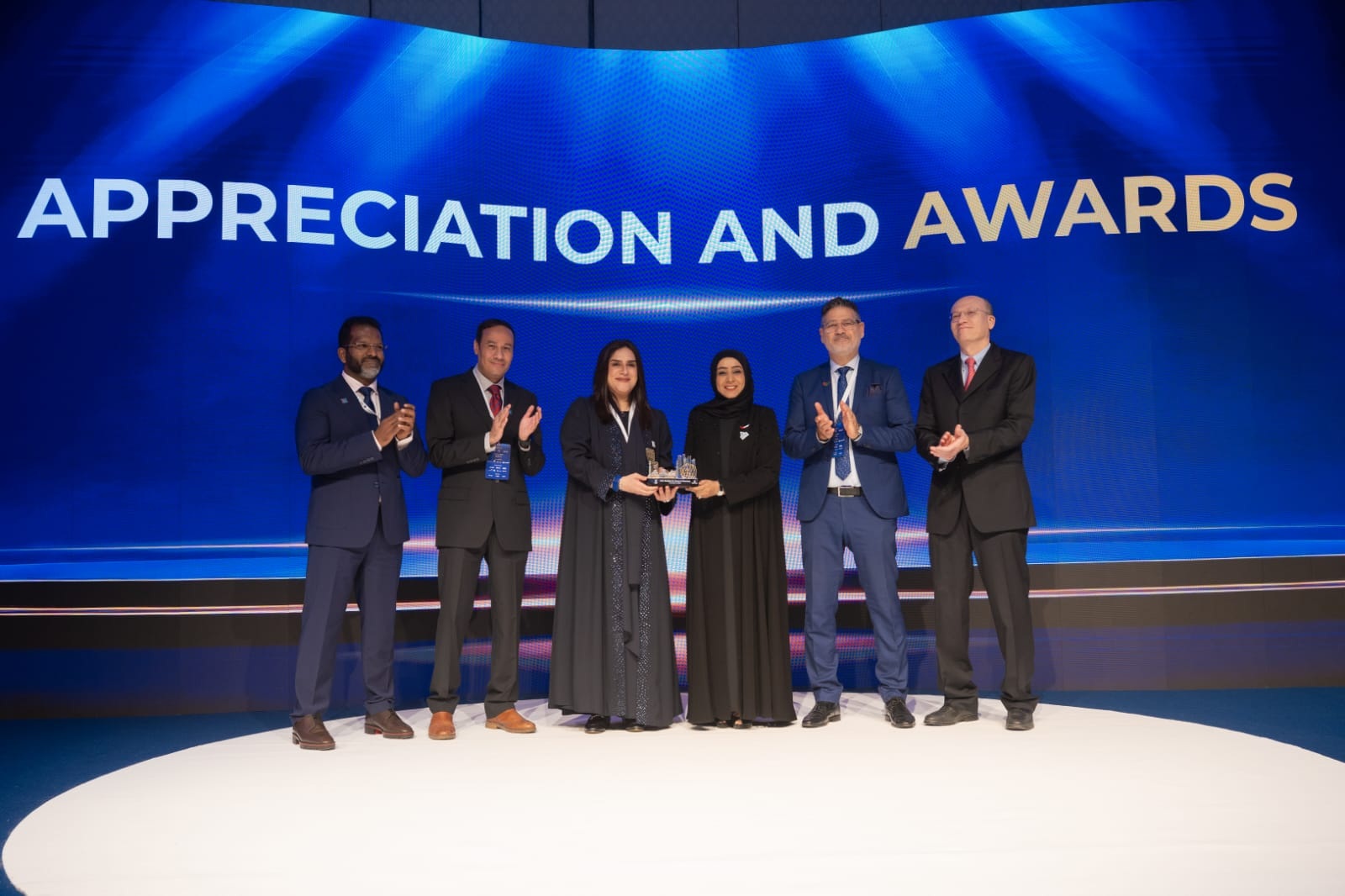
Five-day scientific and surgical training programme highlights advances in robotic surgery, colorectal cancer treatment and complex colorectal conditions
Abu Dhabi, UAE – 20 November 2026: The 4th Emirates International Colorectal Congress officially opened today in Abu Dhabi, bringing together leading international surgeons, medical experts and healthcare professionals to explore the latest innovations in robotic-assisted surgery, advanced colorectal cancer treatments, inflammatory bowel diseases and complex surgical procedures.
Organised by the Emirates Society of Colon and Rectal Surgery (ESCRS), the congress is taking place from 20 to 22 November at Conrad Abu Dhabi Etihad Towers, as part of an expanded five-day scientific and educational programme running from 19 to 23 November 2026.
The event combines specialised scientific discussions with advanced hands-on surgical training, reflecting the UAE’s growing position as a regional and international hub for medical excellence, surgical innovation and knowledge exchange.
The official opening ceremony featured an address by Dr Sara Al Bastaki, President and Founder of the Emirates Society of Colon and Rectal Surgery and Congress Chair, alongside a keynote address by Sheikha Dr Noura Al Qassimi, President of the Emirates Medical Association. The ceremony also included an appreciation and awards segment, followed by a tour of the accompanying medical exhibition.
Dr Sara Al Bastaki highlighted that the fourth edition marks an important milestone in the congress’s development, reflecting the rapid progress taking place across the UAE in specialised surgical care and advanced medical technologies.
“Through this congress, we aim to further strengthen the UAE’s position as a regional and global centre for medical excellence and scientific knowledge exchange. By bringing together leading international surgeons and experts, we are highlighting the latest innovations in colorectal surgery, particularly robotic-assisted procedures and advanced treatments for complex conditions,” said Dr Al Bastaki.
“What distinguishes this year’s edition is its integration of scientific knowledge with practical surgical training, alongside stronger collaboration across medical specialties. This approach creates new opportunities to enhance surgical expertise, adopt advanced treatment practices and ultimately improve the quality of healthcare and patient outcomes,” she added.
Advanced approaches to complex and emergency colorectal surgery
The first day of the congress, 20 November, focuses on complex and emergency colorectal surgical conditions, including challenging injuries and the latest surgical approaches to diverticular disease, a condition that can lead to serious complications requiring surgical intervention.
International experts are presenting advances in surgical techniques and discussing effective approaches to managing complicated cases, with particular emphasis on clinical decision-making, reducing complications and improving treatment outcomes.
The dedicated programme also provides an opportunity for surgeons to exchange practical experiences and examine evolving treatment strategies for cases requiring highly specialised surgical expertise.
Medical treatment or surgery? Experts debate inflammatory bowel disease management
On 21 November, the congress turns its attention to inflammatory bowel diseases, particularly Crohn’s disease and ulcerative colitis, examining the latest developments in medical management and surgical intervention.
A key highlight is a scientific debate bringing together gastroenterologists and colorectal surgeons to address one of the most challenging questions in inflammatory bowel disease management: When should patients continue medical treatment, and when does surgery become the more appropriate option?
The discussions explore the importance of selecting the right treatment at the right time, particularly for patients with chronic or complicated conditions who may not respond adequately to medication.
Experts are also highlighting the importance of multidisciplinary collaboration in developing personalised treatment strategies that minimise complications, improve long-term outcomes and enhance patients’ quality of life.
Robotic surgery and the future of colorectal cancer treatment
The third scientific day, 22 November, is dedicated to advances in colorectal cancer treatment, with particular emphasis on robotic-assisted surgery and emerging surgical technologies.
Leading specialists are examining how robotic surgical systems can enhance precision, control and flexibility during complex procedures, supporting surgeons in performing technically demanding operations.
The sessions also explore the latest innovations in robotic surgical platforms and their potential to improve surgical planning, operative techniques and clinical outcomes.
In addition, international experts are reviewing emerging approaches to colorectal cancer surgery and discussing how advances in surgical technology and specialist training are shaping the future of cancer treatment.
Advanced surgical training and multidisciplinary collaboration
A distinguishing feature of this year’s congress is its expanded educational programme, which includes two specialised workshops held before and after the main scientific sessions.
On 19 November, Khalifa University hosted an advanced pre-congress surgical workshop for young surgeons, led by experienced specialists from the United States and Saudi Arabia.
The hands-on programme focused on developing practical surgical skills, introducing advanced techniques and providing participants with opportunities to learn directly from internationally recognised experts.
A second specialised workshop will take place on 23 November in collaboration with the Emirates Obstetrics and Gynecology Society, focusing on the diagnosis and surgical repair of obstetric anal sphincter injuries associated with vaginal childbirth.
The workshop aims to strengthen physicians’ expertise in advanced repair techniques, improve postnatal care and reduce the risk of long-term complications affecting women’s health and quality of life.
By bringing together colorectal surgeons, gastroenterologists, obstetricians, gynaecologists and international medical experts, the congress highlights the increasing importance of multidisciplinary collaboration in addressing complex medical conditions.
The expanded fourth edition underscores the UAE’s commitment to advancing specialised healthcare, supporting continuous medical education and strengthening international scientific partnerships.
Through its combination of expert-led discussions, surgical innovation and practical training, the congress aims to contribute to the development of colorectal surgical practices and improved patient care across the UAE and the wider region.
For more information please visit: https://escrs.ae/
Health
Saudi German Health UAE Joins Global Leaders of Military Medicine at ICMM Abu Dhabi 2026, Showcasing UAE Healthcare Excellence on the World Stage
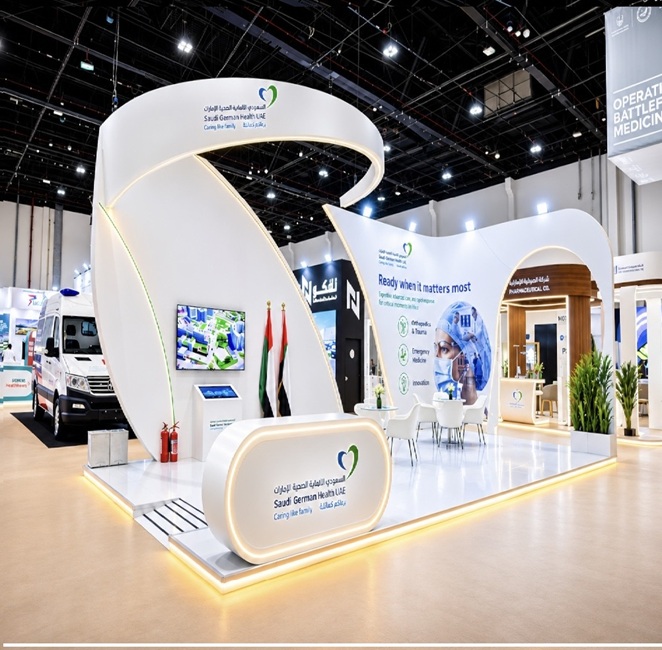
Saudi German Health UAE Joins the World’s Leading Military Medicine Experts and Leaders as the Congress Convenes in Abu Dhabi for the First Time
As the 46th ICMM World Congress on Military Medicine convenes in Abu Dhabi for the first time, the Group’s participation positions UAE healthcare as a trusted partner in global medical readiness, trauma response and emergency care
Abu Dhabi, United Arab Emirates – 9 November 2026:
Saudi German Health UAE, one of the UAE’s leading healthcare groups, today took its place among the world’s foremost authorities in military medicine at the opening of the 46th ICMM World Congress on Military Medicine at ADNEC Centre Abu Dhabi. Hosted in the UAE capital for the first time, the congress unites military medical leaders, clinicians, researchers, policymakers and innovators from across the globe, and the Group’s participation places the strength of UAE healthcare firmly on this international stage.
The participation carries significance well beyond representation. ICMM is where the lessons of military medicine — speed, coordination and resilience under pressure — meet the expertise of civilian health systems. For Saudi German Health UAE, being part of this dialogue in the UAE capital is an opportunity to place the clinical capability built in the country before the world, and to contribute to the partnerships that will shape the future of trauma preparedness.
Dr Ahmed Eissa, Group CEO of Saudi German Health UAE, said: “As one of the UAE’s leading healthcare groups, Saudi German Health UAE carries a responsibility to be present wherever the future of medical readiness is being shaped, and there is no more important platform for that than the ICMM World Congress. Its convening in Abu Dhabi affirms the UAE’s standing as a global centre of medical leadership. Readiness is no longer the responsibility of military medicine alone; it is a national capability, built when military and civilian health systems plan, train and respond as one. Our participation brings the clinical depth developed in the UAE to the world’s most important table on medical readiness, and builds the partnerships that will raise the standard of trauma and emergency care for every patient we serve.”
He added: “Our presence at ICMM reflects Saudi German Health UAE’s commitment to advancing the highest standards of trauma, orthopaedic and emergency care, and to contributing to the UAE’s healthcare leadership on the global stage. Guided by our philosophy of ‘Caring Like Family’, we will carry the knowledge exchanged here into the care we deliver to every patient who walks through our doors.”
With a network of multidisciplinary and specialised hospitals and clinics across Dubai, Sharjah and Ajman, Saudi German Health UAE brought to the congress the experience of a healthcare group able to carry a critically injured patient through every stage of care, from the first emergency assessment to full recovery.
At ICMM, the Group focused on three areas at the core of trauma readiness: orthopaedics and trauma, healthcare innovation, and emergency medicine.
Orthopaedics and trauma: specialist care under one roof
At the heart of the Group’s presence was Saudi German Orthopaedic and Trauma Hospital, a dedicated specialist facility within Batterjee Medical City in Dubai. The hospital treats the full spectrum of musculoskeletal injury and disease, from complex trauma and polytrauma to fractures, joint conditions, spinal disorders and sports injuries.
Its Orthopaedics Department is accredited by the Surgical Review Corporation as a Center of Excellence in Orthopedic Surgery. Specialised orthopaedic and trauma teams work alongside high-tech operating theatres, MRI, CT and X-ray diagnostics, a fully equipped intensive care unit and round-the-clock emergency services. For a patient with multiple injuries, that means the scan, the surgeon, the theatre and the intensive care bed are all within reach, without the delays that can cost function, or lives.
Innovation that helps patients regain their lives
For Saudi German Health UAE, innovation does not end in the operating theatre. The Group showcased its robotic rehabilitation programme, which combines robotic exoskeletal systems, virtual-reality-supported exercises and live biofeedback.
Together, these technologies allow each rehabilitation plan to adapt to the patient’s condition, progress and personal recovery goals. Patients can see their progress as it happens, and clinicians can adjust therapy as it unfolds. The result is recovery that is more precise, more engaging and more personal.
Emergency medicine: where every recovery begins
Every trauma pathway starts at the Emergency Department, and the Group placed it at the centre of its message. Emergency physicians work side by side with diagnostic, surgical, anaesthesia and critical care teams. Together, they assess and stabilise patients, then move them quickly to the right level of care.
Dr Abdullah Al Rumaithi, Group Chief Medical Officer of Saudi German Health UAE, said: “Trauma care is a chain of survival and recovery. It begins with the first emergency assessment and runs through imaging, surgery, intensive care and rehabilitation. A delay at any one stage can change the entire outcome.”
He added: “That is why our Emergency Department connects directly to our trauma specialists, operating theatres, critical care and rehabilitation teams. We measure innovation by the minutes it saves, the clarity it brings to clinical decisions and the function it gives back to our patients. That was the message we brought to ICMM.”
Contributing to a global conversation
Through its participation, Saudi German Health UAE strengthened its engagement with international medical institutions, researchers and technology leaders. It also brought practical civilian healthcare experience to discussions on trauma readiness, emergency response and medical innovation.
The 46th ICMM World Congress on Military Medicine continues at ADNEC Centre Abu Dhabi until 13 November 2026.
For more information, visit www.saudigerman.com
– Ends –
About Saudi German Health UAE
Saudi German Health UAE provides multidisciplinary and specialised healthcare through its network of hospitals and clinics across Dubai, Sharjah and Ajman. Guided by its philosophy of “Caring Like Family”, the Group’s Dubai healthcare ecosystem includes Saudi German Orthopaedic and Trauma Hospital, a dedicated specialist facility within Batterjee Medical City offering integrated care from emergency assessment and surgery to robotic rehabilitation and recovery.
For more information, visit www.saudigerman.com
Media Contact
Mourad Alsayed, General Manager
Awareness Marketing Management DWC LLC
Mobile: +971 58 814 4155
Email: murad.mustafa@awarenessupr.com


Fakeeh Health Brings Global Experts to Dubai to Explore the Future of AI and Robotic Surgery

Abu Dhabi Hosts Leading International Surgeons for 4th Emirates International Colorectal Congress

Saudi German Health UAE Joins Global Leaders of Military Medicine at ICMM Abu Dhabi 2026, Showcasing UAE Healthcare Excellence on the World Stage

Araghchi, Oman Sultan discuss transit, stability in Muscat

UAE’s café culture keeps growing despite price pressure

Netflix to Livestream BTS Comeback Concert
-
 politics7 months ago
Araghchi, Oman Sultan discuss transit, stability in Muscat
-
 UAE11 months ago
UAE’s café culture keeps growing despite price pressure
-
 Entertainment10 months ago
Netflix to Livestream BTS Comeback Concert
-
 Discover10 months ago
Is February 2026 really a once-in -283-years MiracleIn?
-

 Football11 months ago
Algeria, Burkina Faso, Côte d’Ivoire win AFCON 2025 openers
-
 Health11 months ago
NMC Royal Hospital, Khalifa City, performs rare wrist salvage, restoring function for young patient
-

 world6 months ago
Epstein files on display at New York pop-up exhibit, all 3.5 million pages
-

 Health1 year ago
Emirates Society of Colorectal Surgery Concludes the 3rd International Congress Under the Leadership of Dr. Sara Al Bastaki