
Health
Fakeeh Health Brings Global Experts to Dubai to Explore the Future of AI and Robotic Surgery
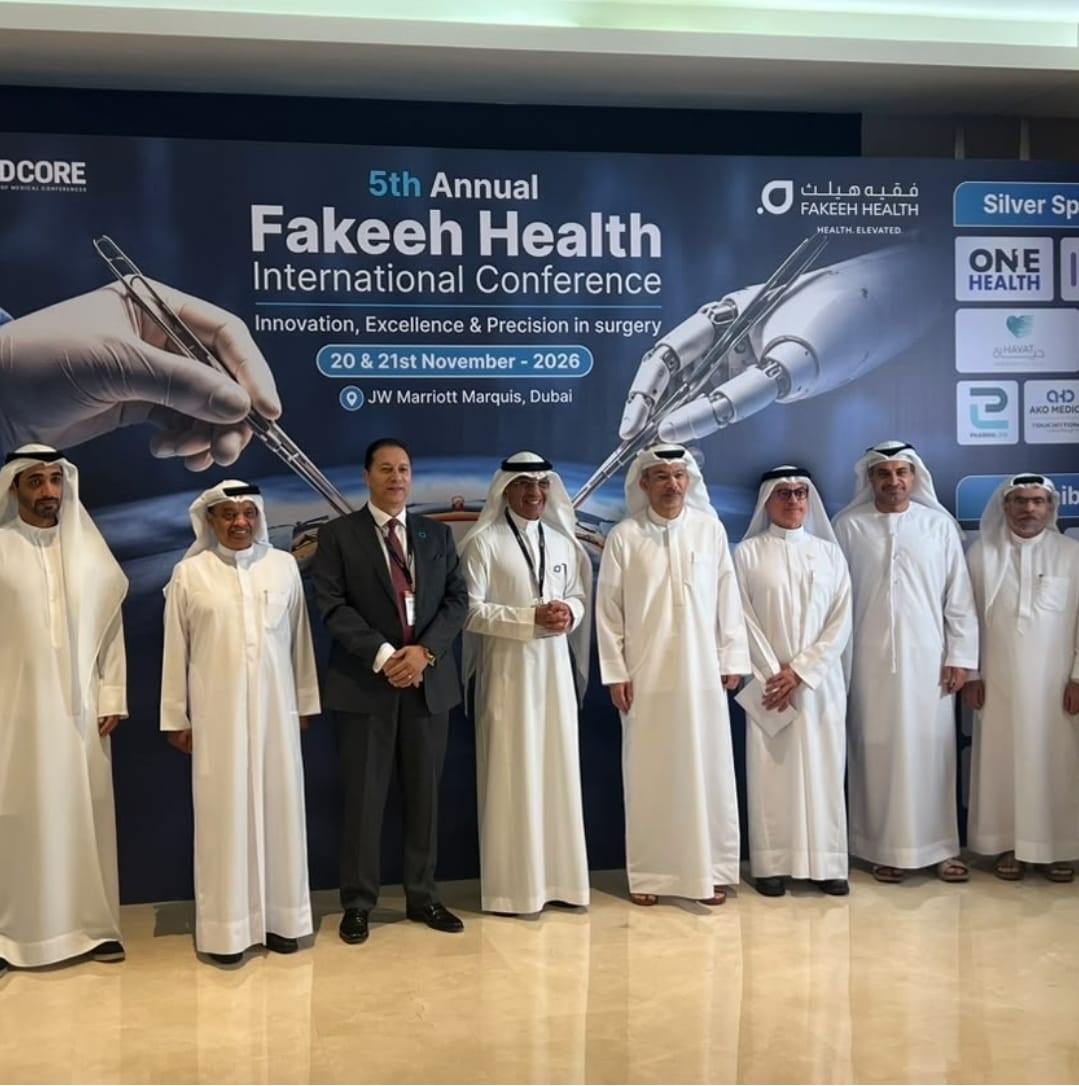
Fifth Annual Fakeeh Health International Conference opens in Dubai, bringing together international specialists to explore artificial intelligence, robotic-assisted surgery and the next generation of precision medicine
Dubai, UAE – 20 November 2026: Fakeeh Health opened its Fifth Annual International Conference today in Dubai, bringing together international medical experts, leading surgeons and healthcare professionals to explore how artificial intelligence, robotic technologies and advances in precision surgery are transforming modern healthcare and creating new opportunities to improve patient outcomes.
The two-day conference, taking place on November 20–21 at JW Marriott Marquis Dubai under the theme “Innovation, Excellence & Precision in Surgery,” is being held in collaboration with MedCore Global Conferences. The gathering provides a platform for scientific exchange, international collaboration and discussions on the future of advanced surgical care.
The conference opened against the backdrop of rapid technological developments across the global healthcare industry, with artificial intelligence, robotic-assisted procedures and minimally invasive surgical techniques increasingly influencing how medical professionals diagnose conditions, plan complex operations and manage patient recovery.
As hospitals worldwide accelerate their adoption of advanced medical technologies, the conference is examining how healthcare institutions can integrate these innovations responsibly into clinical practice while maintaining the highest standards of patient safety, clinical effectiveness and quality of care.
Dr. Mohaymen Abdelghany, Group CEO and Board Member of Fakeeh Health UAE and CEO of Fakeeh University Hospital, said the rapid evolution of artificial intelligence and robotics is creating a new era in surgical medicine.
“Artificial intelligence and robotic-assisted surgery are no longer concepts of the distant future. They are already transforming the way healthcare professionals approach diagnosis, surgical planning and complex medical procedures. The challenge for healthcare institutions today is not simply to acquire advanced technologies, but to understand how to integrate them responsibly and effectively into clinical practice to deliver measurable improvements in patient outcomes,” said Dr. Abdelghany.
“Dubai has positioned itself as a forward-looking healthcare destination, and we believe medical institutions have an important responsibility to support this vision through scientific collaboration, continuous education and responsible innovation. Through this conference, Fakeeh Health aims to connect international expertise, encourage the exchange of knowledge and explore how precision surgery and emerging technologies can contribute to safer procedures, fewer complications and faster recovery for patients.”
The conference’s scientific programme covers developments across a broad range of surgical specialties, including neurosurgery, orthopaedics, oncology, transplantation and reconstructive surgery, with particular attention to technological innovations that are changing the management of complex medical conditions.
Artificial intelligence is among the central topics being discussed, particularly its applications in medical imaging, surgical planning, clinical decision support and personalised treatment strategies. International experts are examining how intelligent systems can assist healthcare professionals in analysing complex clinical information and improving the precision of surgical interventions.
Robotic-assisted surgery is also receiving significant attention, with discussions exploring its potential to support minimally invasive procedures, enhance surgical control and improve precision in technically demanding operations.
Alongside technological developments, the conference highlights the continuing importance of surgical expertise, multidisciplinary teamwork and professional training. Participants are discussing how healthcare institutions can prepare medical teams for the next generation of surgical technologies while ensuring that innovation remains firmly grounded in clinical evidence and patient safety.
The event also provides opportunities for collaboration between international specialists and healthcare professionals in the UAE, allowing participants to exchange clinical experiences, examine emerging scientific evidence and discuss the practical challenges associated with adopting advanced technologies in everyday healthcare settings.
For Fakeeh Health, the conference reflects its commitment to advancing medical education, supporting clinical excellence and strengthening collaboration between healthcare professionals and institutions.
The gathering also reinforces Dubai’s growing role as a regional and international hub for healthcare innovation, medical knowledge exchange and advanced clinical practice.
As the conference continues through November 21, discussions are focusing on one of the most important questions facing modern healthcare: how hospitals can harness the capabilities of artificial intelligence and robotics while preserving the essential role of human expertise, clinical judgement and compassionate patient care.
The Fifth Annual Fakeeh Health International Conference continues tomorrow, November 21, at JW Marriott Marquis Dubai, with further scientific sessions and discussions exploring the innovations shaping the future of surgery.
For more information please visit: https://www.fuh.care/
Health
Abu Dhabi Hosts Leading International Surgeons for 4th Emirates International Colorectal Congress
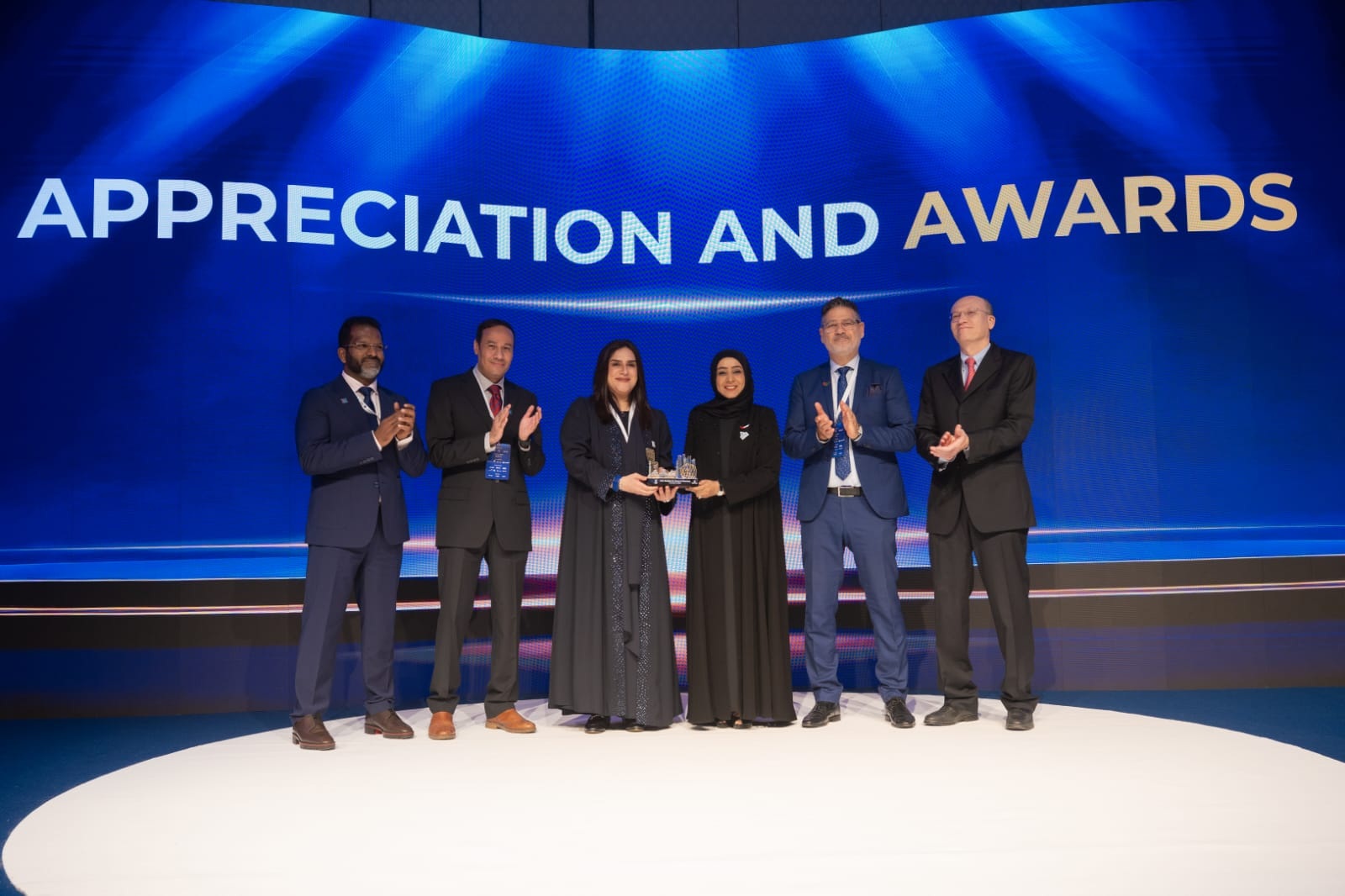
Five-day scientific and surgical training programme highlights advances in robotic surgery, colorectal cancer treatment and complex colorectal conditions
Abu Dhabi, UAE – 20 November 2026: The 4th Emirates International Colorectal Congress officially opened today in Abu Dhabi, bringing together leading international surgeons, medical experts and healthcare professionals to explore the latest innovations in robotic-assisted surgery, advanced colorectal cancer treatments, inflammatory bowel diseases and complex surgical procedures.
Organised by the Emirates Society of Colon and Rectal Surgery (ESCRS), the congress is taking place from 20 to 22 November at Conrad Abu Dhabi Etihad Towers, as part of an expanded five-day scientific and educational programme running from 19 to 23 November 2026.
The event combines specialised scientific discussions with advanced hands-on surgical training, reflecting the UAE’s growing position as a regional and international hub for medical excellence, surgical innovation and knowledge exchange.
The official opening ceremony featured an address by Dr Sara Al Bastaki, President and Founder of the Emirates Society of Colon and Rectal Surgery and Congress Chair, alongside a keynote address by Sheikha Dr Noura Al Qassimi, President of the Emirates Medical Association. The ceremony also included an appreciation and awards segment, followed by a tour of the accompanying medical exhibition.
Dr Sara Al Bastaki highlighted that the fourth edition marks an important milestone in the congress’s development, reflecting the rapid progress taking place across the UAE in specialised surgical care and advanced medical technologies.
“Through this congress, we aim to further strengthen the UAE’s position as a regional and global centre for medical excellence and scientific knowledge exchange. By bringing together leading international surgeons and experts, we are highlighting the latest innovations in colorectal surgery, particularly robotic-assisted procedures and advanced treatments for complex conditions,” said Dr Al Bastaki.
“What distinguishes this year’s edition is its integration of scientific knowledge with practical surgical training, alongside stronger collaboration across medical specialties. This approach creates new opportunities to enhance surgical expertise, adopt advanced treatment practices and ultimately improve the quality of healthcare and patient outcomes,” she added.
Advanced approaches to complex and emergency colorectal surgery
The first day of the congress, 20 November, focuses on complex and emergency colorectal surgical conditions, including challenging injuries and the latest surgical approaches to diverticular disease, a condition that can lead to serious complications requiring surgical intervention.
International experts are presenting advances in surgical techniques and discussing effective approaches to managing complicated cases, with particular emphasis on clinical decision-making, reducing complications and improving treatment outcomes.
The dedicated programme also provides an opportunity for surgeons to exchange practical experiences and examine evolving treatment strategies for cases requiring highly specialised surgical expertise.
Medical treatment or surgery? Experts debate inflammatory bowel disease management
On 21 November, the congress turns its attention to inflammatory bowel diseases, particularly Crohn’s disease and ulcerative colitis, examining the latest developments in medical management and surgical intervention.
A key highlight is a scientific debate bringing together gastroenterologists and colorectal surgeons to address one of the most challenging questions in inflammatory bowel disease management: When should patients continue medical treatment, and when does surgery become the more appropriate option?
The discussions explore the importance of selecting the right treatment at the right time, particularly for patients with chronic or complicated conditions who may not respond adequately to medication.
Experts are also highlighting the importance of multidisciplinary collaboration in developing personalised treatment strategies that minimise complications, improve long-term outcomes and enhance patients’ quality of life.
Robotic surgery and the future of colorectal cancer treatment
The third scientific day, 22 November, is dedicated to advances in colorectal cancer treatment, with particular emphasis on robotic-assisted surgery and emerging surgical technologies.
Leading specialists are examining how robotic surgical systems can enhance precision, control and flexibility during complex procedures, supporting surgeons in performing technically demanding operations.
The sessions also explore the latest innovations in robotic surgical platforms and their potential to improve surgical planning, operative techniques and clinical outcomes.
In addition, international experts are reviewing emerging approaches to colorectal cancer surgery and discussing how advances in surgical technology and specialist training are shaping the future of cancer treatment.
Advanced surgical training and multidisciplinary collaboration
A distinguishing feature of this year’s congress is its expanded educational programme, which includes two specialised workshops held before and after the main scientific sessions.
On 19 November, Khalifa University hosted an advanced pre-congress surgical workshop for young surgeons, led by experienced specialists from the United States and Saudi Arabia.
The hands-on programme focused on developing practical surgical skills, introducing advanced techniques and providing participants with opportunities to learn directly from internationally recognised experts.
A second specialised workshop will take place on 23 November in collaboration with the Emirates Obstetrics and Gynecology Society, focusing on the diagnosis and surgical repair of obstetric anal sphincter injuries associated with vaginal childbirth.
The workshop aims to strengthen physicians’ expertise in advanced repair techniques, improve postnatal care and reduce the risk of long-term complications affecting women’s health and quality of life.
By bringing together colorectal surgeons, gastroenterologists, obstetricians, gynaecologists and international medical experts, the congress highlights the increasing importance of multidisciplinary collaboration in addressing complex medical conditions.
The expanded fourth edition underscores the UAE’s commitment to advancing specialised healthcare, supporting continuous medical education and strengthening international scientific partnerships.
Through its combination of expert-led discussions, surgical innovation and practical training, the congress aims to contribute to the development of colorectal surgical practices and improved patient care across the UAE and the wider region.
For more information please visit: https://escrs.ae/
Health
Saudi German Health UAE Joins Global Leaders of Military Medicine at ICMM Abu Dhabi 2026, Showcasing UAE Healthcare Excellence on the World Stage
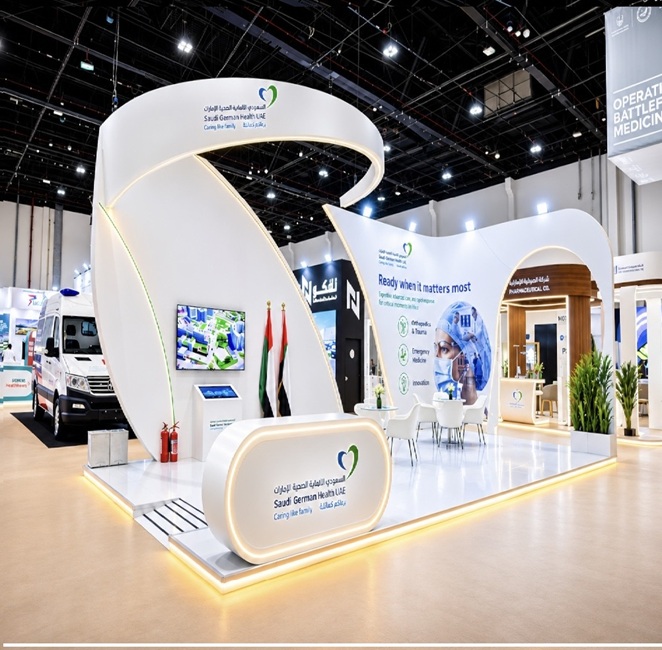
Saudi German Health UAE Joins the World’s Leading Military Medicine Experts and Leaders as the Congress Convenes in Abu Dhabi for the First Time
As the 46th ICMM World Congress on Military Medicine convenes in Abu Dhabi for the first time, the Group’s participation positions UAE healthcare as a trusted partner in global medical readiness, trauma response and emergency care
Abu Dhabi, United Arab Emirates – 9 November 2026:
Saudi German Health UAE, one of the UAE’s leading healthcare groups, today took its place among the world’s foremost authorities in military medicine at the opening of the 46th ICMM World Congress on Military Medicine at ADNEC Centre Abu Dhabi. Hosted in the UAE capital for the first time, the congress unites military medical leaders, clinicians, researchers, policymakers and innovators from across the globe, and the Group’s participation places the strength of UAE healthcare firmly on this international stage.
The participation carries significance well beyond representation. ICMM is where the lessons of military medicine — speed, coordination and resilience under pressure — meet the expertise of civilian health systems. For Saudi German Health UAE, being part of this dialogue in the UAE capital is an opportunity to place the clinical capability built in the country before the world, and to contribute to the partnerships that will shape the future of trauma preparedness.
Dr Ahmed Eissa, Group CEO of Saudi German Health UAE, said: “As one of the UAE’s leading healthcare groups, Saudi German Health UAE carries a responsibility to be present wherever the future of medical readiness is being shaped, and there is no more important platform for that than the ICMM World Congress. Its convening in Abu Dhabi affirms the UAE’s standing as a global centre of medical leadership. Readiness is no longer the responsibility of military medicine alone; it is a national capability, built when military and civilian health systems plan, train and respond as one. Our participation brings the clinical depth developed in the UAE to the world’s most important table on medical readiness, and builds the partnerships that will raise the standard of trauma and emergency care for every patient we serve.”
He added: “Our presence at ICMM reflects Saudi German Health UAE’s commitment to advancing the highest standards of trauma, orthopaedic and emergency care, and to contributing to the UAE’s healthcare leadership on the global stage. Guided by our philosophy of ‘Caring Like Family’, we will carry the knowledge exchanged here into the care we deliver to every patient who walks through our doors.”
With a network of multidisciplinary and specialised hospitals and clinics across Dubai, Sharjah and Ajman, Saudi German Health UAE brought to the congress the experience of a healthcare group able to carry a critically injured patient through every stage of care, from the first emergency assessment to full recovery.
At ICMM, the Group focused on three areas at the core of trauma readiness: orthopaedics and trauma, healthcare innovation, and emergency medicine.
Orthopaedics and trauma: specialist care under one roof
At the heart of the Group’s presence was Saudi German Orthopaedic and Trauma Hospital, a dedicated specialist facility within Batterjee Medical City in Dubai. The hospital treats the full spectrum of musculoskeletal injury and disease, from complex trauma and polytrauma to fractures, joint conditions, spinal disorders and sports injuries.
Its Orthopaedics Department is accredited by the Surgical Review Corporation as a Center of Excellence in Orthopedic Surgery. Specialised orthopaedic and trauma teams work alongside high-tech operating theatres, MRI, CT and X-ray diagnostics, a fully equipped intensive care unit and round-the-clock emergency services. For a patient with multiple injuries, that means the scan, the surgeon, the theatre and the intensive care bed are all within reach, without the delays that can cost function, or lives.
Innovation that helps patients regain their lives
For Saudi German Health UAE, innovation does not end in the operating theatre. The Group showcased its robotic rehabilitation programme, which combines robotic exoskeletal systems, virtual-reality-supported exercises and live biofeedback.
Together, these technologies allow each rehabilitation plan to adapt to the patient’s condition, progress and personal recovery goals. Patients can see their progress as it happens, and clinicians can adjust therapy as it unfolds. The result is recovery that is more precise, more engaging and more personal.
Emergency medicine: where every recovery begins
Every trauma pathway starts at the Emergency Department, and the Group placed it at the centre of its message. Emergency physicians work side by side with diagnostic, surgical, anaesthesia and critical care teams. Together, they assess and stabilise patients, then move them quickly to the right level of care.
Dr Abdullah Al Rumaithi, Group Chief Medical Officer of Saudi German Health UAE, said: “Trauma care is a chain of survival and recovery. It begins with the first emergency assessment and runs through imaging, surgery, intensive care and rehabilitation. A delay at any one stage can change the entire outcome.”
He added: “That is why our Emergency Department connects directly to our trauma specialists, operating theatres, critical care and rehabilitation teams. We measure innovation by the minutes it saves, the clarity it brings to clinical decisions and the function it gives back to our patients. That was the message we brought to ICMM.”
Contributing to a global conversation
Through its participation, Saudi German Health UAE strengthened its engagement with international medical institutions, researchers and technology leaders. It also brought practical civilian healthcare experience to discussions on trauma readiness, emergency response and medical innovation.
The 46th ICMM World Congress on Military Medicine continues at ADNEC Centre Abu Dhabi until 13 November 2026.
For more information, visit www.saudigerman.com
– Ends –
About Saudi German Health UAE
Saudi German Health UAE provides multidisciplinary and specialised healthcare through its network of hospitals and clinics across Dubai, Sharjah and Ajman. Guided by its philosophy of “Caring Like Family”, the Group’s Dubai healthcare ecosystem includes Saudi German Orthopaedic and Trauma Hospital, a dedicated specialist facility within Batterjee Medical City offering integrated care from emergency assessment and surgery to robotic rehabilitation and recovery.
For more information, visit www.saudigerman.com
Media Contact
Mourad Alsayed, General Manager
Awareness Marketing Management DWC LLC
Mobile: +971 58 814 4155
Email: murad.mustafa@awarenessupr.com
Health
Abu Dhabi Surgeons Remove Rare 4.4kg Cancerous Tumour Larger Than a Newborn Baby in Complex Six-Hour Operation
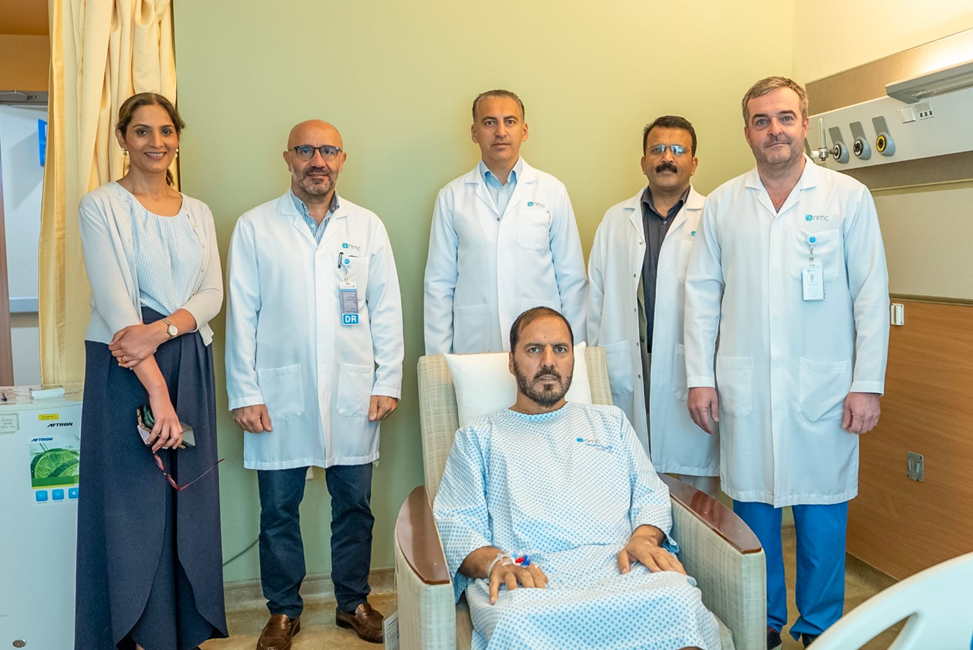
A 49-year-old Pakistani expat makes a remarkable recovery after surgeons at NMC Royal Hospital, Khalifa City, remove a 36cm tumour that had displaced several vital organs and was growing from his 12th rib into his abdomen.
Abu Dhabi, UAE – November 2026: A multidisciplinary surgical team at NMC Royal Hospital, Khalifa City, Abu Dhabi, has successfully removed an exceptionally rare cancerous tumour weighing 4.4 kilograms and measuring 36 centimetres in length from a 49-year-old Pakistani expatriate. The complex six-hour operation involved the removal of the massive tumour, which had grown from the patient’s 12th rib into his abdominal cavity, displacing several vital organs and posing significant surgical challenges.
The tumour, measuring 36 by 17 centimetres and weighing more than the average newborn baby, occupied almost the entire right side of the patient’s abdomen, extending from the diaphragm to the pelvis. Its extraordinary size had pushed the liver, stomach, intestines and other abdominal structures towards the opposite side of the body.
The case is particularly unusual because the cancer, which doctors say affects approximately one person in every two million annually, typically develops in the chest. In this patient, however, the tumour had grown into the abdomen, a presentation so uncommon that only a handful of comparable cases have been reported worldwide over the past three decades, according to the treating team.
The patient, a professional driver who has lived in the UAE since 2014, had previously worked as a farmer in Pakistan. With no significant medical history, he initially dismissed the discomfort he began experiencing on the right side of his abdomen approximately five months before seeking medical attention.
As the pain gradually intensified, he noticed a growing lump in his abdomen and experienced an unexplained weight loss of approximately eight kilograms. These symptoms eventually prompted him to seek medical advice.
Further investigations revealed the enormous mass occupying the right side of his abdominal cavity. Although doctors could not determine exactly when the tumour first developed, they believe it may have been growing silently for several years before symptoms became apparent.
Following comprehensive imaging and a detailed review by the hospital’s multidisciplinary tumour board, doctors confirmed that there was no evidence of cancer spreading to distant organs. Surgical removal was therefore recommended as the most appropriate treatment to give the patient the best possible chance of long-term survival.
However, removing a tumour of this magnitude presented considerable challenges. Its size, location and close proximity to major blood vessels and vital organs meant that even a small surgical complication could result in severe bleeding or potentially life-threatening injuries.
The surgical team was led by Dr Hassan Elberm, Consultant General and Hepatopancreatobiliary (HPB) Surgeon, alongside Dr Sharath Krishnan, Consultant Surgical Oncologist; Dr Haitham Gibbawi, Consultant Vascular Surgeon; Dr Juan Tova, Consultant Urologist; and Dr Ahmad Kamal, Consultant Anaesthetist.
During the six-hour procedure, surgeons carefully separated the tumour from surrounding structures while protecting major abdominal blood vessels and other vital organs.
Because the cancer had invaded the right kidney, diaphragm and surrounding abdominal wall tissues, the surgical team had to remove the affected kidney, adrenal gland, part of the diaphragm and the right 12th rib along with the tumour. This extensive procedure was necessary to achieve complete tumour removal with appropriate surgical margins and reduce the risk of cancer remaining in the affected tissues.
Despite the complexity of the operation and the significant risk of major bleeding, the surgical team successfully removed the tumour with minimal blood loss. Although multiple units of blood had been prepared as a precaution, the patient did not require a blood transfusion.
Dr Hassan Elberm, who led the operation, said the unusual size and location of the tumour made the procedure particularly demanding.
“The biggest challenge was not simply the size of the tumour, but its relationship with several vital organs and major blood vessels. It occupied a substantial part of the abdominal cavity, leaving very limited space for surgical manoeuvring. Any injury to the surrounding structures could have resulted in serious complications, including life-threatening bleeding.
“We carefully planned every stage of the operation with specialists from different surgical disciplines and prepared for several possible scenarios. Fortunately, we were able to remove the entire tumour with minimal blood loss and without the need for a blood transfusion. Achieving this outcome in such a complex case was particularly encouraging.”
Following surgery, the patient was transferred to the intensive care unit for close monitoring under the supervision of Dr Kalpana Reddy and Dr Hossam Elshekh Ali.
His recovery progressed steadily, and he was transferred to the general ward after two days. Within four days of undergoing the major operation, he was able to walk and eat independently, marking an important milestone in his recovery.
He was discharged approximately one week after surgery, with no significant postoperative complications.
Microscopic examination of the removed tissue subsequently confirmed that the cancer had originated from the 12th rib and that the tumour had been completely removed.
Dr Elberm explained that removing the affected organs was an important part of achieving the best possible surgical outcome.
“When a tumour invades surrounding organs, removing only the visible mass may leave cancerous tissue behind. In this case, we needed to remove the affected structures together with the tumour to achieve adequate surgical margins. Although this was a major operation, we expect the patient to maintain a good quality of life, provided his remaining kidney functions normally and his recovery continues as planned.”
Six weeks after surgery, the patient had recovered well enough to travel to Pakistan to reunite with his family, marking a remarkable turnaround from the months of increasing pain and uncertainty that preceded his diagnosis.
He will continue to undergo regular outpatient follow-up and surveillance imaging, with further treatment to be determined according to his clinical progress and the recommendations of the multidisciplinary oncology team.
The successful procedure highlights the importance of early medical evaluation for persistent abdominal symptoms, particularly unexplained swelling, increasing abdominal pain, palpable lumps and unintentional weight loss.
Although abdominal discomfort is common and frequently caused by non-serious conditions, doctors emphasise that persistent or progressively worsening symptoms should not be ignored.
The case also demonstrates the importance of coordinated multidisciplinary care in managing rare and complex cancers, where surgical oncology, vascular surgery, urology, anaesthesia and intensive care specialists must work together to minimise risks and improve patient outcomes.
For the patient, the successful operation has meant more than the removal of a potentially life-threatening tumour. It has allowed him to return to his family and resume his recovery after an exceptionally challenging medical journey.
ENDS


Fakeeh Health Brings Global Experts to Dubai to Explore the Future of AI and Robotic Surgery

Abu Dhabi Hosts Leading International Surgeons for 4th Emirates International Colorectal Congress

Saudi German Health UAE Joins Global Leaders of Military Medicine at ICMM Abu Dhabi 2026, Showcasing UAE Healthcare Excellence on the World Stage

Araghchi, Oman Sultan discuss transit, stability in Muscat

UAE’s café culture keeps growing despite price pressure

Netflix to Livestream BTS Comeback Concert
-
 politics7 months ago
Araghchi, Oman Sultan discuss transit, stability in Muscat
-
 UAE11 months ago
UAE’s café culture keeps growing despite price pressure
-
 Entertainment10 months ago
Netflix to Livestream BTS Comeback Concert
-
 Discover10 months ago
Is February 2026 really a once-in -283-years MiracleIn?
-

 Football11 months ago
Algeria, Burkina Faso, Côte d’Ivoire win AFCON 2025 openers
-
 Health11 months ago
NMC Royal Hospital, Khalifa City, performs rare wrist salvage, restoring function for young patient
-

 world6 months ago
Epstein files on display at New York pop-up exhibit, all 3.5 million pages
-

 Health1 year ago
Emirates Society of Colorectal Surgery Concludes the 3rd International Congress Under the Leadership of Dr. Sara Al Bastaki