
Events
Saudi Arabia’s Global Airports Forum (GAF) Receives 200 Nominations from 23 Countries for Airport Excellence Awards
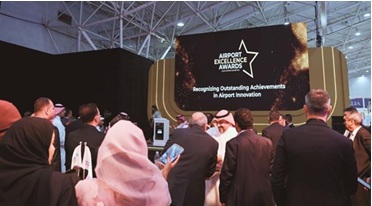
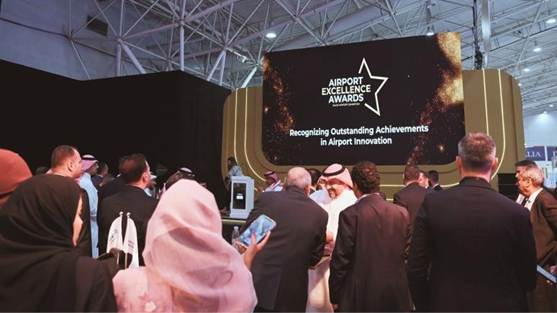
Riyadh to Host GAF on December 16–17 with 10 Categories Celebrating Global Aviation Innovation
Riyadh, Saudi Arabia, November 19, 2025: The Global Airports Forum (GAF), taking place in Riyadh on December 16 and 17, has received an impressive 200 nominations from 23 countries for the 3rd Airport Excellence Awards. Organized by Niche Ideas and held under the main sponsorship of Matarat Holding, GAF recognizes outstanding innovation, operational excellence, and industry transformation across the global aviation sector.
The impressive diversity of nominations underscores global recognition of the aviation industry’s role in addressing capacity, sustainability, security, and digital advancements. Notably, Saudi Arabia’s strong representation features companies including Al Khalejiah Catering, Almabani General Contractors, Alvest Arabia Equipment Services, Etihad Salam, MAFA, METCO, Samana Special Mission, and Saudi Scales and Equipment, in addition to regional branches of global leaders such as SITA, Surbana Consultants, UNITED ATS, and Black Arrow Trading and Services, highlighting the Kingdom’s commitment and contribution towards advancing the global aviation sector.
Held at the Riyadh International Convention and Exhibition Centre (RICEC), this 4th edition of GAF brings together aviation innovators, operators, and decision makers. The Airport Excellence Awards (AEA) will honor the best industry players across 10 distinct categories, including – Air Connectivity & Route Development, Airport Design and Infrastructure, Airport Retail & Commercial Partnerships, Airport Security, Airport Staff Training & Human Capital Development, Baggage Handling, Ground Support Solutions, Innovation and Technology, Passenger Experience, and Sustainability and Environment.
Daksha Patel, Event Director at Niche Ideas, remarked: “Despite having some legacy systems still in use, aviation has remained one of the world’s most innovative industries. GAF considers innovation as a key aspect of aligning with Saudi Arabia’s goals of aviation excellence and delivering a valuable experience to our attendees.”
She added, “The Airport Excellence Awards (AEA) recognize and showcase those game-changing’ ideas and technologies that are helping our industry remain at the forefront of progress. We are pleased that global aviation companies are able to use this platform to highlight these innovations and directly engage with key airport decision-makers to take their business growth to new levels.”
International nominees include aviation leaders Skyportz, ADB Safegate, Groupe ADP, IDEMIA Public Security, BEUMER Group, Adani Airports, GMR Airports,
Leonardo SpA, Daifuku Co., Ltd., Vanderlande, Plaza Premium Group, and
Datalogic S.P.A, amongst others, demonstrating the awards’ global appeal.
Saudi airports are seeing massive expansions and upgrade programmes to meet their exceptional future growth forecasts. In 2024, an all-time record-breaking 128 million passengers were handled by Saudi airports, a 15 percent year-on- year increase, alongside a 10 percent rise in flight activity, and a 34 percent boost in air cargo, to reach 1.2 million tonnes.
The Kingdom has plans to spend over US$100 billion in its aviation sector, including US$50+ billion for developing airports to become a global aviation hub connecting 250 destinations worldwide and attracting 330 million annual passengers and 4.5 million tons of cargo handling by 2030.
Saudi airports in January 2025 kicked off the world’s largest passenger flow tech rollout through an advanced LiDAR and passenger flow management solution. In October this year, Saudi Arabia also launched the region’s first Virtual ATC Tower at Al Ula Airport, to be managed remotely from Jeddah’s King Abdulaziz International Airport, more than 373 miles away.
Cirium, the world’s leading source of aviation analytics, in a report, Saudi Arabia Rising, noted: “There have been many ground-breaking announcements coming out of Saudi Arabia in the past two to three years about new investments and
initiatives.” The country’s Airport Operations market size is projected to reach US$352 million by 2030. Unveiled in 2016, Vision 2030’s goals include expansion and modernization of the airports and technological advancements across the aviation domains.
Global Airports Forum is the region’s largest B2B airport industry platform that will feature over 250 exhibitors from 100+ countries, along with 8,000+ participants. GAF 2025 will see four new features: Future GSE Display, Airport Innovation Hub, Airport Innovation Trail and Startups Hub, alongside two international conferences, Airport Buyer Meetings Programme and the Airport Excellence Awards. The event’s business and knowledge enhancing platforms are being sponsored by a number of prominent international airports, airlines, ground handlers and global industry players.
Ends
For hi-res images, click HERE
For more press enquires please reach out to:
Lloyd Arceo
Email: lloyd@comcomea.com Mobile: +971 54 998 3113
Lean Abdel Latif
Email: lean@comcomea.com Mobile: +971 50 897 9332
About Niche Ideas:
Niche Ideas is a highly experienced, UK-based event management company specializing in developing and managing international conferences and exhibitions across the Middle East, North Africa, and South Asia. With a dedicated focus on connecting sellers and buyers across various industries, Niche provides unique and effective meeting platforms for its clients, designing and executing innovative event programmes and managing complex schedules and logistics to deliver memorable experiences for attendees.
The team has established strong contacts with regional governments and global industry leaders crucial to the success of its events and has worked with key GCC and international entities across several strategic regional initiatives, including Climate Change, Economic Diversification, Gender Balance, Job Creation, and Aviation Growth. In addition, the firm’s event management experience includes some of the region’s leading summits and exhibitions across aerospace, aviation, and hospitality. For more information, please visit www.nicheideas.net.
About Global Airports Forum:
Global Airports Forum is the premier airport development event in Saudi Arabia. Riyadh, Saudi Arabia – Global Airports Forum invites aviation industry professionals and enthusiasts to gather for a groundbreaking event to showcase the latest advancements in airport operations, build and installation, technology and IT, ground handling services, aviation support services, and air traffic control & airfield services. The event will take place from 16-17 December 2025 at the Riyadh International Convention and Exhibition Center (RICEC).
The exhibition will feature a wide range of companies from around the globe, each showcasing their latest products and services. Attendees will have the opportunity to interact with industry leaders, learn about the latest trends, and explore new technologies revolutionizing the aviation ecosystem.
The exhibition offers an excellent opportunity for those interested in the aviation industry to network, learn, and grow their businesses. The event promises to be a truly transformative experience for all who attend.
For more information on Global Airports Forum, please visit www.globalairportsforum.com
Events
Saudi Arabia declares successful completion of 1447 AH Hajj season
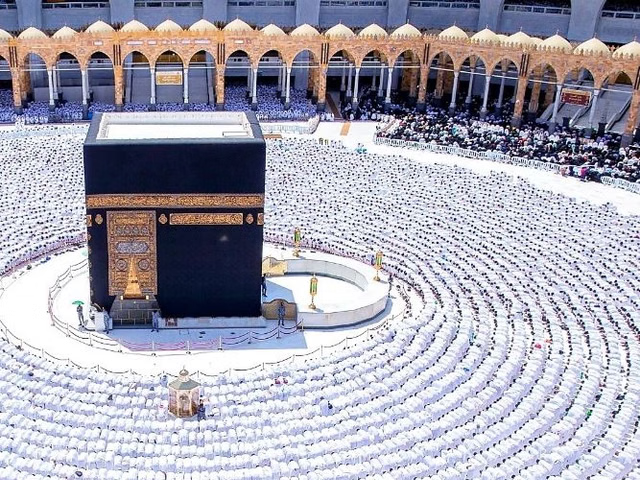
Saudi Arabia has declared the 1447 AH Hajj season a success, with officials praising the highly coordinated operation that enabled more than 1.7 million pilgrims to perform the annual pilgrimage in safety and comfort.
Prince Saud bin Mishaal bin Abdulaziz, Deputy Governor of Mecca Region and Deputy Chairman of the Permanent Hajj and Umrah Committee, announced the successful completion of this year’s pilgrimage on Friday, saying the season was supported by an integrated system of security, organisation and services that allowed pilgrims to complete their rituals with ease and reassurance.
The announcement came after pilgrims completed the main rites of Hajj, including standing at Arafat, spending the night in Muzdalifah and performing the stoning ritual in Mina.
Prince Saud said the success of the season was made possible through the support and guidance of Saudi Arabia’s leadership, alongside extensive preparations, resources and continuous monitoring of all stages of planning and implementation.
He said the pilgrimage reflected the Kingdom’s commitment to serving the guests of God and ensuring they are able to perform their religious duties in a safe, organised and well-managed environment.
“The Hajj season reflected the image of a nation working with sincerity and dedication to serve the guests of God,” Prince Saud said, adding that the holy sites witnessed a high degree of organisation and harmony that demonstrated the coordination among the various government agencies and institutions involved in the pilgrimage operation.
He also said this year’s Hajj highlighted Saudi Arabia’s ability to manage large crowds efficiently while providing pilgrims with an environment characterised by security, reassurance and care befitting the significance of the holy sites and the pilgrimage itself.
He added that the success of Hajj should not be viewed as the conclusion of the effort, but rather the beginning of preparations for future seasons, as Saudi authorities continue to work on maintaining the Kingdom’s position as a leading destination for serving pilgrims and the wider Muslim world.
Gulf News
COMMUNITY
Sheikh Mohammed congratulates Dr Nabil Seidah on Arab Minds 2025 Medicine Award
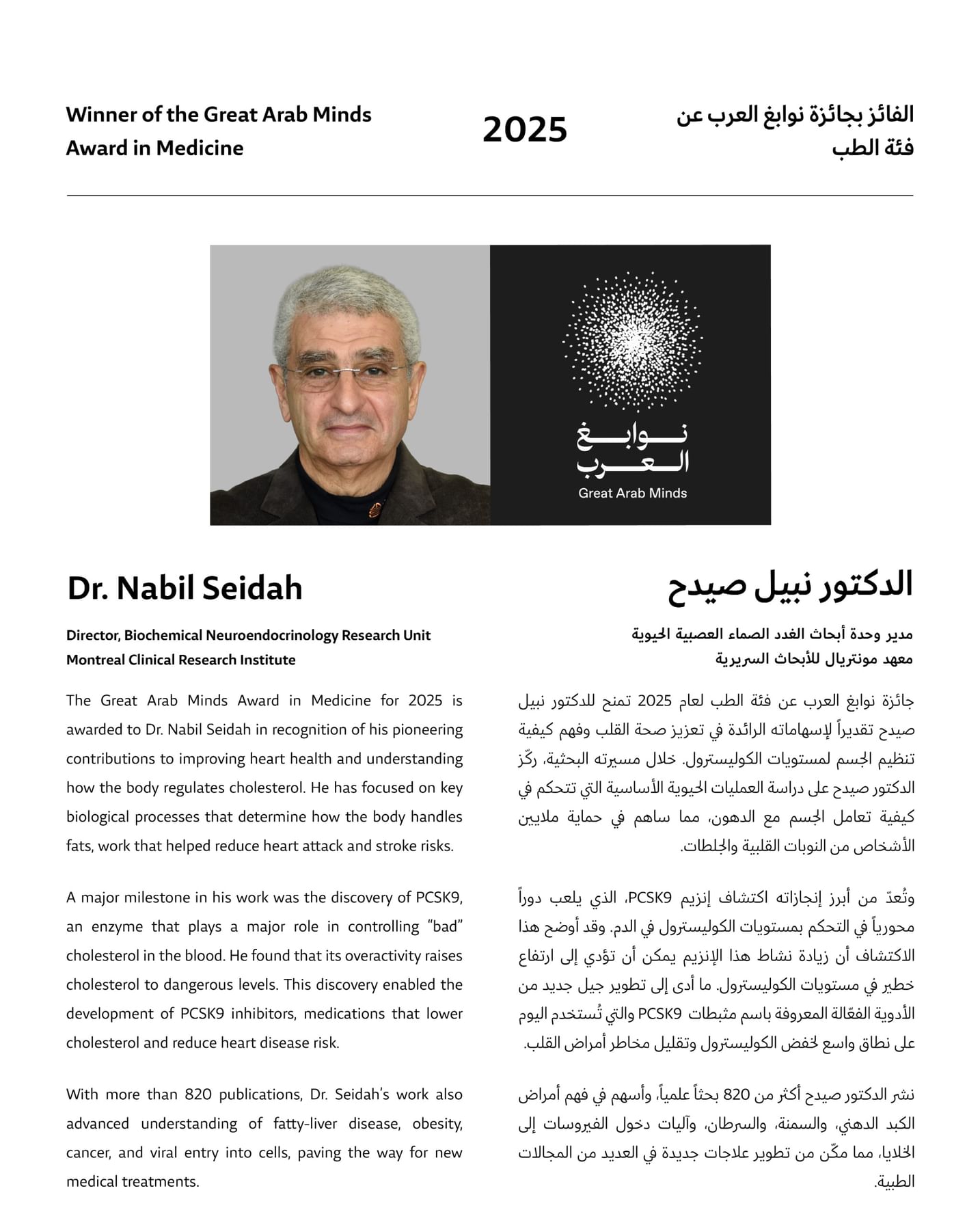
His Highness Sheikh Mohammed bin Rashid Al Maktoum, Vice President, Prime Minister and Ruler of Dubai, congratulated Dr Nabil Seidah on receiving the Great Arab Minds 2025 award in the medicine category.
His Highness said the Arab world has a long record in medical science and that exceptional Arab talent continues to advance medical progress today.
His Highness wrote on X, “We congratulate the winner of the Great Arab Minds award 2025 in medicine, Dr Nabil Seidah, from Egypt’s scientific community, Director of Biochemical Neuroendocrinology Research Unit at Clinical Research Institute of Montreal (IRCM).
“He made pioneering scientific contributions to understanding heart health and cholesterol regulation, focusing his studies on the biological processes that control how the body processes fats. This contributed to the development of a new generation of drugs widely used today to lower cholesterol and reduce the risk of heart disease. He published more than 820 scientific papers, and his research has been cited more than 71,000 times.”
His Highness added, “Medicine is a humanitarian mission, and our region has contributed for centuries to the development of medical sciences, practices, tools, and research. Today’s and tomorrow’s generations are capable of continuing this vital journey for humanity.”
Great Arab Minds is a strategic initiative launched by His Highness Sheikh Mohammed bin Rashid Al Maktoum to recognise outstanding Arab talent across six fields, including medicine, engineering and technology, natural sciences, architecture and design, and economics.
The initiative aims to renew the Arab region’s contribution to global knowledge and scientific progress.
The 2025 Medicine Award was presented to Dr Seidah, Director of the Neuroendocrine Biochemistry Research Unit at the Montreal Clinical Research Institute, for his contributions to heart health and cholesterol regulation. His research focuses on the biological processes that govern how the body manages fats and has helped protect millions from heart attacks and strokes.
Among his most notable achievements is the discovery of the PCSK9 enzyme, which plays a central role in controlling blood cholesterol levels. This breakthrough showed that increased activity of the enzyme can lead to high cholesterol, enabling the development of PCSK9 inhibitors, a class of medicines now widely used to lower cholesterol and reduce cardiovascular risk.
Dr Seidah has published more than 820 studies, cited over 71,000 times. In addition to his work on heart health, he has contributed to research on fatty liver disease, obesity disorders, cancer prevalence, and the mechanisms through which certain viruses enter human cells. His findings have supported the development of new treatments across multiple medical disciplines.
Mohammed bin Abdullah Al Gergawi, Minister of Cabinet Affairs and Chair of the Higher Committee for the Great Arab Minds initiative, informed Dr Seidah of his win during a video call. He commended his research, noting its impact on the development of new medicines and specialised treatments that apply advanced scientific methods, data, and technology.
Al Gergawi said, “The launch of the Great Arab Minds initiative by His Highness Sheikh Mohammed bin Rashid Al Maktoum, the largest of its kind in the region, recognises Arab innovators and achievers who have made significant contributions to the advancement of science and human development. Dr Nabil Seidah is among these distinguished scientists and doctors who have dedicated their lives to improving public health and introducing new treatment and prevention approaches that have marked a new chapter in medical science.”
The 2025 committee included Dr Amer Sharif, CEO of Dubai Health and President of Mohammed Bin Rashid University of Medicine and Health Sciences; Prof Elias Zerhouni, Professor Emeritus at Johns Hopkins University; Prof Alawi Sheikh Ali, Director General of Dubai Health Authority; and Prof Huda Akil, Professor of Neuroscience in the Department of Psychiatry at the University of Michigan Medical School.
Great Arab Minds is the largest initiative of its kind in the Arab world. It highlights the achievements of leading Arab specialists and aims to encourage the next generation to play an active role in scientific and intellectual progress.
Now in its third edition, the initiative provides the highest regional recognition across six key disciplines, supporting scientific, intellectual, cultural, and creative productivity in the Arab world.
It has become a leading platform that empowers a new generation of scientists, doctors, engineers, innovators and inventors, highlighting the achievements of Arab minds whose contributions have gained global prominence.
WAM
Events
Saudi Arabia Declares Hajj 2025 the Best in 50 Years
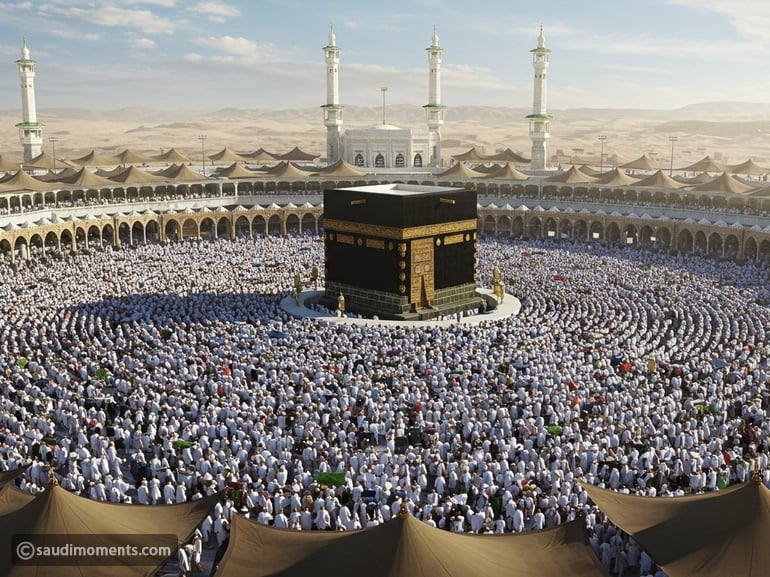
Saudi Arabia is calling Hajj 2025 the best in five decades—and they’ve got the numbers to back it up. Minister of Hajj and Umrah Tawfiq Al-Rabiah announced that this year’s pilgrimage achieved an impressive 91% satisfaction rate, marking a major milestone in the Kingdom’s ongoing efforts to elevate the Hajj experience.
Speaking at the 5th Hajj Conference and Exhibition, held under the theme “From Makkah to the World”, Al-Rabiah said this year’s success reflects the country’s unified efforts and meticulous planning.
Big Names, Big Plans
Held at Jeddah Superdome and inaugurated by Deputy Emir of Makkah Prince Saud bin Mishaal on behalf of King Salman, the event brought together ministers, scholars, and speakers from over 150 countries.
Prince Saud highlighted how the Kingdom’s commitment to serving pilgrims—initiated by King Abdulaziz—remains stronger than ever. He credited the seamless organization of Hajj 2025 to the coordination among government agencies, calling it a reflection of Saudi Arabia’s “continuous dedication to comfort and care for visitors of the Two Holy Mosques.”
rom Faith to History
Adding a historical layer to the event, Prince Faisal bin Salman launched the first-ever History of Hajj and the Two Holy Mosques Forum, a collaboration with the Ministry of Hajj and Umrah and the Doyof Al Rahman Program.
The forum aims to document the evolution of Hajj—from ancient times to the modern Saudi era—using verified records and scientific research. Prince Faisal emphasized that the Hajj has always represented unity and devotion, symbolizing “humanity’s shared journey toward faith.”
Tech Meets Tradition
Minister Al-Rabiah also shared updates on Vision 2030-driven projects designed to enhance future pilgrim experiences. He revealed that preparations for the next Hajj season began right after the last day of Hajj, with 60% of contracts already finalized and half of the holy sites ready.
The Kingdom is also integrating AI technology into the Nusk app, which now has over 40 million users worldwide. The new “Nusk AI” feature aims to personalize pilgrim experiences and streamline digital services.
On top of that, 71 historical and cultural sites in Makkah and Madinah have been developed, attracting over 3 million visitors with a 95% satisfaction rate.
Building on the Momentum
The Jeddah conference—running until November 12—features 143 sessions and workshops focused on innovation, service quality, and cross-country collaboration. Several agreements and MoUs were signed to further improve technology, operations, and services for pilgrims.
With this year’s success being hailed as the best in 50 years, Saudi Arabia seems set on turning the Hajj experience into a model of both faith and future-forward efficiency.


Emirates Specialty Hospital Expands Cancer Care Services in Dubai with Opening of Dedicated Chemotherapy Unit

When Rheumatoid Arthritis Threatened Her Independence: How the Right Diagnosis Helped Her Get Her Life Back

Saudi German Hospital Dubai Launches Mental Health and Wellness Center for Children and Adolescents

Araghchi, Oman Sultan discuss transit, stability in Muscat

UAE’s café culture keeps growing despite price pressure

Netflix to Livestream BTS Comeback Concert
-
 politics6 months ago
Araghchi, Oman Sultan discuss transit, stability in Muscat
-
 UAE10 months ago
UAE’s café culture keeps growing despite price pressure
-
 Entertainment9 months ago
Netflix to Livestream BTS Comeback Concert
-
 Discover9 months ago
Is February 2026 really a once-in -283-years MiracleIn?
-

 Football10 months ago
Algeria, Burkina Faso, Côte d’Ivoire win AFCON 2025 openers
-
 Health10 months ago
NMC Royal Hospital, Khalifa City, performs rare wrist salvage, restoring function for young patient
-
 Health10 months ago
Bascom Palmer Eye Institute Abu Dhabi and Emirates Society of Ophthalmology Sign Strategic Partnership Agreement
-

 Health11 months ago
Emirates Society of Colorectal Surgery Concludes the 3rd International Congress Under the Leadership of Dr. Sara Al Bastaki