
Health
What you need to know before taking weight-loss drugs
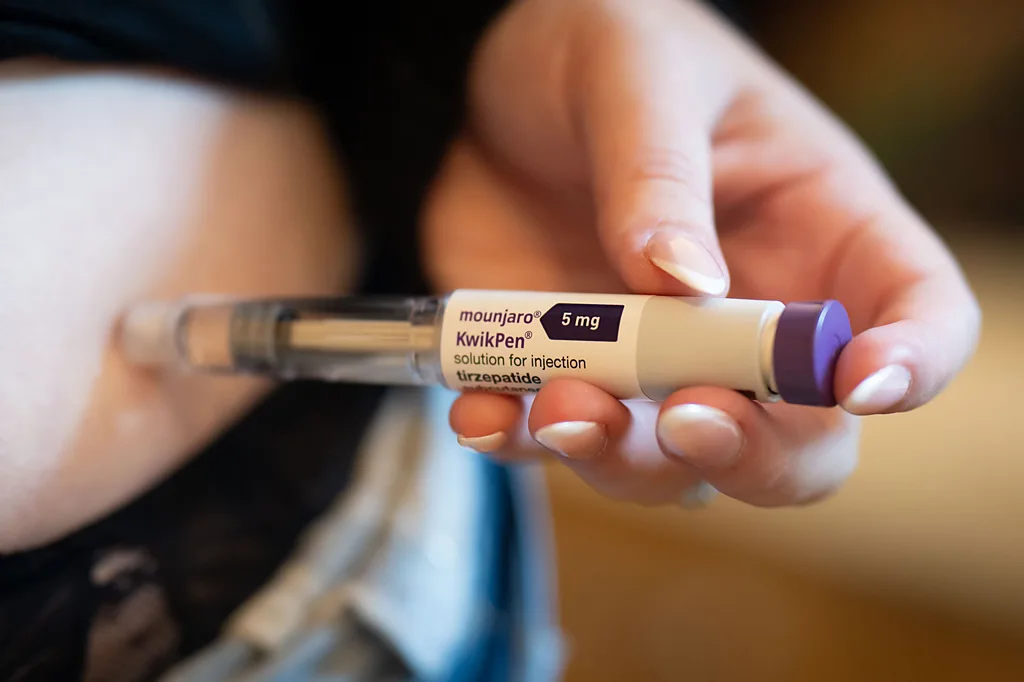
Weight-loss drugs are not the quick fix solution that many people believe, especially if you hope to keep the pounds off in the long-term.
Sarah Le Brocq has direct experience of the transformative effects of weight-loss drugs. She has lived with obesity for most of her adult life and tried numerous diets. “Anything that came out, I thought, ‘I’ll try that because that might work for me’.” Unfortunately, the weight always came back, she told the BBC’s Inside Health.
After taking weight-loss drugs for more than two years, she has lost almost eight stone (51kg/112lb). “All of a sudden I wasn’t thinking about food anymore,” she says. “I’ve just got more energy, I’m doing things I couldn’t do before… it’s kind of given me a new freedom in life again.”
Millions of people like Sarah are now accessing medications like semaglutide and tirzepatide, better known by their popular brand names Ozempic and Mounjaro. The numbers of people on weight-loss medication is only likely to increase as new drugs appear on the market too, including pills rather than the current jabs.
It’s clear that these drugs are opening up a new era in the treatment of obesity. The condition, is now a “mitigatable” issue, David Cummings, professor of medicine at the University of Washington tells me. “They are the closest thing I’ve seen to miracle drugs”.
Other academics, however, warn that we risk losing sight of the need for behavioural change, especially as weight tends to be regained quickly when people stop taking the drugs.
So what should anyone planning to use weight-loss medication consider before they start?
How they work
Weight-loss drugs work by suppressing an individual’s appetite by mimicking hormones that tell our body when it is full. The most common are known as glucagon-like peptide 1, or GLP-1, and glucose-dependent insulinotropic polypeptide, or GIP.
The drugs bind to specialised molecules on the surface of our cells known as GLP-1 and GIP receptors, which play a key role in telling our body when it has had enough food.
Typically someone taking these drugs will begin to lose weight within the first few weeks. Although the drugs are only approved for weight loss in people with obesity, there is a rapidly growing private market for those not considered clinically obese.
Their popularity has been rising because they are extremely effective, with weight loss of between 14-20% in 72 weeks. But about 10-15% of people lose very little weight, so called “non-responders“.
GLP-1s are like “a chemical shield” that protects individuals against our “modern obesogenic environment, filled with cheap, calorie-dense foods”, says Naveed Sattar, a professor of cardiometabolic medicine at the University of Glasgow and leads the UK Government’s Obesity Healthcare Goals programme. He has also consulted on medical trials with several companies who produce weight-loss drugs but does not own any shares.
“There’s food everywhere,” he says – and within half an hour anyone “can pick up the phone and order 10,000 calories of food”.
If you stop, you’ll gain weight
If someone living with obesity starts to take weight-loss drugs, they need to consider that they may be on the drug long-term, says Cummings, who runs a weight management programme for individuals with obesity who have BMIs of 50 and above.
A common question he is asked by his patients before they start taking a weight-loss drug is how long they will be on it. Typically, they stop taking the drugs after about a year, he says. One analysis of scientific studies involving more than 9,000 patients indicated the average treatment duration was 39 weeks. People believe they can continue to lose weight using their willpower, he says, but the evidence suggests that is not the case.
People stop for various reasons, either due to the expense of treatment, their insurers stopping coverage or individuals not wishing to be on drugs for a prolonged period of time, Cummings has found.
And when people do stop the drugs, their weight tends to rebound. A recent study found that weight regain happens up to four times more quickly after stopping weight-loss drugs compared to someone ending a weight-loss programme that focuses on changing their behaviour.
Another study found that those on weight-loss drugs gained 1.5kg (3.3lbs) eight weeks after they stopped the medication, with their weight continuing to climb with the more time that passed. The same study also found that other health concerns, such as high blood pressure, also returns. New research has also found that people who stop taking weight-loss drugs gain back around 60% of the weight they lost a year later.
It returns quickly because of something researchers call “food noise“, which consists of persistent and intrusive thought around food, says Sattar.
Hormones play a role too. When an individual tries to lose weight, it triggers a powerful hormonal response that tells your body to regain the weight you lost. Cummings explains that because of this, the brain interprets a calorie drop as an energy deficiency, so after stopping weight-loss drugs, hormones that stimulate appetite increase while the rate at which you burn energy – the metabolic rate – decreases. “If these biological defences are strong enough, they can blunt the drug’s effectiveness,” he says.
Lifestyle change
Sattar has observed that for a small proportion of people who make lifestyle changes, it may be possible to reduce the dose or use the drug intermittently instead. Some really do make “fundamental changes in their diet”, he says.
“Others might need it at a lower dose than they would when they started. But the majority will probably still need some dose of the drug because the [food] environment is still the same.”
There’s also increasing concern that individuals are taking weight-loss medication as a substitute for making life-style changes – even though evidence shows that modifying lifestyle in combination with weight-loss drugs is what will lead to greater weight loss.
Experts have recently cautioned in a scientific review of the evidence that when there’s a lack of behavioural and lifestyle support for those on weight-loss drugs, it can leave individuals vulnerable to nutritional deficiencies. “We need to make sure people are getting enough protein and are getting all the vitamins and minerals they need,” says Marie Spreckley a nutrition and behavioural scientist at Cambridge University and lead author of the report. “You don’t want to have longer-term unintended consequences, like frailty and muscle loss. We don’t want to replace one health concern with another.”
Because these medications cause a dramatic appetite reduction, patients tend to eat less overall, she and her colleagues note. This can lead to a “missed opportunity” if patients are not supported long-term and their food choices remain poor.
No quick fix
The World Health Organization has therefore stated that medication alone won’t “reverse the obesity challenge”. Early interventions, screening and creating healthier environments are also needed, the organisation has stated in its guidelines on using GLP-1 drugs.
This is easier when people are still taking the drugs, Sattar says. “You have more mental space to think about your diet.”
But behavioural change is extremely challenging, says Amanda Daley, a professor of behavioural medicine at Loughborough University in the UK. She says there needs to be better communication with patients about how quickly they can regain weight once they stop taking GLP-1 medication.
Obesity is a chronic, relapsing condition, she says, which means it cannot be “cured” with a drug alone. That’s why additional support and “wraparound care” is key to ensure patients make dietary changes as well as increasing their physical activity.
It’s unclear whether private providers are providing this crucial additional support, she says, which she finds concerning since so many people access the drugs privately and it is hard to monitor continuation of care.
Micro-nudges help change behaviour
To overcome some of this – researchers at Stanford have looked at how they can help support and encourage lifestyle changes. In one recent study, researchers tested whether small nudges – or “microsteps” – could help encourage healthy behavioural change for those taking GLP-1 medications.
The tiny changes focused on nutrition, physical activity, sleep and stress management. Crucially, the microsteps were small and manageable, such as swapping sugary drinks for water, no longer drinking coffee after lunch, taking a deep breath when stressed or popping outside for five minutes.
They found these helped improve behavioural expectations. It’s this “expectation” that’s a first necessary step for behavioural change, says Maya Adam, a clinical associate professor of paediatrics at Stanford School of Medicine, who was involved in the study.
“Achieving your best health involves a lot more than pharmacotherapy alone,” she says. “We found that giving people these little nudges may be very effective.” She calls these steps “too small to fail” because even small daily changes and habits make a real difference over time.
Side-effects
These kind of interventions are crucial to help give people the tools they need to enact change, Daley says, especially considering the known side effects. These include gastrointestinal issues. There has also been an observed increase in pancreatitis and gallstones. Muscle loss is another concern, especially among individuals who are not exercising. Recently a study found links to bone and joint conditions too.
While we now have several years of data on the effectiveness of GLP-1 drugs, we don’t yet know what the long-term outlook will be or whether the results will wear off over time. There is also a lack of data on how these drugs affect pregnancy outcomes or future generations, as the advice is not to take weight-loss drugs during pregnancy.
But given the negative health outcomes for those living with obesity, the side effects pale in comparison, both Sattar and Cummings say. This is particularly the case for individuals with multiple weight-related conditions. Heart disease, cancer and stroke are the leading causes of death worldwide – and all are linked to obesity.
A changing landscape
What is clear is that the landscape for weight-loss medication is rapidly evolving.
There are other health benefits too beyond weight loss. In one major study involving two million people, the drugs were linked to better heart health, fewer infections, lower risk of drug abuse and lower incidences of dementia. It’s also been shown to improve sleep apnoea, arthritis and substance abuse.
BBC
Health
Pride of the Nation: World Doctors’ Day – A Tribute to Messengers of Humanity and Their Role in Safeguarding Community Health

Dubai, March 30, 2026: The UAE Frontline Heroes Office reaffirmed its participation in the global celebrations of World Doctors’ Day, observed annually on March 30, in recognition of the noble humanitarian role doctors play around the world and their essential contributions to protecting human health and enhancing quality of life.
The Office highlighted that World Doctors’ Day represents a distinguished occasion to honor the efforts of physicians and celebrate their noble mission, which goes beyond the boundaries of the profession to embody deep human values rooted in compassion, dedication, and responsibility. It also serves as an opportunity to shed light on the vital role doctors play in building resilient and healthy societies capable of facing challenges and preserving lives under all circumstances.
The Frontline Heroes Office expressed its deep appreciation and pride in the doctors of the United Arab Emirates—true heroes on the frontlines—who continue to perform their duties with the highest levels of competence and dedication, particularly amid ongoing challenges. Their unwavering commitment reflects the highest standards of professionalism and humanity, embodying the spirit of national responsibility that defines UAE society.
The Office further emphasized that healthcare professionals stand at the forefront of protecting the community, and that their efforts are a cornerstone in ensuring the sustainability and readiness of the healthcare system. Supporting and recognizing them strengthens their ability to continue delivering their noble mission with excellence.
In this context, Dr. Kishan Pakkal, CEO of International Modern Hospital, said:
“On World Doctors’ Day, we are reminded that healthcare is not just a profession—it is a profound responsibility toward humanity. Across the UAE, doctors continue to exemplify resilience, compassion, and excellence, standing at the forefront of safeguarding our communities. At International Modern Hospital, we take immense pride in our doctors who consistently uphold the highest standards of care while embodying the nation’s vision of placing people and wellbeing at the heart of progress. Today, we celebrate not only their clinical achievements, but their unwavering commitment to life, dignity, and hope.”
Dr. Rohit Kumar, Medical Director & Specialist General Surgeon at International Modern Hospital, Dubai, added:
“Being a doctor is a lifelong commitment to healing, service, and trust. On this World Doctors’ Day, we honor the dedication of healthcare professionals who go beyond medicine to touch lives with empathy and integrity. In the UAE, we are privileged to be part of a healthcare ecosystem that empowers doctors to deliver world-class care while staying deeply connected to the communities we serve. Every patient interaction is a reminder of our purpose—to protect, to heal, and to make a meaningful difference every single day.”
In the same context, Dr. Mohammad Marouf, Consultant Plastic Surgeon at Quttainah Specialized Hospital, stated:
“The modern concept of healthcare is no longer limited to ‘treating illness’ alone, but has evolved to encompass the broader goal of ‘restoring quality of life.’ At Quttainah Specialized Hospital, we believe that every medical intervention—whether surgical or therapeutic—aims fundamentally to restore the balance between physical health and psychological wellbeing.
Through our daily medical practice, we strive to empower individuals to regain their confidence and vitality. The relationship between external appearance and internal satisfaction is deeply interconnected. This is where the importance of scientific and technological advancements in the UAE’s healthcare sector becomes evident, as it increasingly focuses on delivering precise medical solutions that ensure ‘safety and sustainability,’ while preserving each patient’s individuality.
At Quttainah, we believe that the true success of any medical team is not measured solely by the technical success of a procedure, but by the positive impact it leaves on a person’s life—its ability to open a ‘new chapter’ of confidence and optimism. Medicine, at its core, is a message of hope, and our mission is to harness knowledge and expertise to be partners in every patient’s journey toward recovery and wellbeing.”
The Frontline Heroes Office concluded by reaffirming that celebrating World Doctors’ Day reflects the UAE’s vision of placing people at the center of its priorities and fostering a culture of appreciation for all those who serve the community. Doctors will always remain a symbol of humanitarian giving and a model of dedication and sincerity in the service of life.
Health
NMC Royal Hospital Sharjah diagnoses hidden surgical condition behind severe vomiting after semaglutide
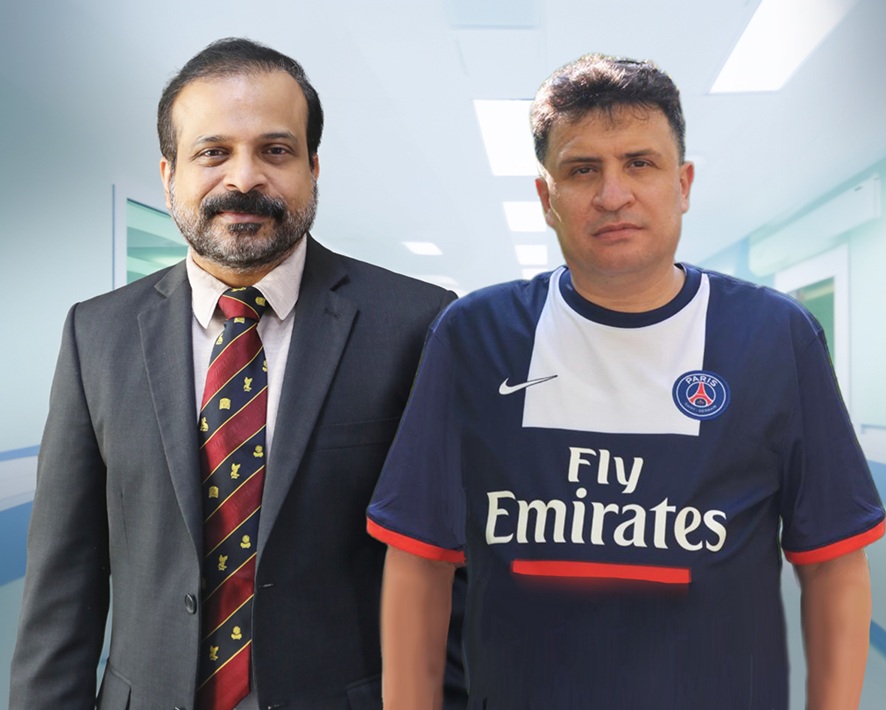
Sharjah: Doctors at NMC Royal Hospital Sharjah have successfully diagnosed and treated a rare congenital surgical condition in a 55-year-old man whose severe vomiting and rapid weight loss worsened after starting semaglutide, highlighting an important message for both clinicians and patients in the era of widely used diabetes and weight-management medications.
The patient, who had type 2 diabetes mellitus and was already on metformin, began experiencing progressive vomiting after meals over several months, along with significant unintentional weight loss. His symptoms became markedly worse shortly after the introduction of semaglutide, a GLP-1 receptor agonist commonly prescribed to improve blood sugar control and support weight reduction.
Because nausea, appetite suppression and weight loss are known side effects of semaglutide and similar medications, the patient’s condition could easily have been attributed to the drug alone. However, the severity and persistence of his symptoms prompted doctors at NMC Royal Hospital Sharjah to investigate further for an underlying structural cause.
Detailed imaging and diagnostic evaluation revealed that the patient had a partial annular pancreas, a rare congenital abnormality in which pancreatic tissue partially surrounds the duodenum. In this case, the condition had caused narrowing in the second part of the duodenum, resulting in gastric outlet obstruction and preventing food from passing normally from the stomach into the small intestine. He was also found to have symptomatic cholelithiasis, or gallstones.
Given the overlap between expected medication side effects and the patient’s worsening gastrointestinal symptoms, the case presented a significant diagnostic challenge. The medical team carried out extensive investigations, including CT scan, MRI, endoscopic ultrasound, duodenal biopsy, and repeated tumour marker testing, to rule out malignancy. These tests showed no evidence of cancer, despite initial concern due to the nature of the obstruction and the patient’s weight loss.
The case was managed by Dr Solomon John, Consultant Surgeon at NMC Royal Hospital Sharjah, who led the surgical team in planning a definitive intervention after the patient’s symptoms remained debilitating.
During surgery, doctors found a dilated first part of the duodenum transitioning to a narrowed second segment encircled by pancreatic tissue, confirming the diagnosis of annular pancreas. Importantly, no visible mass or metastatic deposits were identified. To avoid unnecessary radical surgery, the team performed an intraoperative frozen section biopsy, which confirmed that the tissue was benign.
With cancer excluded, the surgeons were able to avoid a pancreaticoduodenectomy (Whipple procedure) and instead proceed with a more appropriate and organ-preserving treatment. The patient underwent a Roux-en-Y gastrojejunostomy with jejunojejunostomy to bypass the obstruction, along with cholecystectomy to remove the gallbladder. Final pathology later confirmed benign pancreatic tissue with chronic fibrosis.
The patient’s postoperative recovery was uncomplicated. He gradually resumed oral intake, tolerated his diet well, and was discharged with scheduled follow-up.
Commenting on the case, Dr Solomon John, Consultant Surgeon at NMC Royal Hospital Sharjah, said:
“This case is a timely reminder that not every gastrointestinal symptom in patients taking GLP-1 receptor agonists should be assumed to be a routine medication side effect. When vomiting, weight loss, or upper gastrointestinal symptoms are severe or persistent, clinicians should investigate further to rule out an underlying structural problem. In this case, thorough evaluation and timely surgery allowed us to identify the true cause, avoid unnecessary radical resection, and provide the patient with the right treatment.”
This rare case also reflects an increasingly relevant issue in modern clinical practice. As GLP-1 receptor agonists such as semaglutide become more widely used in the management of both diabetes and obesity, physicians may encounter situations where these medications appear to intensify previously silent gastrointestinal conditions. Because GLP-1 therapies naturally delay gastric emptying, they may worsen symptoms in patients with an undiagnosed fixed anatomical obstruction, bringing an underlying disorder to clinical attention.
Doctors say the broader lesson is clear: persistent vomiting, severe digestive symptoms, or unexplained weight loss in patients taking these medications should not automatically be dismissed as expected side effects without proper investigation. Early diagnosis can uncover hidden disease, prevent malnutrition and complications, and ensure patients receive the most appropriate treatment at the right time.
The successful management of this case at NMC Royal Hospital Sharjah highlights the importance of a multidisciplinary approach, involving surgeons, gastroenterologists, radiologists and endocrinologists in evaluating complex presentations and guiding safe, individualized treatment decisions.
Health
First in UAE: Saudi German Hospital Dubai Performs Complex 3D Minimally Invasive Surgery to Remove 10cm Chest Tumor
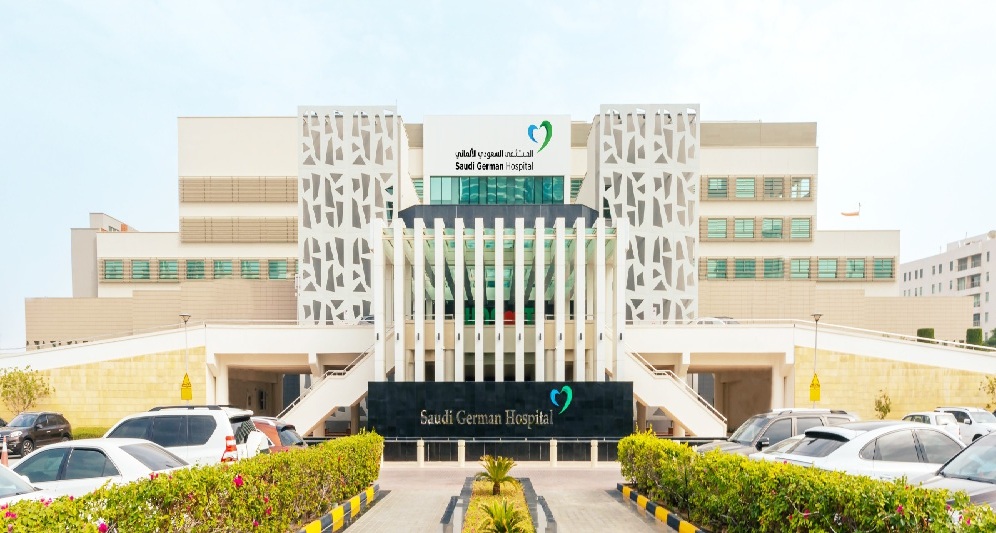
Dubai, UAE – 25 March 2026
Saudi German Hospital Dubai has successfully performed a highly complex minimally invasive cardiothoracic procedure using advanced 3D endoscopic technology, marking a significant milestone in the UAE’s healthcare landscape.
The procedure involved the removal of a large posterior mediastinal tumor measuring approximately 10 cm in a 37-year-old female patient. The mass was intricately positioned and closely associated with critical structures, including the left atrium, pulmonary artery, azygos vein, and thoracic descending aorta, while causing near-total compression of the esophagus.
Given the tumor’s size and proximity to major cardiovascular structures, such cases are widely considered among the most challenging in thoracic surgery and are typically managed through open surgical approaches in many leading international centers.
Despite these complexities, the surgical team at Saudi German Hospital Dubai successfully performed the operation using Video-Assisted Thoracoscopic Surgery (VATS), supported by a cutting-edge 3D endoscopy system.
The procedure was led by Dr. Bassil Al-Zamkan, Consultant and Head of Cardiothoracic Surgery, alongside a highly specialized multidisciplinary team. The surgery was completed within two hours, achieving complete tumor resection with minimal blood loss and no reported complications.
“This case demonstrates how far minimally invasive cardiothoracic surgery has advanced,” said Dr. Bassil Al-Zamkan. “Managing a tumor of this size and complexity—particularly with its proximity to major vascular structures—would traditionally require open surgery. With 3D visualization, we are able to operate with enhanced precision and depth perception, allowing us to achieve excellent outcomes while minimizing risk to the patient.”
The use of 3D endoscopic technology provided superior anatomical clarity and depth perception, enabling the surgical team to navigate safely around vital structures in a highly confined operative field.
The patient experienced a smooth postoperative recovery and was discharged in stable condition after five days. The minimally invasive approach contributed to reduced postoperative pain, smaller incisions, faster recovery, and improved overall patient experience.
Commenting on the achievement, Dr. Ahmed Eissa, CEO of Saudi German Health UAE, said:
“This milestone reflects our commitment to advancing surgical innovation in the UAE. By integrating 3D endoscopic technology into complex procedures, we enhance precision, reduce risk, and deliver better outcomes for our patients.”
Saudi German Hospital Dubai extended its appreciation to the multidisciplinary team, including anesthesiology, intensive care, nursing, and surgical support staff, whose coordination and expertise were critical to the success of this case.
This achievement underscores Saudi German Hospital Dubai’s position as a leading center for advanced cardiothoracic surgery in the region, continuing to push the boundaries of minimally invasive techniques in line with global best practices.
About Saudi German Hospital Dubai
Saudi German Hospital Dubai is part of Saudi German Health, one of the largest private healthcare groups in the Middle East, committed to delivering international standards of care through innovation, advanced technology, and clinical excellence.


What you need to know before taking weight-loss drugs

Should your next car be electric after the war?

Iranian drone targets ‘du’ telecom building in Fujairah

Is February 2026 really a once-in -283-years MiracleIn?

Algeria, Burkina Faso, Côte d’Ivoire win AFCON 2025 openers

NMC Royal Hospital, Khalifa City, performs rare wrist salvage, restoring function for young patient
-
Discover3 months ago
Is February 2026 really a once-in -283-years MiracleIn?
-
 Football3 months ago
Algeria, Burkina Faso, Côte d’Ivoire win AFCON 2025 openers
-
 Health3 months ago
NMC Royal Hospital, Khalifa City, performs rare wrist salvage, restoring function for young patient
-
 Health4 months ago
Bascom Palmer Eye Institute Abu Dhabi and Emirates Society of Ophthalmology Sign Strategic Partnership Agreement
-

 Health5 months ago
Emirates Society of Colorectal Surgery Concludes the 3rd International Congress Under the Leadership of Dr. Sara Al Bastaki
-

 Health5 months ago
Born Too Soon: Understanding Premature Birth and the Power of Modern NICU Care
-

 Lifestyle5 months ago
Saudi Arabia Lifestyle Trends 2025: What You Need to Know About Fitness, Wellness, Healthy Eating & Self-Care Growth
-

 Football4 months ago
Globe Soccer Awards 2025 nominees announced as voting opens in Dubai