
COMMUNITY
Tadweer Group, Umm Al Emarat Park break Guinness World Record
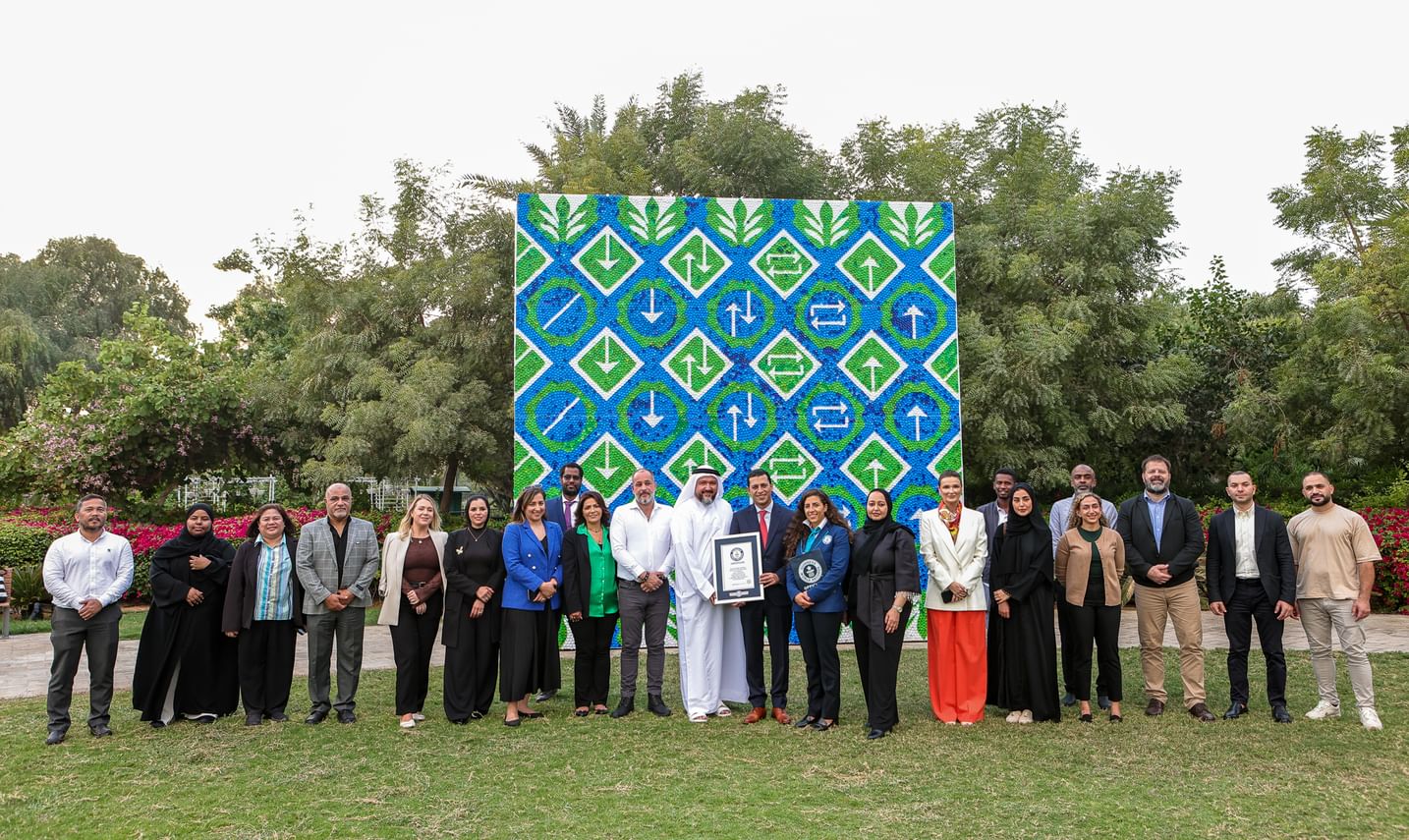
Umm Al Emarat Park and Tadweer Group have jointly set a new Guinness World Record for the largest recycled materials mosaic – a sustainability-focused artwork made from recycled plastic bottle caps.
This inspirational community accomplishment was recognised at a special award ceremony held at the Park on 18 December and attended by officials from Tadweer Group, Umm Al Emarat Park and Genius World record general adjudicators.
Earlier in December, Tadweer Group and the Park invited the community to take part in the world record attempt, encouraging them to harness their creativity while engaging with environmental issues. Guests were invited to place recycled plastic bottle caps onto a custom-made wall, creating an enduring mosaic modelled after universal recycling icons – and brought to life as one collective artistic masterpiece.
Launched in partnership with Tadweer Group, the initiative represented the final component of the “Cap Your Way to Sustainability” outreach campaign. The concept saw schools and community partners across Abu Dhabi collect plastic water bottle caps to encourage greater environmental awareness and responsibility.
Over two exclusive participation periods from 8-10 December, families, students and visitors helped to build the 25-square-metre recycled mosaic wall. The Park provided free entry during two time slots to encourage participation from the entire Abu Dhabi community, and as leading partner, Tadweer Group spearheaded the design, mosaic structure and many bottlecaps. A total of 24,846 bottlecaps were used in the mosaic’s creation, with 356 participants contributing over collective 18 hours during the initiative.
Abdulwahed Juma, Executive Director, Communications and Awareness, Tadweer Group, said, “Promoting a sustainable mindset is core to our mandate at Tadweer Group. With the support of our partners, including Umm Al Emarat Park, we can collectively raise awareness for maintaining a clean environment whilst also pushing forward our strategic ambition of diverting 80% of waste from Abu Dhabi landfills by 2030. The key for us is to help the community gain a stronger understanding that we are all responsible for how we manage our waste, and this is only the beginning for what we have planned.”
Rasha Kablawi, official spokesperson for Umm Al Emarat Park, said, “This achievement embodies the spirit of our community and the commitment to sustainability. While we were honoured to have achieved a Guinness World Record, the initiative is significant and reinforces the importance of protecting our environment through enhancing sustainable solutions and environmental innovative ideas to make our life healthier and more enduring. In the UAE’s Year of Community, we are pleased to see families and residents actively engage in an initiative that promotes environmental responsibility and collective impact. Sustainability is a cornerstone of our work at Umm Al Emarat Park and supporting Tadweer Group in its mission demonstrates the ways we can come together as a society and make a tangible difference for generations to come.”
Story by WAM
COMMUNITY
AlUla Club Marks International Day of the Arabian Leopard
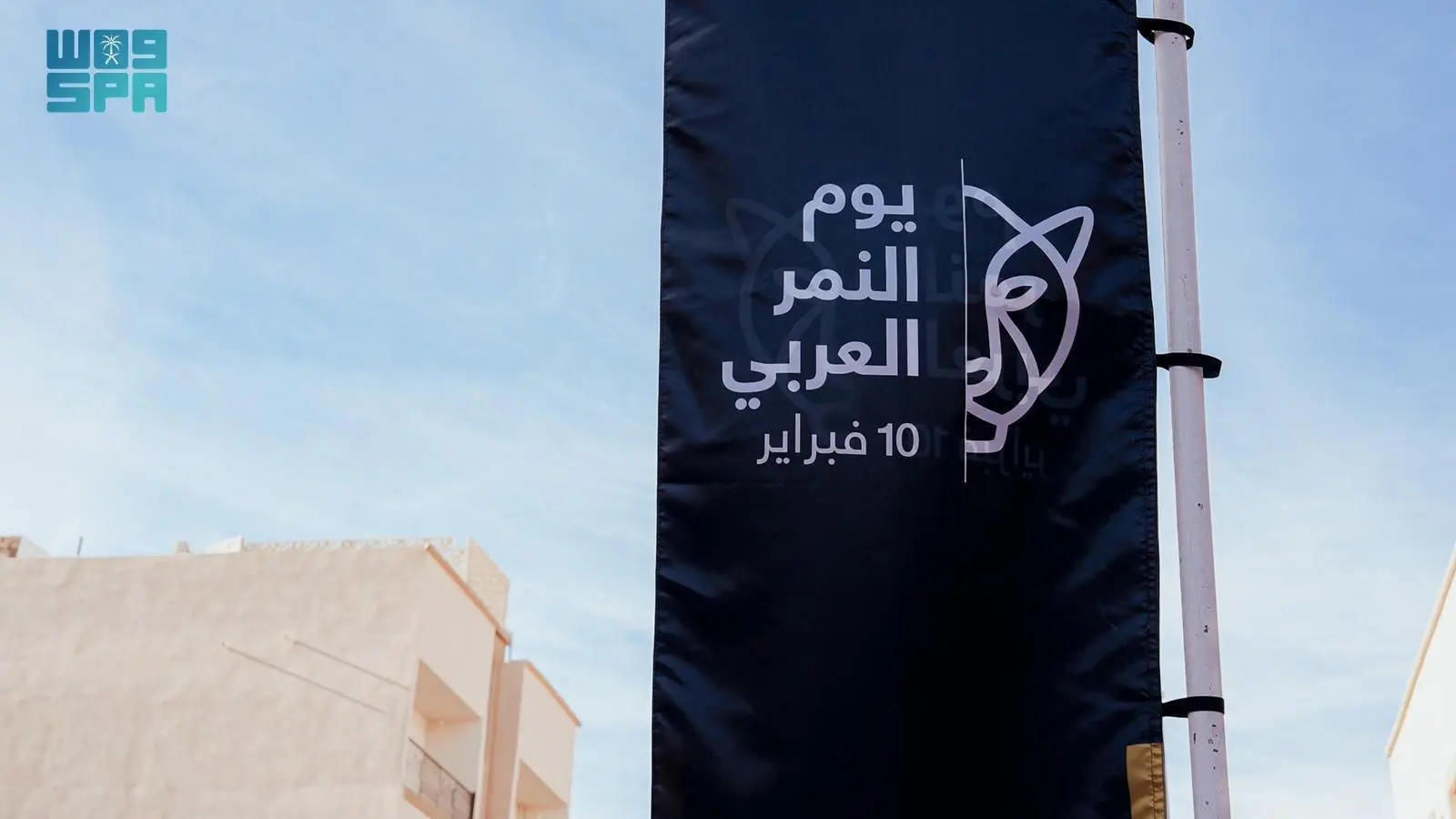
AlUla Club organized an awareness event yesterday to mark the International Day of the Arabian Leopard, with broad participation from residents of AlUla Governorate and visitors. The event is part of the club’s efforts to enhance environmental awareness and support wildlife protection initiatives.
The event aimed to educate youth and the community at large, and especially visitors to the governorate, about the importance of conserving biodiversity. It also sought to reinforce positive behaviors that support wildlife protection, underscoring the role of community initiatives in supporting national efforts to protect the environment, and sustain it.
— SPA
COMMUNITY
Saudi Arabia to issue passports for millions of camels
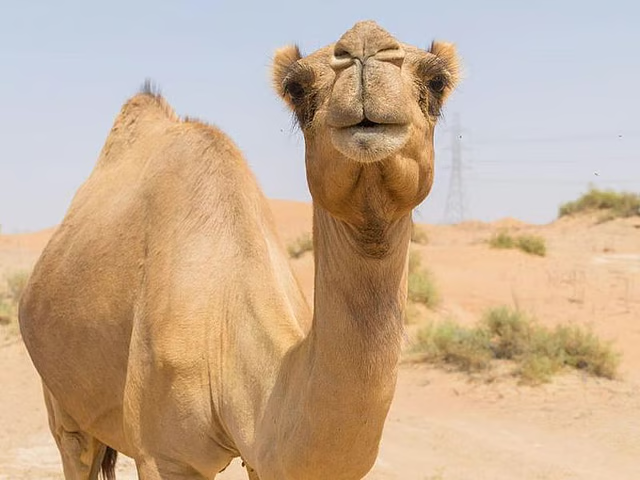
Saudi Arabia has announced plans to issue official passports for camels, a move aimed at better regulating and managing one of the kingdom’s most culturally and economically significant assets.
In a statement this week, Saudi Ministry of Environment, Water and Agriculture said the initiative would help improve oversight of camel ownership while enhancing ‘productivity and efficiency in the sector’ by creating a centralised and reliable reference database.
According to state-backed broadcaster Al Ekhbariya, the document will be used to regulate the sale, transport and trade of camels, while also helping protect owners’ rights and simplify proof of ownership.
Saudi authorities estimate that the kingdom is home to around 2.2 million camels, based on government figures released in 2024. The animals remain deeply embedded in Saudi society — historically as a primary means of transport and today as symbols of heritage, prestige and wealth.
In recent years, camels have also become central to a lucrative breeding and competition industry, particularly at large annual festivals such as the King Abdulaziz Camel Festival, where prize-winning animals can sell for hundreds of thousands of dollars.
That growing commercial value has prompted authorities to tighten oversight, especially after repeated scandals involving cosmetic manipulation of camels entered into beauty contests. Organisers have banned practices such as injections and fillers used to enhance lips, noses and humps, with offenders facing fines and disqualification.
Officials say the passport system is part of a broader effort to modernise agricultural governance while preserving traditional industries — using documentation, data and traceability to manage practices that once relied entirely on oral record and custom.
GN
COMMUNITY
Saudi Arabia suspends 1,800 foreign Umrah agencies after review
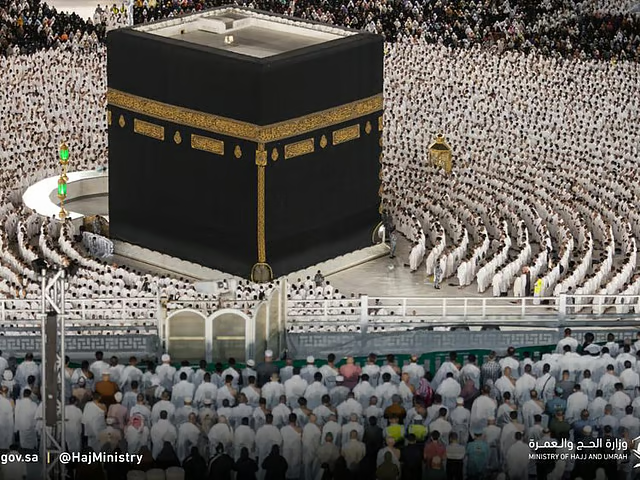
Saudi Arabia’s Ministry of Hajj and Umrah has suspended contracts with about 1,800 foreign travel agencies operating in the Umrah sector, giving them 10 days to rectify their status following a periodic performance review, the ministry said.
The affected agencies are among roughly 5,800 foreign firms authorised to provide Umrah services. The decision was taken after evaluations identified performance deficiencies and weak service quality, the Saudi Press Agency reported on Sunday
The ministry said the suspension applies only to the issuance of new Umrah visas and is intended as a regulatory measure to allow agencies to address classification issues and improve compliance with approved standards. Contracts will be reactivated once the requirements are met within the specified grace period, it added.
The ministry stressed that Umrah pilgrims holding valid visas or existing reservations will not be affected, confirming that services to them will continue without disruption.
Applying approved classification criteria and performance indicators is a core regulatory tool to raise compliance among service providers and ensure that services meet required standards, the ministry said, adding that protecting the rights of Umrah performers and ensuring service continuity remain central priorities.
Ghassan Alnwaimi, the ministry’s spokesperson, said regulatory action would be taken against any agency that fails to correct deficiencies by the deadline. He added that the ministry would continue to rely on monitoring and evaluation mechanisms to strengthen the reliability of the Umrah sector and safeguard pilgrims’ rights.
GN


Private Credit Investors Rush to Withdraw

UAE moves spring break for schools and universities

How Etihad Rail ferried 350+ UAE passengers back home with Saudi help

Is February 2026 really a once-in -283-years MiracleIn?

Algeria, Burkina Faso, Côte d’Ivoire win AFCON 2025 openers

Bascom Palmer Eye Institute Abu Dhabi and Emirates Society of Ophthalmology Sign Strategic Partnership Agreement
-
Discover1 month ago
Is February 2026 really a once-in -283-years MiracleIn?
-
 Football2 months ago
Algeria, Burkina Faso, Côte d’Ivoire win AFCON 2025 openers
-
 Health3 months ago
Bascom Palmer Eye Institute Abu Dhabi and Emirates Society of Ophthalmology Sign Strategic Partnership Agreement
-

 Health2 months ago
NMC Royal Hospital, Khalifa City, performs rare wrist salvage, restoring function for young patient
-

 Health4 months ago
Emirates Society of Colorectal Surgery Concludes the 3rd International Congress Under the Leadership of Dr. Sara Al Bastaki
-

 Football3 months ago
Globe Soccer Awards 2025 nominees announced as voting opens in Dubai
-

 Health4 months ago
Born Too Soon: Understanding Premature Birth and the Power of Modern NICU Care
-

 Health2 months ago
Decline in Birth Rate in the UAE