
Culture
RAK Ruler attends Candlelight concert at Ras Al Khaimah National Museum
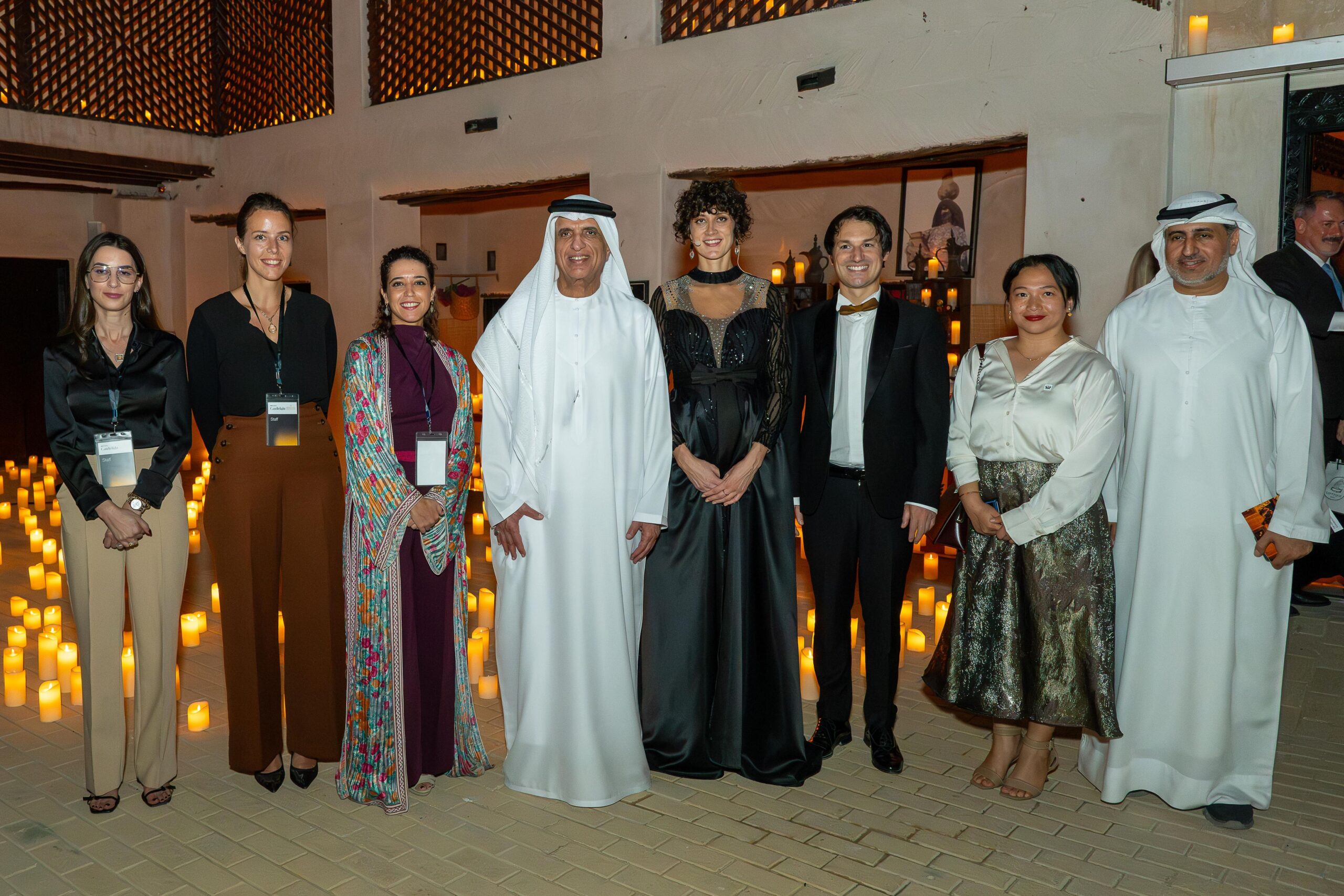
H.H. Sheikh Saud bin Saqr Al Qasimi, Supreme Council Member and Ruler of Ras Al Khaimah, today attended the Candlelight musical concert hosted at the Ras Al Khaimah National Museum.
The event was organised by the Sheikh Saud bin Saqr Al Qasimi Foundation for Policy Research, in collaboration with the Department of Antiquities and Museums in Ras Al Khaimah, and was attended by a number of ambassadors accredited to the UAE and senior officials.
H.H. Sheikh Saud stated that arts and music serve as a bridge that deepens human connection and communication, enhances dialogue and cultural diversity among nations, and inspires future generations to advance on their paths of creativity and innovation.
He noted that the emirate is keen to support artistic initiatives that reflect its ambitious future vision, convey its message to the world, and further establish the UAE’s position as a global model of openness, coexistence and diversity.
The Candlelight concerts form part of a global series overseen by the entertainment company Fever. The series aims to bring classical music to wider audiences through unique performances staged at prominent landmarks around the world, illuminated by thousands of candles.
The concert featured a distinguished operatic performance by soprano Ana Kovacevic, accompanied by Italian pianist Aldo Dotto. The duo presented selected pieces from renowned operatic and classical works, creating an enchanting musical atmosphere where voice and melody blended harmoniously with the glow of candlelight.
Attendees enjoyed an evening of refined artistic expression in the heart of the Ras Al Khaimah National Museum, one of the emirate’s most notable historical and cultural landmarks.
The setting provided a fabulous backdrop that highlighted the depth of the emirate’s cultural identity and underscored its role in supporting artistic initiatives that promote diversity and creativity within the community.
WAM
Culture
What is Hag Al Laila?
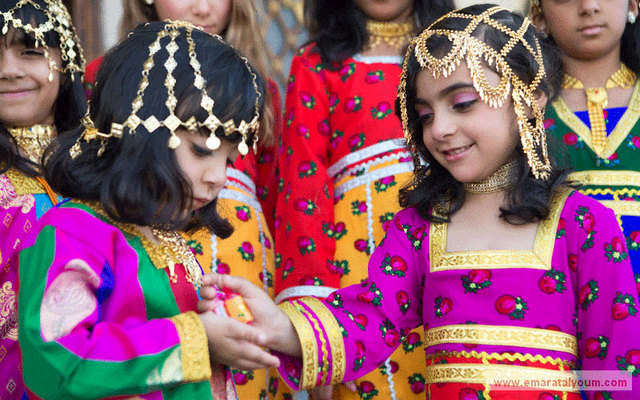
Fifteen days before Ramadan every year, children wear traditional clothes and carry colourful woven bags as they go door-to-door, singing in return for nuts and sweets. Hag Al Laila, which means “for this night”, usually begins after maghreb prayers and is a joyful way to remind communities that the holy month is just around the corner.
While popularly known as Hag Al Laila in countries including the UAE, the tradition is known by different names across the region. In Iraq, Kuwait, Qatar, Bahrain and some cities in Saudi Arabia, it is called gerga’aan and is celebrated on the 15th day of Ramadan instead. It is celebrated on the same day in Oman too, but is called qaranqasho.
Origins
While its actual origins are known, some trace the tradition to one of the earliest Ramadans, when Fatima, the daughter of the Prophet Mohammed, distributed sweets to people two weeks into the holy month. Others, however, suggest it predates Islam and could even be the basis for Halloween’s trick-or-treat tradition.
When is Hag Al Laila this year?
While the exact start of Ramadan will be dictated by the sighting of the new crescent moon, Ibrahim Al Jarwan, chairman of the board of directors of the Emirates Astronomy Society, told The National earlier that Ramadan was expected to begin on February 18.
This means Hag Al Laila would take place on February 3. However, some celebrations have already begun across the UAE. In Dubai, for example, bridges and lampposts have been decorated to mark the occasion. Malls in Abu Dhabi and Dubai have also launched a series of children’s activities, from traditional music performances to games and giveaways.
THE NATIONAL
Culture
Three Eid holidays in one year?
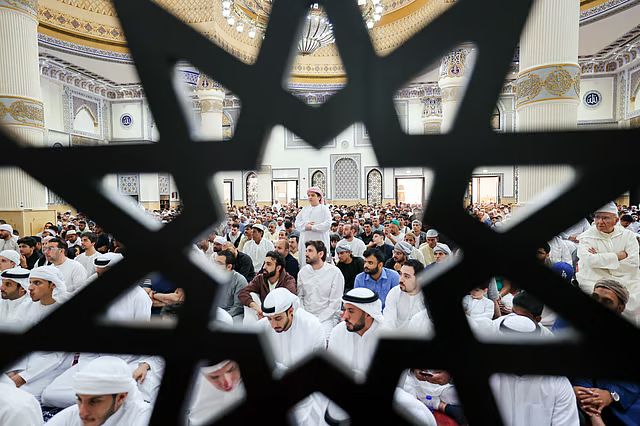
Residents in the UAE and the wider Muslim world are set to experience a rare astronomical alignment in 2039, with three Eid festivals falling within a single Gregorian calendar year.
According to renowned climate and astronomical expert Dr. Abdullah Al Misnad from Saudi Arabia, the unusual alignment stems from the way the Islamic lunar calendar gradually shifts against the solar Gregorian calendar, advancing by roughly 11 days each year.
Double Hajj and the Day of Arafat
The drift will lead to a remarkable convergence in 2039. The year will begin with the first Eid Al Adha falling on January 6, 2039, corresponding to 10 Dhul Hijjah 1460, the traditional culmination of Hajj and the major festival of sacrifice. But that won’t be the only one.
Nearly 12 months later, the lunar calendar will complete its full cycle again, and a second Hajj season will begin, culminating in another Eid Al Adha on December 26, corresponding to the 10th of Dhul Hijjah in the year 1461.
This means that two separate pilgrimages to Mecca will be performed within a single solar year, an exceedingly rare feat.
Even more unusual: both occasions will come with their own Day of Arafat, the spiritually charged day preceding the Eid, when pilgrims gather at Mount Arafat to pray.
Sandwiched between these two events will be Eid Al Fitr, expected to fall on October 19, 2039. Three Eids in a single year, two sacrificial and one celebratory, amount to an unparalleled spiritual cycle of fasting, pilgrimage, prayer, and festivity.
The lunar calendar’s shift is not limited to the Hajj season. Ramadan, the holiest month of fasting and spiritual reflection, will also experience a similar occurrence in the near future.
Two Ramadans in 2030
In 2030, Muslims will observe two Ramadans within the same Gregorian year, one beginning in January and another starting in December. This event will be the first double Ramadan in 33 years, following the last occurrence in 1997.
The Islamic Hijri calendar is based on the phases of the moon and consists of 354 or 355 days. The Gregorian calendar, which follows the solar cycle, consists of 365 or 366 days. This mismatch causes Islamic dates to shift earlier each year by approximately 10 to 11 days.
Gulf News
Culture
Al-Jouf to Launch 19th Olive Festival
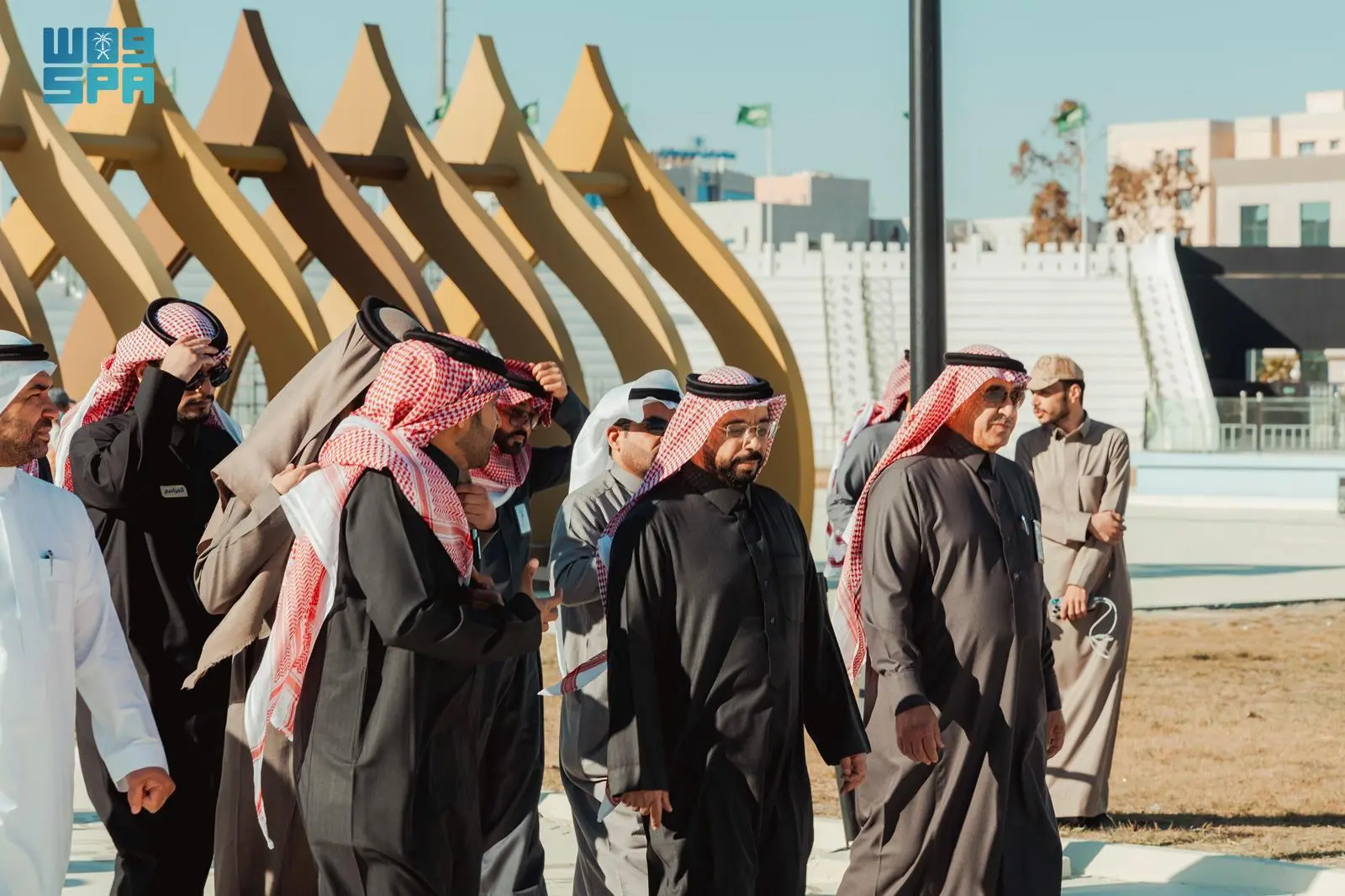
The digital media conference for the 19th Al-Jouf International Olive Festival 2026 unveiled today the highlights of the festival, showcasing innovative experiences that combine the richness of the olive world with the authenticity of Saudi culture.
Held annually under the patronage of Governor of Al-Jouf Region Prince Faisal bin Nawaf bin Abdulaziz, the festival, running from January 8 to 17 in Sakaka, will feature 45 olive farms, 10 agricultural companies, and participants from seven countries.
Secretary of the region and chairman of the festival’s higher committee Atef Al-Shar’an said that the festival helps empower farmers and promote the quality of olive oil locally and regionally.
This year’s festival will include a new operetta, an international olive kitchen with chefs from several countries, six play areas, and three musical zones.
— SPA


Private Credit Investors Rush to Withdraw
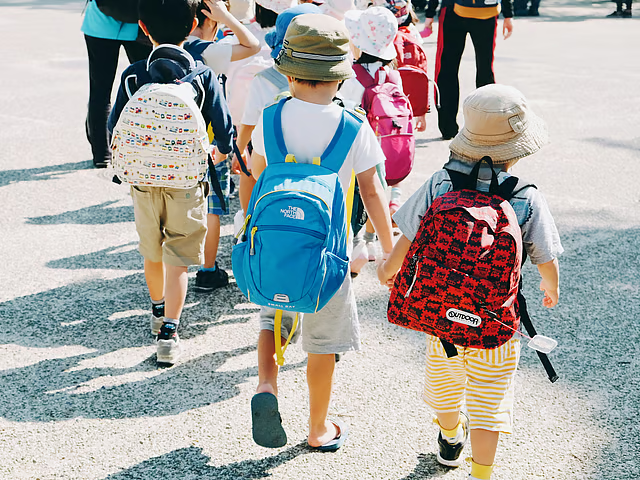
UAE moves spring break for schools and universities

How Etihad Rail ferried 350+ UAE passengers back home with Saudi help
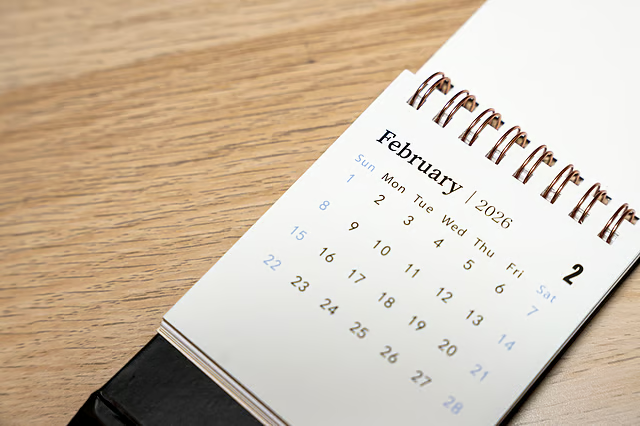
Is February 2026 really a once-in -283-years MiracleIn?

Algeria, Burkina Faso, Côte d’Ivoire win AFCON 2025 openers

Bascom Palmer Eye Institute Abu Dhabi and Emirates Society of Ophthalmology Sign Strategic Partnership Agreement
-
Discover1 month ago
Is February 2026 really a once-in -283-years MiracleIn?
-
 Football2 months ago
Algeria, Burkina Faso, Côte d’Ivoire win AFCON 2025 openers
-
 Health3 months ago
Bascom Palmer Eye Institute Abu Dhabi and Emirates Society of Ophthalmology Sign Strategic Partnership Agreement
-
 Health2 months ago
NMC Royal Hospital, Khalifa City, performs rare wrist salvage, restoring function for young patient
-

 Health4 months ago
Emirates Society of Colorectal Surgery Concludes the 3rd International Congress Under the Leadership of Dr. Sara Al Bastaki
-

 Health4 months ago
Born Too Soon: Understanding Premature Birth and the Power of Modern NICU Care
-

 Football3 months ago
Globe Soccer Awards 2025 nominees announced as voting opens in Dubai
-

 Health2 months ago
Decline in Birth Rate in the UAE