
Health
Saudi Arabia approve Anktiva for advanced lung cancer
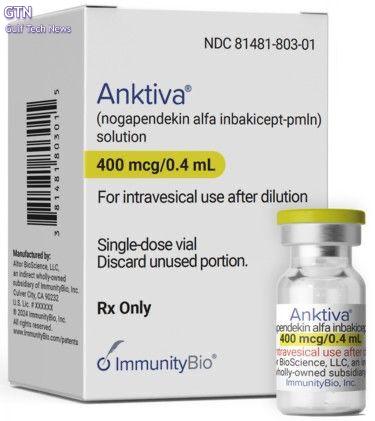
Saudi Arabia became the first country in the world to grant conditional regulatory approval for Anktiva as a treatment for advanced non-small cell lung cancer, according to the Saudi Food and Drug Authority.
The Saudi Food and Drug Authority has granted conditional approval for Anktiva (nogapendekin alfa inbakicept) to be used alongside immunotherapy in adults with metastatic non-small cell lung cancer whose disease has progressed despite prior treatment. It is the first regulatory authority worldwide to approve the drug for this indication.
In a parallel decision, the authority also approved Anktiva in combination with Bacillus Calmette-Guérin (BCG) for adults with high-risk, BCG-unresponsive non-muscle-invasive bladder cancer with carcinoma in situ, a group of patients with limited remaining options.
Anktiva works through a novel mechanism that targets the interleukin-15 (IL-15) receptor, stimulating the body’s immune defences by activating natural killer cells and key T-cell populations involved in fighting cancer, while avoiding the expansion of immune-suppressive regulatory T cells.
For lung cancer patients, the drug is administered by subcutaneous injection. In bladder cancer, it is delivered directly into the bladder, allowing treatment to be concentrated at the disease site.
The conditional approval for lung cancer was based on results from a single-arm clinical study involving patients who had failed one or more previous treatments, including immune checkpoint inhibitors.
The trial suggested a potential survival benefit, prompting regulators to allow the drug’s use while requiring a confirmatory study to verify long-term clinical benefit.
In bladder cancer, clinical trials showed a complete response rate of 62 per cent, with approval granted on the basis of this primary endpoint. Regulators said the results supported Anktiva as a meaningful new option for patients facing disease progression or radical surgery.
According to the SFDA, the most common side effects in bladder cancer studies included painful or difficult urination, blood in the urine, urinary urgency, elevated creatinine levels and urinary tract infections. Other reported effects included fever, chills, muscle and bone pain, and increased potassium levels.
In lung cancer trials, patients most frequently experienced injection-site reactions, fatigue, fever, nausea, chills, flu-like symptoms and reduced appetite.
GN
Health
Doctors at NMC Royal Hospital Sharjah Restore Vision of 65-Year-Old Man After Sudden Blindness Scare
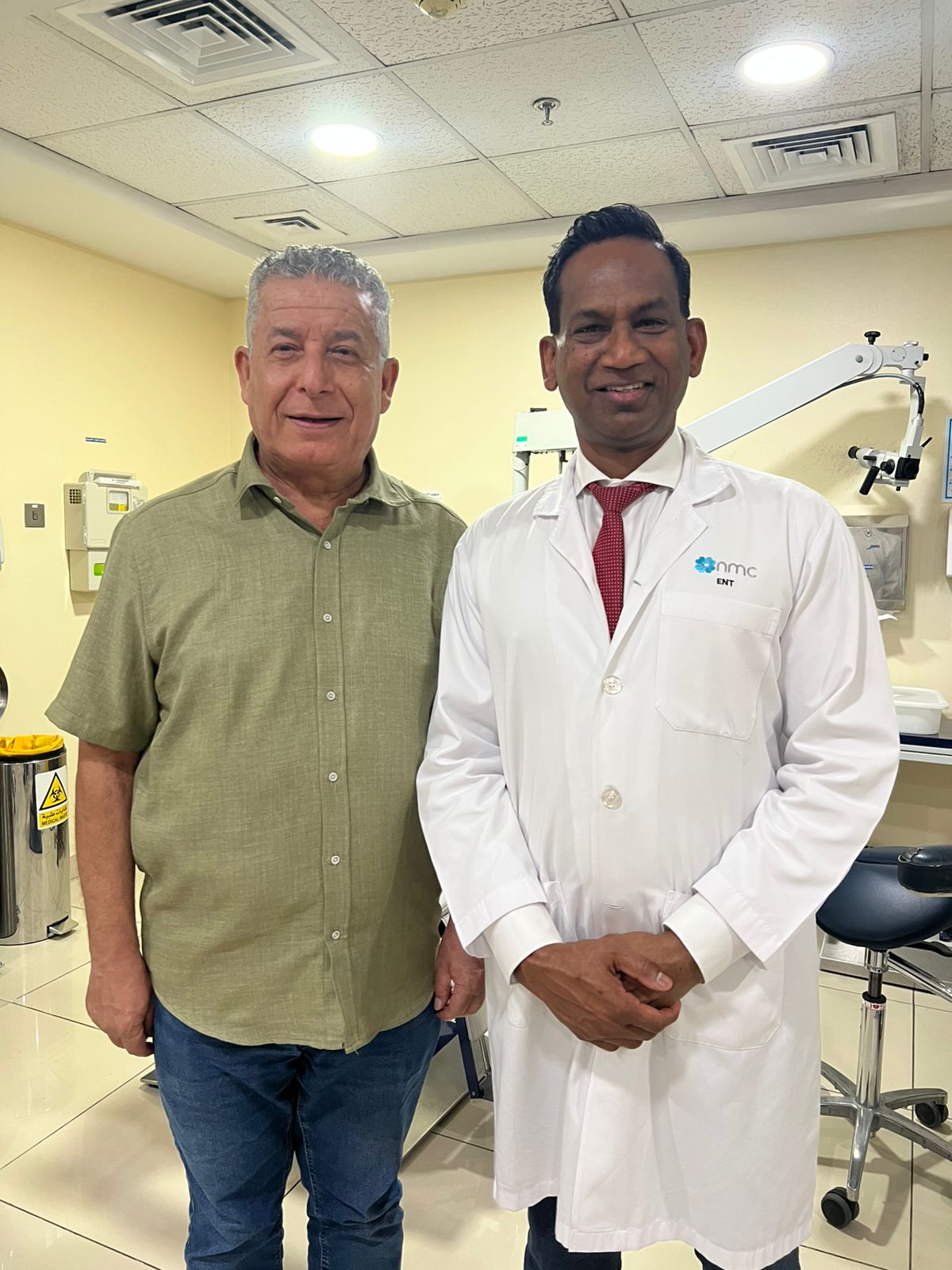
Sharjah, UAE – What began as a frightening medical emergency for a 65-year-old engineer ended with a remarkable recovery, thanks to the rapid diagnosis and coordinated care of specialists at NMC Royal Hospital Sharjah, who were able to restore his sight after he suddenly lost vision in one eye.
The patient arrived at the hospital in distress after experiencing an abrupt loss of vision in his right eye. Concerned that the condition could be related to a stroke or a neurological disorder, the medical team immediately initiated urgent investigations.
He was first evaluated by Dr. Sherif Mohamed Hussien, Neurologist, who ordered an emergency CT scan to determine the underlying cause of the sudden vision loss. While the patient feared a neurological emergency, the scan revealed an unexpected and potentially dangerous condition, a severe sinus infection.
Recognising the urgency of the situation, the patient was promptly referred to Dr. Ricardo Persaud (FRCS), Consultant ENT Surgeon, for further evaluation. During the clinical assessment, doctors observed that although the patient’s eye reflexes remained normal, there was a subtle bulging of the right eye, which raised further concern.
A detailed nasal examination uncovered the root of the problem: large nasal polyps, non-cancerous growths inside the nasal passages, along with a fungal sinus infection that was predominantly affecting the right side. Further analysis revealed that the infected sinuses were located extremely close to the eye and the optic nerve, the critical nerve responsible for transmitting visual signals to the brain.
The inflammation and pressure caused by the infection had begun to compress the optic nerve, leading to the sudden loss of vision.
Emergency Surgery to Protect the Optic Nerve
Given the high risk of permanent vision loss, the medical team decided to proceed with urgent surgical intervention.
The patient underwent Functional Endoscopic Sinus Surgery (FESS), a minimally invasive procedure that allows surgeons to access and treat sinus disease through the nasal passages using a small endoscopic camera. During the procedure, surgeons carefully removed the infected tissue and cleared the obstructed sinus cavities.
While operating, doctors discovered that part of the thin bone separating the sinuses from the eye had already been partially eroded due to the infection, a sign of how advanced the condition had become. Fortunately, the infection had not yet spread directly into the eye, allowing the surgical team to relieve the pressure before irreversible damage occurred.
A Rapid and Remarkable Recovery
The patient began noticing improvement in his vision shortly after the surgery.
At his one-week follow-up appointment, nearly 80 percent of his vision had returned. Over the following weeks, his recovery continued steadily. By the four-week mark, his eyesight had been fully restored, and his sense of smell, which had also been affected by the sinus disease, had returned as well.
A Warning About Hidden Sinus Complications
Although sinus infections and nasal polyps are often considered routine conditions, this case highlights that in rare circumstances they can lead to serious and unexpected complications, including vision loss if left untreated.
Specialists at NMC Royal Hospital Sharjah emphasise that persistent sinus symptoms such as nasal blockage, facial pressure, headaches or changes in vision should never be ignored. Early diagnosis through proper medical evaluation and imaging can prevent complications and protect vital functions like eyesight.
The multidisciplinary team expressed satisfaction with the successful outcome, noting that the case demonstrates the importance of rapid diagnosis, collaboration between specialties, and timely surgical intervention.
The patient, who described the experience as deeply frightening, expressed heartfelt gratitude to the doctors, nurses and medical staff at NMC Royal Hospital Sharjah for their swift action and compassionate care.
“I was terrified when I suddenly lost my sight,” he said. “But the doctors acted quickly and explained everything clearly. Thanks to them, I can see again and I’m incredibly grateful.”
Health
Healthcare at the Doorstep: Saudi German Hospital Dubai Reports Ramadan Rise in Home Medical Care

From Hospital to Living Rooms: A Growing Shift Toward Home Healthcare During Ramadan
UAE, Dubai, March 9, 2026
According to SGH Homecare data, medical inquiries have increased by 28–35% during Ramadan compared to non-fasting months, with overall demand rising by 22% compared to Ramadan 2025.
One of the most notable trends this year is a 40% increase in requests for multivitamin and hydration IV drips, as patients seek medical support to manage fatigue, dehydration, and low energy levels following long fasting hours.
Homecare Services for Ramadan
SGH Dubai’s Homecare program delivers hospital-grade healthcare services directly to patients’ , allowing individuals to receive clinical care without the need to travel to the hospital.
The service portfolio includes:
Doctor-at-Home consultations
Skilled nursing visits
IV therapy and hydration drips
Physiotherapy at home
Lab sample collection and diagnostics
Ultrasound and selected radiology services at home
Dental homecare services
Medication delivery directly to patients’ homes
During Ramadan, the program also offers specialized services designed around fasting schedules, including:
Ramadan Full Body Health Check Packages
Home dental care, allowing patients to receive dental assessment and guidance in the comfort of their homes without the need to visit a clinic during fasting hours
Hydration and multivitamin IV therapy
Easy and scheduled blood sample collection at home
Medication delivery at home, ensuring patients receive prescribed medicines conveniently without the need to travel to pharmacies during fasting hours
These services allow patients to manage their health needs conveniently while maintaining their fasting routines.
Supporting Vulnerable Patient Groups
Healthcare teams report that Ramadan often brings distinct health concerns among specific patient groups.
Cardiac and hypertensive patients frequently require close monitoring of blood pressure and medication adjustments during fasting periods. Homecare visits allow physicians and nurses to track vital signs, perform ECG assessments when required, and ensure treatment compliance.
For elderly patients, families increasingly arrange home nursing visits to monitor hydration levels and reduce risks associated with fatigue, weakness, or dizziness during fasting. Medication delivery at home also helps ensure continuity of treatment for elderly patients who may face mobility challenges.
Meanwhile, working professionals represent a rapidly growing patient group requesting hydration and vitamin IV therapy to maintain energy levels while balancing demanding work schedules during Ramadan.
In addition, home dental care services are seeing increased interest, as patients prefer the convenience of receiving dental consultations and basic assessments at home rather than visiting clinics during fasting hours. This allows patients to address dental discomfort or preventive care needs comfortably without disrupting their Ramadan routines.
Response Time and Integrated Care
SGH Homecare maintains a standard response time of approximately 60 minutes, with availability across major areas of Dubai.
The program is fully integrated with the hospital’s Electronic Medical Records (EMR) system, ensuring seamless coordination with hospital specialists whenever needed.
All services are delivered following JCI-aligned clinical protocols, maintaining the same quality and safety standards as hospital-based care.
SGH Homecare teams are also equipped to support Dubai’s diverse population, with multilingual healthcare professionals able to communicate ensuring patients receive comfortable and culturally appropriate care.
Health
Safe Blood Donation Before, During, and After Ramadan – Medical Guidelines by Dr. Ganesh Dhanuka
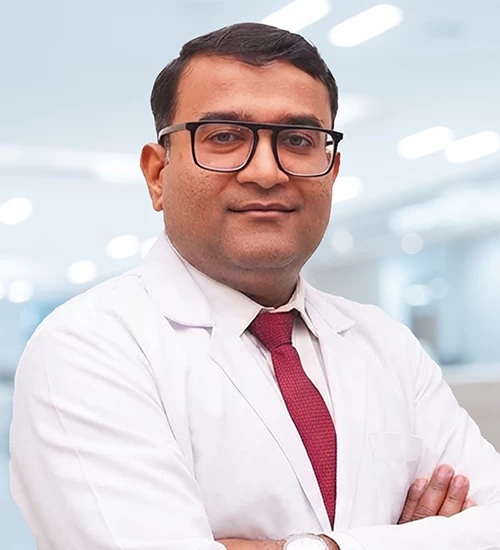
By Dr. Ganesh Dhanuka
Specialist Internal Medicine and Nephrology
International Modern Hospital
Blood donation remains one of the most impactful humanitarian acts, capable of saving multiple lives with a single unit of blood. However, during the holy month of Ramadan, many individuals question whether it is safe to donate while fasting and how to properly prepare for donation.
From a medical standpoint, blood donation is generally safe for healthy individuals. Nevertheless, appropriate preparation — especially in the context of fasting — is essential to minimize risks such as dizziness, dehydration, or hypotension.
This article outlines evidence-based recommendations for blood donation before, during, and after Ramadan, along with its physiological, psychological, and societal benefits.
Preparing for Blood Donation Before Ramadan
Proper preparation significantly reduces the risk of adverse effects during donation. Individuals planning to donate should:
Nutritional Preparation
Consume a balanced meal rich in iron and protein approximately 2–3 hours before donating. Iron-rich foods such as lean red meat, spinach, lentils, beans, and fortified cereals help maintain adequate hemoglobin levels. Protein supports plasma volume and recovery.
Avoid donating on an empty stomach, as this increases the likelihood of lightheadedness and vasovagal reactions.
Hydration Status
Adequate hydration is critical. Donors should:
- Increase water intake the day before donation.
- Drink extra fluids on the day of donation.
Proper hydration helps maintain blood pressure and reduces the risk of fainting.
Sleep and Lifestyle Factors
- Ensure 6–8 hours of quality sleep the night before.
- Avoid alcohol for at least 24 hours prior to donation.
- Refrain from strenuous physical activity before donation.
Medical Disclosure
Bring valid identification and honestly disclose:
- Any chronic medical conditions.
- Current medications.
- Recent illnesses or procedures.
Transparency ensures donor safety and protects recipients.
What to Expect During Blood Donation
The blood donation process is generally straightforward and takes about 10–15 minutes for the actual collection.
During donation:
- Stay calm and breathe normally.
- Avoid sudden movements.
- Inform medical staff immediately if you experience dizziness, nausea, sweating, blurred vision, or weakness.
- Follow all staff instructions carefully.
Most temporary reactions, when they occur, are mild and resolve quickly with rest and hydration.
Post-Donation Care and Recovery
The post-donation period is crucial for safe recovery.
Immediate Aftercare
- Rest at the donation center for 10–15 minutes.
- Accept fluids and light refreshments provided.
- Avoid standing up abruptly.
The Next 24 Hours
- Increase fluid intake significantly.
- Consume iron-rich foods to replenish red blood cell production.
- Avoid heavy lifting for 24 hours.
- Avoid strenuous exercise on the same day.
- Avoid alcohol for several hours after donation.
If dizziness occurs, lie down and elevate your legs until symptoms resolve.

Trump says Iran war is ‘very complete,

The missile threat alert sounded differently this morning

Qatar condemns attack on UAE Consulate General in Kurdistan

Is February 2026 really a once-in -283-years MiracleIn?

Algeria, Burkina Faso, Côte d’Ivoire win AFCON 2025 openers

Bascom Palmer Eye Institute Abu Dhabi and Emirates Society of Ophthalmology Sign Strategic Partnership Agreement
-
Discover2 months ago
Is February 2026 really a once-in -283-years MiracleIn?
-
 Football3 months ago
Algeria, Burkina Faso, Côte d’Ivoire win AFCON 2025 openers
-
 Health3 months ago
Bascom Palmer Eye Institute Abu Dhabi and Emirates Society of Ophthalmology Sign Strategic Partnership Agreement
-

 Health2 months ago
NMC Royal Hospital, Khalifa City, performs rare wrist salvage, restoring function for young patient
-

 Health4 months ago
Emirates Society of Colorectal Surgery Concludes the 3rd International Congress Under the Leadership of Dr. Sara Al Bastaki
-

 Health4 months ago
Born Too Soon: Understanding Premature Birth and the Power of Modern NICU Care
-

 Football4 months ago
Globe Soccer Awards 2025 nominees announced as voting opens in Dubai
-

 Health3 months ago
Decline in Birth Rate in the UAE