
Health
Abu Dhabi Surgeons Remove Rare 4.4kg Cancerous Tumour Larger Than a Newborn Baby in Complex Six-Hour Operation
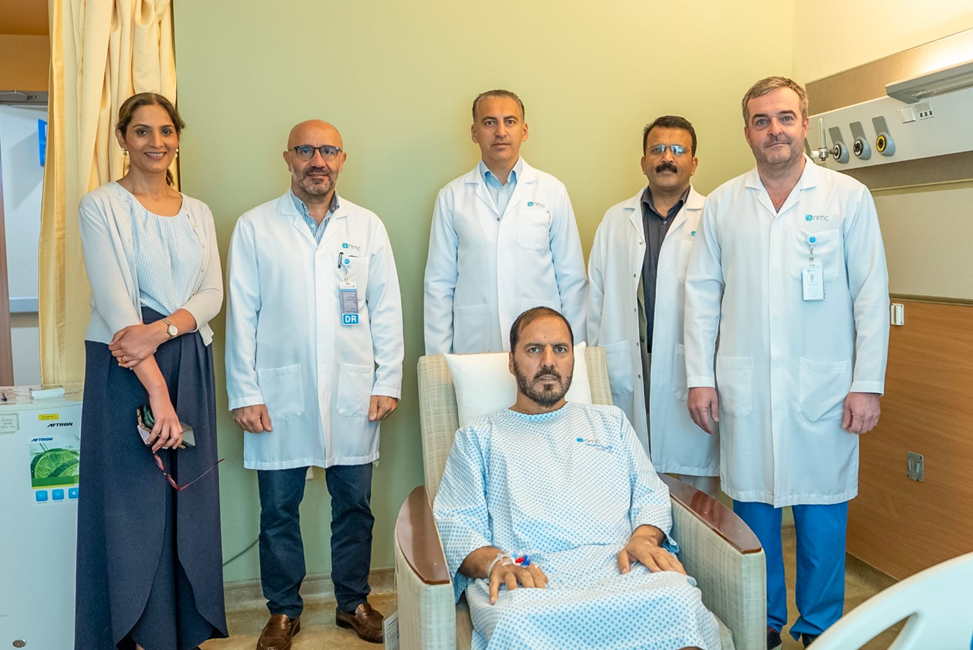
A 49-year-old Pakistani expat makes a remarkable recovery after surgeons at NMC Royal Hospital, Khalifa City, remove a 36cm tumour that had displaced several vital organs and was growing from his 12th rib into his abdomen.
Abu Dhabi, UAE – November 2026: A multidisciplinary surgical team at NMC Royal Hospital, Khalifa City, Abu Dhabi, has successfully removed an exceptionally rare cancerous tumour weighing 4.4 kilograms and measuring 36 centimetres in length from a 49-year-old Pakistani expatriate. The complex six-hour operation involved the removal of the massive tumour, which had grown from the patient’s 12th rib into his abdominal cavity, displacing several vital organs and posing significant surgical challenges.
The tumour, measuring 36 by 17 centimetres and weighing more than the average newborn baby, occupied almost the entire right side of the patient’s abdomen, extending from the diaphragm to the pelvis. Its extraordinary size had pushed the liver, stomach, intestines and other abdominal structures towards the opposite side of the body.
The case is particularly unusual because the cancer, which doctors say affects approximately one person in every two million annually, typically develops in the chest. In this patient, however, the tumour had grown into the abdomen, a presentation so uncommon that only a handful of comparable cases have been reported worldwide over the past three decades, according to the treating team.
The patient, a professional driver who has lived in the UAE since 2014, had previously worked as a farmer in Pakistan. With no significant medical history, he initially dismissed the discomfort he began experiencing on the right side of his abdomen approximately five months before seeking medical attention.
As the pain gradually intensified, he noticed a growing lump in his abdomen and experienced an unexplained weight loss of approximately eight kilograms. These symptoms eventually prompted him to seek medical advice.
Further investigations revealed the enormous mass occupying the right side of his abdominal cavity. Although doctors could not determine exactly when the tumour first developed, they believe it may have been growing silently for several years before symptoms became apparent.
Following comprehensive imaging and a detailed review by the hospital’s multidisciplinary tumour board, doctors confirmed that there was no evidence of cancer spreading to distant organs. Surgical removal was therefore recommended as the most appropriate treatment to give the patient the best possible chance of long-term survival.
However, removing a tumour of this magnitude presented considerable challenges. Its size, location and close proximity to major blood vessels and vital organs meant that even a small surgical complication could result in severe bleeding or potentially life-threatening injuries.
The surgical team was led by Dr Hassan Elberm, Consultant General and Hepatopancreatobiliary (HPB) Surgeon, alongside Dr Sharath Krishnan, Consultant Surgical Oncologist; Dr Haitham Gibbawi, Consultant Vascular Surgeon; Dr Juan Tova, Consultant Urologist; and Dr Ahmad Kamal, Consultant Anaesthetist.
During the six-hour procedure, surgeons carefully separated the tumour from surrounding structures while protecting major abdominal blood vessels and other vital organs.
Because the cancer had invaded the right kidney, diaphragm and surrounding abdominal wall tissues, the surgical team had to remove the affected kidney, adrenal gland, part of the diaphragm and the right 12th rib along with the tumour. This extensive procedure was necessary to achieve complete tumour removal with appropriate surgical margins and reduce the risk of cancer remaining in the affected tissues.
Despite the complexity of the operation and the significant risk of major bleeding, the surgical team successfully removed the tumour with minimal blood loss. Although multiple units of blood had been prepared as a precaution, the patient did not require a blood transfusion.
Dr Hassan Elberm, who led the operation, said the unusual size and location of the tumour made the procedure particularly demanding.
“The biggest challenge was not simply the size of the tumour, but its relationship with several vital organs and major blood vessels. It occupied a substantial part of the abdominal cavity, leaving very limited space for surgical manoeuvring. Any injury to the surrounding structures could have resulted in serious complications, including life-threatening bleeding.
“We carefully planned every stage of the operation with specialists from different surgical disciplines and prepared for several possible scenarios. Fortunately, we were able to remove the entire tumour with minimal blood loss and without the need for a blood transfusion. Achieving this outcome in such a complex case was particularly encouraging.”
Following surgery, the patient was transferred to the intensive care unit for close monitoring under the supervision of Dr Kalpana Reddy and Dr Hossam Elshekh Ali.
His recovery progressed steadily, and he was transferred to the general ward after two days. Within four days of undergoing the major operation, he was able to walk and eat independently, marking an important milestone in his recovery.
He was discharged approximately one week after surgery, with no significant postoperative complications.
Microscopic examination of the removed tissue subsequently confirmed that the cancer had originated from the 12th rib and that the tumour had been completely removed.
Dr Elberm explained that removing the affected organs was an important part of achieving the best possible surgical outcome.
“When a tumour invades surrounding organs, removing only the visible mass may leave cancerous tissue behind. In this case, we needed to remove the affected structures together with the tumour to achieve adequate surgical margins. Although this was a major operation, we expect the patient to maintain a good quality of life, provided his remaining kidney functions normally and his recovery continues as planned.”
Six weeks after surgery, the patient had recovered well enough to travel to Pakistan to reunite with his family, marking a remarkable turnaround from the months of increasing pain and uncertainty that preceded his diagnosis.
He will continue to undergo regular outpatient follow-up and surveillance imaging, with further treatment to be determined according to his clinical progress and the recommendations of the multidisciplinary oncology team.
The successful procedure highlights the importance of early medical evaluation for persistent abdominal symptoms, particularly unexplained swelling, increasing abdominal pain, palpable lumps and unintentional weight loss.
Although abdominal discomfort is common and frequently caused by non-serious conditions, doctors emphasise that persistent or progressively worsening symptoms should not be ignored.
The case also demonstrates the importance of coordinated multidisciplinary care in managing rare and complex cancers, where surgical oncology, vascular surgery, urology, anaesthesia and intensive care specialists must work together to minimise risks and improve patient outcomes.
For the patient, the successful operation has meant more than the removal of a potentially life-threatening tumour. It has allowed him to return to his family and resume his recovery after an exceptionally challenging medical journey.
ENDS
Health
Born 8 Weeks Early: Triplets Return Home After Specialised NICU Care at Emirates Specialty Hospital
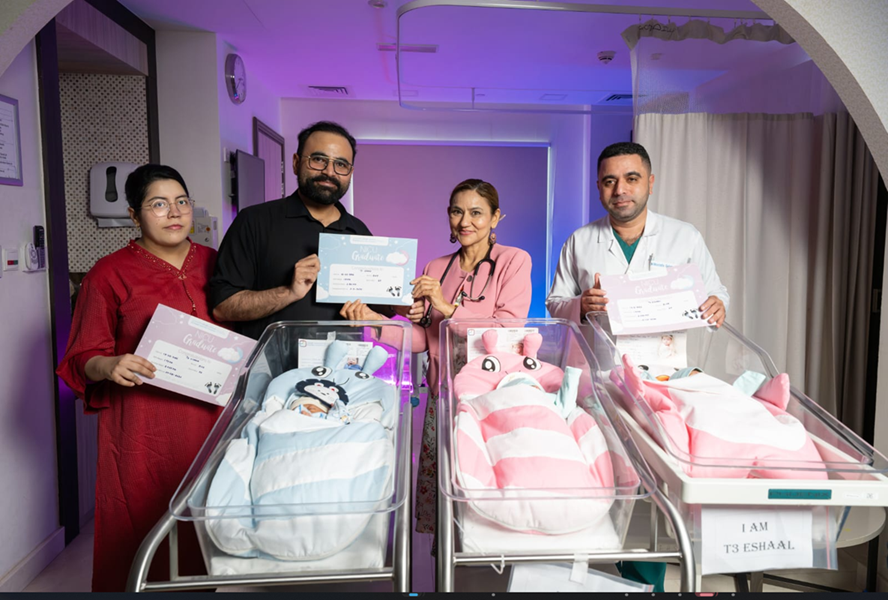
Three premature babies return home after approximately one month of specialised neonatal care, highlighting the importance of coordinated maternity care, multidisciplinary teamwork and family-centred support.
Dubai, UAE – October 2026: Born 8 weeks before their expected due date, three premature babies faced a challenging start to life, requiring specialised neonatal intensive care at Emirates Specialty Hospital in Dubai Healthcare City. What began as a high-risk pregnancy, closely monitored by obstetric and fetal medicine specialists, developed into an unexpected premature delivery. After approximately one month of dedicated medical and nursing care, all three newborns were discharged home, marking an emotional milestone for their parents and highlighting the importance of coordinated medical care in managing complex multiple pregnancies.
For parents Omar and Sahrish Iqbal, the prospect of welcoming triplets brought excitement and anticipation, but also significant medical challenges. Throughout the pregnancy, the mother required frequent antenatal consultations, ultrasound assessments and close monitoring to evaluate the babies’ development and identify potential complications.
Dr. Anfal Akram Al Mashaykhi, Specialist in Obstetrics and Gynecology at Emirates Specialty Hospital, worked closely with Dr. Mandeep Singh, Fetal Medicine Specialist, to provide coordinated antenatal care, assess maternal and fetal wellbeing, discuss available treatment and management options, and guide the family through each stage of the high-risk pregnancy.
Dr. Anfal explained that triplet pregnancies require particularly careful management because of the increased risk of premature delivery, low birth weight, differences in fetal growth and maternal complications, including anemia, hypertension and gestational diabetes.
“Managing a triplet pregnancy requires a structured, multidisciplinary approach, with frequent antenatal assessments and individualised clinical planning. Throughout this pregnancy, Dr. Mandeep Singh and I worked closely together to monitor maternal and fetal wellbeing, review ultrasound findings, assess potential complications and discuss appropriate management and treatment options with the parents. This continuity of care is particularly important in high-risk pregnancies, where clinical circumstances can change rapidly and timely decisions are essential,” Dr. Anfal said.
The pregnancy took a critical turn when the mother presented to Emirates Specialty Hospital with ruptured amniotic membranes and cervical dilation, raising concerns about imminent premature delivery. The situation required prompt clinical assessment and coordinated decision-making involving the obstetric, fetal medicine, anesthesiology and neonatal teams.
Following the delivery, all three newborns were admitted to the hospital’s Neonatal Intensive Care Unit (NICU), where they required specialised monitoring and individualised care during the early weeks of their lives.
Dr. Monika Kaushal, Consultant Pediatrics and Consultant Neonatology at Emirates Specialty Hospital, emphasised that managing three premature newborns simultaneously requires extensive preparation, clearly defined responsibilities and continuous collaboration between medical and nursing teams.
“Caring for premature triplets requires more than advanced equipment. It depends on careful preparation, clear clinical responsibilities and a team that can respond to the individual needs of three newborns at the same time. From the delivery room to admission in the NICU, every step must be coordinated so that each baby receives timely, individualised care.
“At 32 weeks, babies need close monitoring because their organs and body systems are still developing. We focus on each baby’s clinical needs while keeping the parents informed, supporting them through uncertainty and involving them in the care journey as they prepare to take their babies home,” Dr. Kaushal said.
The neonatal nursing team played a particularly important role throughout the triplets’ hospital stay. Through continuous bedside observation, careful implementation of individualised care plans and close communication with the treating physicians, specialised neonatal nurses helped ensure that each baby received appropriate attention and that changes in their clinical condition could be identified and addressed promptly.
Working alongside neonatologists, respiratory therapists and other healthcare professionals, the nursing team contributed to a coordinated approach that was especially important when caring for three premature newborns at the same time.
Beyond the medical challenges, supporting the parents was an essential part of the babies’ journey. Regular communication, parental guidance and compassionate care helped the family navigate the uncertainty associated with premature birth and prepare for the transition from hospital care to home.
For Omar and Sahrish Iqbal, having access to fetal medicine, obstetric care and specialised neonatal services within the same hospital provided reassurance throughout the pregnancy, delivery and NICU journey.
Describing their experience at Emirates Specialty Hospital as “amazing,” the parents praised the coordination between the different medical teams and described the hospital as a “one-stop shop” for the specialised services their family needed.
They expressed heartfelt gratitude to Dr. Anfal Akram Al Mashaykhi, Dr. Mandeep Singh and Dr. Monika Kaushal, as well as the wider medical, nursing and support teams, for their professionalism, dedication and compassionate care throughout the experience.
After approximately one month of specialised neonatal care, according to the parents, all three babies were finally discharged from the hospital and returned home with their family.
The successful discharge marked the end of a challenging hospital journey and the beginning of a new chapter for the family, who had spent weeks hoping for the moment when they could bring all three babies home.
The case highlights the importance of continuity of care throughout high-risk pregnancies, from frequent antenatal monitoring and collaboration between obstetric and fetal medicine specialists to coordinated delivery planning, neonatal intensive care and parental involvement.
It also reflects Emirates Specialty Hospital’s multidisciplinary capabilities in managing complex maternity cases and premature births, supported by specialised clinical expertise, dedicated neonatal nursing teams and an integrated approach to patient and family care.
For Omar and Sahrish Iqbal, however, the greatest achievement is a deeply personal one: after an unexpected and challenging start to life, their three little miracles are finally home.
— Ends —
Health
Fakeeh Health Dubai Mall supports Emarat Al Aman Season 7 as exclusive healthcare provider
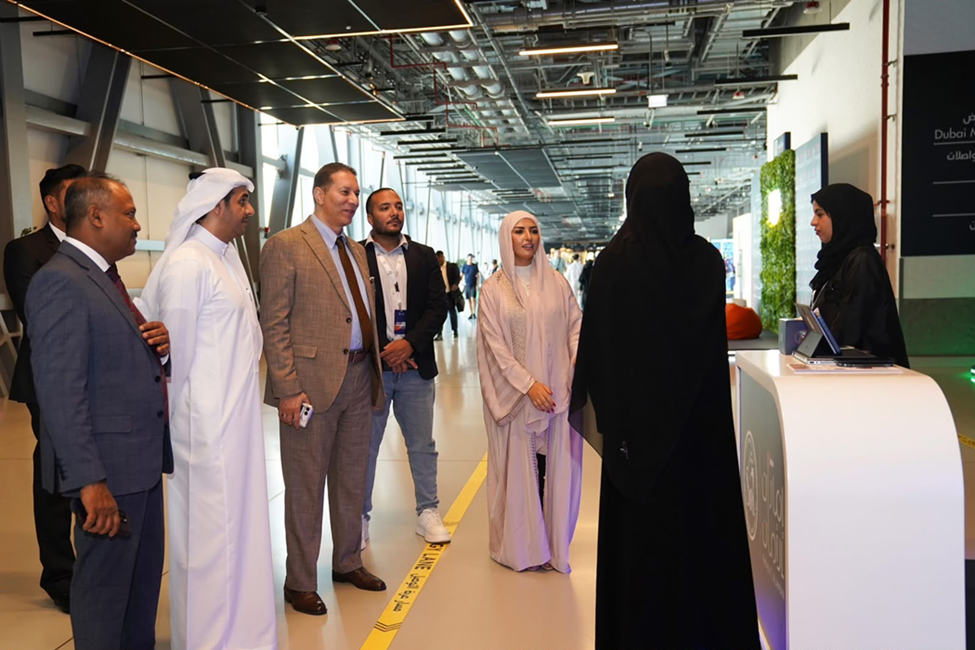
Fakeeh Health Dubai Mall Leads Healthcare Support at Emarat Al Aman Season 7, Strengthening Dubai’s Culture of Safety
Under the patronage of Sheikh Mansoor bin Mohammed, the healthcare group reinforces its commitment to community safety, with its management and staff playing an active role in the four-day event
Dubai, UAE – 5 November 2026: Fakeeh Health Dubai Mall has marked its participation in the seventh season of Emarat Al Aman as the event’s exclusive healthcare provider, supporting Dubai’s efforts to strengthen community safety and wellbeing while taking an active part in the four-day initiative.
Held from November 2 to 5 at Dubai Mall’s Zabeel Sports District, the event took place under the patronage of His Highness Sheikh Mansoor bin Mohammed bin Rashid Al Maktoum and was organised by the Security Industry Regulatory Agency (SIRA) in partnership with Dubai Mall – Emaar.
Fakeeh Health Dubai Mall’s involvement went beyond its role as the event’s healthcare provider. Its management and staff contributed to the initiative throughout the four days, while a team of employees also joined the competitions, winning a number of prizes alongside participants from government entities and private-sector organisations.
The participation reflects Fakeeh Health’s commitment to supporting the UAE’s wider efforts to promote safety, security and community wellbeing, recognising that healthcare organisations have a responsibility that extends beyond hospitals and clinics.
Dr. Mohaymen Abdelghany, Group CEO and Board Member of Fakeeh Health UAE and CEO of Fakeeh University Hospital, emphasised the importance of healthcare institutions working alongside government and private-sector partners to support the safety and prosperity of the Emirates.
“Safety and health are closely connected, and both are essential to the wellbeing of our communities. The UAE has made safety and security a national priority, and initiatives such as Emarat Al Aman demonstrate what can be achieved when organisations and individuals work together towards a common goal,” said Dr. Abdelghany.
“At Fakeeh Health, we believe our responsibility goes beyond providing medical care. We also have a role in supporting initiatives that make our communities safer and healthier. I am particularly pleased with the commitment shown by the Fakeeh Health Dubai Mall management and team, who contributed to the event and participated enthusiastically in its activities.”
The Fakeeh Health Dubai Mall management team played an important role in coordinating the organisation’s involvement, with employees contributing their time and efforts throughout the event. Their participation in the competitions, which resulted in several prizes, added to the team’s contribution to the initiative.
Now in its seventh season, Emarat Al Aman has become an established platform for promoting safety awareness and cooperation across Dubai. Led by SIRA, the initiative has brought together more than 1,000 teams and 4,300 participants since its launch, encouraging leadership, teamwork and shared responsibility through a series of physical and mental challenges.
This year’s edition, held under the theme “Safety is a Shared Responsibility”, featured 16 interactive challenges and brought together more than 30 partners and supporters, including government authorities, security organisations and leading private-sector companies.
Fakeeh Health Dubai Mall joined these organisations in supporting an initiative that reflects Dubai’s emphasis on public safety, community participation and quality of life.
Through its involvement, Fakeeh Health reaffirmed its commitment to working with partners across the UAE to promote a culture in which health, safety and security are recognised as shared responsibilities.
About Fakeeh Health
Fakeeh Health is an integrated healthcare group providing hospital, outpatient, academic and medical education services. With more than four decades of experience in healthcare, the group is committed to advancing patient care, medical education, research and clinical excellence.
For more information: https://www.fakeeh.health/
Health
Reem Hospital and Yas Clinic Sign MoU on Specialized Care, Regenerative Medicine and Cell Therapy in Abu Dhabi
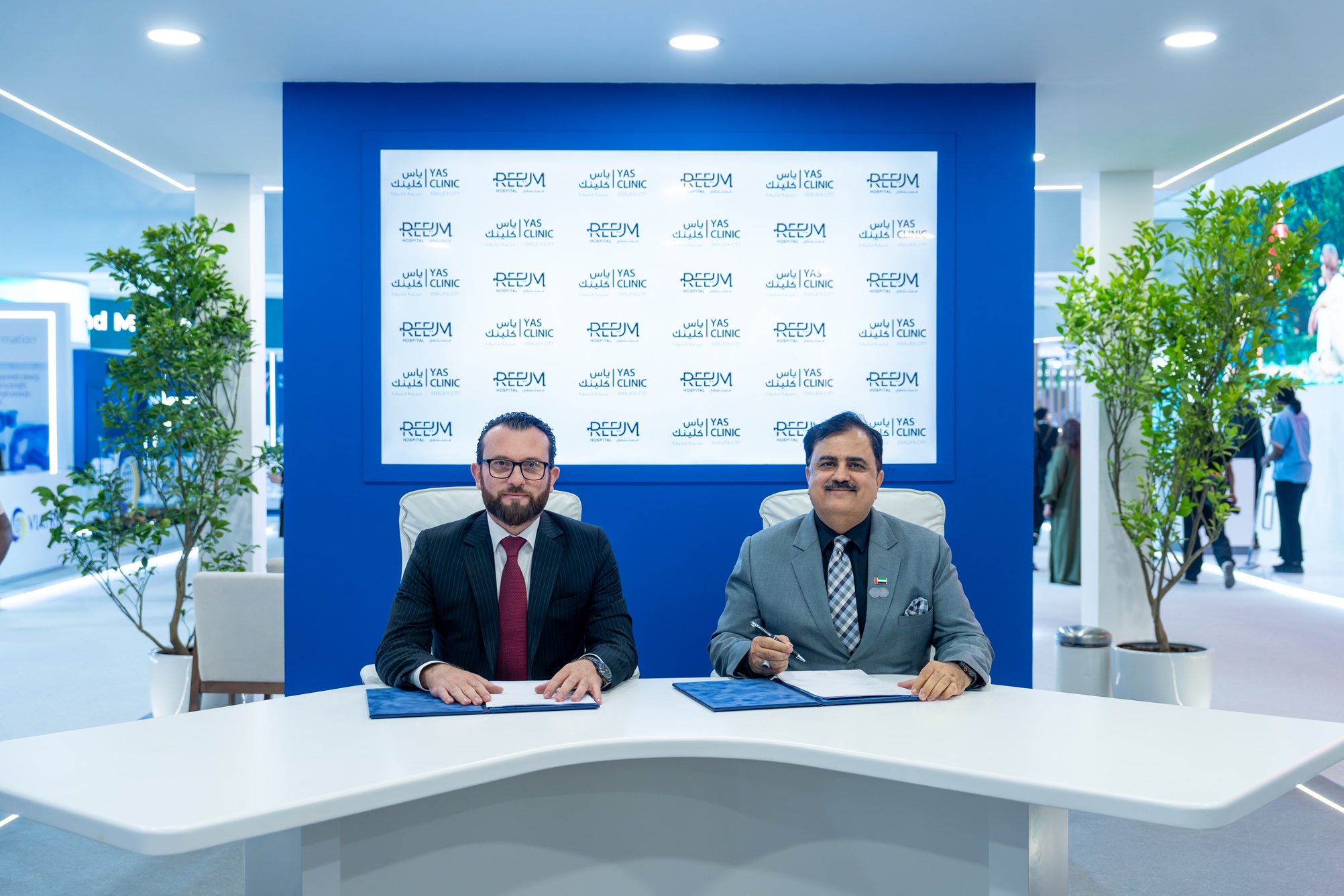
- The agreement establishes a framework for cooperation in regenerative medicine and cell therapy applications across orthopedics, neuroscience, and dermatology.
- Joint training, clinical workshops, and coordinated patient care pathways are among the areas of cooperation.
Abu Dhabi, UAE – October, 2026: Reem Hospital, a multispecialty healthcare provider on Abu Dhabi’s Reem Island, has signed a Memorandum of Understanding (MoU) with Yas Clinic Khalifa City during the Future Health Summit in Abu Dhabi, establishing a framework for cooperation across specialized clinical services, physician expertise, medical innovation, and professional development.
The agreement reflects both organizations’ commitment to advancing specialized healthcare and supporting medical innovation through collaboration. By bringing together complementary clinical expertise, Reem Hospital and Yas Clinic Khalifa City aim to explore opportunities to enhance patient care and contribute to the continued development of Abu Dhabi’s healthcare ecosystem. The partnership aligns with the emirate’s broader ambitions to advance healthcare innovation and improve patient outcomes.
Under the MoU, the two organizations will explore cooperation across three clinical areas, namely orthopedics, neuroscience, and dermatology, with a focus on regenerative medicine and cell therapy applications. The scope also covers clinical knowledge exchange, joint case discussions, sharing of physician expertise, professional training, and the development of coordinated patient care pathways between the two entities.
In regenerative medicine and cell therapy, the parties will assess potential clinical service models, research initiatives, and specialized training opportunities. Any activities in these areas will be subject to the required regulatory approvals and separate agreements.
Alaa Obeid, Chief Executive Officer at Reem Hospital, said, “This collaboration gives us a structured way to combine expertise, exchange knowledge, and explore new approaches to specialized healthcare. By working closely with Yas Clinic, we aim to identify opportunities that support clinical advancement and contribute to the continued development of high-quality medical services in Abu Dhabi.”
Mubasher Maqbool, Chief Executive Officer at Yas Clinic Khalifa City, said: “The future of healthcare depends on strong collaboration between providers, bringing together complementary expertise to advance specialized care and improve patient outcomes. Through this partnership with Reem Hospital, we look forward to exploring opportunities for clinical knowledge exchange, multidisciplinary collaboration and professional development. By strengthening these connections across the healthcare ecosystem, we can help support the responsible advancement of medical innovation and the continued development of patient-centered healthcare in Abu Dhabi.”
The MoU marks a step towards strengthening collaboration between healthcare providers in Abu Dhabi, with both organizations exploring opportunities to advance specialized care and support the evolving needs of patients.
For more information please visit our website : https://www.reemhospital.com/
-ENDS-
About Reem Hospital
Reem Hospital is a multispecialty healthcare facility on Reem Island in Abu Dhabi, with a capacity of more than 200 beds. Designed to meet a broad range of healthcare needs, the hospital is focused on delivering high-quality services in line with international best practices.
Reem Hospital provides innovative, value-based healthcare across outpatient, inpatient, and post-acute care services, supported by state-of-the-art diagnostic equipment. By bringing together leading medical professionals and integrating advanced technologies and AI-powered tracking systems, Reem Hospital aims to expand access to world-class healthcare services in Abu Dhabi.
About Yas Clinic and Abu Dhabi Stem Cells Center (ADSCC)
Yas Clinic, in partnership with Abu Dhabi Stem Cells Center (ADSCC), is among the UAE’s leading healthcare providers, bringing together world-class medical expertise and advanced technologies to offer comprehensive healthcare services across a broad spectrum of medical and surgical specialties.
Through a shared commitment to clinical excellence, innovation, and patient-centered care, Yas Clinic and ADSCC continue to support Abu Dhabi’s vision of becoming a regional center for advanced healthcare by delivering highly specialized services and treatment solutions that meet the highest international standards.
Media Contacts
Dr. Rahaf Wagdy
0506058253


Abu Dhabi Surgeons Remove Rare 4.4kg Cancerous Tumour Larger Than a Newborn Baby in Complex Six-Hour Operation

Born 8 Weeks Early: Triplets Return Home After Specialised NICU Care at Emirates Specialty Hospital

Fakeeh Health Dubai Mall supports Emarat Al Aman Season 7 as exclusive healthcare provider

Araghchi, Oman Sultan discuss transit, stability in Muscat

UAE’s café culture keeps growing despite price pressure

Netflix to Livestream BTS Comeback Concert
-
 politics6 months ago
Araghchi, Oman Sultan discuss transit, stability in Muscat
-
 UAE10 months ago
UAE’s café culture keeps growing despite price pressure
-
 Entertainment9 months ago
Netflix to Livestream BTS Comeback Concert
-
 Discover10 months ago
Is February 2026 really a once-in -283-years MiracleIn?
-

 Football11 months ago
Algeria, Burkina Faso, Côte d’Ivoire win AFCON 2025 openers
-

 Health10 months ago
NMC Royal Hospital, Khalifa City, performs rare wrist salvage, restoring function for young patient
-

 world6 months ago
Epstein files on display at New York pop-up exhibit, all 3.5 million pages
-
 Health11 months ago
Bascom Palmer Eye Institute Abu Dhabi and Emirates Society of Ophthalmology Sign Strategic Partnership Agreement