Health
The Silent Epidemic Now Ranked as the Ninth Leading Cause of Death
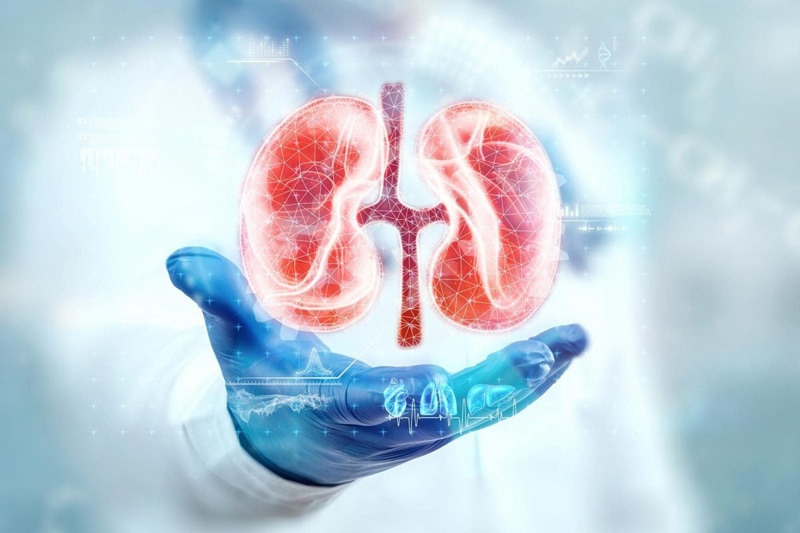
A major new global analysis has revealed that chronic kidney disease (CKD) — often called a silent epidemic because it progresses unnoticed in its early stages — has now become the ninth leading cause of death worldwide, claiming more lives each year and imposing a growing public health burden.
According to data from The Lancet and NYU Langone Health, the number of adults living with CKD has more than doubled over the past three decades — from about 378 million in 1990 to nearly 788 million in 2023. The rise is largely driven by aging populations, unhealthy diets, obesity, diabetes, and high blood pressure — all common in both developed and developing nations.
A Hidden Global Crisis
Chronic kidney disease occurs when the kidneys gradually lose their ability to filter waste and excess fluid from the blood. In its early phases, the disease causes few or no symptoms, meaning many patients remain undiagnosed until irreversible damage has occurred — often when dialysis or a kidney transplant becomes necessary.
The study estimates that 14 percent of the world’s adults currently live with some degree of CKD. In 2023 alone, the condition caused 1.5 million deaths, a 6 percent increase since 1993 after adjusting for population changes.
“Chronic kidney disease is common, devastating, and largely under-recognized as a major health threat,” said Dr. Josef Coresh, Director of the Center for Optimal Aging at NYU Langone. “Our findings show an urgent need for early detection and stronger preventive care.”
The Kidney–Heart Connection
Beyond its direct effects, CKD significantly raises the risk of cardiovascular disease. Researchers found that impaired kidney function contributed to approximately 12 percent of all cardiovascular deaths globally. The condition was also ranked the 12th leading cause of disability and reduced quality of life worldwide.
The study identified three main risk factors behind CKD’s surge:
- Elevated blood sugar (diabetes)
- High blood pressure
- Obesity and increased body mass index
These conditions collectively fuel inflammation and strain on the kidneys, accelerating decline even in relatively young adults.
Early Detection Can Save Lives
Lead author Dr. Morgan Grams emphasized that CKD remains “under-diagnosed and under-treated” despite being largely preventable.
“Simple urine tests can detect early signs of kidney damage, yet millions of people never get screened,” he noted. “When identified early, new drug therapies can slow disease progression and reduce heart attack, stroke, and heart-failure risk.”
Over the past five years, several new medications have demonstrated the ability to protect kidney function and prolong survival. However, the report warns that these benefits will take time to translate into measurable global improvements unless screening and awareness improve substantially.
Implications for the Middle East
The findings carry special significance for the Gulf region, where diabetes, hypertension, and obesity rates remain among the highest globally. These factors place large segments of the population at elevated risk for kidney complications.
Healthcare experts in the UAE and neighboring countries are urging residents to include kidney-function tests as part of routine annual checkups and to adopt balanced diets, maintain healthy weight, and stay hydrated — all key to prevention.
“Chronic kidney disease rarely makes headlines,” said a senior nephrologist in Dubai, “but it is one of the most dangerous conditions silently affecting families across the region. Early testing is simple, inexpensive, and can make the difference between lifelong health and a lifetime of dialysis.”
A Global Call for Action
The World Health Organization has now officially included chronic kidney disease in its list of global non-communicable diseases targeted for reduction by 2030. The goal: cut premature deaths from such illnesses through prevention, early diagnosis, and access to essential treatment.
As the study concludes, CKD is no longer a neglected disease of the elderly — it is a growing worldwide emergency that demands the same urgency and policy attention as heart disease, cancer, and diabetes.
Source:
“Global, regional, and national burden of chronic kidney disease in adults, 1990–2023, and its attributable risk factors: a systematic analysis for the Global Burden of Disease Study 2023,” The Lancet, 7 November 2025.
Article adapted from SciTechDaily.