Analytics
Should your next car be electric after the war?
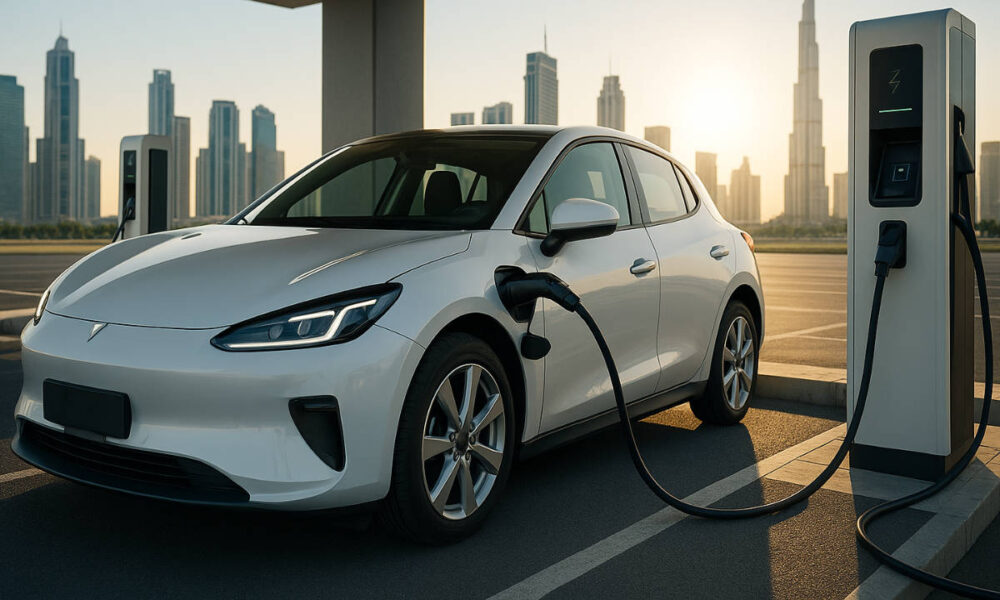
Disruptions to energy flows, especially through the Strait of Hormuz, have triggered one of the most significant shocks to global oil markets in recent years. Fuel costs are rising, and supply chains remain exposed.
“We are in the middle of the second energy shock in the 2020s,” said Kingsmill Bond. “It will flow into people’s decisions on what energy-hungry devices they buy.” For car buyers, that shift is already underway.
1. Fuel costs spike worldwide
The impact shows up immediately:
- Petrol and diesel prices are rising worldwide, with volatility complicating long-term budgeting
- Supply risks are adding uncertainty to everyday transport costs
In parts of Asia, fuel rationing and reduced mobility are already visible, accelerating demand for electric two-wheelers and rickshaws. For buyers, the implication is direct: running a petrol car is becoming harder to plan, while EVs offer more stable operating costs.
That cost gap is becoming clearer in the UAE. An analysis by NIO MENA reveals just how significant the gap has become. With Super 98 petrol at Dh3.39 per litre and Special 95 at Dh3.29, a typical petrol car averaging 12 km per litre costs roughly Dh275 to Dh280 to cover 1,000 km.
An electric vehicle charged at home covers the same distance for about Dh45 — a saving of more than Dh230, or up to 84%.
2. EV cost advantage widens
Even with public charging, the economics still favour EVs:
- Public AC charging: Dh120 per 1,000 km
- DC fast charging: Dh180 per 1,000 km
For fleet operators, these margins scale quickly. A vehicle covering 30,000 km a year could save between Dh2,700 and Dh6,900 annually depending on charging method. Lower maintenance costs — fewer moving parts, no oil changes — add to the advantage.
“When running an electric vehicle can save you up to 84% compared to petrol, this is no longer a debate about sustainability preferences. It is a bottom-line decision,” said Mohammad Maktari, CEO of NIO MENA.
3. People already shift to electric alternatives
The response extends beyond cars. In India, LPG delivery delays of up to 25 days have pushed households toward electric cooking, with induction stove sales rising as much as 30 times on some platforms.
In Europe, solar panel sales have more than doubled in Germany, and EV buyer interest in the UK has risen nearly 30% since the conflict began.
Households in several economies are reducing reliance on fossil fuels. Electrification is becoming a practical decision tied to cost and reliability.
4. Energy security become a priority
The latest shock is reinforcing a deeper shift. “The main driver will not be climate change, the main driver will be energy security,” said Fatih Birol of the International Energy Agency.
History supports this pattern:
- The 1970s oil shocks pushed fuel-efficient cars into the mainstream
- High oil prices in the 2000s accelerated solar and battery innovation
For today’s buyers, the takeaway is clear: EVs reduce exposure to global oil disruptions and offer a path toward greater cost control.
5. Emerging markets accelerate shift
The pressure is strongest in economies reliant on imported fuel. Countries across Asia and Africa — dependent on shipments through the Strait of Hormuz — are facing supply disruptions and rising costs.
In Nigeria, demand for rooftop solar is increasing despite high upfront costs. In Ethiopia, fuel shortages have led to long queues at petrol stations and renewed calls to accelerate EV adoption. Electrification is increasingly seen as a response to supply vulnerability, not just pricing.
Gulf News